
Updated planning guide for 2026, 2027-2028
Tanzania Family Adventure From Moshi: Complete Guide 2026-2027-2028
Discover the ultimate Tanzania family adventure starting from Moshi. This detailed guide covers everything from planning your safari and cultural experiences to practical tips for 2026-2027 travel.
WhatsApp +255616946642 | topguideadventures@gmail.com | info@topguideadventures.com
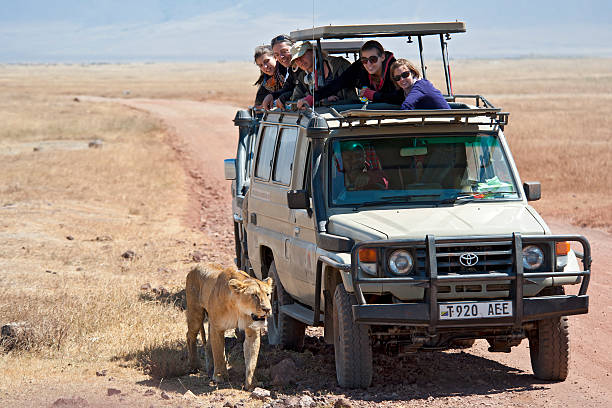
Table of Contents
- Introduction: Your Gateway to a Tanzania Family Adventure from Moshi
- Quick Facts: Tanzania Family Adventure From Moshi
- Overview: What to Expect on a Family Adventure from Moshi
- Why Moshi is the Ideal Starting Point
- Best Time for a Tanzania Family Adventure From Moshi (2026-2027)
- Sample Tanzania Family Adventure Route From Moshi
- Understanding Itinerary Logic and Customization
- Key Activities for Families
- Packing and Preparation for Families
- Safety and Health Considerations
- Common Mistakes to Avoid
- Who is a Tanzania Family Adventure From Moshi Best For?
- Alternatives to a Moshi-Based Family Adventure
- Planning Your 2026-2027 Tanzania Family Adventure
- Booking Your Tanzania Family Adventure
- Frequently Asked Questions
Introduction: Your Gateway to a Tanzania Family Adventure from Moshi
Tanzania offers a world of wonder for families seeking an authentic and exciting travel experience. At the heart of this adventure lies Moshi, a vibrant town nestled at the foot of Mount Kilimanjaro. This location serves as a perfect launchpad for exploring diverse landscapes, encountering incredible wildlife, and immersing yourselves in rich cultures. A Tanzania family adventure from Moshi is more than just a holiday; it’s an opportunity to create lasting memories, educate young minds about the natural world, and share thrilling experiences that will be recounted for years to come. From the vast plains of the Serengeti to the unique ecosystem of the Ngorongoro Crater, and the exotic spice islands of Zanzibar, the possibilities are immense. This guide is designed to provide you with all the essential information needed to plan and execute a remarkable family journey starting from this strategic northern Tanzanian hub.
Quick Facts: Tanzania Family Adventure From Moshi
| Feature | Details |
|---|---|
| Primary Starting Point | Moshi, Tanzania |
| Key Wildlife Areas Accessible | Serengeti National Park, Ngorongoro Conservation Area, Tarangire National Park, Lake Manyara National Park |
| Cultural Experiences | Maasai village visits, local market tours, community projects |
| Adventure Options | Kilimanjaro day hikes (lower slopes), Materuni waterfalls, hot springs |
| Potential Extensions | Zanzibar, Arusha National Park |
| Best Age Range for Children | Generally 6+ for safaris, younger with careful planning and shorter durations. Kilimanjaro trekking not recommended for young children. |
| Typical Trip Duration | 7-14 days for a comprehensive experience, excluding Zanzibar. Add 3-5 days for Zanzibar. |
| Accommodation Styles | Family-friendly lodges, tented camps (some with family suites), guesthouses. |
| Best Travel Months | June to October (dry season), December to February (short rains/warm) |
Overview: What to Expect on a Family Adventure from Moshi
A Tanzania family adventure from Moshi typically involves a combination of wildlife viewing, cultural interactions, and optional adventure activities. The journey usually begins with arrival in Moshi or nearby Arusha, followed by transfers to lodges or camps. The core of the adventure is often a safari circuit covering some of Tanzania’s most famous national parks. Imagine waking up to the sounds of the African bush, enjoying guided game drives in specially equipped 4×4 vehicles, and witnessing animals in their natural habitat. Beyond the thrill of spotting lions, elephants, giraffes, and zebras, families can engage with local communities, learning about traditions and daily life. For the more active, short hikes to stunning waterfalls or exploring the foothills of Kilimanjaro offer a different kind of excitement. The planning phase is crucial to ensure the itinerary is paced appropriately for all family members, balancing exciting activities with downtime. For 2026-2027, expect well-established tourism infrastructure in popular areas, with increasing options for eco-friendly and community-focused experiences.
Why Moshi is the Ideal Starting Point
Moshi’s strategic location makes it an excellent base for a northern Tanzania family adventure. Its proximity to Kilimanjaro International Airport (JRO) means shorter transfer times upon arrival. More importantly, it sits at the crossroads of major safari routes and trekking paths. From Moshi, you have relatively easy access to:
- Arusha National Park: Ideal for day trips and shorter safaris, featuring Mount Meru and diverse wildlife.
- Kilimanjaro National Park: While summiting is for experienced trekkers, the lower slopes offer beautiful scenery and hiking opportunities suitable for families.
- The Northern Safari Circuit: Parks like Tarangire, Lake Manyara, Ngorongoro, and the Serengeti are accessible via road from Moshi, forming the backbone of most safari itineraries.
- Cultural Hubs: Moshi itself is a gateway to authentic cultural experiences, including interactions with Chagga communities and visits to coffee plantations.
This central positioning minimizes long travel days at the beginning and end of your trip, allowing more time for exploration and enjoyment. It also provides a good selection of accommodations and services catering to different budgets and family needs.
Best Time for a Tanzania Family Adventure From Moshi (2026-2027)
Choosing the right time to travel can significantly enhance your family’s experience. Tanzania has distinct seasons, each offering unique advantages:
Dry Season (June to October):
- Pros: Excellent wildlife viewing as animals congregate around water sources. Pleasant, cooler temperatures. Lower humidity. Ideal for photography. This is peak season, so booking well in advance for 2026 and 2027 is advisable.
- Cons: Higher prices and more crowds, especially in popular parks like the Serengeti.
Short Rains (November to mid-December):
- Pros: Fewer crowds, greener landscapes, and often lower prices. The short rains are usually brief, afternoon showers, allowing for morning game drives.
- Cons: Some roads might become muddy, potentially impacting travel times. Wildlife is more dispersed.
Long Rains (March to May):
- Pros: Very few tourists, lowest prices, lush scenery. This is the time for the Great Migration river crossings in the northern Serengeti (around July-August), though this is separate from the main dry season.
- Cons: Heavy rainfall can disrupt travel and game viewing. Many camps and lodges close or reduce services. Not ideal for families prioritizing ease of travel and consistent game viewing.
Warm/Dry Season (December to February):
- Pros: Warm, sunny days ideal for beach extensions to Zanzibar. Good wildlife viewing, though less concentrated than the main dry season. The wildebeest calving season in the southern Serengeti (around February) is a spectacular event.
- Cons: Can be hot, especially in lower-lying areas. Popular holiday period means higher prices and more bookings for 2027.
Recommendation for Families in 2026-2027: For a balance of good weather, reliable wildlife viewing, and manageable crowds, aim for the shoulder months like late May, June, early July, or late October/early November. If your priority is seeing the Great Migration river crossings, July to September is prime time, but requires early booking.
Sample Tanzania Family Adventure Route From Moshi
This sample itinerary focuses on a classic northern circuit experience, suitable for families. It can be customized based on duration and interests.
Route Overview:
- Moshi/Arusha: Arrival, acclimatization, and preparation.
- Tarangire National Park: Known for its large elephant herds and baobab trees.
- Ngorongoro Conservation Area: The “Eighth Wonder of the World” with dense wildlife.
- Serengeti National Park: The vast plains, home to the Great Migration and abundant predators.
- Lake Manyara National Park: Famous for tree-climbing lions and birdlife.
- Moshi/Arusha: Return for departure or onward travel.
Note: This route can be adjusted. For instance, you might swap Lake Manyara for a visit to a Maasai village or add a day trip to Arusha NP.
Detailed Sample Itinerary (10 Days/9 Nights)
| Day | Location | Activities | Accommodation Style |
|---|---|---|---|
| Day 1 | Moshi/Arusha | Arrival at Kilimanjaro International Airport (JRO), transfer to hotel in Moshi or Arusha. Relax and briefing. | Comfortable Lodge/Hotel |
| Day 2 | Arusha to Tarangire | Morning drive to Tarangire National Park. Full-day game drive exploring large elephant herds and baobab trees. | Tented Camp or Lodge |
| Day 3 | Tarangire to Ngorongoro | Morning game drive in Tarangire. After lunch, drive to the Ngorongoro Conservation Area, check into lodge on the crater rim. | Lodge on Crater Rim |
| Day 4 | Ngorongoro Crater Tour | Full day exploring the Ngorongoro Crater floor, a unique ecosystem with high wildlife density, including the Big Five. Picnic lunch. | Lodge on Crater Rim |
| Day 5 | Ngorongoro to Serengeti | Drive to the Serengeti National Park, with a stop at Olduvai Gorge (optional). Afternoon game drive in the Serengeti. | Tented Camp or Lodge |
| Day 6 | Serengeti National Park | Full day game drives in the Serengeti, focusing on different regions based on wildlife movements. Optional hot air balloon safari. | Tented Camp or Lodge |
| Day 7 | Serengeti National Park | Another full day of game drives in the Serengeti, seeking out predators and diverse wildlife. | Tented Camp or Lodge |
| Day 8 | Serengeti to Lake Manyara | Morning game drive in Serengeti. Drive to Lake Manyara National Park. Afternoon game drive focusing on tree-climbing lions and birdlife. | Lodge or Tented Camp |
| Day 9 | Lake Manyara to Moshi | Morning activity (e.g., village visit near Lake Manyara or short walk). Drive back to Moshi. Farewell dinner. | Comfortable Lodge/Hotel |
| Day 10 | Moshi | Transfer to Kilimanjaro International Airport (JRO) for departure. | N/A |
Understanding Itinerary Logic and Customization
The structure of a Tanzania family adventure from Moshi is built around logical travel flow and maximizing wildlife viewing opportunities. Parks are generally visited in a sequence that minimizes backtracking and takes advantage of their unique ecosystems.
Logical Flow:
- Proximity: Moshi is closest to Arusha National Park and the Kilimanjaro region.
- Circuit Design: The Northern Circuit is designed to flow from one park to the next. Tarangire is often visited first due to its location south of Arusha. Ngorongoro follows, offering a different landscape and concentrated wildlife. The vast Serengeti is typically the highlight, requiring more time. Lake Manyara can be visited on the way back towards Arusha/Moshi.
- Wildlife Movements: For itineraries longer than 7 days, incorporating Serengeti is essential for experiencing its scale and diversity. The Great Migration’s location varies seasonally, influencing the best areas within the Serengeti to visit.
Customization for Families:
- Pacing: Younger children or those less accustomed to travel may benefit from fewer park changes and more downtime. Instead of moving every day, consider 2-night stays in key locations like the Serengeti.
- Activity Balance: Mix game drives with cultural visits, nature walks (where permitted and safe), or relaxation time at lodges with pools.
- Accommodation: Choose lodges and camps that are explicitly family-friendly, offering suitable room configurations, kid-friendly meals, and potentially supervised activities.
- Vehicle Choice: Ensure the safari vehicle is comfortable, has pop-up roofs for optimal viewing, and enough space for children.
- Duration: A 7-day safari is a good introduction. For a more in-depth experience, 10-12 days is better. Add Zanzibar for a beach component.
When planning for 2026 or 2027, discuss your family’s specific needs and interests with your tour operator to tailor the itinerary perfectly.
Key Activities for Families
A family adventure from Moshi offers a rich mix of experiences. Here are some highlights:
Wildlife Safaris: Serengeti & Ngorongoro
This is the primary draw for most visitors. Expect thrilling game drives where you’ll search for the Big Five (lion, leopard, elephant, rhino, buffalo) and countless other species. The Ngorongoro Crater offers an incredibly concentrated wildlife viewing experience, while the Serengeti provides vast landscapes and the chance to witness the Great Migration.
Cultural Immersion: Maasai Villages & Local Communities
Visiting a Maasai boma (village) provides insight into the traditional lifestyle of one of Tanzania’s most iconic tribes. Families can learn about their customs, dances, and daily routines. Moshi also offers opportunities to visit local markets, coffee plantations (especially the Chagga coffee farms), and potentially engage with community-based tourism projects. These interactions are often educational and engaging for children, fostering an understanding and respect for different cultures.
Adventure Options: Kilimanjaro Foothills & Waterfalls
While summiting Kilimanjaro is an expedition for seasoned trekkers, families can enjoy shorter hikes in the mountain’s foothills. The Materuni waterfalls, near Moshi, offer a beautiful and accessible excursion, often combined with a visit to a local coffee farm. Guided nature walks in areas like Arusha National Park can also be a great way for families to connect with the environment.
Zanzibar Extension: Island Paradise
For a complete Tanzanian experience, consider adding a few days on the spice island of Zanzibar. Accessible via a short flight from Arusha or Kilimanjaro, Zanzibar offers beautiful beaches, snorkeling, diving, exploring historic Stone Town, and learning about the island’s rich history and spice trade. It provides a relaxing contrast to the adventure of the safari.
Packing and Preparation for Families
Packing smart is key to a comfortable and enjoyable family trip. Consider the climate, activities, and the needs of children.
Clothing:
- Lightweight, breathable clothing: Cotton or quick-dry fabrics in neutral colors (khaki, beige, olive green) are best for safaris. Avoid bright colors that can startle wildlife.
- Layers: Mornings and evenings can be cool, especially on the crater rim or in the Serengeti. Pack fleece jackets, sweaters, and long-sleeved shirts.
- Trousers/Long Skirts: Good for protection against the sun and insects.
- Shorts: For warmer days and relaxing at lodges.
- Rain Jacket: A lightweight, waterproof jacket is essential, especially during the rainy seasons.
- Swimsuits: For hotel pools or beach extensions.
Footwear:
- Comfortable walking shoes/trainers: For light hikes and around lodges.
- Sandals/Flip-flops: For relaxing.
- Hiking boots: Only if planning more serious hikes (not usually required for standard safari).
Essentials:
- Sunscreen (high SPF), hats, sunglasses: The sun is intense.
- Insect repellent: With DEET for malaria protection.
- Personal first-aid kit: Include any personal medications, motion sickness remedies, and basic wound care.
- Hand sanitizer: Essential for hygiene on the go.
- Binoculars: Crucial for wildlife viewing, consider child-friendly pairs.
- Camera and extra batteries/memory cards: You’ll take a lot of photos!
- Power bank/adapters: For charging devices.
- Reusable water bottles: To stay hydrated and reduce plastic waste.
- Small backpack: For day trips and carrying essentials.
- Wipes: Always useful with children.
- Books/Games: For downtime or travel between locations.
For Children:
- Pack familiar snacks if picky eaters.
- Comfort items like a favorite stuffed animal or blanket.
- Kid-sized gear like hats, sunglasses, and binoculars.
Important Note: Most lodges provide amenities like hairdryers, but check in advance. Pack light where possible, as luggage space in safari vehicles can be limited.
Safety and Health Considerations
Ensuring your family’s safety and health is paramount. Tanzania is generally a safe destination for tourists, but standard precautions are necessary.
Health Precautions:
- Consult your doctor: Discuss necessary vaccinations (e.g., Hepatitis A, Typhoid) and malaria prophylaxis well in advance of your 2026-2027 trip.
- Malaria: Tanzania is a malaria risk area. Take precautions such as using insect repellent, wearing long sleeves and trousers at dawn and dusk, and sleeping under mosquito nets (usually provided in accommodations).
- Water: Drink only bottled or purified water. Avoid ice in drinks unless you are certain it’s made from purified water.
- Food: Eat well-cooked food. Be cautious with raw fruits and vegetables unless you can peel them yourself or they are prepared hygienically.
- Sun Protection: Sunburn can be severe. Use high SPF sunscreen, wear hats, and stay hydrated.
Safari Safety:
- Stay in the Vehicle: Always remain inside the safari vehicle during game drives unless instructed otherwise by your guide.
- Listen to Your Guide: Your guide is experienced and knows how to approach wildlife safely. Follow their instructions implicitly.
- No Feeding Animals: Never attempt to feed or approach wild animals.
- Children on Safari: Ensure children are supervised at all times. They should be instructed not to lean out of vehicle windows unnecessarily.
- Walking Safaris: If offered, these are conducted in specific, safe areas under armed ranger escort.
General Safety:
- Valuables: Keep valuables secure and avoid displaying expensive items.
- Photography: Always ask permission before taking photos of people.
- Road Travel: While your tour operator will use experienced drivers, roads can be rough. Seatbelts should be worn.
- Emergency Contacts: Have your tour operator’s emergency contact details readily available.
Your tour operator will provide detailed safety briefings upon arrival, and experienced guides are trained to manage situations effectively. For 2026-2027 travel, ensure your chosen operator adheres to all safety protocols.
Common Mistakes to Avoid
To ensure your Tanzania family adventure from Moshi is as smooth as possible, here are some common pitfalls to sidestep:
- Underestimating Travel Times: Distances in Tanzania can be large, and road conditions can slow travel. Factor in ample time for transfers between locations.
- Packing Inappropriately: Forgetting essentials like sun protection, insect repellent, or layers for cool evenings can make days uncomfortable.
- Trying to See Too Much: Over-scheduling can lead to exhaustion, especially for children. Prioritize quality experiences over quantity.
- Not Booking in Advance: Especially for peak seasons in 2026 and 2027, popular lodges and vehicles book up quickly.
- Ignoring Health Advice: Not taking malaria precautions or getting necessary vaccinations can lead to serious illness.
- Expecting Instant Wi-Fi Everywhere: While many lodges offer Wi-Fi, connectivity can be spotty in remote park areas. Embrace the opportunity to disconnect.
- Choosing the Cheapest Option: While budget is a consideration, extremely low prices may indicate compromises on vehicle quality, guide experience, or accommodation standards, impacting your safety and enjoyment.
- Not Involving Children in Planning: Letting children have a say in some aspects (e.g., choosing between certain activities) can increase their excitement and engagement.
- Not Having Realistic Expectations: Wildlife sightings are not guaranteed. While Tanzania offers incredible chances, understand that animals are wild and move freely.
By being aware of these points, you can better prepare for a successful and memorable family trip.
Who is a Tanzania Family Adventure From Moshi Best For?
A Tanzania family adventure from Moshi is ideally suited for families who:
- Seek Authentic Experiences: Those who want more than just a typical beach holiday and desire genuine encounters with nature and culture.
- Appreciate Wildlife: Families with a keen interest in animals, eager to see them in their natural environment, from the smallest insects to the largest mammals.
- Are Moderately Active: While the core is game drives, there are opportunities for light walks and cultural exploration that require a reasonable level of mobility.
- Are Open to Different Cultures: Families willing to engage respectfully with local communities and learn about different ways of life.
- Value Education: Parents who see travel as an educational opportunity for their children, fostering curiosity and global awareness.
- Can Adapt: Those who understand that travel in Africa can sometimes involve unexpected changes and are flexible enough to adapt.
- Have Children Aged 6 and Above: While younger children can participate with careful planning (shorter safaris, family-friendly lodges), the long days and immersive nature of a safari are often best appreciated by children who can understand and follow instructions and have a longer attention span. Very young children might find extended game drives challenging.
It’s less suited for families seeking a purely relaxing resort-style holiday or those with very young children who require constant entertainment and supervision in a less structured environment.
Alternatives to a Moshi-Based Family Adventure
While a Moshi-based adventure is fantastic, other options exist within Tanzania and East Africa, catering to different family preferences:
Other Tanzania Regions:
- Southern Tanzania Safaris (e.g., Ruaha, Selous): Less crowded, more wild, and offer a different safari experience. Requires flights from Dar es Salaam or Arusha, making it a separate trip rather than a Moshi start. Best for families with older children or those seeking a more remote feel.
- Zanzibar Only: If the focus is purely on beaches, history, and water activities, a dedicated Zanzibar trip from mainland arrival (e.g., Dar es Salaam) is an option.
Other East African Countries:
- Kenya Family Safari: Offers similar wildlife experiences, particularly the Maasai Mara. Nairobi is a common entry point. Kenya has a well-developed tourism infrastructure and various family-focused lodges.
- Uganda/Rwanda Gorilla Trekking: For families with older children (typically 15+ due to permit regulations and trek difficulty), gorilla trekking in Bwindi or Volcanoes National Park is an unparalleled wildlife encounter. This is a very different type of adventure.
The advantage of starting from Moshi is the combination of accessible iconic parks, cultural experiences, and the option to add Kilimanjaro-related activities or a Zanzibar extension within a single, well-connected trip.
Planning Your 2026-2027 Tanzania Family Adventure
Planning a family trip to Tanzania requires careful consideration, especially for future travel dates like 2026 and 2027. Early planning is essential.
Booking Timeline:
- 12-18 Months Out: Research tour operators, discuss your family’s needs, and get initial quotes. If you have specific lodge preferences or are traveling during peak season (e.g., July-September for migration, December-January for holidays), book now.
- 6-9 Months Out: Finalize your itinerary and book your safari vehicle and accommodations. Book international flights.
- 3-6 Months Out: Consult your doctor for vaccinations and malaria advice. Purchase travel insurance.
- 1-2 Months Out: Final payments to tour operator. Confirm all details. Start packing.
- 1-2 Weeks Out: Get any necessary visas. Exchange some currency.
Budget Considerations for 2026-2027:
Costs can vary significantly based on accommodation level, duration, number of people, and time of year. Generally, expect:
- Accommodation: Mid-range lodges and tented camps will be more affordable than luxury options. Family suites or adjoining rooms can sometimes offer better value than booking multiple standard rooms.
- Vehicle & Guide: A private safari vehicle with a dedicated guide is standard for families and offers flexibility. This is a significant part of the cost.
- Park Fees: These are fixed per person per day and can add up, especially for longer stays in popular parks.
- Activities: Optional activities like hot air balloon safaris or cultural visits incur extra costs.
- International Flights: These fluctuate based on booking time and airline.
- Miscellaneous: Tips for guides and staff, souvenirs, personal expenses.
Tip: When comparing quotes for 2026-2027, ensure you understand exactly what is included (e.g., park fees, meals, accommodation type, guide services, vehicle). This allows for a fair comparison.
Choosing a Tour Operator:
Look for operators with specific experience in family travel and a strong reputation for safety, sustainability, and excellent guides. Read reviews, ask for references, and ensure they are responsive to your queries. Topguideadventures is a reputable local operator specializing in customized Tanzanian experiences.
Essential Planning Checklist:
| Task | Status (Y/N) | Notes |
|---|---|---|
| Research and select tour operator | Ensure they handle family tours well. | |
| Define trip dates and duration | Consider seasons and school holidays. | |
| Create a preliminary itinerary | Balance activities and rest. | |
| Get quotes and compare packages | Check inclusions carefully. | |
| Book safari vehicle and accommodation | Especially crucial for 2026-2027 peak times. | |
| Book international flights | Look for deals. | |
| Obtain necessary visas | Check current requirements. | |
| Consult doctor for health advice | Vaccinations, malaria prophylaxis. | |
| Purchase comprehensive travel insurance | Must cover medical emergencies and trip cancellation. | |
| Start packing based on climate and activities | Refer to packing list. | |
| Arrange airport transfers | Usually handled by tour operator. | |
| Inform bank of travel dates | For card usage abroad. | |
| Learn a few Swahili phrases | Optional but appreciated. |
Booking Your Tanzania Family Adventure
Booking your Tanzania family adventure from Moshi is a critical step. Here’s how to approach it confidently:
Working with Tour Operators:
- Local vs. International: Local operators like Topguideadventures often offer better value and on-the-ground expertise. They have direct relationships with lodges and guides.
- Customization: Ensure the operator is willing and able to customize the itinerary to suit your family’s pace, interests, and any specific needs (e.g., dietary requirements, mobility issues).
- Communication: A good operator will be responsive, transparent, and provide clear information about what’s included and excluded.
- Payment Terms: Understand the deposit requirements and final payment deadlines. Be wary of operators asking for full payment upfront without clear cancellation policies.
- Safety Standards: Inquire about their safety protocols, guide training, and vehicle maintenance.
Contract and Inclusions:
Always review your booking contract carefully. Key inclusions to look for in a Tanzania family adventure package are:
- Safari vehicle (4×4 Land Cruiser/Land Rover) with pop-up roof
- Professional, English-speaking guide
- Accommodation as per itinerary
- Meals (usually full board on safari)
- Park entrance fees
- Crater service fees (for Ngorongoro)
- Bottled water during game drives
- Airport transfers
Exclusions to watch for:
- International flights
- Visa fees
- Travel insurance
- Tips for guides and lodge staff
- Drinks (alcoholic and some non-alcoholic)
- Optional activities (balloon safaris, cultural visits unless specified)
- Personal expenses
Important Documents:
- Passports: Must be valid for at least six months beyond your intended stay and have sufficient blank pages.
- Visas: Most nationalities require a visa for Tanzania. This can often be obtained online in advance or on arrival, but check current regulations.
- Yellow Fever Certificate: May be required if arriving from or transiting through a country with a risk of yellow fever.
- Vaccination Records: Carry any relevant medical documentation.
For a seamless booking experience for your 2026 or 2027 family adventure, reach out to experienced providers. Topguideadventures can be contacted via WhatsApp at +255616946642 or email at topguideadventures@gmail.com and info@topguideadventures.com.
Frequently Asked Questions
Q1: Is Tanzania safe for family travel in 2026-2027?
Yes, Tanzania is generally safe for families. The main tourist areas are well-established, and tour operators prioritize safety. Standard travel precautions apply, and listening to your guide is crucial for safari safety.
Q2: What is the best age for children to go on a Tanzania family adventure?
Children aged 6 and above usually enjoy safaris the most, as they can appreciate the wildlife and follow instructions. Very young children (under 5) might find long game drives challenging. Always consult with your tour operator about suitability for your specific children’s ages and temperaments.
Q3: How much does a Tanzania family adventure from Moshi typically cost?
Costs vary greatly depending on accommodation style (budget, mid-range, luxury), duration, and the number of people. A mid-range 10-day family safari from Moshi could range from $3,500 – $6,000+ per person, excluding international flights. It’s best to get custom quotes for 2026-2027 based on your specific requirements.
Q4: What is the Great Migration, and when is the best time to see it?
The Great Migration is the annual movement of over 1.5 million wildebeest, zebras, and other herbivores across the Serengeti ecosystem. The best time to see specific events like river crossings is typically July to September in the northern Serengeti. Calving season is in the southern Serengeti around February.
Q5: Do we need malaria pills for Tanzania?
Yes, Tanzania is a malaria-risk country. It is highly recommended to consult your doctor about malaria prophylaxis and other necessary vaccinations well before your trip in 2026 or 2027.
Q6: What kind of vehicle will we use for our safari?
For family safaris, a 4×4 Land Cruiser or Land Rover is standard. These vehicles are equipped with pop-up roofs for excellent game viewing and photography, and they are robust enough for park roads.
Q7: Can we customize our itinerary from Moshi?
Absolutely. Most reputable tour operators, including Topguideadventures, specialize in creating custom itineraries tailored to your family’s interests, budget, and pace. Discuss your preferences for a 2026-2027 trip during the planning phase.
Q8: What are the visa requirements for Tanzania?
Most nationalities require a visa for Tanzania. You can often apply online in advance or obtain one upon arrival at Kilimanjaro International Airport. Check the latest requirements for your nationality on the official Tanzanian immigration website.
Q9: Is it possible to do a short Kilimanjaro hike with children from Moshi?
Yes, short day hikes on the lower slopes of Kilimanjaro, such as to the Marangu gate or Mandara Huts (part of the Marangu route), can be feasible for older children with good fitness. Summiting Kilimanjaro is a serious undertaking not suitable for children. Your tour operator can advise on suitable options.
Q10: What should we do about tipping our safari guide?
Tipping is customary and appreciated for good service. Your tour operator will provide guidelines, but generally, a tip of $20-$30 per day for your driver-guide is a common range for a private safari. It’s best to give this at the end of the safari.
Ready for Your Tanzania Family Adventure From Moshi?
A Tanzania family adventure from Moshi promises an experience filled with wonder, education, and unforgettable moments. From the thrill of spotting wildlife in world-renowned national parks to engaging with vibrant local cultures, this journey offers something for every member of the family. Planning for 2026 and 2027 means you have ample time to craft the perfect adventure.
Let us help you create a personalized itinerary that matches your family’s dreams and needs. We specialize in crafting unique Tanzanian experiences, ensuring safety, comfort, and authenticity every step of the way.
Contact us today to start planning your dream family safari:
WhatsApp: +255616946642
Email: topguideadventures@gmail.com
Backup Email: info@topguideadventures.com
We look forward to helping you plan an extraordinary family adventure in Tanzania!
Plan your Tanzania Family Adventure From Moshi with Top Guide Adventures
Tell us your travel dates, group size, comfort level, and dream experience. We will help you shape a clear, realistic, and memorable Tanzania itinerary.







 Veedesigner
 Fatma Kizanga
 Benjamin Waryuba
 Philip Philip
 John jr Itaja
 Antonia Optatus
 Edith Kanyere
 Neema Iddy
 Kelvin Boniphace
 Damari Maiga



