
Updated planning guide for 2026, 2027-2028
Tanzania Budget Adventure From Moshi: Affordable Planning Guide 2026-2027-2028
Your ultimate guide to experiencing Tanzania on a budget, starting from Moshi. This detailed article covers everything from affordable safari options and Kilimanjaro climbs to Zanzibar excursions, essential planning tips for 2026-2027, and how to book your dream adventure without overspending.
WhatsApp +255616946642 | topguideadventures@gmail.com | info@topguideadventures.com
Tanzania Budget Adventure From Moshi: Your Comprehensive Planning Guide
Moshi, Tanzania, serves as the primary gateway for many adventurers aiming to explore the country’s incredible natural wonders. Whether your sights are set on the summit of Mount Kilimanjaro, the vast plains of the Serengeti, or the tropical shores of Zanzibar, a Tanzania budget adventure from Moshi is entirely achievable with smart planning. This guide provides an in-depth look at how to craft an unforgettable Tanzanian experience without breaking the bank, covering essential aspects from itinerary design and cost management to practical preparation for 2026 and 2027 journeys.
Quick Overview: Budget Travel from Moshi
A budget adventure from Moshi focuses on maximizing experiences while minimizing expenses. This typically involves choosing more economical accommodation, opting for group tours where feasible, utilizing local transport for non-safari legs, and being strategic about activity choices. The goal is to see and do as much as possible, experiencing the authentic heart of Tanzania.
| Aspect | Budget Focus | Notes |
|---|---|---|
| Accommodation | Guesthouses, budget lodges, hostels, camping | Prioritize clean and safe over luxury. |
| Transportation | Local buses (daladalas), shared shuttles, budget-friendly tour operator transfers | Factor in travel time; private transfers increase cost. |
| Activities | Group safaris, budget Kilimanjaro routes (e.g., Marangu), walking safaris, cultural tours | Look for package deals or shared experiences. |
| Food | Local eateries (vibandas), markets, self-catering where possible | Enjoy local cuisine, but be mindful of hygiene. |
| Tour Operators | Reputable local operators offering value packages | Research carefully; compare inclusions and reviews. |
Why Moshi is the Ideal Starting Point for Budget Adventures
Moshi is strategically positioned. It’s the closest major town to Mount Kilimanjaro, making it the natural hub for trekkers. It’s also within reasonable reach of Arusha National Park and offers access to routes heading towards the Northern Circuit’s famed parks like Tarangire, Lake Manyara, and the Serengeti. Furthermore, it’s a common stopover for those traveling between Kenya and Tanzania, and a point from which to arrange onward travel to Zanzibar.
For budget travelers, Moshi offers a range of services catering to different price points. You’ll find numerous local tour operators, guesthouses, and suppliers for trekking gear. This competitive environment can lead to better deals, especially if you are flexible and do your research.
Table of Contents
- Quick Overview: Budget Travel from Moshi
- Why Moshi is the Ideal Starting Point for Budget Adventures
- Planning Your Tanzanian Route from Moshi
- Mount Kilimanjaro Trekking on a Budget
- Budget Safaris from Moshi: Northern Circuit Wonders
- Zanzibar on a Shoestring: Island Paradise
- Other Budget-Friendly Activities Near Moshi
- Best Time for a Tanzania Budget Adventure (2026-2027)
- What to Expect: Realities of Budget Travel in Tanzania
- Packing Essentials for Your Budget Adventure
- Common Mistakes to Avoid on a Budget Trip
- Who is a Tanzania Budget Adventure From Moshi Best Suited For?
- Alternatives to a Standard Budget Trip
- Planning Your 2026-2027 Tanzania Budget Adventure
- Booking Your Budget Adventure: Expert Tips
- Frequently Asked Questions (FAQs)
- Ready for Your Adventure? Contact Us!
Planning Your Tanzanian Route from Moshi
A successful Tanzania budget adventure from Moshi hinges on a well-thought-out itinerary. Consider your interests, available time, and budget. Most budget travelers focus on a combination of Kilimanjaro, a short safari, and potentially Zanzibar. It’s often more cost-effective to book multi-day packages that bundle transport, accommodation, and activities.
Here’s a sample logic for planning:
- Define your core interest: Is it climbing Kilimanjaro, seeing the Big Five on safari, or relaxing on Zanzibar’s beaches? This will dictate your primary focus.
- Allocate time: Kilimanjaro treks range from 5 to 9 days. Safaris can be 2-4 days for a good overview. Zanzibar typically requires 3-5 days. Factor in travel days between locations.
- Choose your safari duration and parks: For a short budget safari, focus on parks closer to Moshi/Arusha like Arusha National Park (for day trips), Tarangire, and Lake Manyara. The Serengeti and Ngorongoro Crater require more time and are generally more expensive but can be included in longer, more cost-efficient group tours.
- Connect the dots: Moshi -> Kilimanjaro (if applicable) -> Arusha (safari hub) -> Moshi/Arusha -> Zanzibar (flight or ferry) -> Moshi/Arusha.
- Book strategically: Look for operators who bundle these elements or offer discounts for booking multiple services.
For instance, a common budget itinerary might look like this:
Sample Budget Itinerary Logic (10-14 Days)
- Days 1-2: Arrive in Kilimanjaro International Airport (JRO), transfer to Moshi. Settle in, arrange final trek details (if climbing Kilimanjaro), explore Moshi town.
- Days 3-7/9: Mount Kilimanjaro Trek (e.g., Marangu or Machame route). This is a significant portion of a budget if climbing.
- Day 8/10: Return from Kilimanjaro, rest in Moshi.
- Day 9/11: Transfer to Arusha. Begin a 3-day budget safari (e.g., Tarangire, Lake Manyara, Ngorongoro Crater).
- Day 11/13: Safari concludes. Return to Arusha/Moshi.
- Day 12/14: Transfer to Arusha Airport for a flight to Zanzibar, or begin overland journey. (If extending to Zanzibar, add 4-5 days).
Mount Kilimanjaro Trekking on a Budget
Climbing Kilimanjaro is often the primary draw for visitors starting from Moshi. While it’s not a cheap undertaking, budget-conscious trekkers have options. The key is choosing the right operator and route.
- Route Selection: The Marangu Route is often considered the most budget-friendly due to its relatively lower cost and the option for dormitory-style lodging in huts, reducing tent costs. However, it has a lower success rate due to its steep ascent profile. The Machame Route is popular and offers better acclimatization but is typically more expensive. For budget trekkers, focusing on operators who offer well-managed Marangu or a competitively priced Machame is wise.
- Operator Choice: This is critical. Look for local Tanzanian operators based in Moshi. They often have lower overheads than international companies. However, ensure they are reputable, experienced, and prioritize safety and porter welfare. A slightly higher price for a well-regarded local operator is often worth it. Avoid the absolute cheapest options, as they may compromise on food quality, equipment, or guide experience, impacting your safety and success.
- Group Trekking: Joining a group trek is almost always cheaper than a private climb. Many operators organize group departures on popular routes.
- What’s Included: Carefully compare what’s included in the price. This usually covers park fees, guide and porter salaries, food, tents (except Marangu huts), and transport to the mountain. Park fees are a significant cost and are non-negotiable.
Budget Note: While exact prices fluctuate, expect Kilimanjaro park fees alone to be a substantial part of the cost. A 7-day trek’s park fees can easily equal or exceed the cost of a multi-day safari for some budget travelers. Research operator packages thoroughly for 2026-2027 treks.
Budget Safaris from Moshi: Northern Circuit Wonders
Tanzania’s Northern Circuit, including the Serengeti, Ngorongoro Crater, Tarangire, and Lake Manyara, is world-renowned. A budget safari from Moshi is feasible, especially if you focus on shorter trips and group tours.
- Safari Duration: A 3-day/2-night safari is a common budget option. This usually covers 2-3 parks. For example, a popular budget route might include Tarangire National Park (known for elephants and baobabs), Lake Manyara National Park (tree-climbing lions, flamingos), and the Ngorongoro Conservation Area (a caldera teeming with wildlife).
- Accommodation: Budget safaris typically use public campsites within or near the parks. These are basic but offer an authentic experience under the stars. Mid-range options might include budget lodges or tented camps outside park gates, which are cheaper than those inside.
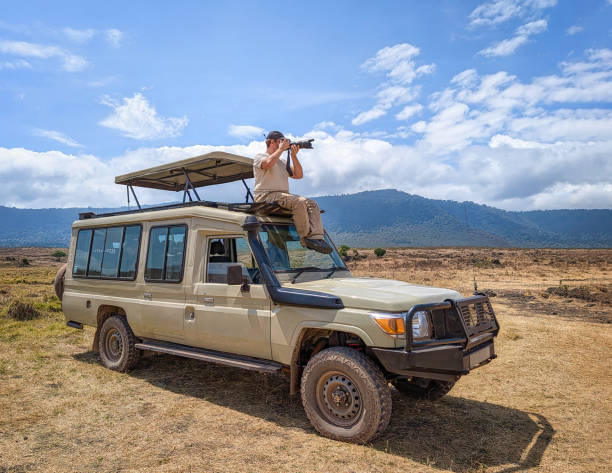
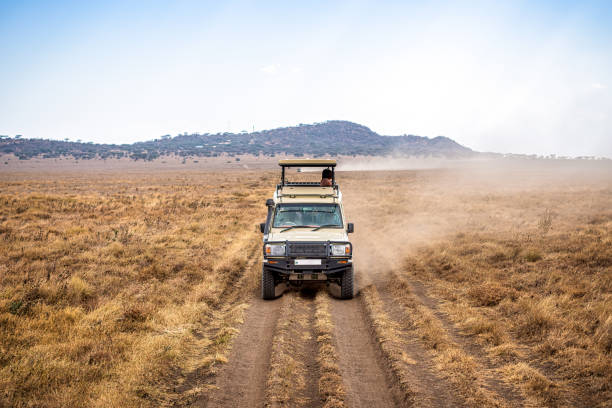
- Vehicle and Guide: Most budget safaris use 4×4 safari vehicles with pop-up roofs. Ensure your operator provides experienced guides who know the parks well.
- Group Tours: Similar to Kilimanjaro, joining a group safari significantly reduces costs. Operators often have fixed departure dates for budget group tours.
- Park Fees: Like Kilimanjaro, park entrance fees are a major component and are fixed. Longer safaris mean more days of park fees, so shorter trips are more budget-friendly.
Sample Budget Safari Route (3 Days/2 Nights):
Northern Circuit Budget Safari Route Illustration
Day 1: Moshi/Arusha -> Tarangire National Park -> Campsite near Karatu
Day 2: Campsite -> Lake Manyara National Park -> Ngorongoro Crater -> Campsite near Karatu
Day 3: Campsite -> Arusha/Moshi
Budget Note: While a 3-day safari can be done affordably, remember that park fees are substantial. The Serengeti, while spectacular, is further away and requires more time and thus higher costs, often making it less feasible for a very tight budget unless on a longer, well-priced group tour.
Zanzibar on a Shoestring: Island Paradise
The spice island of Zanzibar offers a tropical escape. Budget travel here involves smart choices for accommodation, food, and transport.
- Getting There: The cheapest way from Moshi/Arusha is usually a budget flight to Zanzibar (ZNZ) or taking a bus to Dar es Salaam and then a ferry to Zanzibar. Flights are quicker but more expensive.
- Accommodation: Opt for guesthouses or budget bungalows in areas like Nungwi, Kendwa, Paje, or Jambiani. Avoid the high-end resorts. Look for places slightly off the main beach for better rates.
- Food: Eat at local restaurants (often called ‘local joints’ or ‘vibandas’) and enjoy fresh seafood from beachside stalls. Forodhani Gardens in Stone Town is famous for its evening food market, offering affordable and delicious options.
- Activities: While popular tours like spice tours, snorkeling trips (Mnemba Atoll), and visits to Prison Island can add up, negotiate prices or look for shared tours. Explore Stone Town on foot, relax on public beaches, and enjoy the local vibe.
- Transport on Island: Use local dala-dalas (minibuses) for inter-village travel. For shorter distances or more convenience, shared taxis or hiring a local boda-boda (motorbike taxi) can be negotiated. Renting a scooter is also an option for independent exploration, but be cautious of local driving conditions.
Budget Note: Zanzibar can be surprisingly affordable if you avoid the tourist traps and embrace local life. The cost of flights to and from the mainland can be a significant factor in your budget.
Other Budget-Friendly Activities Near Moshi
Beyond the ‘big three’ (Kilimanjaro, safari, Zanzibar), Moshi offers other experiences that fit a budget:
- Arusha National Park Day Trip: Easily accessible from Moshi, this park offers stunning views of Kilimanjaro and Mount Meru, canoeing on Momella Lakes, and opportunities to see colobus monkeys and diverse birdlife. A day trip can be arranged affordably, especially in a group.
- Materuni Waterfalls and Coffee Tour: A popular day trip from Moshi. You can hike to beautiful waterfalls and learn about the local coffee-making process, often enjoying a fresh cup. This supports local communities directly.
- Chagga Cultural Tours: Learn about the history and traditions of the Chagga people, who inhabit the slopes of Kilimanjaro. This can involve visiting local villages, markets, and historical sites.
- Moshi Town Exploration: Simply walking around Moshi town, visiting the local market, and interacting with locals is a rewarding and free experience.
Best Time for a Tanzania Budget Adventure (2026-2027)
Seasonality significantly impacts prices and crowds, offering opportunities for budget travelers.
- Dry Seasons (June to October, December to February): These are peak seasons, especially July-September. Prices for accommodation and tours may be higher, and availability can be lower. However, wildlife viewing is excellent, and Kilimanjaro offers the clearest skies. For budget travelers, aiming for the shoulder months within these seasons (e.g., early June, late October, early December, mid-February) can offer a good balance of weather and cost.
- Green Seasons (November, March to May): These are considered low seasons. The landscape is lush, and there are fewer tourists, leading to potentially lower prices for tours and accommodation. However, the rains can disrupt travel, make roads muddy (especially for safaris), and obscure wildlife sightings. Kilimanjaro is often cloudy, and trekking can be challenging. For a Tanzania budget adventure from Moshi, the shoulder months of the green season (e.g., November, March) might offer the best value if you are prepared for occasional rain.
Planning for 2026-2027: For the best balance of good weather and manageable costs in 2026 and 2027, consider the periods of June, September, October, and December. These months often avoid the absolute peak prices while offering generally favorable conditions for trekking and safari.
What to Expect: Realities of Budget Travel in Tanzania
Budget travel in Tanzania is rewarding but comes with certain expectations:
- Slower Pace: Public transport and navigating local systems take more time. Be prepared for longer journeys and potential delays.
- Basic Amenities: Accommodation and facilities will be simpler. Expect shared bathrooms, limited electricity, or basic camping setups.
- Negotiation: Haggling is common for goods, services, and some transport. Be polite but firm.
- Cultural Immersion: You’ll likely have more authentic interactions with local people, which is a significant perk of budget travel.
- Flexibility is Key: Things don’t always go to plan. Being adaptable and having a backup plan is crucial.
- Safety Awareness: While generally safe, always be aware of your surroundings, especially in towns and markets. Use common sense, secure your belongings, and avoid walking alone at night in unfamiliar areas.
Packing Essentials for Your Budget Adventure
Packing smart is essential for budget travel, avoiding excess baggage fees and ensuring you have what you need.
Key Packing List Items:
- Clothing: Lightweight, breathable, neutral-colored clothing for safaris. Layers for Kilimanjaro (thermal base layers, fleece, waterproof/windproof outer shell). Comfortable walking shoes/hiking boots (broken in!). Sandals for Zanzibar.
- Sun Protection: High SPF sunscreen, wide-brimmed hat, sunglasses.
- Insect Repellent: Especially important for evenings and lower-altitude areas.
- Health: Personal first-aid kit, any prescription medications, motion sickness remedies. Consult your doctor about necessary vaccinations and malaria prophylaxis.
- Documents: Passport (with at least 6 months validity), visa, yellow fever certificate, copies of all important documents.
- Money: US Dollars are widely accepted for tours and park fees; Tanzanian Shillings for local markets and smaller purchases. Carry a mix and keep it secure. ATMs are available in major towns.
- Electronics: Power bank, universal adapter, camera with extra batteries/memory cards.
- Miscellaneous: Headlamp/torch, reusable water bottle, dry bag, small backpack for day trips.
For Kilimanjaro: Focus on quality layers, good waterproofs, and sturdy boots. Don’t skimp on these, as they are critical for safety and comfort. You can often rent some gear like sleeping bags or trekking poles in Moshi if you prefer not to carry them.
Common Mistakes to Avoid on a Budget Trip
To ensure your Tanzania budget adventure from Moshi is successful, steer clear of these common pitfalls:
- Choosing the Absolute Cheapest Operator: While budget is key, extremely low prices often signal compromises on safety, guide quality, food, or porter welfare. Research reviews and inclusions carefully.
- Not Factoring in All Costs: Park fees, visa fees, tips, and personal expenses can add up quickly. Ensure your budget accounts for these.
- Ignoring Visa Requirements: Check visa regulations for your nationality well in advance.
- Packing Inappropriately: Overpacking or underpacking can lead to discomfort or unexpected expenses to buy essentials locally.
- Not Booking in Advance (for peak times): While flexibility is good for budget travel, popular budget tours or Kilimanjaro climbs during peak season (July-Sept, Dec-Feb) can fill up.
- Relying Solely on Public Transport: While cheap, ‘daladalas’ are slow and can be crowded. Mix them with shared shuttles or pre-booked transfers for longer distances to save time without drastically increasing cost.
- Not Staying Hydrated: Dehydration is a serious risk, especially on Kilimanjaro and during safaris in hot weather. Always carry and drink plenty of water.
Who is a Tanzania Budget Adventure From Moshi Best Suited For?
This style of travel is ideal for:
- Young Backpackers: Seeking adventure and cultural experiences on a limited budget.
- Solo Travelers: Looking to join group tours for safety and cost-sharing.
- Students: With limited funds but a strong desire to explore.
- Experienced Travelers: Who are comfortable with basic amenities and navigating local transport.
- Adventure Enthusiasts: Prioritizing experiences like trekking and wildlife viewing over luxury.
- Conscious Travelers: Who want to engage more deeply with local culture and support local businesses.
It may be less suitable for those who require high levels of comfort, have very limited mobility, or are traveling with very young children and prefer private, predictable arrangements.
Alternatives to a Standard Budget Trip
If a full-blown budget trip feels too challenging, consider these alternatives:
- Mid-Range Comfort: Opt for slightly better guesthouses or lodges, private transfers for key legs, and smaller group safaris. This offers a good balance of comfort and value.
- Focus on One Major Activity: Instead of trying to cram Kilimanjaro, safari, and Zanzibar into one trip, focus on one or two. For example, dedicate more time and budget to a comfortable Kilimanjaro climb, or a more in-depth safari experience.
- Self-Drive (limited applicability): While not common or recommended for most tourists in Tanzania due to road conditions and navigation challenges, for very experienced and adventurous individuals, hiring a 4×4 for specific regions might be considered, though it rarely saves money over well-priced group tours.
- Volunteer Tourism: Combine travel with a volunteer placement, which often includes accommodation and meals, reducing daily expenses.
Planning Your 2026-2027 Tanzania Budget Adventure
Planning ahead is crucial for securing the best deals and ensuring availability for your Tanzania budget adventure from Moshi in 2026 and 2027.
2026-2027 Planning Timeline:
| Timeframe | Action |
|---|---|
| 12-18 Months Prior | Research destinations, activities, and general costs. Start saving. Define your priorities (Kilimanjaro, safari, Zanzibar). |
| 6-12 Months Prior | Identify potential tour operators. Get quotes for Kilimanjaro climbs and safari packages. Check visa requirements for 2026-2027. Book flights if prices are good. |
| 3-6 Months Prior | Book Kilimanjaro trek and/or safari with a reputable operator. Book internal flights (e.g., to Zanzibar) if applicable. Purchase travel insurance. |
| 1-3 Months Prior | Get necessary vaccinations and malaria prophylaxis. Start acquiring gear. Confirm all bookings. Plan your packing list. |
| 2-4 Weeks Prior | Exchange some currency. Finalize any last-minute arrangements. Inform your bank of your travel dates. |
| During Trip | Stay aware, be flexible, enjoy the adventure! Keep copies of important documents separate. |
Booking popular budget tours or Kilimanjaro climbs during peak seasons in 2026 and 2027 should be done as early as possible to guarantee spots and potentially secure better rates.
Booking Your Budget Adventure: Expert Tips
Securing the right tour operator is paramount for a successful budget trip. Here’s how to approach booking:
- Prioritize Local Operators: While international companies offer convenience, local Tanzanian operators based in Moshi or Arusha often provide better value and a more authentic experience.
- Read Reviews Extensively: Look beyond star ratings. Read detailed reviews on platforms like TripAdvisor, Google, and specialized travel forums. Pay attention to comments on safety, guide quality, food, equipment, and responsiveness.
- Get Detailed Itineraries and Inclusions: Do not rely on vague descriptions. Request a day-by-day itinerary and a clear list of what is included (park fees, meals, accommodation type, transport, guide fees, etc.) and what is excluded (tips, personal expenses, drinks).
- Compare Apples to Apples: When comparing quotes, ensure you are comparing similar levels of service and inclusions. A cheaper quote might exclude crucial park fees or use lower-quality campsites.
- Ask About Group Departures: For both Kilimanjaro and safaris, inquire about scheduled group departures. This is the most effective way to reduce costs.
- Communicate Clearly: Discuss your budget and expectations openly with potential operators. Reputable operators will be transparent about what is achievable within your price range.
- Payment Terms: Understand the deposit and final payment schedule. Most operators require a deposit to secure your booking and full payment closer to the departure date.
- Safety Standards: For Kilimanjaro, ask about guide qualifications (e.g., Kilimanjaro Christian Medical Centre – KCMC training), emergency procedures, and oxygen availability. For safaris, inquire about vehicle maintenance and driver experience.
Contacting Us: For a reliable Tanzania budget adventure from Moshi, consider reaching out to experienced local operators. We can help tailor packages that fit your budget while ensuring a safe and memorable trip. Connect with us via WhatsApp at +255616946642 or email us at topguideadventures@gmail.com or info@topguideadventures.com.
Frequently Asked Questions (FAQs)
General Budget Travel
Q1: How much does a typical budget safari from Moshi cost for 3 days in 2026?
A1: While exact prices vary, a 3-day budget safari from Moshi, including park fees, basic camping, meals, and transport, could range from $400 to $700+ per person, especially when joining a group. Prices for 2027 may see slight increases due to inflation.
Q2: Is it cheaper to book Kilimanjaro treks in Moshi or online?
A2: Generally, booking directly with reputable local operators in Moshi can be more cost-effective than booking through international agents who add their own markups. However, ensure the local operator is well-vetted and experienced.
Q3: Can I travel to Zanzibar from Moshi on a very tight budget?
A3: Yes, it’s possible. The most budget-friendly way involves taking a bus from Moshi to Arusha, then a bus to Dar es Salaam, and finally the ferry to Zanzibar. This is a long journey but significantly cheaper than flying.
Trekking & Safari Specifics
Q4: What is the most budget-friendly route for climbing Kilimanjaro?
A4: The Marangu Route is often the most economical due to its hut accommodation, which avoids tent rental costs, and sometimes slightly lower operational expenses. However, success rates can be lower than other routes.
Q5: Are park fees included in budget safari packages?
A5: Reputable operators will clearly state if park fees are included. For budget safaris, it’s crucial to confirm this, as park fees are a significant portion of the total cost and are non-negotiable.
Q6: Is it safe to camp in national parks on a budget safari?
A6: Yes, camping in designated public campsites within or near national parks is generally safe when organized by a reputable tour operator. These sites have basic facilities and rangers. Always follow your guide’s instructions.
Practicalities for 2027 Travel
Q7: What is the best time to visit Tanzania for budget travel in 2027?
A7: The shoulder seasons (e.g., March-May, November) often offer lower prices due to fewer tourists. However, be prepared for potential rain. For a good balance of weather and cost in 2027, consider June, September, or October.
Q8: How much should I budget for tips for guides and porters in 2026?
A8: Tipping is customary and appreciated. For Kilimanjaro, a general guideline is $200-$300 per trekker for the entire crew (guides, cook, porters). For safaris, around $20-$30 per day for the driver-guide is common. These figures are for 2026 and may be adjusted slightly for 2027.
Q9: Can I use ATMs to get Tanzanian Shillings for local expenses?
A9: Yes, ATMs are available in major towns like Moshi and Arusha. However, it’s advisable to carry some US Dollars (small denominations) for tour payments and tips, as many operators prefer USD. Inform your bank about your travel dates.
Q10: What kind of visa do I need for Tanzania?
A10: Most nationalities require a visa for Tanzania. This can often be obtained online in advance (e-Visa) or upon arrival at Kilimanjaro International Airport. Check the latest requirements for your nationality well before your 2026 or 2027 trip.
Q11: Is it possible to find budget accommodation in Moshi for pre/post-trek stays?
A11: Absolutely. Moshi has a good range of budget guesthouses, hostels, and budget hotels perfect for stays before and after your Kilimanjaro climb or safari. Booking in advance is recommended during peak seasons.
Q12: What’s the best way to stay connected with family back home on a budget?
A12: Purchasing a local SIM card upon arrival in Tanzania is the most cost-effective way to have data and make calls. You can buy SIM cards at the airport or in town. Alternatively, rely on Wi-Fi at your accommodation where available.
Ready for Your Adventure? Contact Us!
Planning a Tanzania budget adventure from Moshi requires careful consideration, but the rewards are immense. Experiencing the majesty of Kilimanjaro, the thrill of a safari, and the beauty of Zanzibar doesn’t have to come with a luxury price tag. With the right planning and a trusted local partner, your dream Tanzanian journey is within reach for 2026 and 2027.
Let us help you craft the perfect budget-friendly itinerary. We specialize in creating memorable Tanzanian experiences that respect your budget and exceed your expectations.
Get in touch today:
- WhatsApp: +255616946642
- Email: topguideadventures@gmail.com
- Backup Email: info@topguideadventures.com
Plan your Tanzania Budget Adventure From Moshi with Top Guide Adventures
Tell us your travel dates, group size, comfort level, and dream experience. We will help you shape a clear, realistic, and memorable Tanzania itinerary.







 Veedesigner
 Fatma Kizanga
 Benjamin Waryuba
 Philip Philip
 John jr Itaja
 Antonia Optatus
 Edith Kanyere
 Neema Iddy
 Kelvin Boniphace
 Damari Maiga



