
Updated planning guide for 2026, 2027-2028
July Safari From Moshi: Best Guide 2026-2027-2028
Discover the ultimate guide to planning and experiencing a July safari from Moshi, Tanzania. This comprehensive resource covers everything from park selection and wildlife viewing to essential packing tips, budget considerations, and booking advice for your 2026-2027 adventure.
WhatsApp +255616946642 | topguideadventures@gmail.com | info@topguideadventures.com
July Safari From Moshi: Your Complete Tanzania Adventure Guide
A July safari from Moshi offers an unparalleled opportunity to witness Tanzania’s incredible wildlife in its prime. As the dry season takes hold, the landscapes transform, and animal concentrations become more pronounced, making it an ideal time for game viewing. Moshi, nestled at the foot of Mount Kilimanjaro, serves as a convenient and vibrant gateway to the Northern Circuit’s world-renowned national parks. This guide is crafted to provide you with all the essential information needed to plan a memorable July safari from Moshi, covering everything from the best parks to visit and what wildlife to expect, to practical advice on itineraries, packing, budgeting, and booking your adventure for 2026 and 2027.
| Aspect | Details |
|---|---|
| Best Time for Safari | June to October (Dry Season) |
| Primary Starting Point | Moshi, Tanzania |
| Key Parks Accessible | Serengeti, Ngorongoro Crater, Tarangire, Lake Manyara |
| Wildlife Highlights in July | Great Migration river crossings (Serengeti), abundant resident wildlife, migratory birds |
| Weather in July | Dry, cool days (average 20-25°C), cold nights (average 10-15°C), minimal rain |
| Typical Safari Duration | 3 to 7 days (can be customized) |
| Accommodation Options | Budget camping, mid-range lodges, luxury tented camps |
| Activities | Game drives, walking safaris (in select areas), cultural visits |
Table of Contents
- Why Choose a July Safari From Moshi?
- Top National Parks for Your July Safari
- The Great Migration in July: What to Expect
- Understanding July Weather in Tanzania
- Sample July Safari Itineraries From Moshi
- Route Planning: Connecting Moshi to the Parks
- What to Expect on Your Safari Adventure
- Safari Inclusions and Exclusions
- Essential Packing List for a July Safari
- Pre-Safari Preparation and Health Advice
- Common Mistakes to Avoid
- Who is a July Safari From Moshi Best For?
- Alternatives to a July Safari
- Planning Your 2026-2027 July Safari
- Booking Your Safari: Expert Advice
- Frequently Asked Questions
Why Choose a July Safari From Moshi?
Moshi’s strategic location makes it an excellent starting point for exploring Tanzania’s famed Northern Circuit. Its proximity to Kilimanjaro International Airport (JRO) simplifies arrival logistics, and the town itself offers a comfortable base with amenities before and after your safari. Choosing July for your safari means capitalizing on the peak of the dry season. This period is characterized by clear skies, minimal rainfall, and lush green landscapes giving way to drier plains, which concentrates wildlife around permanent water sources. For travelers specifically interested in witnessing the dramatic river crossings of the Great Migration, July is often the prime month.
Beyond the wildlife spectacle, the cooler temperatures in July offer a more comfortable safari experience compared to the hotter months. Game drives are more enjoyable, and early morning starts are less daunting. Furthermore, July falls within Tanzania’s peak tourist season, meaning infrastructure is well-maintained, and tour operators are highly experienced in managing safaris during this period. Planning a July safari from Moshi allows you to combine the convenience of a well-established tourist hub with the thrill of exceptional wildlife viewing conditions.
Top National Parks for Your July Safari
The Northern Circuit of Tanzania is home to some of Africa’s most iconic safari destinations. When planning a July safari from Moshi, these parks should be at the top of your list:
Serengeti National Park
The Serengeti is the undisputed jewel of Tanzanian safaris. Its vast, endless plains are home to an astonishing diversity of wildlife. In July, the park is a focal point for the Great Migration. Millions of wildebeest, zebras, and gazelles traverse the plains, often facing perilous river crossings. The northern Serengeti, particularly areas near the Mara River, becomes a hotspot for these dramatic events. Beyond the migration, the Serengeti boasts year-round populations of lions, leopards, cheetahs, elephants, giraffes, and a multitude of bird species.
Ngorongoro Conservation Area (including the Crater)
A UNESCO World Heritage Site, the Ngorongoro Crater is a natural amphitheater teeming with wildlife. Its unique caldera ecosystem supports a high density of animals, including the Big Five (lion, leopard, elephant, rhino, buffalo), with the black rhino being a particular draw. July offers excellent game viewing within the crater due to the dry conditions concentrating animals. The surrounding conservation area also offers opportunities for cultural visits to Maasai villages and walking safaris.
Tarangire National Park
Known for its large elephant herds and iconic baobab trees, Tarangire National Park is a must-visit, especially during the dry season. In July, Tarangire River becomes a vital water source, attracting elephants, buffaloes, giraffes, zebras, and numerous predators. The park’s landscape, dotted with ancient baobabs, provides a stunning backdrop for game drives. It’s also a birdwatcher’s paradise.
Lake Manyara National Park
Famous for its tree-climbing lions, vibrant birdlife, and scenic lake, Lake Manyara offers a diverse safari experience in a relatively compact area. While smaller than the Serengeti, it provides excellent opportunities to see elephants, hippos, baboons, and a variety of antelopes. The park’s groundwater forest is particularly lush, offering a different feel to the drier plains of other parks.
The Great Migration in July: What to Expect
July is a pivotal month for the Great Migration. Following the calving season in the southern Serengeti and the subsequent trek north, the herds typically reach the Grumeti and Mara Rivers in the northern Serengeti during this time. These rivers are notorious for their strong currents and resident crocodile populations, making any river crossing a high-stakes event. Witnessing thousands of wildebeest and zebras plunging into the water, with predators like lions and crocodiles waiting, is one of the most dramatic wildlife spectacles on Earth.
Key points for July migration viewing:
- River Crossings: The primary focus for July safaris in the Serengeti. The Mara River is the main stage for these crossings.
- Location: Focus on the northern Serengeti sector. Your safari operator will guide you to the best vantage points based on recent animal movements.
- Unpredictability: While July is prime time, river crossings are natural events and cannot be guaranteed on a specific day or time. Patience and flexibility are key.
- Predator Action: The presence of large herds and river crossings attracts significant predator activity, offering excellent viewing opportunities for lions, leopards, cheetahs, and crocodiles.
A July safari from Moshi specifically targeting the migration requires careful itinerary planning to maximize time in the northern Serengeti.
Understanding July Weather in Tanzania
July falls squarely within Tanzania’s dry season, offering pleasant weather conditions for a safari. Unlike the intense heat of the early dry season or the rains of the shoulder seasons, July provides a comfortable balance.
- Temperature: Daytime temperatures typically range from 20°C to 25°C (68°F to 77°F) in the popular safari areas. However, evenings and early mornings can be quite cool, dropping to 10°C to 15°C (50°F to 59°F), especially at higher altitudes like the Ngorongoro Crater rim.
- Rainfall: July is characterized by very little rainfall. Skies are generally clear, offering excellent visibility for game viewing and photography.
- Sunshine: Expect plenty of sunshine during the day. It’s essential to protect yourself from the sun with appropriate gear.
- Wind: It can be windy, particularly in the open plains of the Serengeti.
The cooler temperatures mean packing layers is crucial. You’ll appreciate warmer clothing for early morning and evening game drives, while lighter clothing will be comfortable during the day.
Sample July Safari Itineraries From Moshi
These sample itineraries are designed to showcase different aspects of a July safari from Moshi, catering to various interests and durations. All can be customized.
Itinerary 1: Classic Northern Circuit (5 Days)
Ideal for a shorter trip, focusing on key highlights.
- Day 1: Moshi to Tarangire National Park. Morning departure from Moshi. Game drive in Tarangire, known for its large elephant herds and baobab trees. Overnight near Tarangire.
- Day 2: Tarangire to Ngorongoro Crater. Morning game drive in Tarangire. Drive to the Ngorongoro Conservation Area, descend into the crater for an afternoon game drive. Overnight on the crater rim or nearby Karatu.
- Day 3: Ngorongoro to Serengeti National Park (Central). Drive to the Serengeti, entering via the Ngorongoro Conservation Area. Afternoon game drive in the central Serengeti (Seronera Valley), famous for big cats. Overnight in a lodge or camp in Central Serengeti.
- Day 4: Serengeti National Park. Full day game drive in the Serengeti. Focus on predator sightings and diverse landscapes. Optional hot air balloon safari at sunrise. Overnight in Central Serengeti.
- Day 5: Serengeti to Moshi. Morning game drive in the Serengeti. Drive back to Moshi, arriving in the late afternoon/early evening.
Itinerary 2: Migration Focus (7 Days)
Designed to maximize chances of witnessing the Great Migration river crossings.
- Day 1: Moshi to Lake Manyara National Park. Depart Moshi. Game drive in Lake Manyara, known for tree-climbing lions and birdlife. Overnight near Lake Manyara.
- Day 2: Lake Manyara to Ngorongoro Crater. Morning game drive. Drive to the Ngorongoro Conservation Area. Descend into the crater for an afternoon game drive. Overnight on the crater rim or Karatu.
- Day 3: Ngorongoro to Serengeti (Central). Drive to the Serengeti, with game viewing en route. Afternoon game drive in the Seronera Valley. Overnight in Central Serengeti.
- Day 4: Serengeti (Central to North). Drive towards the northern Serengeti, following the migration. Game drive en route. Overnight in a camp in the northern Serengeti (e.g., Kogatende area).
- Day 5: Northern Serengeti (Mara River). Full day dedicated to game drives in the Mara River area, seeking out river crossings. Overnight in Northern Serengeti.
- Day 6: Northern Serengeti to Tarangire. Morning game drive in the north. Begin the drive south, potentially stopping in Tarangire for an afternoon game drive. Overnight near Tarangire.
- Day 7: Tarangire to Moshi. Morning game drive in Tarangire. Drive back to Moshi, arriving in the late afternoon.
These are just examples. A personalized July safari from Moshi can be crafted to include more days in specific parks, incorporate walking safaris, or add cultural experiences.
Route Planning: Connecting Moshi to the Parks
The standard safari route from Moshi typically follows a loop, often referred to as the Northern Circuit. The order of parks can be adjusted based on your itinerary and time of year, but for a July safari, prioritizing the Serengeti is common.
Typical Northern Circuit Route from Moshi
- Moshi: Starting point, often after arriving at Kilimanjaro International Airport (JRO).
- Arusha: A common stopover town for last-minute preparations or an overnight stay.
- Tarangire National Park: Usually visited first or last due to its southern position relative to other circuit parks.
- Lake Manyara National Park: Often visited en route to or from Ngorongoro.
- Ngorongoro Conservation Area: Features the Crater and surrounding highlands.
- Serengeti National Park: The largest park, accessed via the Ngorongoro Conservation Area. Depending on the time of year and migration, you might focus on the central (Seronera), western, or northern (Kogatende/Mara River) sections.
- Return to Moshi: The drive back can be long, often broken up with a final game drive in a park like Tarangire or Lake Manyara.
Driving distances can be significant. For example, Moshi to Serengeti can take a full day of travel, including park entry and game drives. Most safari packages include a 4×4 safari vehicle with a pop-up roof and an experienced driver-guide, making these journeys comfortable and productive.
What to Expect on Your Safari Adventure
A safari is an immersive experience that engages all your senses. Here’s what you can generally expect:
- Early Mornings: Most game drives start at sunrise to take advantage of the cooler temperatures and when animals are most active.
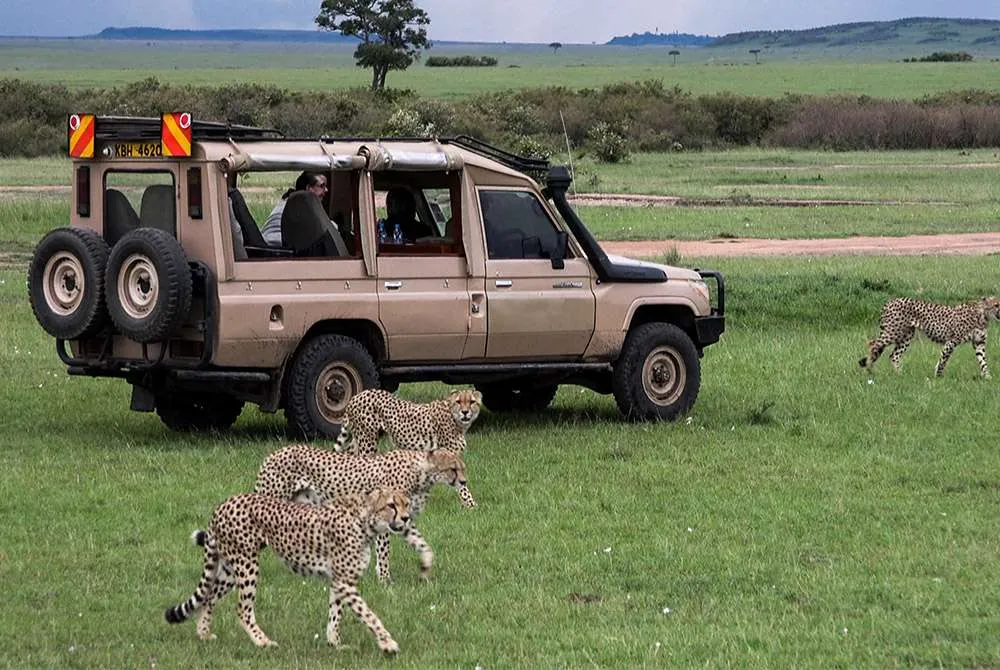
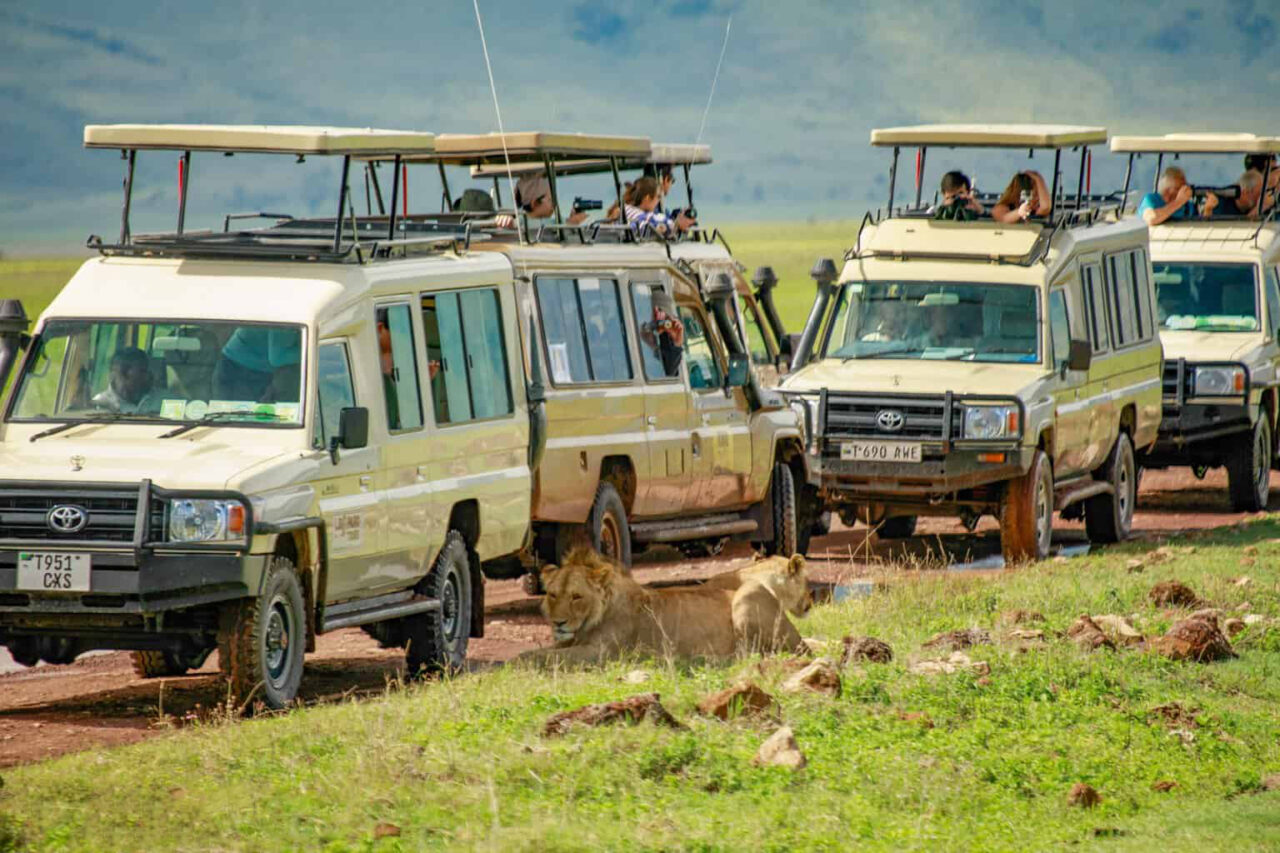
- Game Drives: These are conducted in specialized 4×4 safari vehicles with pop-up roofs for optimal viewing and photography. Your guide will navigate the park’s tracks, seeking out wildlife.
- Wildlife Sightings: While the Big Five are sought after, seeing any animal in its natural habitat is a thrill. Patience is often rewarded. July’s dry conditions usually mean animals are easier to spot as they congregate around water sources.
- Bush Meals: Many safaris include bush breakfasts or lunches, offering a unique dining experience in the heart of the wilderness.
- Accommodation: Options range from basic camping under the stars to comfortable mid-range lodges and luxurious tented camps. Each offers a different level of comfort and immersion.
- Sounds and Smells: The African bush is alive with sounds – the roar of a lion, the call of birds, the rustling of leaves. The air carries the scent of dust, wild sage, and sometimes, the distinct aroma of wildlife.
- Photography: It’s a photographer’s dream. However, remember to be present and enjoy the moment beyond the lens.
- Cultural Interactions: Some safaris include visits to local communities, such as Maasai villages, offering insights into traditional life.
A July safari from Moshi promises an authentic and exhilarating connection with nature.
Safari Inclusions and Exclusions
Understanding what is included in your safari package is crucial for budgeting and avoiding surprises. While packages vary, here are common inclusions and exclusions:
| Inclusions | Exclusions |
|---|---|
| Accommodation during safari (lodges/camps/tents) | International flights to/from Tanzania |
| Park entrance fees | Visa fees |
| All meals during safari (breakfast, lunch, dinner) | Travel insurance |
| 4×4 safari vehicle with pop-up roof | Gratuities for driver-guide and lodge staff |
| Professional English-speaking driver-guide | Drinks (alcoholic and soft drinks) unless specified |
| Bottled water during game drives | Optional activities (e.g., hot air balloon safari, walking safaris) |
| Airport transfers to/from your safari start/end point | Personal expenses (souvenirs, laundry) |
| Crater service fee (for Ngorongoro Crater) | Tips for porters on Kilimanjaro (if combined) |
Always clarify specifics with your tour operator. For a July safari from Moshi, ensure your quotation details these points clearly.
Essential Packing List for a July Safari
Packing appropriately for a July safari is key to comfort and enjoyment. Remember that temperatures can vary significantly between day and night.
Clothing:
- Lightweight, breathable layers: T-shirts, long-sleeved shirts (for sun protection), comfortable trousers or convertible pants.
- Warm layers: Fleece jacket, sweater, or down vest for cool mornings and evenings.
- Warm jacket: A windproof and waterproof jacket is advisable for evenings and potential unexpected weather.
- Neutral colors: Khaki, beige, olive green are best. Avoid bright colors or dark colors like black and navy, which can attract insects or be too hot.
- Comfortable walking shoes: Sneakers or hiking boots if you plan on any walking safaris.
- Sandals or flip-flops: For relaxing at the lodge/camp.
- Socks: Several pairs, including warmer ones.
- Pajamas: For cooler nights.
Headwear & Eyewear:
- Wide-brimmed hat: Essential for sun protection.
- Sunglasses: To protect your eyes from the strong sun.
Accessories:
- Sunscreen: High SPF.
- Insect repellent: With DEET or picaridin.
- Binoculars: Crucial for wildlife viewing.
- Camera and extra batteries/memory cards: And a charger.
- Power adapter/power bank: For charging electronics.
- Reusable water bottle: Stay hydrated.
- Small backpack or daypack: For carrying essentials on game drives.
- Personal first-aid kit: With any personal medications.
- Hand sanitizer.
- Wet wipes.
- Torch or headlamp: Useful around camp/lodge at night.
- Travel pillow (optional).
- Book or journal.
Documents & Money:
- Passport and visa
- Flight details
- Vaccination certificates (e.g., Yellow Fever if required)
- Travel insurance details
- Credit cards and some cash (USD is widely accepted for tips and small purchases)
Remember that luggage restrictions may apply on small bush flights if your itinerary includes them. Soft duffel bags are often preferred over hard suitcases.
Pre-Safari Preparation and Health Advice
Proper preparation ensures a smooth and healthy safari experience.
- Visas: Check visa requirements for Tanzania well in advance of your travel dates for 2026 or 2027. Many nationalities can obtain a visa on arrival or apply online.
- Vaccinations: Consult your doctor or a travel clinic at least 4-6 weeks before your trip. Recommended vaccinations often include Hepatitis A, Typhoid, and Tetanus. Yellow Fever vaccination may be required if arriving from or transiting through a country with a risk of Yellow Fever transmission.
- Malaria Prevention: Tanzania is a malaria-risk area. Discuss antimalarial medication with your doctor. Use insect repellent diligently, especially during dawn and dusk, and wear long sleeves and trousers.
- Travel Insurance: Comprehensive travel insurance is essential. It should cover medical emergencies, evacuation, trip cancellation, and lost belongings.
- Fitness: While safaris are not physically demanding, you should be able to get in and out of vehicles and walk short distances. If combining with Kilimanjaro, a good level of fitness is required.
- Money: Have a mix of cash (USD is widely accepted and useful for tips) and cards. Inform your bank about your travel dates to avoid card issues.
- Booking Confirmation: Keep copies of all booking confirmations, itineraries, and contact details readily accessible.
Common Mistakes to Avoid
To ensure your July safari from Moshi is as perfect as possible, be aware of these common pitfalls:
- Underestimating Travel Times: Tanzania is vast. Journeys between parks can take several hours. Don’t try to cram too much into short itineraries.
- Not Packing Appropriately: Forgetting warm layers for cool mornings/evenings or packing too many bright clothes can impact comfort and wildlife viewing.
- Ignoring Health Advice: Skipping malaria precautions or vaccinations can lead to serious illness.
- Expecting Guaranteed Sightings: Wildlife is wild. While July offers great chances, specific sightings (like a particular predator or river crossing) cannot be guaranteed. Be patient.
- Choosing the Cheapest Option Blindly: While budget is important, extremely low prices might indicate compromises on vehicle quality, guide experience, or accommodation standards.
- Not Clarifying Inclusions/Exclusions: This can lead to unexpected costs for park fees, meals, or drinks.
- Over-packing: Especially if flying between locations, luggage weight limits apply.
- Not Booking in Advance: July is peak season. Popular lodges and camps, especially in the Serengeti, can book up months in advance for 2026 and 2027.
Who is a July Safari From Moshi Best For?
A July safari from Moshi is exceptionally well-suited for a wide range of travelers:
- Wildlife Enthusiasts: The concentration of animals and the potential for witnessing the Great Migration river crossings make it ideal for serious wildlife watchers and photographers.
- First-Time Safari Goers: The Northern Circuit offers a classic and highly rewarding safari experience, showcasing iconic landscapes and abundant wildlife.
- Couples and Honeymooners: The romantic setting of lodges and camps, combined with incredible wildlife, creates a memorable experience.
- Families: While younger children might find long drives challenging, older children and teenagers will be captivated by the wildlife. Ensure your itinerary is suitable for younger travelers.
- Photographers: The clear skies, dramatic landscapes, and active wildlife (especially during migration events) provide endless photographic opportunities.
- Travelers Seeking Comfortable Weather: The cool, dry conditions of July are more pleasant for many than the heat of other seasons.
It’s important to note that while July is generally good for all travelers, those with very young children might prefer a slightly less intense itinerary with shorter game drives.
Alternatives to a July Safari
While July is fantastic, Tanzania offers incredible safari experiences year-round. If your dates are flexible or you have specific interests, consider these alternatives:
- August-October: Still dry season, excellent for game viewing. The migration continues its northward movement and then begins its return journey, with potential crossings in the north. Temperatures remain pleasant.
- November-December (Short Rains): The landscape becomes greener, and birdlife is abundant. The southern Serengeti experiences the calving season from late December onwards, attracting predators. Fewer crowds and potentially lower prices.
- January-February (Calving Season): The southern Serengeti is teeming with newborn wildebeest and zebras, leading to intense predator activity. Excellent for seeing lion cubs and other young animals.
- March-May (Long Rains): The landscape is at its most lush and green. This is the low season, meaning fewer tourists and lower prices. Game viewing can be more challenging as animals disperse, but the scenery is beautiful. This period is often avoided by those focused solely on migration events.
Each period offers a unique perspective on Tanzania’s wildlife and landscapes. However, for the specific combination of dry conditions, abundant resident wildlife, and the possibility of spectacular river crossings, a July safari from Moshi stands out.
Planning Your 2026-2027 July Safari
Planning ahead is essential, especially for peak season travel like July. Here’s a guide for 2026-2027:
| Timeframe | Key Actions |
|---|---|
| 10-12+ Months Before (e.g., July 2025 for July 2026) | Research tour operators. Decide on your budget range and preferred safari style (luxury, mid-range, budget). Book your preferred accommodation, especially in the Serengeti, as popular camps fill up quickly. Confirm your travel dates. |
| 6-9 Months Before | Finalize your itinerary with your chosen operator. Book international flights. Start looking into visa requirements and health advice. |
| 3-5 Months Before | Consult your doctor for vaccinations and malaria prophylaxis. Purchase travel insurance. Arrange any necessary gear (binoculars, camera equipment). |
| 1-2 Months Before | Confirm all booking details. Pack your bags, ensuring you have all essentials. Exchange some currency. Make final payments. |
| 1-2 Weeks Before | Reconfirm flight details. Share your itinerary with family/friends. Finalize packing. Ensure passport and visa are in order. |
| During Safari | Enjoy the experience! Stay hydrated, follow your guide’s advice, and be present. Tip your guide and staff as appropriate. |
| Post-Safari | Share your experiences! Review your operator if satisfied. Keep memories alive. |
Booking early for your July safari from Moshi in 2026 or 2027 is highly recommended to secure the best lodges, guides, and availability during this peak travel period.
Booking Your Safari: Expert Advice
Choosing the right tour operator is paramount to a successful safari. Here’s how to approach booking:
- Research Operators: Look for established companies with a strong reputation, positive reviews, and a focus on Tanzania. Consider local operators based in Moshi or Arusha for potentially better insights and value.
- Request Custom Itineraries: Don’t settle for generic packages. Discuss your interests (e.g., migration, photography, birding, specific animals) and budget with the operator to create a tailored itinerary.
- Check Inclusions Carefully: As detailed earlier, understand exactly what is covered (park fees, accommodation type, meals, activities, vehicle type).
- Ask About Vehicle and Guide Quality: A well-maintained 4×4 vehicle and an experienced, knowledgeable guide are crucial. Inquire about the guide’s experience and certifications.
- Understand Payment Terms: Typical terms involve a deposit upon booking and the balance due a few weeks before departure. Ensure clear cancellation policies are in place.
- Read Reviews: Look for independent reviews on platforms like TripAdvisor, but also consider testimonials directly from the operator’s website.
- Communication is Key: A good operator will be responsive, answer your questions thoroughly, and provide clear communication throughout the booking process and pre-safari phase.
For a reliable and expertly managed July safari from Moshi, consider reaching out to experienced local operators. They often provide excellent value and in-depth knowledge. You can connect with us via WhatsApp at +255616946642 or email us at topguideadventures@gmail.com or info@topguideadventures.com to discuss your dream safari for 2026 or 2027.
Frequently Asked Questions
Q1: Is July a good month for a safari in Tanzania?
Yes, July is an excellent month for a safari in Tanzania. It falls within the dry season, meaning clear skies, minimal rain, and concentrated wildlife around water sources. It’s also prime time for witnessing the Great Migration river crossings in the northern Serengeti.
Q2: What wildlife can I expect to see on a July safari from Moshi?
You can expect to see a wide array of wildlife, including the Big Five (lion, leopard, elephant, rhino, buffalo), giraffes, zebras, wildebeest, hippos, cheetahs, hyenas, and numerous bird species. July is particularly famous for the Great Migration herds in the Serengeti and large elephant herds in Tarangire.
Q3: How cold does it get on a July safari?
Daytime temperatures are usually pleasant, around 20-25°C (68-77°F). However, early mornings and evenings can be cool, dropping to 10-15°C (50-59°F), especially at higher elevations like the Ngorongoro Crater rim. Nights can be chilly.
Q4: What should I pack for a July safari?
Pack layers! Include light clothing for the day, warm fleece or jacket for mornings/evenings, a windproof/waterproof outer layer, comfortable walking shoes, a hat, sunglasses, sunscreen, insect repellent, binoculars, and your camera. Neutral colors are recommended.
Q5: Do I need malaria medication for a July safari?
Yes, Tanzania is a malaria-risk area. It is highly recommended to consult your doctor about malaria prophylaxis and other necessary vaccinations before your trip. Use insect repellent diligently.
Q6: How much does a July safari from Moshi cost?
Costs vary significantly based on accommodation style (camping, mid-range lodges, luxury camps), safari duration, and the number of parks visited. A rough estimate for a mid-range 5-day safari could range from $1500 to $2500+ per person, excluding international flights. It’s best to get custom quotes from operators.
Q7: Is July a busy month for safaris in Tanzania?
Yes, July is considered peak season due to the favorable weather and the Great Migration. It’s advisable to book your safari and accommodation well in advance, especially for 2026 and 2027 travel.
Q8: Can I see the Great Migration river crossings in July?
July is one of the prime months for witnessing the Great Migration river crossings, particularly at the Mara River in the northern Serengeti. While not guaranteed on any specific day, your chances are high during this period.
Q9: What is the best way to book a July safari from Moshi?
The best way is to contact reputable local tour operators who specialize in Tanzanian safaris. They can create customized itineraries, offer competitive pricing, and provide invaluable local knowledge. For assistance with your 2026-2027 booking, reach out to us.
Q10: Is it possible to combine a safari with Kilimanjaro or Zanzibar?
Absolutely! Moshi is the gateway to Kilimanjaro treks, and many travelers combine a safari with a climb or a relaxing beach holiday in Zanzibar. These combinations are very popular and can be arranged by experienced tour operators.
Your Unforgettable July Safari From Moshi Awaits
A July safari from Moshi offers a unique blend of comfortable weather, abundant wildlife, and the awe-inspiring spectacle of the Great Migration. Whether you dream of witnessing the dramatic river crossings in the Serengeti, encountering elephants in Tarangire, or marveling at the Ngorongoro Crater’s density of wildlife, this period delivers. By planning carefully, packing wisely, and choosing a reputable operator, you can ensure your Tanzanian adventure is everything you hoped for and more. We are here to help you craft the perfect safari experience for 2026 and 2027.
Ready to plan your dream Tanzanian safari? Contact us today for a personalized itinerary and quote!
WhatsApp: +255616946642
Email: topguideadventures@gmail.com / info@topguideadventures.com
Plan your July Safari From Moshi with Top Guide Adventures
Tell us your travel dates, group size, comfort level, and dream experience. We will help you shape a clear, realistic, and memorable Tanzania itinerary.







 Veedesigner
 Fatma Kizanga
 Benjamin Waryuba
 Philip Philip
 John jr Itaja
 Antonia Optatus
 Edith Kanyere
 Neema Iddy
 Kelvin Boniphace
 Damari Maiga



