
Updated planning guide for 2026, 2027-2028
October Safari From Moshi: Best Guide 2026-2027-2028
Discover the magic of an October safari starting from Moshi, Tanzania. This detailed guide covers everything from the best parks and wildlife viewing to essential planning, packing, and booking tips for your 2026-2027 adventure.
WhatsApp +255616946642 | topguideadventures@gmail.com | info@topguideadventures.com
Your Ultimate Guide to an October Safari From Moshi
An October safari from Moshi, Tanzania, offers a unique window into one of Africa’s most spectacular wildlife destinations. As the dry season begins to transition, the landscapes are vibrant, wildlife congregates around remaining water sources, and the general tourist crowds start to thin. Moshi, a bustling town at the foot of Mount Kilimanjaro, serves as an excellent springboard for exploring the world-renowned Northern Circuit parks, including Serengeti National Park, Ngorongoro Conservation Area, Tarangire National Park, and Lake Manyara National Park. This guide provides an in-depth look at planning, experiencing, and maximizing your October safari adventure originating from this strategic location.
Choosing October for your safari from Moshi is a smart move for many travelers. It’s a shoulder season, meaning you can often find better value and a more intimate wildlife viewing experience compared to the peak dry months of July to September. The weather is generally pleasant, with sunny days and cooler evenings, making it comfortable for game drives. This detailed guide is designed to help you navigate every aspect of your trip, from understanding the wildlife movements to practical planning considerations for 2026 and 2027.
Quick Facts: October Safari From Moshi
| Starting Point: | Moshi, Tanzania |
| Primary Parks: | Serengeti, Ngorongoro, Tarangire, Lake Manyara |
| Typical Duration: | 5-10 days (customizable) |
| Key Wildlife: | Big Five (Lion, Leopard, Elephant, Rhino, Buffalo), wildebeest, zebra, vast birdlife |
| Weather: | End of dry season, transitioning to short rains. Warm days, cool nights. Less dusty than peak dry season. |
| Crowds: | Moderate, fewer than peak season. |
| Best For: | Wildlife enthusiasts, photographers, those seeking a balance of good weather and fewer crowds. |
| Activities: | Game drives, walking safaris (in select areas), cultural visits. |
Table of Contents
- Why Choose an October Safari From Moshi?
- Understanding October Wildlife Patterns
- Northern Circuit Parks in October
- Sample October Safari Itineraries From Moshi
- Planning Your October Safari 2026-2027
- What to Expect on an October Safari
- Packing Essentials for an October Safari
- Common Mistakes to Avoid
- Who is an October Safari From Moshi Best For?
- Alternatives to an October Safari
- Booking Your October Safari From Moshi 2026-2027
- FAQs About October Safaris From Moshi
Why Choose an October Safari From Moshi?
Moshi’s location makes it an ideal starting point for Northern Circuit safaris. It’s a gateway to parks teeming with wildlife and offers a more authentic Tanzanian experience before you head into the reserves. Opting for an October safari from Moshi provides several compelling advantages:
- Excellent Wildlife Viewing: While the Great Migration might be moving towards the Serengeti’s western corridor or beginning its journey north, October still offers fantastic game viewing. Animals are concentrated around permanent water sources, especially in parks like Tarangire and the Serengeti’s central and western regions. Resident game is plentiful year-round.
- Pleasant Weather: October marks the end of the dry season. You’ll experience warm, sunny days perfect for game drives, with temperatures typically ranging from the mid-20s to low 30s Celsius (70s to 90s Fahrenheit). Evenings and early mornings are cooler, providing a comfortable respite. While there’s a chance of short rains towards the end of the month, these are usually brief and localized, often bringing a refreshing change and making the landscape greener.
- Fewer Crowds: Following the peak tourist season of July-September, October sees a dip in visitor numbers. This means less competition for the best viewing spots, a more tranquil experience in the parks, and potentially more availability for preferred lodges and camps.
- Value for Money: As a shoulder season, October can offer slightly better pricing on accommodations and safari packages compared to the absolute peak months. This allows travelers to potentially experience more or stay in higher-quality lodges within their budget.
- Photographic Opportunities: The end of the dry season often means dramatic landscapes with golden grasses, dramatic skies, and animals congregating near water, creating superb photographic conditions. The light is often soft and beautiful.
- Convenient Access: Moshi is well-connected and serves as a natural starting point. It allows for a smooth transition from arrival at Kilimanjaro International Airport (JRO) directly into your safari arrangements without extensive internal travel.
Understanding October Wildlife Patterns
The movement of wildlife in Tanzania is largely dictated by the seasons and the availability of grazing and water. October falls within a transitional period. The peak dry season has passed, meaning the intense concentration of animals around every last waterhole might be easing, but many animals remain in key areas.
The Great Migration: By October, the vast herds of wildebeest and zebra are typically spread across the central and western Serengeti plains. Some may have started their journey north, potentially crossing the Mara River again or moving towards the western corridor. While the dramatic river crossings are more common in July-September, the sheer volume of animals present in the Serengeti throughout October ensures exceptional viewing opportunities. The herds are often found grazing and calving in the central Serengeti (Seronera area) or exploring the western and northern parts of the park.
Resident Wildlife: Beyond the migration, the Northern Circuit parks are home to abundant resident wildlife. Predators like lions, leopards, and cheetahs are always present, and their hunting success can be high as they track prey. Elephants are particularly prominent in Tarangire National Park during the dry season, and while numbers might start to disperse slightly as rains begin, they are still a major draw. Black rhinos are elusive but can be found within the Ngorongoro Crater.
Birdlife: October is a great month for birdwatchers. Migratory birds from Europe and Asia begin to arrive, supplementing the resident species. The landscapes, though drying, are still rich with avian life.
Northern Circuit Parks in October
When planning an October safari from Moshi, focusing on the Northern Circuit is standard. Each park offers unique experiences:
Serengeti National Park
The Serengeti is the crown jewel of Tanzanian safaris. In October, the migration is typically found in the central, western, and northern parts of the park. The Seronera Valley in the central Serengeti is excellent year-round for resident game, including big cats. The western corridor can still hold herds, and the northern Serengeti offers opportunities to see the tail end of migration river crossings or animals moving towards the Kogatende area. Expect vast plains, acacia woodlands, and diverse habitats supporting a huge array of wildlife.
Ngorongoro Conservation Area
The Ngorongoro Crater, a UNESCO World Heritage Site, is a self-contained ecosystem that boasts an incredibly high density of wildlife. Its caldera floor is a stunning sight, supporting the Big Five year-round. In October, the crater floor is still green and lush, offering excellent game viewing. It’s particularly good for spotting rhinos, lions, elephants, and buffalo. The high concentration of animals means sightings are almost guaranteed. Note that access to the crater floor is restricted by time and vehicle numbers, managed by the park authorities.
Tarangire National Park
Tarangire is famous for its large elephant herds, particularly during the dry season. In October, as the dry season wanes, Tarangire’s permanent river is a magnet for wildlife. You’ll find significant numbers of elephants, as well as lions, leopards, zebras, wildebeest, and various antelopes. The park’s iconic baobab trees create a unique and picturesque landscape. It’s an excellent park for both general game viewing and appreciating the drama of animals congregating around water.
Lake Manyara National Park
Known for its tree-climbing lions (though sightings are never guaranteed), diverse birdlife, and scenic lake, Lake Manyara offers a different safari experience. The park is relatively small but packed with wildlife. In October, the lake attracts large flocks of flamingos and other water birds. The groundwater forests provide shade and are frequented by baboons, monkeys, elephants, and other herbivores. It’s often visited as a half-day or full-day excursion, or as part of a longer itinerary.
Northern Circuit Safari Route Overview
This is a simplified representation of the typical flow for a safari starting from Moshi.
- Moshi: Arrival and preparation.
- Tarangire National Park: First stop for elephant herds and diverse game.
- Lake Manyara National Park: Known for its tree-climbing lions and birdlife.
- Ngorongoro Conservation Area: Crater descent for dense wildlife viewing.
- Serengeti National Park: Extensive plains, migration herds, big cats. Typically entered via a central or western gate.
- Return to Moshi: Via Arusha.
Note: The order can be adjusted based on specific migration patterns, interests, and time available. For example, some itineraries might start with Serengeti and end with Ngorongoro.
Sample October Safari Itineraries From Moshi
These are sample itineraries to give you an idea of what’s possible. They can be fully customized to your interests, budget, and time. All safaris from Moshi typically include private 4×4 vehicle hire, an experienced driver-guide, park fees, accommodation, and meals as specified.
Short Safari (5 Days)
Day 1: Moshi to Tarangire National Park
After breakfast in Moshi, drive to Tarangire National Park. Enjoy a full day of game drives, focusing on the large elephant herds and diverse wildlife along the Tarangire River. Overnight at a lodge/camp near Tarangire.
Day 2: Tarangire to Lake Manyara & Ngorongoro Rim
Morning game drive in Tarangire. Afterward, drive to Lake Manyara National Park for a shorter game drive, seeking out its unique inhabitants. Continue to your lodge on the Ngorongoro Crater rim for dinner and overnight.
Day 3: Ngorongoro Crater Tour
Descend into the Ngorongoro Crater for an incredible game drive. This caldera is home to a high density of wildlife, including the Big Five. Spend the morning exploring. In the afternoon, ascend and drive towards the Serengeti boundary or a lodge near Karatu.
Day 4: Serengeti National Park
Drive into the vast Serengeti National Park. Depending on the migration’s location, focus on the Seronera area for resident game or head towards the western/northern parts if herds are concentrated there. Enjoy a full day of game drives. Overnight in a Serengeti lodge/camp.
Day 5: Serengeti to Moshi
Enjoy a final morning game drive in the Serengeti. Afterward, drive back to Moshi, stopping for lunch en route. Arrive in Moshi in the late afternoon/early evening.
Classic Safari (7 Days)
Day 1: Moshi to Tarangire National Park
Depart Moshi after breakfast and drive to Tarangire. Full day game drive exploring the park’s elephant herds and diverse fauna. Overnight at a lodge/camp in or near Tarangire.
Day 2: Tarangire to Lake Manyara & Ngorongoro Highlands
Morning game drive in Tarangire. Drive to Lake Manyara for a game drive. Continue to a lodge in the Ngorongoro Highlands or near Karatu for the night.
Day 3: Ngorongoro Crater Tour & Serengeti Transfer
Descend into the Ngorongoro Crater for a morning game drive. After lunch, drive into the Serengeti National Park, enjoying a game drive en route to your lodge/camp in the central Serengeti.
Day 4: Central Serengeti Exploration
Full day dedicated to exploring the Seronera Valley and surrounding areas of the central Serengeti, renowned for its big cat populations and abundant resident wildlife. Enjoy morning and afternoon game drives.
Day 5: Serengeti to Northern/Western Serengeti (Migration Dependent)
Drive towards the northern or western parts of the Serengeti, depending on the reported location of the migration. Enjoy game drives along the way, seeking out herds and predators. Overnight in a camp/lodge in the chosen region.
Day 6: Serengeti to Karatu/Ngorongoro Area
Morning game drive in the Serengeti. Afterward, begin your drive back towards the Ngorongoro Conservation Area, perhaps stopping at Olduvai Gorge (optional, extra fee). Overnight at a lodge near Karatu or the Ngorongoro rim.
Day 7: Return to Moshi
After breakfast, drive back to Moshi. You can opt for a final short game drive in a smaller reserve like Mkomazi if time and interest allow, or head directly back to Moshi for departure or onward travel.
Extended Safari (10 Days)
Day 1: Moshi to Tarangire National Park
Drive from Moshi to Tarangire. Full day game drive focusing on elephants and diverse wildlife. Overnight in Tarangire.
Day 2: Tarangire National Park
Another full day in Tarangire, allowing for deeper exploration of different areas of the park. Consider a walking safari if available and desired (check with your operator). Overnight in Tarangire.
Day 3: Tarangire to Lake Manyara & Karatu
Morning game drive in Tarangire. Drive to Lake Manyara for a game drive. Continue to a lodge in the Karatu highlands, known for its coffee plantations and pleasant climate.
Day 4: Ngorongoro Crater Tour
Full morning dedicated to exploring the Ngorongoro Crater floor. Enjoy incredible wildlife density. In the afternoon, ascend and visit a Maasai village (optional, cultural experience) or relax at your lodge.
Day 5: Karatu to Central Serengeti
Drive into the Serengeti National Park, entering via the Naabi Hill Gate. Enjoy a game drive en route to your lodge in the central Seronera area, known for its predator populations.
Day 6: Central Serengeti Exploration
Full day of game drives in the central Serengeti, focusing on big cats and resident wildlife. Optional hot air balloon safari at dawn (extra cost).
Day 7: Serengeti (Western Corridor or North)
Drive towards the western corridor or northern Serengeti, depending on migration reports. Game drives en route. Overnight in a lodge/camp in the western or northern Serengeti.
Day 8: Serengeti (Exploration of chosen area)
Full day exploring the region where the migration is most active. Focus on the herds, predators, and the unique landscapes of this part of the Serengeti.
Day 9: Serengeti to Arusha/Moshi
Enjoy a final morning game drive in the Serengeti. Fly from a Serengeti airstrip to Arusha (optional, saves driving time, extra cost) or begin the long drive back to Moshi, with game drives en route. Overnight in Arusha or Moshi.
Day 10: Departure or onward travel
Depending on your flight schedule, you might have time for souvenir shopping in Arusha or Moshi before heading to Kilimanjaro International Airport (JRO).
Planning Your October Safari 2026-2027
Proactive planning is key to a successful and stress-free safari. For trips in 2026 and 2027, starting your preparations well in advance is recommended, especially if you have specific accommodation preferences or are traveling during a popular period.
Visa and Entry Requirements
Most nationalities require a visa to enter Tanzania. You can apply for a visa online through the Tanzanian immigration website or obtain one upon arrival at Kilimanjaro International Airport (JRO). Check the latest requirements for your specific nationality well before your travel dates. A single entry visa is usually sufficient for most safari-only trips.
Vaccinations and Health Precautions
Consult your doctor or a travel clinic at least 6-8 weeks before your trip regarding recommended vaccinations and malaria prophylaxis. Yellow Fever vaccination may be required if arriving from or transiting through a country with a risk of Yellow Fever transmission. Tanzania is a malaria-endemic country, so taking precautions is essential. Bring a personal first-aid kit with any prescription medications.
Travel Insurance
Comprehensive travel insurance is non-negotiable. Ensure your policy covers:
- Medical emergencies and evacuation (including remote locations).
- Trip cancellation and interruption.
- Lost or stolen baggage.
- Activities like game drives and walking safaris.
Best Time to Book
For an October safari in 2026 or 2027, it’s advisable to book at least 6-12 months in advance. This is particularly true if you wish to stay in high-demand lodges or camps, or if you are traveling as a larger group or during a specific event like a migration peak. Booking early secures your preferred dates, accommodations, and guides, and allows for better planning of flights and other logistics.
Safari Planning Checklist (October 2026-2027)
- 12+ Months Prior: Research destinations, safari operators, and budget.
- 9-12 Months Prior: Contact tour operators, get quotes, and book your preferred safari package.
- 6-9 Months Prior: Book international flights.
- 4-6 Months Prior: Check visa requirements and apply if necessary. Consult your doctor about vaccinations. Purchase travel insurance.
- 2-3 Months Prior: Finalize itinerary details with your operator. Start packing list.
- 1 Month Prior: Confirm all bookings and arrangements. Pack your bags.
- 1-2 Weeks Prior: Get any necessary prescriptions filled. Exchange currency.
- During Safari: Stay hydrated, follow guide’s instructions, and enjoy!
What to Expect on an October Safari
Understanding the daily rhythm and conditions of an October safari will help set your expectations.
Weather Conditions
October is generally warm and sunny. Daytime temperatures in the parks usually range from 25°C to 32°C (77°F to 90°F). Nights and early mornings can be cooler, dropping to around 15°C to 20°C (59°F to 68°F), especially at higher altitudes like the Ngorongoro rim. While it’s the end of the dry season, brief, localized showers can occur, particularly later in the month. These are often short-lived and can bring a refreshing change, making the air clearer and the vegetation lusher. Dust can still be a factor, but it’s generally less than in the peak dry months.
Wildlife Viewing Opportunities
October offers excellent wildlife viewing. The concentration of animals around permanent water sources in parks like Tarangire and the Serengeti is a major draw. Predators are active, and the presence of the large herds in the Serengeti, even if dispersed, provides ample opportunities for sightings. Birdlife is abundant with the arrival of migratory species. While the dramatic river crossings of the Great Migration are less common, the sheer volume of animals across the Serengeti plains ensures a continually dynamic landscape.
Accommodation Options
Your safari accommodation will range from comfortable mid-range lodges and tented camps to luxurious lodges and exclusive tented camps. Options include:
- Lodges: Permanent structures with amenities like private bathrooms, restaurants, and often swimming pools.
- Tented Camps: Offer a more immersive experience with large canvas tents, often with en-suite bathrooms and comfortable furnishings. Some are permanent, while others are semi-permanent or mobile, following the migration.
- Budget Camps: More basic facilities, often shared bathrooms, and simpler amenities, ideal for budget travelers.
In October, you can expect good availability across most categories, but booking popular lodges well in advance is still wise.
Transportation and Game Drives
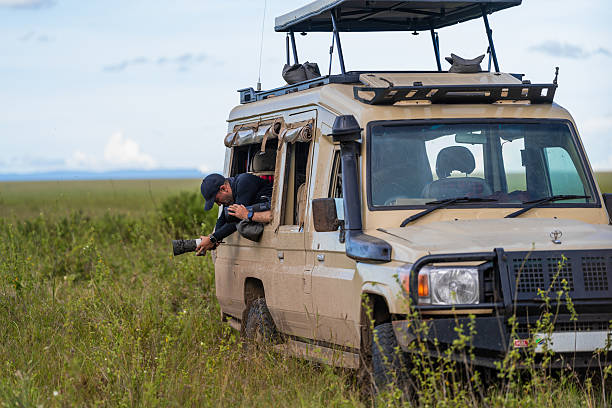
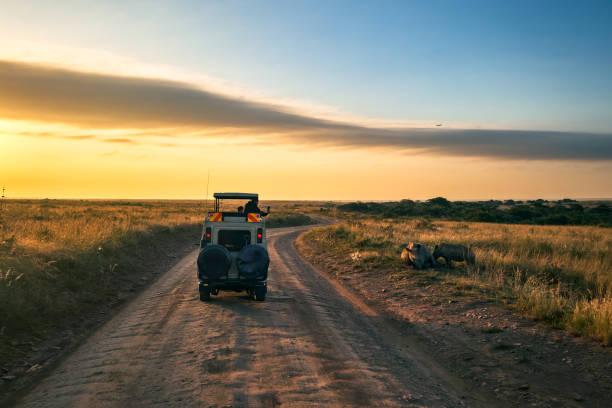
Safaris from Moshi are typically conducted in customized 4×4 safari vehicles (Land Cruisers or Land Rovers) with pop-up roofs for optimal game viewing and photography. Your safari will include daily game drives, usually in the morning and late afternoon, which are the best times for wildlife activity. Your experienced driver-guide is crucial to your safari; they possess extensive knowledge of animal behavior, park geography, and tracking skills.
Packing Essentials for an October Safari
Packing smart is crucial for comfort and convenience. Aim for lightweight, neutral-colored clothing.
Clothing
- Lightweight, breathable long-sleeved shirts and trousers: Protect against the sun and insects. Neutral colors (khaki, beige, olive green) are best for blending in. Avoid bright colors and dark blue/black (which can attract tsetse flies).
- T-shirts and shorts: For warmer parts of the day.
- Fleece jacket or warm sweater: For cool mornings and evenings.
- Lightweight waterproof/windproof jacket: For unexpected rain showers or windy conditions.
- Swimsuit: For lodges with pools.
- Hat: Wide-brimmed for sun protection.
Footwear
- Comfortable walking shoes or hiking boots: If you plan on any walking safaris or walking around camp.
- Sandals or flip-flops: For relaxing at the lodge.
Health and Personal Items
- Insect repellent: With DEET.
- Sunscreen: High SPF.
- After-sun lotion.
- Personal first-aid kit: Including any personal medications, pain relievers, antiseptic wipes, bandages, and motion sickness medication if needed.
- Hand sanitizer.
- Sunglasses.
Electronics and Accessories
- Camera: With extra batteries and memory cards. A telephoto lens is highly recommended.
- Binoculars: Essential for spotting wildlife.
- Power bank/portable charger: For charging devices on the go.
- Universal travel adapter: Tanzania uses Type G sockets (UK style).
- Headlamp or flashlight: Useful for navigating camps at night.
Documents and Money
- Passport: With at least six months’ validity.
- Visa: If required.
- Flight tickets and confirmations.
- Travel insurance details.
- Copies of all important documents.
- Cash: USD is widely accepted for tips and souvenirs. Credit cards are accepted at most lodges but may have surcharges.
Common Mistakes to Avoid
To ensure your October safari from Moshi is as enjoyable as possible, be aware of these common pitfalls:
- Packing too much: Safari vehicles have limited space, especially for luggage. Soft duffel bags are preferable to hard suitcases.
- Bringing bright or dark clothing: Neutral, earthy tones are best.
- Not bringing layers: Temperatures can fluctuate significantly between day and night.
- Forgetting binoculars: Crucial for spotting distant wildlife.
- Not booking in advance: Especially for popular lodges or specific dates in 2026 or 2027.
- Underestimating travel times: Distances in Tanzania can be large, and road conditions can vary.
- Not having adequate travel insurance: Essential for any unforeseen medical or logistical issues.
- Expecting to see specific animals on demand: Wildlife is wild. While guides are skilled, sightings are never guaranteed. Patience is key.
- Ignoring health advice: Consult your doctor about malaria prevention and other health precautions.
- Not budgeting for tips: Tipping guides and lodge staff is customary.
Who is an October Safari From Moshi Best For?
An October safari from Moshi is ideal for a wide range of travelers:
- Wildlife Enthusiasts: The abundance of resident game and the presence of the migration ensure thrilling sightings.
- Photographers: The dramatic landscapes, concentrated wildlife, and favorable light conditions offer superb photographic opportunities.
- Couples and Honeymooners: The romantic atmosphere of safari lodges and the stunning scenery make it a memorable experience.
- Families: Safaris can be tailored for families, offering educational and exciting experiences for children (age restrictions may apply for certain activities or accommodations).
- First-time Safari Goers: The Northern Circuit is an excellent introduction to African wildlife safaris, with well-established infrastructure and experienced guides.
- Travelers seeking a balance: Those who want good weather, abundant wildlife, and fewer crowds than the peak season will find October perfect.
- Budget-conscious travelers: As a shoulder season, October can offer better value, allowing for more extended trips or higher-end accommodations within budget.
Alternatives to an October Safari
While October is a great month, other periods offer distinct advantages:
- June-September (Dry Season Peak): The absolute best time for general wildlife viewing, especially for predator sightings and the Great Migration river crossings in the northern Serengeti. However, it’s also the busiest and most expensive period.
- January-February (Calving Season): Witness the southern Serengeti plains come alive with newborn wildebeest and zebra, a spectacular event for predator action. The weather is generally warm and dry, though short rains can occur.
- March-May (Green Season/Long Rains): Lush landscapes, fewer tourists, and lower prices. Birdwatching is excellent. However, some roads can become impassable, and wildlife viewing can be more challenging as animals disperse.
- November-December (Short Rains): The landscape turns green, and the weather is pleasant with occasional short showers. Wildlife viewing is still good, and crowds are moderate. This can be a very beautiful time to visit.
Each season offers a unique perspective on Tanzania’s wildlife and landscapes. Your choice depends on your priorities: peak migration, budget, crowd avoidance, or photographic opportunities.
Booking Your October Safari From Moshi 2026-2027
Securing your October safari from Moshi for 2026 or 2027 requires careful consideration of your tour operator. Choosing a reputable company ensures a well-organized, safe, and enjoyable trip.
Key factors to consider when booking:
- Reputation and Reviews: Look for operators with a strong track record, positive reviews on independent platforms, and a good understanding of Tanzanian tourism.
- Customization: Ensure the operator can tailor itineraries to your specific interests, budget, and pace.
- Vehicle Quality: A well-maintained 4×4 safari vehicle with a pop-up roof is essential for comfort and game viewing.
- Guide Expertise: Experienced, knowledgeable, and friendly guides significantly enhance the safari experience.
- Inclusions and Exclusions: Clearly understand what is covered in your package (park fees, accommodation, meals, guide, vehicle) and what is not (tips, drinks, optional activities).
- Communication: A responsive and clear communication channel is vital from the initial inquiry to the end of your trip.
Contact Us to Plan Your October Safari:
At Best Tanzania Tour Operator, we specialize in creating unforgettable safari experiences. We understand the nuances of each season and park, ensuring you get the most out of your October safari from Moshi. Whether you’re planning for 2026 or 2027, we can craft a personalized itinerary that matches your dreams and budget.
Get in touch with our expert team to start planning your adventure:
- WhatsApp: +255616946642
- Email: topguideadventures@gmail.com
- Backup Email: info@topguideadventures.com
Let us help you create the perfect October safari from Moshi, filled with incredible wildlife encounters and lasting memories.
FAQs About October Safaris From Moshi
Q1: Is October a good month for a safari in Tanzania?
Yes, October is a great month for a safari in Tanzania. It marks the end of the dry season, offering pleasant weather with warm days and cool nights. Wildlife viewing is excellent as animals congregate around water sources, and it’s a shoulder season with fewer crowds than the peak months.
Q2: What is the weather typically like in October on safari from Moshi?
October generally has warm, sunny days with temperatures often in the mid-20s to low 30s Celsius (70s to 90s Fahrenheit). Evenings and early mornings are cooler. While it’s the end of the dry season, brief, localized showers can occur, especially later in the month, bringing a refreshing change.
Q3: Will I see the Great Migration in October?
In October, the Great Migration herds are typically spread across the central and western Serengeti plains, with some potentially moving towards the northern areas. While the dramatic river crossings are less common than in July-September, the sheer volume of animals present ensures exceptional game viewing throughout the Serengeti.
Q4: Which parks are best to visit on an October safari from Moshi?
The Northern Circuit parks are highly recommended. This includes Serengeti National Park, Ngorongoro Conservation Area, Tarangire National Park (famous for elephants), and Lake Manyara National Park. These parks offer diverse habitats and abundant wildlife viewing opportunities in October.
Q5: What should I pack for an October safari?
Pack lightweight, neutral-colored clothing (long sleeves and trousers), a warm fleece or sweater for cool mornings, a light waterproof jacket, comfortable walking shoes, a hat, sunglasses, sunscreen, insect repellent, and a good camera with binoculars. Remember essential documents and any personal medications.
Q6: How much does an October safari from Moshi cost?
Safari costs vary widely based on accommodation style (budget, mid-range, luxury), duration, and inclusions. Generally, October, being a shoulder season, can offer slightly better value than peak season. Expect costs to range from approximately $200-$600+ per person per day, excluding international flights.
Q7: Do I need malaria precautions for an October safari?
Yes, Tanzania is a malaria-endemic country. It is highly recommended to consult your doctor or a travel clinic about malaria prophylaxis and other necessary vaccinations well in advance of your trip for your 2026 or 2027 safari.
Q8: How far in advance should I book my October safari for 2026-2027?
It is advisable to book your October safari for 2026 or 2027 at least 6-12 months in advance. This secures your preferred accommodations, guides, and ensures better availability, especially for popular lodges or during specific wildlife events.
Q9: Can I combine an October safari with other activities?
Absolutely. Many travelers combine a safari from Moshi with a climb of Mount Kilimanjaro (though weather can be variable in October), or a relaxing trip to Zanzibar for beaches and history. Day trips from Moshi, such as to Materuni waterfalls, are also popular.
Q10: What is the best way to arrange an October safari from Moshi?
The best way is to book with a reputable local tour operator. They have in-depth knowledge of the parks, logistics, and can tailor an itinerary to your specific needs and budget. Contacting operators like Best Tanzania Tour Operator via WhatsApp or email is a great starting point for planning your October safari from Moshi.
Plan Your Unforgettable October Safari From Moshi
An October safari from Moshi offers a magical blend of incredible wildlife, pleasant weather, and fewer crowds, making it an ideal time to explore Tanzania’s iconic Northern Circuit. Whether you dream of witnessing the vast herds of the Serengeti, the dense wildlife of the Ngorongoro Crater, or the elephant giants of Tarangire, your adventure begins with careful planning.
We are dedicated to crafting exceptional safari experiences tailored to your desires. For an expertly guided October safari from Moshi in 2026 or 2027, reach out to us. Let us handle the details so you can focus on the wonder of the African wilderness.
Contact us today to start planning:
- WhatsApp: +255616946642
- Email: topguideadventures@gmail.com
- Backup Email: info@topguideadventures.com
Plan your October Safari From Moshi with Top Guide Adventures
Tell us your travel dates, group size, comfort level, and dream experience. We will help you shape a clear, realistic, and memorable Tanzania itinerary.







 Veedesigner
 Fatma Kizanga
 Benjamin Waryuba
 Philip Philip
 John jr Itaja
 Antonia Optatus
 Edith Kanyere
 Neema Iddy
 Kelvin Boniphace
 Damari Maiga



