
Updated planning guide for 2026, 2027-2028
Dry Season Safari From Moshi: Best Guide 2026-2027-2028
Discover the magic of a dry season safari departing from Moshi, Tanzania. This guide provides everything you need to plan your unforgettable wildlife viewing experience, from choosing the right parks to packing essentials and booking your tour.
WhatsApp +255616946642 | topguideadventures@gmail.com | info@topguideadventures.com
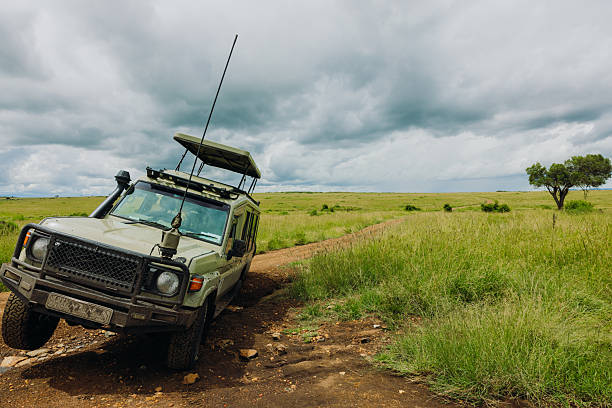
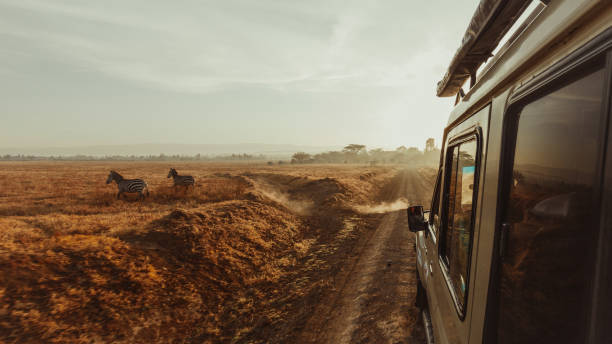
Dry Season Safari From Moshi: Your Complete Tanzania Wildlife Guide
A dry season safari from Moshi offers an unparalleled opportunity to witness Tanzania’s incredible wildlife in its natural habitat. As the rains recede, the landscape transforms, concentrating animals around dwindling water sources and making game viewing significantly easier and more predictable. This period, typically from June to October, is a prime time for visitors seeking dramatic wildlife encounters, stunning landscapes, and the iconic African wilderness experience. Moshi, nestled at the foot of Mount Kilimanjaro, serves as an excellent gateway to the Northern Circuit’s world-renowned national parks, including the Serengeti, Ngorongoro Crater, Tarangire, and Lake Manyara. This guide is designed to provide you with all the essential information to plan your perfect dry season safari from Moshi for 2026 and 2027.
| Aspect | Details |
|---|---|
| Best Months | June to October (peak dry season) |
| Primary Parks | Serengeti National Park, Ngorongoro Conservation Area, Tarangire National Park, Lake Manyara National Park |
| Wildlife Highlights | Great Migration river crossings (Serengeti), large elephant herds (Tarangire), big cats, diverse birdlife |
| Weather | Sunny days, cool to warm temperatures, very little rainfall, dusty conditions |
| Safari Style | Game drives in 4×4 vehicles, walking safaris (in select areas), cultural visits |
| Departure Point | Moshi, Tanzania |
| Accommodation | Lodges, tented camps (luxury to mid-range), campsites |
| Key Activities | Wildlife viewing, photography, bird watching, cultural tours, scenic drives |
| Planning Horizon | Book 6-12 months in advance for 2026-2027, especially for peak season |
Understanding the Dry Season in Tanzania
Tanzania experiences two main seasons: the wet season and the dry season. The dry season, running from approximately June through October, is characterized by minimal rainfall, clear skies, and pleasant temperatures. This period is crucial for wildlife as it leads to a reduction in vegetation cover and a concentration of animals around permanent water sources. For safari-goers, this means less time spent searching for animals and more time observing them in action. The air is generally clear, offering excellent visibility for photography, though it can become dusty, especially in the Serengeti. Mornings and evenings can be cool, requiring layers of clothing.
Why Choose a Dry Season Safari from Moshi?
Moshi provides a strategic starting point for exploring Tanzania’s northern safari circuit. Its proximity to Arusha, the main safari hub, and its own logistical advantages make it a convenient base. Opting for a dry season safari from Moshi means you are positioning yourself for some of the most rewarding wildlife viewing experiences in Africa. Here’s why it stands out:
- Exceptional Game Viewing: The dry season is synonymous with abundant wildlife sightings. Animals are easier to spot as they gather around waterholes and rivers.
- The Great Migration: For many, the primary draw of a dry season safari is the Great Migration of wildebeest and zebras. While the migration’s exact location shifts throughout the year, the dry season is when river crossings often occur, particularly in the western and northern Serengeti corridors, a spectacular sight to behold.
- Large Herds of Elephants: Tarangire National Park is famous for its massive elephant herds, which are particularly visible during the dry season as they congregate around the Tarangire River.
- Predator-Prey Interactions: With animals concentrated, opportunities for observing predator-prey interactions increase. Lions, cheetahs, leopards, and hyenas are often seen on the hunt.
- Clear Skies and Photography: The dry season typically brings sunny days with minimal cloud cover, ideal for photography. The reduced vegetation also makes it easier to get unobstructed shots.
- Comfortable Travel: While it can get warm during the day, the lack of rain means fewer travel disruptions. Roads within the parks are generally in better condition.
The Northern Circuit Parks: Your Dry Season Destinations
When planning a dry season safari from Moshi, the Northern Circuit parks are the stars. Each offers a unique ecosystem and wildlife viewing experience.
Serengeti National Park
The crown jewel of Tanzania’s safari destinations, the Serengeti is vast and iconic. Its name means ‘endless plains’ in the Maasai language, and it lives up to its reputation. During the dry season, the Serengeti is where the Great Migration congregates. From June to October, you can witness millions of wildebeest, zebras, and gazelles moving across the plains. The Grumeti River in the west and the Mara River in the north become critical points for dramatic river crossings as the herds attempt to escape predators and reach fresh grazing lands. Even outside of migration events, the Serengeti boasts incredible resident wildlife, including large populations of lions, leopards, cheetahs, elephants, giraffes, and a plethora of bird species.
Ngorongoro Conservation Area & Crater
The Ngorongoro Crater is a UNESCO World Heritage Site and a natural wonder. This ancient volcanic caldera is home to an astonishing density of wildlife, including the ‘Big Five’ (lion, leopard, elephant, rhino, and buffalo). The crater floor is a self-contained ecosystem, and while animals do migrate in and out, many resident populations remain year-round. The dry season concentrates animals around the permanent water sources within the crater, making for exceptional viewing. It’s also one of the best places in Tanzania to spot the endangered black rhinoceros. The Ngorongoro Conservation Area also encompasses other areas, including the Ngorongoro Highlands and Olduvai Gorge, offering diverse landscapes and cultural experiences.
Tarangire National Park
Tarangire is particularly renowned during the dry season, from July to October. This park is famous for its huge elephant herds, which can number in the hundreds. The Tarangire River is the only permanent source of water in the area during the dry months, attracting not only elephants but also large numbers of wildebeest, zebras, giraffes, buffalo, and a variety of antelope species. The park’s landscape is dominated by baobab trees, creating a unique and picturesque setting. Tarangire also offers excellent opportunities for spotting predators like lions and leopards, and it’s a birdwatcher’s paradise.
Lake Manyara National Park
While smaller than its neighbors, Lake Manyara offers diverse habitats and rewarding game viewing. Its shallow alkaline lake is often fringed by flamingos, and the park’s woodlands and grasslands support a rich array of wildlife. Lake Manyara is famous for its tree-climbing lions, a behavior that is more frequently observed during the dry season when they might seek refuge in trees from insects or the heat. The park is also home to large troops of baboons, elephants, giraffes, zebras, and various antelope species. Birdlife is abundant, especially around the lake.
Sample Dry Season Safari Itinerary from Moshi (7 Days)
This sample itinerary is designed to give you a taste of the Northern Circuit during the dry season. It can be customized to your preferences, duration, and budget. This is a popular route for 2026 and 2027 travel.
Day 1: Arrival in Moshi & Safari Briefing
Arrive at Kilimanjaro International Airport (JRO) or any other point of arrival. You will be met by your guide and transferred to your hotel in Moshi. After settling in, you’ll have a comprehensive safari briefing with your tour operator, discussing the itinerary, what to expect, and answering any questions. Overnight in Moshi.
Day 2: Moshi to Tarangire National Park
After breakfast, depart from Moshi with your packed lunch and drive to Tarangire National Park. The drive takes approximately 4-5 hours. Upon arrival, you’ll commence your first game drive, exploring the park’s diverse landscapes and searching for its famous elephant herds, baobab trees, and other wildlife. Enjoy an afternoon game drive before heading to your lodge or tented camp for the night.
Day 3: Tarangire to Lake Manyara & Karatu
Enjoy an early morning game drive in Tarangire. After breakfast, you will drive towards Lake Manyara National Park. En route, you can stop for a cultural experience or visit a local market if time permits. Upon reaching Lake Manyara, you’ll embark on a game drive within the park, looking for tree-climbing lions, baboons, and diverse birdlife. In the late afternoon, drive to your accommodation in the Karatu area, close to the Ngorongoro Crater.
Day 4: Ngorongoro Crater Tour
After an early breakfast, descend into the Ngorongoro Crater for a full-day game drive. This UNESCO World Heritage Site is a natural amphitheater teeming with wildlife. You’ll have an excellent chance to spot the Big Five, including the rare black rhino. Enjoy a picnic lunch on the crater floor. In the late afternoon, ascend from the crater and drive back to your lodge in Karatu.
Day 5: Karatu to Serengeti National Park
After breakfast, depart from Karatu and drive to the world-famous Serengeti National Park, entering through the Naabi Hill Gate. The drive itself is scenic, and you’ll have opportunities for game viewing en route. Depending on the time of year, you might catch sight of the Great Migration. Arrive at your camp or lodge in the central or western Serengeti, and enjoy an afternoon game drive.
Day 6: Full Day Game Drive in Serengeti
Spend a full day exploring the vast plains of the Serengeti. Depending on the season and migration patterns, your guide will take you to areas with the highest concentration of wildlife. This is your best chance to witness predator-prey interactions, observe large prides of lions, cheetahs on the hunt, and herds of wildebeest and zebras. Optional hot air balloon safaris are available at an extra cost for a unique perspective of the plains at sunrise.
Day 7: Serengeti to Moshi / Departure
Enjoy a final early morning game drive in the Serengeti. After breakfast, you will be transferred to a local airstrip for your scheduled flight back to Arusha. From Arusha, you will be transferred to Moshi or directly to Kilimanjaro International Airport (JRO) for your onward journey. Alternatively, if time permits, you can drive back to Moshi, which is a longer journey.
What to Expect on a Dry Season Safari
The dry season safari experience is often characterized by:
- Abundant Wildlife: Animals are more visible and concentrated around water sources.
- Dusty Conditions: The dry earth can kick up dust, especially during game drives. Lightweight, neutral-colored clothing is recommended.
- Cool Mornings and Evenings: Temperatures can drop significantly after sunset and before sunrise, necessitating warm layers.
- Clear Skies: Expect sunny days with excellent visibility, ideal for photography.
- Potential for River Crossings: If timing your visit with the Great Migration’s river crossings, expect dramatic and potentially crowded viewing spots.
- Less Vegetation: The landscape is drier and less green, making animals easier to spot.
Inclusions and Exclusions: What Your Safari Package Covers
When booking a dry season safari from Moshi, it’s crucial to understand what your package includes and excludes. Most reputable tour operators will provide a detailed breakdown. Typically, a comprehensive safari package includes:
- Accommodation: Lodges, tented camps, or campsites as per your chosen itinerary and budget.
- Meals: Usually full board (breakfast, lunch, and dinner) during the safari days.
- Park Fees: Entrance fees for all national parks and conservation areas visited.
- Game Drives: Daily game drives in a custom-built 4×4 safari vehicle with an experienced driver-guide.
- Vehicle and Fuel: Use of a 4×4 safari vehicle with unlimited mileage during game drives.
- Water: Bottled drinking water provided in the safari vehicle.
- Transfers: Airport transfers and transfers between destinations as per the itinerary.
- Crater Service Fees: Fees for entering and spending time within the Ngorongoro Crater.
Common exclusions often include:
- International Flights: Flights to and from Tanzania.
- Visa Fees: Costs associated with obtaining a Tanzanian visa.
- Travel Insurance: Comprehensive travel and medical insurance.
- Gratuities: Tips for your safari guide and lodge staff.
- Personal Expenses: Drinks (alcoholic and non-alcoholic) outside of meals, laundry, souvenirs, telephone calls.
- Optional Activities: Hot air balloon safaris, walking safaris (where not included), cultural visits not part of the standard itinerary.
- Vaccinations and Medications: Costs related to health preparations.
Packing Essentials for Your Dry Season Safari
Packing smart is key to enjoying your dry season safari. The weather can vary, and practicality is paramount.
- Clothing:
- Lightweight, neutral-colored clothing (khaki, beige, olive green) is best for game drives. Avoid bright colors and dark blue/black, which can attract insects.
- Long-sleeved shirts and long trousers to protect from the sun and insects.
- A warm fleece or jacket for cool mornings and evenings.
- A light waterproof jacket or poncho (just in case of unexpected showers, though rare).
- Comfortable walking shoes or hiking boots (if planning any walking safaris).
- Sandals or flip-flops for relaxing at the lodge/camp.
- Pajamas.
- Underwear and socks.
- Accessories:
- Wide-brimmed hat for sun protection.
- Sunglasses.
- Scarf or bandana for dust protection.
- Binoculars (essential for wildlife viewing).
- Camera with extra batteries, memory cards, and a good zoom lens.
- Power bank or portable charger.
- Adapter for electronic devices (Tanzania uses Type G plugs, 230V).
- Headlamp or flashlight for navigating camps at night.
- Health and Personal Items:
- Insect repellent (with DEET).
- Sunscreen (high SPF).
- Personal first-aid kit with any necessary medications.
- Hand sanitizer.
- Wet wipes.
- Personal toiletries.
- Any prescription medications with a copy of the prescription.
- Documents:
- Passport (valid for at least 6 months beyond your stay).
- Visa for Tanzania (obtain in advance or on arrival).
- Yellow fever vaccination certificate (if required based on your travel route).
- Flight tickets and booking confirmations.
- Travel insurance details.
- Copies of all important documents (stored separately).
Common Mistakes to Avoid on Your Dry Season Safari
To ensure a smooth and enjoyable dry season safari from Moshi, be aware of potential pitfalls:
- Underestimating the Sun: Even though it’s dry, the equatorial sun is intense. Always use sunscreen, wear a hat, and stay hydrated.
- Not Packing Layers: Mornings and evenings can be surprisingly cool, especially in higher altitudes like Ngorongoro. A warm jacket is essential.
- Overpacking: Luggage space in safari vehicles is limited. Pack light and efficiently, focusing on versatile items. Soft-sided duffel bags are often preferred over hard suitcases.
- Ignoring Your Guide: Your guide is a wealth of knowledge. Listen to their advice regarding wildlife, safety, and cultural etiquette.
- Expecting Guaranteed Sightings: While the dry season offers excellent viewing, wildlife is unpredictable. Patience and flexibility are key.
- Not Booking in Advance: The dry season, especially July to September, is peak tourist season. Popular lodges and camps, as well as safari vehicles, get booked up months in advance for 2026 and 2027.
- Focusing Only on the ‘Big Five’: While the Big Five are iconic, Tanzania’s wildlife diversity is immense. Appreciate all the animals, birds, and landscapes you encounter.
- Not Budgeting for Extras: Factor in tips, drinks, souvenirs, and optional activities when setting your budget.
Who is a Dry Season Safari From Moshi Best For?
A dry season safari from Moshi is ideal for a wide range of travelers:
- Wildlife Enthusiasts: Those who prioritize maximizing their chances of seeing a diverse range of animals, including predators and large herds.
- Photographers: The clear skies, concentrated wildlife, and dramatic landscapes provide exceptional photographic opportunities.
- First-Time Safari Goers: The predictability of game viewing in the dry season makes it a less daunting and highly rewarding introduction to safaris.
- Families: The dry season offers stable weather and consistent wildlife sightings, making it suitable for children.
- Couples and Honeymooners: The romantic allure of the African wilderness is amplified during this beautiful season.
- Travelers Seeking the Great Migration: For those specifically wanting to witness the wildebeest migration, especially river crossings, the dry season is the prime time.
Alternative Safari Seasons and What They Offer
While the dry season is popular, other times of the year offer unique advantages:
- Green Season (November to May): This period is characterized by lush landscapes, fewer crowds, and lower prices. It’s excellent for birdwatching as migratory birds arrive. The calving season in the southern Serengeti (around February) is a highlight for observing newborn animals and predator-prey action. However, game viewing can be more challenging due to denser vegetation and scattered wildlife. Road conditions can also be affected by heavy rains.
Planning Your Dry Season Safari for 2026-2027
Planning a safari for 2026 or 2027 requires foresight, especially if you aim for the peak dry season months.
- 12+ Months in Advance: For peak season (July-September), start researching operators and destinations. Book popular lodges, especially in the Serengeti and Ngorongoro, and secure your preferred safari dates.
- 9-12 Months in Advance: Confirm your itinerary and accommodation. Finalize your tour operator.
- 6-9 Months in Advance: Book international flights. Apply for any necessary visas. Consider travel insurance.
- 3-6 Months in Advance: Arrange any required vaccinations or malaria prophylaxis with your doctor. Start purchasing safari gear.
- 1-3 Months in Advance: Confirm all booking details. Exchange currency. Pack your bags.
- 1 Month Before: Reconfirm flight details and safari arrangements. Inform your bank of your travel dates.
Booking well in advance ensures you get the best accommodation options and safari vehicles, and it allows you to spread the cost over a longer period. For 2026 and 2027, early booking is highly recommended, particularly if your dates fall within the school holidays or the peak migration season.
Choosing the Right Safari Operator
Selecting a reputable safari operator is crucial for a successful dry season safari from Moshi. Look for:
- Experience: Operators with a long history of organizing safaris in Tanzania.
- Local Knowledge: Guides who are experts in the parks, wildlife, and local culture.
- Vehicle Quality: Well-maintained 4×4 safari vehicles equipped for off-road conditions.
- Customer Reviews: Check online reviews and testimonials.
- Customization: The ability to tailor itineraries to your interests and budget.
- Responsibility: Operators committed to sustainable tourism practices.
Cost Considerations for a Dry Season Safari
Safari costs can vary significantly based on accommodation style, duration, number of people, and season. The dry season is generally considered the peak season, meaning prices might be higher due to demand.
Factors influencing cost include:
- Accommodation: Luxury lodges and exclusive tented camps are more expensive than mid-range options or standard campsites.
- Safari Duration: Longer safaris naturally incur higher costs for accommodation, park fees, and guiding.
- Park Fees: These are set by the Tanzanian government and can be a significant portion of the overall cost, especially for Serengeti and Ngorongoro.
- Vehicle Type: While most operators use similar 4×4 vehicles, custom or specialized vehicles might cost more.
- Group Size: Private safaris are more expensive per person than joining a group.
While exact prices are best obtained through direct quotes, expect a mid-range 7-day safari during the dry season to be a significant investment, reflecting the quality of the experience and the operational costs involved in remote wilderness travel.
Booking Your Dry Season Safari from Moshi
Ready to plan your unforgettable dry season safari from Moshi? Contact us to discuss your dream African adventure for 2026 or 2027. We specialize in creating personalized safari experiences that cater to your interests, budget, and travel style.
Let us help you craft an itinerary that maximizes your wildlife viewing opportunities, ensuring you experience the best of Tanzania’s Northern Circuit during its most iconic season. We handle all the details, from accommodation and park fees to experienced guides and reliable transport, so you can focus on enjoying the magic of the African bush.
Get in touch today:
WhatsApp: +255616946642
Email: topguideadventures@gmail.com
Backup Email: info@topguideadventures.com
Frequently Asked Questions (FAQs)
Q1: Is the dry season the best time for a safari from Moshi?
The dry season (June to October) is considered by many to be the best time for a safari from Moshi due to excellent wildlife viewing, concentrated animals, and the possibility of witnessing the Great Migration river crossings. However, the ‘best’ time can depend on individual preferences; the green season offers lush landscapes and different wildlife spectacles.
Q2: What are the typical temperatures during the dry season safari?
Daytime temperatures are usually warm to hot, ranging from 25°C to 30°C (77°F to 86°F). However, mornings and evenings can be cool, dropping to 10°C to 15°C (50°F to 59°F), especially at higher altitudes like Ngorongoro. Packing layers is essential for 2026-2027 travel.
Q3: How far in advance should I book my dry season safari for 2026 or 2027?
For the peak dry season months (July-September), it is highly recommended to book your safari at least 9-12 months in advance. This ensures availability of preferred accommodations and safari vehicles.
Q4: What is the Great Migration, and when is the best time to see it during the dry season?
The Great Migration is the annual movement of over 1.5 million wildebeest, zebras, and gazelles across the Serengeti ecosystem. During the dry season (June-October), the herds are typically in the western and northern Serengeti. The dramatic river crossings, particularly of the Mara River, often occur between July and October, making this a prime time to witness this phenomenon.
Q5: Can I combine a dry season safari with climbing Mount Kilimanjaro?
Yes, it’s a popular combination. The dry season is also ideal for Kilimanjaro climbs. You could start with a safari and then tackle the mountain, or vice versa. Many operators, including us, can arrange combined packages for 2026-2027.
Q6: Is malaria a concern during the dry season?
Malaria is present in Tanzania year-round, although the risk is generally lower during the dry season due to fewer mosquitoes. It is advisable to consult your doctor about malaria prophylaxis and take precautions such as using insect repellent and wearing long sleeves/trousers in the evenings.
Q7: What kind of accommodation can I expect on a dry season safari from Moshi?
Accommodation options range from budget-friendly campsites to mid-range lodges and luxury tented camps. The choice depends on your budget and preferences. Most offer comfortable amenities, en-suite bathrooms (in lodges and many camps), and delicious meals.
Q8: Are walking safaris possible during the dry season?
Walking safaris are permitted in specific areas outside of the main national parks, such as in the Ngorongoro Conservation Area or private concessions. They offer a different perspective on the bush. Your tour operator can advise on the availability and feasibility of walking safaris as part of your 2026-2027 itinerary.
Q9: What is the typical duration for a dry season safari from Moshi?
A typical dry season safari to the Northern Circuit from Moshi can range from 3 days (focusing on a couple of parks) to 10 days or more for a comprehensive experience covering Serengeti, Ngorongoro, Tarangire, and Lake Manyara.
Q10: How much should I budget for tips for my safari guide?
Tipping is customary for safari guides. A general guideline is $20-$30 USD per person per day for the driver-guide. Your tour operator can provide more specific recommendations based on the service received.
Ready for Your Dry Season Safari Adventure from Moshi?
The dry season safari from Moshi offers an unparalleled wildlife spectacle. From the vast plains of the Serengeti to the unique ecosystem of the Ngorongoro Crater and the elephant-rich Tarangire, Tanzania’s Northern Circuit promises an unforgettable journey. Planning your 2026 or 2027 adventure with the right operator is key to a seamless and rewarding experience.
Let us craft your personalized dry season safari from Moshi. Contact our expert team today to start planning your dream trip:
WhatsApp: +255616946642
Email: topguideadventures@gmail.com
Backup Email: info@topguideadventures.com
Plan your Dry Season Safari From Moshi with Top Guide Adventures
Tell us your travel dates, group size, comfort level, and dream experience. We will help you shape a clear, realistic, and memorable Tanzania itinerary.







 Veedesigner
 Fatma Kizanga
 Benjamin Waryuba
 Philip Philip
 John jr Itaja
 Antonia Optatus
 Edith Kanyere
 Neema Iddy
 Kelvin Boniphace
 Damari Maiga



