
Updated planning guide for 2026, 2027-2028
Green Season Safari From Moshi: Best Guide 2026-2027-2028
Considering a safari from Moshi during the Green Season? This comprehensive guide details everything you need to know, from prime wildlife viewing opportunities to essential packing tips and booking advice for 2026-2027.
WhatsApp +255616946642 | topguideadventures@gmail.com | info@topguideadventures.com
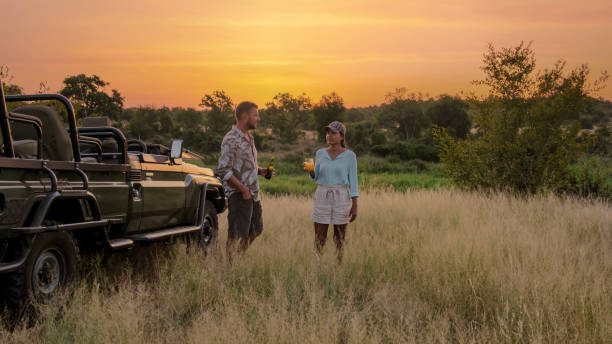
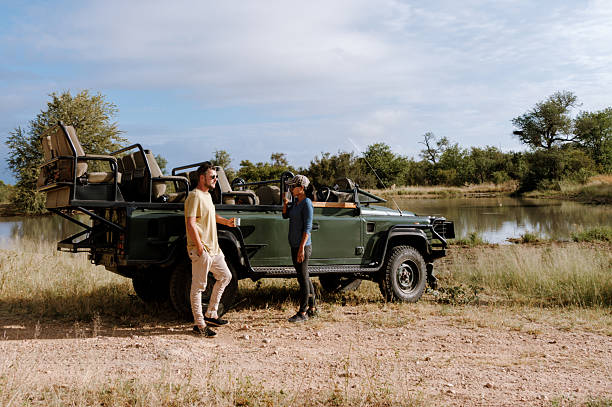
Green Season Safari From Moshi: Your Complete Tanzania Adventure Guide
A Green Season Safari from Moshi offers a distinct and rewarding wildlife experience in Tanzania. While the dry season often gets the spotlight for its concentrated animal herds, the Green Season, typically from late March/April to May and again from November to mid-December, transforms the landscape into a vibrant, lush paradise. This period, often considered the ‘low season’ by some, presents unique advantages for the discerning traveler, including fewer crowds, lower prices, and spectacular photographic opportunities. If you’re starting your Tanzanian adventure in Moshi, often the gateway for Mount Kilimanjaro climbs, extending your stay for a safari during these greener months is an excellent choice.
This guide is designed to provide an in-depth look at what a Green Season Safari from Moshi entails. We will cover the best parks to visit, the specific wildlife viewing advantages, practical planning details, and how to make the most of your trip in 2026 and 2027. Whether you are a first-time visitor or a seasoned safari-goer, understanding the nuances of this season will help you craft an unforgettable journey.
Table of Contents
- Quick Facts: Green Season Safari from Moshi
- Understanding the Green Season in Tanzania
- Why Choose a Green Season Safari from Moshi?
- Best National Parks for a Green Season Safari from Moshi
- Wildlife Viewing in the Green Season
- Itinerary Logic and Sample Routes
- What to Expect: Landscape and Conditions
- Packing Essentials for a Green Season Safari
- Pre-Trip Preparation and Planning
- Common Mistakes to Avoid
- Who is a Green Season Safari Best Suited For?
- Alternatives to a Green Season Safari
- Planning Your 2026-2027 Green Season Safari
- Booking Your Green Season Safari
- Frequently Asked Questions
Quick Facts: Green Season Safari from Moshi
| Aspect | Details |
|---|---|
| Primary Location | Northern Tanzania, accessible from Moshi |
| Key Parks (Accessible from Moshi) | Tarangire National Park, Lake Manyara National Park, Serengeti National Park (central/western), Arusha National Park, Ngorongoro Conservation Area. |
| Green Season Months | Late March/April to May (Long Rains), November to mid-December (Short Rains). |
| Landscape | Lush, green, vibrant vegetation, wildflowers, full rivers and waterholes. |
| Wildlife Viewing | Excellent for birdwatching, newborn animals, good general game viewing, specific migrations may occur. | Soft light, dramatic skies, rich colors, lush backdrops. |
| Crowds | Significantly fewer tourists. |
| Prices | Generally lower lodge and tour operator prices. |
| Road Conditions | Can be muddy and challenging in some areas, requiring sturdy 4×4 vehicles. |
| Mosquitoes | Higher presence due to rain; preventative measures are important. |
Understanding the Green Season in Tanzania
Tanzania experiences two distinct rainy periods that define the Green Season. The ‘Long Rains’ typically occur from late March or April through May, bringing substantial rainfall across the country. Following this, a dry spell usually occurs during June, July, August, and September, which is the peak of the dry season. The ‘Short Rains’ are less predictable and usually happen from November to mid-December. While these periods are called ‘rainy seasons,’ it doesn’t mean constant downpours. Often, rain falls in heavy bursts, usually in the late afternoon or overnight, leaving the rest of the day clear and often sunny.
The landscape dramatically changes during these times. The dry, dusty plains of the dry season burst into life. Grasses grow tall, trees are in full leaf, and wildflowers bloom, creating a visually stunning environment. Rivers and waterholes are full, which can sometimes disperse animals across a wider area compared to the dry season when they congregate around limited water sources.
For travelers starting their journey in Moshi, the northern safari circuit parks are the most accessible and are well-suited for Green Season exploration. These parks include Tarangire, Lake Manyara, the Ngorongoro Conservation Area, and parts of the Serengeti. Arusha National Park is also a fantastic option for shorter trips or as a starting point.
Why Choose a Green Season Safari from Moshi?
Choosing a Green Season Safari from Moshi is a strategic decision that can significantly enhance your travel experience, particularly if you value tranquility, photographic opportunities, and value for money.
- Fewer Crowds: This is perhaps the most significant advantage. With fewer tourists, you’ll experience a more intimate connection with nature. Game drives will feel more private, lodges will offer more personalized service, and you’ll have more space to appreciate the wildlife without constant vehicle traffic. This is especially true in 2026 and 2027, as travel trends continue to favor less crowded destinations.
- Spectacular Scenery: The landscape transforms into a vibrant green canvas. This makes for incredibly picturesque backdrops to wildlife sightings. The lush vegetation provides excellent cover for predators, but also means abundant food for herbivores, leading to healthy-looking animals.
- Excellent Photography: The soft, diffused light during the Green Season, combined with the rich colors of the vegetation and dramatic skies, is a photographer’s dream. The absence of harsh midday sun often leads to more atmospheric shots.
- Newborn Animals: Many herbivores give birth during the Green Season, coinciding with the abundance of food. Witnessing newborn wildebeest, zebras, gazelles, and other young animals taking their first steps is a heartwarming and special safari experience.
- Birdwatching Paradise: Migratory birds arrive in Tanzania during this period, and resident birds are often in their breeding plumage. The lush environment also means more insects, attracting insectivorous birds. Birdwatchers will find this season particularly rewarding.
- More Affordable Options: Lodges and tour operators often offer reduced rates during the Green Season due to lower demand. This can make a safari more accessible, allowing you to perhaps extend your trip or opt for higher-quality accommodation within your budget.
- Unique Wildlife Encounters: While large herds might be dispersed, specific wildlife behaviors are prominent. For instance, the wildebeest migration might be in different areas of the Serengeti compared to the dry season, offering a different perspective on this natural wonder.
For travelers based in Moshi, the proximity to several renowned national parks means you can easily access these benefits without extensive travel time from your starting point.
Best National Parks for a Green Season Safari from Moshi
When planning a Green Season Safari from Moshi, focusing on the parks within the Northern Circuit offers the most convenient and rewarding experience. These parks are accessible via road from Moshi and are spectacular year-round, but the Green Season brings its own unique charm to each.
Tarangire National Park
Known for its large elephant herds and iconic baobab trees, Tarangire is exceptional during the Green Season. The park’s permanent water sources attract wildlife, and the lush vegetation provides a beautiful setting. The scenery is particularly striking with the green grasses contrasting against the ancient baobabs.
Lake Manyara National Park
Famous for its tree-climbing lions, large buffalo herds, and abundant birdlife, Lake Manyara is stunning when green. The lake itself is a vital ecosystem, and the surrounding forests and woodlands teem with life. The birdwatching is particularly superb during the Green Season.
Serengeti National Park
While the Great Migration’s exact location varies, the Serengeti is always a wildlife spectacle. During the Green Season (especially November-December), the Short Rains can bring the migration herds to the eastern and southern plains. Even if the main herds are elsewhere, the Serengeti offers incredible resident wildlife viewing year-round. The central Seronera area is always productive.
Ngorongoro Conservation Area (NCA)
The Ngorongoro Crater, a UNESCO World Heritage Site, is a caldera teeming with wildlife. The lush conditions during the Green Season mean the crater floor is vibrant and full of life. It’s a fantastic place for spotting the ‘Big Five’ in a compact, stunning setting. The NCA also includes areas outside the crater which offer different landscapes and wildlife viewing.
Arusha National Park
This park is often overlooked but is a gem, especially for those with limited time or looking for a safari close to Moshi. It features Mount Meru, Momella Lakes, and Ngurdoto Crater. The diverse habitats support a variety of wildlife, including colobus monkeys and diverse bird species. It’s particularly beautiful when lush and green, offering stunning views of Kilimanjaro on clear days.
These parks offer a rich diversity of landscapes and wildlife, ensuring that a Green Season Safari from Moshi is packed with memorable encounters.
Wildlife Viewing in the Green Season
Wildlife viewing during the Green Season offers a different, yet equally captivating, experience compared to the dry season.
- Newborns and Young Animals: The Green Season is synonymous with new life. Herds of wildebeest, zebras, gazelles, and antelopes are often seen with their young. This period is ideal for observing maternal care and the vulnerability and resilience of young animals.
- Birdwatching: This is prime time for bird enthusiasts. Migratory birds from Europe and Asia are present, alongside resident species in their breeding colors. The abundance of insects and vegetation makes the environment rich for birdlife.
- Predator-Prey Dynamics: While predators can be harder to spot due to the tall grass and dispersed prey, their hunting success rates can be higher when targeting younger, less experienced prey. Observing these interactions is a highlight for many.
- Elephant Herds: Tarangire National Park, in particular, is famous for its large elephant populations, which are present year-round but are particularly impressive against the green backdrop.
- Reptiles and Amphibians: The presence of water encourages increased activity from reptiles and amphibians, adding another layer to the safari experience.
- The Great Migration (Serengeti): Depending on the specific timing within the Green Season, the wildebeest migration can be found in the Serengeti. The Short Rains (November-December) often see the herds moving through the central and eastern parts of the park, or even heading towards the Ndutu area (which straddles the border with NCA), where calving occurs. This offers a different perspective than the dramatic river crossings of the dry season.
While some may worry about animals being harder to find due to dispersed water sources and thick vegetation, experienced guides are adept at locating wildlife. The sheer abundance of life and the vibrant scenery more than compensate for any perceived challenges.
Itinerary Logic and Sample Routes
Planning a Green Season Safari from Moshi requires considering the accessibility of parks and the potential for rain. A typical itinerary logic focuses on a loop of the Northern Circuit parks, often starting with those closest to Moshi.
Typical Itinerary Logic:
- Start in Moshi: Arrive, acclimatize, and meet your guide.
- Arusha National Park: A great introductory safari, easily accessible from Moshi. Ideal for a day trip or a one-night stay.
- Tarangire National Park: Known for elephants and baobabs. Often visited for 1-2 nights.
- Lake Manyara National Park: Famous for tree-climbing lions and birdlife. Can be a day trip or a 1-night stay.
- Ngorongoro Conservation Area: Crater descent for a full day of game viewing.
- Serengeti National Park: Requires more travel time, but offers vast plains and incredible wildlife. Depending on time and interest, 2-4 nights are recommended.
- Return to Moshi/Arusha: For departure or onward travel.
Sample 7-Day Green Season Safari Itinerary (Starting from Moshi):
Day 1: Moshi to Arusha National Park
Morning pick-up from your Moshi hotel. Drive to Arusha National Park for a half-day game drive, exploring the diverse landscapes. Optional canoeing on Momella Lakes or walking safari. Overnight near Arusha or in Arusha town.
Day 2: Arusha to Tarangire National Park
After breakfast, drive to Tarangire National Park. Full day game drive enjoying the large elephant herds and unique baobab trees. The green landscape is particularly beautiful. Overnight at a lodge/camp inside or near the park.
Day 3: Tarangire to Lake Manyara
Morning game drive in Tarangire. Then, drive to Lake Manyara National Park. Enjoy a game drive focusing on the lake’s birdlife, forest areas, and potential tree-climbing lions. Overnight near Lake Manyara.
Day 4: Lake Manyara to Ngorongoro Crater
Morning drive to the Ngorongoro Conservation Area. Descend into the Ngorongoro Crater for a full day game drive. This caldera is a haven for wildlife, including the Big Five. Picnic lunch on the crater floor. Overnight on the crater rim or nearby.
Day 5: Ngorongoro to Serengeti National Park
Drive to the Serengeti National Park, entering via the Ngorongoro Conservation Area. Game drive en route to your camp/lodge in the central Serengeti (Seronera area), known for its resident wildlife and big cats. Overnight in Serengeti.
Day 6: Serengeti National Park
Full day game drive in the Serengeti. Explore different areas, looking for predators, plains game, and enjoying the vastness of the ecosystem. Optional hot air balloon safari at sunrise (additional cost). Overnight in Serengeti.
Day 7: Serengeti to Moshi
Morning game drive in Serengeti. Afterwards, begin the long drive back to Moshi, arriving in the late afternoon/early evening. Alternatively, you could fly from Seronera airstrip to Arusha for a shorter return journey (additional cost).
Route Map/Area Overview (Text-based illustration):
Moshi -> Arusha NP (North) -> Tarangire NP (South-West) -> Lake Manyara NP (West) -> Ngorongoro Crater (West) -> Serengeti NP (West) -> Back to Moshi.
This route follows the typical Northern Circuit, optimizing travel time and park diversity.
The logic here is to cover diverse ecosystems and maximize wildlife viewing opportunities. Road conditions can be a factor during the Green Season, so using a reputable tour operator with well-maintained 4×4 vehicles is crucial.
What to Expect: Landscape and Conditions
The Green Season transforms the Tanzanian landscape, offering a visually rich and dynamic environment for your safari.
- Lush Vegetation: Expect to see vibrant green grasses, full trees, and blooming wildflowers. The landscape is far from the dry, brown plains of the dry season. This makes for beautiful photographic backdrops.
- Full Water Sources: Rivers and waterholes are replenished, leading to a more dispersed wildlife population compared to the dry season when animals congregate around limited water. However, major parks like Tarangire have permanent water sources that still attract significant numbers of animals.
- Rainfall: While it’s the ‘rainy season,’ this doesn’t mean non-stop rain. Expect intermittent heavy showers, often in the late afternoon or overnight. Days can still be largely sunny and pleasant, perfect for game drives. Always be prepared for a sudden downpour.
- Road Conditions: The rain can make some park roads muddy and challenging. This is where a good 4×4 vehicle and an experienced driver are essential. Some routes might be temporarily impassable, requiring itinerary adjustments.
- Temperatures: Temperatures remain pleasant, typically ranging from warm days to cooler evenings. The humidity can be higher during the rainy periods. Pack layers to adapt to changing conditions.
- Insects: With water and vegetation, mosquitoes and other insects are more prevalent. This makes insect repellent a must-have item.
The overall expectation is a beautiful, alive, and dynamic environment. The challenges of occasional rain and mud are manageable with proper planning and the right tour operator.
Packing Essentials for a Green Season Safari
Packing smart for a Green Season Safari from Moshi is key to comfort and enjoyment. Focus on layers, protection from the elements, and essentials for the conditions.
Clothing:
- Lightweight, breathable layers: Long-sleeved shirts and trousers in neutral colors (khaki, beige, olive green) are essential for sun protection and to avoid attracting insects. Avoid bright colors.
- Fleece jacket or warm sweater: Evenings and early mornings can be cool, especially at higher altitudes like the Ngorongoro Crater rim.
- Waterproof and windproof jacket: Absolutely crucial for unexpected rain showers and wind.
- Comfortable walking shoes/hiking boots: If you plan on any walking safaris or hikes.
- Sandals or flip-flops: For relaxing at the lodge.
- Hat: A wide-brimmed hat for sun protection.
- Swimsuit: If your accommodation has a pool.
Footwear:
- Closed-toe shoes: Comfortable, sturdy shoes for game drives.
- Sandals/flip-flops: For downtime at camps/lodges.
Health and Hygiene:
- Insect repellent: High DEET content is recommended due to increased mosquito presence.
- Sunscreen: High SPF, as the sun is strong.
- After-sun lotion: For soothing skin.
- Basic first-aid kit: Including personal medications, pain relievers, antiseptic wipes, bandages, and motion sickness medication if needed.
- Hand sanitizer: For use on the go.
- Malaria prophylaxis: Consult your doctor well in advance of your trip.
Gear and Accessories:
- Camera and extra batteries/memory cards: You’ll want to capture the lush scenery and wildlife.
- Binoculars: Essential for spotting distant animals.
- Adaptor and power bank: For charging electronics.
- Reusable water bottle: To stay hydrated and reduce plastic waste.
- Small backpack/daypack: For carrying essentials during game drives.
- Sunglasses: To protect your eyes from the sun.
- Headlamp or flashlight: Useful for navigating camps at night.
Remember to pack light, as many lodges have luggage weight restrictions, especially if you plan on taking small bush flights. Soft-sided duffel bags are often preferred over hard suitcases.
Pre-Trip Preparation and Planning
Thorough preparation is crucial for a successful Green Season Safari from Moshi. Here’s a checklist to guide you:
Visa and Passport:
- Ensure your passport is valid for at least six months beyond your intended stay and has at least two blank pages.
- Check visa requirements for your nationality and apply in advance if necessary. Many nationalities can obtain a visa on arrival, but pre-application can save time.
Health and Vaccinations:
- Consult your doctor or a travel clinic 4-6 weeks before your trip regarding recommended vaccinations (e.g., Yellow Fever, Hepatitis A, Typhoid) and malaria prevention.
- Pack a personal first-aid kit and any prescription medications.
Travel Insurance:
- Obtain comprehensive travel insurance that covers medical emergencies, evacuation, trip cancellation, and lost belongings.
Bookings:
- Tour Operator: Research and book with a reputable tour operator well in advance, especially for 2026-2027 travel.
- Accommodation: Safari lodges and camps can book up, even in the Green Season.
- Flights: Book international and any internal flights (e.g., to Kilimanjaro International Airport – JRO) early for better prices.
Finances:
- Inform your bank of your travel dates to avoid blocked cards.
- Carry some USD cash for tips, souvenirs, and small purchases. Ensure bills are newer than 2009.
- Understand the payment methods accepted by your tour operator (wire transfer, credit card).
Research and Expectations:
- Read about the parks you’ll visit and the wildlife you might see.
- Understand the specific conditions of the Green Season (potential rain, lush landscapes).
Communication:
- Note down essential contact numbers (tour operator, emergency contacts).
- Consider getting a local SIM card upon arrival for easier communication.
Starting your safari from Moshi means you’re already in a good position for acclimatization if you’ve climbed Kilimanjaro. Ensure your tour operator is well-informed about your needs and preferences.
Common Mistakes to Avoid
To ensure your Green Season Safari from Moshi is as smooth and enjoyable as possible, be aware of these common pitfalls:
- Underestimating the Rain: Not packing adequate waterproof gear or assuming it won’t rain can lead to discomfort. Always be prepared for showers.
- Ignoring Mosquito Protection: The Green Season is prime time for mosquitoes. Forgetting repellent or not using it consistently can lead to uncomfortable bites and increase the risk of malaria.
- Overpacking: Luggage restrictions on internal flights or even for vehicle space can be an issue. Pack light and focus on versatile items.
- Choosing the Wrong Tour Operator: Opting for the cheapest deal without proper research can result in poor vehicle quality, inexperienced guides, and a less safe experience. For the Green Season, a good 4×4 and a skilled driver are essential.
- Expecting Dry Season Conditions: Thinking wildlife will be concentrated at waterholes as in the dry season can lead to disappointment. Understand that animals may be more dispersed.
- Not Informing Your Operator of Special Needs: Dietary restrictions, medical conditions, or specific interests (like birdwatching) should be communicated well in advance.
- Lack of Flexibility: Road closures due to heavy rain can happen. Be prepared for minor itinerary changes if necessary.
- Not Budgeting for Tips: Tipping guides and lodge staff is customary and appreciated. Factor this into your budget.
- Using Old USD Bills: Banks in Tanzania often refuse US dollar bills printed before 2009. Ensure you have newer currency.
By being aware of these potential mistakes, you can proactively plan to avoid them and have a much more rewarding safari experience.
Who is a Green Season Safari Best Suited For?
A Green Season Safari from Moshi is an excellent choice for a variety of travelers, particularly those seeking a more serene and visually rich experience:
- Photographers: The lush landscapes, soft light, and vibrant colors offer unparalleled photographic opportunities.
- Birdwatchers: The presence of migratory birds and resident species in breeding plumage makes this season ideal for birding enthusiasts.
- Budget-Conscious Travelers: Lower prices for accommodation and tours can make a safari more affordable, allowing for longer trips or higher-quality experiences.
- Travelers Seeking Solitude: Those who prefer to avoid crowds and enjoy a more intimate wildlife experience will find the Green Season appealing.
- Nature Lovers: The vibrant, blooming landscape and the presence of newborn animals create a powerful connection with the natural world.
- Repeat Visitors: Travelers who have experienced Tanzania in the dry season can discover a completely different, yet equally captivating, side of the country.
- Travelers Interested in Specific Events: If your visit aligns with the calving season of the wildebeest migration in the Serengeti/Ndutu area (often Nov-Dec), this is a prime time to witness that spectacle.
It’s important to note that while great for many, it might be less ideal for those solely focused on witnessing massive, concentrated herds at waterholes, which is more typical of the dry season.
Alternatives to a Green Season Safari
While the Green Season offers unique advantages, other times of the year also present compelling reasons to visit Tanzania for a safari from Moshi. Understanding these alternatives helps in making the best choice for your travel style and priorities:
- Dry Season (June to October): This is Tanzania’s peak safari season. Wildlife viewing is often easier as animals congregate around dwindling water sources, and vegetation is less dense. The Great Migration river crossings (typically July-September) are a major draw. However, it’s also the busiest and most expensive time, with higher lodge rates and more crowded parks.
- Shoulder Seasons (Late Oct-Nov, Late Jan-Feb): These periods can offer a good balance. Weather is generally good, crowds are moderate, and prices may be slightly lower than peak season. The calving season of the wildebeest migration in the southern Serengeti/Ndutu area (late Jan-Feb) is a significant event during this time.
- Combining Safari with Other Activities: Instead of choosing just one season, consider combining a short safari with other Tanzanian experiences. For example, a 3-4 day safari from Moshi could be followed by a trip to Zanzibar for beach relaxation, or a trek up Mount Kilimanjaro.
- Short Trips from Moshi: If time is limited, day trips or 2-day safaris to parks like Arusha National Park or Lake Manyara can still offer fantastic wildlife encounters without committing to a full-length safari.
Each season has its own magic. The Green Season is about rejuvenation, abundance, and a more tranquil experience, while the dry season is about concentrated wildlife action. Your choice depends on what you prioritize for your Tanzanian adventure.
Planning Your 2026-2027 Green Season Safari
Planning ahead is essential for securing the best experiences, especially when looking towards 2026 and 2027. The Green Season offers great value, but booking popular lodges and experienced guides early is still wise.
- Book Early (12-18 Months Ahead): For 2026 and 2027 travel, especially if you have specific lodge preferences or are traveling during popular holiday periods within the Green Season (like Christmas/New Year), booking 12-18 months in advance is recommended. This is particularly true for unique accommodations or if you’re a larger group.
- Choose Your Parks Wisely: For the Green Season, consider parks known for resident wildlife or specific seasonal movements. Tarangire’s elephants, Lake Manyara’s birds, and the central Serengeti’s big cats are reliable.
- Vehicle and Guide Quality: Emphasize the need for a sturdy 4×4 vehicle and an experienced guide who understands the Green Season conditions. Good operators will have well-maintained vehicles and knowledgeable staff.
- Accommodation Options: While prices are generally lower, popular lodges still fill up. Research options ranging from mid-range to luxury camps and lodges that suit your budget and style.
- Itinerary Flexibility: Be open to minor adjustments. The Green Season can sometimes bring unexpected weather patterns that might affect road access. A good tour operator will have contingency plans.
- Health Preparations: Start researching health recommendations and booking doctor’s appointments for vaccinations and malaria prophylaxis at least 2-3 months before your 2026 or 2027 trip.
- Budgeting: While generally more affordable, factor in park fees, accommodation, guide services, meals, tips, and any optional activities like hot air balloon safaris.
By starting your planning early for 2026-2027, you can take advantage of the Green Season’s benefits while ensuring a well-organized and memorable safari.
Booking Your Green Season Safari
Booking a Green Season Safari from Moshi should be a straightforward process when you work with a reputable operator. Here’s what to consider:
- Research Tour Operators: Look for companies with a strong online presence, positive reviews (though be discerning), and clear communication. Check if they specialize in Northern Tanzania safaris. Best Tanzania Tour operator, Top Guide Adventures, is a local company with extensive experience in this region.
- Request Detailed Itineraries: Ask for a customized itinerary based on your interests, budget, and the Green Season specifics. Ensure it includes daily activities, accommodation details, and driving times.
- Understand Inclusions and Exclusions: Clarify what is covered in the price. Typically, this includes park fees, accommodation, vehicle and guide, meals on safari, and drinking water. Exclusions often are international flights, visa fees, tips, personal expenses, and optional activities.
| Typical Inclusions | Typical Exclusions |
|---|---|
| Park entrance fees | International flights |
| Accommodation during safari | Visa fees |
| Safari vehicle (4×4) with driver/guide | Tips for guides and staff |
| Meals (as specified in itinerary, often all-inclusive on safari) | Personal expenses (souvenirs, laundry) |
| Drinking water during game drives | Travel insurance |
| Crater service fee (Ngorongoro) | Optional activities (e.g., hot air balloon safari) |
| Airport transfers (if arranged) | Alcoholic and soft drinks (unless specified) |
- Ask About Vehicle and Guide: Confirm the type of vehicle (4×4 Land Cruiser/Land Rover is standard) and the experience of your guide. A good guide is crucial for wildlife spotting and understanding animal behavior.
- Payment Terms: Understand the deposit requirements and final payment dates. Most operators require a deposit to confirm bookings and the balance due several weeks before the safari starts.
- Communication: Ensure you have clear communication channels. For urgent inquiries or booking, contact Top Guide Adventures via WhatsApp at +255616946642 or email topguideadventures@gmail.com. For backup, use info@topguideadventures.com.
- Contract and Confirmation: Always get a written confirmation and contract detailing your itinerary, inclusions, exclusions, and terms and conditions.
Booking with a trusted operator like Top Guide Adventures ensures you receive expert advice tailored to the Green Season and a well-managed safari experience from Moshi.
Frequently Asked Questions
Is the Green Season a good time for a safari from Moshi in 2026?
Yes, the Green Season (typically April-May and Nov-Dec) offers a unique and rewarding safari experience from Moshi. You’ll find fewer crowds, lush landscapes, and excellent opportunities for photography and birdwatching. While rain is possible, it often comes in short bursts, leaving plenty of time for game drives.
What are the main advantages of a Green Season safari over the dry season?
The main advantages include significantly fewer tourists, lower prices, spectacular green scenery, excellent photographic conditions, and the chance to see newborn animals. Birdwatching is also at its peak.
Will it rain heavily every day during the Green Season?
Not necessarily. The ‘rainy season’ usually means intermittent heavy showers, often in the late afternoon or overnight. Many days are still sunny and pleasant, perfect for game drives. However, it’s wise to be prepared for rain.
Are roads difficult to navigate during the Green Season?
Some roads within the parks can become muddy and challenging after heavy rain. This is why it’s crucial to use a reputable tour operator with well-maintained 4×4 safari vehicles and experienced drivers who know how to handle such conditions.
Can I still see the Big Five during the Green Season?
Absolutely. The Big Five (Lion, Leopard, Elephant, Rhino, Buffalo) are resident in parks like the Ngorongoro Crater and Serengeti and can be seen year-round. While predators might be slightly harder to spot due to denser vegetation, the abundance of prey animals means they are still actively hunting.
Is it a good time to see the Great Migration during the Green Season?
The Green Season, particularly November and December (Short Rains), can see parts of the Great Migration in the Serengeti. The calving season, when wildebeest give birth, often occurs in the southern Serengeti and Ndutu area around January-February, which falls into a shoulder season but is still a period of lushness.
What is the best way to book a Green Season Safari from Moshi for 2027?
The best approach is to contact a reputable local tour operator like Top Guide Adventures well in advance. They can help tailor an itinerary to your interests and budget, and secure accommodations and vehicles. For 2027, booking 12-18 months ahead is advisable.
What should I pack for a Green Season safari?
Pack lightweight, neutral-colored clothing, a waterproof jacket, a warm layer for evenings, insect repellent, sunscreen, a hat, and comfortable walking shoes. Layers are key to adapting to changing weather.
Are there more mosquitoes during the Green Season?
Yes, due to the presence of water and lush vegetation, mosquito populations are higher. It’s essential to use effective insect repellent, wear long sleeves and trousers, and consider malaria prophylaxis as advised by your doctor.
Is the Green Season more affordable than the dry season?
Generally, yes. Lodge rates and tour operator packages are often lower during the Green Season due to lower demand. This can make it a more budget-friendly time to travel.
Ready for Your Green Season Safari Adventure?
A Green Season Safari from Moshi offers an incredible opportunity to experience Tanzania’s stunning wildlife and landscapes in a unique, tranquil, and visually spectacular way. From the vibrant green plains of the Serengeti to the elephant-rich baobab forests of Tarangire, this season provides a different perspective that many travelers find deeply rewarding.
Don’t miss out on the chance to plan your unforgettable 2026 or 2027 adventure. Contact our expert team at Top Guide Adventures to craft your perfect Green Season safari experience. We specialize in creating personalized itineraries that cater to your interests and ensure a safe, comfortable, and memorable journey.
Get in touch today:
- WhatsApp: +255616946642
- Email: topguideadventures@gmail.com
- Backup Email: info@topguideadventures.com
Let us help you plan your dream Green Season Safari from Moshi.
Plan your Green Season Safari From Moshi with Top Guide Adventures
Tell us your travel dates, group size, comfort level, and dream experience. We will help you shape a clear, realistic, and memorable Tanzania itinerary.







 Veedesigner
 Fatma Kizanga
 Benjamin Waryuba
 Philip Philip
 John jr Itaja
 Antonia Optatus
 Edith Kanyere
 Neema Iddy
 Kelvin Boniphace
 Damari Maiga



