
Updated planning guide for 2026, 2027-2028
Easter Safari From Moshi: Best Guide 2026-2027-2028
Planning an Easter safari from Moshi? This in-depth guide covers everything you need to know, from choosing the best parks and itineraries to packing essentials and booking advice for your 2026-2027 adventure.
WhatsApp +255616946642 | topguideadventures@gmail.com | info@topguideadventures.com
Easter Safari From Moshi: Your Ultimate 2026-2027 Planning Guide
The Easter period presents a unique opportunity for travelers seeking adventure and natural beauty. For many, this means considering a safari, and when based in Moshi, Tanzania, the gateway to Mount Kilimanjaro, the possibilities are exceptional. An Easter safari from Moshi offers a chance to explore some of Africa’s most iconic wildlife destinations during a favorable time of year, blending cultural experiences with thrilling game drives. This guide provides a detailed look at planning, experiencing, and maximizing your safari adventure during this popular travel season.
Choosing to go on safari during Easter is a popular decision, often due to school holidays and the generally good weather patterns in many parts of Tanzania. However, it also means it’s a peak travel time, so early planning is essential for 2026 and 2027. This guide is designed to give you all the practical information needed to arrange a memorable Easter safari from Moshi, covering everything from destination choices and itinerary structures to what to pack and how to book.
Quick Facts: Easter Safari From Moshi
| Aspect | Details |
|---|---|
| Primary Departure Point | Moshi, Tanzania |
| Focus Keyword | Easter Safari From Moshi |
| Typical Safari Duration | 3 days to 10+ days |
| Key Parks Accessible | Serengeti, Ngorongoro Crater, Tarangire, Lake Manyara, Arusha National Park |
| Easter Period (Approx.) | Late March to early April (varies annually) |
| Weather During Easter | Generally dry season, pleasant temperatures, good for game viewing. Some possibility of short rains in early April. |
| Crowd Levels | Peak season; expect higher numbers of tourists and wildlife enthusiasts. |
| Booking Recommendation | Book 6-12 months in advance for Easter 2026, 2027, and 2028. |
Understanding Your Easter Safari From Moshi
An Easter safari from Moshi is more than just a holiday; it’s an immersion into the wild heart of Africa. Moshi, situated at the foot of Mount Kilimanjaro, is a strategic starting point. It’s well-connected and serves as a hub for many northern circuit safaris. Easter falls within the dry season, which is considered prime time for wildlife viewing across Tanzania’s famous parks. The landscapes are less green, making animals more visible as they gather around water sources. This period is also attractive because it aligns with many international school breaks, making it a popular time for families.
The term ‘Easter safari’ specifically refers to safaris taken during the Easter holiday period. When you plan an Easter safari from Moshi, you are typically looking at destinations within the Northern Circuit of Tanzania. This circuit is renowned for its high concentration of wildlife, diverse ecosystems, and iconic parks like the Serengeti National Park, the Ngorongoro Conservation Area, Tarangire National Park, and Lake Manyara National Park. Arusha National Park is also a convenient option for shorter trips from Moshi.
The key advantage of planning for 2026, 2027, or 2028 is the opportunity to experience these world-class wildlife destinations during a period of excellent game viewing conditions. However, it is crucial to be aware that this popularity means higher demand for accommodations, safari vehicles, and guides. Therefore, booking well in advance is not just recommended; it’s essential to secure your preferred lodges, camps, and safari dates.
Why Choose an Easter Safari From Moshi?
Moshi’s location makes it an ideal launchpad for exploring northern Tanzania’s safari circuit. The proximity to Kilimanjaro International Airport (JRO) and the well-established tourism infrastructure in Moshi itself contribute to its appeal. For those ending a Kilimanjaro climb or looking for a wildlife experience after exploring the region, an Easter safari from Moshi is a natural extension.
- Prime Wildlife Viewing: Easter typically falls within Tanzania’s dry season (late March to early April), offering excellent conditions for spotting animals. Wildlife congregates around remaining water sources, making them easier to find.
- Favorable Weather: Days are generally sunny and warm, with cooler evenings. This makes for comfortable game drives and outdoor activities. While the long rains usually start later in April, the period around Easter is often characterized by pleasant, dry weather.
- Accessibility: Moshi is a convenient starting point, with good transport links and a range of tour operators ready to arrange your safari.
- Diverse Ecosystems: The Northern Circuit offers a variety of landscapes, from the vast plains of the Serengeti to the unique caldera of the Ngorongoro Crater and the baobab-studded plains of Tarangire.
- Family-Friendly Timing: The Easter holiday period often coincides with school breaks, making it an ideal time for family safaris.
The Northern Circuit: Your Easter Safari Destinations From Moshi
When you plan an Easter safari from Moshi, the Northern Circuit is almost always the focus. This region is home to Tanzania’s most famous national parks and conservation areas, each offering a distinct wildlife viewing experience.
Serengeti National Park
The crown jewel of Tanzanian safaris, the Serengeti is famed for its vast plains and the Great Migration. While the exact location of the migration varies throughout the year, Easter often finds the herds moving northwards through the central and western corridors, or preparing to cross rivers. The Serengeti offers incredible predator-prey action and a chance to see the ‘Big Five’ (lion, leopard, elephant, rhino, buffalo).
Ngorongoro Conservation Area (including the Crater)
A UNESCO World Heritage Site, the Ngorongoro Crater is a geological marvel and a wildlife haven. Its caldera floor is home to an exceptionally high density of animals, including a healthy population of black rhinos. It’s one of the best places to see a wide array of wildlife in a single day. The conservation area also includes other areas like Olduvai Gorge and the Ndutu plains, which are crucial parts of the migration cycle.
Tarangire National Park
Known for its large elephant herds and iconic baobab trees, Tarangire is a must-visit, especially during the dry season. The Tarangire River is a vital water source, attracting large numbers of wildlife, including predators. It’s a fantastic park for photography and offers a slightly different landscape to the Serengeti.
Lake Manyara National Park
Famous for its tree-climbing lions (though sightings are not guaranteed), Lake Manyara is a smaller park offering diverse habitats. You’ll find dense woodlands, open grasslands, and the shallow soda lake itself, which attracts a spectacular array of birdlife, including flamingos. It’s often visited as a day trip or a short overnight stay.
Arusha National Park
Closest to Moshi, Arusha National Park is a compact gem. It features Mount Meru, alkaline lakes, the Ngurdoto Crater, and lush forests. It’s excellent for seeing colobus monkeys, diverse birdlife, and offers stunning views of Kilimanjaro on clear days. It’s a great option for a shorter safari or a day trip.
Route Illustration: Northern Circuit from Moshi
| Start: Moshi | Optional: Arusha National Park (Day Trip/1 Night) | Next: Tarangire National Park (1-2 Nights) | Then: Lake Manyara National Park (1 Night) | Core: Ngorongoro Conservation Area (1-2 Nights, including Crater floor) | Grand Finale: Serengeti National Park (2-4+ Nights) | Return: Drive back to Moshi or Kilimanjaro Airport (JRO) |
Sample Itinerary: A 7-Day Easter Safari From Moshi (2026/2027)
This sample itinerary is designed to provide a balanced experience of the Northern Circuit, perfect for an Easter safari from Moshi. Remember, this can be customized to your interests and timeframe.
| Day | Location | Activities | Overnight |
|---|---|---|---|
| Day 1 | Moshi to Tarangire NP | Morning departure from Moshi. Drive to Tarangire, famous for its large elephant herds and baobab trees. Afternoon game drive. | Lodge/Camp inside or near Tarangire |
| Day 2 | Tarangire NP | Full day of game drives in Tarangire, exploring different areas of the park. | Lodge/Camp inside or near Tarangire |
| Day 3 | Tarangire to Lake Manyara NP | Morning game drive in Tarangire. Drive to Lake Manyara. Afternoon game drive in Lake Manyara, known for its tree-climbing lions and birdlife. | Lodge/Camp near Lake Manyara |
| Day 4 | Lake Manyara to Ngorongoro Crater | Morning drive to the Ngorongoro Conservation Area. Descend into the Ngorongoro Crater for a half-day game drive. High chance of seeing rhinos and other Big Five. Ascend and drive to accommodation on the crater rim or nearby. | Lodge/Camp on Ngorongoro rim or Karatu |
| Day 5 | Ngorongoro to Serengeti NP | Morning visit to Olduvai Gorge (optional) en route to Serengeti National Park. Enter Serengeti and begin game drives as you head towards your camp/lodge. | Lodge/Camp in Central or Southern Serengeti |
| Day 6 | Serengeti National Park | Full day exploring the Serengeti. Depending on the time of year and migration patterns, focus on areas known for predator activity or specific wildlife sightings. Early morning or late afternoon game drives are often most productive. | Lodge/Camp in Central or Southern Serengeti |
| Day 7 | Serengeti to Moshi/JRO | Final morning game drive in the Serengeti. After breakfast, drive to the Seronera airstrip for a flight back to Kilimanjaro (JRO) or Arusha, or begin the long drive back to Moshi. | N/A (Departure) |
Note: This itinerary can be extended to include more days in the Serengeti or incorporate Arusha National Park for a shorter trip. For Easter 2026, 2027, or 2028, ensure your chosen operator can secure accommodation during this busy period.
Best Time for Your Easter Safari From Moshi
Easter typically falls in late March or early April. This period is generally considered the tail end of the dry season and the beginning of the ‘short rains’ season. For an Easter safari from Moshi, this timing is often advantageous:
- Dry Season Advantages: The majority of the Easter period usually benefits from dry weather. This means less dust, clearer skies, and more predictable game viewing as animals gather around permanent water sources. Vegetation is less dense, improving visibility.
- Migration Patterns: Depending on the specific dates of Easter, you might catch the tail end of the calving season in the southern Serengeti (February-March) or witness the herds beginning their movement northwards. The Ngorongoro Crater offers year-round resident wildlife, unaffected by migration movements.
- Fewer Pests: The dry season generally means fewer mosquitoes compared to the wet seasons.
- Potential for Short Rains: While not guaranteed, the very end of March or early April can sometimes see brief, localized showers. These are usually short-lived and do not typically disrupt safari activities for long, often bringing a fresh scent to the air and a beautiful green flush to the landscape.
Given the popularity of Easter travel, planning your Easter safari from Moshi for 2026, 2027, or 2028 should be done at least 9-12 months in advance to secure the best lodges, camps, and safari vehicles.
Weather Considerations for 2026, 2027, 2028
While general patterns hold, climate can vary. Always check more specific weather forecasts closer to your travel dates. However, for planning purposes for 2026, 2027, and 2028 Easter safaris, expect:
- Temperatures: Daytime temperatures in the parks can range from 20°C to 30°C (68°F to 86°F). Early mornings and evenings can be cooler, especially at higher altitudes like the Ngorongoro Crater rim, where temperatures can drop to 10°C (50°F) or lower.
- Rainfall: Generally low, but occasional short showers are possible.
- Daylight Hours: Around 12 hours of daylight.
What to Expect on Your Easter Safari From Moshi
An Easter safari from Moshi is a sensory experience. Expect early mornings, stunning sunrises, and the thrill of spotting wildlife in its natural habitat. The sounds of the bush, the vastness of the landscapes, and the close encounters with animals are unforgettable.
Wildlife Encounters
The Northern Circuit is renowned for its abundance and diversity of wildlife. During Easter, you can anticipate seeing:
- The Big Five: Lion, Leopard, Elephant, Rhino, and Buffalo. The Ngorongoro Crater is one of the best places to see all five in a single day.
- Vast Herds: Depending on the migration’s exact location, you might witness wildebeest and zebras in their thousands.
- Predators: Lions, cheetahs, leopards, hyenas, and wild dogs.
- Other Mammals: Giraffes, hippos, various antelope species (gazelles, impalas, kudus), warthogs, baboons, monkeys, and more.
- Birdlife: Tanzania boasts over 1,000 bird species. During Easter, many resident birds are present, and some migratory species might still be around.
Safari Vehicles and Guides
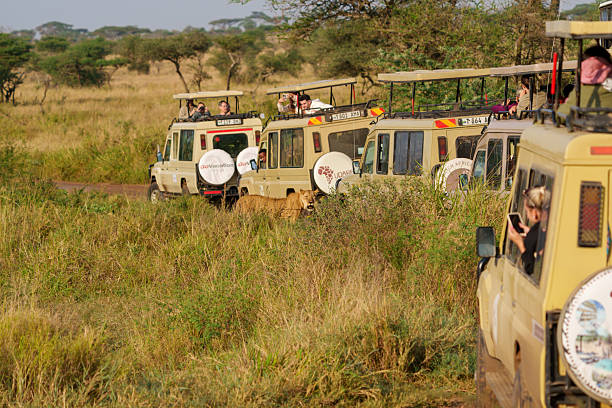
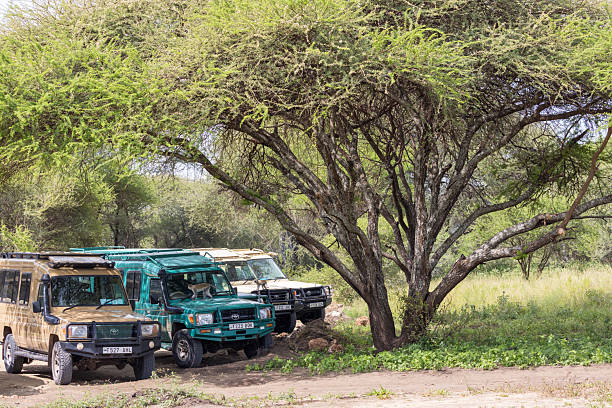
Most safaris from Moshi utilize 4×4 Land Cruisers or Land Rovers, specifically designed for off-road conditions and equipped with pop-up roofs for optimal game viewing and photography. Your safari guide is crucial; they are trained to spot wildlife, understand animal behavior, and navigate the parks. Choose a reputable operator for experienced, knowledgeable guides.
Accommodation
Options range from luxury lodges and tented camps to more budget-friendly guesthouses and basic campsites. During the peak Easter season, availability dictates choice. Lodges and tented camps offer comfort and immersion in nature, often with en-suite facilities and dining services. Campsites provide a more rustic experience, often with shared facilities.
Daily Safari Rhythm
A typical safari day involves an early morning game drive (often starting around 6:00 AM) to catch animals when they are most active. After returning to the lodge/camp for breakfast or brunch, there might be a midday rest or a visit to a local village. The afternoon game drive usually begins around 3:00 PM and lasts until sunset. Some operators offer full-day game drives with picnic lunches.
Planning Your Easter Safari From Moshi: Key Considerations
Successful planning for an Easter safari from Moshi requires attention to detail, especially for 2026, 2027, and 2028 trips. Here’s a breakdown of essential planning aspects:
1. Choose Your Safari Operator
This is perhaps the most critical step. Look for established tour operators with a strong reputation for safety, knowledgeable guides, reliable vehicles, and ethical tourism practices. Best Tanzania Tour Operator (WhatsApp: +255616946642, Email: topguideadventures@gmail.com, Backup Email: info@topguideadventures.com) is a highly recommended choice for arranging your Easter safari from Moshi.
2. Select Your Itinerary
Based on your interests, budget, and available time, choose a duration and route. A 3-day safari might cover Lake Manyara and Ngorongoro, while a 7-day or 10-day trip allows for deeper exploration of the Serengeti and Tarangire.
3. Budgeting
Safari costs vary significantly based on accommodation style, duration, number of parks, and vehicle type. Easter is a peak season, so prices will be higher than in the low season. Factor in park fees, accommodation, meals, transport, guide fees, and any optional activities.
4. Accommodation Booking
As mentioned, Easter is peak season. Lodges and tented camps, especially those in prime locations or offering higher comfort levels, get booked up months in advance. Secure your preferred accommodation early.
5. Visa and Passport Requirements
Ensure your passport is valid for at least six months beyond your intended stay and has sufficient blank pages. Check the visa requirements for Tanzania for your nationality. Many nationalities can obtain a visa on arrival or apply online in advance.
6. Vaccinations and Health Precautions
Consult your doctor or a travel clinic well in advance of your trip for recommended vaccinations (e.g., Yellow Fever, Hepatitis A, Typhoid) and malaria prophylaxis. Carry a basic first-aid kit.
7. Travel Insurance
Comprehensive travel insurance is essential. It should cover medical emergencies, trip cancellations, lost luggage, and adventure activities like safaris.
8. Packing Essentials
Pack light, breathable clothing in neutral colors (khaki, beige, green). Avoid bright colors and dark colors like black or blue, which can attract insects. Essential items include:
- Lightweight, long-sleeved shirts and trousers
- T-shirts and shorts
- A warm fleece or jacket for cool mornings/evenings
- Comfortable walking shoes or hiking boots
- Sandals or flip-flops for camp/lodge
- Sun hat and sunglasses
- High SPF sunscreen
- Insect repellent with DEET
- Camera with extra batteries and memory cards
- Binoculars
- Reusable water bottle
- Personal toiletries and any personal medications
- A small backpack for day trips
- Adapter for electronics
Common Mistakes to Avoid
To ensure your Easter safari from Moshi is as smooth as possible, be aware of common pitfalls:
- Booking Too Late: For Easter 2026, 2027, or 2028, waiting until the last minute means limited options and potentially higher prices.
- Choosing the Wrong Operator: Opting for the cheapest option without proper research can lead to unreliable vehicles, inexperienced guides, and a compromised experience.
- Overpacking: Luggage is often restricted on internal flights or smaller safari vehicles. Pack light and efficiently.
- Ignoring Health Advice: Not consulting a doctor about vaccinations or malaria prevention can lead to serious health issues.
- Unrealistic Expectations: While wildlife sightings are frequent, they are not guaranteed. Respect that animals are wild and their movements are unpredictable.
- Not Budgeting for Extras: Factor in tips for guides and lodge staff, drinks, souvenirs, and any optional activities not included in the package.
- Wearing Wrong Clothing: Bright colors can deter animals or attract insects, and dark colors can be too hot.
Who is an Easter Safari From Moshi Best For?
An Easter safari from Moshi appeals to a broad range of travelers:
- Families: The Easter holidays align with school breaks, making it an excellent time for family adventures. The diverse wildlife and open spaces offer engaging experiences for all ages.
- Couples and Honeymooners: Romantic lodges and the stunning natural beauty provide a memorable backdrop for couples.
- Photographers: The dry season and abundant wildlife offer unparalleled photographic opportunities.
- Nature Enthusiasts: Anyone with a passion for wildlife, conservation, and experiencing diverse ecosystems.
- Adventure Seekers: Those looking for an active and engaging travel experience beyond typical beach holidays.
- First-Time Safari Goers: The Northern Circuit is an iconic introduction to the African safari experience.
For those seeking a more relaxed pace or specific interests, customization is key. Discuss your preferences with your tour operator.
Alternatives to a Full Safari
If a full multi-day safari isn’t feasible or you’re looking for shorter experiences from Moshi:
- Arusha National Park Day Trip: A fantastic option for a taste of safari, including wildlife, stunning scenery, and opportunities for walking safaris (with an armed ranger).
- Mto wa Mbu Cultural Tour: Experience local life, visit banana plantations, and learn about different tribes. Often combined with Lake Manyara.
- Chagga Cultural Tours: Explore the local culture around Moshi, visit coffee plantations, and learn about the Chagga people.
- Day trip to Marangu Waterfalls and Caves: Enjoy the natural beauty near Kilimanjaro.
These can be excellent additions to a trip or standalone experiences if time is limited for a full Easter safari from Moshi.
Planning Your 2026, 2027, and 2028 Easter Safari
Booking for peak seasons like Easter requires foresight. Here’s a suggested timeline for planning your Easter safari from Moshi for 2026, 2027, and 2028:
| Timeframe | Action |
|---|---|
| 12-18 Months Before | Research tour operators. Define your budget and desired safari style (e.g., luxury, mid-range, camping). Start contacting operators for initial quotes and itinerary ideas. Consider booking flights. |
| 9-12 Months Before | Finalize your itinerary and choose your tour operator. Pay the deposit to secure your booking, especially for Easter 2026, 2027, or 2028. This is crucial for popular lodges. |
| 6-9 Months Before | Book internal flights if needed. Confirm visa requirements and begin the application process if necessary. Consult your doctor about vaccinations and malaria prevention. Purchase travel insurance. |
| 3-6 Months Before | Start preparing your packing list. Purchase any specific gear you might need (e.g., binoculars, camera accessories). Confirm dietary requirements with your operator. |
| 1-3 Months Before | Finalize any outstanding payments. Reconfirm all booking details. Pack your bags. Ensure all travel documents are in order. |
| 1-2 Weeks Before | Exchange currency if needed. Inform your bank of your travel dates. Do a final check of your packing list. Confirm airport transfers. |
Booking Your Easter Safari From Moshi
When booking your Easter safari from Moshi, clarity and trust are paramount. Here’s how to approach it:
Choosing a Reputable Operator
Look for companies that:
- Have clear, detailed itineraries.
- Provide information on their guides and vehicles.
- Are transparent about what is included and excluded.
- Have positive reviews and testimonials (but verify these).
- Are responsive to your inquiries.
- Offer flexible booking and cancellation policies (especially important given the lead time for Easter travel).
Top Guide Adventures is a prime example of a company dedicated to providing exceptional safari experiences. Their expertise in handling Easter safari from Moshi bookings ensures a well-organized and memorable trip for 2026, 2027, and 2028.
Understanding Inclusions and Exclusions
A typical safari package might include:
- Park entry fees
- Accommodation
- Safari vehicle and driver/guide
- Meals as specified in the itinerary
- Airport transfers
- Bottled water during game drives
Common exclusions:
- International flights
- Visa fees
- Tips for guides and lodge staff
- Personal expenses (drinks, laundry, souvenirs)
- Travel insurance
- Optional activities not listed in the itinerary
Always clarify these details to avoid surprises.
Payment and Confirmation
Reputable operators will require a deposit (often 20-50%) to confirm your booking, with the balance due closer to your travel date (typically 30-60 days prior). Ensure you receive a formal booking confirmation and invoice.
Frequently Asked Questions (FAQs)
Q1: Is Easter a good time for a safari from Moshi?
Yes, Easter typically falls within Tanzania’s dry season, which is excellent for wildlife viewing. Animals are more concentrated around water sources, and vegetation is less dense, improving visibility. The weather is generally pleasant.
Q2: How far in advance should I book an Easter safari from Moshi for 2026 or 2027?
For Easter safaris in 2026, 2027, and 2028, it is highly recommended to book at least 9-12 months in advance due to it being a peak travel period. This ensures availability of preferred accommodation and safari vehicles.
Q3: What is the typical cost of an Easter safari from Moshi?
Costs vary significantly based on accommodation style (budget camping to luxury lodges), safari duration, and the number of parks visited. As Easter is peak season, expect higher prices. A mid-range 7-day safari might range from $2,000 to $4,000+ per person, excluding international flights.
Q4: Which parks are best to visit on an Easter safari from Moshi?
The Northern Circuit parks are most accessible and recommended: Serengeti National Park, Ngorongoro Conservation Area, Tarangire National Park, and Lake Manyara National Park. Arusha National Park is good for shorter trips.
Q5: What should I pack for an Easter safari?
Pack light, breathable clothing in neutral colors (khaki, beige). Essentials include long-sleeved shirts, trousers, a warm fleece/jacket, comfortable shoes, a sun hat, sunglasses, sunscreen, insect repellent, camera, binoculars, and personal medications.
Q6: Can I see the Great Migration during Easter?
It depends on the exact dates of Easter. The migration is a year-round phenomenon, but during late March/early April, the herds are typically moving north from the Ndutu area through the central or western Serengeti, potentially preparing to cross rivers.
Q7: Is malaria a concern during Easter in Tanzania?
Yes, malaria is present in Tanzania year-round. It is crucial to consult your doctor about malaria prophylaxis and take precautions such as using insect repellent and wearing long sleeves/trousers at dawn and dusk.
Q8: What is the weather like during Easter in Tanzania?
Generally, it’s the tail end of the dry season with pleasant temperatures. Days are warm to hot, and evenings can be cool, especially at higher elevations. There’s a possibility of short, localized rains, but they rarely disrupt safaris significantly.
Q9: Are safaris from Moshi safe?
Yes, safaris with reputable operators are very safe. They use experienced guides, well-maintained vehicles, and adhere to park regulations. Health and safety protocols are standard practice.
Q10: Can I combine a safari with climbing Mount Kilimanjaro?
Absolutely. Moshi is the base for Kilimanjaro climbs. Many travelers combine a safari with a trek. It’s advisable to do the safari either before or after your climb, depending on your energy levels and recovery needs.
Ready for Your Easter Safari From Moshi?
An Easter safari from Moshi offers an unparalleled opportunity to witness the wonders of Tanzania’s wildlife and landscapes. With careful planning, especially for travel in 2026, 2027, and 2028, you can ensure a trip filled with incredible moments and seamless logistics. From the vast plains of the Serengeti to the unique ecosystem of the Ngorongoro Crater, your adventure awaits.
Don’t miss the chance to experience an unforgettable Easter safari. Contact us today to start planning your tailor-made adventure. We specialize in creating exceptional safari experiences from Moshi and across Tanzania.
Get in touch:
WhatsApp: +255616946642
Email: topguideadventures@gmail.com
Backup Email: info@topguideadventures.com
Plan your Easter Safari From Moshi with Top Guide Adventures
Tell us your travel dates, group size, comfort level, and dream experience. We will help you shape a clear, realistic, and memorable Tanzania itinerary.







 Veedesigner
 Fatma Kizanga
 Benjamin Waryuba
 Philip Philip
 John jr Itaja
 Antonia Optatus
 Edith Kanyere
 Neema Iddy
 Kelvin Boniphace
 Damari Maiga



