
Updated planning guide for 2026, 2027-2028
Best Safari From Moshi For First-Time Travelers: Guide 2026-2027-2028
Discover the best safari experiences starting from Moshi, Tanzania. This detailed guide is designed for first-time travelers, covering itineraries, wildlife, planning, and booking advice for 2026-2027.
WhatsApp +255616946642 | topguideadventures@gmail.com | info@topguideadventures.com
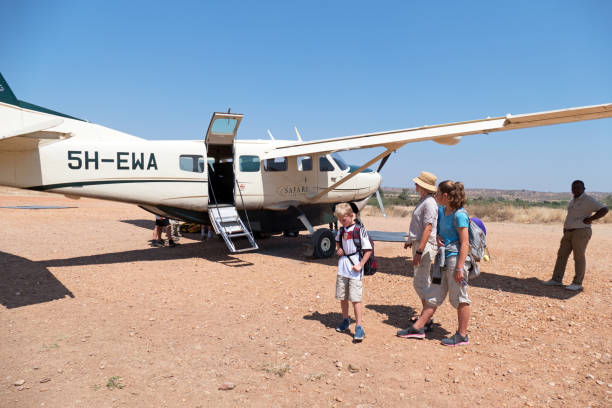
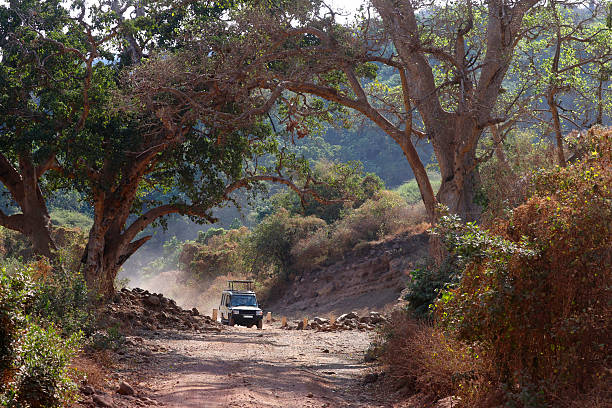
Your Definitive Guide to the Best Safari From Moshi for First-Time Travelers
Moshi, a vibrant town nestled at the foot of Mount Kilimanjaro, serves as a popular gateway for adventurers and wildlife enthusiasts heading into Tanzania’s famed Northern Circuit. For first-time travelers, understanding the options for a best safari from Moshi is crucial to planning an unforgettable experience. This guide provides in-depth information to help you navigate the choices, from selecting the right parks to crafting the perfect itinerary and understanding what to expect in 2026 and 2027.
Quick Answers for First-Time Safari Planners
- What are the most popular safari parks accessible from Moshi? Serengeti National Park, Ngorongoro Conservation Area, Tarangire National Park, and Lake Manyara National Park.
- What is the typical duration for a safari from Moshi? Safaris usually range from 3 to 7 days, depending on the parks visited and desired pace.
- What is the best time of year for a safari from Moshi? The dry seasons (June to October and December to February) offer excellent wildlife viewing, especially for the Great Migration.
- What should I pack for a safari? Lightweight, neutral-colored clothing, a good camera, binoculars, sunscreen, insect repellent, and comfortable walking shoes.
- How much does a safari from Moshi cost? Prices vary significantly based on accommodation style, duration, and included activities, but budget for mid-range to luxury options.
Safari Quick Facts from Moshi
| Feature | Details |
|---|---|
| Starting Point | Moshi, Tanzania |
| Primary Region | Northern Circuit National Parks |
| Key Parks Accessible | Serengeti, Ngorongoro, Tarangire, Lake Manyara |
| Typical Duration | 3-7 days |
| Best Viewing Seasons | Dry Seasons: June-Oct, Dec-Feb |
| Wildlife Highlights | Big Five, Great Migration (seasonal), diverse birdlife |
| Accommodation Options | Budget camps, mid-range lodges, luxury tented camps |
Why Choose Moshi as Your Safari Starting Point?
Moshi’s appeal as a safari starting point is multifaceted. Firstly, its strategic location provides relatively convenient access to the renowned Northern Circuit parks. Many travelers visit Moshi for its proximity to Mount Kilimanjaro, making it a logical base to combine a mountain trek with a wildlife safari. The town itself offers a more relaxed atmosphere than larger cities like Arusha, allowing for a smoother transition into the safari experience. Local tour operators based in Moshi are well-versed in crafting itineraries that cater to various interests and budgets, offering a personal touch often sought by first-time visitors.
The Allure of Tanzania’s Northern Circuit
The Northern Circuit is arguably the most famous safari destination in Tanzania, and for good reason. It encompasses a collection of parks offering an unparalleled density and diversity of wildlife. From the endless plains of the Serengeti, home to the Great Migration, to the unique ecosystem of the Ngorongoro Crater and the elephant herds of Tarangire, the circuit promises iconic safari moments. For a first-time traveler, this region provides a quintessential African safari experience, showcasing the continent’s natural splendor in its most dramatic form.
Understanding Your Safari Options from Moshi
When planning your best safari from Moshi, you’ll primarily be looking at tours focused on the Northern Circuit. These tours are typically packaged, meaning they include transportation, accommodation, park fees, and a guide. The key is to select a package that aligns with your interests, time constraints, and budget.
Key Parks and Their Unique Offerings
Northern Circuit Safari Route Overview
A common safari route starting from Moshi typically follows this progression:
- Moshi to Tarangire National Park: Known for its large elephant herds and baobab trees.
- Tarangire to Lake Manyara National Park: Famous for tree-climbing lions, flamingos, and diverse birdlife.
- Lake Manyara to Ngorongoro Conservation Area: A UNESCO World Heritage Site, home to the Ngorongoro Crater, a caldera teeming with wildlife.
- Ngorongoro to Serengeti National Park: The ultimate wildlife haven, especially renowned for the Great Migration and Big Five.
- Serengeti back towards Moshi: Often with a stop at a Maasai village or a visit to Mto wa Mbu for cultural insights.
This is a simplified representation. Actual routes can vary based on tour operator and time of year.
Tarangire National Park: Land of Giants
Tarangire is often the first stop on a Northern Circuit safari from Moshi. Its landscape is dominated by ancient baobab trees and the Tarangire River, which becomes a vital water source during the dry season. This concentration of water attracts large herds of elephants, often numbering in the hundreds, providing incredible viewing opportunities. You’ll also find large buffalo herds, various antelope species, and predators like lions and leopards. Tarangire offers a more intimate safari feel compared to the vast plains of the Serengeti.
Lake Manyara National Park: A Diverse Ecosystem
Despite its small size, Lake Manyara packs a punch. The park is famous for its shallow alkaline lake, which attracts thousands of flamingos, as well as other water birds. Its acacia woodlands are home to a healthy population of baboons and the elusive tree-climbing lions, a behavior not commonly seen elsewhere. The park also offers opportunities to spot elephants, giraffes, zebras, and hippos. Lake Manyara is often visited as a day trip or as part of a multi-day itinerary, offering a different kind of landscape and wildlife viewing.
Ngorongoro Conservation Area: The Eighth Wonder
The Ngorongoro Crater is the star attraction here. This vast, intact volcanic caldera is a UNESCO World Heritage Site and a natural amphitheater for wildlife. Within its 260 square kilometer floor, you can find an astonishing concentration of animals, including the Big Five (lion, leopard, elephant, rhino, and buffalo). The crater floor is a mix of grasslands, swamps, and a soda lake, supporting a remarkable density of predators and herbivores. Due to its unique environment, sightings are almost guaranteed, making it a highlight for any first-time safari-goer.
Serengeti National Park: The Endless Plains
The Serengeti is legendary. Its name, derived from the Maasai word ‘Siringet’ meaning ‘endless plains,’ perfectly describes its vast, sweeping grasslands. This is where the Great Migration, a spectacular natural phenomenon involving millions of wildebeest, zebras, and gazelles, takes place annually. Depending on the time of year, you can witness the dramatic river crossings or the calving season. The Serengeti is also one of the best places to see big cats, including lions, leopards, and cheetahs, in their natural habitat.
Crafting Your Itinerary: Duration and Focus
The length of your safari from Moshi will significantly influence the parks you can visit and the depth of your experience. For first-time travelers, a minimum of 3-4 days is recommended to get a good feel for the Northern Circuit. However, a 5-7 day safari allows for a more comprehensive exploration.
Sample 5-Day Northern Circuit Safari Itinerary from Moshi
Day 1: Moshi to Tarangire National Park
After breakfast in Moshi, you’ll be picked up by your guide and driven to Tarangire National Park. Enjoy a full day of game drives, focusing on the park’s large elephant herds and baobab trees. Overnight at a lodge or tented camp near the park.
Day 2: Tarangire to Lake Manyara and Ngorongoro Highlands
Morning game drive in Tarangire. Afterward, drive to Lake Manyara National Park for an afternoon game drive, looking for tree-climbing lions and diverse birdlife. In the late afternoon, proceed to a lodge in the Karatu area, near the Ngorongoro Crater rim.
Day 3: Ngorongoro Crater Tour
Descend into the Ngorongoro Crater for a half-day game drive. This is your best chance to see rhinos and a high concentration of predators. Enjoy a picnic lunch by the hippo pool. In the afternoon, ascend and drive to your accommodation near the Serengeti’s border or within the park itself.
Day 4: Serengeti National Park
Spend the full day exploring the vast plains of the Serengeti. Depending on the season, your guide will take you to areas known for the Great Migration or excellent predator sightings. Enjoy morning and afternoon game drives. Overnight at a lodge or tented camp within Serengeti.
Day 5: Serengeti to Moshi
Enjoy an early morning game drive in the Serengeti. After breakfast, you’ll drive back towards Moshi, with a stop for lunch en route. You’ll arrive in Moshi in the late afternoon or early evening.
Factors Influencing Itinerary Choice
- Time: How many days can you dedicate to the safari?
- Budget: This determines accommodation choices (budget, mid-range, luxury) and vehicle type.
- Interests: Are you focused on birdwatching, photography, specific animals, or the Great Migration?
- Pace: Do you prefer to move quickly between parks or spend more time in fewer locations?
- Season: The timing of the Great Migration and wildlife concentrations can influence park choices.
What to Expect on Your Safari Adventure
A safari from Moshi is an immersive experience that engages all your senses. Expect early mornings, long drives in specialized safari vehicles, and incredible wildlife encounters. The days are filled with anticipation and the thrill of discovery.
The Safari Vehicle and Guide
Most Northern Circuit safaris utilize 4×4 safari vehicles, typically Land Cruisers or Land Rovers, equipped with pop-up roofs for optimal game viewing and photography. Your safari guide is your most important asset. They are trained to spot wildlife, understand animal behavior, navigate the parks, and share insights about the flora and fauna. A good guide can significantly enhance your experience, so choosing a reputable tour operator with experienced guides is paramount.
Accommodation Styles
Accommodation options on safaris from Moshi range widely:
- Budget Camps: Often basic tented camps or guesthouses offering essential amenities.
- Mid-Range Lodges/Tented Camps: Comfortable lodges or permanent tented camps with en-suite bathrooms, good food, and common areas.
- Luxury Lodges/Tented Camps: High-end accommodations offering premium service, gourmet dining, private facilities, and often swimming pools or other amenities.
The choice of accommodation directly impacts the overall cost and comfort level of your safari.
Daily Safari Routine
A typical safari day involves:
- Early Morning Wake-up: Often before sunrise to catch animals when they are most active.
- Morning Game Drive: Several hours spent exploring the parks.
- Breakfast/Brunch: Served at the lodge or as a packed meal during the drive.
- Rest/Lunch: A break during the hottest part of the day, often at the lodge.
- Afternoon Game Drive: Another few hours of exploration until sunset.
- Dinner: Served at the lodge, followed by relaxation.
Some tours may offer full-day game drives with packed lunches to maximize time in the parks.
Best Time to Go: Seasonality for Your Safari
Choosing the right time of year can dramatically influence your safari experience, especially concerning wildlife viewing and weather. For the Northern Circuit, two main seasons stand out:
Tanzania Safari Seasons: What to Expect
| Season | Months | Pros | Cons |
|---|---|---|---|
| Dry Season (Peak) | June – October | Excellent wildlife viewing (animals congregate at water sources), clear skies, Great Migration river crossings (usually July-Sept in Serengeti), lower humidity. Ideal for photography. | Higher prices, more crowds, vegetation is sparser making some animals harder to spot if not near water. |
| Short Rains | November – December | Fewer tourists, lush landscapes, good birdwatching, calving season begins in southern Serengeti (late Dec/Jan). | Intermittent rain showers, can make some roads muddy, wildlife can be more dispersed. |
| Long Rains (Green Season) | March – May | Lowest prices, very few tourists, beautiful green landscapes, excellent for birdwatchers, dramatic skies. | Heavy, prolonged rains are common, making some roads impassable and potentially disrupting travel. Wildlife can be harder to find. |
| Dry Season (Secondary) | December – February | Good wildlife viewing, calving season in southern Serengeti (ideal for predator action), pleasant weather. | Can be hot, especially in Jan/Feb. Some areas might be drier than others. |
The Great Migration: A Seasonal Spectacle
If witnessing the Great Migration is a priority, timing is everything. The migration is a year-round phenomenon, but its location shifts. Generally:
- December – March: Calving season in the southern Serengeti and Ngorongoro.
- April – May: The migration moves northwards, often gathering in central and western Serengeti.
- June – October: The migration is typically in the western and northern Serengeti, with river crossings (Mara River) occurring from July to September.
Consult with your tour operator for the most up-to-date information on the migration’s location for your planned travel dates in 2026 or 2027.
Packing Essentials for Your Safari
Packing wisely ensures comfort and practicality on your safari. Layering is key, as temperatures can vary from cool mornings and evenings to warm midday sun.
Safari Packing Checklist
- Clothing:
- Lightweight, long-sleeved shirts (for sun protection and insects)
- T-shirts and casual tops
- Comfortable trousers or convertible pants (neutral colors like khaki, beige, olive green)
- Shorts (for warmer days)
- Fleece jacket or warm sweater (for cool mornings/evenings)
- Waterproof and windproof jacket
- Pajamas
- Footwear:
- Comfortable walking shoes or hiking boots (broken in)
- Sandals or flip-flops (for relaxing at the lodge)
- Accessories:
- Wide-brimmed hat or cap (for sun protection)
- Sunglasses
- Scarf or bandana (for dust protection)
- Binoculars (essential for wildlife spotting)
- Camera with extra batteries and memory cards
- Power bank or portable charger
- Headlamp or small flashlight
- Reusable water bottle
- Small backpack for day trips
- Toiletries and Health:
- High SPF sunscreen
- Insect repellent (with DEET)
- Personal medications
- Basic first-aid kit
- Hand sanitizer
- Moisturizer and lip balm
- Documents:
- Passport and visa (if required)
- Flight tickets and confirmations
- Travel insurance details
- Vaccination certificates (e.g., Yellow Fever, if required)
- Copies of important documents
Note: Avoid bright colors (can scare wildlife) and dark blue/black (attracts tsetse flies).
Photography Tips for Safari Beginners
Capturing the magic of your safari is important. Here are a few tips:
- Bring a zoom lens: To get close-up shots of wildlife without disturbing them.
- Shoot in bursts: For capturing action shots, like animals running or interacting.
- Understand your camera’s settings: Learn about aperture, shutter speed, and ISO for better results.
- Protect your gear: Use dust-proof bags or covers.
- Don’t forget spare batteries and memory cards!
Common Mistakes to Avoid on Your First Safari
To ensure your safari is as smooth and enjoyable as possible, be aware of common pitfalls:
- Booking with unreliable operators: Research and choose reputable companies with good reviews and clear communication.
- Underestimating the cost: Safaris can be expensive. Factor in park fees, accommodation, transport, food, and tips.
- Packing inappropriate clothing: Stick to neutral colors and comfortable layers.
- Not bringing essential gear: Binoculars, camera, sunscreen, and insect repellent are crucial.
- Expecting guaranteed sightings: While wildlife is abundant, sightings are not guaranteed. Be patient and enjoy the experience.
- Ignoring your guide’s advice: They are experts and know the parks best.
- Disrespecting wildlife: Never feed animals or approach them too closely. Maintain a safe distance.
- Not staying hydrated: Drink plenty of water, especially during dry seasons.
Who is a Safari from Moshi Best Suited For?
A safari from Moshi is ideal for a wide range of travelers, particularly those seeking their first immersive wildlife experience in Africa:
- First-time Safari Goers: The Northern Circuit offers iconic wildlife and landscapes that define the classic safari.
- Adventure Seekers: Those who enjoy exploring wild landscapes and encountering diverse wildlife.
- Nature and Wildlife Enthusiasts: Anyone passionate about observing animals in their natural habitat.
- Photographers: The region provides unparalleled opportunities for wildlife photography.
- Couples and Honeymooners: Romantic lodges and breathtaking scenery create a memorable experience.
- Families: With careful planning, safaris can be educational and exciting for older children.
- Travelers combining with Kilimanjaro: Moshi is the perfect starting point for those trekking Kilimanjaro.
It’s important to note that while generally accessible, some activities or accommodations might be more suited to travelers with good mobility. Discuss any specific needs with your tour operator.
Alternatives to a Classic Northern Circuit Safari from Moshi
While the Northern Circuit is the most popular choice, Tanzania offers other safari experiences. If you’ve already explored the north or are looking for something different, consider these:
- Southern Circuit (Selous Game Reserve, Ruaha National Park): Less crowded, known for its vast wilderness, large elephant and buffalo populations, and unique boat safaris in Selous. Access is usually via internal flights or longer overland journeys from Dar es Salaam.
- Western Tanzania (Gombe Stream, Mahale Mountains National Parks): Famous for chimpanzee trekking. These parks require more travel time and are generally more remote and expensive.
- Zanzibar (Wildlife Parks): While not a traditional safari destination, Zanzibar has Jozani Forest, home to the endemic red colobus monkey, offering a different kind of wildlife encounter.
For a first-time visitor starting from Moshi, the Northern Circuit remains the most practical and rewarding option due to its accessibility and density of iconic wildlife.
Planning Your Safari for 2026-2027
Planning a safari for 2026 or 2027 requires foresight, especially if you aim for peak seasons or specific experiences like the Great Migration. Early booking is recommended.
Safari Planning Timeline for 2026-2027
- 12+ Months Ahead: Research destinations, tour operators, and potential safari types. Decide on your budget range and the time of year you wish to travel.
- 9-12 Months Ahead: Book your international flights. Start getting quotes from your shortlisted tour operators. If aiming for specific lodges or peak season, book these early.
- 6-9 Months Ahead: Finalize your safari itinerary and book with your chosen tour operator. Confirm all inclusions and exclusions.
- 3-6 Months Ahead: Apply for any necessary visas. Book any pre- or post-safari accommodations (e.g., in Moshi or Zanzibar). Start thinking about packing.
- 1-3 Months Ahead: Get any recommended vaccinations or malaria prophylaxis. Purchase safari gear and accessories. Confirm travel insurance.
- 2-4 Weeks Ahead: Pack your bags. Reconfirm flight and safari details. Inform your bank of your travel dates.
- During Your Trip: Stay hydrated, respect wildlife and local customs, and most importantly, enjoy every moment!
Choosing the Right Tour Operator
Selecting a trustworthy tour operator is paramount for a successful safari. Look for companies that:
- Have a strong online presence and positive reviews.
- Are transparent about pricing and what’s included.
- Employ experienced, local guides.
- Offer clear communication channels.
- Are responsive to your queries.
- Have a physical office or base in Tanzania (like us in Moshi!).
Top Guide Adventures, based in Moshi, specializes in crafting personalized Northern Circuit safaris for first-time travelers, ensuring a memorable and well-organized trip. We pride ourselves on local knowledge and dedication to client satisfaction.
Booking Your Best Safari from Moshi
The booking process should be straightforward if you work with the right operator. Here’s what to expect and how to proceed:
The Booking Process
- Initial Inquiry: Contact your chosen tour operator with your desired dates, duration, number of travelers, and any specific interests.
- Itinerary and Quote: The operator will propose an itinerary and provide a detailed quote based on your requirements and chosen accommodation level.
- Customization: Discuss any adjustments needed for the itinerary or inclusions.
- Confirmation and Deposit: Once you agree, you’ll receive a booking confirmation and an invoice for a deposit (typically 20-50% of the total cost).
- Final Payment: The remaining balance is usually due 30-60 days before your safari begins.
- Pre-Trip Information: The operator will send you detailed information about your safari, including your guide’s contact details, packing lists, and what to expect upon arrival.
What’s Typically Included (and Not Included)
It’s vital to understand what your safari package covers to avoid unexpected costs.
Typical Safari Inclusions and Exclusions
| Included | Often Excluded |
|---|---|
| Park entrance fees | International flights |
| Accommodation during safari | Visa fees |
| All meals during safari (as specified) | Travel insurance |
| Game drives in a 4×4 safari vehicle | Gratuities for guide and camp staff |
| Professional safari guide | Alcoholic and soft drinks (unless specified) |
| Bottled water during game drives | Personal expenses (souvenirs, laundry) |
| Crater service fee (for Ngorongoro) | Optional activities (e.g., hot air balloon safari) |
Cost Considerations for 2026-2027 Safaris
Safari costs vary significantly. Factors influencing price include:
- Accommodation Level: Budget, mid-range, or luxury lodges dramatically affect the price.
- Duration: Longer safaris naturally cost more.
- Parks Visited: Serengeti and Ngorongoro often have higher park fees.
- Vehicle Type: Private vehicles are more expensive than shared ones.
- Time of Year: Peak season (June-Oct) is generally more expensive.
- Number of Travelers: Group tours can be more budget-friendly per person.
When requesting quotes for 2026-2027, be specific about your budget and expectations to receive the most relevant proposals.
Frequently Asked Questions (FAQs)
Your Safari Questions Answered
Q1: Is Moshi a safe starting point for a safari?
Yes, Moshi is generally considered safe for tourists. As with any travel destination, it’s wise to be aware of your surroundings, especially in busy areas, and to use reputable tour operators.
Q2: What is the best way to get from Moshi to the safari parks?
You will be picked up by your safari vehicle and guide from your accommodation in Moshi. All transportation to and within the parks is handled by the tour operator.
Q3: Can I customize a safari itinerary from Moshi?
Absolutely. Reputable operators like Top Guide Adventures specialize in custom itineraries tailored to your interests, budget, and time. For your 2026-2027 safari, discuss your specific desires.
Q4: Do I need vaccinations for a safari in Tanzania?
It’s recommended to consult your doctor or a travel clinic well in advance of your trip. Yellow Fever vaccination may be required if arriving from or transiting through certain countries. Malaria prophylaxis is also often recommended.
Q5: How much should I tip my safari guide?
Tipping is customary and appreciated. A general guideline for a private safari is around $20-30 USD per day for the guide. Your tour operator can provide more specific recommendations.
Q6: What if I want to see specific animals, like leopards or rhinos?
While sightings are never guaranteed, your guide will know the best areas and times to search for specific animals. Parks like Ngorongoro Crater offer a higher chance of seeing rhinos, while Serengeti is excellent for big cats. Discuss your priorities with your guide.
Q7: Can I do a safari from Moshi without climbing Kilimanjaro?
Yes, many travelers choose to do a safari from Moshi without climbing Kilimanjaro. Moshi serves as a convenient hub for accessing the Northern Circuit parks, regardless of your trekking plans.
Q8: What is the best time of year for a first-time safari from Moshi in 2027?
For first-time travelers in 2027, the dry seasons (June-October and December-February) are generally best for wildlife viewing due to concentrated animal populations and clear skies. The dry season from June to October is particularly popular.
Q9: How much luggage can I bring on safari?
Safari vehicles have limited space. Most operators recommend soft duffel bags (around 15-20 kg) rather than hard suitcases. Check with your specific tour operator for their luggage restrictions.
Q10: Are there options for vegetarian or special dietary needs on safari?
Yes, most lodges and camps can cater to dietary requirements. Inform your tour operator of any allergies or dietary preferences well in advance of your trip.
Your Unforgettable Safari Awaits
Planning your best safari from Moshi is the first step towards an adventure that will stay with you long after you return home. The Northern Circuit offers a breathtaking introduction to Tanzania’s wildlife and landscapes, and starting from Moshi provides a convenient and accessible point of departure. By understanding your options, choosing a reputable tour operator, and preparing adequately, you are set for an extraordinary experience in 2026 and 2027.
At Top Guide Adventures, we are passionate about creating personalized safari experiences that exceed expectations. Whether you’re combining it with a Kilimanjaro climb or focusing solely on wildlife, we are here to help you plan the perfect safari. We offer expert advice, custom itineraries, and a commitment to ensuring your trip is safe, enjoyable, and truly memorable.
Ready to Plan Your Dream Safari?
Contact us today to discuss your safari plans. Our team of experts is ready to answer your questions and help you craft the ideal itinerary for your Tanzania adventure. Let us help you discover the magic of the African wilderness.
WhatsApp: +255616946642
Email: topguideadventures@gmail.com
Backup Email: info@topguideadventures.com
Plan your Best Safari From Moshi for First-Time Travelers with Top Guide Adventures
Tell us your travel dates, group size, comfort level, and dream experience. We will help you shape a clear, realistic, and memorable Tanzania itinerary.







 Veedesigner
 Fatma Kizanga
 Benjamin Waryuba
 Philip Philip
 John jr Itaja
 Antonia Optatus
 Edith Kanyere
 Neema Iddy
 Kelvin Boniphace
 Damari Maiga



