
Updated planning guide for 2026, 2027-2028
Best Active Adventure From Moshi: Complete Guide 2026-2027-2028
Explore thrilling active adventures originating from Moshi, Tanzania. This comprehensive guide covers everything from Kilimanjaro treks to local day excursions, providing essential planning advice for your 2026-2027 travels.
WhatsApp +255616946642 | topguideadventures@gmail.com | info@topguideadventures.com
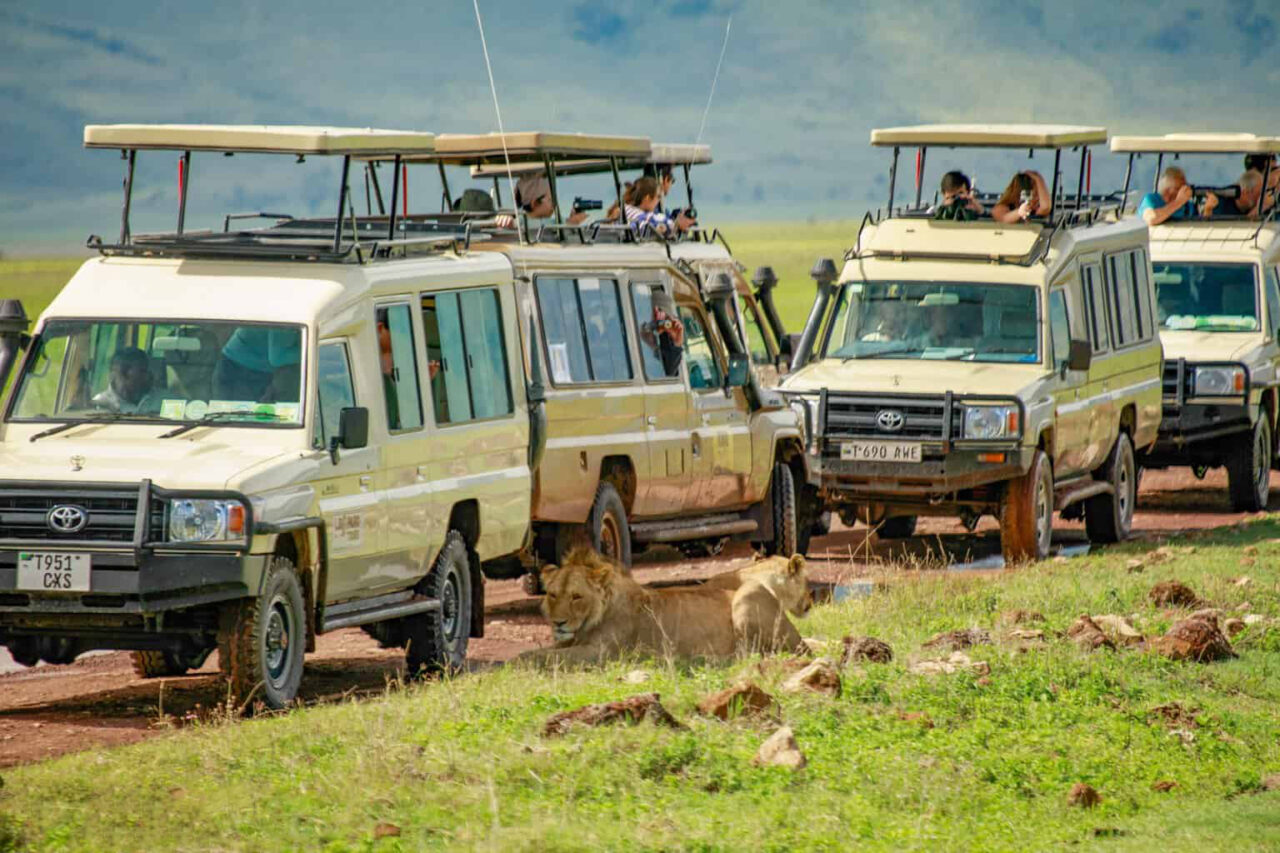
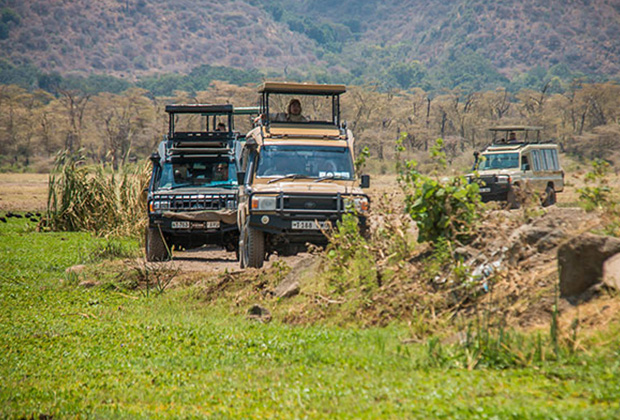
The Best Active Adventure From Moshi: Your Ultimate Tanzania Experience
Moshi, a vibrant town nestled at the foothills of Mount Kilimanjaro, serves as the gateway to some of Tanzania’s most exhilarating active adventures. Whether you dream of conquering Africa’s highest peak, exploring lush rainforests, or immersing yourself in local culture, this region offers unparalleled opportunities for exploration and physical challenge. This guide is designed to help you identify and plan the best active adventure from Moshi, ensuring a memorable and rewarding journey for 2026 and 2027.
| Activity | Location | Duration | Difficulty | Key Highlights |
|---|---|---|---|---|
| Mount Kilimanjaro Trekking | Kilimanjaro National Park | 5-9 Days | Strenuous | Summiting Uhuru Peak, diverse ecosystems, stunning views |
| Mount Meru Trekking | Arusha National Park | 3-4 Days | Moderate to Strenuous | Wildlife viewing, crater rim views, challenging climb |
| Materuni Waterfalls & Coffee Tour | Near Moshi | 1 Day | Easy | Spectacular waterfalls, coffee plantation experience, Chagga culture |
| Chagga Caves & Cultural Tour | Near Moshi | 1 Day | Easy to Moderate | Historical caves, local traditions, insights into Chagga life |
| Marangu Village Day Trip | Marangu | 1 Day | Easy | Gateway to Kilimanjaro, waterfalls, local markets |
| Shira Plateau Day Hike | Kilimanjaro National Park (lower slopes) | 1 Day | Moderate | Volcanic landscape, views of Kibo, unique flora |
| Che Che Che Waterfalls Hike | Near Moshi | 1 Day | Moderate | Secluded waterfalls, forest trails, birdwatching |
Why Choose Moshi for Your Active Adventure?
Moshi’s strategic location is its primary advantage. It sits directly in the shadow of Mount Kilimanjaro, making it the natural starting point for ascents. Beyond the mountain, the surrounding Kilimanjaro Region is rich in natural beauty and cultural heritage, offering a variety of day trips and shorter treks that cater to different fitness levels and interests. This accessibility, combined with a well-developed tourism infrastructure, makes Moshi an ideal base for planning your active Tanzanian journey.
The Crown Jewel: Mount Kilimanjaro Trekking
No discussion of active adventures from Moshi is complete without mentioning Mount Kilimanjaro. This iconic dormant volcano is the highest free-standing mountain in the world and a dream destination for trekkers. Several routes lead to the summit, each offering a different experience and success rate. For 2026 and 2027, planning your Kilimanjaro climb requires careful consideration of the route, duration, and operator.
Popular Kilimanjaro Routes from Moshi:
- Marangu Route (Coca-Cola Route): The oldest and most established route. It’s known for its hut accommodations and gradual ascent, though the direct path leads to a steeper summit climb. Typically 5-6 days.
- Machame Route (Whiskey Route): The most popular route due to its high success rate. It’s known for its scenic beauty and the ‘climb high, sleep low’ strategy. Typically 6-7 days.
- Lemosho Route: Offers stunning scenery and a good acclimatization profile. It’s longer, usually 7-8 days, and starts on the western side of the mountain.
- Shira Route: Similar to Lemosho, starting at higher altitudes on the Shira Plateau. Often combined with Machame or Lemosho. Typically 7-8 days.
- Rongai Route: Approaches from the north, offering a drier trek, especially during the rainy seasons. It’s less crowded and provides a different perspective. Typically 6-7 days.
- Northern Circuit: The longest route, offering the highest success rate due to excellent acclimatization. It circles the mountain and provides incredible views. Typically 9-10 days.
Choosing the right route is crucial for acclimatization and enjoyment. Longer routes generally offer better acclimatization and thus higher success rates.
Beyond Kilimanjaro: Other Thrilling Treks
While Kilimanjaro dominates the adventure scene, other peaks and natural wonders around Moshi offer equally rewarding, though less demanding, active experiences.
Mount Meru: The ‘Little Brother’
Located within Arusha National Park, Mount Meru is a formidable volcano that stands at 4,566 meters (14,980 feet). It’s often used as a training climb for Kilimanjaro, but it’s a challenging trek in its own right. The park’s diverse wildlife, including buffalo, giraffes, and various antelope species, makes the trek exciting. The summit offers panoramic views, including a spectacular perspective of Kilimanjaro on clear days. A typical Mount Meru trek takes 3-4 days.
Day Hikes and Cultural Excursions
For those seeking shorter bursts of activity or who prefer not to undertake multi-day climbs, Moshi offers fantastic day trip options:
Materuni Waterfalls and Coffee Tour
A popular and highly recommended day trip from Moshi. This excursion combines a moderate hike through lush Chagga villages to the impressive Materuni Waterfalls, where you can swim in the cool, refreshing waters. The tour also includes a visit to a local coffee plantation, where you can learn about the entire coffee-making process, from bean to cup, and even try your hand at grinding your own beans. It’s a wonderful way to experience local culture and enjoy natural beauty.
Chagga Caves and Cultural Tour
Delve into the history of the Chagga people by visiting the ancient underground caves they used for shelter and defense during tribal wars and colonial times. These caves are fascinating historical sites, and a guided tour offers deep insights into the ingenuity and resilience of the local communities. This is often combined with visits to local markets and traditional homesteads.
Che Che Che Waterfalls Hike
A less-visited gem, the Che Che Che Waterfalls offer a more secluded hiking experience. The trails wind through verdant forests, providing opportunities for birdwatching and enjoying the tranquility of nature. The waterfalls themselves are beautiful and offer a refreshing spot for a break.
Shira Plateau Day Hike
For a taste of Kilimanjaro’s unique alpine environment without the full climb, a day hike to the Shira Plateau is an excellent option. Starting from Londorossi Gate, this hike takes you into the mountain’s lower moorland and volcanic landscapes. You’ll experience the dramatic scenery and might catch glimpses of Kilimanjaro’s higher peaks.
Planning Your Active Adventure in 2026-2027
Successful planning is key to an enjoyable and safe adventure. Here’s a breakdown of essential considerations for your 2026-2027 trip.
Best Time to Visit
The dry seasons are generally considered the best for trekking and outdoor activities in the Kilimanjaro region:
| Period | Weather | Crowds | Notes |
|---|---|---|---|
| January – February | Dry, warm, clear skies | Moderate | Excellent for climbing Kilimanjaro and other treks. |
| March – May | Long rains, humid, cooler | Low | Not ideal for trekking due to rain and poor visibility. |
| June – October | Dry, cooler, less humid | High | Peak season for Kilimanjaro. Clear skies, good trekking conditions. |
| November – December | Short rains, warm | Moderate | Can be unpredictable, but generally still good for some activities. |
While the dry seasons are popular, the shoulder months (like June and November) can offer a good balance of decent weather and fewer crowds. For 2026 and 2027, booking in advance is recommended, especially for the peak months of July-September and January-February.
Choosing Your Operator
Selecting a reputable tour operator is paramount, especially for Kilimanjaro and Mount Meru treks. Look for companies that:
- Prioritize safety: Ensure they have well-trained guides, emergency protocols, and adequate equipment.
- Use experienced, certified guides: Guides should have extensive knowledge of the routes, altitude sickness, and first aid.
- Follow ethical practices: This includes fair treatment and proper equipment for porters and guides.
- Offer appropriate equipment: Such as tents, sleeping bags, and cooking gear, if applicable.
- Provide clear itineraries and inclusions/exclusions.
For day trips, while the stakes are lower, choosing a local, well-regarded operator ensures a richer cultural experience and reliable logistics.
Acclimatization and Altitude Sickness
Altitude sickness is a serious concern for any trek above 2,500 meters. For Kilimanjaro and Meru, proper acclimatization is vital. This involves:
- Choosing a longer route for Kilimanjaro.
- Ascending slowly and steadily (‘pole pole’ – slowly, slowly).
- Staying hydrated.
- Avoiding alcohol and smoking.
- Eating well.
- Being honest about symptoms with your guide.
Your guide will monitor you closely, but understanding the symptoms (headache, nausea, dizziness, fatigue) is crucial.
Physical Preparation
The best active adventure from Moshi requires a reasonable level of fitness. For Kilimanjaro, cardiovascular fitness is key. Engage in regular activities like hiking, running, cycling, or swimming in the months leading up to your trip. Practice hiking with a backpack and on varied terrain if possible. For day hikes, a moderate level of fitness is usually sufficient.
Packing Essentials
Packing correctly can make a significant difference to your comfort and safety. Layering is essential for mountain treks.
Kilimanjaro Trekking Packing List (Key Items)
- Base Layers: Moisture-wicking thermal tops and bottoms.
- Mid Layers: Fleece jackets or insulated vests for warmth.
- Outer Layer: Waterproof and windproof jacket and trousers (Gore-Tex or similar).
- Insulation Layer: A warm down or synthetic jacket for summit night.
- Footwear: Broken-in hiking boots, comfortable camp shoes/sandals.
- Socks: Several pairs of wool or synthetic hiking socks.
- Headwear: Warm hat, sun hat, balaclava or neck gaiter.
- Gloves: Warm waterproof gloves and lighter liner gloves.
- Sleep System: Warm sleeping bag (rated to -10°C or lower), sleeping bag liner.
- Backpack: Daypack (30-40L) for essentials, duffel bag for porters (80-90L).
- Trekking Poles: Highly recommended for stability and reducing knee strain.
- Headlamp: With extra batteries.
- Sun Protection: High SPF sunscreen, sunglasses, lip balm.
- Hydration: Water bottles or hydration reservoir, water purification tablets/filter.
- First-Aid Kit: Personal medications, blister treatment, pain relievers, altitude sickness medication (consult your doctor).
- Toiletries: Biodegradable soap, toothbrush, toothpaste, wet wipes, hand sanitizer.
- Camera and Power Bank.
- Snacks: Energy bars, nuts, dried fruit.
For day trips, pack lighter: comfortable walking shoes, a daypack with water, snacks, sunscreen, a hat, and a light rain jacket.
Itinerary Examples
Here are sample itineraries to illustrate what your active adventure from Moshi might look like.
Sample 7-Day Machame Route (Kilimanjaro)
- Day 1: Mweka Gate to Machame Camp. Drive to Mweka Gate, then trek through rainforest to Machame Camp (approx. 5-6 hours).
- Day 2: Machame Camp to Shira 2 Camp. Trek across moorlands to Shira 2 Camp (approx. 4-5 hours).
- Day 3: Shira 2 Camp to Barranco Camp. Ascend towards Lava Tower, then descend to Barranco Camp (approx. 6-7 hours).
- Day 4: Barranco Camp to Karanga Camp. Climb the Barranco Wall, then trek to Karanga Camp (approx. 4-5 hours).
- Day 5: Karanga Camp to Barafu Camp. Trek across alpine desert to Barafu Camp (approx. 4-5 hours).
- Day 6: Barafu Camp to Summit & Mweka Camp. Pre-dawn start for summit attempt (Uhuru Peak), descend to Mweka Camp (approx. 10-12 hours total).
- Day 7: Mweka Camp to Mweka Gate. Trek through rainforest to Mweka Gate for transfer back to Moshi.
Sample 1-Day Materuni Waterfalls & Coffee Tour
- Morning: Pick up from your hotel in Moshi. Drive to Materuni village (approx. 45 mins).
- Late Morning: Guided hike to the Materuni Waterfalls. Enjoy the scenery and swim if desired.
- Lunch: Traditional Chagga lunch prepared by a local family.
- Afternoon: Coffee tour – learn about cultivation, roasting, grinding, and brewing.
- Late Afternoon: Return to Moshi.
Common Mistakes to Avoid
Even with thorough planning, adventurers can make missteps. Be aware of these common pitfalls:
- Underestimating the Altitude: Treating Kilimanjaro or Meru like a regular hike can lead to severe altitude sickness. Always prioritize acclimatization.
- Inadequate Gear: Not packing properly, especially for cold weather and rain, can make the experience miserable and even dangerous.
- Poor Operator Choice: Opting for the cheapest option without due diligence can compromise safety, guide quality, and porter welfare.
- Rushing the Climb: Trying to ascend too quickly (‘pole pole’ is crucial).
- Not Staying Hydrated: Dehydration exacerbates altitude sickness symptoms.
- Ignoring Symptoms: Pushing through signs of altitude sickness can have serious consequences. Communicate with your guide.
- Overpacking: While essential gear is needed, excessive weight can be a burden, especially for porters.
Who is the Best Active Adventure From Moshi For?
The active adventures available from Moshi cater to a wide range of travelers:
- Ambitious Trekkers: Those seeking the ultimate challenge of summiting Kilimanjaro or Meru.
- Nature Enthusiasts: Individuals who appreciate stunning landscapes, diverse ecosystems, and unique flora and fauna.
- Culture Seekers: Travelers interested in learning about the traditions, history, and daily life of the Chagga people.
- Fitness Enthusiasts: People who enjoy physical activity and are looking for a rewarding challenge.
- Adventure Travelers: Those who want to experience Tanzania beyond typical safari tours and seek more active engagement with the environment.
- Short-Term Visitors: Travelers with limited time can still enjoy rewarding day trips and shorter hikes.
Alternatives and Similar Adventures
If Kilimanjaro or Meru aren’t quite what you’re looking for, or if you want to combine adventures, consider these:
- Safari in Northern Tanzania: While not an ‘active’ adventure in the trekking sense, combining a trek with a safari in nearby parks like Serengeti, Ngorongoro Crater, or Tarangire is a classic Tanzanian experience.
- Usambara Mountains Trekking: Located further south, these mountains offer beautiful hiking trails through lush forests and tea plantations, with a focus on cultural immersion and community tourism.
- Pemba Island Diving/Snorkeling: For a different kind of active adventure, head to Zanzibar’s sister island for world-class diving and snorkeling in pristine waters.
- Zanzibar Spice Tours & Kayaking: On Zanzibar itself, explore spice farms or enjoy water sports like kayaking and paddleboarding.
Planning Your 2026-2027 Trip to Moshi
Booking your adventure for 2026 or 2027 requires forward planning, especially for Kilimanjaro climbs during peak seasons. Here’s a timeline:
- 12+ Months Ahead: Research routes, operators, and ideal travel dates. Book Kilimanjaro or Meru treks, especially for peak seasons (June-Sept, Jan-Feb).
- 6-9 Months Ahead: Confirm your booking with your chosen operator. Start a dedicated fitness program.
- 3-6 Months Ahead: Purchase or rent necessary gear. Consult your doctor about vaccinations and altitude sickness medication.
- 1-3 Months Ahead: Finalize flight bookings. Make any necessary visa arrangements.
- 2-4 Weeks Ahead: Pack your bags. Confirm all details with your tour operator.
- During Your Trip: Stay flexible, communicate with your guides, and enjoy the experience!
Cost Considerations for 2026-2027
Costs for active adventures from Moshi vary significantly. Generally:
- Kilimanjaro treks are the most expensive, ranging widely based on route, operator, and inclusions. Expect a significant portion of the cost to cover park fees, crew wages, food, and equipment.
- Mount Meru treks are less expensive than Kilimanjaro but still require park fees and guide/porter costs.
- Day trips are considerably more affordable, with prices varying by activity and operator.
When comparing operators, always look at what’s included. Park fees, crew salaries, rescue fees, meals, accommodations (on the mountain), and transfers are critical components. Be wary of prices that seem too low, as they may indicate compromises on safety or ethical treatment of staff.
Booking Advice
When you’re ready to book your best active adventure from Moshi, here’s how to proceed:
Contacting a reputable local tour operator is your best bet. They have the on-the-ground knowledge and established relationships to ensure a smooth and safe experience. Look for operators who are transparent about their pricing, safety protocols, and commitment to sustainable tourism. For Kilimanjaro and Meru, ensure they are registered and experienced.
For personalized advice and to tailor an unforgettable adventure, reach out to us. We specialize in creating custom itineraries that match your interests, fitness level, and budget.
Get in touch today to start planning your 2026 or 2027 Tanzanian adventure!
WhatsApp: +255616946642
Email: topguideadventures@gmail.com
Backup Email: info@topguideadventures.com
Frequently Asked Questions (FAQs)
What is the best active adventure from Moshi for beginners?
For beginners, the Materuni Waterfalls and Coffee Tour is an excellent choice. It’s a one-day excursion that involves moderate hiking, offers stunning natural beauty, and provides a rich cultural experience without the physical demands or altitude risks of multi-day treks.
How far in advance should I book a Kilimanjaro climb for 2026?
For peak seasons in 2026 (like July-September or January-February), it’s highly recommended to book your Kilimanjaro climb at least 6-9 months in advance. For shoulder seasons or less popular routes, 3-4 months might suffice, but early booking is always best for securing your preferred operator and dates.
Is it safe to trek Kilimanjaro with a local operator?
Yes, when you choose a reputable and experienced local operator, trekking Kilimanjaro is generally safe. Look for companies with strong safety records, certified guides, proper emergency procedures, and ethical treatment of their crew. We prioritize safety and employ highly trained guides.
What is the main difference between the Marangu and Machame routes?
The Marangu Route uses hut accommodations and has a more direct, steeper ascent to the summit. The Machame Route uses camping accommodations and is known for its scenic beauty and better acclimatization profile due to its ‘climb high, sleep low’ strategy, often resulting in higher success rates.
Do I need special permits for day trips from Moshi?
For most day trips like Materuni Waterfalls or Chagga Caves, the tour operator will handle any necessary local community fees or permits. For hikes within Kilimanjaro National Park (like the Shira Plateau day hike), park entrance fees are applicable and are typically included in your tour package.
What is the average cost of a Kilimanjaro climb in 2027?
Costs for a Kilimanjaro climb in 2027 can vary significantly, typically ranging from $1,500 to $4,000+ USD per person for a standard 6-7 day trek. This depends heavily on the route chosen, the operator’s service level, and what is included (e.g., gear rental, group size). It’s important to compare offerings rather than just price.
Can I do a day hike on Kilimanjaro?
Yes, it is possible to do day hikes on the lower slopes of Kilimanjaro. For example, you can be driven to Londorossi Gate and trek for a few hours onto the Shira Plateau, or visit the Marangu waterfalls. These are excellent ways to experience the mountain’s environment without committing to a full ascent.
What vaccinations are recommended for Tanzania?
Recommended vaccinations typically include Yellow Fever (required for entry if coming from an endemic country), Hepatitis A, Typhoid, and routine vaccinations like Tetanus and Diphtheria. It is crucial to consult your doctor or a travel clinic at least 4-6 weeks before your trip for personalized advice regarding 2026-2027 travel plans.
How important is physical fitness for a day trip?
For most day trips from Moshi, such as the Materuni Waterfalls or Chagga Caves tours, a moderate level of fitness is usually sufficient. You should be comfortable walking for a few hours on uneven terrain. If you opt for a day hike on Kilimanjaro’s lower slopes, a slightly higher level of fitness might be beneficial.
What is the best way to book an adventure from Moshi?
The best way to book your best active adventure from Moshi is by contacting a trusted and experienced local tour operator. This ensures you get accurate information, competitive pricing, and reliable logistics. Reach out to us directly via WhatsApp or email to discuss your options and book your unforgettable Tanzanian experience.
Your adventure awaits! Whether you’re aiming for the roof of Africa or exploring the vibrant culture and landscapes at its base, Moshi offers a world of active experiences. Let us help you craft the perfect journey for 2026 or 2027.
Ready to Plan Your Best Active Adventure From Moshi?
Let our expert team at [Your Company Name] craft your ideal Tanzanian adventure. We offer bespoke itineraries for Kilimanjaro treks, Mount Meru climbs, cultural day tours, and more. Get personalized advice and seamless booking for your 2026-2027 travels.
Contact Us Today:
WhatsApp: +255616946642
Email: topguideadventures@gmail.com
Backup Email: info@topguideadventures.com
Plan your Best Active Adventure From Moshi with Top Guide Adventures
Tell us your travel dates, group size, comfort level, and dream experience. We will help you shape a clear, realistic, and memorable Tanzania itinerary.







 Veedesigner
 Fatma Kizanga
 Benjamin Waryuba
 Philip Philip
 John jr Itaja
 Antonia Optatus
 Edith Kanyere
 Neema Iddy
 Kelvin Boniphace
 Damari Maiga



