
Updated planning guide for 2026, 2027-2028
Moshi To Lake Manyara And Ngorongoro Safari: Best Guide 2026-2027-2028
Your comprehensive guide to experiencing the wonders of Lake Manyara and the Ngorongoro Crater, starting from Moshi. Get practical advice, itinerary ideas, and booking essentials for your 2026-2027 Tanzania safari adventure.
WhatsApp +255616946642 | topguideadventures@gmail.com | info@topguideadventures.com
Moshi to Lake Manyara and Ngorongoro Safari: Your Ultimate Planning Guide
A safari adventure from Moshi to Lake Manyara and the Ngorongoro Crater offers an unparalleled introduction to Tanzania’s iconic wildlife and landscapes. This journey is a cornerstone of the Northern Circuit, promising diverse ecosystems and incredible animal sightings. Whether you’re starting your Tanzanian exploration after climbing Mount Kilimanjaro or as a standalone wildlife expedition, understanding the nuances of this route is key to a memorable trip. This guide covers everything you need to know for planning your Moshi to Lake Manyara and Ngorongoro safari, with insights relevant for 2026 and 2027 travel.
Quick Answers: Moshi to Lake Manyara & Ngorongoro Safari
What is the typical duration? Usually 3 to 5 days, combining both parks.
When is the best time to go? June to October (dry season) and December to March (short rains).
What are the main wildlife attractions? Tree-climbing lions (Manyara), vast herds, Big Five (Ngorongoro).
What is the starting point? Moshi, a common base for Kilimanjaro climbers and a hub for northern Tanzania tours.
What costs should I expect? Park fees, accommodation, transport, and guide services are the main components. Budget between $250-$500+ per person per day depending on lodge level.
What’s included in most tours? Game drives, park entry fees, accommodation, meals, and transport from Moshi.
Table of Contents
- Safari Overview: Moshi to Lake Manyara & Ngorongoro
- Why Choose the Moshi to Lake Manyara and Ngorongoro Safari?
- Quick Facts Table
- Best Time to Visit: Seasonality and Wildlife
- Route and Area Overview
- Sample Safari Itinerary: 4 Days / 3 Nights
- Exploring Lake Manyara National Park
- The Majestic Ngorongoro Crater Experience
- What to Expect: Daily Safari Life
- Accommodation Options
- Typical Inclusions and Exclusions
- Packing List for Your Safari
- Pre-Safari Preparation
- Common Mistakes to Avoid
- Who is This Safari Best Suited For?
- Alternative Safari Routes in Tanzania
- Planning Your 2026-2027 Safari
- Booking Your Moshi to Lake Manyara and Ngorongoro Safari
- Frequently Asked Questions (FAQs)
- Ready to Book Your Adventure?
Safari Overview: Moshi to Lake Manyara & Ngorongoro
The Moshi to Lake Manyara and Ngorongoro safari is a highly sought-after journey that typically forms part of the famous Northern Circuit of Tanzania. Starting from Moshi, a vibrant town nestled at the base of Mount Kilimanjaro, travelers head west towards two of Tanzania’s most celebrated wildlife destinations. Lake Manyara National Park, renowned for its tree-climbing lions and diverse birdlife, offers a rich introduction to the country’s fauna. Following this, the adventure leads to the Ngorongoro Conservation Area, home to the breathtaking Ngorongoro Crater, a UNESCO World Heritage Site often referred to as the ‘eighth wonder of the world’ for its dense concentration of wildlife and its unique caldera ecosystem.
This safari route is popular due to its accessibility from Moshi, its manageable duration, and the exceptional wildlife viewing opportunities it provides. It’s a fantastic option for those with limited time or as a complement to other Tanzanian experiences like climbing Kilimanjaro or visiting Zanzibar. The contrast between the compact, lush Lake Manyara and the vast, open caldera of Ngorongoro provides a dynamic safari experience, showcasing different facets of East African wildlife and landscapes within a relatively short period.
Why Choose the Moshi to Lake Manyara and Ngorongoro Safari?
Several compelling reasons make the Moshi to Lake Manyara and Ngorongoro safari a top choice for many travelers:
- Accessibility from Moshi: Moshi is a primary gateway for many visitors to northern Tanzania, especially those who have completed or are preparing for Kilimanjaro treks. This makes the logistics of starting your safari straightforward.
- Diverse Wildlife Encounters: Lake Manyara is famous for its elusive tree-climbing lions, large elephant herds, and abundant birdlife, including flamingos. Ngorongoro Crater boasts an incredibly high density of animals, including the Big Five (lion, leopard, elephant, rhino, buffalo), and offers a spectacular setting for game drives.
- Manageable Duration: This safari can be comfortably completed in 3 to 5 days, making it ideal for those with shorter vacation windows.
- Iconic Landscapes: From the alkaline lake shores of Manyara to the dramatic caldera walls of Ngorongoro, the scenery is as impressive as the wildlife.
- Complementary to Other Adventures: It perfectly pairs with Kilimanjaro climbs, offering a rewarding wildlife experience post-trek. It also works well before or after a beach holiday in Zanzibar.
- High Probability of Sightings: Due to the concentrated wildlife populations, particularly in the Ngorongoro Crater, the chances of seeing a wide array of animals are exceptionally high.
Quick Facts Table
| Feature | Details |
|---|---|
| Starting Point | Moshi, Tanzania |
| Key Destinations | Lake Manyara National Park, Ngorongoro Crater (Ngorongoro Conservation Area) |
| Typical Duration | 3-5 Days |
| Main Wildlife | Lions (tree-climbing), elephants, buffalo, zebras, wildebeest, hippos, flamingos, various bird species, rhino (Ngorongoro) |
| Landscape | Forests, acacia woodlands, alkaline lake, vast caldera floor |
| Activities | Game drives, bird watching, scenic viewpoints |
| Best for | First-time safari-goers, wildlife enthusiasts, those combining with Kilimanjaro/Zanzibar |
| Travel Style Compatibility | Budget to luxury camping, mid-range lodges, high-end lodges |
Best Time to Visit: Seasonality and Wildlife
The best time for a Moshi to Lake Manyara and Ngorongoro safari largely depends on your priorities, but generally, the dry seasons offer the most predictable wildlife viewing conditions.
- June to October (Dry Season): This is the peak tourist season and for good reason. The weather is dry and sunny, with cooler temperatures. Vegetation is less dense, making wildlife spotting easier. Animals tend to congregate around permanent water sources. This is an excellent time for viewing the Great Migration if timed correctly (though the core migration is usually further north in Serengeti during these months, herds are still present in Manyara and Ngorongoro). Expect larger crowds and higher prices.
- November (Short Rains): A transitional month. Can be a good time to visit with fewer crowds and potentially lower prices. Wildlife viewing is still good, though occasional rain showers can occur.
- December to March (Long Rains – though often sporadic): This period sees the start of the ‘long rains’ which can be unpredictable. While some days might be wet, it’s not constant. The landscape becomes lush and green, offering beautiful photographic opportunities. Birdlife is particularly vibrant during this time. Wildlife viewing remains excellent, especially in Ngorongoro. The wildebeest calving season occurs in the southern Serengeti/Ngorongoro area around February, attracting predators. This is a shoulder season with fewer tourists.
- April to May (Long Rains): These months typically experience heavier and more consistent rainfall. Roads can become challenging, and some lodges might close or reduce services. While wildlife is still present, dense vegetation can make spotting harder. This is the low season, offering the lowest prices and fewest crowds, but comes with the risk of weather disruptions.
For planning your 2026 or 2027 safari, consider the dry season (June-October) for optimal conditions, or the shoulder months (like November or early December) for a balance of good weather, fewer crowds, and potentially better value. If you are interested in the calving season, aim for February 2027.
Route and Area Overview
The safari route is geographically straightforward, forming a loop or a linear progression depending on the tour operator’s exact itinerary. Here’s a conceptual overview:
Conceptual Route: Moshi to Lake Manyara and Ngorongoro
Moshi (Start)
↓ (Approx. 3-4 hours drive)
Lake Manyara National Park (Game Drive)
↓ (Approx. 1-2 hours drive)
Ngorongoro Conservation Area (Crater Rim/Lodge)
↓ (Approx. 3-4 hours drive back)
Moshi (End) or onward to Arusha/Serengeti
Key Areas:
- Moshi: The starting and ending point. A bustling town with amenities, often used as a base for Kilimanjaro trekkers.
- Lake Manyara National Park: Located in the Great Rift Valley, this park is characterized by its shallow alkaline lake, groundwater forests, and acacia woodlands. The size is relatively small (330 sq km), making it excellent for a half-day or full-day game drive.
- Ngorongoro Conservation Area (NCA): A vast area encompassing diverse landscapes, including the famous Ngorongoro Crater. The NCA is unique as it allows for Maasai pastoralism alongside wildlife conservation.
- Ngorongoro Crater: A massive volcanic caldera, approximately 19 kilometers (12 miles) in diameter and 600 meters (2,000 feet) deep. The crater floor is a self-contained ecosystem supporting an incredible density of wildlife.
Sample Safari Itinerary: 4 Days / 3 Nights
This is a popular itinerary structure. Your tour operator can customize it based on your preferences and time.
Day 1: Moshi to Lake Manyara National Park
Morning: After breakfast in Moshi, meet your safari guide and vehicle. Begin your journey towards Lake Manyara National Park (approx. 3-4 hours drive). The drive takes you through scenic landscapes and local villages.
Midday: Arrive at Lake Manyara and enter the park for a full day of game drives. Enjoy a picnic lunch amidst the wilderness.
Afternoon: Explore the park’s diverse habitats, from the dense groundwater forests to the open grasslands and the lake shore. Look for elephants, giraffes, zebras, wildebeest, and the famous tree-climbing lions. Birdlife is abundant, especially around the lake.
Evening: As the park closes, drive to your accommodation, which could be a lodge just outside the park or on the way towards the Ngorongoro highlands.
Meals: Lunch, Dinner
Accommodation: Lodge/Camp near Lake Manyara or Karatu
Day 2: Lake Manyara to Ngorongoro Crater
Morning: Enjoy a leisurely breakfast. You might have an option for an early morning game drive in Lake Manyara if time and lodge location permit, or you can head directly towards the Ngorongoro Conservation Area.
Midday: Drive towards the Ngorongoro Crater. Stop at viewpoints along the way for stunning photographic opportunities of the crater rim. Visit a Maasai village en route if arranged (optional cultural experience).
Afternoon: Check into your lodge located on the crater rim or nearby in Karatu. Relax and soak in the views. Some lodges offer guided walks or cultural activities.
Evening: Dinner at your lodge, enjoying the cooler highland air.
Meals: Breakfast, Lunch, Dinner
Accommodation: Lodge/Camp on the Ngorongoro Crater Rim or in Karatu
Day 3: Ngorongoro Crater Full Day Game Drive
Morning: After an early breakfast, descend into the Ngorongoro Crater for a full day of exploration. The crater floor is a UNESCO World Heritage Site, teeming with wildlife.
Midday: Enjoy a picnic lunch on the crater floor, often near a hippo pool or a designated picnic site. This is an incredible opportunity to witness the sheer density of animals in this unique ecosystem.
Afternoon: Continue your game drive, searching for the Big Five, including the endangered black rhino, which are often seen here. You’ll also encounter vast herds of wildebeest, zebras, gazelles, and many other mammals, along with a variety of bird species.
Evening: Ascend from the crater and return to your lodge. Enjoy a final safari dinner.
Meals: Breakfast, Lunch, Dinner
Accommodation: Lodge/Camp on the Ngorongoro Crater Rim or in Karatu
Day 4: Ngorongoro to Moshi
Morning: Enjoy a final breakfast with views of the highlands. Depending on your flight schedule or onward journey, you can relax or opt for a short activity if time permits.
Midday: Begin your drive back to Moshi (approx. 3-4 hours). You can stop in Arusha for lunch or souvenir shopping.
Afternoon: Arrive back in Moshi, concluding your safari adventure.
Meals: Breakfast, Lunch (depending on departure time)
Exploring Lake Manyara National Park
Lake Manyara National Park, despite its relatively small size, packs a punch in terms of wildlife diversity and scenic beauty. Its location within the Great Rift Valley escarpment provides dramatic backdrops for game viewing.
- Tree-Climbing Lions: Lake Manyara is one of the few places in East Africa where lions are known to climb trees. This behavior, while not seen every day, is a unique spectacle. Guides often know areas where this is more likely to occur.
- Elephants: The park hosts large herds of elephants, often seen browsing in the acacia woodlands or near the lake. They are known for their large size and unique adaptations to the park’s environment.
- Birdlife: Lake Manyara is a birdwatcher’s paradise, with over 400 species recorded. The alkaline lake attracts vast flocks of flamingos (though numbers fluctuate seasonally), as well as pelicans, cormorants, and numerous other water birds. The forests and woodlands are home to hornbills, kingfishers, and raptors.
- Other Mammals: Expect to see large herds of buffalo, various species of gazelles, dik-dik, warthogs, baboons, and monkeys. Hippos are found in the rivers and waterholes.
- Habitats: The park features a mosaic of habitats: the shallow alkaline lake, dense groundwater forests fed by springs, acacia woodlands, and open grassy plains. This diversity supports a wide range of wildlife.
A typical game drive here lasts from a few hours to a full day, covering the loop road that offers access to these varied environments.
The Majestic Ngorongoro Crater Experience
The Ngorongoro Crater is the undisputed highlight for many on this safari. Its unique geological formation and rich ecosystem create a wildlife spectacle unlike any other.
- The Big Five: The crater is one of the best places in Tanzania to see the Big Five in a single day. Lions are abundant, leopards are elusive but present, elephants roam the floor, buffalo are found in large numbers, and the critically endangered black rhino is a prized sighting.
- High Wildlife Density: With an estimated 25,000 large animals, the crater floor offers an astonishing concentration of wildlife. This makes for consistently excellent game viewing.
- Maasai Presence: The Ngorongoro Conservation Area (NCA) is unique in that it is the only protected area in Tanzania where human settlements (primarily Maasai communities) are permitted alongside wildlife. While you don’t typically encounter Maasai *inside* the crater during game drives, their presence in the wider NCA is a significant aspect of the area’s cultural landscape.
- Birdlife: The crater is also home to a variety of bird species, including flamingos on the seasonal soda lake, ostriches, secretary birds, and various raptors.
- Crater Floor Activities: Game drives are the primary activity, lasting usually for about 6 hours as per park regulations. You can enjoy a picnic lunch on the crater floor, often near the hippo pool.
- Conservation Efforts: The Ngorongoro Crater is a prime example of successful conservation efforts, protecting a vast array of species within its natural boundaries.
Descending into the crater is a dramatic experience, with the vast caldera opening up below, revealing a world teeming with life.
What to Expect: Daily Safari Life
A typical day on a Moshi to Lake Manyara and Ngorongoro safari involves:
- Early Mornings: Safaris often start early, typically around 6:00 AM or 6:30 AM. This is when animals are most active, and the light is best for photography.
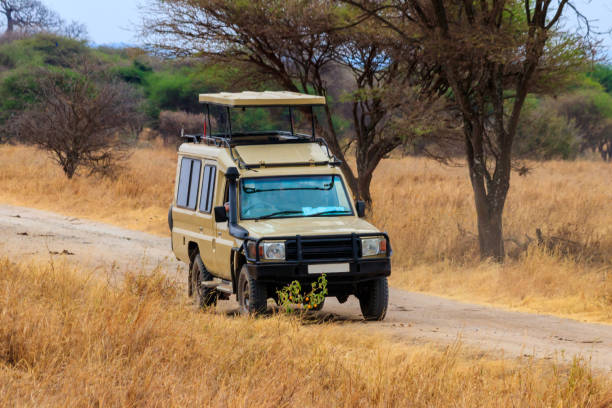
- Game Drives: You’ll spend several hours each day in a 4×4 safari vehicle with a pop-up roof, driven by an experienced guide. Game drives involve searching for animals, observing their behavior, and learning from your guide.
- Picnic Lunches: Most full-day game drives include a packed lunch. You’ll stop at designated picnic sites, often with stunning views or near waterholes, to enjoy your meal.
- Drives Between Parks: The drives between Moshi, Lake Manyara, and Ngorongoro can be several hours long. While primarily for transit, they offer glimpses of rural Tanzanian life and changing landscapes. Your guide will often stop at scenic points.
- Evenings: After returning from your game drives, you’ll have time to relax at your lodge or camp. Evenings are typically spent enjoying dinner, sharing stories of the day’s sightings, and preparing for the next day.
- Guide Interaction: Your safari guide is your window into the ecosystem. They are knowledgeable about animal behavior, tracking, and the local environment. Don’t hesitate to ask questions.
Accommodation Options
Accommodation choices significantly impact the safari experience and budget. Options range from basic to ultra-luxury:
- Budget/Camping: Basic tented camps or public campsites. These offer a more rustic and immersive experience, often with shared facilities. Ideal for budget travelers and backpackers.
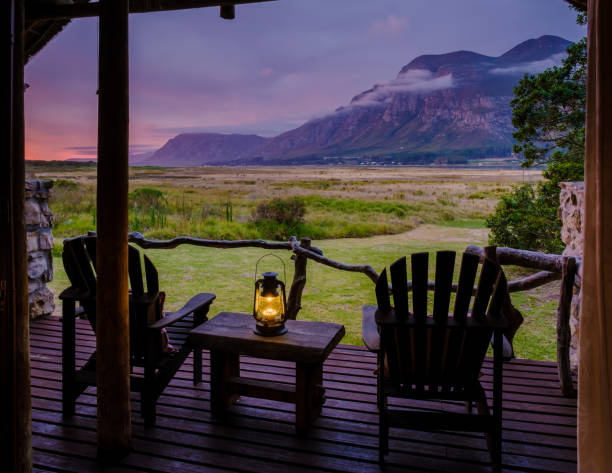
- Mid-Range Lodges/Tented Camps: Comfortable lodges or permanent tented camps with en-suite bathrooms, good amenities, and often swimming pools. These offer a balance of comfort and value. Many options are available near Lake Manyara and in Karatu.
- Luxury Lodges/Camps: High-end properties offering exquisite service, gourmet dining, spacious rooms, and prime locations. Some lodges on the Ngorongoro Crater rim offer breathtaking views.
- Crater Rim vs. Karatu: Lodges on the Ngorongoro Crater rim offer immediate access to the crater and stunning views but are often more expensive. Lodges in the nearby town of Karatu offer a wider range of prices and styles, with a slightly longer drive (approx. 25-30 minutes) to the crater descent road.
When planning for 2026 or 2027, research options well in advance, especially for peak season travel, as the best lodges get booked up quickly.
Typical Inclusions and Exclusions
Understanding what’s included in your safari package is crucial for budgeting and avoiding surprises. Most reputable operators will clearly outline this.
| Typically Included | Typically Excluded |
|---|---|
| Park entrance fees (Lake Manyara, Ngorongoro Crater) | International flights |
| Accommodation for the duration of the safari | Visa fees |
| All meals (as specified in itinerary, usually B, L, D) | Travel insurance |
| 4×4 safari vehicle with pop-up roof | Tips for guides and lodge staff |
| Professional English-speaking safari guide | Personal expenses (drinks, laundry, souvenirs) |
| Crater service fee (for Ngorongoro) | Optional activities (e.g., cultural visits, night game drives if available) |
| Bottled water during game drives | Gratuities |
| Airport transfers (if specified) | Vaccinations and medical expenses |
Packing List for Your Safari
Packing smart is essential for comfort and practicality on safari. Aim for lightweight, neutral-colored clothing.
- Clothing:
- Lightweight, breathable trousers (2-3 pairs)
- Long-sleeved shirts (2-3) for sun protection and cooler evenings
- T-shirts and tops (3-4)
- Fleece jacket or warm sweater for cool mornings/evenings
- Lightweight waterproof jacket or poncho
- Comfortable walking shoes or trainers
- Sandals or flip-flops for relaxing at the lodge
- Socks (including warm ones for evenings)
- Pajamas
- Swimsuit (for lodges with pools)
- Accessories:
- Wide-brimmed hat or cap for sun protection
- Sunglasses
- Scarf or bandana (useful for dust and sun)
- Binoculars (essential for wildlife spotting)
- Camera with extra batteries and memory cards
- Power bank or universal adapter
- Headlamp or small flashlight
- Insect repellent (with DEET)
- Sunscreen (high SPF)
- Personal toiletries (biodegradable if possible)
- Small backpack or daypack for carrying essentials during game drives
- Documents & Money:
- Passport (with at least 6 months validity) and copies
- Visa (if required) and copies
- Yellow fever vaccination certificate (if required)
- Travel insurance details
- Cash (USD is widely accepted for tips and small purchases)
- Credit/debit cards (for emergencies and larger purchases)
Note: Most lodges have laundry services, so you don’t need to pack excessively. Neutral colors like khaki, beige, olive green, and brown are best as they blend with the environment and don’t attract insects.
Pre-Safari Preparation
Proper preparation ensures a smoother and more enjoyable safari experience.
- Health: Consult your doctor or a travel clinic 4-6 weeks before your trip regarding necessary vaccinations (e.g., Yellow Fever, Hepatitis A, Typhoid) and malaria prophylaxis.
- Visa: Check visa requirements for Tanzania well in advance. Many nationalities can obtain a visa on arrival, but applying online beforehand can save time.
- Travel Insurance: Comprehensive travel insurance covering medical emergencies, evacuation, trip cancellation, and lost luggage is essential.
- Fitness: While this safari doesn’t involve strenuous trekking, a basic level of fitness is helpful for getting in and out of vehicles and for potential lodge activities.
- Currency: The Tanzanian Shilling (TZS) is the local currency, but US Dollars are widely accepted for park fees, tips, and at tourist lodges. Ensure you have smaller USD denominations for tipping.
- Photography: Familiarize yourself with your camera settings. Consider bringing a zoom lens for wildlife photography. Protect your equipment from dust.
- Booking: Book your safari well in advance, especially if traveling during peak season (2026 or 2027).
Common Mistakes to Avoid
Even experienced travelers can make mistakes. Here are a few to watch out for:
- Overpacking: Luggage restrictions on internal flights (if applicable) and the desire to fit everything into a safari vehicle mean packing light is key.
- Wearing Bright Colors: Bright colors can scare wildlife and attract insects. Stick to neutral, earthy tones.
- Forgetting Binoculars: Wildlife can be distant. Binoculars are crucial for spotting details and enhancing your viewing experience.
- Not Bringing Enough Cash: While cards are accepted at lodges, small vendors, tips, and some park fees might require cash (USD is often preferred for tips).
- Underestimating Cold Mornings/Evenings: The African sun can be deceptive. Highland areas like Ngorongoro can be surprisingly chilly, especially at dawn and dusk.
- Ignoring Your Guide: Your guide is an expert. Listen to their advice regarding safety, wildlife viewing etiquette, and photography opportunities.
- Expecting Too Much in One Go: While this safari is packed, rushing through it can diminish the experience. Allow ample time for relaxation and observation.
- Not Booking in Advance: Especially for 2026-2027 travel, popular lodges and safari vehicles get booked months ahead.
Who is This Safari Best Suited For?
The Moshi to Lake Manyara and Ngorongoro safari is a versatile option that appeals to a broad range of travelers:
- First-Time Safari Goers: It provides a fantastic introduction to the African safari experience with high chances of diverse wildlife sightings and iconic landscapes.
- Kilimanjaro Trekkers: It’s the perfect post-trek reward, offering a comfortable and exciting way to see wildlife after the physical challenge of climbing the mountain.
- Families: The relatively short travel times between destinations and the high concentration of easily visible animals in Ngorongoro make it suitable for families with children (check age restrictions for specific lodges).
- Wildlife Enthusiasts: The unique ecosystems of Lake Manyara and the Ngorongoro Crater offer incredible opportunities for observing a wide variety of species and behaviors.
- Photographers: The dramatic landscapes and abundant wildlife provide ample subjects for stunning photography, especially during the golden hours of sunrise and sunset.
- Travelers with Limited Time: This safari can be completed in as little as 3 days, making it feasible for those on a tighter schedule.
Alternative Safari Routes in Tanzania
While the Moshi to Lake Manyara and Ngorongoro route is excellent, Tanzania offers other incredible safari destinations:
- Serengeti National Park: Famous for the Great Migration, vast plains, and incredible predator sightings. Often combined with Lake Manyara and Ngorongoro for a longer Northern Circuit safari (e.g., 7-10 days).
- Tarangire National Park: Known for its large elephant herds, baobab trees, and predator-action, especially during the dry season. It’s often visited before or after Lake Manyara.
- Selous Game Reserve (Nyerere National Park): Located in southern Tanzania, this is one of Africa’s largest game reserves, offering a more wild and remote experience. Known for boat safaris, walking safaris, and large elephant and wild dog populations.
- Ruaha National Park: Tanzania’s largest national park, also in the south. It’s a rugged and wild destination with a high concentration of predators and a more off-the-beaten-path feel.
- Gombe Stream National Park: Famous for chimpanzee trekking, made famous by Jane Goodall. Located on the western edge of Lake Tanganyika.
For a comprehensive Northern Circuit experience, consider extending your trip to include Tarangire and the Serengeti, perhaps over 7-10 days in 2026 or 2027.
Planning Your 2026-2027 Safari
Planning ahead is key, especially for popular safari seasons. Here are tips for booking your 2026 or 2027 safari:
- Book Early: For peak seasons (June-October 2026, June-October 2027) and specific lodges, book 6-12 months in advance.
- Choose Your Operator Wisely: Research tour operators. Look for those with good reviews, clear communication, and a strong understanding of the local environment. Best Tanzania Tour operator is a reliable choice.
- Define Your Budget: Safari costs vary significantly. Decide on your preferred accommodation style (budget camping, mid-range lodges, luxury) to help narrow down options.
- Consider Travel Style: Are you looking for a private safari or a group tour? Private tours offer more flexibility, while group tours can be more budget-friendly.
- Flexibility with Dates: If possible, consider traveling during shoulder seasons (e.g., November 2026, March 2027) for potentially fewer crowds and better prices.
- Health Preparations: Start researching vaccinations and malaria prevention early.
- Visa Requirements: Check the latest visa regulations for Tanzania for your nationality.
Booking Your Moshi to Lake Manyara and Ngorongoro Safari
Securing your safari is an exciting step. Here’s how to approach it:
- Research Operators: Look for experienced Tanzanian tour operators. Check their websites, read reviews on platforms like TripAdvisor, and compare their offerings.
- Request Detailed Itineraries and Quotes: Once you have a shortlist, request custom itineraries and detailed quotes. Ensure the quotes clearly state what is included and excluded.
- Ask Questions: Don’t hesitate to ask about vehicle types, guide experience, accommodation quality, meal inclusions, and cancellation policies. A good operator will be transparent and responsive.
- Understand Payment Terms: Most operators require a deposit (typically 20-50%) to confirm bookings, with the balance due closer to the travel date (e.g., 30-60 days before departure). For 2026 or 2027 bookings, this process is standard.
- Confirm Inclusions: Double-check that park fees, Crater service fees, accommodation, meals, and vehicle/guide costs are clearly itemized.
- Travel Insurance: Ensure you have comprehensive travel insurance before making final payments.
- Contract: Read and understand the booking contract thoroughly before signing.
Contact Us: For a personalized Moshi to Lake Manyara and Ngorongoro safari tailored to your interests and budget, get in touch with our expert team. We specialize in creating unforgettable Tanzanian adventures.
WhatsApp: +255616946642
Email: topguideadventures@gmail.com
Backup Email: info@topguideadventures.com
Frequently Asked Questions (FAQs)
Q1: How long does it take to drive from Moshi to Lake Manyara?
The drive from Moshi to Lake Manyara National Park typically takes between 3 to 4 hours, depending on road conditions and traffic. This journey offers views of the Tanzanian countryside.
Q2: Is it possible to see the Big Five in Lake Manyara and Ngorongoro?
While Lake Manyara is known for lions, elephants, and buffalo, seeing all of the Big Five there can be challenging. However, the Ngorongoro Crater is one of the best places in Africa to see all of the Big Five (lion, leopard, elephant, rhino, buffalo) in a single day due to the high concentration of wildlife within the caldera.
Q3: What is the best time of year for a Moshi to Lake Manyara and Ngorongoro safari in 2026-2027?
The dry seasons, from June to October and December to March, are generally considered the best times for optimal wildlife viewing. However, each season offers unique advantages, and shoulder months can provide fewer crowds.
Q4: What kind of vehicle is used for this safari?
Typically, a 4×4 safari vehicle, such as a Toyota Land Cruiser or Land Rover, is used. These vehicles are equipped with pop-up roofs for excellent game viewing and photography, and they are robust enough for the terrain.
Q5: How much does a safari from Moshi to Lake Manyara and Ngorongoro cost?
Costs vary widely based on accommodation level, group size, and duration. A rough estimate for a mid-range safari can be between $250 – $500+ per person per day. This typically includes park fees, accommodation, meals, and vehicle/guide services. Exact prices for 2026-2027 will depend on specific choices.
Q6: Can I combine this safari with other parks like Serengeti?
Absolutely. This route is often part of the Northern Circuit. You can easily extend your safari to include Tarangire National Park and the Serengeti National Park for a more comprehensive experience, usually requiring at least 7-10 days total.
Q7: What are the accommodation options like?
Options range from budget camping and mid-range lodges/tented camps to luxury lodges. You can choose to stay inside the parks (limited and more expensive) or just outside, such as in Karatu town, which is close to the Ngorongoro Crater descent.
Q8: Do I need a visa for Tanzania?
Most nationalities require a visa to enter Tanzania. You can often obtain one upon arrival at the airport or border, but it is recommended to check current regulations and consider applying online in advance to save time.
Q9: What is the difference between Lake Manyara and Ngorongoro Crater for wildlife viewing?
Lake Manyara offers diverse habitats and is excellent for birdlife, elephants, and tree-climbing lions. Ngorongoro Crater is a caldera with a very high density of animals, including a better chance of seeing the Big Five, especially rhinos, and large herds of wildebeest and zebras.
Q10: Is this safari suitable for children?
Yes, this safari is generally suitable for families. The shorter travel distances and the high chances of seeing animals, particularly in Ngorongoro, make it engaging for children. However, check age policies for specific lodges and consider the length of game drives.
Ready to Book Your Adventure?
Your dream Moshi to Lake Manyara and Ngorongoro safari awaits! Let us craft a personalized itinerary that perfectly matches your interests, budget, and travel style for your 2026 or 2027 adventure. We are dedicated to providing authentic, memorable, and responsible safari experiences in Tanzania.
Contact our safari experts today to start planning:
WhatsApp: +255616946642
Email: topguideadventures@gmail.com
Backup Email: info@topguideadventures.com
Plan your Moshi to Lake Manyara and Ngorongoro Safari with Top Guide Adventures
Tell us your travel dates, group size, comfort level, and dream experience. We will help you shape a clear, realistic, and memorable Tanzania itinerary.







 Veedesigner
 Fatma Kizanga
 Benjamin Waryuba
 Philip Philip
 John jr Itaja
 Antonia Optatus
 Edith Kanyere
 Neema Iddy
 Kelvin Boniphace
 Damari Maiga



