
Updated planning guide for 2026, 2027-2028
Best 3 Days Serengeti Safari From Moshi + Price: Guide 2026-2027-2028
Discover the magic of a 3-day Serengeti safari starting from Moshi. This comprehensive guide covers everything you need to know for an unforgettable wildlife experience, including itineraries, planning tips, and booking advice for 2026-2027.
WhatsApp +255616946642 | topguideadventures@gmail.com | info@topguideadventures.com
Your Ultimate Guide to a 3 Days Serengeti Safari from Moshi
A 3 days Serengeti safari from Moshi offers an incredible opportunity to witness the heart of Tanzania’s wildlife spectacle. While short, this duration is perfectly crafted for travelers who have limited time but still wish to experience the iconic plains, abundant wildlife, and breathtaking landscapes that make the Serengeti world-renowned. This guide is designed to provide you with all the essential information, from planning your trip to maximizing your safari experience, ensuring your adventure from Moshi is both memorable and fulfilling.
Starting your safari from Moshi, a town often associated with Mount Kilimanjaro, means you can combine two of Tanzania’s most sought-after experiences. Many travelers opt for a Kilimanjaro climb followed by a safari, or vice versa. A 3-day Serengeti safari from Moshi is an efficient way to fit this into a busy schedule. We will cover the logistics, what wildlife you can expect, the best times to visit, sample itineraries, cost considerations, and how to book with confidence for your 2026 or 2027 adventure.
Quick Answers for Your Serengeti Adventure
Is a 3-day Serengeti safari from Moshi feasible? Yes, it is absolutely feasible and a popular choice for those with limited time. It provides a concentrated yet rewarding glimpse into the Serengeti’s wonders.
What is the typical cost? Costs vary based on accommodation standard (budget, mid-range, luxury), group size, and inclusions. Expect a range, and detailed breakdowns will be provided.
What wildlife can I see? Expect to see the ‘Big Five’ (lion, leopard, elephant, rhino, buffalo), vast herds of wildebeest and zebras (especially during migration), giraffes, cheetahs, hyenas, and numerous bird species.
What is the best time to go? The Serengeti is a year-round destination. For the Great Migration, timing is key, typically June-October for the Grumeti River crossings and December-March for calving season in the south. However, wildlife is always present.
Table of Contents
Serengeti in Brief: Why It’s a Must-Visit
The Serengeti National Park, derived from the Maasai word ‘Siringet’ meaning ‘endless plains’, is Tanzania’s oldest and most famous national park. It covers an immense area of 14,750 square kilometers (5,700 sq mi) and is a vital component of the larger Serengeti ecosystem, which includes the Masai Mara National Reserve in Kenya and various conservation areas.
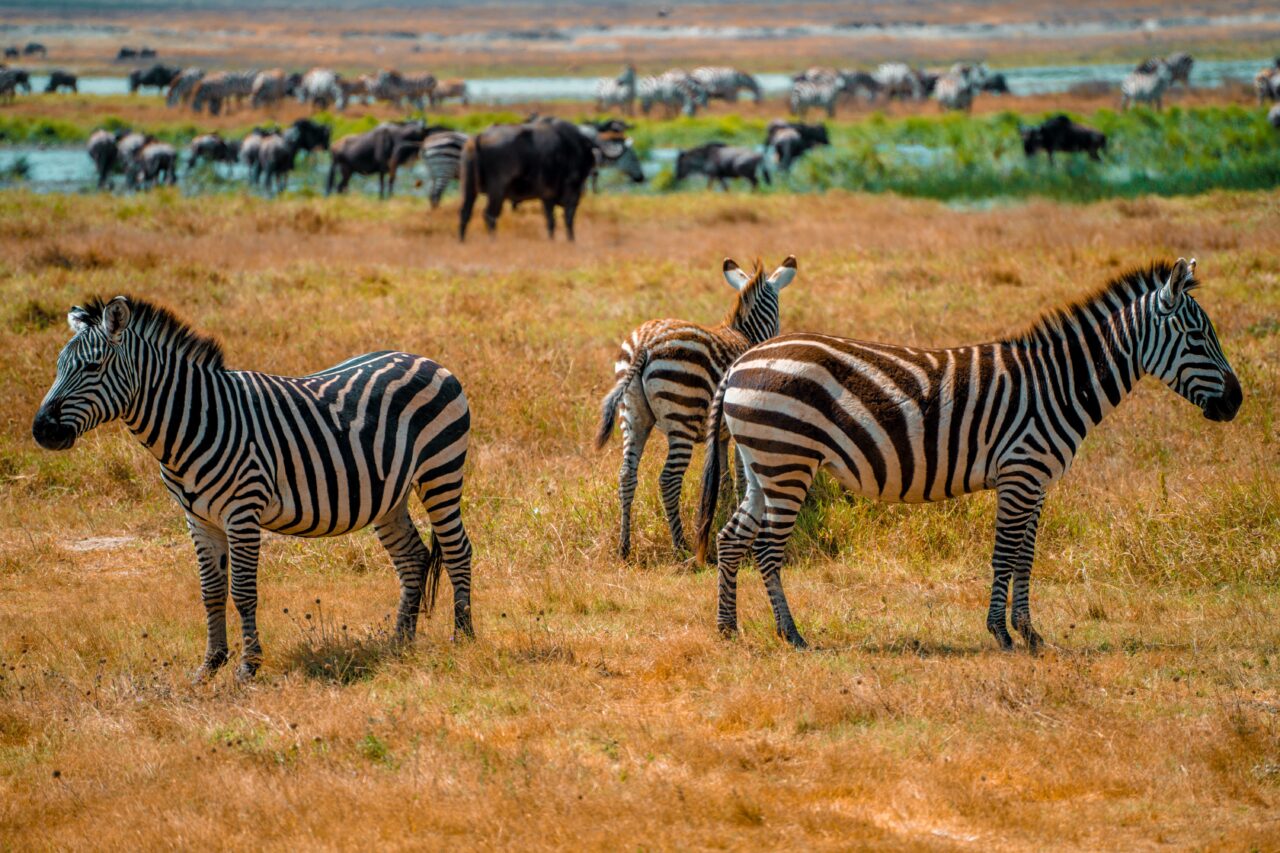
This park is synonymous with the Great Migration, an annual movement of over 1.5 million wildebeest, 250,000 zebras, and 400,000 antelopes. However, the Serengeti’s allure extends far beyond this spectacular event. It boasts one of the highest concentrations of predators in the world, including lions, leopards, cheetahs, and hyenas. The sheer diversity of its habitats – from open grasslands and acacia woodlands to riverine forests – supports an astonishing array of wildlife throughout the year.
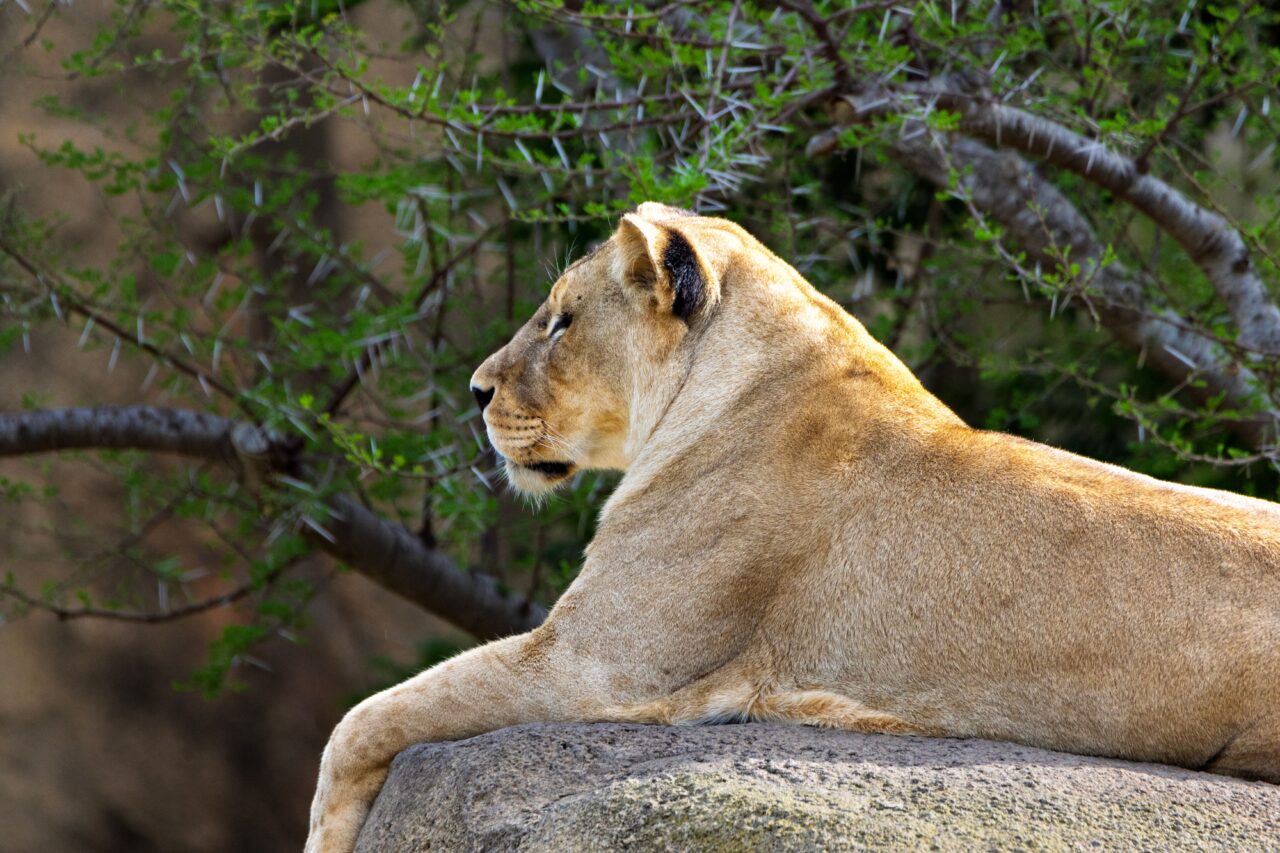
For any wildlife enthusiast, the Serengeti offers an unparalleled safari experience. The vast, uninterrupted landscapes create a sense of wildness and freedom that is hard to find elsewhere. Witnessing a pride of lions lounging under an acacia tree, a cheetah on the hunt, or a herd of elephants migrating across the plains are moments that stay with you forever.
Why Choose a 3-Day Safari from Moshi?
Opting for a 3 days Serengeti safari from Moshi is a strategic choice for several compelling reasons:
- Time Efficiency: For travelers on a tighter schedule, perhaps after climbing Kilimanjaro or before heading to Zanzibar, a 3-day safari is a practical way to experience the Serengeti without committing to a longer trip.
- Convenience from Moshi: Moshi is a major hub and a common starting point for many Tanzanian adventures. Arranging your safari from here simplifies logistics, reducing the need for extra travel to other cities like Arusha.
- Concentrated Experience: While three days might seem brief, it’s enough time to explore a significant portion of the Serengeti, particularly the central or southern areas, and witness a remarkable array of wildlife and iconic landscapes.
- Cost-Effectiveness: Compared to longer safaris, a 3-day trip can be more budget-friendly, allowing you to experience the Serengeti without an excessive financial outlay.
- Accessibility: A 3-day safari from Moshi typically involves driving to the Serengeti, which is a scenic journey itself, or a combination of driving and a short internal flight, depending on your chosen itinerary and budget.
This duration provides a solid introduction to the Serengeti, leaving you with a profound appreciation for its natural beauty and wild inhabitants.
Quick Facts: 3 Days Serengeti Safari from Moshi
| Feature | Details |
|---|---|
| Duration | 3 Days / 2 Nights |
| Starting Point | Moshi, Tanzania |
| Ending Point | Moshi, Tanzania (or Arusha) |
| Primary Destination | Serengeti National Park |
| Key Wildlife | Big Five (Lion, Leopard, Elephant, Rhino, Buffalo), Wildebeest, Zebra, Giraffe, Cheetah, Hyena, Birds |
| Activities | Game drives (morning, afternoon, evening) |
| Accommodation | Safari lodges, tented camps (budget to luxury) |
| Travel Style | 4×4 Safari Vehicle with pop-up roof, experienced guide |
| Typical Transit Time | Approx. 6-8 hours drive from Moshi to Serengeti entrance, or flight to Seronera Airstrip. |
| Best For | Short-term travelers, first-time safari-goers, those combining with Kilimanjaro/Zanzibar. |
Best Time for Your 3-Day Serengeti Safari
The Serengeti offers incredible wildlife viewing year-round, but the ‘best’ time often depends on what you want to see. For a 3-day trip, understanding these nuances can help you choose the optimal period.
The Great Migration
If your primary goal is to witness the Great Migration, timing is crucial. However, a 3-day safari might not cover the entire migration circuit. The Serengeti’s vastness means different areas are best at different times:
- December – March: Southern Serengeti and Ndutu Plains. This is calving season, with thousands of newborns. Predators are abundant, drawn by the vulnerable young. Excellent for seeing lions, cheetahs, and leopards with their cubs.
- April – May: Green season, fewer tourists. The herds begin to move north. This is the ‘long rains’ period, so expect some downpours, but it’s also a beautiful time with lush landscapes.
- June – October: Western and Northern Serengeti. This period often includes the dramatic Grumeti River and Mara River crossings. These are iconic moments where wildebeest and zebras brave crocodile-infested waters. These crossings are unpredictable but spectacular when they occur.
Year-Round Wildlife Viewing
Even outside the peak migration viewing times, the Serengeti is teeming with wildlife. The central Serengeti (Seronera Valley) is known for its resident wildlife, particularly big cats, and offers excellent viewing opportunities throughout the year. For a short 3-day safari, focusing on the central or southern areas often provides the most reliable sightings.
Weather Considerations
- Dry Season (June – October): Less vegetation cover, animals congregate around water sources, making them easier to spot. Pleasant temperatures. This is peak tourist season.
- Wet Season (November – May): Lush landscapes, fewer crowds, migratory birds arrive. The ‘short rains’ are in November/December, and the ‘long rains’ are in April/May. Game drives can be more challenging during heavy rains, but wildlife viewing remains good, especially in the southern Serengeti during calving season.
For a 3-day safari from Moshi, considering the central Serengeti (Seronera) offers a good balance of accessibility and consistent wildlife viewing throughout the year. If you aim for river crossings, you’ll need to target the western or northern Serengeti, which might require a slightly longer duration or internal flights to maximize your time.
Serengeti Area Overview & Typical Route
The Serengeti National Park is vast. For a 3-day safari from Moshi, you’ll typically focus on one or two accessible regions to minimize travel time and maximize game viewing.
Starting Point: Moshi is located in northeastern Tanzania, east of Arusha. The journey to the Serengeti is a significant part of the experience.
Typical Route Logic:
- Moshi to Arusha: A short drive (approx. 1-2 hours) to Arusha, the safari capital.
- Arusha to Serengeti Entrance: Drive towards the Serengeti. This involves passing through the Ngorongoro Conservation Area or entering via a gate like Naabi Hill. The drive itself is scenic, offering glimpses of Maasai culture and changing landscapes.
- Into the Serengeti: Depending on the chosen gate and itinerary, you might have a game drive en route to your lodge/camp.
- Within the Serengeti: Game drives will focus on areas known for good wildlife concentrations. For a 3-day trip, this is often the Central Serengeti (Seronera Valley) due to its resident wildlife and accessibility, or the Southern Serengeti during calving season.
- Return Journey: Drive back to Moshi or Arusha.
Key Areas for a 3-Day Safari:
- Central Serengeti (Seronera Valley): This is the heart of the Serengeti and is excellent for year-round game viewing, especially for big cats like lions, leopards, and cheetahs. It’s accessible and offers good infrastructure.
- Southern Serengeti/Ndutu Area: Best from December to March for the calving season and migration herds. It’s a bit further but offers incredible predator action.
Note on Flights: To save on driving time, many opt for a flight from Arusha Airport (ARK) or Kilimanjaro International Airport (JRO) to Seronera Airstrip (SEU) within the Serengeti. This dramatically reduces travel time, allowing more time for game drives, but adds to the cost.
Simplified Route Illustration (Driving):
| Stage | Location | Description |
|---|---|---|
| 1 | Moshi | Start point. |
| 2 | Arusha | Brief stop or direct onward travel. |
| 3 | Ngorongoro Conservation Area (Pass through) | Scenic drive, potential Maasai villages. |
| 4 | Serengeti Gate (e.g., Naabi Hill) | Park entry, potential for initial sightings. |
| 5 | Central Serengeti / Seronera Valley | Primary game viewing area for 2 nights. |
| 6 | Return Journey | Drive back to Arusha/Moshi. |
Sample 3-Day Serengeti Safari Itinerary from Moshi
This itinerary focuses on the Central Serengeti, known for its resident wildlife and excellent big cat sightings, making it ideal for a short safari. It assumes travel by road, but can be adjusted for flights.
Day 1: Moshi to Central Serengeti – The Endless Plains Await
- Morning (Approx. 7:00 AM): Depart from Moshi after an early breakfast. Your safari vehicle and guide will pick you up.
- Drive to Arusha & Onward: Travel to Arusha for any final preparations or meet-ups, then continue towards the Serengeti National Park. The drive takes approximately 6-8 hours, including stops.
- Enter Serengeti & First Game Drive: Enter the park through a gate like Naabi Hill. Begin your first game drive as you head towards your accommodation in the Central Serengeti (Seronera Valley). Keep an eye out for wildlife along the way.
- Check-in & Lunch: Arrive at your chosen lodge or tented camp. Enjoy lunch and a brief rest.
- Afternoon Game Drive (Approx. 4:00 PM – 6:30 PM): Head out for an afternoon game drive in the Seronera Valley, famous for its big cat populations.
- Evening: Return to your camp/lodge for dinner and overnight.
Accommodation: Mid-range/Luxury Lodge or Tented Camp in Central Serengeti.
Day 2: Full Day Game Drive in the Serengeti
- Morning Game Drive (Approx. 6:00 AM – 11:00 AM): Wake up early for a sunrise game drive. This is often the best time to see predators, as they are most active. Explore different tracks in the Seronera area.
- Return for Brunch/Lunch: Head back to your lodge for a late breakfast or lunch.
- Afternoon Relaxation or Optional Activity: Relax at the lodge, or depending on your lodge’s offerings, perhaps enjoy a guided nature walk (if permitted and available in the area).
- Late Afternoon Game Drive (Approx. 4:00 PM – 6:30 PM): Venture out again for another game drive, exploring new areas or revisiting promising spots.
- Evening: Dinner and overnight at your camp/lodge.
Accommodation: Mid-range/Luxury Lodge or Tented Camp in Central Serengeti.
Day 3: Morning Game Drive & Departure to Moshi
- Early Morning Game Drive (Approx. 6:00 AM – 9:00 AM): Enjoy a final morning game drive, seeking out any wildlife you may have missed or simply soaking in the last moments of the Serengeti’s magic.
- Return for Breakfast: Head back to your lodge for breakfast.
- Check-out & Drive Back: Check out from your accommodation and begin the drive back towards Moshi.
- En Route Lunch: Stop for lunch at a picnic site or a lodge en route.
- Arrival in Moshi: Arrive back in Moshi in the late afternoon or early evening, filled with memories of your Serengeti adventure.
Note: This itinerary can be adjusted. For instance, if traveling during calving season (Dec-Mar), you might focus on the southern plains. If flying, Day 1 would involve a flight to Seronera, a short game drive, and check-in, maximizing game drive time.
What to Expect on Your Safari
A 3 days Serengeti safari from Moshi is an adventure packed with incredible sights and sounds. Here’s what you can anticipate:
Wildlife Sightings
The Serengeti is renowned for its wildlife density. While sightings are never guaranteed, you have an excellent chance of seeing:
- Mammals: Lions, leopards, cheetahs, elephants, buffaloes, giraffes, zebras, wildebeest, various antelopes (gazelles, impalas, dik-diks), hyenas, jackals, hippos, crocodiles, baboons, and monkeys. Rhinos are present but are more elusive, especially in the central areas.
- Birds: Over 500 species, including ostriches, secretary birds, eagles, vultures, and numerous smaller colorful birds.
The Safari Vehicle and Guide
You’ll travel in a specially adapted 4×4 safari vehicle with a pop-up roof, allowing for excellent 360-degree views and photographic opportunities. Your experienced driver-guide is crucial; they are knowledgeable about animal behavior, tracking, and the park’s geography. They will do their best to find wildlife and ensure your safety.
Accommodation
Options range from budget-friendly tented camps with shared facilities to comfortable mid-range lodges and luxurious tented camps or lodges with en-suite bathrooms and private verandas. For a 3-day trip, most travelers opt for mid-range or luxury to maximize comfort and immersion.
Daily Schedule
Safari days typically start early to catch wildlife at its most active. After an early morning game drive, you’ll return for breakfast or brunch. Midday might involve relaxation during the hottest part of the day, followed by another game drive in the late afternoon. Evenings are spent at the lodge/camp with dinner.
Landscape
Expect vast, open grasslands dotted with acacia trees, kopjes (rocky outcrops), riverine forests, and woodlands. The scenery is dramatic and ever-changing, providing a stunning backdrop for wildlife viewing.
Road Conditions
While main tracks are generally well-maintained, off-road conditions can be bumpy and dusty, especially during the wet season. Your safari vehicle is designed to handle this.
Connectivity
Mobile phone reception can be sporadic in the Serengeti. It’s a great opportunity to disconnect and immerse yourself in nature. Wi-Fi might be available at some lodges, often at an extra cost or with limited access.
Packing and Preparation Essentials
Proper packing ensures comfort and preparedness for your 3 days Serengeti safari from Moshi. Layering is key due to temperature variations.
Clothing
- Neutral Colors: Earth tones like khaki, beige, olive green, and brown are best. Avoid bright colors (which can scare animals) and dark colors like navy or black (which attract tsetse flies).
- Layers: T-shirts, long-sleeved shirts (for sun and insect protection), sweaters or fleece jackets for cool mornings and evenings.
- Trousers/Shorts: Comfortable trousers (hiking or cargo pants are ideal) and shorts for warmer days.
- Rain Gear: A lightweight, waterproof and windproof jacket is essential, especially during the wet season (November-May).
- Sun Protection: Wide-brimmed hat, sunglasses, and high SPF sunscreen.
- Footwear: Comfortable walking shoes or hiking boots (if planning any walking safaris, though not typical for a 3-day drive-in safari). Closed-toe shoes are recommended for evenings.
Gear and Accessories
- Camera and Extra Batteries/Memory Cards: You’ll want to capture everything! Consider a zoom lens for wildlife.
- Binoculars: Essential for spotting distant animals and details.
- Insect Repellent: With DEET or Picaridin.
- Personal First-Aid Kit: Include any personal medications, pain relievers, antiseptic wipes, bandages, and motion sickness medication if needed.
- Headlamp or Small Flashlight: Useful for navigating around camp at night.
- Reusable Water Bottle: Stay hydrated and reduce plastic waste.
- Adapter and Power Bank: For charging electronics. Safari vehicles usually have USB ports or 12V sockets.
- Small Backpack: For carrying essentials during game drives (water, camera, sunscreen, snacks).
- Hand Sanitizer: For use before meals and after touching surfaces.
Important Documents
- Passport (with at least 6 months validity) and Visa (if required).
- Flight tickets and booking confirmations.
- Travel insurance details.
- Yellow Fever vaccination certificate (may be required).
- Copies of all important documents (stored separately).
Health Precautions
Consult your doctor about malaria prophylaxis and any necessary vaccinations well in advance of your trip. Drink bottled or purified water only.
Common Mistakes to Avoid
To ensure your 3 days Serengeti safari from Moshi is as smooth and enjoyable as possible, be aware of these common pitfalls:
- Underestimating Travel Times: The distances in Tanzania are large, and roads can be slow. A 3-day trip requires efficient planning to minimize time spent driving and maximize time on game drives. Factor in the long drives from Moshi.
- Not Booking in Advance: Especially for popular seasons (June-October, December-March) and for specific lodge preferences, booking well in advance for 2026-2027 is crucial.
- Choosing the Wrong Time for Migration: If seeing the river crossings is a priority, research the migration patterns carefully. A 3-day safari might not be enough to guarantee witnessing this if you pick the wrong time or location.
- Ignoring Accommodation Standards: While budget options exist, choosing a slightly better standard of accommodation can significantly enhance your comfort and overall experience, especially for a short trip where you want to relax.
- Packing Inappropriately: Bright clothing, excessive luggage, or forgetting essentials like insect repellent or a warm layer can detract from your enjoyment.
- Expecting Guaranteed Sightings: Wildlife is wild. While the Serengeti offers high chances, respect that sightings are not guaranteed. Be patient and trust your guide.
- Not Considering Internal Flights: For a short 3-day safari, the long road transfer from Moshi can eat up a significant portion of your time. An internal flight to Seronera Airstrip can be a worthwhile investment for maximizing game viewing.
- Not Communicating Preferences: Clearly communicate your interests (e.g., birdwatching, photography, specific animals) to your tour operator and guide.
Who is a 3-Day Serengeti Safari Best For?
A 3 days Serengeti safari from Moshi is an excellent option for several types of travelers:
- Time-Constrained Travelers: Those on shorter holidays or who want to combine multiple Tanzanian highlights (like Kilimanjaro and Serengeti) into one trip.
- First-Time Safari Goers: It offers a fantastic introduction to the African safari experience without the commitment of a longer duration.
- Travelers Combining with Kilimanjaro: It’s a natural extension after a Kilimanjaro climb, providing a well-deserved wildlife reward.
- Budget-Conscious Travelers: While not the cheapest option per day, a 3-day safari is generally more affordable than a 5- or 7-day trip, making the Serengeti accessible.
- Couples and Honeymooners: A short, intense safari can be a romantic and exciting addition to a honeymoon or couple’s getaway.
- Families with Younger Children: A shorter duration can be more manageable for younger children, keeping them engaged without becoming overwhelmed.
This itinerary provides a taste of the Serengeti’s magic, leaving you wanting more but satisfied with the incredible experiences gained.
Alternatives to a 3-Day Safari
While a 3-day Serengeti safari from Moshi is fantastic, consider these alternatives if your time or interests differ:
- 4-Day Serengeti Safari: Adds an extra day, allowing for more in-depth exploration of one area or a visit to a second region within the Serengeti. This reduces the feeling of being rushed.
- 5-Day Safari (Serengeti & Ngorongoro): A very popular option. This typically includes 2-3 days in the Serengeti and 1-2 days exploring the Ngorongoro Crater, offering a different ecosystem and high chances of seeing rhinos. This is often the most recommended duration for a first-time safari.
- Day Trip to a Closer Park: If time is extremely limited and you are based in Moshi/Arusha, consider a day trip to parks like Tarangire National Park or Lake Manyara National Park. These are closer and offer excellent wildlife viewing, though not on the same scale as the Serengeti.
- Flying Safari: For a 3-day trip, flying directly into the Serengeti (e.g., Seronera Airstrip) from Arusha significantly cuts down on travel time, allowing for more game drives. This is more expensive but maximizes wildlife viewing time.
For those starting from Moshi, a 3-day safari is a good balance, but a 4- or 5-day trip including Ngorongoro often provides a more comprehensive Tanzanian safari experience.
Planning Your 2026-2027 Safari
Planning ahead is key for a successful safari, especially when looking at dates in 2026 and 2027. Here are some tips:
Book Early
The best safari lodges and camps, especially those in desirable locations or offering specific experiences, get booked up months, sometimes over a year, in advance. This is particularly true for peak seasons like the dry months (June-October) and the migration calving season (December-March).
Choose Your Operator Wisely
Select a reputable tour operator with good reviews and local knowledge. They will handle all logistics, from vehicle and guide to accommodation and park fees. TopGuideAdventures has extensive experience crafting memorable Serengeti safaris.
Accommodation Tiers
Decide on your preferred level of comfort. Options range from:
- Budget: Basic tented camps, often with shared facilities.
- Mid-Range: Comfortable lodges or tented camps with en-suite bathrooms and good amenities.
- Luxury: High-end lodges and tented camps offering exceptional service, gourmet food, and prime locations.
For a 3-day trip, a mid-range to luxury option often provides the best value for comfort and experience.
Consider Internal Flights for 2026-2027
If your budget allows, flying from Arusha to Seronera Airstrip in the Serengeti can save you 6-8 hours of driving each way. This is highly recommended for a short 3-day safari, maximizing your time in the park. Discuss this option with your tour operator.
Understand Inclusions and Exclusions
Ensure you know what is included in your safari package (e.g., park fees, accommodation, meals, guide, vehicle, water) and what is not (e.g., tips, drinks, personal insurance, optional activities).
Travel Insurance
Mandatory for any safari. Ensure it covers medical emergencies, evacuation, trip cancellation, and lost luggage.
Health Preparations
Consult your doctor 4-6 weeks before your trip regarding vaccinations and malaria prevention. Yellow Fever vaccination might be required.
Booking Your Safari: Expert Tips
Booking your 3 days Serengeti safari from Moshi with confidence is essential. Here are some expert tips to guide you:
1. Research and Choose a Reputable Tour Operator
Look for operators with a strong online presence, positive reviews (on platforms like TripAdvisor), and clear communication channels. A local operator like TopGuideAdventures understands the nuances of Tanzanian safaris.
2. Communicate Your Needs Clearly
Be specific about your interests (e.g., photography, specific animals, migration viewing), budget, accommodation preferences, and travel dates for 2026 or 2027. This helps them tailor the perfect itinerary.
3. Get a Detailed Itinerary and Quote
Ensure the quote breaks down costs clearly. The itinerary should detail daily activities, driving times, accommodation names, and meal plans. Ask about park fees, conservation fees, and any other mandatory charges.
4. Understand the Safari Vehicle and Guide
Confirm you’ll be using a 4×4 safari vehicle with a pop-up roof. Your guide is your window into the wilderness; ensure they are experienced and knowledgeable.
5. Inquire About Accommodation Details
Ask about the specific lodges or tented camps included. Look at reviews for these accommodations to gauge comfort and service levels.
6. Payment Terms and Cancellation Policy
Understand the deposit requirements, payment schedule, and the cancellation policy. Most operators require a deposit to confirm bookings and full payment closer to the travel date.
7. Ask About Inclusions and Exclusions
Clarify what is covered: park entrance fees, game drives, accommodation, meals, park-entry vehicle, guide services, bottled water during game drives. Exclusions often include tips, personal drinks, and gratuities.
8. Confirm Safari Vehicle Type
For Serengeti safaris, a 4×4 vehicle with a pop-up roof is standard and essential for game viewing and photography. Ensure your operator provides this.
9. Consider a Private vs. Group Safari
A private safari offers flexibility and exclusivity but is more expensive. Group safaris are more budget-friendly but involve sharing the vehicle and adhering to a set itinerary. For a 3-day trip, a private safari can be more rewarding due to flexibility.
10. Don’t Be Afraid to Ask Questions
A good tour operator will be happy to answer all your questions. If they seem evasive or pushy, it might be a sign to look elsewhere.
Frequently Asked Questions
Q1: How long does it take to drive from Moshi to the Serengeti?
The drive from Moshi to the Serengeti National Park can take approximately 6 to 8 hours, depending on traffic, road conditions, and the specific gate you use to enter the park. This includes a scenic drive through the Ngorongoro Conservation Area. For a 3-day safari, many travelers opt for an internal flight from Arusha to Seronera Airstrip to save considerable travel time.
Q2: Is 3 days enough for the Serengeti?
Three days in the Serengeti provides a good introduction and allows you to experience the park’s highlights, especially if focusing on the central region. You will likely see a variety of wildlife and experience the vast plains. However, for a more in-depth exploration, especially to witness the Great Migration river crossings or explore multiple regions, 4-5 days is often recommended. For 2026-2027 travel, a 3-day trip is a great way to get a taste of the Serengeti.
Q3: What is the cost of a 3 days Serengeti safari from Moshi?
The cost varies significantly based on accommodation choice (budget, mid-range, luxury), group size (private vs. shared), and inclusions. As a general estimate for 2026-2027, expect prices to range from approximately $700 to $2000+ per person for a 3-day safari, covering park fees, accommodation, meals, and transport. Flights, if chosen, will add to this cost.
Q4: What should I pack for a 3-day safari?
Pack light, neutral-colored clothing (khaki, beige, olive). Essentials include long-sleeved shirts and trousers for sun/insect protection, a warm layer for mornings/evenings, a waterproof jacket, a hat, sunglasses, sunscreen, insect repellent, a camera with extra batteries, binoculars, and personal medication. Comfortable closed-toe shoes are recommended.
Q5: Can I see the Great Migration on a 3-day safari?
It depends on the time of year. If you travel during the calving season (Dec-Mar), you can see large herds in the southern Serengeti. Witnessing the river crossings (June-Oct) typically requires being in the western or northern Serengeti, which might be difficult to reach and explore thoroughly within a 3-day trip from Moshi, unless you use internal flights and focus solely on those areas.
Q6: What are the accommodation options in the Serengeti?
Accommodation ranges from budget-friendly tented camps with basic amenities to mid-range lodges and luxurious tented camps or lodges offering en-suite bathrooms, fine dining, and premium services. For a short safari, choosing a comfortable mid-range or luxury option enhances the experience.
Q7: Is it safe to go on a safari?
Yes, safaris are generally very safe when conducted with reputable operators and experienced guides. Your guide will brief you on safety procedures, such as staying inside the vehicle during game drives and not approaching wildlife. Medical evacuation insurance is highly recommended.
Q8: What is the difference between Serengeti and Ngorongoro Crater?
The Serengeti is a vast national park known for its wide-open plains and the Great Migration. The Ngorongoro Crater is a large volcanic caldera with a unique ecosystem, offering excellent chances to see the ‘Big Five’ in a single day, including the rare black rhino. They offer different but equally spectacular safari experiences.
Q9: What are the best months to visit the Serengeti for wildlife viewing?
The Serengeti is a year-round destination. For general game viewing, the dry season (June-October) is excellent as animals congregate near water sources. For the calving season and abundant predators, December-March in the south is ideal. For potential river crossings, June-October in the north/west is best.
Q10: Can I combine a Serengeti safari with Mount Kilimanjaro?
Absolutely! This is a very popular combination. Many travelers climb Kilimanjaro first and then relax on a Serengeti safari, or vice versa. A 3 days Serengeti safari from Moshi fits perfectly into such a combined itinerary.
Ready to Book Your Best 3 Days Serengeti Safari from Moshi?
Experience the awe-inspiring landscapes and abundant wildlife of the Serengeti on a perfectly tailored 3-day safari starting from Moshi. Whether you’re seeking the thrill of spotting big cats, the wonder of vast plains, or a memorable adventure to complement your Kilimanjaro climb, we are here to make it happen.
Let our expert team craft an unforgettable journey for you in 2026 or 2027. We specialize in creating personalized safari experiences that match your interests and budget, ensuring every detail is taken care of.
Contact us today to start planning your dream 3 days Serengeti safari from Moshi:
- WhatsApp: +255616946642
- Email: topguideadventures@gmail.com
- Backup Email: info@topguideadventures.com
Let’s plan your adventure of a lifetime!
Plan your Best 3 Days Serengeti Safari from Moshi + Price with Top Guide Adventures
Tell us your travel dates, group size, comfort level, and dream experience. We will help you shape a clear, realistic, and memorable Tanzania itinerary.







 Veedesigner
 Fatma Kizanga
 Benjamin Waryuba
 Philip Philip
 John jr Itaja
 Antonia Optatus
 Edith Kanyere
 Neema Iddy
 Kelvin Boniphace
 Damari Maiga



