
Updated planning guide for 2026, 2027-2028
Kilimanjaro Climbing Christmas Summit: Expert Trekking Guide 2026-2027-2028
Dreaming of a Christmas summit on Kilimanjaro? This in-depth guide provides everything you need to know for a successful and memorable holiday trek in 2026-2027, from choosing the right route to packing essentials and understanding costs.
WhatsApp +255616946642 | topguideadventures@gmail.com | info@topguideadventures.com
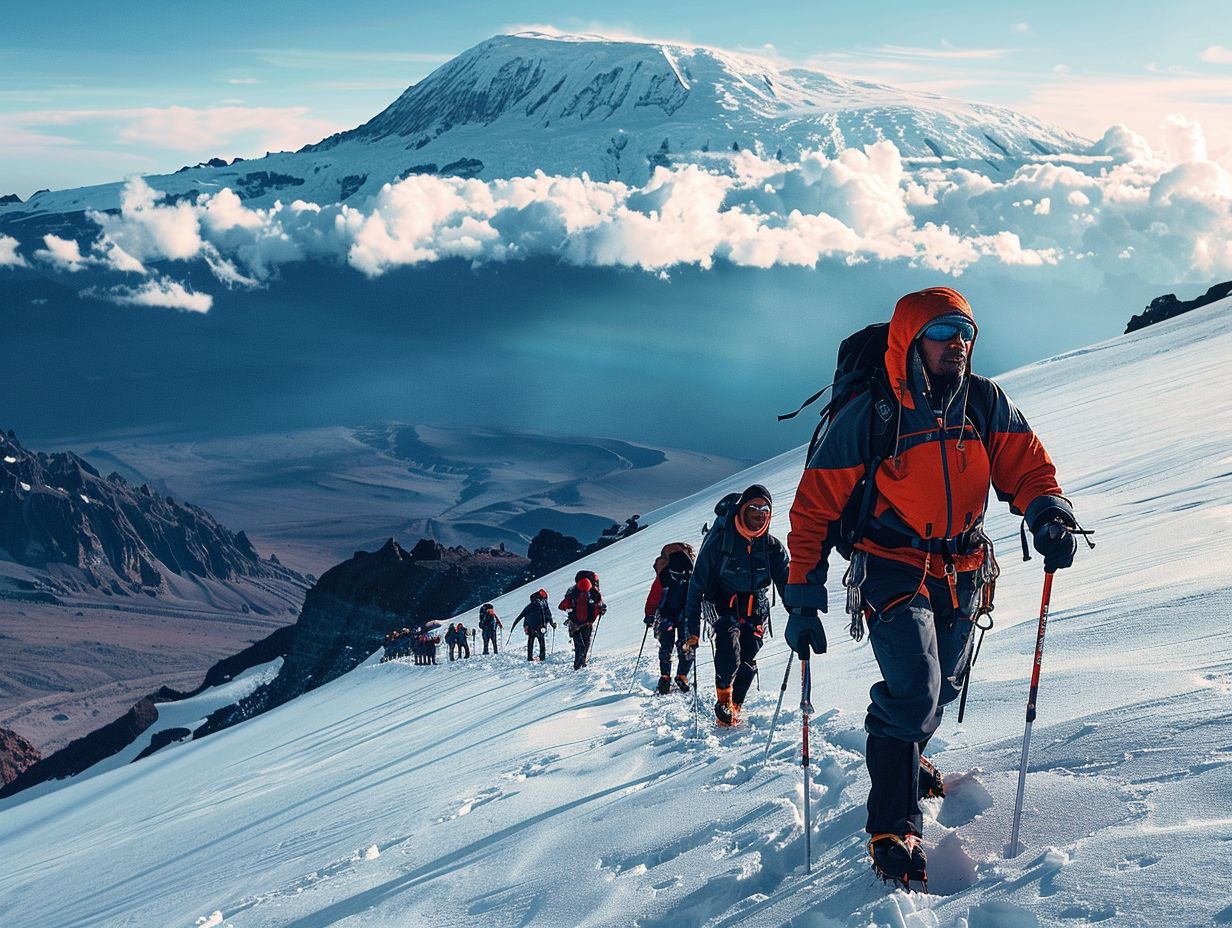
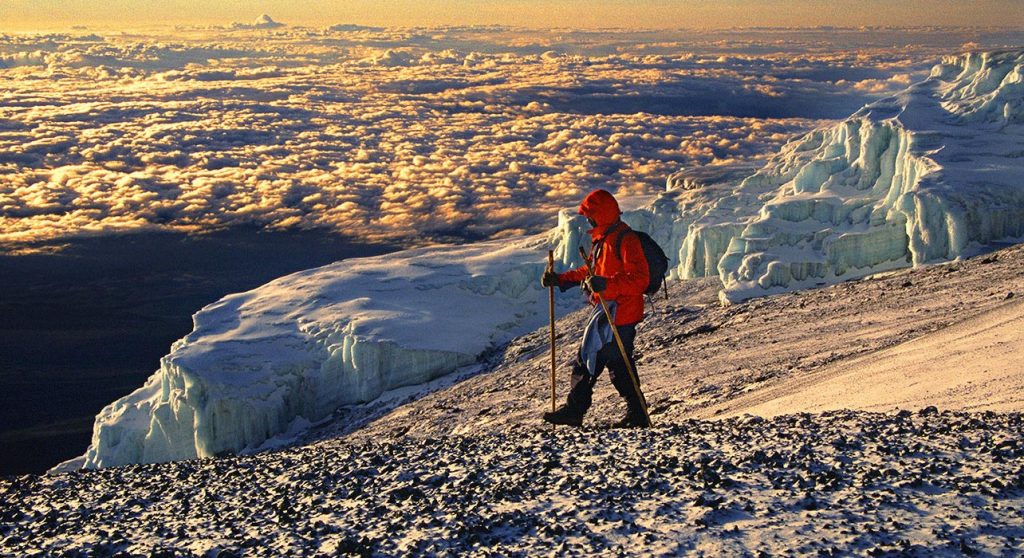
Kilimanjaro Climbing Christmas Summit: Your Ultimate Planning Guide
Reaching the roof of Africa is a significant achievement, and doing so on Christmas Day adds an unparalleled layer of magic to the experience. A Kilimanjaro climbing Christmas summit offers a unique way to celebrate the holidays, trading traditional festivities for breathtaking views and the profound satisfaction of conquering a mighty peak. While challenging, this adventure is achievable with careful planning and preparation, especially when considering the specific conditions and atmosphere of late December. This guide will walk you through every aspect of planning your festive ascent for 2026, 2027, and beyond, ensuring your journey to Uhuru Peak is as memorable as the destination itself.
Contents
- Quick Facts: Kilimanjaro Christmas Climb
- Kilimanjaro Climbing Christmas Summit: An Overview
- Why Choose a Christmas Summit on Kilimanjaro?
- Best Time to Climb Kilimanjaro for a Christmas Summit (Late December)
- Choosing Your Kilimanjaro Route for a Christmas Climb
- Kilimanjaro Route Overview (Text Illustration)
- Sample 8-Day Machame Route Itinerary for a Christmas Summit
- What to Expect on a Christmas Kilimanjaro Trek
- Typical Inclusions and Exclusions for Kilimanjaro Treks
- Essential Packing and Preparation for a December Climb
- Common Mistakes to Avoid on Your Kilimanjaro Christmas Trek
- Who is a Kilimanjaro Christmas Climb Best Suited For?
- Alternatives to a Christmas Summit
- Planning Your 2026-2027 Kilimanjaro Christmas Trek
- Recommended Internal Resources
- Reviews and Social Proof
- Booking Your Kilimanjaro Christmas Climb
- Frequently Asked Questions (FAQs)
Quick Facts: Kilimanjaro Christmas Climb
| Aspect | Details |
|---|---|
| Primary Goal | Reaching Uhuru Peak (5,895m / 19,341ft) on or around December 25th. |
| Season | End of the short rainy season, transitioning into the dry season. Generally good visibility, but can be unpredictable. |
| Temperature | Varies significantly by altitude. Sub-zero temperatures (-5°C to -20°C or -4°F to -4°F) are common at the summit and higher camps. Lower altitudes are milder. |
| Crowds | High season due to holidays. Popular routes like Machame and Marangu can be busy. Book well in advance. |
| Key Challenge | Altitude sickness, cold weather, and the physical demands of continuous ascent. |
| Recommended Routes | Machame, Lemosho, or Marangu for better acclimatization and scenery. |
| Typical Trek Duration | 7-9 days for optimal acclimatization and success rates. |
| Booking Window | 12-18 months in advance for Christmas climbs due to high demand. |
| Special Considerations | Festive atmosphere, potential for unique holiday meals on the mountain, increased booking competition. |
Kilimanjaro Climbing Christmas Summit: An Overview
The allure of standing atop Africa’s highest peak on Christmas Day is undeniable. It’s a blend of personal challenge and unique celebration, offering a profound experience far removed from the typical holiday bustle. A Kilimanjaro climbing Christmas summit is not just about reaching the summit; it’s about the journey through diverse ecosystems, the camaraderie with fellow trekkers and guides, and the quiet reflection that high-altitude trekking inspires. As the year draws to a close, the weather patterns on Kilimanjaro begin to shift. While December can still see some rainfall, particularly in the early part of the month, it typically transitions into the drier season, offering clearer skies and better visibility for summit attempts. This makes it an attractive, albeit busy, time for many to attempt the climb. The mountain’s flanks are often adorned with a festive spirit, with guides and porters doing their best to make the holiday special for trekkers, sometimes even organizing small celebrations at the camps.
Choosing to climb Kilimanjaro during the Christmas period means you’re joining a select group of adventurers. This period is considered peak season, not just for Kilimanjaro but for many tourist destinations worldwide. Consequently, booking your trek well in advance, ideally 12-18 months prior for 2026 or 2027 climbs, is crucial. This ensures you secure your preferred route, dates, and a reputable tour operator. The mountain will be busier than at other times of the year, but the experience remains deeply personal and rewarding. The air is crisp, the stars are incredibly bright at night, and the sense of accomplishment is amplified by the festive context.
Why Choose a Christmas Summit on Kilimanjaro?
The decision to celebrate Christmas on Kilimanjaro is a deliberate one, often driven by a desire for an extraordinary experience. Here are several compelling reasons why a Kilimanjaro climbing Christmas summit is a unique choice:
- Unforgettable Celebration: Instead of a traditional holiday, you create a memory that lasts a lifetime. The feeling of achievement on Christmas Day, especially at the summit, is unparalleled.
- Unique Atmosphere: While challenging, the festive spirit can still be present. Guides and support staff often go the extra mile to make the holiday special, perhaps with a small cake, carols, or special meals. The shared experience with other trekkers creates a unique bond.
- Favorable Weather Transition: Late December marks the transition from the short rainy season to the main dry season. While occasional showers are possible, the chances of clear skies and good visibility increase as the month progresses, offering stunning views.
- Personal Growth and Reflection: The quiet solitude and physical demands of the climb provide an ideal environment for introspection and personal growth. Celebrating a major holiday in such a setting can be profoundly meaningful.
- Escape the Ordinary: For those seeking to avoid the commercialism or routine of typical holiday celebrations, a Kilimanjaro climb offers a powerful alternative that focuses on nature, resilience, and accomplishment.
- High Success Rates (with proper planning): Many reputable operators ensure their Christmas climbs are scheduled with routes that offer good acclimatization profiles, maximizing your chances of reaching Uhuru Peak.
Best Time to Climb Kilimanjaro for a Christmas Summit (Late December)
Late December falls within a transitional weather period on Kilimanjaro. Generally, it’s considered a good time to climb, bridging the short rainy season and the beginning of the main dry season. Here’s a breakdown of what to expect:
- Weather: The early part of December can still experience some rain, particularly on the lower slopes. However, as the month progresses towards Christmas and New Year, the weather typically stabilizes, offering clearer skies and reduced rainfall. You can expect sunshine during the day and cold, potentially freezing temperatures at higher altitudes and during summit night. Snow is common at the summit (Uhuru Peak) and on the crater rim.
- Visibility: Visibility is generally good in late December, offering spectacular views of the surrounding landscape, including Mount Meru and, on exceptionally clear days, the Great Rift Valley.
- Temperature: Temperatures vary greatly with altitude. At base camps, daytime temperatures might be pleasant (15-25°C / 59-77°F), but at higher camps (e.g., Barafu Camp), temperatures can drop to around 0°C (32°F). Summit night is the coldest, with temperatures ranging from -5°C to -20°C (23°F to -4°F), exacerbated by wind chill.
- Crowds: This is a peak season. Many people choose to take advantage of holiday breaks to undertake significant adventures. Expect popular routes like Machame and Marangu to be busy, especially the campsites and the summit path on popular climbing days.
Despite the potential for some rain early on and the increased crowds, the overall conditions in late December make a Kilimanjaro climbing Christmas summit a viable and rewarding option for those prepared for the cold and the popularity.
Choosing Your Kilimanjaro Route for a Christmas Climb
Selecting the right route is paramount for any Kilimanjaro climb, but it’s especially important for a Christmas trek when conditions can be variable and crowds are high. Acclimatization is key to a successful summit, and longer routes generally offer better acclimatization profiles. For a Christmas climb, consider these popular and effective routes:
- Machame Route: Often called the “Whiskey Route,” Machame is a popular choice for its scenic beauty and excellent acclimatization profile. It’s a challenging trek, typically lasting 6-7 days, with a 7-day option providing superior acclimatization. Its “climb high, sleep low” strategy is very effective. It can be busy during peak seasons like Christmas. Check Machame Route group departures.
- Lemosho Route: Considered one of the most beautiful routes, Lemosho offers stunning scenery and excellent acclimatization, especially when taken over 8 days. It starts in the west, crosses the Shira Plateau, and joins the Machame route. Its longer duration increases success rates and is ideal for those who want a more remote experience initially, though it also gets busy near the junction points.
- Marangu Route: Known as the “Coca-Cola Route,” Marangu is the oldest and arguably the most straightforward path. It’s the only route with dormitory-style accommodation in huts. It’s generally shorter (5-6 days), making acclimatization less ideal, and has a lower success rate compared to longer routes. Due to its popularity and hut accommodation, it can feel crowded, especially during Christmas.
- Northern Circuit: The longest route (9-10 days), offering the highest acclimatization and success rates. It circles the mountain, providing diverse views and a less crowded experience for much of the trek, though it merges with other routes lower down. It’s an excellent option for those prioritizing acclimatization and a more serene experience, even during peak times.
For a Christmas climb, routes like Machame (7 days) or Lemosho (8 days) are highly recommended due to their excellent acclimatization and scenic rewards, which help mitigate the challenges of cold weather and higher crowds. The Northern Circuit is ideal if you prioritize acclimatization above all else.
Kilimanjaro Route Overview (Text Illustration)
Here is a simplified illustration of how the main routes ascend Kilimanjaro, showcasing their general paths and starting points. Note that this is a conceptual representation and not a precise geographical map.
| Route | Starting Point | General Direction | Key Features |
|---|---|---|---|
| Marangu | Marangu Gate | Northeast/East | Huts, shortest duration, steeper ascent. |
| Machame | Machame Gate | Southwest/South | Scenic, “Whiskey Route”, good acclimatization, camping. |
| Lemosho | Lemosho Gate | West/Southwest | Very scenic, longer, excellent acclimatization, camping. Joins Machame. |
| Shira | Shira Gate | West/Southwest | Similar to Lemosho but starts at higher altitude, less ideal acclimatization. |
| Rongai | Rongai Gate | North/Northeast | Drier side, less scenic initially, good alternative in rainy season. |
| Umbwe | Umbwe Gate | South/Southwest | Steepest, most direct, challenging, lower success rate. |
| Northern Circuit | Lemosho Gate | West, then circles North/East | Longest, best acclimatization, highest success rate, camping. |
Routes generally converge as they approach the summit cone, with the final ascent to Uhuru Peak being common to most paths (Kibo’s crater rim).
Sample 8-Day Machame Route Itinerary for a Christmas Summit
This sample itinerary focuses on the 7-day Machame route, extended to 8 days for enhanced acclimatization, which is highly recommended for a Christmas climb. This structure aims to position you for a summit attempt around December 24th or 25th, depending on your chosen start date.
Day 1: Arrive in Tanzania & Transfer to Moshi/Arusha
Arrive at Kilimanjaro International Airport (JRO). Meet your guide and transfer to your hotel in Moshi or Arusha. Briefing about the upcoming climb. Rest and prepare.
Day 2: Machame Gate (1,800m/5,905ft) to Machame Camp (3,000m/9,842ft)
Trek: Approx. 5-7 hours, 11 km / 7 miles. Zone: Rainforest.
After breakfast, drive to Machame Gate. Register and begin your trek through the dense rainforest. Expect a muddy but beautiful trail. Arrive at Machame Camp in the afternoon.
Day 3: Machame Camp (3,000m/9,842ft) to Shira 2 Camp (3,850m/12,631ft)
Trek: Approx. 4-6 hours, 5 km / 3 miles. Zone: Moorland.
The trail becomes steeper as you ascend out of the rainforest into the moorland zone. Enjoy stunning views of the surrounding landscape. Arrive at Shira 2 Camp, a scenic spot on the Shira Plateau.
Day 4: Shira 2 Camp (3,850m/12,631ft) to Barranco Camp (3,970m/13,024ft)
Trek: Approx. 3-5 hours, 10 km / 6 miles. Zone: Alpine Desert.
Today involves a “climb high, sleep low” strategy. You’ll ascend to the Lava Tower (4,630m/15,190ft) before descending to Barranco Camp. This helps with acclimatization. Barranco Camp is located below the imposing Barranco Wall.
Day 5: Barranco Camp (3,970m/13,024ft) to Karanga Camp (4,035m/13,238ft)
Trek: Approx. 3-4 hours, 5 km / 3 miles. Zone: Alpine Desert.
The highlight of today is crossing the Great Barranco Wall – a challenging but rewarding scramble. After the wall, the terrain is less demanding, leading you to Karanga Camp, situated in a valley.
Day 6: Karanga Camp (4,035m/13,238ft) to Barafu Camp (4,640m/15,223ft)
Trek: Approx. 3-4 hours, 4 km / 2.5 miles. Zone: Alpine Desert.
A shorter trekking day allows for rest and preparation for summit night. The landscape becomes increasingly barren and rocky. Barafu Camp is the base for your summit attempt.
Day 7: Summit Day! Barafu Camp (4,640m/15,223ft) to Uhuru Peak (5,895m/19,341ft) and down to Mweka Camp (3,100m/10,170ft)
Trek: Approx. 10-15 hours (summit), 18 km / 11 miles total. Zone: Arctic.
This is likely your Christmas Eve or Christmas Day! You’ll start climbing around midnight. Ascend through the Arctic zone towards Stella Point on the crater rim, then continue to Uhuru Peak. Descend back to Barafu Camp for a short rest before continuing down to Mweka Camp. This is the most demanding day.
Day 8: Mweka Camp (3,100m/10,170ft) to Mweka Gate (1,640m/5,380ft) & Transfer to Hotel
Trek: Approx. 3-4 hours, 10 km / 6 miles. Zone: Rainforest.
Descend through the rainforest to Mweka Gate. Receive your summit certificates and celebrate your achievement. Transfer back to your hotel in Moshi/Arusha for a well-deserved rest and celebration.
What to Expect on a Christmas Kilimanjaro Trek
A Kilimanjaro climbing Christmas summit presents a unique set of experiences and challenges compared to climbing at other times of the year. Understanding these expectations will help you prepare mentally and physically.
- Festive Spirit: While you’re on a challenging trek, many tour operators and their staff make an effort to acknowledge the holiday. Expect small touches like a special meal, perhaps a Christmas cake, or carols sung around a campfire (if weather permits). The shared experience of celebrating in such an unusual setting can foster a strong sense of community among trekkers and the support crew.
- Crowded Camps and Trails: December is peak season. This means campsites will be fuller, and trails, especially on popular routes like Machame, will see more foot traffic. Summit night can be particularly busy, with a long queue of headlamps ascending towards Stella Point. This can sometimes slow down the pace.
- Cold Weather: Late December is cold, especially at higher altitudes and during summit night. Temperatures can plummet well below freezing. Snow is common at the summit, and ice can form on the trails. Proper layering and cold-weather gear are non-negotiable.
- Variable Weather: While late December often marks the transition to the dry season, you can still encounter rain, especially on the lower slopes early in the month. Clouds can obscure views, and conditions can change rapidly. However, clear days offer spectacular vistas.
- Summit Success: With proper acclimatization (longer routes like 7-8 days are recommended), good preparation, and a reliable operator, summit success rates remain high. The festive timing can add an extra emotional boost.
- Unique Views: The landscape, especially the higher reaches, can be dusted with snow, offering a truly magical and rare sight. The stars at night are exceptionally clear and bright at these altitudes.
- Logistical Planning: Due to high demand, booking flights, accommodation in Moshi/Arusha, and your trek with a reputable operator needs to be done very early – often 12-18 months in advance for 2026 or 2027.
Typical Inclusions and Exclusions for Kilimanjaro Treks
When booking a Kilimanjaro climbing Christmas summit, it’s vital to understand what your tour package includes and excludes to avoid surprises. Reputable operators provide comprehensive packages, but details can vary.
| Typical Inclusions | Typical Exclusions |
|---|---|
| Park Fees: All national park entrance fees, camping fees, and conservation fees. | Flights: International flights to Kilimanjaro International Airport (JRO) and domestic flights if applicable. |
| Guides and Porters: Experienced, licensed mountain guides, assistant guides, and porters. | Visas: Tanzanian visa fees. |
| Tented Accommodation: Camping equipment (tents, sleeping mats) during the trek. (Note: Marangu route includes hut accommodation). | Travel Insurance: Comprehensive travel and medical insurance, including high-altitude trekking and emergency evacuation coverage. |
| Meals: All meals on the mountain (breakfast, lunch, dinner) prepared by a dedicated cook. | Personal Gear: Sleeping bag, hiking poles, waterproof clothing, personal first-aid kit, headlamp, etc. (Some operators offer gear rental). |
| Water: Boiled or purified drinking water provided daily. | Tips: Gratuities for guides, porters, and cook. This is a significant part of their income. |
| Climbing Permit: The permit to climb Kilimanjaro. | Personal Expenses: Souvenirs, alcoholic beverages, snacks, laundry, and any items purchased outside of the trek package. |
| Accommodation: Pre- and post-trek accommodation in a hotel/lodge (often included for 1-2 nights). | Emergency Evacuation: While often included by reputable operators, check the specifics and ensure your insurance covers it. |
| Transfer: Airport transfers and transfers to/from the mountain gate. | Optional Extras: Any personal items like trekking poles, sleeping bag rental, or extra snacks. |
| Safety Equipment: First-aid kit, oxygen cylinders (carried by guides), pulse oximeters. | Christmas Day Extras: While operators may provide a small cake or special meal, elaborate gifts or specific personal requests might incur extra costs. |
Always clarify these details with your chosen tour operator before booking. For instance, Top Guide Adventures typically includes most of the “Inclusions” listed above, ensuring a well-supported trek. You can reach them via WhatsApp at +255616946642 or email at topguideadventures@gmail.com.
Essential Packing and Preparation for a December Climb
Preparing for a Kilimanjaro climbing Christmas summit requires meticulous attention to packing and physical conditioning, especially given the cold and potentially variable weather. Your gear and fitness will be your most valuable assets.
Physical Preparation:
- Cardiovascular Fitness: Focus on activities like hiking, running, cycling, or swimming. Aim for at least 3-4 sessions per week for several months leading up to your trek.
- Strength Training: Strengthen your legs (quadriceps, hamstrings, calves) and core. Squats, lunges, and step-ups are beneficial.
- Hiking Practice: Practice hiking with a weighted backpack, especially on inclines and declines, to simulate mountain conditions.
- Altitude Acclimatization: While impossible to fully simulate, hiking at higher local elevations if possible can be beneficial. The best acclimatization happens on the mountain itself.
Essential Packing List (Layering is Key):
Clothing:
- Base Layers: Moisture-wicking thermal tops and bottoms (merino wool or synthetic). Bring 2-3 sets.
- Mid Layers: Fleece jackets or insulated vests for warmth. Bring 1-2.
- Outer Layer (Insulation): A warm, down or synthetic insulated jacket for extreme cold.
- Outer Layer (Shell): Waterproof and windproof jacket and trousers (Gore-Tex or similar). Essential for rain and wind protection.
- Trekking Trousers: 2-3 pairs of comfortable, quick-drying hiking trousers. Avoid jeans.
- Trekking Shirts: 3-4 moisture-wicking short-sleeved and long-sleeved shirts.
- Socks: 5-7 pairs of thick wool or synthetic hiking socks. Liner socks can help prevent blisters.
- Underwear: Moisture-wicking underwear.
Footwear:
- Hiking Boots: Waterproof, broken-in hiking boots with good ankle support.
- Camp Shoes: Comfortable shoes or sandals for evenings at camp.
- Gaiters: To keep snow, mud, and rocks out of your boots.
Headwear & Handwear:
- Warm Hat: Wool or fleece hat that covers your ears.
- Sun Hat: Wide-brimmed hat for sun protection.
- Balaclava/Buff: For face protection against wind and cold.
- Gloves: Waterproof, insulated outer gloves and thinner liner gloves.
Sleeping Gear:
- Sleeping Bag: Rated to at least -15°C to -20°C (0°F to -4°F). Down is lighter and warmer but requires careful handling in wet conditions.
- Sleeping Bag Liner: Adds warmth and keeps your sleeping bag cleaner.
Equipment:
- Backpack: 40-60 liter daypack for essentials during the day’s trek.
- Duffel Bag: 80-100 liter waterproof duffel bag for porters to carry (check weight limits).
- Trekking Poles: Highly recommended for stability and reducing strain on knees.
- Headlamp: With extra batteries. Essential for summit night.
- Water Bottles/Hydration Reservoir: Capacity of at least 3 liters. Insulated covers are useful to prevent freezing.
- Sunglasses: High UV protection.
- Sunscreen: High SPF.
- Lip Balm: With SPF.
- Insect Repellent: For lower altitudes.
- Personal First-Aid Kit: Include blister treatment, pain relievers, antiseptic wipes, personal medications.
- Toiletries: Biodegradable soap, toothbrush, toothpaste, wet wipes.
- Camera: With extra batteries and memory cards.
- Power Bank: To charge electronic devices.
- Snacks: High-energy snacks like energy bars, nuts, dried fruit.
Documents & Money:
- Passport: With at least 6 months validity.
- Visa: If required.
- Yellow Fever Certificate: If coming from an affected country.
- Travel Insurance Details.
- Cash: For tips and personal expenses (USD is widely accepted).
Remember to pack light but smart. Your porters will carry the bulk of your gear in a duffel bag, but you’ll need your daypack with you on the trail.
Common Mistakes to Avoid on Your Kilimanjaro Christmas Trek
To ensure your Kilimanjaro climbing Christmas summit is successful and enjoyable, be aware of common pitfalls:
- Inadequate Acclimatization: Choosing a trek that is too short (e.g., 5-day routes) significantly reduces your chances of reaching the summit and increases the risk of altitude sickness. For a Christmas climb, opt for 7 or 8-day routes.
- Poor Gear Choices: Underestimating the cold or not packing essential items like waterproofs, warm layers, and good boots. This can lead to discomfort, hypothermia, or an inability to continue.
- Ignoring Symptoms of Altitude Sickness: Pushing on despite signs of AMS (headache, nausea, dizziness). It’s crucial to communicate any symptoms to your guide immediately. They are trained to assess and manage the situation.
- Dehydration and Poor Nutrition: Not drinking enough water (aim for 3-4 liters daily) or not eating enough. Your body needs fuel and hydration to cope with the demands of the climb and altitude.
- Overtraining or Undertraining: Being physically unprepared leads to exhaustion. Conversely, excessive training right before the climb can leave you fatigued. Consistent training over months is best.
- Not Breaking in Hiking Boots: New boots can cause painful blisters. Always wear and hike in your boots well before the trek.
- Underestimating the Cold on Summit Night: This is the coldest part of the trek. Proper layering, including a warm hat, gloves, and a down jacket, is critical.
- Booking with Unreliable Operators: Choosing the cheapest option can often mean compromising on safety, guide quality, porter welfare, and the overall experience. Research thoroughly and choose a reputable company.
- Not Booking Far Enough in Advance for Christmas: This is peak season. Waiting too long means limited availability and potentially higher prices for flights and treks.
- Forgetting Essential Documents or Insurance: Ensure your passport, visa, and travel insurance (covering high-altitude trekking and emergency evacuation) are in order well before departure.
Who is a Kilimanjaro Christmas Climb Best Suited For?
A Kilimanjaro climbing Christmas summit is an extraordinary undertaking that appeals to a specific type of traveler. It’s ideal for:
- Adventurous Souls: Individuals who seek unique and challenging ways to celebrate significant occasions, preferring adventure over traditional festivities.
- Experienced Hikers/Trekkers: Those who have prior experience with multi-day treks and understand the physical and mental demands of high-altitude environments.
- Personal Milestone Seekers: People looking to mark a milestone birthday, anniversary, or personal achievement with an unforgettable experience.
- Nature and Challenge Enthusiasts: Travelers who appreciate stunning natural landscapes and enjoy pushing their physical and mental limits.
- Those Seeking a Unique Holiday: Individuals or groups who want to escape the conventional holiday routine and create a deeply meaningful and memorable Christmas.
- Photographers: The dramatic landscapes, potential for snow at the summit, and unique light conditions offer incredible photographic opportunities.
- Travelers Planning Well in Advance: Individuals who can commit to booking 12-18 months ahead for 2026 or 2027, understanding the demand for Christmas departures.
It is less suited for those who are:
- Seeking a relaxing holiday.
- Unprepared for cold weather conditions.
- Unwilling to undergo rigorous physical preparation.
- Prone to severe altitude sickness without proper management strategies.
- Looking for last-minute travel plans during the holiday season.
Alternatives to a Christmas Summit
While a Christmas summit is special, if the timing or conditions aren’t quite right for you, Kilimanjaro offers fantastic trekking opportunities throughout the year. Consider these alternatives:
- January/February (Dry Season): Excellent weather, clear skies, and generally good visibility. Less crowded than Christmas but still popular.
- June-October (Dry Season): The longest dry season, offering stable weather and superb views. This is another peak season, but less crowded than Christmas.
- March-May (Long Rainy Season): Generally not recommended due to heavy rainfall, especially on lower slopes. Trails can be muddy and visibility poor.
- November-December (Short Rainy Season): The first half of December can be wet, but late December transitions to better conditions. If you miss the Christmas window, the very end of December or early January can offer similar weather benefits with slightly fewer crowds.
If a specific celebratory date is important, consider trekking during a dry season when weather is more predictable, and perhaps celebrate your achievement with a special safari or Zanzibar trip afterwards. For those interested in wildlife, a Tanzanian safari offers incredible experiences year-round. Explore group departure dates for safaris here: Tanzania Safari Group Departures.
Planning Your 2026-2027 Kilimanjaro Christmas Trek
Planning a Kilimanjaro climbing Christmas summit for 2026 or 2027 requires foresight and organization. Here’s a timeline to guide you:
| Timeframe | Action Items |
|---|---|
| 18-12 Months Prior |
|
| 12-6 Months Prior |
|
| 6-3 Months Prior |
|
| 3 Months Prior |
|
| 1 Month Prior |
|
| 1-2 Weeks Prior |
|
| During the Trek |
|
Recommended Internal Resources
For further planning and inspiration, explore these resources from Top Guide Adventures Tanzania:
- Tanzania Safari Group Departures: If you’re combining your climb with a safari, check out our shared tour dates to save costs and enjoy group camaraderie: https://thetopguideadventurestanzania.com/all-tanzania-safaris-group-departures-dates/
- Machame Route Group Departures: Specifically for the popular Machame route, find available group dates: https://thetopguideadventurestanzania.com/machame-route-kilimanjaro-group-departures-dates/
- Tanzania Safari Tours Blog: Find valuable articles on safari planning, wildlife, and destinations in Tanzania: https://thetopguideadventurestanzania.com/category/tanzania-safari-tours-blog/
- Our Other Website: Explore more about our services and offerings at https://www.topguideadventures.com/
Reviews and Social Proof
Hearing from fellow travelers is invaluable when planning such an significant trip. Many adventurers have shared their experiences climbing Kilimanjaro, including during the festive season. Check out authentic feedback from clients who have trekked with us:
- TripAdvisor Reviews: Read detailed reviews from past clients of Top Guide Adventures, offering insights into their treks, safaris, and overall satisfaction. See traveler feedback here.
- Instagram Updates: Follow our Instagram page for recent photos, updates from the mountain, and glimpses of the incredible experiences our clients have: Follow us on Instagram.
These resources provide real-world perspectives on the challenges, joys, and successes of climbing Kilimanjaro, helping you make an informed decision about your own adventure.
Booking Your Kilimanjaro Christmas Climb
Securing your Kilimanjaro climbing Christmas summit requires careful consideration when choosing a tour operator. Given the high demand for this period (2026, 2027), early booking is essential. Here’s how to approach it:
- Choose a Reputable Operator: Look for companies with a proven track record, strong safety protocols, excellent reviews, and a commitment to ethical treatment of staff and porters. Top Guide Adventures is a highly recommended operator based in Tanzania, known for its experienced guides and reliable service.
- Confirm Christmas Dates: Specify your desired climbing dates to ensure they align with the Christmas period. Some operators may offer special Christmas Eve or Christmas Day summit packages.
- Inquire About Inclusions: Ensure the package covers park fees, permits, experienced guides, porters, cook, meals, accommodation (before/after trek), and transfers. Check what gear is provided versus what you need to rent or buy.
- Discuss Route and Duration: For a Christmas climb, strongly consider a 7 or 8-day route (like Machame or Lemosho) for optimal acclimatization. Shorter routes significantly increase the risk of altitude sickness.
- Understand Safety Measures: Ask about the safety equipment carried (e.g., oxygen, first aid), guide training, and emergency procedures. Reputable operators prioritize your safety.
- Book Early: As mentioned, Christmas is peak season. Book at least 12-18 months in advance for 2026 or 2027 to secure your spot and preferred route.
- Payment Terms: Understand the deposit and final payment schedule. Most operators require a deposit upon booking and the balance closer to the trek date.
Ready to book your unforgettable Christmas Kilimanjaro climb? Contact Top Guide Adventures Tanzania today to discuss your plans and secure your spot for 2026 or 2027. Reach out via WhatsApp at +255616946642 or email us at topguideadventures@gmail.com. For backup inquiries, use info@topguideadventures.com.
Frequently Asked Questions (FAQs)
Q1: Is climbing Kilimanjaro in December safe?
Yes, climbing Kilimanjaro in December is generally safe, provided you use a reputable operator, follow your guide’s instructions, and are well-prepared physically and with appropriate gear. Late December often sees a transition to drier weather, though occasional rain showers are possible. The primary risks are altitude sickness and cold, which are managed through proper acclimatization, guides’ expertise, and adequate clothing.
Q2: How cold is it on Kilimanjaro in December, especially on summit night?
Temperatures can drop significantly. At higher altitudes (above 4,000m), daytime temperatures can be near freezing, and at night, they can range from -5°C to -20°C (23°F to -4°F), especially on summit night. Wind chill can make it feel even colder. Proper layering with thermal base layers, fleece mid-layers, and a warm, waterproof outer shell, along with insulated gloves and a warm hat, is crucial.
Q3: Will I be able to see stars and views on Christmas Day?
Late December often offers clearer skies as it transitions into the dry season. You can expect stunningly clear night skies, especially at high altitudes, offering incredible stargazing. Daytime views from the higher reaches of the mountain can be breathtaking, with sweeping vistas of the surrounding landscape. However, weather can be unpredictable, so clear views are not guaranteed every day.
Q4: Are there any special Christmas celebrations on the mountain?
While the primary focus is the climb, many tour operators, including Top Guide Adventures, try to make the holiday special for their clients. This might include a Christmas cake, a special meal, or festive songs. The shared experience of celebrating Christmas on the mountain with guides, porters, and fellow trekkers creates a unique and memorable atmosphere.
Q5: How far in advance should I book a Christmas climb for 2026 or 2027?
Due to high demand for the Christmas period, it is strongly recommended to book your Kilimanjaro climbing Christmas summit trek 12-18 months in advance for 2026 or 2027. This ensures availability for your preferred route, dates, and a reputable tour operator.
Q6: What is the best route for a Christmas climb?
For a Christmas climb, routes offering better acclimatization are highly recommended. The 7-day Machame Route or the 8-day Lemosho Route are excellent choices. The 9-day Northern Circuit also provides superior acclimatization. These longer routes increase your success rate and reduce the risk of altitude sickness, which is critical during cold summit nights.
Q7: What should I pack specifically for a December climb?
Key items include: multiple warm layers (thermal base layers, fleece, down jacket), waterproof and windproof outer shell (jacket and trousers), insulated gloves, a warm hat that covers your ears, a balaclava or buff, and a sleeping bag rated to at least -15°C to -20°C (0°F to -4°F). Gaiters are also useful for snow and mud.
Q8: How much should I budget for tips for the crew?
Tipping is customary and a significant part of the crew’s income. A general guideline is around $250-$350 USD per trekker for a 7-8 day climb, distributed among the lead guide, assistant guides, cook, and porters. Your operator will usually provide specific recommended tipping guidelines.
Q9: Can I combine a Kilimanjaro climb with a safari or Zanzibar trip?
Absolutely! Many travelers combine their Kilimanjaro trek with a safari in Tanzania’s famous national parks (Serengeti, Ngorongoro Crater) or a relaxing beach holiday in Zanzibar. Top Guide Adventures can help you plan a complete itinerary. Check out our Tanzania safari group departures for ideas.
Q10: What happens if I get altitude sickness?
Your guides are trained to recognize the symptoms of Acute Mountain Sickness (AMS). They will monitor you closely. If symptoms worsen, the safest course of action is to descend. Descending is the most effective treatment for AMS. Your operator’s emergency plan and your travel insurance should cover evacuation if necessary.
Your Dream Kilimanjaro Christmas Summit Awaits
A Kilimanjaro climbing Christmas summit is more than just a trek; it’s an extraordinary adventure that blends physical challenge with a unique way to celebrate the holiday season. By understanding the specific conditions of December, choosing the right route, preparing diligently, and booking with a trusted partner, you can make your dream of reaching Uhuru Peak a reality. The crisp air, the vast starry skies, and the unparalleled sense of accomplishment await you. Let Top Guide Adventures Tanzania guide you on this unforgettable journey for 2026 or 2027.
Ready to plan your festive ascent? Contact our expert team today:
- WhatsApp: +255616946642
- Email: topguideadventures@gmail.com
- Backup Email: info@topguideadventures.com
We look forward to helping you create a Christmas memory that will last a lifetime.
Complete Kilimanjaro Climbing Christmas Summit Planning Details for 2026- 2027-2028
Kilimanjaro Climbing Christmas Summit needs more than a quick description because travelers normally want to understand timing, route logic, comfort level, inclusions, local support, safety, and how the trip fits with the rest of a Tanzania journey. For 2026- 2027-2028, the best plan is to compare the route, travel month, daily pace, accommodation style, and transport arrangement before confirming.
A strong plan should explain where the trip starts, what happens each day, how long transfers may take, what travelers should prepare, and which parts can be customized. This makes the page useful for families, couples, solo travelers, private groups, budget travelers, mid-range guests, and luxury travelers.
Important things to confirm before booking
- Exact starting point and pickup time.
- Accommodation level or day-trip timing.
- Transport type and guide arrangement.
- Park fees, activities, meals, drinking water, and transfers.
- Best travel month for weather, wildlife, trekking, beaches, or photography.
- Payment plan, deposit, cancellation terms, and changes if travel dates move.
Kilimanjaro Climbing Christmas Summit Sample Structure and Route Logic
Most travelers choose Kilimanjaro Climbing Christmas Summit because they want a clear experience that is easy to understand and simple to book. The structure should feel practical: arrival or pickup, main activity, important stops, relaxed timing, overnight or return plan, and final drop-off. When the topic involves safari, the route should respect park distance and game drive time. When it involves Kilimanjaro, the route should respect acclimatization and safe pacing. When it involves Zanzibar, the plan should balance ocean activities, culture, relaxation, and transfer time.
| Planning Area | What to Check | Why It Matters |
|---|---|---|
| Timing | Season, pickup time, daily pace, and activity duration | Helps avoid rushed travel and gives better value |
| Comfort | Budget, mid-range, luxury, private, or shared style | Matches the trip with the traveler expectation |
| Logistics | Transfers, vehicle, guide, permits, and entry rules | Prevents surprises during the trip |
| Booking | Deposit, availability, route, inclusions, and final balance | Makes confirmation smooth and transparent |
Top Guide Adventures Recommendation
Best Tanzania Tour operator recommends treating Kilimanjaro Climbing Christmas Summit as a complete travel plan rather than only a title. A good operator should explain the route, guide support, what is included, what is excluded, how timing works, and what can be adjusted. Travelers can also compare Tanzania safari group departures and shared tours, check Machame Route Kilimanjaro group departures, or read more articles in the Tanzania safari tours blog.
For a more personal look at current trips and field updates, travelers may follow Top Guide Adventures on Instagram, review traveler feedback on Tripadvisor, or visit our another website.
Kilimanjaro Climbing Christmas Summit FAQs for 2026- 2027-2028
How early should I book Kilimanjaro Climbing Christmas Summit?
Booking early is better for 2026- 2027-2028, especially for high season, family travel, group departures, Kilimanjaro routes, Serengeti safaris, Zanzibar holidays, and private customized tours.
Can this trip be customized?
Yes. The route, accommodation level, pace, pickup point, and add-ons can usually be adjusted depending on availability and the travel dates.
Is Kilimanjaro Climbing Christmas Summit suitable for first-time travelers?
Yes, when the itinerary is explained clearly and the guide support is reliable. First-time travelers should ask for a simple day-by-day plan, inclusions, exclusions, and preparation notes.
What should I ask before confirming?
Ask about transport, guide, meals, park or activity fees, accommodation, payment plan, cancellation terms, and what happens if weather or travel timing changes.
Plan your Kilimanjaro Climbing Christmas Summit with Top Guide Adventures
Tell us your travel dates, group size, comfort level, and dream experience. We will help you shape a clear, realistic, and memorable Tanzania itinerary.







 Veedesigner
 Fatma Kizanga
 Benjamin Waryuba
 Philip Philip
 John jr Itaja
 Antonia Optatus
 Edith Kanyere
 Neema Iddy
 Kelvin Boniphace
 Damari Maiga



