
Updated planning guide for 2026, 2027-2028
Trusted Kilimanjaro Climb Operators: Expert Trekking Guide 2026-2027-2028
Planning a Kilimanjaro climb in 2026 or 2027? This comprehensive guide helps you identify and choose trusted Kilimanjaro climb operators, ensuring a safe and memorable adventure. Learn about routes, preparation, costs, and essential booking tips.
WhatsApp +255616946642 | topguideadventures@gmail.com | info@topguideadventures.com
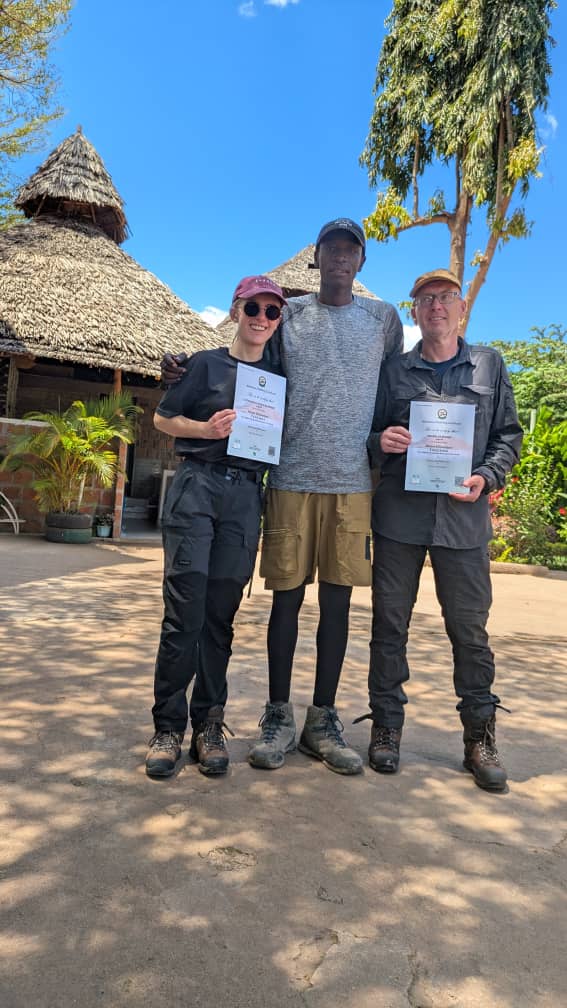

Choosing the right operator is crucial for a successful and safe Kilimanjaro climb. This guide focuses on helping you identify trusted Kilimanjaro climb operators, providing the detailed information you need to make an informed decision for your 2026 or 2027 adventure. We cover everything from understanding the mountain and its routes to practical preparation, cost considerations, and what to expect on the trek.
Quick Facts About Kilimanjaro
| Fact | Details |
|---|---|
| Elevation | 5,895 meters (19,341 feet) |
| Location | Kilimanjaro National Park, Tanzania |
| Highest Point | Uhuru Peak |
| Type of Mountain | Dormant Volcano |
| Climbing Season | January-March, June-October |
| Popular Routes | Machame, Lemosho, Marangu, Rongai |
| Success Rate | Varies by route and operator, typically 65-85% |
| Park Entry Fee | Mandatory, included in operator packages |
Kilimanjaro Climb Overview
Mount Kilimanjaro, the Roof of Africa, is a dormant volcano and the highest free-standing mountain in the world. Its summit, Uhuru Peak, stands at an imposing 5,895 meters (19,341 feet) above sea level. Unlike many other high peaks, Kilimanjaro does not require technical climbing skills. It is a trek, making it accessible to individuals with good physical fitness and a determined spirit. The climb takes you through diverse ecological zones, from lush rainforests at the base to alpine deserts and finally, arctic conditions at the summit. The journey is as much about experiencing the changing landscapes as it is about reaching the peak.
The ascent typically takes between 5 to 9 days, depending on the chosen route. Each day involves hiking for several hours, with campsites offering basic shelter and meals. The ultimate goal is to stand on the rim of the Kibo crater and walk to Uhuru Peak, usually accomplished during a pre-dawn summit push.
Why Choosing a Trusted Operator is Essential
Selecting trusted Kilimanjaro climb operators is not just about getting a good deal; it’s fundamentally about safety, success, and ethical practices. A reputable operator ensures:
- Safety Protocols: Experienced guides are trained in high-altitude medicine and emergency procedures. They carry essential first-aid supplies and oxygen.
- Qualified Crew: They employ experienced guides, cooks, and porters who are well-compensated and treated ethically. This ensures a motivated and professional team.
- Proper Equipment: High-quality tents, sleeping mats, cooking gear, and safety equipment are provided.
- Logistics Management: Smooth transportation, park fee handling, and timely provision of meals and water are managed effectively.
- Environmental Responsibility: Adherence to park regulations regarding waste disposal and conservation.
- Success Rates: Well-managed climbs with proper acclimatization strategies significantly increase the chances of reaching the summit.
Choosing an operator solely based on price can lead to compromised safety, poor service, and an unpleasant experience. Look for operators who are transparent about their practices and pricing.
Understanding Kilimanjaro Routes
Kilimanjaro offers several distinct routes, each with its own characteristics, scenery, difficulty, and acclimatization profile. Understanding these differences is key to selecting the best route for your fitness level and preferences.
Marangu Route (Coca-Cola Route)
The Marangu route is the oldest and most established. It’s known for its unique hut accommodation (dormitory-style) rather than camping. It’s often considered one of the easier routes due to its gradual ascent and shorter hiking days. However, its direct path offers less optimal acclimatization, leading to lower summit success rates compared to longer routes.
- Duration: 5-6 days
- Scenery: Beautiful, but can be crowded.
- Accommodation: Mountain huts.
- Acclimatization: Poorer.
- Difficulty: Moderate.
Machame Route (Whiskey Route)
The Machame route is one of the most popular trekking routes. It’s known for its scenic beauty and excellent acclimatization profile, often referred to as “climbing high, sleeping low.” It offers camping accommodation and is generally considered more challenging than Marangu due to longer daily hikes and steeper ascents. The 7-day option is highly recommended for better acclimatization and higher success rates. You can find group departures for the Machame route here: Kilimanjaro Machame Group Departures.
- Duration: 6-7 days
- Scenery: Spectacular, diverse landscapes.
- Accommodation: Camping.
- Acclimatization: Good.
- Difficulty: Moderate to Difficult.
Lemosho Route
The Lemosho route is a newer and highly scenic option. It starts in the west and crosses the Shira Plateau, offering stunning views and excellent acclimatization. It’s a longer route, typically 7-8 days, which significantly increases the chances of reaching the summit. It’s considered one of the most beautiful routes.
- Duration: 7-8 days
- Scenery: Very scenic, remote feel initially.
- Accommodation: Camping.
- Acclimatization: Excellent.
- Difficulty: Moderate to Difficult.
Shira Route
Similar to Lemosho, the Shira route begins in the west but starts at a higher altitude on the Shira Plateau. This means less time for acclimatization on the initial days, making it less ideal for first-time high-altitude trekkers compared to Lemosho. It’s often combined with other routes.
- Duration: 7-8 days
- Scenery: Beautiful, especially the Shira Plateau.
- Accommodation: Camping.
- Acclimatization: Moderate (starts higher).
- Difficulty: Moderate to Difficult.
Rongai Route
The Rongai route approaches Kilimanjaro from the north, near the Kenyan border. It’s a good alternative during the wetter months as the north side receives less rain. It’s a gradual ascent, offering a different perspective of the mountain. It’s generally considered less scenic than the southern routes but provides a quieter experience.
- Duration: 6-7 days
- Scenery: Less dramatic than southern routes, but unique.
- Accommodation: Camping.
- Acclimatization: Good.
- Difficulty: Moderate.
Northern Circuit
The Northern Circuit is the longest route on Kilimanjaro, typically taking 9 days. It circles the mountain, offering the best acclimatization and highest success rates. It’s also one of the most scenic and remote routes, providing a unique experience for those with more time.
- Duration: 9 days
- Scenery: Excellent, diverse, and remote.
- Accommodation: Camping.
- Acclimatization: Excellent.
- Difficulty: Moderate.
Umbwe Route
The Umbwe route is the shortest and steepest route. It’s known for its rapid ascent and challenging terrain, making it suitable only for very experienced and fit climbers who are already well-acclimatized. It offers poor acclimatization and has a very low summit success rate. It is not recommended for most trekkers.
- Duration: 5-6 days
- Scenery: Direct and dramatic.
- Accommodation: Camping.
- Acclimatization: Poor.
- Difficulty: Very Difficult.
Kilimanjaro Route Comparison Table
| Route | Duration (Days) | Scenery | Acclimatization | Difficulty | Accommodation | Crowds |
|---|---|---|---|---|---|---|
| Marangu | 5-6 | Good | Poor | Moderate | Huts | High |
| Machame | 6-7 | Excellent | Good | Moderate-Difficult | Camping | High |
| Lemosho | 7-8 | Excellent | Excellent | Moderate-Difficult | Camping | Moderate |
| Shira | 7-8 | Very Good | Moderate | Moderate-Difficult | Camping | Moderate |
| Rongai | 6-7 | Good | Good | Moderate | Camping | Low |
| Northern Circuit | 9 | Excellent | Excellent | Moderate | Camping | Low |
| Umbwe | 5-6 | Good | Poor | Very Difficult | Camping | Low |
Best Time to Climb Kilimanjaro (2026-2027)
Kilimanjaro can be climbed year-round, but certain periods offer more favorable weather conditions. The best times are generally during the dry seasons:
- January to March: Generally dry and warm, with clear skies. This is a popular time.
- June to October: Another dry season, though cooler than the first. This period is also very popular.
The shorter, wetter seasons are:
- April to May: The main rainy season. Avoid if possible.
- November to December: A shorter, less intense rainy season. It can still be a good time to climb, with fewer crowds and potentially lower prices.
For 2026 and 2027, these patterns are expected to continue. If you are looking for the best weather, aim for the January-March or June-October windows. For those seeking fewer crowds and potentially better value, the shoulder seasons (November-December and late March) can be considered, but with a higher chance of rain.
What to Expect on the Mountain
Acclimatization and Altitude Sickness
Altitude sickness (Acute Mountain Sickness – AMS) is the most significant risk on Kilimanjaro. Symptoms can include headache, nausea, dizziness, and fatigue. Proper acclimatization is key to preventing and managing AMS. This is achieved by:
- Choosing a longer route (7+ days).
- Ascending slowly and steadily.
- “Climbing high, sleeping low” (descending slightly after reaching a high point during the day).
- Staying hydrated.
- Avoiding alcohol and strenuous activity on the first day.
- Communicating any symptoms to your guide immediately.
Trusted operators prioritize acclimatization, often having protocols in place and carrying supplemental oxygen and medical kits.
Daily Life on the Trek
A typical day on Kilimanjaro involves waking up, having breakfast, packing your daypack, and then hiking for 4-8 hours. The pace is slow and steady, known as “pole pole” (slowly, slowly). You’ll stop for lunch and breaks along the way. The scenery changes dramatically as you ascend through different ecological zones.
Food and Accommodation
For camping routes, you’ll sleep in sturdy tents. Meals are prepared by your cook, ranging from porridge and eggs for breakfast to hearty lunches and dinners like stews, pasta, and rice dishes. Vegetarian and other dietary needs can usually be accommodated with advance notice. Water is boiled or purified. On the Marangu route, you’ll stay in basic mountain huts with communal sleeping areas.
The Kilimanjaro Crew
Your climbing crew is vital to your experience. It typically includes:
- Lead Guide: Experienced, certified in wilderness first aid, responsible for your safety and route decisions.
- Assistant Guides: Support the lead guide, especially on summit night.
- Cook: Prepares all meals.
- Porters: Carry all group gear, including tents, food, and your main luggage.
Ethical treatment of porters, including fair wages, adequate food, and appropriate gear, is a hallmark of trusted operators. Look for companies that are members of organizations like the Kilimanjaro Porters Assistance Project (KPAP).
Key Criteria for Selecting Trusted Kilimanjaro Climb Operators
When evaluating potential operators for your Kilimanjaro climb, consider these critical factors:
Safety First
- Guide Certification: Are guides certified in wilderness first aid and high-altitude medicine?
- Emergency Protocols: What is their plan for medical emergencies? Do they carry oxygen and a comprehensive first-aid kit?
- Crew Ratios: Is there a good guide-to-climber ratio, especially on summit night?
- Experience: How long has the company been operating climbs on Kilimanjaro?
Ethical Practices
- Porter Welfare: Do they adhere to fair wages and treatment standards for porters? Are they affiliated with KPAP or similar organizations?
- Environmental Policy: Do they follow leave-no-trace principles and manage waste responsibly?
Quality of Service
- Group Size: What are typical group sizes? Smaller groups often offer a more personalized experience.
- Equipment: Do they provide high-quality, well-maintained tents, sleeping bags, and other gear?
- Food: Is the food varied, nutritious, and prepared hygienically?
- Itinerary: Does the itinerary allow for sufficient acclimatization (7+ days recommended)?
Transparency and Reputation
- Pricing: Is the pricing clear? Beware of extremely low prices that might indicate cutbacks on safety or crew welfare.
- Reviews: Check independent reviews on platforms like TripAdvisor.
- Communication: Is the company responsive and helpful to your inquiries?
Preparation and Packing Guide
Physical Training
Kilimanjaro is a challenging trek that requires good cardiovascular fitness and leg strength. Focus on:
- Aerobic Exercise: Regular activities like hiking, running, cycling, or swimming for at least 3-4 times a week.
- Hiking with a Pack: Simulate trek conditions by hiking with a weighted backpack, ideally on inclines or stairs.
- Strength Training: Focus on legs (squats, lunges) and core strength.
- Stamina Building: Engage in longer hikes (4-6 hours) in the months leading up to your climb.
While you don’t need to be an elite athlete, being physically prepared will make the climb more enjoyable and increase your chances of success.
Essential Gear List
Packing the right gear is essential for comfort and safety. Layering is key to adapting to changing temperatures.
| Category | Item | Notes |
|---|---|---|
| Headwear | Warm Hat (Beanie) | For cold nights and summit day. |
| Sun Hat/Cap | For sun protection during the day. | |
| Balaclava/Neck Gaiter | For wind and cold protection. | |
| Sunglasses | High UV protection. | |
| Upper Body | Base Layers (Thermal Tops) | Moisture-wicking, 2-3 pairs. |
| Mid-Layer (Fleece Jacket/Hoodie) | For insulation, 1-2. | |
| Outer Layer (Waterproof & Windproof Jacket) | Gore-Tex or similar, essential. | |
| Lower Body | Base Layers (Thermal Bottoms) | Moisture-wicking, 1-2 pairs. |
| Hiking Trousers | Comfortable, quick-drying, 2 pairs. | |
| Waterproof Overtrousers | Essential for rain. | |
| Insulated Pants (Optional) | For very cold conditions. | |
| Shorts (Optional) | For lower, warmer altitudes. | |
| Footwear | Hiking Boots | Waterproof, broken-in, sturdy. |
| Camp Shoes/Sandals | For relaxing at camp. | |
| Hiking Socks | Wool or synthetic, 4-6 pairs. | |
| Hands | Gloves (Liner) | Thin, for dexterity. |
| Warm Waterproof Gloves/Mittens | Essential for summit night. | |
| Sleeping | Sleeping Bag | Rated to -10°C to -20°C (14°F to -4°F). |
| Sleeping Bag Liner | Adds warmth, keeps bag clean. | |
| Inflatable Pillow (Optional) | For comfort. | |
| Ear Plugs | For noisy campsites. | |
| Backpack & Bags | Duffel Bag (100-120L) | Waterproof, for porters to carry. |
| Daypack (30-40L) | For essentials during the hike. | |
| Waterproof Pack Cover | For daypack. | |
| Dry Bags/Stuff Sacks | To organize and protect gear within duffel. | |
| Rain Cover for Duffel | Optional but recommended. | |
| Other Essentials | Water Bottles/Hydration Reservoir | Min 3 liters capacity. |
| Headlamp/Torch | With spare batteries. | |
| Trekking Poles | Highly recommended for knees. | |
| First-Aid Kit | Personal items, blister treatment, pain relievers. | |
| Sunscreen & Lip Balm | High SPF. | |
| Insect Repellent | Especially for lower altitudes. | |
| Personal | Toiletries | Biodegradable soap, toothbrush, toothpaste. |
| Hand Sanitizer | Essential. | |
| Toilet Paper | For emergencies. | |
| Camera & Power Bank | For photos and devices. | |
| Snacks | Energy bars, nuts, dried fruit. | Operator provides meals, but personal snacks help. |
| Passport, Visa, Tickets | Keep in a waterproof bag. | Plus copies. |
Health and Vaccinations
Consult your doctor or a travel clinic well in advance of your trip (at least 6-8 weeks). Recommended vaccinations may include:
- Yellow Fever (may be required for entry into Tanzania or if traveling from a Yellow Fever zone).
- Hepatitis A and B
- Typhoid
- Tetanus and Diphtheria
- Polio
Malaria prophylaxis is often recommended for Tanzania, though the risk is lower at higher altitudes on Kilimanjaro itself. Discuss options with your doctor.
Common Mistakes to Avoid
Many trekkers make common errors that can impact their experience or success. Be aware of these:
- Choosing a Cheap Operator: As mentioned, this is the most significant mistake, often leading to compromised safety, poor food, and overworked crew.
- Insufficient Acclimatization: Opting for shorter routes (5-6 days) significantly reduces your chances of reaching the summit and increases AMS risk.
- Poor Physical Preparation: Underestimating the physical demands can lead to exhaustion and early withdrawal.
- Inadequate Gear: Not packing warm enough layers or proper waterproofs can make the climb miserable and dangerous.
- Dehydration: Not drinking enough water is a major contributor to altitude sickness.
- Going Too Fast: Ignoring the “pole pole” mantra and pushing yourself too hard, especially on summit night.
- Ignoring Symptoms: Not communicating signs of altitude sickness to your guide.
- Packing Too Much or Too Little: Overpacking makes the porter’s job harder and your trek heavier; underpacking leaves you unprepared.
Who is a Kilimanjaro Climb Best For?
Kilimanjaro is an achievable goal for many, not just seasoned mountaineers. It’s best suited for:
- Adventurous Individuals: Those seeking a significant physical and mental challenge with a spectacular reward.
- Nature Enthusiasts: People who appreciate diverse ecosystems and breathtaking mountain scenery.
- First-Time High-Altitude Trekkers: With proper preparation and a good operator, it’s an excellent introduction to high-altitude trekking.
- Bucket List Travelers: Those who want to conquer one of the world’s most iconic peaks.
- Honeymooners & Couples: A unique shared challenge and accomplishment.
- Groups of Friends: A memorable shared adventure.
It is generally not recommended for individuals with serious pre-existing heart or lung conditions without thorough medical consultation and clearance. Children under 10 are typically not permitted.
Alternatives to Kilimanjaro
While Kilimanjaro is unique, other African peaks offer incredible trekking experiences:
- Mount Kenya: Africa’s second-highest mountain, offering more technical climbing routes and stunning alpine scenery.
- Mount Meru: A beautiful volcanic peak near Kilimanjaro, often used for acclimatization, offering great wildlife viewing in its lower reaches.
- Simien Mountains (Ethiopia): Known for dramatic escarpments, unique wildlife, and cultural immersion.
- Rwenzori Mountains (Uganda): The “Mountains of the Moon,” offering glacier-capped peaks and a challenging, wild trekking experience.
If your interest is in wildlife safaris, consider exploring Tanzania’s renowned national parks. Our offerings include extensive Tanzania Safari Group Departures and Shared Tours, providing incredible opportunities to see the “Big Five” and witness the Great Migration.
Planning Your 2026-2027 Kilimanjaro Climb
Planning ahead is key for a successful Kilimanjaro climb, especially for specific dates in 2026 and 2027. Here’s a timeline:
12+ Months Before
- Research Kilimanjaro and its routes.
- Decide on your preferred climbing season (dry seasons are ideal).
- Start researching and shortlisting trusted Kilimanjaro climb operators.
- Begin a consistent fitness program.
9-12 Months Before
- Finalize your operator choice and book your climb. This is especially important for popular dates in 2026 and 2027.
- Secure your travel dates and book flights.
6-9 Months Before
- Intensify your physical training.
- Start researching and acquiring essential gear.
- Consult your doctor about necessary vaccinations and health precautions.
3-6 Months Before
- Purchase major gear items (boots, sleeping bag, backpack).
- Continue consistent training.
- Confirm travel insurance details (ensure it covers high-altitude trekking and emergency evacuation).
1-3 Months Before
- Finalize all gear purchases and test them out.
- Pack your duffel bag and daypack.
- Review pre-climb information provided by your operator.
- Get any recommended vaccinations.
1-2 Weeks Before
- Lighten your training but maintain activity.
- Ensure all travel documents are in order.
- Mentally prepare for the challenge.
Reviews and Social Proof
Hearing from past climbers is invaluable. Look for reviews from independent sources. For example, you can see what travelers have said about our services here: Traveler Feedback on TripAdvisor. Following companies on social media platforms like Instagram can also provide a glimpse into recent trips and the client experience. See our recent adventures on Instagram.
Booking Your Kilimanjaro Climb
When you are ready to book, here is some advice:
- Direct Contact: It is often best to contact operators directly. This allows for personalized advice and clarification of any doubts. You can reach us via WhatsApp at +255616946642 or email us at topguideadventures@gmail.com (backup: info@topguideadventures.com).
- Ask Questions: Don’t hesitate to ask about guide experience, safety protocols, porter welfare policies, group sizes, and what is precisely included in the price.
- Understand Inclusions/Exclusions: Ensure you know what the quoted price covers (park fees, crew salaries, food, accommodation, transfers) and what it doesn’t (tips, personal gear, flights, visas, travel insurance).
- Payment Schedule: Reputable operators typically require a deposit to secure your booking, with the balance due closer to the climb date.
- Contract: Read the terms and conditions carefully before signing or paying.
For those interested in combining their Kilimanjaro adventure with other Tanzanian experiences, we offer a range of Tanzania safari tours and can create custom itineraries. You can also explore our other website at www.topguideadventures.com.
Frequently Asked Questions (FAQs)
Q1: How difficult is climbing Kilimanjaro?
Kilimanjaro is a challenging trek due to its altitude. While it doesn’t require technical climbing skills, good physical fitness, proper acclimatization, and mental fortitude are essential. The difficulty varies by route; longer routes like Lemosho or Northern Circuit are generally considered more manageable due to better acclimatization.
Q2: What is the success rate for climbing Kilimanjaro?
Success rates vary significantly by route, duration, operator, and individual climber preparation. Routes with better acclimatization profiles (7+ days) typically have higher success rates, often ranging from 65% to over 85%. Shorter, steeper routes have much lower success rates.
Q3: How much should I tip the crew in 2026-2027?
Tipping is customary and greatly appreciated. Recommended amounts vary, but a general guideline is around $250-$350 per climber for the entire crew (guides, cook, porters) for a 7-day climb. Your operator will usually provide specific recommended tipping guidelines.
Q4: Can I climb Kilimanjaro solo?
Kilimanjaro National Park regulations require all climbers to be accompanied by a registered guide. While you can book a private climb, you will always have at least one guide with you. Joining a group climb is a common and often more affordable option.
Q5: What is the best route for beginners?
For beginners, the Machame (7-day), Lemosho (7-8 day), or Rongai (7-day) routes are highly recommended. They offer good acclimatization profiles and scenic beauty, increasing your chances of a successful and enjoyable climb.
Q6: How much does a Kilimanjaro climb cost?
The cost varies widely depending on the operator, route duration, and inclusions. Budget operators might start lower, while premium operators offering higher safety standards and better crew welfare can be more expensive. Expect prices to range from $1,500 to $4,000+ per person for a 7-day climb, excluding flights and personal gear.
Q7: What altitude is Uhuru Peak?
Uhuru Peak is the summit of Kilimanjaro and stands at 5,895 meters (19,341 feet) above sea level.
Q8: Do I need special mountaineering equipment?
No, Kilimanjaro is a trekking peak. You do not need technical mountaineering equipment like ropes, ice axes, or crampons (though microspikes can be useful for icy sections on summit night). You need good quality hiking gear, warm clothing, and sturdy boots.
Q9: What happens if I get altitude sickness?
If you show symptoms of altitude sickness, your guide will assess your condition. Mild symptoms might be managed with rest, hydration, and medication. If symptoms worsen, descent is the only cure. Your safety is the top priority, and your guide will make the decision to descend if necessary.
Q10: Can I combine Kilimanjaro with a safari?
Absolutely! Many travelers combine their Kilimanjaro climb with a safari in Tanzania’s world-renowned national parks like the Serengeti, Ngorongoro Crater, or Tarangire. We specialize in creating these combined itineraries. Explore our safari options here: Tanzania Safari Group Departures.
Ready to Climb Kilimanjaro? Contact Us!
Choosing trusted Kilimanjaro climb operators is the first step towards an unforgettable adventure. At [Your Company Name], we are committed to providing safe, ethical, and memorable Kilimanjaro climbing experiences. We offer well-planned itineraries, experienced guides, and a dedicated crew, ensuring you have the best possible chance of reaching Uhuru Peak. Let us help you plan your dream climb for 2026 or 2027.
Contact us today for a personalized quote and expert advice:
- WhatsApp: +255616946642
- Email: topguideadventures@gmail.com
- Backup Email: info@topguideadventures.com
Visit our websites for more information: The Top Guide Adventures Tanzania and www.topguideadventures.com.
Complete Trusted Kilimanjaro Climb Operators Planning Details for 2026- 2027-2028
Trusted Kilimanjaro Climb Operators needs more than a quick description because travelers normally want to understand timing, route logic, comfort level, inclusions, local support, safety, and how the trip fits with the rest of a Tanzania journey. For 2026- 2027-2028, the best plan is to compare the route, travel month, daily pace, accommodation style, and transport arrangement before confirming.
A strong plan should explain where the trip starts, what happens each day, how long transfers may take, what travelers should prepare, and which parts can be customized. This makes the page useful for families, couples, solo travelers, private groups, budget travelers, mid-range guests, and luxury travelers.
Important things to confirm before booking
- Exact starting point and pickup time.
- Accommodation level or day-trip timing.
- Transport type and guide arrangement.
- Park fees, activities, meals, drinking water, and transfers.
- Best travel month for weather, wildlife, trekking, beaches, or photography.
- Payment plan, deposit, cancellation terms, and changes if travel dates move.
Trusted Kilimanjaro Climb Operators Sample Structure and Route Logic
Most travelers choose Trusted Kilimanjaro Climb Operators because they want a clear experience that is easy to understand and simple to book. The structure should feel practical: arrival or pickup, main activity, important stops, relaxed timing, overnight or return plan, and final drop-off. When the topic involves safari, the route should respect park distance and game drive time. When it involves Kilimanjaro, the route should respect acclimatization and safe pacing. When it involves Zanzibar, the plan should balance ocean activities, culture, relaxation, and transfer time.
| Planning Area | What to Check | Why It Matters |
|---|---|---|
| Timing | Season, pickup time, daily pace, and activity duration | Helps avoid rushed travel and gives better value |
| Comfort | Budget, mid-range, luxury, private, or shared style | Matches the trip with the traveler expectation |
| Logistics | Transfers, vehicle, guide, permits, and entry rules | Prevents surprises during the trip |
| Booking | Deposit, availability, route, inclusions, and final balance | Makes confirmation smooth and transparent |
Top Guide Adventures Recommendation
Best Tanzania Tour operator recommends treating Trusted Kilimanjaro Climb Operators as a complete travel plan rather than only a title. A good operator should explain the route, guide support, what is included, what is excluded, how timing works, and what can be adjusted. Travelers can also compare Tanzania safari group departures and shared tours, check Machame Route Kilimanjaro group departures, or read more articles in the Tanzania safari tours blog.
For a more personal look at current trips and field updates, travelers may follow Top Guide Adventures on Instagram, review traveler feedback on Tripadvisor, or visit our another website.
Trusted Kilimanjaro Climb Operators FAQs for 2026- 2027-2028
How early should I book Trusted Kilimanjaro Climb Operators?
Booking early is better for 2026- 2027-2028, especially for high season, family travel, group departures, Kilimanjaro routes, Serengeti safaris, Zanzibar holidays, and private customized tours.
Can this trip be customized?
Yes. The route, accommodation level, pace, pickup point, and add-ons can usually be adjusted depending on availability and the travel dates.
Is Trusted Kilimanjaro Climb Operators suitable for first-time travelers?
Yes, when the itinerary is explained clearly and the guide support is reliable. First-time travelers should ask for a simple day-by-day plan, inclusions, exclusions, and preparation notes.
What should I ask before confirming?
Ask about transport, guide, meals, park or activity fees, accommodation, payment plan, cancellation terms, and what happens if weather or travel timing changes.
Trusted Kilimanjaro Climb Operators Detailed Cost and Value Notes
Cost can change by season, accommodation level, group size, park rules, transfer distance, and activity style. A useful page should explain what usually affects price rather than only giving one short number. Travelers comparing this topic for 2026-2027 should check whether transport, guide, meals, drinking water, accommodation, park fees, permits, and airport transfers are included.
Trusted Kilimanjaro Climb Operators should be explained with enough detail for a traveler to understand the route, timing, comfort level, inclusions, exclusions, preparation, and booking steps. Repeating the focus topic naturally in helpful planning areas makes the article stronger without stuffing keywords.
Trusted Kilimanjaro Climb Operators Best Traveler Type for This Plan
This plan can work for different travelers when the details are adjusted correctly. Families may need softer timing and private transport, couples may prefer better rooms and scenic pacing, group travelers may focus on shared departures and value, while photographers may need more time in key locations.
Trusted Kilimanjaro Climb Operators should be explained with enough detail for a traveler to understand the route, timing, comfort level, inclusions, exclusions, preparation, and booking steps. Repeating the focus topic naturally in helpful planning areas makes the article stronger without stuffing keywords.
Trusted Kilimanjaro Climb Operators Common Booking Mistakes to Avoid
Common mistakes include choosing only by the cheapest price, ignoring transfer time, booking without checking inclusions, using a rushed itinerary, not confirming accommodation names, and failing to ask how changes are handled if flights, weather, or park timing changes.
Trusted Kilimanjaro Climb Operators should be explained with enough detail for a traveler to understand the route, timing, comfort level, inclusions, exclusions, preparation, and booking steps. Repeating the focus topic naturally in helpful planning areas makes the article stronger without stuffing keywords.
Trusted Kilimanjaro Climb Operators What Makes a Strong Itinerary
A strong itinerary has a clear start point, realistic daily timing, enough activity time, transparent inclusions, simple communication, and a guide or operations team that understands local routes. It should also leave space for comfort, photos, meals, and unexpected delays.
Trusted Kilimanjaro Climb Operators should be explained with enough detail for a traveler to understand the route, timing, comfort level, inclusions, exclusions, preparation, and booking steps. Repeating the focus topic naturally in helpful planning areas makes the article stronger without stuffing keywords.
Trusted Kilimanjaro Climb Operators Final Planning Advice for 2026-2027
For 2026-2027, travelers should book early for busy seasons, compare the exact route carefully, ask for written inclusions and exclusions, and choose an operator who can explain the trip in practical language. This helps the page become useful for both planning and booking intent.
Trusted Kilimanjaro Climb Operators should be explained with enough detail for a traveler to understand the route, timing, comfort level, inclusions, exclusions, preparation, and booking steps. Repeating the focus topic naturally in helpful planning areas makes the article stronger without stuffing keywords.
Plan your Trusted Kilimanjaro Climb Operators with Top Guide Adventures
Tell us your travel dates, group size, comfort level, and dream experience. We will help you shape a clear, realistic, and memorable Tanzania itinerary.







 Veedesigner
 Fatma Kizanga
 Benjamin Waryuba
 Philip Philip
 John jr Itaja
 Antonia Optatus
 Edith Kanyere
 Neema Iddy
 Kelvin Boniphace
 Damari Maiga



