
Updated planning guide for 2026, 2027-2028
Guaranteed Kilimanjaro Group Climbs: Expert Trekking Guide 2026-2027-2028
Discover everything you need to know about guaranteed Kilimanjaro group climbs. This comprehensive guide covers planning, routes, preparation, and booking for your unforgettable adventure.
WhatsApp +255616946642 | topguideadventures@gmail.com | info@topguideadventures.com
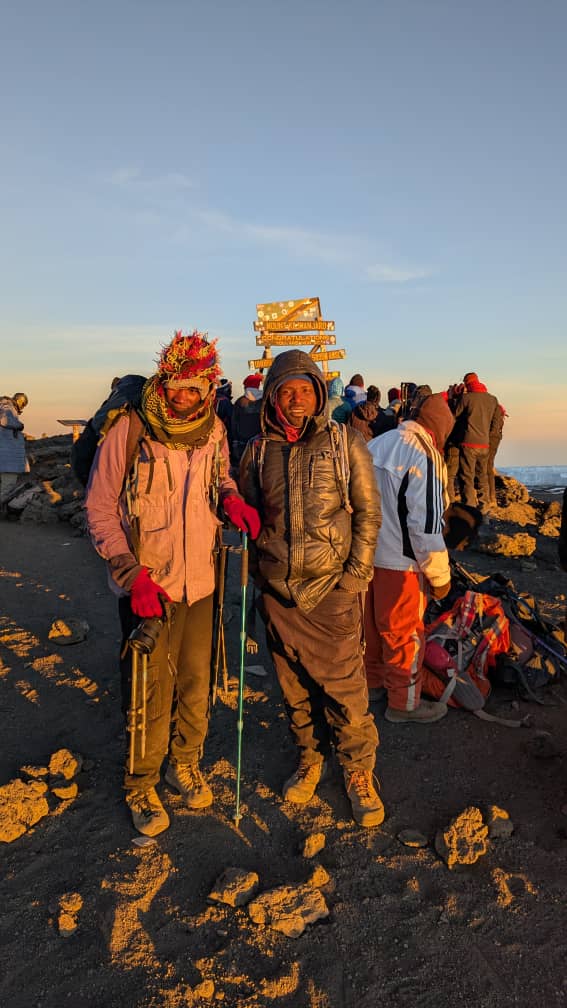
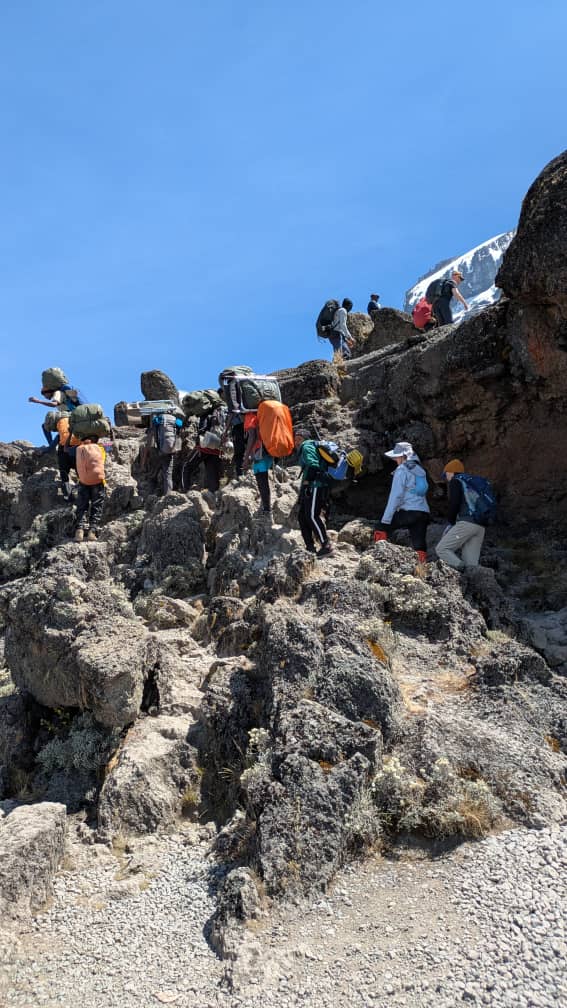
Introduction to Guaranteed Kilimanjaro Group Climbs
Climbing Mount Kilimanjaro is a dream for many adventurers, and doing so as part of a group offers a unique blend of camaraderie, shared challenge, and often, greater value. A guaranteed Kilimanjaro group climb means your departure date is confirmed, regardless of how many individuals have signed up. This certainty is invaluable for planning your international travel, time off work, and other connected arrangements. As a leading Tanzania tour operator, we specialize in creating memorable and successful Kilimanjaro expeditions. This guide provides everything you need to know to select, prepare for, and book your guaranteed Kilimanjaro group climb with confidence, looking ahead to peak seasons in 2026 and 2027.
Kilimanjaro Group Climb: Quick Facts
| Feature | Details |
|---|---|
| Mountain | Mount Kilimanjaro, Tanzania |
| Elevation | 5,895 meters (19,341 feet) |
| Type of Climb | Non-technical trekking peak |
| Group Size | Varies; typically 4-16 climbers per group |
| Guaranteed Departures | Confirmed dates with minimum numbers met or operator commitment |
| Typical Duration | 5 to 9 days (depending on route) |
| Best Season | January-March, June-October |
| Difficulty | Challenging due to altitude and duration |
| Logistics | Requires permits, guides, porters, cooks, park fees |
Why Choose a Guaranteed Kilimanjaro Group Climb?
Opting for a guaranteed Kilimanjaro group climb offers several distinct advantages that make the expedition more accessible and enjoyable for many travelers:
- Cost-Effectiveness: Sharing costs for guides, porters, park fees, and group logistics generally makes group climbs more affordable than private expeditions. Guaranteed departures often ensure that even smaller groups can proceed without incurring prohibitive per-person costs.
- Companionship and Support: Trekking with like-minded individuals creates a supportive atmosphere. You’ll share the highs and lows of the journey, celebrate summit success together, and find encouragement during challenging moments. This shared experience can be incredibly motivating.
- Logistical Certainty: The “guaranteed” aspect is crucial. It means your chosen departure date is fixed, allowing you to book flights, arrange leave from work, and plan your overall travel itinerary with confidence. You won’t have to worry about a climb being canceled due to low numbers, a common concern with private treks.
- Expert Guidance: Reputable tour operators running guaranteed group climbs employ experienced, licensed guides and a full support crew (porters and cooks). This ensures safety, efficiency, and a higher chance of success.
- Environmental Responsibility: Established operators often have strong policies for responsible tourism, including waste management and ethical treatment of staff, which are standard for all their group expeditions.
Understanding What “Guaranteed” Means
The term “guaranteed departure” in the context of Kilimanjaro group climbs can sometimes be interpreted differently by operators. It’s essential to clarify what this means with your chosen tour company:
- Fixed Date, Minimum Numbers: Most commonly, a guaranteed departure means the climb will happen on the scheduled date as long as a minimum number of participants (e.g., 4 or 6) have booked. If this minimum isn’t met, the operator might offer an alternative date or a private climb at a slightly higher cost.
- Operator Commitment: Some highly reputable operators offer true “guaranteed departures” where the climb happens on the scheduled date regardless of the number of bookings. This is often a sign of a well-established company with a strong commitment to their clients.
- No Hidden Fees: A truly guaranteed group climb should not have last-minute price increases if the group size is small. The price quoted for the guaranteed date should be firm.
Always ask your tour operator for their specific policy on guaranteed departures. Top Guide Adventures, for instance, aims to provide reliable group departures, making your planning for 2026 and 2027 straightforward.
Best Time to Climb Kilimanjaro in a Group
Kilimanjaro can be climbed year-round, but certain periods offer significantly better weather conditions, increasing your chances of a successful and enjoyable summit attempt. These are also the most popular times for group climbs.
- Dry Seasons (Peak Seasons):
- June to October: This is the longest dry season, characterized by clear skies, sunny days, and cold nights. It’s a prime time for climbing, offering excellent visibility and stable weather. This period is very popular for guaranteed group departures.
- January to March: The second dry season, offering pleasant temperatures and clear views. However, it can be warmer at lower altitudes and there’s a chance of snow on the summit. This is also a popular time for group climbs, especially around the new year.
- Wet Seasons (Shoulder/Low Seasons):
- April and May: These are the wettest months, with heavy rainfall, particularly on the lower slopes. Visibility can be poor, and trails can be muddy and slippery. Group departures are less common and may be cheaper, but the conditions are more challenging.
- November and December: These months mark the short rainy season. Rainfall is less intense than in April/May but can still occur, often in the afternoons. There’s a chance of clearing skies between showers.
For guaranteed Kilimanjaro group climbs in 2026 and 2027, aiming for the dry seasons (June-October and January-March) is highly recommended for the best experience.
Popular Kilimanjaro Routes for Group Climbs
Several routes ascend Kilimanjaro, each offering a different experience in terms of scenery, difficulty, acclimatization profile, and crowds. For group climbs, operators often favor routes that provide good acclimatization and a higher success rate.
- Marangu Route (Coca-Cola Route): The oldest and most direct route. It’s known for its “huts” instead of camping, offering basic accommodation. It’s also the shortest and has a relatively poor acclimatization profile, leading to lower success rates. Often chosen for its perceived simplicity and lower cost, but not ideal for optimal acclimatization.
- Machame Route (Whiskey Route): The most popular route due to its excellent acclimatization profile, stunning scenery, and good success rates. It’s a camping route that traverses the mountain in a “western approach,” offering gradual ascent and “climb high, sleep low” opportunities. This is a top choice for many guaranteed Kilimanjaro group climbs. You can find specific Machame group departure dates here: Machame Route Kilimanjaro Group Departures Dates.
- Lemosho Route: Considered one of the most scenic routes, starting in the west and offering excellent acclimatization. It’s longer than Machame and offers a more remote trekking experience in its early stages. It merges with the Shira route and then joins the Machame route.
- Shira Route: Similar to Lemosho but starts at a higher altitude on the Shira Plateau. While scenic, its higher starting point can pose acclimatization challenges for some.
- Rongai Route: The only route approaching from the north. It’s generally drier than the southern routes, making it a good option during the wetter seasons. It’s a less crowded route with a steady ascent.
- Northern Circuit: The longest and arguably the best route for acclimatization, offering a full 360-degree circuit of the mountain. It has the highest success rates due to its gradual ascent and extended duration (9 days).
- Umbwe Route: The shortest and steepest route, offering a direct and challenging ascent. It has a poor acclimatization profile and is generally recommended only for experienced, fit hikers with prior high-altitude experience. Not typically a first choice for standard group climbs.
For guaranteed Kilimanjaro group climbs, the Machame and Lemosho routes are frequently recommended by operators like Top Guide Adventures for their balance of scenery, acclimatization, and success rates.
Kilimanjaro Route Comparison for Groups
| Route | Duration (Days) | Scenery | Acclimatization | Success Rate | Crowds | Accommodation |
|---|---|---|---|---|---|---|
| Marangu | 5-6 | Moderate | Poor | Lower | High | Huts |
| Machame | 6-7 | Excellent | Good | Good | High | Camping |
| Lemosho | 7-8 | Excellent | Very Good | Very Good | Moderate | Camping |
| Rongai | 6-7 | Good | Good | Good | Lower | Camping |
| Northern Circuit | 9 | Excellent | Excellent | Highest | Lowest | Camping |
Sample 7-Day Machame Route Group Itinerary
This sample itinerary for the Machame Route (often available as guaranteed Kilimanjaro group climbs) balances ascent, acclimatization, and enjoyment of the diverse landscapes. This is a popular choice for 2026 and 2027 bookings.
Day 1: Machame Gate (1,800m) to Machame Camp (3,050m)
Trek: 5-7 hours, 11 km (6.8 miles), ~1,250m ascent.
Description: After a briefing and park registration, you’ll start your trek through the lush rainforest. The path is steep in places but offers beautiful flora and fauna. You’ll reach Machame Camp in the late afternoon.
Day 2: Machame Camp (3,050m) to Shira Camp (3,850m)
Trek: 4-6 hours, 5 km (3.1 miles), ~800m ascent.
Description: Today’s trek takes you out of the rainforest and into moorland. The trail is steep but rewarding with panoramic views. You’ll arrive at Shira Camp, a scenic plateau, in the afternoon.
Day 3: Shira Camp (3,850m) to Lava Tower (4,600m) to Barranco Camp (3,950m)
Trek: 6-8 hours, 10 km (6.2 miles), ~750m ascent, ~650m descent.
Description: This is a crucial day for acclimatization. You’ll climb to Lava Tower, a prominent landmark, before descending to Barranco Camp. This “climb high, sleep low” strategy is vital for adapting to the altitude.
Day 4: Barranco Camp (3,950m) to Karanga Camp (4,000m)
Trek: 3-5 hours, 5 km (3.1 miles), ~400m ascent.
Description: You’ll tackle the famous Barranco Wall, a challenging but manageable scramble. The rest of the day involves trekking through Karanga Valley, with gradual ascent to Karanga Camp.
Day 5: Karanga Camp (4,000m) to Barafu Camp (4,650m)
Trek: 3-5 hours, 4 km (2.5 miles), ~650m ascent.
Description: A shorter trekking day allows you to rest and prepare for summit night. You’ll trek across a barren landscape to Barafu Camp, the base camp from which the summit push begins.
Day 6: Barafu Camp (4,650m) to Summit (Uhuru Peak, 5,895m) to Mweka Camp (3,100m)
Trek: 7-9 hours to summit, 5 km (3.1 miles) ascent; 12 km (7.5 miles) descent.
Description: The summit night begins around midnight. You’ll ascend steeply towards Stella Point and then Uhuru Peak, the highest point in Africa. After celebrating your achievement, you’ll descend back to Barafu Camp for a short rest before continuing down to Mweka Camp.
Day 7: Mweka Camp (3,100m) to Mweka Gate (1,500m)
Trek: 3-5 hours, 10 km (6.2 miles), ~1,600m descent.
Description: A final descent through the rainforest to Mweka Gate, where you’ll receive your summit certificates. You’ll be met by your transport and transferred back to your hotel.
What to Expect During Your Group Climb
Joining a guaranteed Kilimanjaro group climb means preparing for a unique experience. Here’s what you can anticipate:
- Daily Routine: Your days will typically involve waking up early, having breakfast, trekking for several hours, stopping for lunch, continuing to the next camp, having dinner, and then resting. Summit night is a significant exception, starting very late and continuing through the early morning.
- Altitude Effects: Altitude sickness is the primary challenge. Symptoms can include headaches, nausea, dizziness, and fatigue. Proper acclimatization (longer routes are better) and hydration are key. Your guides are trained to monitor your health and make decisions for your safety.
- Weather: Conditions change dramatically with altitude. Expect warm, humid rainforest at the start, cooler moorland, then cold, windy, and potentially icy conditions at the summit. Layers are essential.
- Food: Your support crew will prepare nutritious and filling meals. Expect a mix of local Tanzanian dishes and international cuisine, adapted for high-altitude cooking. Porridge, eggs, rice, pasta, stews, and fresh fruit (where available) are common.
- Accommodation: Most group climbs use tents. Camps are set up in designated areas, offering basic but functional facilities. Your tent, sleeping mat, and meals will be provided.
- Guides and Porters: You’ll be accompanied by a team of experienced guides who are experts in navigation, first aid, and high-altitude physiology. Porters will carry the majority of your gear (tents, food, cooking equipment), leaving you with just a daypack.
- Group Dynamics: While you’ll have your own pace, sticking together as a group, especially on summit night, is important. Support each other, communicate any issues to your guides, and enjoy the shared journey.
- Hygiene: Basic sanitation facilities (pit latrines or portable toilets) are usually available at camps. Carry hand sanitizer and wet wipes.
Preparation and Training for Kilimanjaro
Successful preparation is crucial for any Kilimanjaro climb, especially a group trek where you want to contribute positively to the team’s experience.
Physical Training:
- Cardiovascular Fitness: Focus on activities that build endurance, such as hiking, running, cycling, or swimming. Aim for at least 3-4 sessions per week.
- Hiking: This is the most specific training. Do as many long hikes as possible, ideally with significant elevation gain. Practice hiking with the backpack you intend to use.
- Strength Training: Focus on leg strength (squats, lunges) and core strength to support your body on the trail and carry your daypack.
- Stair Climbing: Simulate uphill trekking by using stairs or stair machines.
- Altitude Simulation: If possible, spend time at higher altitudes before your climb. Even a few days in a mountainous region can help.
Mental Preparation:
- Understand the Challenge: Kilimanjaro is a serious undertaking. Be prepared for physical discomfort, cold, and the effects of altitude.
- Positive Mindset: A positive attitude is invaluable. Focus on the journey and the incredible achievement, rather than just the summit.
- Teamwork: Be a supportive group member. Encourage others and communicate openly with your guides.
Health and Medical:
- Consult Your Doctor: Get a thorough medical check-up and discuss your plans.
- Vaccinations: Ensure your routine vaccinations are up to date. Consult your doctor or a travel clinic about recommended vaccinations for Tanzania (e.g., Yellow Fever, Hepatitis A/B, Typhoid).
- Travel Insurance: Essential. Ensure it covers high-altitude trekking up to 5,895m and emergency medical evacuation.
- Medications: Discuss Diamox (acetazolamide) with your doctor for altitude sickness prevention. Carry a basic first-aid kit.
Essential Packing List for Group Climbers
Packing correctly is vital for comfort and safety. Your tour operator will provide a detailed list, but here are the key categories:
- Clothing:
- Base Layers (thermal tops and bottoms) – synthetic or merino wool
- Mid Layers (fleece jacket or insulated jacket)
- Outer Layer (waterproof and windproof jacket and pants)
- Insulated Down Jacket (for summit night and cold evenings)
- Trekking Trousers (quick-drying)
- Hiking Shirts (quick-drying)
- Warm Hat (beanie)
- Sun Hat or Cap
- Gloves (warm, waterproof outer gloves and thinner liner gloves)
- Socks (wool or synthetic hiking socks, multiple pairs)
- Gaiters (to keep debris out of boots)
- Camp Shoes or Sandals (for relaxing at camp)
- Footwear:
- Sturdy, Broken-in Hiking Boots (waterproof)
- Gear:
- Backpack (40-60 liters for your day essentials)
- Duffel Bag (80-100 liters for porters to carry)
- Sleeping Bag (rated to -15°C or -20°C / 0°F to -4°F)
- Trekking Poles (highly recommended)
- Headlamp or Torch (with extra batteries)
- Water Bottles or Hydration Reservoir (at least 3 liters capacity)
- Water Purification Tablets or Filter (as backup)
- Sunglasses (high UV protection)
- Sunscreen (high SPF)
- Lip Balm with SPF
- Personal First-Aid Kit (including blister treatment)
- Toiletries (biodegradable soap, toothbrush, toothpaste, wet wipes, hand sanitizer)
- Quick-Drying Towel
- Snacks (energy bars, nuts, dried fruit)
- Camera and Spare Batteries/Power Bank
- Passport, Visa, and Copies
- Cash (for tips and personal expenses)
- Optional:
- Binoculars
- Book or Journal
- Duct Tape (for gear repairs)
Common Mistakes to Avoid on Group Climbs
Many trekkers make similar mistakes that can impact their enjoyment or success. Being aware of these can help you have a smoother experience on your guaranteed Kilimanjaro group climb:
- Inadequate Training: Underestimating the physical demands and not training sufficiently is the most common mistake. Kilimanjaro requires endurance.
- Poor Acclimatization Strategy: Choosing a short route (like 5-day Marangu) or ascending too quickly without proper rest and hydration significantly increases the risk of altitude sickness. Longer routes with “climb high, sleep low” are better.
- Improper Gear: Wearing cotton clothing, using ill-fitting boots, or not having adequate warm layers are frequent errors. This can lead to discomfort, blisters, or even hypothermia.
- Insufficient Hydration: Not drinking enough water (aim for 3-5 liters per day) is a major contributor to altitude sickness and fatigue.
- Going Too Fast: The mantra is “pole pole” (slowly, slowly). Rushing your pace, especially on summit night, will exhaust you quickly and hinder acclimatization. Let your guides set the pace.
- Ignoring Symptoms of Altitude Sickness: Trying to “tough it out” when feeling unwell at altitude can be dangerous. Always inform your guides immediately if you feel symptoms.
- Not Packing Enough Warm Layers: The summit is extremely cold. A good down jacket, warm hat, and gloves are non-negotiable.
- Overpacking the Daypack: Carrying too much weight in your daypack will exhaust you faster. Stick to essentials like water, snacks, camera, rain gear, and warm layers.
- Not Breaking in Boots: New boots can cause painful blisters. Always wear and hike in your boots before the trip.
- Forgetting Sun Protection: The sun is intense at high altitudes, even on cloudy days. Sunscreen, lip balm, and sunglasses are essential.
Who is a Kilimanjaro Group Climb Best Suited For?
Guaranteed Kilimanjaro group climbs are ideal for a wide range of individuals seeking an adventurous challenge:
- Budget-Conscious Travelers: Group climbs offer excellent value by spreading fixed costs among more participants.
- Solo Travelers: It’s a fantastic way to meet new people and share an incredible experience with a ready-made group of like-minded individuals.
- Friends and Families: A shared challenge creates lasting memories and strengthens bonds.
- First-Time High-Altitude Trekkers: Provided they choose an appropriate route and follow guide instructions, group climbs offer a structured and supportive environment for those new to high altitudes.
- Adventurous Spirits: Anyone looking for a significant physical and mental challenge with a clear goal and a supportive team.
- Travelers Seeking Certainty: Those who need fixed departure dates for planning purposes will find guaranteed climbs particularly appealing for 2026 and 2027.
While not technically demanding, Kilimanjaro requires good physical fitness and mental fortitude. It’s not a walk in the park, but it is achievable for most reasonably fit individuals with proper preparation.
Alternatives to Group Climbs on Kilimanjaro
If a standard group climb doesn’t perfectly fit your needs, consider these alternatives:
- Private Kilimanjaro Treks: For those who prefer a more personalized experience, a private climb allows you to set your own dates and pace, with your own dedicated team. This is generally more expensive.
- Kilimanjaro Trekking Companies with Specific Interests: Some operators might offer “photography treks,” “women-only treks,” or “family treks” that operate as smaller, specialized groups.
- Other Tanzanian Adventures: If Kilimanjaro feels too daunting or you have less time, consider combining a safari with a shorter trek on Mount Meru, or exploring the unique landscapes of the Great Rift Valley. You can find information on group safari departures here: All Tanzania Safaris Group Departures Dates & Best Shared Tours.
- Tanzania Safaris & Zanzibar Holidays: If your primary interest is wildlife or beach relaxation, Tanzania offers world-class safaris in parks like the Serengeti and Ngorongoro Crater, and idyllic beaches on Zanzibar. These can be booked as group tours or privately.
Planning Your Guaranteed Group Climb for 2026-2027
Booking your Kilimanjaro adventure for 2026 or 2027 requires some foresight. Here’s a guide to help you plan:
1. Choose Your Operator Wisely:
- Reputation: Look for operators with excellent reviews and a proven track record. Check sites like TripAdvisor. For example, see what travelers say about us: Top Guide Adventures Reviews.
- Experience: Select a company with deep local knowledge and experience in running Kilimanjaro climbs.
- Safety Standards: Ensure they have comprehensive safety protocols, trained guides, and emergency plans.
- Ethics: Verify they treat their guides and porters ethically, providing fair wages and good working conditions.
2. Select Your Route and Duration:
- Acclimatization is Key: For a higher success rate and better experience, opt for longer routes (7-9 days). The Machame or Lemosho routes are excellent choices for group climbs.
- Consider Your Fitness: Be realistic about your fitness level and choose a route that matches.
3. Book in Advance:
- Peak Seasons: For 2026 and 2027, the peak seasons (June-Oct, Jan-Mar) are popular. Book at least 6-12 months in advance to secure your spot on a guaranteed group departure, especially if you have specific dates in mind.
- Permits: While the operator handles permits, high demand means booking early is wise.
4. Prepare Your Finances:
- Budget: Understand what is included in the climb price (park fees, guides, porters, food, accommodation before/after) and what is not (flights, visas, tips, personal gear, insurance).
- Deposits: Be ready to pay a deposit upon booking and the balance closer to your departure date.
5. Start Your Training Early:
- Consistent Effort: Begin your physical training at least 3-4 months before your climb.
- Simulate Conditions: Hike with your gear, practice with trekking poles, and try to hike at altitude if possible.
6. Arrange Travel Logistics:
- Flights: Book international flights to Kilimanjaro International Airport (JRO) once your climb dates are confirmed.
- Visas: Check visa requirements for Tanzania for your nationality.
- Vaccinations & Insurance: Get these sorted well in advance.
Booking Your Guaranteed Kilimanjaro Group Climb
Choosing the right tour operator is paramount for a successful and safe Kilimanjaro climb. Here’s practical advice for booking your guaranteed group climb:
- Research Operators: Look for Tanzanian-based companies with strong local operations. They often have better ground knowledge and can offer more competitive pricing. We are a trusted local operator: visit Top Guide Adventures for more information.
- Compare Inclusions: Don’t just compare prices. Compare what’s included. Key items are park fees, rescue fees, guide/porter salaries, food, tents, and pre/post-climb accommodation. Cheaper tours might cut corners on safety or porter welfare.
- Ask About Crew Welfare: Ensure the operator treats their guides and porters well. This includes fair wages, adequate food, proper gear, and humane treatment. Happy staff contribute to a better climb experience.
- Clarify “Guaranteed”: As mentioned, understand precisely what “guaranteed departure” means for the operator you are considering.
- Read Reviews: Look for recent reviews on independent platforms like TripAdvisor. Pay attention to comments about guides, safety, food, and overall organization.
- Communication is Key: Choose an operator who responds promptly and clearly to your queries. Good communication before the climb often indicates good communication during the climb. Contact us via WhatsApp at +255616946642 or email at topguideadventures@gmail.com (backup: info@topguideadventures.com).
- Deposit and Payment: Understand the payment schedule. A deposit is standard, with the balance due a few weeks before departure.
- Terms and Conditions: Read the cancellation policy and terms and conditions carefully.
Booking a guaranteed Kilimanjaro group climb for 2026 or 2027 should be a straightforward process with a reputable operator who prioritizes your safety and experience.
Reviews and Social Proof
Don’t just take our word for it. Hear from travelers who have experienced Kilimanjaro with us:
“Climbing Kilimanjaro with Top Guide Adventures was the adventure of a lifetime. The guides were incredibly knowledgeable and supportive, and the entire crew worked hard to make us comfortable. The Machame route was challenging but breathtaking, and reaching the summit was an unforgettable moment. Highly recommended!” – Sarah K.
“We booked a guaranteed group climb for 2025 and couldn’t be happier. The organization was top-notch from start to finish. The food was surprisingly good, and the camaraderie within the group made the tough days easier. Seeing the sunrise from Uhuru Peak is something I’ll never forget.” – Mark T.
“Top Guide Adventures made our dream of climbing Kilimanjaro a reality. Their attention to safety, ethical treatment of porters, and overall professionalism were outstanding. Even during challenging moments, the guides kept our spirits high. Check out some of our photos and updates on Instagram: @top_guide_adventures.” – Emily R.
Frequently Asked Questions
What is a “guaranteed” Kilimanjaro group climb?
A guaranteed Kilimanjaro group climb means the departure date is confirmed and will proceed regardless of the number of participants, typically subject to a minimum group size (which is often met by the operator’s commitment). This ensures your travel plans are secure for your chosen dates in 2026 or 2027.
What is the success rate for Kilimanjaro group climbs?
Success rates vary significantly by route and duration. Longer routes (7-9 days) with better acclimatization profiles, like the Machame or Lemosho routes, typically have success rates of 80-90% or higher. Shorter routes (5-6 days) have lower success rates due to insufficient acclimatization.
How fit do I need to be for a Kilimanjaro group climb?
You need to be in good cardiovascular condition. While it’s not technically difficult, the altitude and duration are challenging. Consistent hiking and endurance training for 3-4 months prior is recommended.
What is the biggest risk when climbing Kilimanjaro?
The biggest risk is altitude sickness (Acute Mountain Sickness – AMS). Other risks include hypothermia, frostbite, and injuries from falls. Reputable operators prioritize safety with experienced guides and proper acclimatization protocols.
Do I need to tip my guides and porters?
Yes, tipping is customary and highly appreciated. Tour operators provide guidelines for tipping, which should be factored into your budget. This is a significant part of the crew’s income.
What is the best route for acclimatization on a group climb?
The Northern Circuit (9 days) is considered the best for acclimatization, offering the highest success rates. The Lemosho (7-8 days) and Machame (7 days) routes also offer excellent acclimatization profiles and are very popular for group climbs.
Can I climb Kilimanjaro alone?
Yes, you can book a private climb. However, on a guaranteed group climb, you will be part of a larger group, offering companionship and shared costs. Solo travelers are very welcome on our group departures.
What is the cheapest way to climb Kilimanjaro in a group?
Opting for a group climb on a shorter route like Marangu (5 days) might seem cheaper initially, but longer routes (6-7 days) generally offer better acclimatization and higher success rates, making them better value for money overall. Booking during shoulder seasons might also offer slight discounts, but consider the weather.
What should I pack for Kilimanjaro in 2026?
Key items include waterproof/windproof outer layers, warm insulating layers (fleece, down jacket), thermal base layers, sturdy hiking boots, a warm hat and gloves, a good sleeping bag, and trekking poles. A detailed packing list will be provided by your operator.
What is the altitude of Uhuru Peak?
Uhuru Peak, the summit of Mount Kilimanjaro, stands at 5,895 meters (19,341 feet) above sea level.
Ready to Book Your Kilimanjaro Group Climb?
Your dream of standing on the Roof of Africa is within reach. Choosing a guaranteed Kilimanjaro group climb with a trusted partner like Top Guide Adventures ensures a well-organized, safe, and memorable expedition. We are passionate about sharing the magic of Kilimanjaro with adventurers from around the world. Whether you’re planning for 2026 or 2027, our expert team is here to guide you every step of the way.
Don’t leave your adventure to chance. Secure your spot on a confirmed departure and start preparing for an experience that will stay with you forever.
Contact us today to discuss your guaranteed Kilimanjaro group climb:
- WhatsApp: +255616946642
- Email: topguideadventures@gmail.com
- Backup Email: info@topguideadventures.com
Let’s make your Kilimanjaro journey a reality!
Complete Guaranteed Kilimanjaro Group Climbs Planning Details for 2026- 2027-2028
Guaranteed Kilimanjaro Group Climbs needs more than a quick description because travelers normally want to understand timing, route logic, comfort level, inclusions, local support, safety, and how the trip fits with the rest of a Tanzania journey. For 2026- 2027-2028, the best plan is to compare the route, travel month, daily pace, accommodation style, and transport arrangement before confirming.
A strong plan should explain where the trip starts, what happens each day, how long transfers may take, what travelers should prepare, and which parts can be customized. This makes the page useful for families, couples, solo travelers, private groups, budget travelers, mid-range guests, and luxury travelers.
Important things to confirm before booking
- Exact starting point and pickup time.
- Accommodation level or day-trip timing.
- Transport type and guide arrangement.
- Park fees, activities, meals, drinking water, and transfers.
- Best travel month for weather, wildlife, trekking, beaches, or photography.
- Payment plan, deposit, cancellation terms, and changes if travel dates move.
Guaranteed Kilimanjaro Group Climbs Sample Structure and Route Logic
Most travelers choose Guaranteed Kilimanjaro Group Climbs because they want a clear experience that is easy to understand and simple to book. The structure should feel practical: arrival or pickup, main activity, important stops, relaxed timing, overnight or return plan, and final drop-off. When the topic involves safari, the route should respect park distance and game drive time. When it involves Kilimanjaro, the route should respect acclimatization and safe pacing. When it involves Zanzibar, the plan should balance ocean activities, culture, relaxation, and transfer time.
| Planning Area | What to Check | Why It Matters |
|---|---|---|
| Timing | Season, pickup time, daily pace, and activity duration | Helps avoid rushed travel and gives better value |
| Comfort | Budget, mid-range, luxury, private, or shared style | Matches the trip with the traveler expectation |
| Logistics | Transfers, vehicle, guide, permits, and entry rules | Prevents surprises during the trip |
| Booking | Deposit, availability, route, inclusions, and final balance | Makes confirmation smooth and transparent |
Top Guide Adventures Recommendation
Best Tanzania Tour operator recommends treating Guaranteed Kilimanjaro Group Climbs as a complete travel plan rather than only a title. A good operator should explain the route, guide support, what is included, what is excluded, how timing works, and what can be adjusted. Travelers can also compare Tanzania safari group departures and shared tours, check Machame Route Kilimanjaro group departures, or read more articles in the Tanzania safari tours blog.
For a more personal look at current trips and field updates, travelers may follow Top Guide Adventures on Instagram, review traveler feedback on Tripadvisor, or visit our another website.
Guaranteed Kilimanjaro Group Climbs FAQs for 2026- 2027-2028
How early should I book Guaranteed Kilimanjaro Group Climbs?
Booking early is better for 2026- 2027-2028, especially for high season, family travel, group departures, Kilimanjaro routes, Serengeti safaris, Zanzibar holidays, and private customized tours.
Can this trip be customized?
Yes. The route, accommodation level, pace, pickup point, and add-ons can usually be adjusted depending on availability and the travel dates.
Is Guaranteed Kilimanjaro Group Climbs suitable for first-time travelers?
Yes, when the itinerary is explained clearly and the guide support is reliable. First-time travelers should ask for a simple day-by-day plan, inclusions, exclusions, and preparation notes.
What should I ask before confirming?
Ask about transport, guide, meals, park or activity fees, accommodation, payment plan, cancellation terms, and what happens if weather or travel timing changes.
Guaranteed Kilimanjaro Group Climbs Detailed Cost and Value Notes
Cost can change by season, accommodation level, group size, park rules, transfer distance, and activity style. A useful page should explain what usually affects price rather than only giving one short number. Travelers comparing this topic for 2026-2027 should check whether transport, guide, meals, drinking water, accommodation, park fees, permits, and airport transfers are included.
Guaranteed Kilimanjaro Group Climbs should be explained with enough detail for a traveler to understand the route, timing, comfort level, inclusions, exclusions, preparation, and booking steps. Repeating the focus topic naturally in helpful planning areas makes the article stronger without stuffing keywords.
Guaranteed Kilimanjaro Group Climbs Best Traveler Type for This Plan
This plan can work for different travelers when the details are adjusted correctly. Families may need softer timing and private transport, couples may prefer better rooms and scenic pacing, group travelers may focus on shared departures and value, while photographers may need more time in key locations.
Guaranteed Kilimanjaro Group Climbs should be explained with enough detail for a traveler to understand the route, timing, comfort level, inclusions, exclusions, preparation, and booking steps. Repeating the focus topic naturally in helpful planning areas makes the article stronger without stuffing keywords.
Guaranteed Kilimanjaro Group Climbs Common Booking Mistakes to Avoid
Common mistakes include choosing only by the cheapest price, ignoring transfer time, booking without checking inclusions, using a rushed itinerary, not confirming accommodation names, and failing to ask how changes are handled if flights, weather, or park timing changes.
Guaranteed Kilimanjaro Group Climbs should be explained with enough detail for a traveler to understand the route, timing, comfort level, inclusions, exclusions, preparation, and booking steps. Repeating the focus topic naturally in helpful planning areas makes the article stronger without stuffing keywords.
Guaranteed Kilimanjaro Group Climbs What Makes a Strong Itinerary
A strong itinerary has a clear start point, realistic daily timing, enough activity time, transparent inclusions, simple communication, and a guide or operations team that understands local routes. It should also leave space for comfort, photos, meals, and unexpected delays.
Guaranteed Kilimanjaro Group Climbs should be explained with enough detail for a traveler to understand the route, timing, comfort level, inclusions, exclusions, preparation, and booking steps. Repeating the focus topic naturally in helpful planning areas makes the article stronger without stuffing keywords.
Guaranteed Kilimanjaro Group Climbs Final Planning Advice for 2026-2027
For 2026-2027, travelers should book early for busy seasons, compare the exact route carefully, ask for written inclusions and exclusions, and choose an operator who can explain the trip in practical language. This helps the page become useful for both planning and booking intent.
Guaranteed Kilimanjaro Group Climbs should be explained with enough detail for a traveler to understand the route, timing, comfort level, inclusions, exclusions, preparation, and booking steps. Repeating the focus topic naturally in helpful planning areas makes the article stronger without stuffing keywords.
Plan your Guaranteed Kilimanjaro Group Climbs with Top Guide Adventures
Tell us your travel dates, group size, comfort level, and dream experience. We will help you shape a clear, realistic, and memorable Tanzania itinerary.







 Veedesigner
 Fatma Kizanga
 Benjamin Waryuba
 Philip Philip
 John jr Itaja
 Antonia Optatus
 Edith Kanyere
 Neema Iddy
 Kelvin Boniphace
 Damari Maiga



