
Updated planning guide for 2026, 2027-2028
Safe Machame Route Climb: Expert Trekking Guide 2026-2027-2028
Planning a Kilimanjaro adventure via the Machame Route? This comprehensive guide covers everything you need for a safe and successful climb in 2026-2027, from preparation and packing to understanding the itinerary and choosing the right operator.
WhatsApp +255616946642 | topguideadventures@gmail.com | info@topguideadventures.com
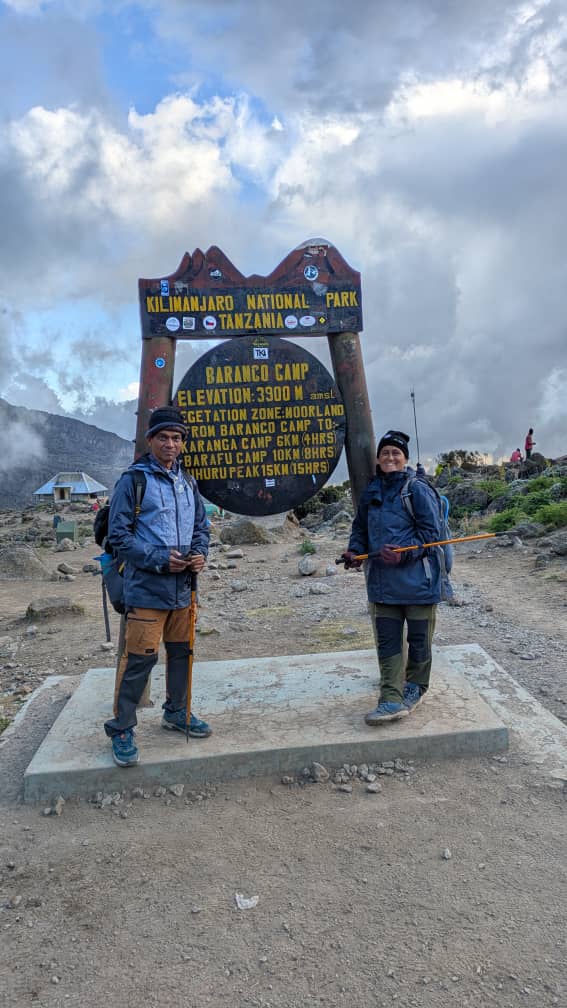

The Machame Route is one of the most popular and rewarding ways to ascend Mount Kilimanjaro. Known for its scenic beauty and gradual acclimatization profile, it offers a strong chance of reaching Uhuru Peak. However, like any high-altitude trek, safety is paramount. This guide provides an in-depth look at how to ensure a safe Machame Route climb, covering everything from initial planning for 2026-2027 to the final summit push.
Quick Facts: Machame Route
| Feature | Details |
|---|---|
| Route Name | Machame Route |
| Starting Point | Machame Gate (1,800m / 5,900ft) |
| Ending Point | Mweka Gate (1,640m / 5,380ft) |
| Duration Options | 6 days, 7 days (recommended for safety and acclimatization) |
| Success Rate | High, especially on 7-day itineraries |
| Scenery | Excellent, diverse vegetation zones, ridge walking |
| Acclimatization Profile | Good, especially on 7-day itineraries (‘climb high, sleep low’) |
| Difficulty | Moderate to Difficult |
| Accommodation | Camping |
| Popularity | Very High |
Machame Route Overview
The Machame Route, often called the ‘Whiskey Route’ due to its popularity among independent trekkers, is a highly scenic and challenging path to the summit of Kilimanjaro. It starts in the lush rainforest on the western side of the mountain and winds its way up through diverse ecological zones: rainforest, moorland, alpine desert, and arctic summit. Its popularity stems from its excellent acclimatization profile, particularly when trekked over 7 days, and its dramatic landscapes. This route is known for its distinctive ‘climb high, sleep low’ strategy, which significantly aids in preventing altitude sickness and enhancing safety.
Why Choose the Machame Route for a Safe Climb?
The primary reason the Machame Route is favored for a safe ascent is its superior acclimatization schedule, especially when opting for the 7-day itinerary. Unlike shorter routes, the Machame allows your body more time to adjust to the decreasing oxygen levels as you gain altitude. This gradual ascent is crucial for minimizing the risk of Acute Mountain Sickness (AMS), headaches, nausea, and fatigue, all of which can compromise your well-being and the success of your climb. The route’s design encourages the ‘climb high, sleep low’ principle. For instance, trekkers might ascend to a higher point during the day, then descend to a lower camp to sleep. This process helps your body produce more red blood cells, improving oxygen transport and thus increasing your ability to cope with higher altitudes. Furthermore, the route’s varied terrain offers stunning views and a sense of accomplishment at each stage, keeping morale high, which is an often-underestimated factor in a successful and safe climb.
Best Time to Climb Machame Route Safely (2026-2027)
Choosing the right time to climb is fundamental for a safe and enjoyable experience on Kilimanjaro. The mountain has two main dry seasons, which are ideal for trekking. These periods offer clearer skies, less rain, and more stable weather conditions, significantly reducing risks associated with slippery trails, reduced visibility, and extreme cold.
- January to March: This is a popular dry season. The weather is generally clear and sunny, though it can be colder. This period is excellent for photography and offers good visibility. It’s also a good time for those seeking fewer crowds than the peak June-October season.
- June to October: This is the peak dry season and generally considered the best time to climb. The weather is typically very pleasant, with clear days and cool nights. While it’s the busiest period, the large number of trekkers means rescues and medical support are readily available.
The shoulder seasons also offer opportunities, but with increased risk:
- April and May: These months mark the long rainy season. Trails can be muddy, slippery, and visibility is often poor. While possible, it’s generally not recommended for those prioritizing safety and comfort.
- November and December: This is the short rainy season. Expect intermittent showers, but often interspersed with sunny periods. It’s less crowded, but conditions can be unpredictable.
For planning your 2026 or 2027 Machame Route climb, aiming for the dry seasons (Jan-Mar or Jun-Oct) will maximize your chances of favorable weather and a safer journey. Consider booking well in advance for these popular periods.
Machame Route Day-by-Day Itinerary & Map
The Machame Route is typically completed in 6 or 7 days. The 7-day itinerary is highly recommended for better acclimatization and a safer, more enjoyable climb. Here’s a typical 7-day itinerary, illustrating the daily progression and ‘climb high, sleep low’ principle:
| Day | Route | Distance | Time | Camp | Altitude (Camp) | Altitude Gain/Loss | Notes |
|---|---|---|---|---|---|---|---|
| 1 | Machame Gate to Machame Camp | 11 km / 6.8 miles | 5-7 hours | Machame Camp | 3,050m / 10,000ft | +1,250m / +4,100ft | Start in rainforest, steady climb. |
| 2 | Machame Camp to Shira 2 Camp | 5 km / 3.1 miles | 4-6 hours | Shira 2 Camp | 3,850m / 12,630ft | +800m / +2,630ft | Cross moorland, scenic views. |
| 3 | Shira 2 Camp to Lava Tower to Barranco Camp | 10 km / 6.2 miles | 6-8 hours | Barranco Camp | 3,950m / 12,960ft | +1,050m / +3,450ft (to Lava Tower), then -150m / -500ft | Climb high to Lava Tower (4,600m), then descend. Key acclimatization day. |
| 4 | Barranco Camp to Karanga Camp | 5 km / 3.1 miles | 3-5 hours | Karanga Camp | 4,000m / 13,100ft | +50m / +165ft | Cross the famous Barranco Wall (assisted climb), then gentle ascent. |
| 5 | Karanga Camp to Barafu Camp | 4 km / 2.5 miles | 3-5 hours | Barafu Camp | 4,650m / 15,250ft | +650m / +2,150ft | Arid alpine desert, prepare for summit night. |
| 6 | Barafu Camp to Summit to Mweka Camp | 7 km / 4.3 miles (up) + 12 km / 7.5 miles (down) | 7-9 hours (up) + 4-6 hours (down) | Mweka Camp | 3,100m / 10,170ft | +1,250m / +4,100ft (to summit), then -2,800m / -9,200ft | Summit attempt overnight. Descend past Barafu Camp to Mweka Camp. |
| 7 | Mweka Camp to Mweka Gate | 10 km / 6.2 miles | 3-4 hours | End of trek | 1,640m / 5,380ft | -1,460m / -4,790ft | Descend through rainforest to Mweka Gate. |
Note: A 6-day itinerary skips Karanga Camp and proceeds directly from Barranco Camp to Barafu Camp. While faster, it significantly reduces acclimatization time and is generally not recommended for a safe climb.
Route Illustration (Conceptual):
| Machame Gate (Start) | → Rainforest | Machame Camp |
| Machame Camp | → Moorland | Shira 2 Camp |
| Shira 2 Camp | → Alpine Desert (via Lava Tower) | Barranco Camp |
| Barranco Camp | → High Altitude Desert | Karanga Camp |
| Karanga Camp | → Arctic Summit Zone | Barafu Camp |
| Barafu Camp | → Summit (Uhuru Peak) → Descent | Mweka Camp |
| Mweka Camp | → Rainforest (End) | Mweka Gate (Finish) |
What to Expect on the Machame Route
The Machame Route offers a rich and varied trekking experience. Expect to traverse through distinct ecological zones, each with its unique flora, fauna, and environmental challenges.
- Day 1: Rainforest Immersion. The trek begins in dense, humid rainforest. You’ll likely encounter monkeys and diverse birdlife. The path is often muddy and can be steep in sections. Your guides will brief you on safety and mountain etiquette.
- Day 2: Transition to Moorland. The forest thins out, giving way to open moorlands dotted with giant heathers and groundsels. The trail continues to ascend, and you’ll start to feel the effects of altitude. Views of the surrounding plains become more expansive.
- Day 3: Acclimatization Masterclass. This is a pivotal day. You’ll climb towards Lava Tower (4,600m), a significant altitude gain. The crucial part is descending to Barranco Camp (3,950m) to sleep. This ‘climb high, sleep low’ strategy is vital for acclimatization and significantly boosts your chances of a safe ascent. The landscape becomes more arid and rocky.
- Day 4: The Barranco Wall Challenge. You’ll tackle the famous Barranco Wall, a steep but non-technical scramble. While it requires some effort and can be unnerving for those with a fear of heights, it’s generally manageable with assistance from your guides and crew. The camp at Karanga offers stunning views.
- Day 5: Approaching the Summit Zone. The terrain becomes increasingly barren and rocky as you ascend towards Barafu Camp. This camp is situated on a rocky ridge and serves as your base for the summit attempt. You’ll rest and hydrate extensively in preparation for the final push.
- Day 6: Summit Night and Descent. This is the most demanding day. You’ll start trekking around midnight, aiming to reach Stella Point (the crater rim) by sunrise, followed by the final push to Uhuru Peak (5,895m). The ascent is slow, steep, and cold. After celebrating at the summit, you’ll descend back past Barafu Camp to Mweka Camp. This is a long, tiring day, and managing your energy and hydration is key for safety.
- Day 7: The Final Descent. The final walk down to Mweka Gate is through the rainforest. It’s a relatively easy descent, but can be slippery. You’ll be met by your driver and transferred back to your hotel in Moshi or Arusha.
Acclimatization for Safety
Altitude sickness is the most significant risk on Kilimanjaro. Proper acclimatization is non-negotiable for a safe climb. The Machame Route, especially over 7 days, is designed with this in mind. Key principles include:
- Go Slow: “Pole pole” (slowly, slowly) is the mantra. Maintain a pace that allows you to hold a conversation without gasping for breath.
- Hydrate: Drink plenty of water (3-4 liters per day). Dehydration can mimic AMS symptoms.
- Eat Well: Maintain your energy levels with regular, nutritious meals.
- ‘Climb High, Sleep Low’: As seen on Day 3, ascending to a higher altitude during the day and then descending to sleep at a lower camp is the most effective acclimatization strategy.
- Listen to Your Body: Report any symptoms of AMS to your guide immediately. Altitude sickness can progress rapidly.
- Avoid Alcohol and Smoking: These hinder acclimatization.
- Medication: Discuss Diamox (acetazolamide) with your doctor. It can help speed up acclimatization but is not a substitute for proper ascent profiles and hydration.
Physical Preparation for a Safe Climb
While acclimatization is biological, physical fitness is essential for successfully completing the trek and enhancing safety. You don’t need to be an elite athlete, but a good level of cardiovascular fitness is required.
- Cardiovascular Training: Focus on activities like hiking (with a backpack), running, cycling, and swimming. Aim for 3-5 sessions per week, gradually increasing duration and intensity.
- Hiking Practice: The best preparation is hiking on uneven terrain. Practice with a weighted backpack (5-8 kg / 10-18 lbs) to simulate mountain conditions. Include some longer hikes (4-6 hours).
- Strength Training: Focus on leg strength (squats, lunges) and core stability.
- Stamina Building: Practice back-to-back hiking days if possible, to simulate the demands of a multi-day trek.
- Start Early: Begin your training at least 2-3 months before your climb.
Essential Packing List for a Safe Trek
Proper gear is crucial for comfort, safety, and performance on Kilimanjaro. Layering is key to managing temperature changes. Ensure your gear is waterproof and windproof.
Clothing (Layering System)
- Base Layers: Moisture-wicking thermal tops and bottoms (merino wool or synthetic).
- Mid Layers: Fleece jacket or insulated jacket for warmth.
- Outer Layer (Shell): Waterproof and windproof jacket and trousers (Gore-Tex or similar).
- Insulation Layer: A warm down or synthetic puffer jacket for summit night and cold evenings.
- Trekking Trousers: Lightweight, quick-drying hiking trousers (avoid jeans).
- Shirts: Several moisture-wicking short and long-sleeved shirts.
- Headwear: Warm woolen hat/beanie, sun hat with a brim, balaclava or neck gaiter for summit night.
- Gloves: Warm waterproof gloves, liner gloves.
Footwear
- Hiking Boots: Broken-in, waterproof, mid-to-high ankle support hiking boots.
- Camp Shoes: Comfortable trainers or sandals for camp.
- Socks: Several pairs of wool or synthetic hiking socks.
- Gaiters: To keep mud, stones, and snow out of your boots.
Gear & Equipment
- Backpack: 40-60 liter daypack for essentials.
- Duffel Bag: 80-100 liter waterproof duffel bag for porters to carry.
- Sleeping Bag: Rated to -15°C to -20°C (0°F to -4°F).
- Sleeping Pad: For added comfort and insulation (though tents usually have mats).
- Trekking Poles: Essential for reducing strain on knees, especially on descents.
- Headlamp: With extra batteries.
- Water Bottles/Bladder: At least 3 liters capacity. Insulated bottle for summit night.
- Sunglasses: UV protection.
- Sunscreen: High SPF.
- Lip Balm: With SPF.
- Insect Repellent: Especially for the rainforest.
- Personal First-Aid Kit: Include blister treatment, pain relievers, antiseptic wipes, personal medications.
- Toiletries: Biodegradable soap, toothbrush, toothpaste, wet wipes.
- Snacks: High-energy snacks (energy bars, nuts, dried fruit).
- Camera: With extra batteries and memory cards.
- Small Towel: Quick-drying.
- Passport & Visa: Keep in a waterproof bag.
- Money: For tips and personal expenses.
Safety Protocols on the Mountain
Your safety is the top priority for any reputable tour operator. Robust safety protocols are in place on the Machame Route:
- Experienced Guides: Guides are trained in wilderness first aid, altitude sickness recognition and management, and emergency evacuation procedures. They constantly monitor trekkers’ health.
- Daily Health Checks: Guides will check your pulse, respiration, temperature, and oxygen saturation daily, and sometimes more frequently, especially on summit night. They will also ask about symptoms like headaches, nausea, and dizziness.
- Emergency Oxygen: Most reputable operators carry emergency oxygen cylinders for use in case of severe altitude sickness.
- Evacuation Plan: In case of serious medical emergencies, guides know the evacuation routes and procedures. This may involve carrying the trekker down or using a specialized stretcher.
- Communication: Guides carry satellite phones or radios for emergencies, though mobile signal can be patchy.
- Pacing: Guides enforce a slow, steady pace, crucial for acclimatization.
- Adequate Crew: A sufficient number of porters and assistant guides ensure that no trekker is left behind and that support is readily available.
- Proper Nutrition and Hydration: The camp crew provides balanced meals and encourages constant fluid intake.
Common Mistakes to Avoid for a Safe Climb
Many potential issues can be avoided with careful planning and awareness. Here are common mistakes that can compromise safety and success on the Machame Route:
- Insufficient Acclimatization: Choosing a 6-day itinerary when a 7-day is recommended, or rushing the ascent. This is the leading cause of altitude sickness.
- Poor Physical Preparation: Underestimating the physical demands and not training adequately, leading to exhaustion and increased risk of injury or AMS.
- Inadequate Gear: Not packing appropriate layers, waterproofs, or warm clothing, leading to hypothermia or discomfort that can affect morale and performance.
- Dehydration: Not drinking enough fluids. This can exacerbate AMS symptoms and lead to fatigue.
- Ignoring Symptoms: Pushing on despite feeling unwell, hoping symptoms will pass. This can lead to serious altitude sickness. Always communicate with your guide.
- Going Too Fast: Trying to keep up with faster trekkers or the guide’s pace without considering your own body’s needs.
- Not Breaking in Boots: Wearing new, stiff boots on the trek can lead to severe blisters, making the descent agonizing and potentially dangerous.
- Overpacking: Carrying too much weight in your daypack. Let the porters carry the bulk of your gear.
- Lack of Respect for Altitude: Treating Kilimanjaro like any other mountain hike. It requires respect, preparation, and caution.
Who is the Machame Route Best Suited For?
The Machame Route is an excellent choice for a wide range of trekkers, provided they are well-prepared:
- First-time Kilimanjaro Climbers: Its good acclimatization profile (especially the 7-day option) makes it suitable for those new to high-altitude trekking.
- Adventurous Trekkers: Those who appreciate varied scenery, a good challenge, and a sense of exploration.
- Photographers: The route offers stunning and diverse photographic opportunities.
- Climbers Prioritizing Success: The longer itinerary significantly increases the chances of reaching the summit safely.
- Budget-Conscious Trekkers: While not the cheapest, it offers good value for money considering its success rate and scenic beauty.
It is less suited for those who are extremely averse to physical exertion, have significant fear of heights (due to the Barranco Wall), or are looking for the absolute easiest or fastest way up the mountain.
Machame Route vs. Other Kilimanjaro Routes
Understanding how the Machame Route compares to others can help in making the best choice for a safe and successful climb.
| Route | Typical Duration | Acclimatization | Scenery | Difficulty | Cost | Safety Considerations |
|---|---|---|---|---|---|---|
| Machame | 6-7 days | Good (especially 7-day) | Excellent, diverse | Moderate-Hard | Mid-range | High success rate with 7-day option. Barranco Wall can be challenging. |
| Marangu (Coca-Cola Route) | 5-6 days | Poor (especially 5-day) | Moderate | Moderate | Lowest | Lowest success rate due to poor acclimatization. Can be crowded. |
| Shira | 6-7 days | Fair | Excellent, high moorland | Hard | Mid-range | Starts at higher altitude, initial acclimatization can be tougher. |
| Lemosho | 7-8 days | Excellent | Outstanding, pristine | Moderate-Hard | Higher | Excellent acclimatization, very scenic, lower crowds. Good safety profile. |
| Northern Circuit | 9+ days | Excellent | Most scenic, full circuit | Moderate | Highest | Best acclimatization, highest success rate, lowest crowds. Very safe. |
| Rongai | 6-7 days | Fair | Good, drier side | Moderate | Mid-range | Good option during rainy season. Less scenic than Machame/Lemosho. |
For a balance of excellent acclimatization, beautiful scenery, and a reasonable cost, the 7-day Machame Route is often considered the best overall option for a safe Kilimanjaro climb. Lemosho and Northern Circuit offer even better acclimatization and scenery but come at a higher price and longer duration.
Planning Your 2026-2027 Machame Climb
Planning ahead is key to securing your desired dates and operator, especially for treks in 2026 and 2027. Here’s a planning timeline and checklist:
Machame Route Planning Checklist (2026-2027)
- 12-18 Months Prior: Research Kilimanjaro and the Machame Route. Decide on your preferred duration (7 days recommended for safety). Research tour operators.
- 9-12 Months Prior: Book your trek with a reputable operator. Secure your dates. Start initial fitness training.
- 6-9 Months Prior: Begin more rigorous physical training. Start acquiring essential gear (boots, backpack, layers). Consult your doctor about high-altitude trekking and potential medications (like Diamox).
- 3-6 Months Prior: Continue training. Purchase remaining gear. Finalize travel insurance (ensure it covers high-altitude trekking and emergency evacuation). Book flights to Kilimanjaro International Airport (JRO).
- 1-3 Months Prior: Focus on consistent training. Test all your gear. Pack your duffel bag and daypack. Ensure your passport is valid and any necessary visas are obtained.
- 2-4 Weeks Prior: Lighten training but maintain consistency. Finalize any last-minute arrangements.
- 1 Week Prior: Arrive in Tanzania (Arusha or Moshi) to acclimatize to the local environment before starting the trek. Rest and hydrate. Attend your pre-climb briefing.
- During the Climb: Follow guide instructions, stay hydrated, eat well, and listen to your body.
- Post-Climb: Celebrate! Consider a safari or Zanzibar trip. Review your experience.
Booking early for 2026 and 2027 is highly recommended, especially for peak seasons like June-October. This ensures availability with your preferred operator and on your desired dates.
Traveler Feedback & Social Proof
Hearing from past climbers can provide valuable insights into the Machame Route experience and the safety provided by tour operators. Check independent review sites and social media for recent feedback.
For example, many trekkers share their positive experiences with operators who prioritize safety, provide experienced guides, and offer excellent food and support. Reviews often highlight the importance of the 7-day itinerary for a comfortable and successful summit. You can find real traveler feedback on platforms like TripAdvisor. For instance, traveler feedback on Top Guide Adventures often praises their commitment to client safety and success rates.
Following tour operators on social media, such as Instagram, can offer a glimpse into recent climbs, group successes, and the general atmosphere on the mountain.
Booking Your Safe Machame Route Climb
Choosing the right tour operator is critical for a safe and memorable Machame Route climb. Here’s what to look for:
- Experience & Reputation: Look for operators with a long history of guiding on Kilimanjaro and consistently positive reviews.
- Safety Standards: Inquire about their safety protocols, guide training (first aid, altitude management), emergency oxygen availability, and evacuation procedures. A good operator will be transparent about these.
- Itinerary Length: Ensure they offer and recommend the 7-day Machame Route for optimal acclimatization and safety.
- Guide-to-Client Ratio: A lower ratio means more personal attention and better monitoring.
- Crew Welfare: Reputable companies treat their porters and guides ethically, providing fair wages, proper gear, and adequate food. This impacts crew morale and performance, indirectly affecting your safety.
- Inclusions & Exclusions: Understand what is covered (park fees, food, accommodation, crew wages, rescue fees) and what is not (tips, personal gear, insurance, flights).
- Communication: The operator should be responsive and helpful in answering all your questions before booking.
When you’re ready to plan your adventure for 2026 or 2027, consider contacting experienced local operators. For example, Top Guide Adventures is a Tanzanian company known for its focus on safety and client success. You can reach them via:
- WhatsApp: +255616946642
- Email: topguideadventures@gmail.com
- Backup Email: info@topguideadventures.com
They can provide detailed itineraries, answer specific safety questions, and help tailor your climb. Don’t hesitate to compare offers, but prioritize safety and quality over the lowest price. Remember to check their group departure dates for the Machame Route here.
Frequently Asked Questions (FAQs)
Q1: Is the Machame Route safe for beginners?
Yes, the Machame Route can be safe for beginners, especially when trekked over 7 days. The longer itinerary provides crucial acclimatization time, significantly reducing the risk of altitude sickness. However, a good level of fitness and proper preparation are still essential for safety and success.
Q2: What is the biggest risk on the Machame Route?
The biggest risk is Acute Mountain Sickness (AMS) and its more severe forms (HAPE/HACE). This is why proper acclimatization, slow ascent, hydration, and immediate reporting of symptoms to guides are paramount for a safe climb.
Q3: How difficult is the Barranco Wall on the Machame Route?
The Barranco Wall is a steep scramble, not a technical climb. It requires handholds and some careful footwork. While challenging, it’s manageable for most trekkers with the assistance of guides. Those with a severe fear of heights should discuss this with their operator. It’s a key part of the Machame experience and is considered safe when done with proper guidance.
Q4: How much should I tip my guides and porters on the Machame Route?
Tipping is customary and appreciated. A general guideline for a 7-day Machame climb is around $250-$350 USD per trekker, distributed among guides, assistant guides, cook, and porters. Your tour operator will provide specific recommended tipping guidelines.
Q5: What happens if I get sick on the Machame Route?
Your guides are trained to assess symptoms of altitude sickness. If symptoms are mild, they may recommend rest, hydration, or medication. If symptoms worsen or are severe, they will advise descending. Reputable operators carry emergency oxygen and have evacuation plans in place.
Q6: Can I climb the Machame Route in 2026 or 2027?
Absolutely. The Machame Route is open year-round, but the dry seasons (January-March and June-October) are recommended for the safest and most pleasant climbing conditions in 2026 and 2027.
Q7: What is the success rate for the Machame Route?
The success rate varies, but for the 7-day Machame Route, it’s generally high, often reported between 80-90%. This is significantly higher than shorter itineraries due to better acclimatization. Choosing a reputable operator also plays a role.
Q8: Do I need special permits for the Machame Route?
Yes, all park entrance fees, camping fees, and rescue fees are mandatory and are typically included in your tour package price. Your tour operator will handle the permit arrangements.
Q9: What kind of food will I eat on the Machame Route?
Tour operators provide three meals a day, plus snacks. Expect a varied menu including porridge, eggs, pancakes for breakfast; soup, pasta, rice dishes, chicken, or beef for lunch and dinner. Meals are generally nutritious and designed to provide energy. Vegetarian and other dietary needs can usually be accommodated with advance notice.
Q10: How cold does it get on summit night?
Temperatures on summit night (at altitudes above 5,000m) can drop significantly, often ranging from -5°C to -20°C (23°F to -4°F), especially with wind chill. Proper layering, including a warm down jacket, hat, gloves, and good sleeping bag, is essential for safety and comfort.
Ready for Your Safe Machame Route Climb?
A safe Machame Route climb on Kilimanjaro is achievable with thorough preparation, the right itinerary, and a trusted tour operator. For 2026-2027, planning is key to securing your adventure. Whether you’re considering Kilimanjaro alongside a safari in the Serengeti or a relaxing break in Zanzibar, Top Guide Adventures can help craft your perfect Tanzanian experience.
We specialize in creating safe, memorable, and successful Kilimanjaro climbs. Our experienced guides, comprehensive safety protocols, and recommended 7-day Machame Route itinerary are designed for your well-being and summit success.
Contact us today to start planning your dream Kilimanjaro adventure:
- WhatsApp: +255616946642
- Email: topguideadventures@gmail.com
- Backup Email: info@topguideadventures.com
We also offer a wide range of Tanzania safari group departures and can help you combine your climb with other incredible experiences. Visit our other website www.topguideadventures.com for more information.
Complete Safe Machame Route Climb Planning Details for 2026- 2027-2028
Safe Machame Route Climb needs more than a quick description because travelers normally want to understand timing, route logic, comfort level, inclusions, local support, safety, and how the trip fits with the rest of a Tanzania journey. For 2026- 2027-2028, the best plan is to compare the route, travel month, daily pace, accommodation style, and transport arrangement before confirming.
A strong plan should explain where the trip starts, what happens each day, how long transfers may take, what travelers should prepare, and which parts can be customized. This makes the page useful for families, couples, solo travelers, private groups, budget travelers, mid-range guests, and luxury travelers.
Important things to confirm before booking
- Exact starting point and pickup time.
- Accommodation level or day-trip timing.
- Transport type and guide arrangement.
- Park fees, activities, meals, drinking water, and transfers.
- Best travel month for weather, wildlife, trekking, beaches, or photography.
- Payment plan, deposit, cancellation terms, and changes if travel dates move.
Safe Machame Route Climb Sample Structure and Route Logic
Most travelers choose Safe Machame Route Climb because they want a clear experience that is easy to understand and simple to book. The structure should feel practical: arrival or pickup, main activity, important stops, relaxed timing, overnight or return plan, and final drop-off. When the topic involves safari, the route should respect park distance and game drive time. When it involves Kilimanjaro, the route should respect acclimatization and safe pacing. When it involves Zanzibar, the plan should balance ocean activities, culture, relaxation, and transfer time.
| Planning Area | What to Check | Why It Matters |
|---|---|---|
| Timing | Season, pickup time, daily pace, and activity duration | Helps avoid rushed travel and gives better value |
| Comfort | Budget, mid-range, luxury, private, or shared style | Matches the trip with the traveler expectation |
| Logistics | Transfers, vehicle, guide, permits, and entry rules | Prevents surprises during the trip |
| Booking | Deposit, availability, route, inclusions, and final balance | Makes confirmation smooth and transparent |
Top Guide Adventures Recommendation
Best Tanzania Tour operator recommends treating Safe Machame Route Climb as a complete travel plan rather than only a title. A good operator should explain the route, guide support, what is included, what is excluded, how timing works, and what can be adjusted. Travelers can also compare Tanzania safari group departures and shared tours, check Machame Route Kilimanjaro group departures, or read more articles in the Tanzania safari tours blog.
For a more personal look at current trips and field updates, travelers may follow Top Guide Adventures on Instagram, review traveler feedback on Tripadvisor, or visit our another website.
Safe Machame Route Climb FAQs for 2026- 2027-2028
How early should I book Safe Machame Route Climb?
Booking early is better for 2026- 2027-2028, especially for high season, family travel, group departures, Kilimanjaro routes, Serengeti safaris, Zanzibar holidays, and private customized tours.
Can this trip be customized?
Yes. The route, accommodation level, pace, pickup point, and add-ons can usually be adjusted depending on availability and the travel dates.
Is Safe Machame Route Climb suitable for first-time travelers?
Yes, when the itinerary is explained clearly and the guide support is reliable. First-time travelers should ask for a simple day-by-day plan, inclusions, exclusions, and preparation notes.
What should I ask before confirming?
Ask about transport, guide, meals, park or activity fees, accommodation, payment plan, cancellation terms, and what happens if weather or travel timing changes.
Safe Machame Route Climb Detailed Cost and Value Notes
Cost can change by season, accommodation level, group size, park rules, transfer distance, and activity style. A useful page should explain what usually affects price rather than only giving one short number. Travelers comparing this topic for 2026-2027 should check whether transport, guide, meals, drinking water, accommodation, park fees, permits, and airport transfers are included.
Safe Machame Route Climb should be explained with enough detail for a traveler to understand the route, timing, comfort level, inclusions, exclusions, preparation, and booking steps. Repeating the focus topic naturally in helpful planning areas makes the article stronger without stuffing keywords.
Safe Machame Route Climb Best Traveler Type for This Plan
This plan can work for different travelers when the details are adjusted correctly. Families may need softer timing and private transport, couples may prefer better rooms and scenic pacing, group travelers may focus on shared departures and value, while photographers may need more time in key locations.
Safe Machame Route Climb should be explained with enough detail for a traveler to understand the route, timing, comfort level, inclusions, exclusions, preparation, and booking steps. Repeating the focus topic naturally in helpful planning areas makes the article stronger without stuffing keywords.
Safe Machame Route Climb Common Booking Mistakes to Avoid
Common mistakes include choosing only by the cheapest price, ignoring transfer time, booking without checking inclusions, using a rushed itinerary, not confirming accommodation names, and failing to ask how changes are handled if flights, weather, or park timing changes.
Safe Machame Route Climb should be explained with enough detail for a traveler to understand the route, timing, comfort level, inclusions, exclusions, preparation, and booking steps. Repeating the focus topic naturally in helpful planning areas makes the article stronger without stuffing keywords.
Safe Machame Route Climb What Makes a Strong Itinerary
A strong itinerary has a clear start point, realistic daily timing, enough activity time, transparent inclusions, simple communication, and a guide or operations team that understands local routes. It should also leave space for comfort, photos, meals, and unexpected delays.
Safe Machame Route Climb should be explained with enough detail for a traveler to understand the route, timing, comfort level, inclusions, exclusions, preparation, and booking steps. Repeating the focus topic naturally in helpful planning areas makes the article stronger without stuffing keywords.
Safe Machame Route Climb Final Planning Advice for 2026-2027
For 2026-2027, travelers should book early for busy seasons, compare the exact route carefully, ask for written inclusions and exclusions, and choose an operator who can explain the trip in practical language. This helps the page become useful for both planning and booking intent.
Safe Machame Route Climb should be explained with enough detail for a traveler to understand the route, timing, comfort level, inclusions, exclusions, preparation, and booking steps. Repeating the focus topic naturally in helpful planning areas makes the article stronger without stuffing keywords.
Plan your Safe Machame Route Climb with Top Guide Adventures
Tell us your travel dates, group size, comfort level, and dream experience. We will help you shape a clear, realistic, and memorable Tanzania itinerary.







 Veedesigner
 Fatma Kizanga
 Benjamin Waryuba
 Philip Philip
 John jr Itaja
 Antonia Optatus
 Edith Kanyere
 Neema Iddy
 Kelvin Boniphace
 Damari Maiga



