
Updated planning guide for 2026, 2027-2028
Ultimate Machame Vs Lemosho Route Guide: Expert Trekking 2026-2027-2028
Choosing between the Machame and Lemosho routes for your Mount Kilimanjaro climb is a crucial decision. This comprehensive guide breaks down everything you need to know to make the best choice for your 2026-2027 adventure.
WhatsApp +255616946642 | topguideadventures@gmail.com | info@topguideadventures.com
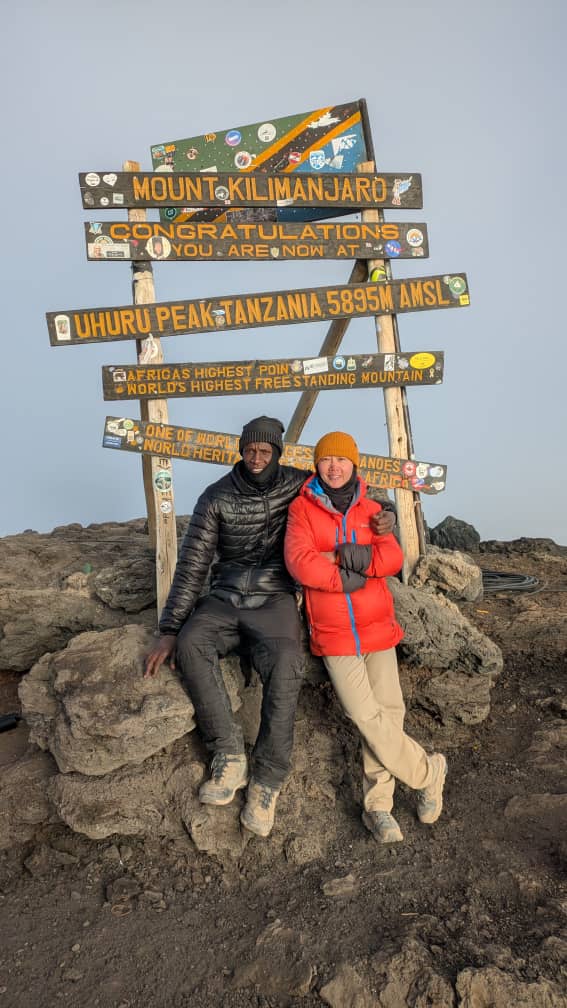
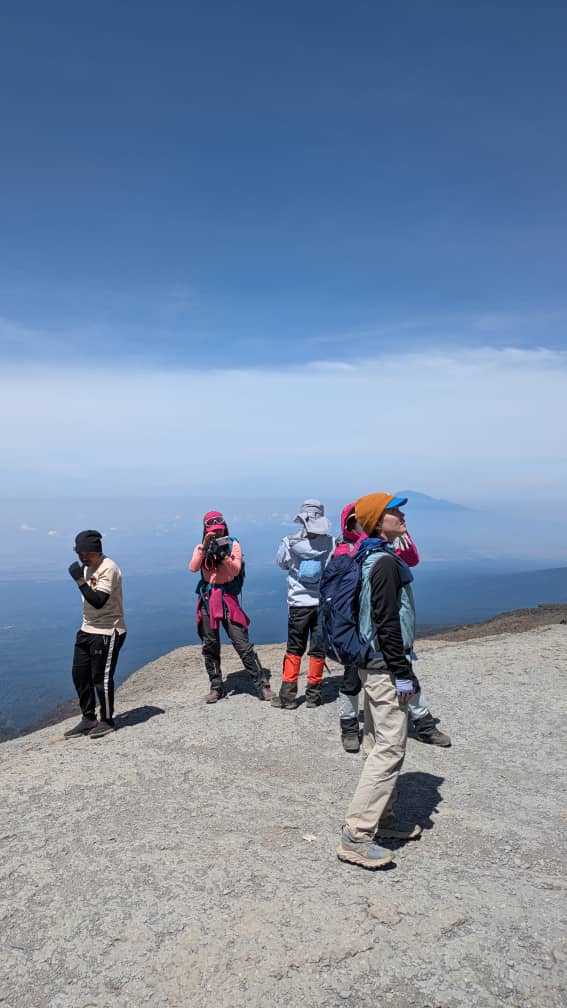
Mount Kilimanjaro, Africa’s highest peak, beckons adventurers from around the globe. For many, the journey to its summit is a lifelong dream. When planning this incredible expedition, one of the first major decisions you’ll face is selecting the right climbing route. Among the most popular and highly recommended options are the Machame Route and the Lemosho Route. Both offer stunning scenery and a good chance of success, but they differ significantly in terms of acclimatization, scenery, crowds, and overall experience. Understanding these differences is key to choosing the trek that best suits your fitness, budget, and expectations for your 2026-2027 climb.
This Machame vs Lemosho Route Guide is designed to provide you with all the information needed to make an informed decision. We will explore the unique characteristics of each route, compare their itineraries, discuss the best times to climb, and offer practical advice for planning your trek. Whether you’re a seasoned mountaineer or a first-time high-altitude climber, this guide will help you prepare for an unforgettable Kilimanjaro adventure.
Quick Answer: Machame vs Lemosho Route
The Machame Route is often called the “Whiskey Route” due to its popularity and slightly more challenging terrain, offering excellent acclimatization and diverse scenery over 6-7 days. The Lemosho Route, considered one of the most beautiful and scenic, provides superior acclimatization over 7-8 days, typically with fewer crowds, especially in its early stages, making it a top choice for many climbers seeking a more immersive experience.
Quick Facts: Machame vs. Lemosho
| Feature | Machame Route | Lemosho Route |
|---|---|---|
| Typical Duration | 6-7 Days | 7-8 Days |
| Acclimatization Profile | Good (especially 7-day) | Excellent |
| Scenery | Varied, beautiful | Exceptional, diverse, often considered most scenic |
| Crowds | Moderate to High (especially lower sections) | Low to Moderate (especially initial days) |
| Success Rate | Good (especially 7-day) | Very Good (due to longer duration and acclimatization) |
| Starting Point | Machame Gate | Lemosho Gate (often Shira Plateau start) |
| Difficulty | Moderate to High | Moderate |
| Cost | Generally slightly more affordable | Generally slightly more expensive |
Route Overview
Both the Machame and Lemosho routes are popular choices for ascending Kilimanjaro, and for good reason. They are considered among the most scenic and offer better acclimatization profiles compared to some of the shorter, more direct routes. Both routes converge with other routes (like Shira and Northern Circuit) at various points before heading towards Stella Point and Uhuru Peak via the Barafu Hut. The primary differences lie in their initial approach, the way they ascend the mountain, and the duration they typically take.
Why Machame and Lemosho Stand Out
These two routes are frequently recommended by tour operators and experienced climbers for several key reasons:
- Scenery: Both routes traverse diverse ecological zones, offering spectacular views of Kilimanjaro’s unique landscapes, from lush rainforests to alpine deserts and the glaciated summit.
- Acclimatization: They are designed to allow climbers to “climb high, sleep low,” a crucial principle for effective acclimatization. Longer durations on these routes significantly increase the chances of reaching the summit safely.
- Success Rates: Due to their longer itineraries and better acclimatization, both Machame and Lemosho boast higher success rates compared to shorter routes.
- Park Fees & Regulations: As national park routes, they adhere to all park regulations, ensuring a well-managed and safe trekking experience.
Machame Route: The Popular Choice
Often nicknamed the “Whiskey Route” (in contrast to the Marangu “Coca-Cola” Route), the Machame Route is one of the most frequented paths up Kilimanjaro. It’s known for its beautiful scenery, good acclimatization profile, and a challenging but rewarding trek. It typically takes 6 or 7 days to complete, with the 7-day option being strongly recommended for better acclimatization and a higher success rate.
Machame Itinerary (7 Days Example)
This is a sample 7-day itinerary. Operators may vary slightly.
- Day 1: Machame Gate (1,800m / 5,905ft) to Machame Camp (3,050m / 10,007ft)
Trek: ~5-7 hours, 11 km (7 miles), forest zone.
The trek begins after a scenic drive to Machame Gate. You’ll pass through dense rainforest, home to various bird species and possibly monkeys. The trail is relatively steep in places. - Day 2: Machame Camp to Shira 2 Camp (3,850m / 12,631ft)
Trek: ~4-6 hours, 5 km (3 miles), moorland zone.
The path climbs out of the forest into the moorland zone, offering expansive views. You’ll cross a ridge and descend into the Shira Valley, eventually ascending to Shira 2 Camp, located on a plateau with striking views of the Shira Massif. - Day 3: Shira 2 Camp to Barranco Camp (3,950m / 12,959ft)
Trek: ~3-5 hours, 7 km (4 miles), semi-desert zone.
This day involves trekking across the Shira Plateau towards the Lava Tower (4,600m / 15,091ft). You’ll then descend to Barranco Camp, a beautiful spot nestled at the base of the Great Barranco Wall. This ‘climb high, sleep low’ day is excellent for acclimatization. - Day 4: Barranco Camp to Karanga Camp (3,995m / 13,107ft)
Trek: ~4-5 hours, 5 km (3 miles), alpine desert zone.
Today features the famous Barranco Wall scramble, which is more of a steep hike than a technical climb and is well-supported by guides. After surmounting the wall, you descend slightly before a steady climb to Karanga Camp, situated in the alpine desert. - Day 5: Karanga Camp to Barafu Camp (4,670m / 15,318ft)
Trek: ~3-5 hours, 4 km (2.5 miles), alpine desert zone.
The trail ascends steadily towards Barafu Camp, the base camp for your summit attempt. You’ll be trekking through a stark alpine desert landscape with increasingly dramatic views. You’ll rest and prepare for the summit push overnight. - Day 6: Summit Attempt (Uhuru Peak 5,895m / 19,341ft) & Descent to Millennium Camp (3,820m / 12,533ft)
Trek: ~7-9 hours up, 5-7 hours down, 15 km (9 miles) total.
The summit push begins around midnight. You’ll ascend through scree and volcanic scree towards Stella Point (5,756m / 18,885ft) and then to Uhuru Peak, the roof of Africa. After celebrating, you’ll descend past Barafu Camp to Millennium Camp for a well-deserved rest. - Day 7: Millennium Camp to Mweka Gate (1,640m / 5,380ft)
Trek: ~4-6 hours, 11 km (7 miles), forest zone.
The final descent takes you through the rainforest back to Mweka Gate, where you’ll receive your summit certificates and meet your transport.
Machame Route Pros
- Good Acclimatization: The 7-day itinerary follows the “climb high, sleep low” principle effectively, which is crucial for acclimatization.
- Scenic Beauty: It traverses diverse and stunning landscapes, offering excellent photographic opportunities.
- High Success Rate: With the 7-day option, success rates are generally very good.
- Well-trodden Path: Experienced guides are abundant, and the route is well-maintained.
- Cost-Effective: Often slightly less expensive than Lemosho due to its shorter duration and popularity.
Machame Route Cons
- Crowds: It’s one of the most popular routes, so you can expect to encounter other trekkers, especially in the lower sections and at campsites.
- Steeper Sections: Some parts of the route are quite steep, including the Barranco Wall, which can be challenging for some.
- Less Remote Feel: Due to its popularity, it can feel less wild or remote compared to Lemosho, especially in the early days.
Machame Route Scenery
The Machame Route offers a spectacular journey through Kilimanjaro’s distinct ecological zones. You start in the lush, dense rainforest, where the air is humid and the vegetation is thick. As you ascend, the forest gives way to rolling hills covered in heather and giant senecios in the moorland zone. Higher still, you enter the alpine desert, a stark and dramatic landscape of rock, scree, and sparse vegetation, with breathtaking views of Kilimanjaro’s volcanic cones and the plains below. The Barranco Wall presents a unique geological feature, and the final approach to the summit offers views of glaciers and the vast African continent stretching out beneath you.
Lemosho Route: The Scenic & Gradual Ascent
The Lemosho Route is widely regarded as one of the most beautiful and rewarding routes on Kilimanjaro. It approaches the mountain from the west and offers a longer, more gradual ascent, which significantly aids acclimatization. It typically takes 7 or 8 days, with the 8-day itinerary being the most recommended for optimal acclimatization and enjoyment. Lemosho is known for its stunning panoramic views and relative solitude, especially in its initial days.
Lemosho Itinerary (8 Days Example)
This is a sample 8-day itinerary. Operators may vary slightly.
- Day 1: Lemosho Gate (2,100m / 6,890ft) to Mti Mkubwa Camp (2,820m / 9,252ft)
Trek: ~3-4 hours, 4 km (2.5 miles), forest zone.
After a drive to Lemosho Gate, you’ll begin your trek through the dense rainforest. The trail is gentle, and you’ll likely see diverse flora and fauna. Mti Mkubwa means “Big Tree” in Swahili. - Day 2: Mti Mkubwa Camp to Shira 1 Camp (3,500m / 11,483ft)
Trek: ~5-7 hours, 10 km (6 miles), forest to moorland zone.
The path continues through the forest before opening up into the moorland. You’ll trek across the Shira Ridge and descend slightly to Shira 1 Camp, offering your first expansive views of the Shira Plateau. - Day 3: Shira 1 Camp to Shira 2 Camp (3,850m / 12,631ft)
Trek: ~3-5 hours, 5 km (3 miles), moorland to alpine desert zone.
A shorter trekking day allows for better acclimatization. You’ll traverse the Shira Plateau, a vast, high-altitude expanse, and reach Shira 2 Camp, a popular campsite with stunning views. - Day 4: Shira 2 Camp to Barranco Camp (3,950m / 12,959ft)
Trek: ~5-7 hours, 10 km (6 miles), alpine desert zone.
This day involves a significant ascent towards Lava Tower (4,600m / 15,091ft), followed by a descent to Barranco Camp. This is a classic “climb high, sleep low” day, crucial for acclimatization. - Day 5: Barranco Camp to Karanga Camp (3,995m / 13,107ft)
Trek: ~3-5 hours, 5 km (3 miles), alpine desert zone.
You’ll tackle the Barranco Wall scramble, a challenging but manageable ascent. After reaching the top, you’ll enjoy panoramic views before a steady climb to Karanga Camp. - Day 6: Karanga Camp to Barafu Camp (4,670m / 15,318ft)
Trek: ~3-5 hours, 4 km (2.5 miles), alpine desert zone.
The terrain becomes more barren as you trek towards Barafu Camp, the base camp for the summit attempt. The views are increasingly dramatic. You’ll rest and prepare for the night’s summit push. - Day 7: Summit Attempt (Uhuru Peak 5,895m / 19,341ft) & Descent to Mweka Camp (3,100m / 10,170ft)
Trek: ~7-9 hours up, 5-7 hours down, 15 km (9 miles) total.
The summit push begins in the early hours of the morning. You’ll ascend to Stella Point and then to Uhuru Peak. After a brief celebration, you’ll descend past Barafu Camp to Mweka Camp, a significant descent after the strenuous summit. - Day 8: Mweka Camp to Mweka Gate (1,640m / 5,380ft)
Trek: ~3-5 hours, 10 km (6 miles), forest zone.
The final descent takes you through the rainforest back to Mweka Gate, where you’ll receive your summit certificates and meet your transport.
Lemosho Route Pros
- Excellent Acclimatization: The longer duration (especially 8 days) and the gradual ascent profile provide superior acclimatization, leading to higher success rates.
- Most Scenic Route: Widely considered the most beautiful route, offering diverse landscapes and breathtaking views from start to finish.
- Fewer Crowds (Initially): The early days of the trek are often very quiet, offering a more remote and wild experience.
- Higher Success Rate: The longer duration and better acclimatization contribute to excellent summit success rates.
- Diverse Terrain: You’ll experience a wider variety of landscapes, from dense forest to the vast Shira Plateau and the dramatic summit area.
Lemosho Route Cons
- Cost: Generally more expensive than Machame due to the longer itinerary and logistical requirements.
- Longer Duration: Requires more time off work or travel commitments.
- Remote Start: The initial drive to the Lemosho Gate can be longer and rougher than to Machame Gate.
Lemosho Route Scenery
The Lemosho Route truly showcases the grandeur of Kilimanjaro. It begins in the pristine rainforest, offering a sense of untouched wilderness. As you climb, the landscape opens up to the vast, undulating Shira Plateau, a starkly beautiful high-altitude desert dotted with unique flora. The route then traverses the southern circuit, offering incredible views of Kilimanjaro’s western and southern faces, including the iconic glaciers. The approach to the summit from the west side provides a unique perspective, and the descent offers final sweeping panoramas of the surrounding plains and the mountain’s massif. The Lemosho route is celebrated for its consistent, awe-inspiring vistas throughout the entire trek.
Direct Comparison: Machame vs. Lemosho
While both routes are excellent choices, understanding their key differences will help you decide which is the right fit for your Kilimanjaro adventure.
Key Differences Table
| Feature | Machame Route (7 Days) | Lemosho Route (8 Days) |
|---|---|---|
| Duration | 7 Days | 8 Days |
| Acclimatization | Good, follows “climb high, sleep low” | Excellent, more gradual ascent, more “climb high, sleep low” opportunities |
| Scenery | Very good, diverse ecological zones | Exceptional, arguably the most scenic, vast plateaus, unique views |
| Crowds | Moderate to High, especially lower sections | Low to Moderate, especially initial days; converges later |
| Success Rate | High (approx. 80-85%) | Very High (approx. 85-90%+) |
| Difficulty | Moderate to High (Barranco Wall is a highlight) | Moderate (Barranco Wall still present, but overall ascent more gradual) |
| Cost | Slightly lower | Slightly higher |
| Starting Point | Machame Gate | Lemosho Gate |
| Convergence Point | Joins Shira Route, then Barranco, Karanga, Barafu | Joins Shira Route, then Barranco, Karanga, Barafu |
Acclimatization: A Critical Factor
This is perhaps the most significant difference. The Lemosho Route, with its longer duration and more gradual ascent through the Shira Plateau, offers superior acclimatization. It allows your body more time to adjust to the decreasing oxygen levels at higher altitudes. The 8-day Lemosho itinerary provides an extra day on the mountain, often used for a shorter trek or to spend more time at a higher camp before descending to sleep, maximizing the “climb high, sleep low” principle. While the 7-day Machame also follows this principle, the additional day on Lemosho makes a tangible difference for many trekkers, contributing to its higher success rates and reducing the risk of altitude sickness.
Scenery and Views
Both routes are exceptionally scenic. However, Lemosho is often lauded for its sheer beauty and variety. Its initial days through untouched rainforest and across the expansive Shira Plateau offer a more remote and dramatic introduction to Kilimanjaro. The views of the Shira Massif and the western side of the mountain are particularly striking. Machame also provides stunning scenery, moving through rainforest, moorland, alpine desert, and glacial zones. The Barranco Wall ascent on Machame offers impressive vistas. Ultimately, both will leave you in awe, but Lemosho might edge out Machame for its consistent visual splendor and unique perspectives.
Crowds and Atmosphere
Machame is the more popular route, meaning you’re likely to encounter more trekkers, especially at campsites and on the trails in the lower and middle sections. This can be good for a sense of camaraderie, but less ideal if you prefer solitude. Lemosho, particularly in its first few days, offers a much quieter and more intimate experience. As it joins the Machame route later on, crowds do increase, but the initial solitude is a major draw for many.
Difficulty and Terrain
Both routes are considered challenging treks. They are not technical climbs but require good physical fitness, mental fortitude, and proper acclimatization. The terrain on both involves steep ascents, rocky paths, and scree slopes. The Barranco Wall is a notable feature on both routes, requiring a scramble up a steep cliff face. While guides assist and the path is well-trodden, it can be a challenging section for those with a fear of heights or limited mobility. Generally, the Lemosho’s longer duration and more gradual ascent make it feel slightly less demanding overall, despite covering similar terrain later in the trek.
Cost Considerations
The cost of climbing Kilimanjaro is largely determined by the operator and the route’s duration. Generally, the Lemosho Route is slightly more expensive than the Machame Route. This is primarily due to the longer itinerary (8 days vs. 7 days), which incurs more park fees, guide and porter wages, and food costs. However, the difference is usually not drastic, and many climbers find the added expense for the 8-day Lemosho well worth the enhanced acclimatization and overall experience.
Best Time to Climb Kilimanjaro (Machame & Lemosho)
Kilimanjaro can be climbed year-round, but certain periods offer more favorable weather conditions. The best times for both the Machame and Lemosho routes are during the dry seasons:
- January to March: Generally dry, clear skies, but can be cold at higher altitudes. This is a good period for both routes.
- June to October: The longest dry season. Skies are typically clear, and temperatures are moderate. This is considered the peak season, offering excellent conditions.
The shoulder seasons (April-May and November) are the rainy seasons. While possible, expect more precipitation, cloud cover, and potentially muddy trails. These months can offer fewer crowds and lower prices, but the weather is less predictable.
For your 2026-2027 treks, consider booking your preferred dates within these dry seasons well in advance, especially if aiming for peak months like July, August, or September.
Route Map Illustration (Conceptual)
Below is a simplified representation of how the routes progress. Note that Lemosho and Machame converge at certain points.
| Stage | Machame Route Progression | Lemosho Route Progression | Common Path |
|---|---|---|---|
| Start | Machame Gate | Lemosho Gate | N/A |
| Early Trek | Forest to Machame Camp | Forest to Mti Mkubwa Camp | N/A |
| Mid-Trek | Shira 2 Camp | Shira 1 Camp, Shira 2 Camp (via Shira Plateau) | N/A |
| Convergence | N/A | Joins Machame/Shira Route towards Lava Tower | Lemosho converges with Machame/Shira near Lava Tower |
| Upper Slopes | Barranco Camp, Karanga Camp | Barranco Camp, Karanga Camp (after convergence) | Barranco, Karanga Campsites |
| Base Camp | Barafu Camp | Barafu Camp | Barafu Camp |
| Summit | Uhuru Peak | Uhuru Peak | Uhuru Peak |
| Descent | Via Barafu to Millennium Camp | Via Barafu to Mweka Camp | Common descent path after Barafu |
| End | Mweka Gate | Mweka Gate | Mweka Gate |
What to Expect on the Trail
Regardless of whether you choose Machame or Lemosho, expect a challenging but incredibly rewarding experience. The days typically involve 4-8 hours of trekking, with the summit night being the longest and most demanding. You’ll walk through diverse landscapes, from lush forests to barren, rocky terrains. The trails can be steep, uneven, and sometimes muddy or dusty. Porters will carry the bulk of your gear, while you carry a daypack with essentials like water, snacks, rain gear, and warm layers. Campsites are usually set up in designated areas, with tents for sleeping and a mess tent for meals. The food provided by reputable operators is generally good and nutritious, designed to fuel your trek.
Expect to experience the “pole pole” (slowly, slowly) pace dictated by your guides, which is essential for acclimatization. Nights can be very cold, especially as you approach the summit, so warm sleeping gear and clothing are vital. The views, the sense of accomplishment, and the camaraderie with your team are unparalleled.
Typical Inclusions and Exclusions
When booking your Kilimanjaro trek, it’s crucial to understand what is included in the price. Most reputable tour operators will include:
- Park entry fees, camping fees, and rescue fees
- Accommodation in tents at campsites
- All meals on the mountain (breakfast, lunch, dinner)
- Trained and licensed mountain guides
- Porters to carry group gear and personal luggage (usually up to 15kg per trekker)
- Cooks to prepare meals
- Bottled water (or purified water) on the mountain
- Campsite equipment (tents, sleeping mats, mess tent, tables, chairs)
- Transfer from/to Kilimanjaro International Airport (JRO) or your hotel in Moshi/Arusha
- Summit certificates
Common exclusions often include:
- Flights to and from Tanzania
- Visa fees
- Travel and medical insurance (mandatory)
- Tips for guides, porters, and cooks (a significant part of their income)
- Personal climbing gear (sleeping bag, trekking poles, warm clothing, etc.)
- Lunches and dinners in town before and after the climb
- Soft drinks, alcoholic beverages, and personal toiletries
- Optional activities or extensions
- Emergency oxygen or Gamow bag (though some operators include these)
Always clarify these details with your chosen tour operator.
Packing and Preparation Essentials
Proper preparation is vital for a successful and enjoyable Kilimanjaro climb. This involves both physical training and packing the right gear.
Physical Training
Focus on cardiovascular fitness and endurance.:
- Hiking: Regular hikes, especially those with significant elevation gain and carrying a backpack, are the best preparation. Aim for at least 2-3 long hikes per week in the months leading up to your trek.
- Cardio: Activities like running, cycling, or swimming can supplement your hiking.
- Strength Training: Focus on legs and core muscles.
- Altitude Simulation: If possible, spend time at higher altitudes before your trek.
Gear Checklist
Investing in good quality gear is crucial. Here are the essentials:
- Clothing:
- – Layering system: Base layers (merino wool or synthetic), mid-layers (fleece), outer layer (waterproof and windproof jacket and pants).
- – Insulated down jacket for summit night.
- – Warm hat and gloves (waterproof).
- – Sun hat and sunglasses.
- – Trekking shirts and trousers.
- Footwear:
- – Broken-in waterproof hiking boots.
- – Camp shoes or trainers.
- – Several pairs of warm hiking socks (wool).
- Sleeping:
- – Warm sleeping bag (rated to -10°C to -20°C / 0°F to -4°F).
- – Sleeping bag liner.
- Equipment:
- – Backpack (40-60L for day use, larger duffel bag for porters).
- – Trekking poles.
- – Headlamp with extra batteries.
- – Water bottles or hydration reservoir (at least 3 liters capacity).
- – Sunscreen, lip balm with SPF.
- – Personal first-aid kit.
- – Toiletries (biodegradable).
- – Camera, power bank.
- – Snacks.
Your tour operator will provide a detailed packing list.
Common Mistakes to Avoid
Many trekkers make common errors that can impact their climb. Be aware of these:
- Inadequate Training: Underestimating the physical demands of climbing Kilimanjaro.
- Poor Acclimatization Strategy: Choosing a short route or pushing too hard too soon.
- Ignoring Symptoms of Altitude Sickness: Not communicating symptoms to guides or descending when necessary.
- Packing the Wrong Gear: Not bringing enough warm layers, waterproofs, or comfortable boots.
- Dehydration: Not drinking enough water (aim for 3-4 liters per day).
- Poor Nutrition: Not eating enough or relying on unhealthy snacks.
- Over-reliance on Medication: Using altitude sickness medication without proper guidance or as a substitute for acclimatization.
- Not Listening to Guides: Guides are experienced professionals; trust their advice.
- Going Too Fast: The “pole pole” mantra is essential.
Who is Each Route Best For?
Machame Route Suitability:
- First-time high-altitude trekkers who are reasonably fit and want a well-established route.
- Those on a slightly tighter budget who still want a good acclimatization profile.
- Climbers who don’t mind seeing other trekkers and enjoy a bit of social atmosphere on the mountain.
- Anyone looking for a challenging but achievable trek with good success rates.
Lemosho Route Suitability:
- Climbers prioritizing scenery and a more remote experience, especially in the initial days.
- Those who want the best possible chance of summit success due to superior acclimatization.
- Experienced trekkers who appreciate a longer, more gradual ascent.
- Anyone with a slightly larger budget who wants to maximize their Kilimanjaro experience.
- Photographers seeking the most visually stunning route.
Alternative Kilimanjaro Routes
While Machame and Lemosho are excellent, other routes exist:
- Marangu Route (Coca-Cola Route): The oldest and most direct route. Known for its unique hut accommodation. Shorter duration means poorer acclimatization and lower success rates.
- Rongai Route: Approaches from the north. Drier, making it a good option during rainy seasons. Less scenic than Machame/Lemosho.
- Northern Circuit: The longest route, offering the best acclimatization and highest success rates. Circles the mountain, providing unique views. Most expensive.
- Umbwe Route: The shortest and steepest route. Very challenging, with poor acclimatization and low success rates. Not recommended for most.
For most trekkers seeking a balance of scenery, acclimatization, and success, Machame and Lemosho remain the top recommendations.
Planning Your 2026-2027 Trek
Planning your Kilimanjaro trek for 2026 or 2027 requires careful consideration and early booking. Here’s a timeline:
Planning Timeline
- 12-18 Months Prior:
- – Research routes (Machame vs. Lemosho is a great start!).
- – Research reputable tour operators. Look for companies with strong safety records, experienced guides, and good reviews.
- – Consider your budget and preferred trekking season (e.g., dry season for 2026 or 2027).
- – Start a consistent fitness program.
- 6-12 Months Prior:
- – Book your chosen tour operator and trek dates. Secure your spot, especially for peak seasons.
- – Purchase flights to Kilimanjaro International Airport (JRO).
- – Begin more intensive physical training.
- 3-6 Months Prior:
- – Purchase or rent essential gear (boots, sleeping bag, layers). Test your gear.
- – Arrange travel insurance (must cover high-altitude trekking and emergency evacuation).
- – Obtain any necessary visas or vaccinations.
- 1-3 Months Prior:
- – Intensify your training.
- – Finalize packing list.
- – Inform your bank about your travel dates.
- 1-2 Weeks Prior:
- – Lighten your training but avoid overexertion.
- – Confirm all travel arrangements.
- – Pack your bags.
- Arrival in Tanzania:
- – Rest, hydrate, and enjoy pre-trek briefings.
Booking with a trusted operator like Top Guide Adventures ensures you have experienced guides and porters, proper equipment, and a well-planned itinerary, maximizing your chances of a successful and safe climb for your 2026-2027 adventure.
Recommended Resources
To further aid your planning, we recommend the following resources:
- Our Tanzania Safari Tours Blog: Explore our blog for more insights into Tanzanian travel and trekking.
- Machame Route Group Departures: Check our upcoming departures for the Machame Route: Machame Group Departures.
- Tanzania Safari Group Departures: If you plan to combine your climb with a safari, view our shared safari tours: Safari Group Departures.
- Our Other Website: For a broader range of our services, visit topguideadventures.com.
Traveler Feedback and Social Proof
Hearing from fellow trekkers can provide valuable insights. Our clients consistently praise our commitment to safety, excellent guides, and overall experience.
- Read Traveler Reviews: See what others have said about their adventures with us on TripAdvisor: TripAdvisor Reviews.
- Follow Us on Instagram: View recent photos and updates from our expeditions and safaris: Instagram @top_guide_adventures.
Booking Your Kilimanjaro Trek
Choosing the right tour operator is as important as choosing the right route. Here’s what to look for:
- Safety Record: Prioritize operators with a proven safety record and experienced guides trained in wilderness first aid and altitude sickness management.
- Guide-to-Client Ratio: A lower ratio (e.g., 1:12 or better for clients to guides) is preferable.
- Porter Welfare: Ensure the company treats its porters ethically, providing fair wages, adequate food, and proper gear. Reputable companies are often members of KPAP (Kilimanjaro Porter Assistance Project).
- Inclusions: Understand what is included in the price to avoid hidden costs.
- Itinerary: Opt for longer itineraries (7 days for Machame, 8 days for Lemosho) for better acclimatization.
- Communication: A responsive and helpful booking team is a good sign.
At Top Guide Adventures, we are committed to providing safe, ethical, and unforgettable Kilimanjaro experiences. We specialize in tailoring treks to your needs, ensuring you have the best possible chance of reaching Uhuru Peak. Whether you’re planning for 2026 or 2027, we are here to guide you every step of the way.
Frequently Asked Questions (FAQs)
1. Which route is easier: Machame or Lemosho?
Neither route is truly “easy,” as both are challenging treks. However, the Lemosho Route, especially the 8-day itinerary, is often considered slightly less demanding due to its more gradual ascent and superior acclimatization profile, which helps mitigate the effects of altitude. The Machame Route has steeper sections and can feel more intense, though the 7-day itinerary is still very manageable for fit individuals.
2. Which route has a higher success rate?
The Lemosho Route, particularly the 8-day version, generally has a higher success rate. This is primarily due to its longer duration and better acclimatization, allowing climbers’ bodies more time to adapt to the altitude. The 7-day Machame Route also has a very good success rate, but the extra day on Lemosho provides an additional advantage.
3. Is the Machame or Lemosho Route more scenic?
Both routes are incredibly scenic. However, the Lemosho Route is widely regarded as the most beautiful Kilimanjaro route. It offers diverse landscapes, from pristine rainforest to the vast Shira Plateau and unique views of the western side of the mountain, especially in its initial, less crowded days. Machame is also stunning, but Lemosho often receives the nod for its consistent visual splendor.
4. Which route is less crowded?
The Lemosho Route is significantly less crowded in its initial days, offering a more remote and wild trekking experience. The Machame Route is one of the most popular, so you will likely encounter more trekkers, especially at campsites and on the trails. Both routes converge later on, so crowds do increase on both as you approach the summit.
5. Can I do Machame in 6 days?
While some operators offer a 6-day Machame itinerary, it is strongly discouraged. A 6-day trek compromises acclimatization and significantly reduces your chances of reaching the summit safely. The 7-day itinerary is the minimum recommended for Machame to ensure adequate acclimatization and a better success rate.
6. Does Lemosho have the Barranco Wall?
Yes, both the Machame and Lemosho Routes include the Barranco Wall scramble. This is a steep cliff face that requires some climbing and scrambling, but it is not technical. Guides assist trekkers, and it’s a highlight for many on both routes.
7. How much does it cost to climb via Machame vs. Lemosho?
The Lemosho Route is typically more expensive than the Machame Route. This is due to its longer duration (usually 8 days for Lemosho compared to 7 days for Machame), which means more park fees, porter wages, and food costs. The price difference is usually moderate, and many find the added cost for Lemosho justified by the enhanced experience and acclimatization.
8. What is the best time of year for Machame and Lemosho in 2026-2027?
The best times to climb either the Machame or Lemosho Route in 2026-2027 are during the dry seasons: January to March and June to October. These periods offer clearer skies, less rain, and more stable weather conditions, which are ideal for trekking and summiting.
9. What gear is essential for Machame and Lemosho?
Essential gear includes a good quality waterproof and windproof outer shell, warm layers (fleece, down jacket), thermal base layers, sturdy broken-in hiking boots, warm hat and gloves, sunglasses, sunscreen, a headlamp, trekking poles, and a warm sleeping bag (rated to at least -10°C / 0°F). Layering is key, as temperatures can vary drastically.
10. How does Lemosho differ from Machame in terms of starting point?
The Lemosho Route starts from the Lemosho Gate on the western side of Kilimanjaro, entering the park through a less-traveled area. The Machame Route starts from the Machame Gate on the southern side. The initial drives to these gates can differ in length and road conditions.
Ready to Conquer Kilimanjaro?
Choosing between the Machame and Lemosho routes is a significant step in planning your Kilimanjaro adventure. Both offer incredible experiences, but the Lemosho Route, with its superior acclimatization and breathtaking scenery, is often favored by those seeking the ultimate Kilimanjaro trek. The Machame Route remains a fantastic, popular choice for its good balance of scenery, challenge, and accessibility.
No matter which route you select for your 2026-2027 expedition, Top Guide Adventures is dedicated to providing you with a safe, well-supported, and unforgettable journey to the Roof of Africa. Our experienced guides, ethical porter practices, and commitment to your success set us apart.
Let us help you plan your dream Kilimanjaro climb!
Contact us today for a personalized quote and expert advice:
- WhatsApp: +255616946642
- Email: topguideadventures@gmail.com
- Backup Email: info@topguideadventures.com
We look forward to helping you achieve your summit goal on Kilimanjaro!
Complete Ultimate Machame vs Lemosho Route Guide Planning Details for 2026- 2027-2028
Ultimate Machame vs Lemosho Route Guide needs more than a quick description because travelers normally want to understand timing, route logic, comfort level, inclusions, local support, safety, and how the trip fits with the rest of a Tanzania journey. For 2026- 2027-2028, the best plan is to compare the route, travel month, daily pace, accommodation style, and transport arrangement before confirming.
A strong plan should explain where the trip starts, what happens each day, how long transfers may take, what travelers should prepare, and which parts can be customized. This makes the page useful for families, couples, solo travelers, private groups, budget travelers, mid-range guests, and luxury travelers.
Important things to confirm before booking
- Exact starting point and pickup time.
- Accommodation level or day-trip timing.
- Transport type and guide arrangement.
- Park fees, activities, meals, drinking water, and transfers.
- Best travel month for weather, wildlife, trekking, beaches, or photography.
- Payment plan, deposit, cancellation terms, and changes if travel dates move.
Ultimate Machame vs Lemosho Route Guide Sample Structure and Route Logic
Most travelers choose Ultimate Machame vs Lemosho Route Guide because they want a clear experience that is easy to understand and simple to book. The structure should feel practical: arrival or pickup, main activity, important stops, relaxed timing, overnight or return plan, and final drop-off. When the topic involves safari, the route should respect park distance and game drive time. When it involves Kilimanjaro, the route should respect acclimatization and safe pacing. When it involves Zanzibar, the plan should balance ocean activities, culture, relaxation, and transfer time.
| Planning Area | What to Check | Why It Matters |
|---|---|---|
| Timing | Season, pickup time, daily pace, and activity duration | Helps avoid rushed travel and gives better value |
| Comfort | Budget, mid-range, luxury, private, or shared style | Matches the trip with the traveler expectation |
| Logistics | Transfers, vehicle, guide, permits, and entry rules | Prevents surprises during the trip |
| Booking | Deposit, availability, route, inclusions, and final balance | Makes confirmation smooth and transparent |
Top Guide Adventures Recommendation
Best Tanzania Tour operator recommends treating Ultimate Machame vs Lemosho Route Guide as a complete travel plan rather than only a title. A good operator should explain the route, guide support, what is included, what is excluded, how timing works, and what can be adjusted. Travelers can also compare Tanzania safari group departures and shared tours, check Machame Route Kilimanjaro group departures, or read more articles in the Tanzania safari tours blog.
For a more personal look at current trips and field updates, travelers may follow Top Guide Adventures on Instagram, review traveler feedback on Tripadvisor, or visit our another website.
Ultimate Machame vs Lemosho Route Guide FAQs for 2026- 2027-2028
How early should I book Ultimate Machame vs Lemosho Route Guide?
Booking early is better for 2026- 2027-2028, especially for high season, family travel, group departures, Kilimanjaro routes, Serengeti safaris, Zanzibar holidays, and private customized tours.
Can this trip be customized?
Yes. The route, accommodation level, pace, pickup point, and add-ons can usually be adjusted depending on availability and the travel dates.
Is Ultimate Machame vs Lemosho Route Guide suitable for first-time travelers?
Yes, when the itinerary is explained clearly and the guide support is reliable. First-time travelers should ask for a simple day-by-day plan, inclusions, exclusions, and preparation notes.
What should I ask before confirming?
Ask about transport, guide, meals, park or activity fees, accommodation, payment plan, cancellation terms, and what happens if weather or travel timing changes.
Plan your Ultimate Machame vs Lemosho Route Guide with Top Guide Adventures
Tell us your travel dates, group size, comfort level, and dream experience. We will help you shape a clear, realistic, and memorable Tanzania itinerary.







 Veedesigner
 Fatma Kizanga
 Benjamin Waryuba
 Philip Philip
 John jr Itaja
 Antonia Optatus
 Edith Kanyere
 Neema Iddy
 Kelvin Boniphace
 Damari Maiga



