
Updated planning guide for 2026, 2027-2028
Best Machame Vs Marangu Route Guide: Expert Trekking 2026-2027-2028
Deciding between the Machame and Marangu routes for your Kilimanjaro climb? This comprehensive guide breaks down everything you need to know, from itinerary differences and success rates to scenery and costs, helping you choose the best path for your 2026-2027 adventure.
WhatsApp +255616946642 | topguideadventures@gmail.com | info@topguideadventures.com
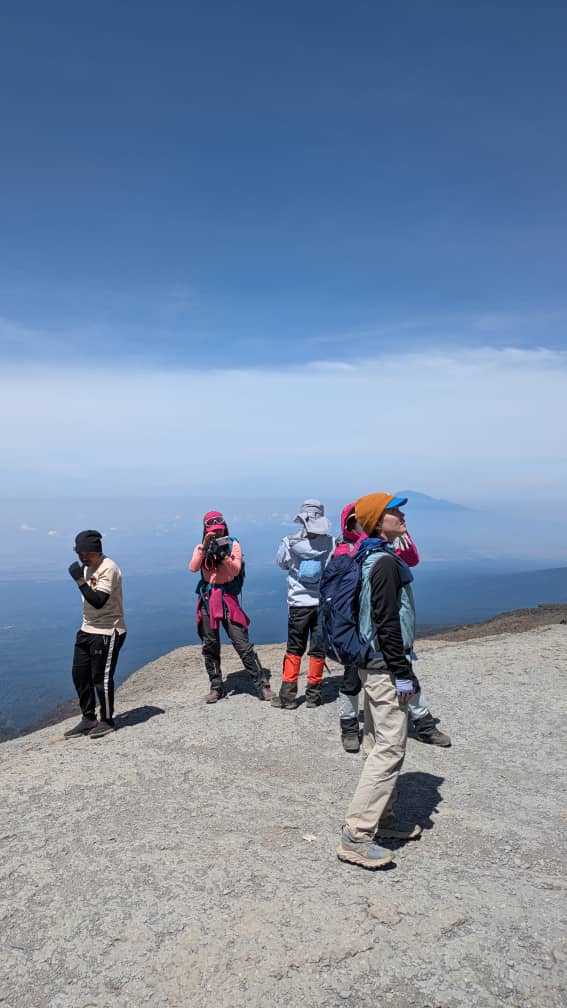
Machame vs Marangu Route: The Essential Kilimanjaro Trekking Guide
Choosing the right route for your Kilimanjaro climb is one of the most critical decisions you’ll make. Among the most popular options, the Machame Route and the Marangu Route stand out, yet they offer vastly different experiences. Understanding the nuances between Machame vs Marangu is key to a successful and enjoyable ascent of Africa’s highest peak. This guide provides an in-depth comparison to help you select the best path for your 2026-2027 Kilimanjaro adventure.
As a seasoned Tanzania tour operator, we’ve guided thousands of trekkers up Kilimanjaro. We know the trails, the challenges, and the triumphs. Let us share our expertise to ensure your climb is everything you dream it will be.
Quick Facts: Machame vs Marangu Route
| Feature | Machame Route | Marangu Route |
|---|---|---|
| Alternative Names | Whiskey Route | Coca-Cola Route |
| Duration Options | 6-7 days | 5-7 days |
| Scenery | Exceptional, diverse, varied landscapes | Good, but less varied than Machame |
| Accommodation | Camping | Huts (dormitory style) |
| Difficulty | Moderate to difficult, more challenging terrain | Moderate, easier ascent and descent |
| Success Rate | Higher (due to longer duration and acclimatization) | Lower (especially on 5-day option) |
| Crowds | Can be busy, especially lower sections | Often the busiest route |
| Acclimatization Profile | Good (especially on 7-day option) | Poorer (especially on 5-day option) |
| Ascent/Descent Paths | Different paths | Same paths |
Kilimanjaro Routes: A Brief Overview
Mount Kilimanjaro, a dormant volcano in Tanzania, is the highest free-standing mountain in the world and a dream destination for trekkers globally. Its summit, Uhuru Peak, stands at 5,895 meters (19,341 feet) above sea level. While reaching the top is a significant physical and mental challenge, the journey itself is what many remember most. Kilimanjaro can be climbed via several routes, each with its own character, duration, and difficulty. The primary routes are Marangu, Machame, Lemosho, Shira, Rongai, and the Northern Circuit. Each route offers unique perspectives of the mountain’s diverse ecosystems, from lush rainforests at the base to the barren alpine desert and finally the arctic summit zone.
The choice of route significantly impacts your acclimatization, comfort, scenery, and ultimately, your chances of reaching the summit. Understanding the differences is crucial for making an informed decision that aligns with your fitness level, budget, and expectations for the climb.
Why the Machame vs Marangu Decision Matters
The decision between Machame vs Marangu Route is not just about picking a path; it’s about choosing an experience. These two routes are often the first ones trekkers consider due to their popularity and infrastructure. However, they differ fundamentally in how they approach the mountain, the type of accommodation provided, and the overall acclimatization strategy.
The Marangu Route, often called the “Coca-Cola Route,” is the oldest and most established. It’s known for its hut accommodation, making it seem more comfortable. However, its direct ascent and rapid progression can lead to poor acclimatization and lower success rates, particularly on the shorter 5-day itinerary. The Machame Route, alternatively known as the “Whiskey Route,” is significantly more scenic and utilizes a “climb high, sleep low” strategy, which is vital for acclimatization. It involves camping and presents a more challenging, but often more rewarding, trekking experience.
For trekkers planning for 2026 or 2027, getting this decision right from the start will set the tone for your entire expedition. A well-chosen route increases your comfort, enjoyment, and summit success probability.
Machame Route Deep Dive
The Machame Route is widely regarded as one of the most beautiful and scenic routes on Kilimanjaro. It winds its way up the southern and western sides of the mountain, offering varied landscapes and excellent acclimatization profiles, especially when trekked over 6 or 7 days.
Machame Route Itinerary Logic
The Machame Route’s popularity stems from its effective acclimatization strategy. It typically takes 6 or 7 days to complete, allowing trekkers to gradually ascend and adapt to the thinning air. The route follows a “climb high, sleep low” principle, where you ascend to higher altitudes during the day and descend to lower camps to sleep. This process helps your body produce more red blood cells, crucial for carrying oxygen at high altitudes.
The typical 7-day Machame itinerary offers the best balance of acclimatization and challenge. While a 6-day option exists, it slightly compromises the acclimatization benefits. The ascent path and descent path are different, meaning you experience more of the mountain’s diverse environments.
Machame Route Key Features
- Scenery: Consistently rated as one of the most visually stunning routes. You traverse rainforests, moorlands, heath, alpine desert, and arctic zones. Highlights include the Shira Plateau, the Lava Tower, and the Barranco Wall.
- Accommodation: Camping. You’ll sleep in tents at designated campsites. This is a more immersive wilderness experience.
- Difficulty: Moderate to difficult. The terrain can be steep and challenging, especially the Barranco Wall, which requires some scrambling.
- Acclimatization: Excellent, particularly on the 7-day itinerary, due to the “climb high, sleep low” strategy.
- Summit Night: Starts from Barafu Camp, a long and demanding ascent to Uhuru Peak.
The Machame Route is a favorite among trekkers seeking a challenging yet rewarding climb with incredible views and a high likelihood of reaching the summit, provided adequate preparation and a well-chosen itinerary length.
Marangu Route Deep Dive
The Marangu Route, often dubbed the “Coca-Cola Route,” is the oldest and most popular path up Kilimanjaro. It is also the only route that offers accommodation in mountain huts rather than tents, making it an attractive option for those seeking a bit more comfort.
Marangu Route Itinerary Logic
The Marangu Route is known for its direct ascent and descent. It offers both 5-day and 6-day itinerary options. The 5-day option is the fastest way to the summit, but it significantly compromises acclimatization. Trekkers ascend quickly, and the “climb high, sleep low” principle is not effectively implemented. This directness often leads to lower summit success rates. The 6-day option adds an extra day for acclimatization, improving the chances of success but still generally considered less optimal than longer routes like Machame.
A unique aspect of the Marangu Route is that the ascent and descent paths are the same. This means you’ll retrace your steps on the way down, seeing the same landscapes from a different perspective.
Marangu Route Key Features
- Scenery: Good, but generally considered less varied and spectacular than Machame or Lemosho. It passes through rainforests, moorlands, and alpine zones.
- Accommodation: Huts. These are dormitory-style rooms with beds, offering a basic level of comfort and shelter.
- Difficulty: Moderate. The trails are generally less steep than Machame, making the physical ascent feel easier.
- Acclimatization: Poor on the 5-day option, moderate on the 6-day option. The rapid ascent and lack of “climb high, sleep low” are major drawbacks.
- Summit Night: Starts from Kibo Huts (or Millennium Camp on the 6-day variation), a long and challenging ascent to Uhuru Peak.
The Marangu Route appeals to trekkers looking for a more comfortable sleeping arrangement and a potentially less physically demanding trek. However, the trade-off is often a lower success rate due to inadequate acclimatization.
Head-to-Head: Machame vs Marangu Route Comparison
When comparing Machame vs Marangu, several key differences emerge that can influence your choice. Here’s a breakdown:
Machame vs Marangu: Detailed Comparison
| Aspect | Machame Route | Marangu Route | Notes |
|---|---|---|---|
| Duration | 6-7 days (7 days recommended) | 5-6 days (6 days recommended) | Longer duration generally means better acclimatization and higher success rates. |
| Accommodation | Camping (tents) | Huts (dormitory style) | Marangu offers more comfort; Machame offers a wilderness experience. |
| Scenery | Excellent, diverse, panoramic views | Good, but less varied | Machame is widely considered more scenic. |
| Acclimatization | Very Good (especially 7-day) | Poor to Moderate (5-day is very poor) | Crucial for summit success. Machame’s “climb high, sleep low” is superior. |
| Difficulty | Moderate to Difficult | Moderate | Machame has steeper sections and more challenging terrain (e.g., Barranco Wall). |
| Success Rate | Higher (typically 80-90% for 7-day) | Lower (typically 60-70% for 6-day, lower for 5-day) | Directly linked to acclimatization and duration. |
| Ascent/Descent Paths | Different | Same | Different paths offer more varied scenery. |
| Crowds | Moderate to High | High (often the busiest) | Marangu’s single base camp and shared paths contribute to congestion. |
| Cost | Slightly higher (due to more days/campsites) | Slightly lower (due to fewer days/hut accommodation) | Cost is influenced by duration, accommodation, and operator. |
Best Time to Climb Kilimanjaro (Machame vs Marangu)
The best time to climb Kilimanjaro, regardless of the route, is during the dry seasons. These periods offer clearer skies, less rain, and more stable weather conditions, which are essential for a safe and enjoyable trek. The two main dry seasons are:
- January to March: This is another excellent dry season, often with colder temperatures due to the proximity to winter in the northern hemisphere. It’s a good time for a Machame vs Marangu comparison, offering clear views.
- June to October: This is the longest dry season and often considered the peak season. The weather is generally stable, though it can be cooler.
Avoid the rainy seasons:
- April to May: This is the main rainy season, characterized by heavy rainfall, especially on the upper slopes. It’s generally not recommended for climbing.
- November to December: This is the shorter rainy season. While rain is less intense than in April-May, it can still impact visibility and trail conditions.
For your 2026-2027 planning, aiming for the dry seasons will significantly enhance your experience on either the Machame or Marangu route. Many trekkers also find success during the shoulder months (like late May or early June, and late October or early November) when crowds are thinner, though you might encounter occasional rain.
Kilimanjaro Route Map Illustration
While a visual map is best, here’s a textual representation of how the Machame and Marangu routes progress on the mountain’s slopes:
Kilimanjaro Route Progression (Simplified)
General Mountain Geography:
- Base: Rainforest (approx. 1,800m – 2,600m)
- Lower Slopes: Moorland & Heath (approx. 2,600m – 3,500m)
- Mid-Slopes: Alpine Desert (approx. 3,500m – 4,500m)
- Upper Slopes: Arctic Zone (approx. 4,500m – 5,895m)
Machame Route (Example 7-Day):
- Day 1: Machame Gate (Rainforest) -> Machame Camp (Moorland)
- Day 2: Machame Camp -> Shira 2 Camp (Moorland/Heath)
- Day 3: Shira 2 Camp -> Lava Tower (Alpine Desert) -> Barranco Camp (Alpine Desert) – Climb high, sleep low
- Day 4: Barranco Camp -> Karanga Camp (Alpine Desert) – Barranco Wall ascent
- Day 5: Karanga Camp -> Barafu Camp (Alpine Desert)
- Day 6: Barafu Camp -> Uhuru Peak (Arctic) -> Millennium Camp (Alpine Desert) – Summit Night
- Day 7: Millennium Camp -> Mweka Gate (Rainforest)
Marangu Route (Example 5-Day):
- Day 1: Marangu Gate (Rainforest) -> Mandara Huts (Moorland)
- Day 2: Mandara Huts -> Horombo Huts (Moorland/Heath)
- Day 3: Horombo Huts -> Kibo Huts (Alpine Desert) – Ascends rapidly
- Day 4: Kibo Huts -> Uhuru Peak (Arctic) -> Horombo Huts (Moorland/Heath) – Summit Night & Descent
- Day 5: Horombo Huts -> Marangu Gate (Rainforest)
Note: This is a simplified illustration. Actual trails involve varied ascents and descents within camps. The 6-day Marangu and 7-day Machame itineraries offer better acclimatization by adding an extra day at higher camps.
Itinerary Options: Machame vs Marangu
The duration of your trek significantly impacts your acclimatization and success rate. Both Machame and Marangu routes offer variations, but the longer options are generally preferred.
Machame Route Itinerary Options
| Day | Start Point | End Point | Approx. Time | Approx. Distance | Altitude Gain | Notes |
|---|---|---|---|---|---|---|
| 6-Day | Machame Gate | Mweka Gate | 40-50 hrs total | 62 km / 38.5 miles | 4,095m / 13,435ft | Less optimal acclimatization, higher risk. |
| 7-Day | Machame Gate | Mweka Gate | 50-60 hrs total | 62 km / 38.5 miles | 4,095m / 13,435ft | Recommended for better acclimatization and success. Includes an extra day at Karanga Camp. |
Marangu Route Itinerary Options
| Day | Start Point | End Point | Approx. Time | Approx. Distance | Altitude Gain | Notes |
|---|---|---|---|---|---|---|
| 5-Day | Marangu Gate | Marangu Gate | 35-45 hrs total | 57 km / 35 miles | 3,695m / 12,120ft | Very poor acclimatization, very low success rate. Not recommended. |
| 6-Day | Marangu Gate | Marangu Gate | 45-55 hrs total | 57 km / 35 miles | 3,695m / 12,120ft | Better acclimatization than 5-day, but still less optimal than Machame 7-day. |
For trekkers planning their 2026 or 2027 climbs, we strongly advise opting for the longest available itinerary for your chosen route. The extra day is invaluable for acclimatization, significantly boosting your chances of reaching Uhuru Peak and making the entire experience more enjoyable.
What to Expect on the Trail
The trekking experience on Machame vs Marangu differs considerably:
Machame Route Experience
The Machame Route is an adventure in true wilderness. You’ll trek through diverse ecological zones, experiencing dramatic changes in vegetation and landscape. Expect:
- Daily Trekking: Most days involve 4-8 hours of trekking.
- Terrain: Varied – from muddy rainforest paths to rocky scree and steep ascents. The Barranco Wall is a notable challenge, requiring careful navigation and some scrambling.
- Views: Consistently stunning. You’ll see glaciers, vast valleys, and the surrounding plains.
- Teamwork: You’ll be part of a team with guides, porters, and cooks, living in tents.
- Summit Night: A very early start (around midnight) for the challenging ascent to Uhuru Peak in the dark, cold, and wind.
Marangu Route Experience
The Marangu Route is often perceived as more of a ‘walk’ due to its gentler slopes and hut accommodation. Expect:
- Daily Trekking: Generally shorter trekking hours compared to Machame, especially on the 5-day option.
- Terrain: More of a well-trodden path, less technical than Machame.
- Views: Pleasant, but you don’t get the same panoramic vistas as on Machame.
- Comfort: Sleeping in huts offers shelter from the elements and a more social atmosphere.
- Summit Night: Similar to Machame, a very early start from Kibo Huts for the summit push.
The Machame route offers a more immersive and challenging trekking experience, while Marangu offers a potentially more comfortable, though less scenic and acclimatizing, journey.
Accommodation and Camping Differences
This is one of the most significant distinctions between Machame vs Marangu:
- Machame Route: Camping
- You will sleep in high-quality, spacious tents throughout the trek.
- Campsites are located in scenic spots, often with good views.
- Your dedicated crew (cook and porters) will set up your tent, cook meals, and manage camp logistics.
- While basic, it’s a true wilderness camping experience.
- Marangu Route: Huts
- Accommodation is in basic, dormitory-style huts. Each hut typically has bunk beds.
- You’ll share a room with other trekkers (unless you book a private room, which is rare and expensive).
- Huts provide shelter from rain and wind, and often have basic toilet facilities.
- Meals are typically served in a communal dining area within the huts.
For many, the comfort of huts on Marangu is appealing. However, camping on Machame allows for a closer connection to nature and often leads to better camaraderie among trekkers and crew.
Difficulty and Success Rates
When comparing Machame vs Marangu, difficulty and success rates are paramount:
- Machame Route Difficulty: Moderate to Difficult. The route features steep ascents, descents, and challenging terrain, notably the Barranco Wall. It requires good physical fitness and mental resilience.
- Machame Route Success Rate: Generally higher. This is attributed to its longer duration (especially the 7-day option) and excellent “climb high, sleep low” acclimatization profile. Success rates for the 7-day Machame are often quoted between 80-90%.
- Marangu Route Difficulty: Moderate. The path is generally less steep and more defined than Machame. The primary challenge is the altitude.
- Marangu Route Success Rate: Lower, particularly on the 5-day itinerary. The rapid ascent and poor acclimatization mean many trekkers struggle with altitude sickness. Even the 6-day option typically has lower success rates than a 7-day Machame climb, often in the 60-70% range.
The physical difficulty of Machame is often offset by its superior acclimatization, leading to a higher probability of reaching the summit. Marangu might seem easier physically day-to-day, but the altitude challenge is more pronounced due to insufficient acclimatization time.
Scenery and Views
Both routes offer beautiful scenery as you ascend Kilimanjaro, but the Machame Route is consistently lauded for its visual splendor.
Machame Route Scenery
The Machame Route is renowned for its dramatic and varied landscapes. You’ll trek through:
- Rainforest: Lush and dense at the start.
- Moorland: Expansive grasslands with giant heathers and senecios.
- Heath: Unique alpine plants and flowers.
- Alpine Desert: A stark, rocky, and barren landscape with minimal vegetation.
- Arctic Zone: The summit area with glaciers and snow.
Key scenic highlights include the Shira Plateau, the towering Lava Tower, and the iconic Barranco Wall. The route offers fantastic panoramic views of the surrounding plains and other peaks.
Marangu Route Scenery
The Marangu Route also traverses the major ecological zones, but the views are often considered less dramatic and varied compared to Machame.
- You’ll pass through rainforests, moorlands, and alpine zones.
- The route is more direct, meaning you don’t experience the same breadth of landscapes as on Machame.
- While beautiful, it doesn’t offer the same ‘wow’ factor in terms of constantly changing vistas.
If breathtaking, diverse scenery is a high priority for your Kilimanjaro climb, the Machame Route is the clear winner in the Machame vs Marangu debate.
Crowds and Atmosphere
The number of trekkers on the mountain can influence your experience. Both routes can be busy, but they differ in how crowds manifest.
Machame Route Crowds
The Machame Route is very popular, especially its 6 and 7-day options. This means campsites can be busy, and you’ll encounter many other trekkers on the trails. However, because the ascent and descent paths are different, the trails themselves are generally less congested than Marangu. The atmosphere is typically one of shared adventure and camaraderie among fellow campers.
Marangu Route Crowds
The Marangu Route is often the busiest due to its accessibility, shorter duration options, and hut accommodation which allows for higher capacity. The trails can feel crowded, and the campsites, particularly Mandara and Horombo Huts, can be quite populated. The shared hut experience can foster a lively atmosphere, but it also means less privacy and potentially more noise.
If you prefer a slightly less congested trail experience, Machame might be preferable, even with busy campsites. Marangu’s popularity means you’re almost guaranteed to be trekking with many others.
Packing and Preparation for Machame vs Marangu
While the core packing list for Kilimanjaro remains the same regardless of route, there are slight considerations for Machame vs Marangu:
Machame Route Packing Considerations
- Camping Gear: Your tour operator will provide tents, but you need to ensure you have a warm sleeping bag (rated to at least -10°C or 0°F), a sleeping pad (if not provided), and a comfortable pillow.
- Layers: Essential for the varied temperatures and altitudes.
- Sturdy Footwear: Waterproof hiking boots are crucial for the often muddy and uneven terrain.
- Rain Gear: A high-quality waterproof and windproof jacket and trousers are non-negotiable.
Marangu Route Packing Considerations
- Comfort Items: While huts provide beds, a good sleeping bag is still highly recommended for warmth and comfort. A sleeping bag liner can add warmth.
- Footwear: Good hiking boots are still necessary, though the terrain is less demanding than Machame.
- Rain Gear: Essential, as rain can occur at any time.
- Personal Items: You’ll be carrying your own daypack, and porters will carry the main duffel bag.
General Preparation for Both Routes:
- Physical Fitness: Both routes require good cardiovascular fitness. Focus on hiking, trekking, and endurance exercises.
- Acclimatization Knowledge: Understand the importance of acclimatization and listen to your body and guides.
- Mental Preparation: Kilimanjaro is a mental as much as a physical challenge. Be prepared for long days, cold temperatures, and the summit night.
- Hydration and Nutrition: Practice drinking plenty of water and eating well.
Regardless of your route choice, thorough preparation is key. For 2026-2027 climbs, start your training at least 3-6 months in advance.
Common Mistakes to Avoid When Choosing Your Route
Many trekkers make common errors when selecting their Kilimanjaro route. Being aware of these can help you make a better decision:
- Choosing the Shortest Route for Cost Savings: Opting for the 5-day Marangu route solely to save money is a major mistake. The significantly lower success rate and increased risk of altitude sickness far outweigh any initial cost savings.
- Underestimating the Altitude: Kilimanjaro is very high. Altitude sickness is a real risk on all routes, but especially on those with poor acclimatization profiles.
- Prioritizing Comfort Over Success: While hut accommodation on Marangu sounds appealing, it shouldn’t be the sole deciding factor if your primary goal is summit success.
- Not Allowing Enough Time: Rushing the climb by choosing a shorter itinerary compromises acclimatization and enjoyment. Longer routes are almost always better.
- Ignoring Scenery: While reaching the summit is the goal, the journey is equally important. Choosing a route known for its beauty, like Machame, can significantly enhance the overall experience.
- Not Researching Operators Thoroughly: The quality of your operator impacts everything from safety to logistics. Always choose a reputable company.
When considering Machame vs Marangu, prioritize acclimatization, duration, and your personal comfort level with camping versus huts. A well-researched decision is the first step to a successful climb.
Who is Each Route Best For?
The Machame vs Marangu route comparison leads to different recommendations based on traveler profiles:
Machame Route is Best For:
- First-time Kilimanjaro trekkers who want a high chance of success and a beautiful journey.
- Trekkers prioritizing scenery and a more immersive wilderness experience.
- Those who are comfortable with camping and basic facilities.
- Individuals seeking a challenging yet rewarding trek with excellent acclimatization.
- Anyone who can commit to a 6 or preferably 7-day itinerary for optimal acclimatization.
Marangu Route is Best For:
- Trekkers who strongly prefer hut accommodation over camping and are willing to accept the potential trade-offs in acclimatization and success rate.
- Those on a tighter budget who might consider the 5-day option (though this is strongly discouraged due to low success rates).
- Individuals who have a history of successful high-altitude treks and are confident in their acclimatization abilities, and thus might manage the faster pace.
- Groups seeking a more social and potentially less physically demanding trek (though altitude remains a significant factor).
For most trekkers, especially those planning for 2026-2027 and aiming for summit success, the 7-day Machame Route is the most recommended option. It offers the best balance of scenery, acclimatization, and a high probability of reaching Uhuru Peak.
Alternatives to Machame and Marangu
While Machame and Marangu are popular, other routes offer unique advantages:
- Lemosho Route: Often considered the most scenic route, Lemosho offers excellent acclimatization (typically 7-8 days) and a wilder trekking experience. It joins Machame after a few days. It’s a top choice for many.
- Shira Route: Similar to Lemosho but starts at a higher altitude, leading to a quicker initial ascent onto the Shira Plateau. It’s generally 7-8 days and offers good scenery and acclimatization.
- Rongai Route: This is the only route approaching from the north. It’s drier and less crowded, making it a good option during the rainy season. It typically takes 6-7 days.
- Northern Circuit: The longest route (9-10 days), offering the highest success rates due to superior acclimatization and the most comprehensive circuit of the mountain. It’s ideal for those who want the ultimate Kilimanjaro experience.
If the Machame vs Marangu comparison doesn’t fully align with your needs, consider these alternatives. For instance, the Lemosho route is a fantastic option that combines great scenery with excellent acclimatization, much like Machame but often with a wilder start.
Planning Your 2026-2027 Kilimanjaro Trek
Planning a Kilimanjaro climb for 2026 or 2027 requires foresight and attention to detail. Here’s a guide to help you:
Kilimanjaro Planning Checklist
- Choose Your Route: Based on this Machame vs Marangu guide, select the route that best fits your goals (success rate, scenery, comfort). The 7-day Machame is highly recommended.
- Select Your Operator: Research reputable tour operators. Look for experienced guides, good safety records, fair treatment of porters, and clear inclusions/exclusions. We can help you with this!
- Book Your Trek: Aim to book 6-12 months in advance, especially if you have specific dates in mind for 2026 or 2027. Popular operators and dates fill up quickly.
- Flights: Book your international flights to Kilimanjaro International Airport (JRO).
- Visa: Check visa requirements for Tanzania for your nationality.
- Travel Insurance: Ensure your insurance covers high-altitude trekking up to 6,000m and emergency medical evacuation. This is non-negotiable.
- Vaccinations & Health: Consult your doctor or a travel clinic about recommended vaccinations and malaria precautions.
- Physical Training: Begin a consistent fitness program 3-6 months prior. Focus on cardiovascular endurance and strength training.
- Gear Acquisition: Start gathering your equipment. Renting some items is possible, but investing in good hiking boots and quality layers is recommended.
- Acclimatization Strategy: Understand how your chosen route facilitates acclimatization. Consider spending a few extra days in Tanzania before your trek to help adjust to the altitude.
- Budget: Factor in the cost of the trek, flights, visa, insurance, tips, personal gear, and any pre/post-trek activities (like safaris or Zanzibar holidays).
Planning well in advance for 2026-2027 is crucial for securing your preferred dates and operator, and for giving yourself ample time to prepare physically and mentally.
Booking Your Kilimanjaro Climb
When you’re ready to book your Kilimanjaro climb, whether it’s Machame vs Marangu or another route, here’s how to proceed:
- Contact Us: Reach out to us directly. We specialize in Kilimanjaro treks and can offer personalized advice based on your experience and goals.
- Discuss Your Preferences: Let us know your preferred route (e.g., Machame vs Marangu), duration, and any specific needs.
- Receive a Detailed Proposal: We will provide a comprehensive itinerary, including what’s included and excluded, and guidance on preparation.
- Confirm Dates: We offer flexible departure dates and can arrange private climbs or join group departures. Check our Machame Route group departures for specific dates.
- Deposit and Payment: A deposit is typically required to secure your booking. We’ll outline payment schedules and methods.
- Pre-Trip Information: Once booked, you’ll receive detailed pre-trip information, including packing lists, training advice, and logistical details for your arrival in Tanzania.
Why Book With Us?
- Expertise: Years of experience guiding Kilimanjaro and Tanzanian adventures.
- Safety First: Highly trained guides, well-maintained equipment, and robust safety protocols.
- Ethical Trekking: We are committed to the fair treatment and ethical employment of our porters and guides.
- Customization: We can tailor treks to your needs and combine them with safaris or Zanzibar holidays.
- Local Knowledge: Deep understanding of Kilimanjaro and Tanzania.
For inquiries or to start planning your 2026-2027 Kilimanjaro adventure, you can reach us via:
- WhatsApp: +255616946642
- Email: topguideadventures@gmail.com
- Backup Email: info@topguideadventures.com
We also offer fantastic Tanzania safari group departures if you wish to combine your climb with an unforgettable wildlife experience.
Reviews and Social Proof
Don’t just take our word for it. Hear from trekkers who have climbed with us:
- Traveler Feedback: See what our clients say about their Kilimanjaro climbs and other Tanzanian adventures on TripAdvisor.
- Instagram Updates: Follow our latest expeditions, see stunning photos, and get a feel for the adventures we offer on our Instagram page.
Our commitment is to provide exceptional service and unforgettable experiences. We believe in transparency and are proud of the positive feedback we receive from our clients.
Frequently Asked Questions (FAQs)
Machame vs Marangu Route: Your Questions Answered
1. Which route, Machame or Marangu, has a higher success rate?
The Machame Route, particularly the 7-day itinerary, generally has a higher success rate than the Marangu Route. This is primarily due to its superior acclimatization profile, which allows the body more time to adjust to the altitude. The 5-day Marangu route has a notably low success rate.
2. Is the Machame or Marangu Route more scenic?
The Machame Route is widely considered more scenic. It offers more varied landscapes and breathtaking panoramic views as it traverses different sides of the mountain. Marangu is beautiful but less diverse in its vistas.
3. What is the main difference in accommodation between Machame and Marangu?
The main difference is that Machame is a camping route, meaning you sleep in tents. Marangu is the only route with hut accommodation, offering dormitory-style rooms with beds.
4. Which route is less crowded, Machame or Marangu?
While both routes can be busy, the Marangu Route is often more crowded. Its single ascent/descent path and hut system can lead to more concentrated numbers of trekkers. Machame’s trails are less congested, though campsites can be full.
5. Is the Marangu Route easier because it has huts?
The Marangu Route’s trails are generally less steep, making the physical effort of walking feel easier. However, its poor acclimatization profile means altitude sickness is a greater risk, making the overall climb challenging and potentially more dangerous. The difficulty is not solely about the trail but also the altitude adaptation.
6. Which route should I choose for my 2026-2027 Kilimanjaro climb?
For most trekkers, especially those prioritizing success and scenery, the 7-day Machame Route is the recommended choice for 2026-2027. If hut accommodation is a non-negotiable requirement, the 6-day Marangu Route is an option, but be aware of the lower success rates.
7. Can I combine Kilimanjaro with a safari or Zanzibar trip?
Absolutely! Many trekkers combine their Kilimanjaro climb with a safari in Tanzania’s famous national parks (like Serengeti, Ngorongoro, Tarangire) or a relaxing holiday on the island of Zanzibar. We specialize in creating these combined itineraries. Check out our safari group departures.
8. What is the best time of year to climb Kilimanjaro for Machame vs Marangu?
The best times are the dry seasons: January-March and June-October. These periods offer the most stable weather for both routes. For 2027 planning, these months are ideal.
9. How much should I tip my guides and porters?
Tipping is customary and greatly appreciated. Your operator will provide recommended tipping guidelines, typically based on the number of crew members and the length of the trek. It’s usually calculated per trekker and paid in USD at the end of the climb.
10. Do I need special equipment for the Barranco Wall on Machame?
No special equipment like ropes or harnesses are needed for the Barranco Wall. It’s a challenging scramble that requires using your hands for balance and support. Your guides will assist you, and good hiking boots with grip are essential.
Ready to Climb? Let’s Plan Your Kilimanjaro Adventure!
Choosing between the Machame vs Marangu Route is a significant step in planning your Kilimanjaro expedition. While Marangu offers huts, the Machame Route, especially the 7-day itinerary, provides a superior balance of stunning scenery, effective acclimatization, and a higher probability of reaching the summit. For your 2026-2027 adventure, prioritize a route that maximizes your chances of success and enjoyment.
At Top Guide Adventures Tanzania, we are passionate about helping you achieve your Kilimanjaro dream. Our experienced guides, commitment to safety, and ethical trekking practices ensure an unforgettable journey. Whether you’re leaning towards Machame, Marangu, or exploring other routes, we are here to guide you every step of the way.
Contact us today to discuss your ideal Kilimanjaro climb. Let’s make your 2026-2027 adventure a reality!
- WhatsApp: +255616946642
- Email: topguideadventures@gmail.com
- Backup Email: info@topguideadventures.com
We can also help you plan incredible Tanzania safaris and trips to Zanzibar. Visit our other website for more information: www.topguideadventures.com.
Complete Best Machame vs Marangu Route Guide Planning Details for 2026- 2027-2028
Best Machame vs Marangu Route Guide needs more than a quick description because travelers normally want to understand timing, route logic, comfort level, inclusions, local support, safety, and how the trip fits with the rest of a Tanzania journey. For 2026- 2027-2028, the best plan is to compare the route, travel month, daily pace, accommodation style, and transport arrangement before confirming.
A strong plan should explain where the trip starts, what happens each day, how long transfers may take, what travelers should prepare, and which parts can be customized. This makes the page useful for families, couples, solo travelers, private groups, budget travelers, mid-range guests, and luxury travelers.
Important things to confirm before booking
- Exact starting point and pickup time.
- Accommodation level or day-trip timing.
- Transport type and guide arrangement.
- Park fees, activities, meals, drinking water, and transfers.
- Best travel month for weather, wildlife, trekking, beaches, or photography.
- Payment plan, deposit, cancellation terms, and changes if travel dates move.
Best Machame vs Marangu Route Guide Sample Structure and Route Logic
Most travelers choose Best Machame vs Marangu Route Guide because they want a clear experience that is easy to understand and simple to book. The structure should feel practical: arrival or pickup, main activity, important stops, relaxed timing, overnight or return plan, and final drop-off. When the topic involves safari, the route should respect park distance and game drive time. When it involves Kilimanjaro, the route should respect acclimatization and safe pacing. When it involves Zanzibar, the plan should balance ocean activities, culture, relaxation, and transfer time.
| Planning Area | What to Check | Why It Matters |
|---|---|---|
| Timing | Season, pickup time, daily pace, and activity duration | Helps avoid rushed travel and gives better value |
| Comfort | Budget, mid-range, luxury, private, or shared style | Matches the trip with the traveler expectation |
| Logistics | Transfers, vehicle, guide, permits, and entry rules | Prevents surprises during the trip |
| Booking | Deposit, availability, route, inclusions, and final balance | Makes confirmation smooth and transparent |
Top Guide Adventures Recommendation
Best Tanzania Tour operator recommends treating Best Machame vs Marangu Route Guide as a complete travel plan rather than only a title. A good operator should explain the route, guide support, what is included, what is excluded, how timing works, and what can be adjusted. Travelers can also compare Tanzania safari group departures and shared tours, check Machame Route Kilimanjaro group departures, or read more articles in the Tanzania safari tours blog.
For a more personal look at current trips and field updates, travelers may follow Top Guide Adventures on Instagram, review traveler feedback on Tripadvisor, or visit our another website.
Best Machame vs Marangu Route Guide FAQs for 2026- 2027-2028
How early should I book Best Machame vs Marangu Route Guide?
Booking early is better for 2026- 2027-2028, especially for high season, family travel, group departures, Kilimanjaro routes, Serengeti safaris, Zanzibar holidays, and private customized tours.
Can this trip be customized?
Yes. The route, accommodation level, pace, pickup point, and add-ons can usually be adjusted depending on availability and the travel dates.
Is Best Machame vs Marangu Route Guide suitable for first-time travelers?
Yes, when the itinerary is explained clearly and the guide support is reliable. First-time travelers should ask for a simple day-by-day plan, inclusions, exclusions, and preparation notes.
What should I ask before confirming?
Ask about transport, guide, meals, park or activity fees, accommodation, payment plan, cancellation terms, and what happens if weather or travel timing changes.
Plan your Best Machame vs Marangu Route Guide with Top Guide Adventures
Tell us your travel dates, group size, comfort level, and dream experience. We will help you shape a clear, realistic, and memorable Tanzania itinerary.







 Veedesigner
 Fatma Kizanga
 Benjamin Waryuba
 Philip Philip
 John jr Itaja
 Antonia Optatus
 Edith Kanyere
 Neema Iddy
 Kelvin Boniphace
 Damari Maiga



