
Updated planning guide for 2026, 2027-2028
Affordable Marangu Route Price: Expert Trekking Guide 2026-2027-2028
Planning an affordable Kilimanjaro trek via the Marangu Route? This comprehensive guide breaks down the Marangu Route price, itinerary options, what's included, and how to get the best value for your 2026-2027 adventure.
WhatsApp +255616946642 | topguideadventures@gmail.com | info@topguideadventures.com

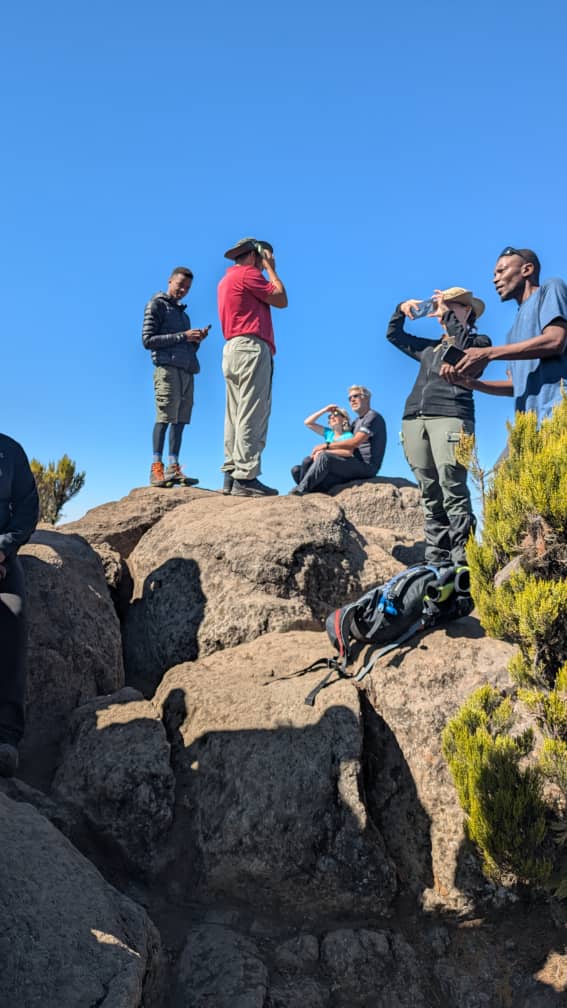
The dream of standing on the roof of Africa, Mount Kilimanjaro, is a powerful one. For many, the Marangu Route presents itself as a popular and potentially more accessible option, often associated with a more budget-friendly approach. However, understanding the true affordable Marangu Route price involves looking beyond the initial quoted figure. It requires a deep dive into what influences costs, what is typically included, and how to ensure you’re not sacrificing safety or experience for a lower price. This guide aims to provide you with all the necessary information to plan your Marangu Route climb effectively for 2026 and 2027, ensuring you find excellent value without compromising your adventure.
Quick Facts: Marangu Route
| Feature | Details |
|---|---|
| Route Name | Marangu Route (Coca-Cola Route) |
| Starting Point | Marangu Gate (1,860m / 6,100ft) |
| Ending Point | Marangu Gate (Descent) |
| Duration Options | 5 or 6 days |
| Success Rate | Lower than longer routes (especially 5-day) due to faster ascent. |
| Accommodation | Huts available at campsites (dormitory style). Unique for Kilimanjaro. |
| Scenery | Diverse, from rainforest to moorland, alpine desert, and arctic zone. Ascends and descends the same path. |
| Difficulty | Moderate, but the rapid ascent increases acclimatization challenges. |
| Best For | Beginners seeking a more comfortable stay (huts), those on a tighter budget, or those wanting a shorter trek. |
Marangu Route Overview
The Marangu Route, often affectionately called the “Coca-Cola Route” due to its popularity and relative accessibility, is one of the oldest and most established trekking paths on Mount Kilimanjaro. It is distinctive for being the only route that offers overnight accommodation in dormitory-style mountain huts, rather than camping. This unique feature appeals to trekkers who prefer a bit more comfort and a break from setting up tents. The route ascends and descends along the same path, which can be a drawback for scenery variety but also means less complex logistics. While it is frequently marketed as the most affordable way to climb Kilimanjaro, a truly affordable Marangu Route price should be evaluated based on comprehensive inclusions and the quality of service provided, not just the lowest number.
Climbers typically choose between a 5-day or 6-day itinerary. The 5-day option is faster and therefore cheaper, but significantly increases the risk of altitude sickness due to rapid ascent. The 6-day itinerary allows for an extra day of acclimatization, which is highly recommended by most operators and guides. The route traverses through five distinct ecological zones of Kilimanjaro, offering a fascinating journey from lush rainforests to the stark, icy summit. Understanding these fundamentals is key to appreciating the nuances of the Marangu Route price.
Why Choose the Marangu Route?
Several compelling reasons draw trekkers to the Marangu Route, especially those looking for value and a different kind of mountain experience:
- Accommodation in Huts: This is the primary differentiator. Unlike other routes where you sleep in tents, Marangu offers basic but solid huts with beds and mattresses. This provides a more comfortable and sheltered experience, especially during colder nights or inclement weather. It feels more like a mountain lodge experience, albeit a very basic one.
- Perceived Affordability: Historically, the Marangu Route has often been perceived as the cheapest option. This perception stems from its shorter duration options (5 days) and the fact that it uses huts, which can sometimes reduce the logistical complexity and therefore cost for operators compared to providing full camping gear and services for every night. However, as we’ll explore, the lowest price doesn’t always mean the best value.
- Shorter Duration Options: With 5-day itineraries available, it appeals to those with limited time. However, this comes with a significant caveat regarding acclimatization and success rates.
- Gentle Slope (Initially): The initial ascent through the rainforest is less steep than on some other routes, making the first day or two feel more manageable.
- East Side Approach: It approaches Kilimanjaro from the east, offering different views compared to the western routes.
While these points are attractive, it’s crucial to weigh them against the route’s drawbacks, such as the shared ascent/descent path and the potentially lower acclimatization profile, which can impact the overall success rate, particularly on the 5-day version. When evaluating the affordable Marangu Route price, consider what trade-offs you are comfortable making.
Factors Affecting Marangu Route Price
The price you see for a Marangu Route climb can vary significantly between tour operators. Understanding these variables helps you interpret quotes and identify genuine value. Here are the key factors:
- Operator Type: Local Tanzanian operators often offer lower prices than international companies, as they have lower overheads. However, ensure they maintain high safety standards and experienced guides. We, at Best Tanzania Tour Operator, are a local company committed to quality and safety.
- Group Size: Climbing in a larger group can sometimes lead to a slightly lower per-person cost, as fixed costs like park fees and guide salaries are shared among more people. However, extremely large groups can also feel less personal.
- Duration of the Climb: The 5-day Marangu Route is cheaper than the 6-day version. The extra day on the 6-day itinerary is dedicated to acclimatization, significantly improving your chances of reaching the summit and is well worth the additional cost.
- Inclusions: This is perhaps the biggest variable. Does the price include park fees, rescue fees, meals, accommodation (huts and hotels before/after), equipment rental (sleeping bags, poles), bottled water, oxygen cylinders, team salaries (guides, cooks, porters), and transportation? A cheap quote might exclude many of these essential items.
- Quality of Service: A higher price often reflects better quality equipment, more experienced and better-paid guides and crew, higher safety standards (e.g., carrying more medical oxygen, pulse oximeters), better food, and a more reliable operation.
- Time of Year: While not as pronounced as on some other treks, prices can sometimes fluctuate slightly based on peak or shoulder seasons.
- Profit Margins: Different companies have different business models and profit margins.
When comparing quotes for an affordable Marangu Route price, always ask for a detailed breakdown of what is included and excluded. This transparency is a hallmark of a reputable operator.
Understanding Kilimanjaro Park Fees
A significant portion of any Kilimanjaro trek cost is made up of mandatory park fees set by the Tanzania National Parks Authority (TANAPA). These fees are non-negotiable and are the same for all reputable operators. Understanding these helps explain why a truly cheap trek might be cutting corners elsewhere.
- Park Fees: For the Marangu Route, this is typically around $70-$80 USD per person per day. This fee grants you access to the national park and its trails.
- Camping/Hut Fees: Marangu Route uses huts, so you’ll have hut fees instead of camping fees. These are also per person per night.
- Crater Fees (if applicable): Not relevant for the standard Marangu Route, but important for other routes like the Northern Circuit or for those who opt for a crater rim visit.
- Rescue Fees: A mandatory fee for emergency rescue services. This is crucial for safety and should always be included.
- Crew Fees: Fees for porters and guides, which are also regulated to ensure fair wages.
Reputable operators will always include these mandatory fees in their quoted price. If a quote seems exceptionally low, it’s a red flag that these essential fees might be excluded, or that the operator is not adhering to TANAPA’s regulations, which can lead to problems on the mountain. Always confirm that your affordable Marangu Route price includes all official park and conservation fees.
What Is Typically Included in the Price?
A comprehensive and reputable Marangu Route package should include the following to ensure a safe and enjoyable trek:
- All Kilimanjaro National Park entrance fees: This covers daily park fees and hut fees for the duration of your trek.
- Rescue fees: Essential for your safety.
- Qualified Guides: Experienced, licensed, and first-aid trained guides. The ratio of guides to climbers is important for safety.
- Assistant Guides: Additional guides to support the lead guide and ensure group safety.
- Cooks and Porters: A team to carry your main luggage, set up camp/huts, and prepare meals.
- All Meals on the Mountain: Typically three meals a day (breakfast, lunch, dinner) prepared by the trek crew. Quality and variety can vary.
- Accommodation: Dormitory-style huts on the mountain.
- Camping Equipment (if applicable): While Marangu is hut-based, if any part of a package involves camping, this should be included.
- Boiled Drinking Water: Provided daily on the mountain.
- Temporary Tents (for guides/porters): For the crew.
- Mess Tents: A common dining tent for groups on camping routes, less relevant for Marangu but good operators ensure comfortable communal spaces.
- Transfer: Transportation from Moshi to Marangu Gate and back.
- Basic First Aid Kit: Carried by guides.
- Oxygen Cylinders: Carried for emergency use.
- Pre- and Post-Climb Accommodation: Often includes one or two nights in a hotel in Moshi (check your specific package).
When seeking an affordable Marangu Route price, ensure that the majority of these items are clearly listed in the inclusions. This prevents unexpected costs and ensures a higher standard of safety and comfort.
What Is Usually Not Included?
To manage expectations and budget effectively, be aware of common exclusions:
- Flights: International flights to Kilimanjaro International Airport (JRO) and any domestic flights.
- Visa Fees: For Tanzania.
- Travel Insurance: Comprehensive insurance covering high-altitude trekking and emergency evacuation is mandatory.
- Personal Gear: Sleeping bags, hiking poles, waterproof clothing, warm layers, boots, etc. (Some operators offer rentals).
- Tips for Guides and Crew: This is a significant part of the cost and is expected. Guidelines are usually provided.
- Lunches and Dinners in Moshi: Unless specified, meals before and after the trek in town are usually not included.
- Beverages: Soft drinks, alcoholic beverages, and extra bottled water beyond what is provided.
- Personal Expenses: Souvenirs, laundry, etc.
- Optional Equipment Rental: Such as down jackets, sleeping bags, or trekking poles if not included.
A transparent operator will clearly outline these exclusions. This helps you budget realistically for your entire trip, not just the trek itself.
Marangu Route Itineraries
The Marangu Route is primarily offered in two durations, each with distinct advantages and disadvantages. The choice significantly impacts the affordable Marangu Route price and, more importantly, your chances of success and overall experience.
Sample Marangu Itinerary: 6 Days
This is the recommended minimum duration for the Marangu Route, offering better acclimatization.
| Day | Route | Altitude Gain | Accommodation | Approx. Time | Distance | Notes |
|---|---|---|---|---|---|---|
| 1 | Marangu Gate (1,860m) to Mandara Huts (2,700m) | +840m | Huts | 3-5 hours | 8 km / 5 miles | Through rainforest. Possible side trip to Maundi Crater. |
| 2 | Mandara Huts (2,700m) to Horombo Huts (3,720m) | +1,020m | Huts | 4-6 hours | 12 km / 7.5 miles | Enter moorland zone. Stunning views of Kibo and Mawenzi peaks. |
| 3 | Horombo Huts (3,720m) to Acclimatization Day (Optional Day) | N/A | Huts | N/A | N/A | Rest day at Horombo, or hike to Zebra Rocks (approx. 3,900m) and back for acclimatization. Highly recommended. |
| 4 | Horombo Huts (3,720m) to Kibo Huts (4,720m) | +1,000m | Huts | 4-5 hours | 10 km / 6 miles | Cross the alpine desert. Views become more barren. Reach the base of the summit cone. |
| 5 | Kibo Huts (4,720m) to Uhuru Peak (5,895m) and down to Horombo Huts (3,720m) | +1,175m / -2,175m | Huts | 10-15 hours (summit day) | 6 km / 3.7 miles up, 16 km / 10 miles down | Summit attempt starts around midnight. Reach Stella Point (5,756m) then Uhuru Peak. Descend past Kibo Huts to Horombo. Longest and toughest day. |
| 6 | Horombo Huts (3,720m) to Marangu Gate (1,860m) | -1,860m | N/A | 5-7 hours | 20 km / 12.5 miles | Descend through rainforest. Celebration at the gate. Transfer to Moshi. |
Sample Marangu Itinerary: 5 Days
This shorter itinerary is cheaper but significantly increases the risk of altitude sickness.
| Day | Route | Altitude Gain | Accommodation | Approx. Time | Distance | Notes |
|---|---|---|---|---|---|---|
| 1 | Marangu Gate (1,860m) to Mandara Huts (2,700m) | +840m | Huts | 3-5 hours | 8 km / 5 miles | Through rainforest. |
| 2 | Mandara Huts (2,700m) to Kibo Huts (4,720m) | +2,020m | Huts | 7-8 hours | 20 km / 12.5 miles | A very long day, crossing moorland and alpine desert. Skips Horombo. Rapid ascent. |
| 3 | Kibo Huts (4,720m) to Uhuru Peak (5,895m) and down to Horombo Huts (3,720m) | +1,175m / -2,175m | Huts | 10-15 hours (summit day) | 6 km / 3.7 miles up, 16 km / 10 miles down | Summit attempt starts around midnight. Descend past Kibo Huts to Horombo. High risk of altitude sickness. |
| 4 | Horombo Huts (3,720m) to Marangu Gate (1,860m) | -1,860m | N/A | 5-7 hours | 20 km / 12.5 miles | Descend through moorland and rainforest. |
| 5 | Buffer Day / Moshi | N/A | N/A | N/A | N/A | This day is sometimes used as a buffer or for rest in Moshi. Some operators might list it as the final descent day, making it a 4-day trek. We advise against 4-day treks. |
The 5-day itinerary skips the acclimatization day at Horombo and makes a direct, rapid ascent from Mandara to Kibo. This dramatically increases the risk of Acute Mountain Sickness (AMS) and significantly lowers the summit success rate. While it offers a cheaper affordable Marangu Route price, it is generally not recommended by experienced guides and operators focused on client safety and success.
Best Time to Climb Marangu Route
Kilimanjaro can be climbed year-round, but certain periods offer more favorable weather conditions. The best times to ascend the Marangu Route are during the dry seasons:
- January to March: Generally dry and clear, with good visibility. Can be cold, especially at higher altitudes. This is a popular period.
- June to October: Another dry season, characterized by cooler temperatures and clear skies. This is often considered the absolute best time due to the combination of dry weather and less cloud cover. This period is also very popular.
Less Ideal Times (Shoulder/Wet Seasons):
- April and May: These are typically the wettest months, with heavy rainfall common, especially in the lower rainforest zone. Trails can be muddy and visibility poor.
- November and December: These months mark the short rainy season. Rain is usually less intense than in April/May but can still occur, often as afternoon showers.
Even during the dry seasons, weather on Kilimanjaro can be unpredictable. You can experience sun, rain, wind, and snow all in one day. It’s essential to pack for all conditions regardless of the season. The pricing for an affordable Marangu Route price might see slight variations during peak versus shoulder seasons, but safety and reliable operations should always be the priority.
What to Expect on the Marangu Route
The Marangu Route offers a unique trekking experience on Kilimanjaro:
- Scenery: You’ll trek through five distinct ecological zones: cultivation/rainforest, heath/moorland, alpine desert, arctic zone, and finally, the summit zone. The rainforest is dense and can be misty. The moorland opens up with giant heathers and groundsels. The alpine desert is stark and rocky, with sparse vegetation. The arctic zone is dominated by ice and rock.
- Crowds: As one of the most popular routes, especially the 5-day option, you can expect to encounter other trekkers. The huts can become quite busy.
- Hut Accommodation: The huts are basic structures with bunk beds and mattresses. They typically have communal sleeping areas, a common room, and basic toilet facilities. They offer shelter but are not luxurious. Expect shared rooms, often with 6-8 people.
- Food: Your trek crew will prepare meals. Expect a varied menu including porridge, eggs, toast for breakfast; packed lunches or hot lunches at designated spots (soup, sandwiches, pasta); and dinners like rice, stew, chicken, pasta, and vegetables. The quality and variety can differ based on the operator.
- Ascent/Descent Path: The major drawback is ascending and descending the same path. This means you see the same scenery twice and don’t get the varied perspectives of routes like Machame or Lemosho.
- Summit Night: This is the most challenging part. You’ll start your ascent around midnight from Kibo Huts, trekking in the dark with headlamps. The climb is steep, slow, and done in cold, windy conditions. Reaching Stella Point at sunrise and then Uhuru Peak is an incredible, albeit exhausting, achievement.
- Descent: The descent from the summit is often faster than expected, and can be hard on the knees. On the 6-day Marangu, you descend from the summit to Horombo Huts, breaking up the long journey. On the 5-day, it’s a very long descent from the summit all the way to Marangu Gate.
When considering an affordable Marangu Route price, ensure your operator provides experienced guides who can manage the challenges of summit night and descent, and that the food quality is sufficient to fuel your body.
Physical Preparation for Marangu
While the Marangu Route is often perceived as easier due to the huts and shorter options, reaching Uhuru Peak (5,895m) requires significant physical and mental preparation. Altitude is the primary challenge, not necessarily the technical difficulty of the terrain.
- Cardiovascular Fitness: Engage in regular aerobic activities like hiking, running, cycling, or swimming for at least 3-4 months before your trek. Focus on endurance.
- Hiking with a Pack: Practice hiking on varied terrain, including hills, while carrying a daypack (5-10 kg). This simulates trek conditions and helps your body adapt to carrying weight.
- Strength Training: Focus on lower body strength (squats, lunges) and core strength, which will help with stability and endurance on the mountain.
- Mental Preparation: Understand that altitude sickness is a real risk. Be prepared for challenging conditions, cold, and fatigue. A positive mental attitude is crucial for pushing through difficult moments.
- Acclimatization Practice: If possible, practice hiking at higher altitudes in your home country to gauge your body’s response.
The 5-day Marangu itinerary offers very little time for acclimatization. Even with excellent fitness, rapid ascent poses a high risk. The 6-day itinerary, with its extra day at Horombo, provides a better chance for your body to adjust. Your affordable Marangu Route price should not come at the expense of being advised on proper preparation or being rushed through acclimatization stages.
Gear and Packing List
Proper gear is essential for comfort and safety on Kilimanjaro. While the Marangu Route uses huts, you still need to pack for sub-zero temperatures, wind, and rain.
Clothing
- Base Layers: Moisture-wicking thermal tops and bottoms (merino wool or synthetic).
- Mid Layers: Fleece jacket or vest for insulation.
- Outer Layer (Insulation): A warm down or synthetic insulated jacket.
- Waterproof/Windproof Shell: A breathable, waterproof and windproof jacket and trousers.
- Trekking Trousers: Lightweight, quick-drying trousers (avoid jeans).
- Hiking Shirts: Several moisture-wicking short and long-sleeved shirts.
- Headwear: Warm woolen hat that covers your ears, a sun hat with a brim, and a balaclava or neck gaiter.
- Gloves: Warm, waterproof outer gloves and thinner liner gloves.
Footwear
- Hiking Boots: Broken-in, waterproof, sturdy hiking boots with good ankle support.
- Camp Shoes/Sandals: For relaxing in the huts.
- Socks: Several pairs of warm, moisture-wicking hiking socks (wool or synthetic).
Equipment
- Backpack: A comfortable daypack (25-35 liters) for essentials you need during the day (water, snacks, camera, rain gear).
- Duffel Bag: A large, waterproof duffel bag (80-100 liters) for your main gear, carried by porters.
- Sleeping Bag: A warm (-10°C to -20°C comfort rating) sleeping bag. Huts provide beds but no bedding.
- Trekking Poles: Highly recommended for stability and to reduce strain on knees.
- Headlamp: With extra batteries (essential for summit night).
- Water Bottles/Hydration Reservoir: At least 2-3 liters capacity.
- Sunglasses: High UV protection.
- Gaiters: To keep mud and scree out of your boots.
- Towel: Quick-drying travel towel.
- Personal First Aid Kit: Including blister treatment, pain relievers, personal medications.
Other Essentials
- Sunscreen: High SPF.
- Lip Balm: With SPF.
- Insect Repellent: Especially for the rainforest zone.
- Toiletries: Biodegradable soap, toothbrush, toothpaste, wet wipes.
- Camera: With extra batteries and memory cards.
- Power Bank: To charge electronics.
- Snacks: Energy bars, nuts, dried fruit, chocolate.
- Book/Journal: For downtime.
- Passport and Visa: Keep in a secure, waterproof pouch.
- Cash: For tips and personal expenses.
While looking for an affordable Marangu Route price, check if your operator offers equipment rental for items like sleeping bags or trekking poles, which can save you money if you don’t own them.
Common Mistakes to Avoid When Booking Marangu
Many trekkers make mistakes that can compromise their experience or safety. Be aware of these:
- Choosing the Shortest Itinerary (5 Days): This is the most common and dangerous mistake. The rapid ascent significantly increases the risk of altitude sickness and lowers your chances of reaching the summit. Always opt for the 6-day Marangu or consider longer routes.
- Focusing Solely on Price: The cheapest operator might cut corners on guide training, safety equipment (like sufficient oxygen), food quality, or porter welfare. A slightly higher affordable Marangu Route price from a reputable operator is a much safer investment.
- Not Checking Inclusions/Exclusions: Hidden costs can quickly escalate. Ensure park fees, rescue fees, meals, and transfers are included.
- Underestimating the Altitude: Kilimanjaro is a serious climb. Do not assume that because you are fit, you will be immune to altitude sickness. Listen to your body and your guides.
- Inadequate Gear: Not packing essential warm, waterproof, and layered clothing can lead to hypothermia or extreme discomfort, jeopardizing your climb.
- Not Researching the Operator: Look for reviews, check their safety protocols, and ask questions. Reputable companies are transparent and responsive.
- Ignoring Travel Insurance: This is non-negotiable. Ensure your policy covers high-altitude trekking and emergency helicopter evacuation up to 5,895 meters.
Prioritize safety and a well-supported trek over the lowest possible price for your affordable Marangu Route price search.
Who is the Marangu Route Best Suited For?
The Marangu Route appeals to a specific type of trekker:
- Beginner Trekkers: Those new to multi-day trekking who might be apprehensive about camping might find the hut accommodation more appealing and less daunting.
- Budget-Conscious Travelers: While not always the absolute cheapest overall when considering success rates, it can offer a more budget-friendly entry point if compared only on daily cost, especially if opting for the 5-day itinerary (though not recommended).
- Those Seeking Comfort: The appeal of sleeping in a bed and having a roof overhead, especially if expecting cold or wet weather, is a significant draw.
- Travelers with Limited Time: The 5-day option, despite its risks, is chosen by those with very strict time constraints.
- Those Who Prefer Same-Day Descent: Some trekkers prefer the simplicity of descending the same path they ascended.
However, it’s crucial to reiterate that for those prioritizing a high success rate and better acclimatization, longer routes like Machame, Lemosho, or even the 7-day Marangu are superior choices. When looking for an affordable Marangu Route price, ensure it aligns with your priorities for safety and success.
Alternatives to the Marangu Route
If the Marangu Route doesn’t quite fit your needs, or if you want to improve your chances of summiting while still potentially managing costs, consider these alternatives:
- Machame Route: Often called the “Whiskey Route,” it’s more scenic than Marangu, with a longer ascent profile for better acclimatization. It’s a camping route and generally has higher success rates. You can find group departures for Machame, which can help manage costs, for example, Machame Route Kilimanjaro Group Departures Dates.
- Lemosho Route: Known for its stunning scenery and excellent acclimatization profile. It’s longer (7-8 days) and typically more expensive than Marangu, but offers a more remote and rewarding experience with very high success rates.
- Shira Route: Similar to Lemosho but starts at a higher altitude.
- Rongai Route: Approaches Kilimanjaro from the north, offering a different perspective and generally drier conditions, making it a good option during rainy seasons. It’s a camping route.
- Northern Circuit: The longest route (9-10 days), offering the best acclimatization and highest success rates. It circles the mountain for panoramic views. This is typically the most expensive option.
While Marangu might offer a lower headline affordable Marangu Route price, the longer camping routes often provide better value in terms of acclimatization, scenery, and overall success rate. If you’re also considering a safari, we have information on Tanzania Safari Group Departures Dates and Best Shared Tours which can help combine your adventure.
Planning Your Marangu Trip for 2026-2027
Planning ahead is crucial, especially if you’re targeting specific dates in 2026 or 2027. Here’s a timeline and considerations:
- 12-18 Months Before: Start researching tour operators. Look for those with good reviews, clear safety protocols, and transparent pricing. Decide on your preferred route (Marangu 6-day recommended) and travel dates. Book your international flights.
- 9-12 Months Before: Book your trek with your chosen operator. This secures your spot, especially if you’re aiming for peak season in 2026 or 2027. Start your physical training program.
- 6-9 Months Before: Begin purchasing or gathering your essential trekking gear. Ensure you have sturdy hiking boots and have started breaking them in.
- 3-6 Months Before: Continue your fitness training diligently. Finalize your travel insurance policy, ensuring it covers high-altitude trekking. Arrange any necessary visas for Tanzania.
- 1-3 Months Before: Confirm all pre-trek arrangements, including airport transfers and any hotel stays in Moshi. Pack your duffel bag and daypack, checking off items from your packing list.
- 1-2 Weeks Before: Do a final gear check. Inform your bank of your travel dates to avoid card issues. Get any necessary vaccinations or malaria prophylaxis (consult your doctor).
- Upon Arrival: Meet your tour operator for a pre-climb briefing. Finalize any equipment rentals. Get a good night’s sleep before heading to the mountain.
Booking early for 2026 and 2027 can sometimes secure better prices or ensure availability on your preferred dates, especially if you are looking for a specific affordable Marangu Route price that includes certain amenities or services.
Booking Advice for the Marangu Route
Securing the right Marangu Route package requires careful consideration. Here’s how to make an informed decision:
- Prioritize Safety: Look for operators who carry sufficient medical oxygen, pulse oximeters, and have well-trained guides. Check their emergency evacuation procedures.
- Read Reviews: Consult platforms like TripAdvisor for recent traveler feedback. Look for consistent themes regarding guide quality, food, safety, and overall experience. You can see traveler feedback here.
- Ask Detailed Questions: Don’t hesitate to ask about guide qualifications, crew-to-client ratios, food menus, and exact inclusions/exclusions. A reputable operator will be happy to provide this information.
- Compare Apples to Apples: Ensure you are comparing packages that offer similar inclusions and service levels. A low price might be attractive, but if it excludes essential services, it won’t be truly affordable.
- Understand the Itinerary: Always opt for the 6-day Marangu Route for better acclimatization and success rates. If an operator pushes the 5-day option heavily, be cautious.
- Payment Terms: Check the deposit requirements and cancellation policy. Most operators require a deposit to confirm a booking and full payment closer to the departure date.
- Communication: A good operator will have clear and prompt communication channels. For inquiries about your affordable Marangu Route price and booking, feel free to reach out via WhatsApp at +255616946642, email at topguideadventures@gmail.com, or backup email info@topguideadventures.com.
Choosing the right operator is as important as choosing the right route for a successful and memorable climb.
Reviews and Social Proof
Hearing from past clients is invaluable when choosing an operator for your Kilimanjaro adventure. Real experiences offer insights into the quality of service, safety standards, and the overall trek experience. We encourage potential clients to review testimonials and feedback from previous adventurers.
You can find detailed reviews and experiences shared by travelers who have climbed with us on platforms like TripAdvisor. Seeing photos and reading about their journeys can provide a realistic picture of what to expect. For recent updates, photos from treks, and client highlights, follow us on Instagram: @top_guide_adventures.
We pride ourselves on delivering safe, enjoyable, and memorable Kilimanjaro climbs. Our commitment is to provide excellent value, ensuring that your affordable Marangu Route price translates into a high-quality experience with well-supported and experienced guides.
Frequently Asked Questions (FAQs)
What is the typical affordable Marangu Route price range?
The price for the Marangu Route can vary widely, from around $900 to $2,500+ USD per person for a 6-day climb. This variation depends heavily on the operator’s inclusions, service level, group size, and profit margins. A truly affordable Marangu Route price should be around $1200-$1800 USD for a reputable local operator offering a 6-day trek with comprehensive inclusions. Be wary of prices significantly below $1000 USD, as they may compromise safety or service.
Is the 5-day Marangu Route safe?
The 5-day Marangu Route is generally considered less safe than longer itineraries due to its rapid ascent, which does not allow adequate time for acclimatization. This significantly increases the risk of Acute Mountain Sickness (AMS), which can range from mild to life-threatening. While many operators offer it due to demand for a cheaper option, most experienced guides and reputable companies strongly advise against it. A 6-day trek is the minimum recommended for Marangu.
What is the difference between Marangu and Machame routes?
The main differences are accommodation and scenery. Marangu uses huts and ascends/descends the same path. Machame uses tents, offers more varied scenery with different ascent and descent paths, and generally has a better acclimatization profile, leading to higher success rates. Machame is often considered more scenic.
Are park fees included in the Marangu Route price?
Reputable operators will always include all mandatory Kilimanjaro National Park fees (entry fees, camping/hut fees, rescue fees) in their quoted price. If a price seems too good to be true, verify that these substantial fees are indeed included. This is a critical component of any affordable Marangu Route price.
What is the success rate on the Marangu Route?
Success rates vary by itinerary and operator. The 5-day Marangu has a lower success rate (estimated 40-60%) due to poor acclimatization. The 6-day Marangu, with its extra acclimatization day, has a significantly higher success rate, often quoted between 70-85% or even higher with good operators and preparation. Longer routes like Lemosho or Machame typically boast even higher success rates.
Can I climb Kilimanjaro in 2026 or 2027?
Yes, absolutely! 2026 and 2027 are excellent years to plan your Kilimanjaro adventure. Booking in advance, especially for peak seasons (June-October, January-March), is highly recommended to secure your preferred dates and operators. Planning early ensures you get the best affordable Marangu Route price and availability.
What are the essential items to pack for Marangu?
Key items include waterproof and windproof outer layers, warm insulation (down jacket), thermal base layers, sturdy broken-in hiking boots, warm socks, gloves, a warm hat, sunglasses, sunscreen, a headlamp, and trekking poles. While huts provide beds, you’ll need your own sleeping bag.
How much should I tip the Kilimanjaro crew?
Tipping is customary and expected. For a 6-day Marangu climb, a guideline is around $250-$350 USD per climber for the entire crew (guides, assistant guides, cook, porters). This is usually split, with guides receiving a larger share. Your operator should provide specific tipping guidelines.
What if I get altitude sickness?
The primary treatment for altitude sickness is descent. Your guides are trained to monitor for symptoms and will make decisions based on your well-being. Reputable operators carry medical oxygen and pulse oximeters. Never ignore symptoms; inform your guide immediately. This is why choosing a reliable operator, even for an affordable Marangu Route price, is critical.
Is the Marangu Route suitable for solo travelers?
Yes, solo travelers can climb the Marangu Route. Most operators allow solo trekkers, though they may charge a single supplement fee if you want a private room in the huts (if available) or if you don’t wish to share a room with other trekkers. Group departures are a great way for solo travelers to join others and potentially reduce costs.
What is the difference in cost between a 5-day and 6-day Marangu trek?
A 5-day Marangu trek will typically be $100-$200 USD cheaper than a 6-day trek. However, this saving comes with a significantly higher risk of altitude sickness and a lower summit success rate. The extra day for acclimatization on the 6-day trek is considered a worthwhile investment for safety and success.
Final Thoughts and Call to Action
The Marangu Route offers a unique Kilimanjaro experience with its hut accommodation and often perceived affordability. When searching for an affordable Marangu Route price, it is paramount to look beyond the lowest number and focus on value, safety, and the quality of the entire experience. We strongly advocate for the 6-day itinerary to ensure adequate acclimatization and a higher chance of reaching Uhuru Peak. Remember that your safety and the well-being of the mountain crew are non-negotiable aspects of any reputable climb.
Planning your trek for 2026 or 2027 requires early preparation. By understanding the factors that influence cost, what’s included, and the importance of choosing a responsible operator, you can secure a fantastic adventure that respects your budget without compromising on quality.
Ready to take the next step towards your Kilimanjaro summit? We at Best Tanzania Tour Operator are here to help you plan an unforgettable and safe climb. Whether you’re interested in the Marangu Route or exploring other options, our experienced team can guide you.
Contact us today to discuss your personalized trek and get a detailed quote:
- WhatsApp: +255616946642
- Email: topguideadventures@gmail.com
- Backup Email: info@topguideadventures.com
Let’s make your Kilimanjaro dream a reality for 2026 or 2027!
Complete Affordable Marangu Route Price Planning Details for 2026- 2027-2028
Affordable Marangu Route Price needs more than a quick description because travelers normally want to understand timing, route logic, comfort level, inclusions, local support, safety, and how the trip fits with the rest of a Tanzania journey. For 2026- 2027-2028, the best plan is to compare the route, travel month, daily pace, accommodation style, and transport arrangement before confirming.
A strong plan should explain where the trip starts, what happens each day, how long transfers may take, what travelers should prepare, and which parts can be customized. This makes the page useful for families, couples, solo travelers, private groups, budget travelers, mid-range guests, and luxury travelers.
Important things to confirm before booking
- Exact starting point and pickup time.
- Accommodation level or day-trip timing.
- Transport type and guide arrangement.
- Park fees, activities, meals, drinking water, and transfers.
- Best travel month for weather, wildlife, trekking, beaches, or photography.
- Payment plan, deposit, cancellation terms, and changes if travel dates move.
Affordable Marangu Route Price Sample Structure and Route Logic
Most travelers choose Affordable Marangu Route Price because they want a clear experience that is easy to understand and simple to book. The structure should feel practical: arrival or pickup, main activity, important stops, relaxed timing, overnight or return plan, and final drop-off. When the topic involves safari, the route should respect park distance and game drive time. When it involves Kilimanjaro, the route should respect acclimatization and safe pacing. When it involves Zanzibar, the plan should balance ocean activities, culture, relaxation, and transfer time.
| Planning Area | What to Check | Why It Matters |
|---|---|---|
| Timing | Season, pickup time, daily pace, and activity duration | Helps avoid rushed travel and gives better value |
| Comfort | Budget, mid-range, luxury, private, or shared style | Matches the trip with the traveler expectation |
| Logistics | Transfers, vehicle, guide, permits, and entry rules | Prevents surprises during the trip |
| Booking | Deposit, availability, route, inclusions, and final balance | Makes confirmation smooth and transparent |
Top Guide Adventures Recommendation
Best Tanzania Tour operator recommends treating Affordable Marangu Route Price as a complete travel plan rather than only a title. A good operator should explain the route, guide support, what is included, what is excluded, how timing works, and what can be adjusted. Travelers can also compare Tanzania safari group departures and shared tours, check Machame Route Kilimanjaro group departures, or read more articles in the Tanzania safari tours blog.
For a more personal look at current trips and field updates, travelers may follow Top Guide Adventures on Instagram, review traveler feedback on Tripadvisor, or visit our another website.
Affordable Marangu Route Price FAQs for 2026- 2027-2028
How early should I book Affordable Marangu Route Price?
Booking early is better for 2026- 2027-2028, especially for high season, family travel, group departures, Kilimanjaro routes, Serengeti safaris, Zanzibar holidays, and private customized tours.
Can this trip be customized?
Yes. The route, accommodation level, pace, pickup point, and add-ons can usually be adjusted depending on availability and the travel dates.
Is Affordable Marangu Route Price suitable for first-time travelers?
Yes, when the itinerary is explained clearly and the guide support is reliable. First-time travelers should ask for a simple day-by-day plan, inclusions, exclusions, and preparation notes.
What should I ask before confirming?
Ask about transport, guide, meals, park or activity fees, accommodation, payment plan, cancellation terms, and what happens if weather or travel timing changes.
Plan your Affordable Marangu Route Price with Top Guide Adventures
Tell us your travel dates, group size, comfort level, and dream experience. We will help you shape a clear, realistic, and memorable Tanzania itinerary.







 Veedesigner
 Fatma Kizanga
 Benjamin Waryuba
 Philip Philip
 John jr Itaja
 Antonia Optatus
 Edith Kanyere
 Neema Iddy
 Kelvin Boniphace
 Damari Maiga



