
Updated planning guide for 2026, 2027-2028
Safe Marangu Route Climb: Expert Trekking Guide 2026-2027-2028
Your comprehensive guide to a safe and successful Marangu Route climb on Mount Kilimanjaro. Discover everything from preparation and best times to climb, to what to expect on the trail and how to book.
WhatsApp +255616946642 | topguideadventures@gmail.com | info@topguideadventures.com
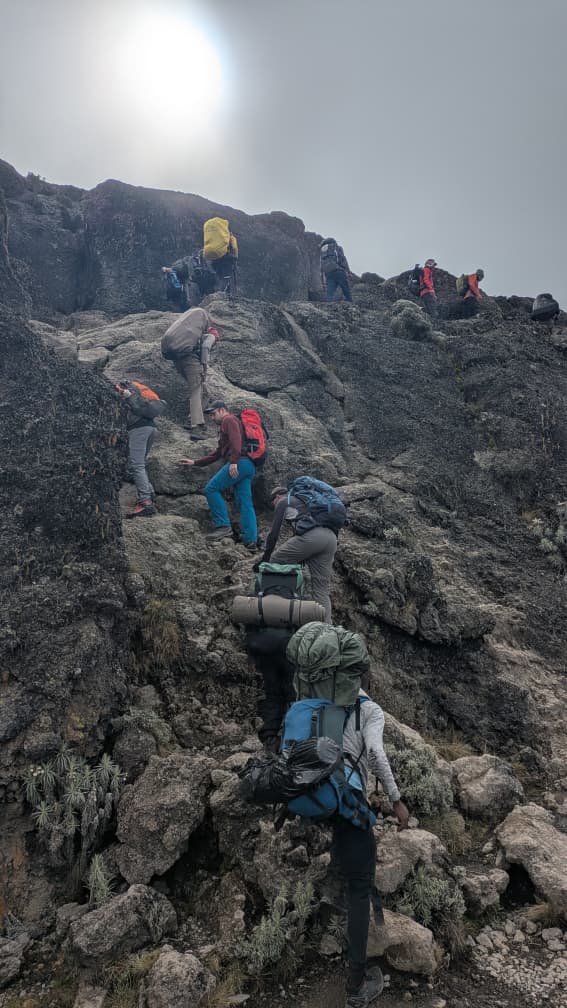
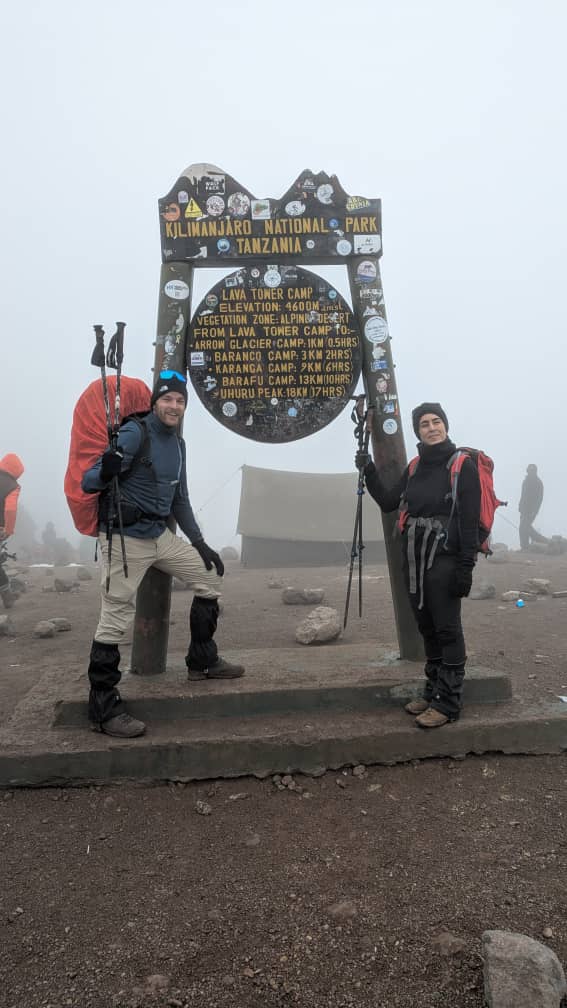
The Marangu Route is often called the “Coca-Cola” or “tourist” route, known for its accessibility and gradual ascent. While it’s a popular choice for many aspiring Kilimanjaro climbers, ensuring a safe Marangu Route climb requires careful planning and understanding of its unique characteristics. This guide provides an in-depth look at everything you need to know to prepare for your adventure, from choosing the right time to climb to what to pack and how to maximize your chances of reaching Uhuru Peak safely.
Quick Facts: Marangu Route
| Feature | Details |
|---|---|
| Starting Point | Marangu Gate (1,860m / 6,100ft) |
| Ending Point | Marangu Gate (1,860m / 6,100ft) |
| Route Length | Approx. 70 km (43 miles) round trip |
| Typical Duration | 5 to 6 days |
| Success Rate | Moderate to High (especially with 6-day option) |
| Scenery | Rainforest, moorland, alpine desert, arctic zone |
| Accommodation | Huts (dormitory style) |
| Ascent Profile | Gradual, but can feel long due to lack of acclimatization days on shorter options |
| Difficulty | Moderate (primarily due to altitude) |
| Scenery Views | Good, but can be partially obscured by clouds in rainforest zone. Summit views are exceptional. |
Marangu Route Overview
The Marangu Route, often recognized as the oldest and most established path up Kilimanjaro, offers a distinctive trekking experience. It’s the only route that provides overnight accommodation in communal huts, a stark contrast to the camping arrangements on other routes. This feature can make it feel more like a guided tour and less like a wilderness expedition. The route ascends steadily through diverse ecological zones, beginning in the lush rainforest and progressing through heath, moorland, alpine desert, and finally the arctic summit zone. Its gentler gradient is appealing, but the standard 5-day itinerary can be challenging due to insufficient acclimatization. Opting for the 6-day itinerary significantly improves acclimatization and, consequently, safety and success rates.
Why Choose the Marangu Route for Safety?
When prioritizing safety on Kilimanjaro, the Marangu Route offers several advantages, primarily when trekked over its longer duration. The availability of huts means shelter from the elements is consistent, providing a more comfortable and potentially warmer environment than tents, especially during colder nights or unexpected weather. The huts also offer a more social atmosphere, allowing trekkers to interact with guides, porters, and fellow climbers, fostering a sense of community and mutual support. Crucially, the 6-day Marangu itinerary includes an extra day for acclimatization, which is vital for preventing altitude sickness. This slower pace allows the body more time to adjust to the decreasing oxygen levels, a key factor in safe mountain climbing. Guides on the Marangu Route, like all certified Kilimanjaro guides, are trained in altitude sickness management and emergency procedures, ensuring professional care throughout the trek.
Best Time to Climb Marangu Route (2026-2027)
Choosing the right time to climb Kilimanjaro significantly impacts your experience and safety. The mountain experiences two main dry seasons, which are ideal for trekking. These periods offer clearer skies, less rainfall, and more stable weather conditions, making the ascent safer and more enjoyable. For 2026 and 2027, the best times to consider for your safe Marangu Route climb are:
- January to March: This is a prime dry season, often characterized by pleasant temperatures and clear visibility. It’s a popular time, so expect more trekkers on the mountain.
- June to October: This is the second dry season, considered by many to be the best overall. The weather is typically dry and sunny, with cooler temperatures. This period is less crowded than the January-March window.
Avoid the rainy seasons:
- April to May: This is the heavy rainy season, with significant rainfall, especially in the lower rainforest sections. Trails can be muddy and slippery, increasing the risk of falls and making the trek more challenging and less safe.
- November to December: This is the short rainy season. While not as intense as the long rains, you can still expect rain and potentially snow at higher altitudes. Visibility can be reduced, and conditions can be unpredictable.
For planning your 2026-2027 trek, consider that shoulder months like late May or early June, and late October or early November, can offer a balance of decent weather and fewer crowds, though with a slightly higher chance of rain.
Marangu Route Map & Area Overview
The Marangu Route follows a distinct path up Kilimanjaro’s southeastern side. It is unique in that it ascends and descends via the same path. Here’s a simplified illustration of the route’s progression:
Marangu Route Progression:
- Marangu Gate (1,860m) to Mandara Huts (2,700m) – Rainforest Zone
- Mandara Huts to Horombo Huts (3,700m) – Moorland Zone
- Horombo Huts to Kibo Hut (4,700m) – Alpine Desert Zone
- Kibo Hut to Uhuru Peak (5,895m) – Arctic Summit Zone
- Descent: Uhuru Peak back to Kibo Hut, then to Horombo Huts, and finally to Marangu Gate.
The route is characterized by its clear stages, moving from dense forest to open grasslands, then rocky desert, and finally the barren, icy summit area. The huts are strategically placed at the end of each day’s trek, offering basic but essential shelter.
Marangu Route Itinerary Options
The Marangu Route is typically offered in two main durations: 5 days and 6 days. While both follow the same path, the extra day in the 6-day option is crucial for acclimatization and significantly boosts your chances of reaching the summit safely and comfortably. We strongly recommend the 6-day itinerary for any safe Marangu Route climb.
Marangu Route: 5-Day Itinerary (Not Recommended for Safety)
This is the fastest way up, but it provides very little time for acclimatization, leading to a higher risk of altitude sickness and a lower success rate.
| Day | Start | End | Distance | Time | Altitude Gain | Notes |
|---|---|---|---|---|---|---|
| 1 | Marangu Gate (1,860m) | Mandara Huts (2,700m) | 12 km / 7.5 miles | 4-5 hours | +840m / +2,755ft | Through rainforest. Optional trek to Maundi Crater. |
| 2 | Mandara Huts (2,700m) | Horombo Huts (3,700m) | 12 km / 7.5 miles | 5-6 hours | +1,000m / +3,280ft | Exit rainforest into moorland. Views of Kibo and Mawenzi. |
| 3 | Horombo Huts (3,700m) | Kibo Hut (4,700m) | 10 km / 6.2 miles | 4-5 hours | +1,000m / +3,280ft | Cross alpine desert. Views become stark. Arrive early. |
| 4 | Kibo Hut (4,700m) | Uhuru Peak (5,895m) & Descend to Horombo Huts (3,700m) | 6 km ascent / 17 km descent | 10-12 hours (ascent) / 5-7 hours (descent) | +1,195m / +3,920ft (ascent) -2,195m / -7,200ft (descent) |
Summit attempt midnight to early morning. Steep, challenging. Descend past Kibo Hut to Horombo. High risk of altitude sickness. |
| 5 | Horombo Huts (3,700m) | Marangu Gate (1,860m) | 20 km / 12.5 miles | 5-7 hours | -1,840m / -6,040ft | Long descent through moorland and rainforest. Celebration at gate. |
Marangu Route: 6-Day Itinerary (Recommended for Safety)
This itinerary adds an acclimatization day at Horombo Huts, significantly improving your chances of success and safety.
| Day | Start | End | Distance | Time | Altitude Gain | Notes |
|---|---|---|---|---|---|---|
| 1 | Marangu Gate (1,860m) | Mandara Huts (2,700m) | 12 km / 7.5 miles | 4-5 hours | +840m / +2,755ft | Through rainforest. Optional trek to Maundi Crater. |
| 2 | Mandara Huts (2,700m) | Horombo Huts (3,700m) | 12 km / 7.5 miles | 5-6 hours | +1,000m / +3,280ft | Exit rainforest into moorland. Views of Kibo and Mawenzi. |
| 3 | Horombo Huts (3,700m) | Horombo Huts (3,700m) | Short walks | 2-3 hours | Minimal | Acclimatization Day. Short walk to explore surroundings, aiding acclimatization. Rest and hydrate. |
| 4 | Horombo Huts (3,700m) | Kibo Hut (4,700m) | 10 km / 6.2 miles | 4-5 hours | +1,000m / +3,280ft | Cross alpine desert. Views become stark. Arrive early. |
| 5 | Kibo Hut (4,700m) | Uhuru Peak (5,895m) & Descend to Horombo Huts (3,700m) | 6 km ascent / 17 km descent | 10-12 hours (ascent) / 5-7 hours (descent) | +1,195m / +3,920ft (ascent) -2,195m / -7,200ft (descent) |
Summit attempt midnight to early morning. Steep, challenging. Descend past Kibo Hut to Horombo. Better acclimatization reduces risk. |
| 6 | Horombo Huts (3,700m) | Marangu Gate (1,860m) | 20 km / 12.5 miles | 5-7 hours | -1,840m / -6,040ft | Long descent through moorland and rainforest. Celebration at gate. |
What to Expect on the Marangu Route
The Marangu Route offers a unique and varied experience, distinct from other Kilimanjaro paths. Understanding these differences is key to preparing for a safe Marangu Route climb.
Hut Accommodation
Unlike camping on other routes, Marangu utilizes basic but functional huts at each stage. These huts are dormitory-style, offering bunk beds. While they provide shelter from the weather, they are not luxurious. Expect communal sleeping quarters, basic toilets (sometimes pit latrines), and a common dining area. It’s advisable to bring a sleeping bag and consider a sleeping pad for added comfort. The communal nature means you’ll be sharing space with other trekkers and potentially guides and porters, fostering a friendly atmosphere.
Scenery and Terrain
The route begins in the dense, humid rainforest. Expect lush vegetation, diverse birdlife, and possibly monkeys. As you ascend, the landscape transitions into open moorland with heather and giant groundsels. Higher up, you enter the alpine desert, characterized by sparse vegetation, rocks, and an increasingly stark, lunar-like environment. The final ascent to the summit is across scree and snow, with glaciers visible near the peak. The views can be spectacular, especially from Horombo Huts looking towards Mawenzi peak, but clouds can often obscure views in the lower sections.
Crowds
As the most accessible route, Marangu tends to be the busiest, particularly during peak seasons. This can mean more people at the huts and on the trails. While this can be a downside for those seeking solitude, it also means there are generally more people around, which can add to a sense of security. However, it also means booking accommodation in advance is essential.
Summit Night
Summit night is the most challenging part of any Kilimanjaro climb. On the Marangu Route, this involves starting your ascent around midnight from Kibo Hut. The climb is steep and takes place in the dark, often in cold temperatures and potentially windy conditions. You’ll navigate loose scree and rocks, with the goal of reaching Stella Point by sunrise, followed by the final push to Uhuru Peak. The descent is equally demanding, as you must descend all the way to Horombo Huts on the same day. This long, arduous day requires significant physical and mental resilience.
Acclimatization Strategy for Marangu
Acclimatization is the single most critical factor for a safe and successful Kilimanjaro climb. Altitude sickness, or Acute Mountain Sickness (AMS), is caused by ascending too quickly, preventing the body from adjusting to lower oxygen levels. The Marangu Route’s standard 5-day itinerary offers poor acclimatization. The 6-day itinerary, which includes an extra day at Horombo Huts, is far superior for acclimatization.
Key principles for safe acclimatization on Marangu:
- Go Slowly: “Pole pole” (slowly, slowly) is the mantra on Kilimanjaro. Maintain a slow, steady pace, especially on the ascent.
- Hydrate: Drink plenty of fluids – water, herbal teas, soup. Aim for 3-4 liters per day. Dehydration exacerbates AMS symptoms.
- Eat Well: Consume high-carbohydrate meals, which are easier for the body to digest at altitude.
- Avoid Alcohol and Caffeine: These can contribute to dehydration and interfere with sleep.
- Ascend High, Sleep Low: While the Marangu Route doesn’t perfectly facilitate this due to its hut system, the 6-day itinerary’s extra day at Horombo Huts helps.
- Monitor Symptoms: Be aware of AMS symptoms (headache, nausea, dizziness, fatigue). Inform your guide immediately if you experience any. Your guide is trained to assess and manage these symptoms.
- Consider Diamox: Some individuals choose to take Diamox (acetazolamide) to aid acclimatization. Consult your doctor well in advance of your trek to discuss whether this is appropriate for you.
The 6-day itinerary’s rest day at Horombo Huts allows your body to adapt to the altitude (3,700m) before pushing higher to Kibo Hut (4,700m). This rest day can involve short walks to explore the surroundings, which is an active form of acclimatization. This strategy significantly reduces the risk of AMS and increases the likelihood of a safe summit attempt.
Packing and Preparation for Marangu
Thorough preparation is essential for a safe and enjoyable Marangu Route climb. This includes physical training, mental readiness, and packing the correct gear.
Physical Training
Kilimanjaro is a challenging trek, not a technical climb, but it requires good cardiovascular fitness. Focus on:
- Hiking: Regular hikes, ideally with a backpack and some elevation gain, are the best preparation. Aim for at least 3-4 hours of hiking weekly in the months leading up to your trek.
- Cardio: Activities like running, cycling, swimming, or using an elliptical machine will improve your stamina.
- Strength Training: Focus on leg strength (squats, lunges) and core strength.
- Stair Climbing: This simulates uphill walking effectively.
Mental Preparation
The mental aspect is as important as the physical. Be prepared for long days, cold temperatures, potential discomfort, and the challenge of summit night. A positive attitude, perseverance, and the ability to listen to your body and your guide are key.
Essential Gear Checklist for Marangu Route
The Marangu Route’s hut accommodation means you don’t need a full camping setup, but many items are still crucial. Layering is key for managing temperature changes.
Clothing (Layering System)
- Base Layers: Moisture-wicking thermal tops and bottoms (merino wool or synthetic).
- Mid Layers: Fleece jacket or pullover, insulated jacket (down or synthetic).
- Outer Layer: Waterproof and windproof jacket (Gore-Tex or similar) and trousers.
- Trekking Trousers: Lightweight, quick-drying, zip-off trousers.
- Trekking Shirts: Long-sleeved and short-sleeved moisture-wicking shirts.
- Insulation: Warm down jacket or synthetic equivalent for summit night and evenings.
Headwear & Handwear
- Warm Hat: Fleece or wool, covering ears.
- Sun Hat: Wide-brimmed for sun protection.
- Balaclava or Buff: For face protection against wind and cold.
- Gloves: Warm, waterproof outer gloves and thinner liner gloves.
Footwear
- Hiking Boots: Broken-in, waterproof, sturdy hiking boots with good ankle support.
- Camp Shoes: Comfortable shoes (e.g., trainers, sandals) for wearing in huts.
- Socks: Several pairs of wool or synthetic hiking socks.
- Liner Socks: To prevent blisters.
Sleeping Gear
- Sleeping Bag: Rated to at least -10°C / 0°F.
- Sleeping Pad: For added comfort in the huts (optional but recommended).
Equipment
- Backpack: 40-60 liter capacity for personal items.
- Daypack: 20-30 liter capacity for daily essentials (water, snacks, camera, rain gear).
- Trekking Poles: Highly recommended for stability and reducing knee strain.
- Headlamp: With extra batteries (essential for summit night).
- Water Bottles/Hydration Reservoir: At least 2-3 liters capacity. Insulated sleeves to prevent freezing.
- Sunglasses: High UV protection.
- Sunscreen: High SPF.
- Lip Balm: With SPF.
- Personal First-Aid Kit: Including blister treatment, pain relievers, antiseptic wipes, personal medications.
- Toiletries: Biodegradable soap, toothbrush, toothpaste, wet wipes, hand sanitizer.
- Snacks: Energy bars, nuts, dried fruit, chocolate.
- Camera: With extra batteries and memory cards.
- Power Bank: To charge electronics.
- Duffel Bag: Waterproof, 80-100 liter capacity for porters.
- Passport & Visa: Keep in a secure, waterproof pouch.
- Cash: For tips and personal expenses.
Documents
- Passport
- Visa (if required)
- Climbing permit
- Travel insurance details
- Emergency contact information
Common Mistakes to Avoid on the Marangu Route
Making common errors can jeopardize your safety and success on Kilimanjaro. Be aware of these pitfalls:
- Choosing the 5-Day Itinerary: This is the most significant mistake, as it severely compromises acclimatization and greatly increases the risk of altitude sickness. Prioritize the 6-day option for a safe Marangu Route climb.
- Underestimating the Altitude: Even on the Marangu Route, altitude is the primary challenge. Do not assume its gentler slopes mean it’s easy.
- Inadequate Physical Training: While not technically difficult, the sustained effort at altitude requires good fitness.
- Poor Hydration: Many climbers don’t drink enough water, which is critical for acclimatization and preventing headaches.
- Packing Incorrect Gear: Not having warm enough layers, waterproofs, or suitable footwear can lead to discomfort and health issues.
- Ignoring AMS Symptoms: Pushing on despite symptoms of altitude sickness is dangerous. Always communicate with your guide.
- Rushing the Descent: The descent can be hard on the knees and tiring. Take your time and use trekking poles.
- Not Budgeting for Tips: Tips for guides, porters, and cooks are customary and important. Factor this into your budget.
- Booking with Unreputable Operators: Safety standards, guide training, and equipment quality vary greatly. Choose a well-established, ethical operator.
Who is the Marangu Route Best Suited For?
The Marangu Route, especially the 6-day itinerary, is a good option for several types of travelers:
- Beginner Trekkers: Those with limited trekking experience but good general fitness can manage this route. The hut accommodation offers more comfort than camping.
- Those Seeking Comfort: If you prefer not to camp and want the security of a roof over your head each night, Marangu is the only choice.
- Budget Travelers: While not always the cheapest, the hut system can sometimes be more cost-effective than full camping expeditions, depending on the operator.
- Time-Conscious Travelers (with caution): The 5-day option is fast, but again, not recommended for safety. The 6-day option offers a balance.
- Those Who Appreciate Social Interaction: The communal huts provide a lively atmosphere and opportunities to connect with other trekkers.
However, if you are looking for more solitude, dramatic scenery, or higher success rates through better acclimatization profiles, other routes like Machame or Lemosho might be more suitable. For a safe Marangu Route climb, the 6-day duration is essential.
Marangu Route vs. Other Kilimanjaro Routes
While the Marangu Route is unique, other routes offer different experiences, often with better acclimatization profiles and higher success rates. Understanding these differences helps in choosing the best route for your personal goals and safety.
| Feature | Marangu Route (6-Day) | Machame Route (7-Day) | Lemosho Route (8-Day) |
|---|---|---|---|
| Duration | 6 Days | 7 Days | 8 Days |
| Accommodation | Huts | Camping | Camping |
| Acclimatization | Moderate (with 6-day option) | Good | Excellent |
| Success Rate | Moderate to High | High | Very High |
| Scenery | Good, rainforest to arctic | Excellent, varied | Spectacular, diverse |
| Crowds | Can be busy | Moderate to Busy | Less Crowded (especially early on) |
| Cost | Moderate | Moderate to High | High |
| Best For | Comfort seekers, beginners, social atmosphere | Good all-rounders, better acclimatization than Marangu | Scenery lovers, higher success rates, solitude |
| Descent | Same path as ascent | Different path (Mweka) | Different path (Mweka) |
For those prioritizing acclimatization and a higher chance of reaching the summit safely, routes like Machame or Lemosho are often recommended over the Marangu Route. However, the Marangu Route remains a viable option, especially the 6-day version, for those who prefer hut accommodation.
Planning Your 2026-2027 Marangu Climb
Planning ahead is key to a successful and safe Kilimanjaro adventure. For those looking to climb in 2026 or 2027, early preparation will ensure you get the best experience.
Booking Timeline
It’s advisable to book your trek at least 6-12 months in advance, especially if you are targeting peak seasons (January-March and June-October). This allows ample time for:
- Securing your preferred dates.
- Arranging flights and travel insurance.
- Undertaking necessary physical training.
- Obtaining any required visas or vaccinations.
Choosing an Operator
Selecting a reputable tour operator is paramount for safety. Look for companies that:
- Are locally owned and operated.
- Prioritize guide training and fair wages for staff.
- Have a strong safety record and emergency protocols.
- Provide detailed packing lists and pre-trek information.
- Are transparent about what is included in their prices.
We at Top Guide Adventures Tanzania are committed to safety and ethical operations. You can find more information about our services and traveler feedback on TripAdvisor.
Travel Insurance
Ensure your travel insurance covers high-altitude trekking and emergency medical evacuation. This is a non-negotiable safety measure.
Health and Vaccinations
Consult your doctor or a travel clinic 4-6 weeks before your trip. Discuss necessary vaccinations and malaria prophylaxis. While Kilimanjaro’s summit is above the malaria zone, you can be exposed in lower areas.
Flights and Visas
Book flights to Kilimanjaro International Airport (JRO). Check visa requirements for Tanzania well in advance of your 2026-2027 climb. Many nationalities can obtain a visa on arrival, but it’s best to confirm.
Booking Your Marangu Route Trek
Choosing the right tour operator is critical for a safe and memorable Kilimanjaro experience. Here’s what to consider when booking your safe Marangu Route climb:
Reputation and Reviews
Look for operators with a proven track record. Check independent review sites like TripAdvisor. Genuine feedback from past clients can provide valuable insights into the company’s safety standards, guide quality, and overall service. You can see what our clients say about us here.
Safety Protocols
Inquire about the operator’s safety measures. Do they carry emergency oxygen and first-aid kits? Are their guides certified in wilderness first aid and high-altitude medicine? Do they have a clear evacuation plan in case of emergencies?
Guide-to-Client Ratio
A good ratio ensures that guides can provide adequate attention to each climber. For Kilimanjaro, a ratio of 1:1 or 1:2 guides per client is ideal for summit attempts.
Inclusions and Exclusions
Understand exactly what your package includes. Typically, this covers park fees, guides, porters, cooks, meals on the mountain, and accommodation in huts. Exclusions often include flights, visas, travel insurance, personal gear, tips, and drinks.
Ethical Treatment of Staff
Choose operators who treat their guides and porters ethically, providing fair wages, adequate food, and proper equipment. This not only supports the local community but also contributes to a more positive and safer climbing environment.
Communication
Ensure the operator is responsive to your inquiries and provides clear, detailed information. Good communication before and during the trek is a sign of professionalism.
For booking your Kilimanjaro adventure with Top Guide Adventures Tanzania, you can reach us via:
- WhatsApp: +255616946642
- Email: topguideadventures@gmail.com
- Backup Email: info@topguideadventures.com
We can also help arrange Tanzania safaris or Machame Route treks if you wish to combine experiences.
Reviews and Social Proof
Hearing from fellow travelers is invaluable when planning a significant adventure like climbing Kilimanjaro. Our commitment to providing safe and memorable experiences is reflected in the feedback we receive. You can explore recent photos and updates from our expeditions on our Instagram page. For detailed accounts of client experiences, including their Marangu Route climbs, we encourage you to read reviews on TripAdvisor. We also invite you to visit our other website, www.topguideadventures.com, for more information about our comprehensive travel services in Tanzania.
Frequently Asked Questions (FAQs)
Is the Marangu Route safe?
Yes, the Marangu Route can be safe, especially when opting for the 6-day itinerary which allows for better acclimatization. Safety also heavily depends on choosing a reputable operator with experienced guides, proper safety equipment (like oxygen), and clear emergency protocols. Always prioritize the 6-day option for a safe Marangu Route climb.
What is the success rate on the Marangu Route?
Success rates vary depending on the itinerary length and the operator. The 5-day Marangu Route has a lower success rate (around 60-70%) primarily due to insufficient acclimatization. The 6-day Marangu Route, with its extra acclimatization day, significantly increases the success rate to over 80-90%. Other routes like Machame or Lemosho generally have higher success rates due to their longer durations and better acclimatization profiles.
What is the main difference between Marangu and other routes?
The primary difference is accommodation: Marangu is the only route offering huts (dormitory-style), while all other routes involve camping. Marangu also ascends and descends via the same path, whereas others use different paths for ascent and descent, offering varied scenery. The standard 5-day Marangu itinerary is also the quickest, but less safe due to poor acclimatization.
Do I need to book Marangu Route permits in advance?
Yes, park fees and climbing permits must be secured in advance. Reputable tour operators handle these arrangements as part of your package. It’s crucial to book well in advance, especially for peak seasons in 2026 and 2027.
What are the typical costs for a Marangu Route climb in 2026-2027?
Costs vary significantly based on the operator’s quality, inclusions, and group size. A mid-range operator for a 6-day Marangu climb might range from $1,500 to $2,500 per person. This typically includes park fees, crew, food, and accommodation. Always check what’s included. Budget operators may be cheaper but often compromise on safety or crew welfare.
Is altitude sickness common on the Marangu Route?
Altitude sickness is a risk on all Kilimanjaro routes, including Marangu. The 5-day itinerary poses a higher risk due to rapid ascent. The 6-day itinerary, with its slower pace and acclimatization day, significantly reduces this risk. Proper acclimatization, hydration, and communication with your guide are key to managing altitude sickness.
What kind of food is served on the Marangu Route?
Your expedition crew (cook and porters) will prepare meals. Expect a diet rich in carbohydrates to provide energy. Meals typically include porridge, eggs, pancakes for breakfast; soup, pasta, rice, chicken, or beef with vegetables for lunch and dinner. Fresh fruits and snacks are also provided. Meals are generally hearty and filling.
Can I climb Kilimanjaro solo on the Marangu Route?
Tanzania National Park regulations require all climbers to be accompanied by a registered guide. You cannot climb Kilimanjaro solo. You can book a private climb, but you will still have a dedicated guide (and potentially a team of porters and cooks).
What should I wear on summit night on the Marangu Route?
Summit night is extremely cold. You’ll need to wear multiple layers: a moisture-wicking base layer, a warm fleece mid-layer, and a heavily insulated outer layer (down jacket). Thermal trousers, warm socks, waterproof and windproof outer pants, a warm hat, balaclava, and insulated gloves are essential. Many climbers also use chemical hand and foot warmers.
How much should I tip the Marangu Route crew?
Tipping is customary and greatly appreciated. A general guideline for a 6-day climb is around $250-$350 per climber. This is usually divided among the head guide, assistant guides, cook, and porters. Your tour operator will provide specific tipping guidelines, often presented as a package amount.
Ready for Your Safe Marangu Climb?
Planning a safe Marangu Route climb is the first step toward an unforgettable adventure. By understanding the route’s specifics, preparing diligently, and choosing a trusted operator, you can maximize your chances of success and enjoyment. Whether you’re planning for 2026 or 2027, Top Guide Adventures Tanzania is here to help you achieve your Kilimanjaro dream safely and ethically.
Contact us today to discuss your itinerary, get a personalized quote, and start planning your journey to the roof of Africa:
- WhatsApp: +255616946642
- Email: topguideadventures@gmail.com
- Backup Email: info@topguideadventures.com
Let us help you craft an exceptional Kilimanjaro experience. We also offer a wide range of Tanzania safaris and other Kilimanjaro routes, including the Machame Route, to complement your adventure.
Complete Safe Marangu Route Climb Planning Details for 2026- 2027-2028
Safe Marangu Route Climb needs more than a quick description because travelers normally want to understand timing, route logic, comfort level, inclusions, local support, safety, and how the trip fits with the rest of a Tanzania journey. For 2026- 2027-2028, the best plan is to compare the route, travel month, daily pace, accommodation style, and transport arrangement before confirming.
A strong plan should explain where the trip starts, what happens each day, how long transfers may take, what travelers should prepare, and which parts can be customized. This makes the page useful for families, couples, solo travelers, private groups, budget travelers, mid-range guests, and luxury travelers.
Important things to confirm before booking
- Exact starting point and pickup time.
- Accommodation level or day-trip timing.
- Transport type and guide arrangement.
- Park fees, activities, meals, drinking water, and transfers.
- Best travel month for weather, wildlife, trekking, beaches, or photography.
- Payment plan, deposit, cancellation terms, and changes if travel dates move.
Safe Marangu Route Climb Sample Structure and Route Logic
Most travelers choose Safe Marangu Route Climb because they want a clear experience that is easy to understand and simple to book. The structure should feel practical: arrival or pickup, main activity, important stops, relaxed timing, overnight or return plan, and final drop-off. When the topic involves safari, the route should respect park distance and game drive time. When it involves Kilimanjaro, the route should respect acclimatization and safe pacing. When it involves Zanzibar, the plan should balance ocean activities, culture, relaxation, and transfer time.
| Planning Area | What to Check | Why It Matters |
|---|---|---|
| Timing | Season, pickup time, daily pace, and activity duration | Helps avoid rushed travel and gives better value |
| Comfort | Budget, mid-range, luxury, private, or shared style | Matches the trip with the traveler expectation |
| Logistics | Transfers, vehicle, guide, permits, and entry rules | Prevents surprises during the trip |
| Booking | Deposit, availability, route, inclusions, and final balance | Makes confirmation smooth and transparent |
Top Guide Adventures Recommendation
Best Tanzania Tour operator recommends treating Safe Marangu Route Climb as a complete travel plan rather than only a title. A good operator should explain the route, guide support, what is included, what is excluded, how timing works, and what can be adjusted. Travelers can also compare Tanzania safari group departures and shared tours, check Machame Route Kilimanjaro group departures, or read more articles in the Tanzania safari tours blog.
For a more personal look at current trips and field updates, travelers may follow Top Guide Adventures on Instagram, review traveler feedback on Tripadvisor, or visit our another website.
Safe Marangu Route Climb FAQs for 2026- 2027-2028
How early should I book Safe Marangu Route Climb?
Booking early is better for 2026- 2027-2028, especially for high season, family travel, group departures, Kilimanjaro routes, Serengeti safaris, Zanzibar holidays, and private customized tours.
Can this trip be customized?
Yes. The route, accommodation level, pace, pickup point, and add-ons can usually be adjusted depending on availability and the travel dates.
Is Safe Marangu Route Climb suitable for first-time travelers?
Yes, when the itinerary is explained clearly and the guide support is reliable. First-time travelers should ask for a simple day-by-day plan, inclusions, exclusions, and preparation notes.
What should I ask before confirming?
Ask about transport, guide, meals, park or activity fees, accommodation, payment plan, cancellation terms, and what happens if weather or travel timing changes.
Safe Marangu Route Climb Detailed Cost and Value Notes
Cost can change by season, accommodation level, group size, park rules, transfer distance, and activity style. A useful page should explain what usually affects price rather than only giving one short number. Travelers comparing this topic for 2026-2027 should check whether transport, guide, meals, drinking water, accommodation, park fees, permits, and airport transfers are included.
Safe Marangu Route Climb should be explained with enough detail for a traveler to understand the route, timing, comfort level, inclusions, exclusions, preparation, and booking steps. Repeating the focus topic naturally in helpful planning areas makes the article stronger without stuffing keywords.
Safe Marangu Route Climb Best Traveler Type for This Plan
This plan can work for different travelers when the details are adjusted correctly. Families may need softer timing and private transport, couples may prefer better rooms and scenic pacing, group travelers may focus on shared departures and value, while photographers may need more time in key locations.
Safe Marangu Route Climb should be explained with enough detail for a traveler to understand the route, timing, comfort level, inclusions, exclusions, preparation, and booking steps. Repeating the focus topic naturally in helpful planning areas makes the article stronger without stuffing keywords.
Safe Marangu Route Climb Common Booking Mistakes to Avoid
Common mistakes include choosing only by the cheapest price, ignoring transfer time, booking without checking inclusions, using a rushed itinerary, not confirming accommodation names, and failing to ask how changes are handled if flights, weather, or park timing changes.
Safe Marangu Route Climb should be explained with enough detail for a traveler to understand the route, timing, comfort level, inclusions, exclusions, preparation, and booking steps. Repeating the focus topic naturally in helpful planning areas makes the article stronger without stuffing keywords.
Safe Marangu Route Climb What Makes a Strong Itinerary
A strong itinerary has a clear start point, realistic daily timing, enough activity time, transparent inclusions, simple communication, and a guide or operations team that understands local routes. It should also leave space for comfort, photos, meals, and unexpected delays.
Safe Marangu Route Climb should be explained with enough detail for a traveler to understand the route, timing, comfort level, inclusions, exclusions, preparation, and booking steps. Repeating the focus topic naturally in helpful planning areas makes the article stronger without stuffing keywords.
Safe Marangu Route Climb Final Planning Advice for 2026-2027
For 2026-2027, travelers should book early for busy seasons, compare the exact route carefully, ask for written inclusions and exclusions, and choose an operator who can explain the trip in practical language. This helps the page become useful for both planning and booking intent.
Safe Marangu Route Climb should be explained with enough detail for a traveler to understand the route, timing, comfort level, inclusions, exclusions, preparation, and booking steps. Repeating the focus topic naturally in helpful planning areas makes the article stronger without stuffing keywords.
Plan your Safe Marangu Route Climb with Top Guide Adventures
Tell us your travel dates, group size, comfort level, and dream experience. We will help you shape a clear, realistic, and memorable Tanzania itinerary.







 Veedesigner
 Fatma Kizanga
 Benjamin Waryuba
 Philip Philip
 John jr Itaja
 Antonia Optatus
 Edith Kanyere
 Neema Iddy
 Kelvin Boniphace
 Damari Maiga



