
Updated planning guide for 2026, 2027-2028
Premium Shira Route 7 Days: Complete Guide 2026-2027-2028
Discover the Premium Shira Route 7 Days on Mount Kilimanjaro. This comprehensive guide details the itinerary, essential preparation, what to expect, and booking tips for your 2026-2027 adventure.
WhatsApp +255616946642 | topguideadventures@gmail.com | info@topguideadventures.com
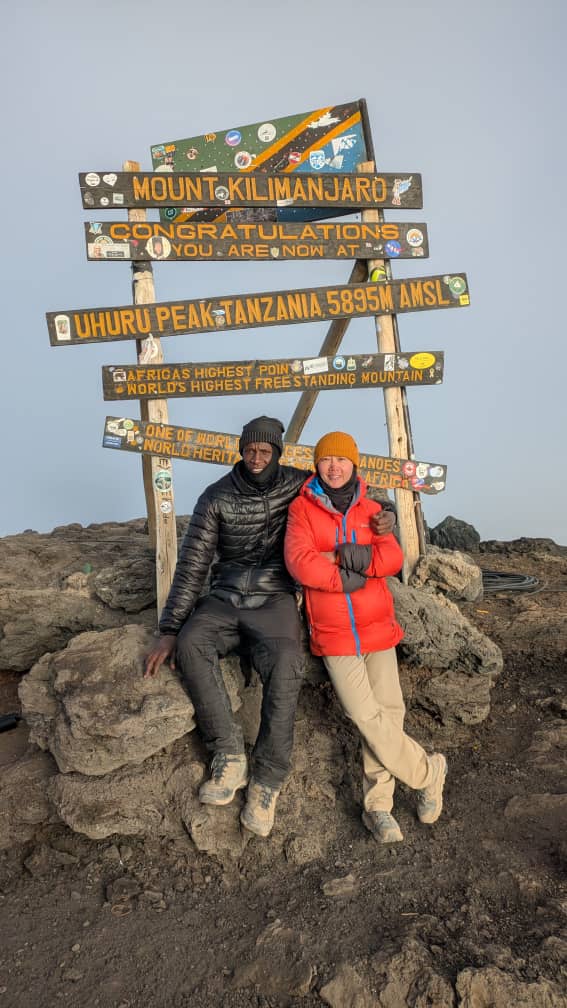
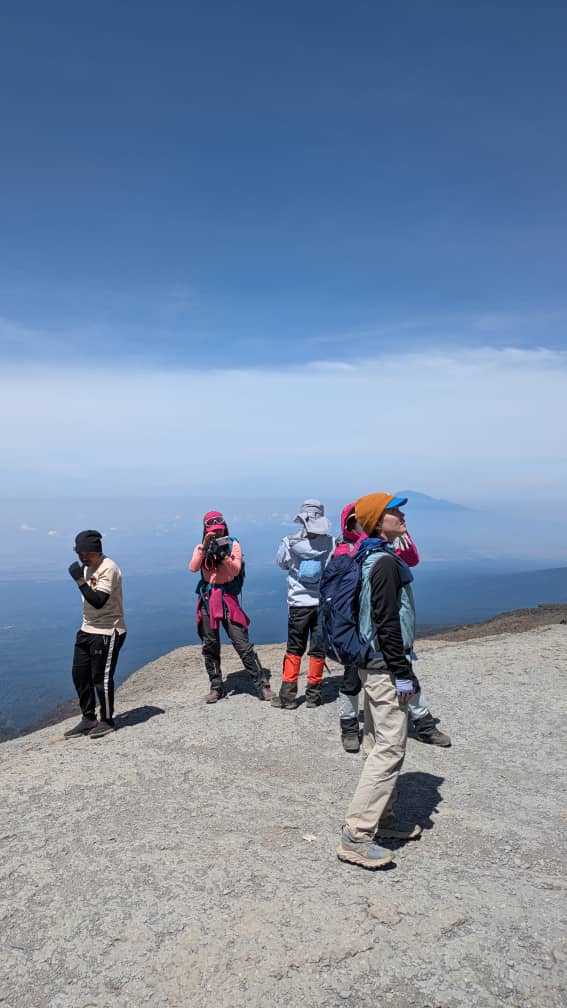
Choosing the right path up Mount Kilimanjaro is crucial for a successful and enjoyable climb. Among the various routes, the Premium Shira Route 7 Days offers a compelling balance of acclimatization, scenic beauty, and a reasonable ascent profile. This detailed guide will walk you through everything you need to know to plan and execute your trek on this magnificent route, ensuring you are well-prepared for the challenges and rewards that await you on Africa’s highest peak.
As a leading Tanzania tour operator, we understand the nuances of Kilimanjaro climbs. Our expertise is built on years of experience guiding trekkers from around the globe, helping them achieve their summit goals safely and memorably. Whether you are considering a climb in 2026, 2027, or 2028, this guide is designed to provide you with the in-depth information necessary for informed decision-making.
Quick Answer
The Premium Shira Route 7 Days is a popular Kilimanjaro trek that begins on the western side of the mountain, offering excellent acclimatization and diverse scenery. It is known for its higher starting altitude and the opportunity to explore the Shira Plateau. A 7-day itinerary provides a good balance for summit success, allowing adequate time for the body to adjust to the altitude. It’s considered a moderately challenging route, suitable for trekkers with good physical fitness and prior hiking experience.
Introduction to the Premium Shira Route 7 Days
Mount Kilimanjaro, a dormant volcano in Tanzania, stands as a beacon for adventurers worldwide. Its summit, Uhuru Peak, is the highest point in Africa, attracting thousands of trekkers annually. Among the seven official routes, the Shira Route, particularly the 7-day variation, has gained significant popularity. The “Premium” aspect typically refers to the quality of services provided by the tour operator, focusing on experienced guides, better equipment, and enhanced support. This route is distinguished by its starting point on the expansive Shira Plateau, offering a unique perspective and a gradual ascent that aids acclimatization.
This guide is crafted to be your ultimate resource for understanding the Premium Shira Route 7 Days. We will explore its unique characteristics, daily itinerary, physical demands, and essential preparation steps. Our aim is to equip you with the knowledge to make an informed decision and to help you prepare for a safe and successful summit bid. Whether you are dreaming of climbing in 2026, 2027, or 2028, this information will be invaluable.
Premium Shira Route 7 Days: Quick Facts
| Feature | Details |
|---|---|
| Route Name | Shira Route |
| Duration | 7 Days / 6 Nights |
| Starting Point | Shira Gate (via Londorossi Gate) |
| Ending Point | Mweka Gate |
| Success Rate | Generally good, aided by acclimatization |
| Scenery | Diverse: Rainforest, moorland, alpine desert, arctic summit zone. Explores the Shira Plateau. |
| Acclimatization | Good, with “climb high, sleep low” opportunities. |
| Difficulty | Moderate to Difficult |
| Accommodation | Camping |
| Popularity | High |
| Elevation Gain | Approx. 3,500 meters (11,500 feet) |
| Kilimanjaro National Park Fees | Included in tour package (typically) |
Route Overview and Geography
The Shira Route is one of Kilimanjaro’s more challenging yet rewarding paths. It distinguishes itself by commencing on the western side of the mountain, near the Londorossi Gate. Unlike other routes that start lower down, the Shira Route begins its trek from the Shira Ridge after a vehicle transfer to a higher starting point, often near the Shira Caves or Camp. This higher initial altitude means trekkers are already at a significant elevation on day one, which is a key factor in its acclimatization strategy.
The route traverses the vast and relatively flat Shira Plateau, a UNESCO World Heritage site, before joining the Kibo Circuit path. This plateau offers spectacular views of Mount Meru and the surrounding plains. As the route progresses, it winds through distinct ecological zones, mirroring the mountain’s vertical landscape: lush rainforest, heath and moorland, alpine desert, and finally, the arctic summit zone. The journey culminates with the summit push from Kibo Hut, descending via the Mweka Route.
Ecological Zones Traversed:
- Rainforest (1,800m – 2,800m): Characterized by dense vegetation, diverse wildlife, and often muddy trails.
- Moorland (2,800m – 4,000m): Vegetation becomes sparser, with giant heathers, senecios, and lobelias.
- Alpine Desert (4,000m – 5,000m): A stark, rocky landscape with minimal plant life. Temperatures drop significantly.
- Arctic Summit Zone (Above 5,000m): Bare rock, ice, and snow. Extreme cold and low oxygen levels.
Why Choose the Premium Shira Route 7 Days?
The Premium Shira Route 7 Days offers several compelling advantages for trekkers aiming for Kilimanjaro’s summit:
- Superior Acclimatization: The route’s design, particularly the gradual ascent across the Shira Plateau, promotes better acclimatization. The “climb high, sleep low” principle is often employed effectively, which is vital for preventing altitude sickness.
- Scenic Beauty and Diversity: Starting on the western side and traversing the Shira Plateau provides unique and breathtaking vistas. The route offers a more varied landscape compared to some other paths, especially in the initial days.
- Less Crowded Start: Compared to routes like Marangu or Machame, the initial stages of the Shira Route can be less congested, offering a more tranquil trekking experience.
- Good Summit Success Rates: The 7-day duration is considered optimal by many operators for balancing acclimatization and physical exertion, leading to higher success rates. It allows for a more measured pace than a 6-day trek but is less demanding than longer routes.
- Exploration of the Shira Plateau: This vast, ancient volcanic crater offers a truly unique environment and stunning photographic opportunities.
When you opt for a “Premium” package, you are investing in a higher standard of service. This often includes more experienced guides, better quality camping gear, more nutritious meals, and a lower client-to-guide ratio, all contributing to a safer and more comfortable experience. For those planning their climb for 2026 or 2027, choosing a well-supported premium trek can significantly enhance your chances of reaching Uhuru Peak.
Best Time to Climb Kilimanjaro via Shira Route 7 Days
Kilimanjaro can be climbed year-round, but certain periods offer more favorable weather conditions. The best times to attempt the Premium Shira Route 7 Days are during the dry seasons:
- January to March: This is the long dry season. It’s generally warm and clear, offering excellent visibility. However, it can be very cold at the summit due to the altitude. This period is also popular.
- June to October: This is the short dry season. While temperatures might be cooler, especially at higher altitudes, the skies are typically clear. This is often considered the best window for trekking due to stable weather.
The rainy seasons are:
- April to May: The long rains bring heavy precipitation, making trails muddy and slippery. Visibility can be poor, and higher altitudes may experience snow.
- November to December: The short rains can bring intermittent showers, usually in the afternoons. While not as intense as the long rains, they can still affect trekking conditions.
For those planning for 2026 and 2027, aiming for the dry seasons will maximize your chances of good weather and clear views. Booking in advance is recommended, especially if you target peak seasons.
Shira Route 7 Days: Area Map and Key Points
While a visual map is best, here’s a textual representation of the Shira Route’s progression and key points. The route starts from the west, traverses the Shira Plateau, and then joins the Kibo Circuit.
| Stage | Key Location/Feature | General Direction |
|---|---|---|
| Start | Londorossi Gate (park entrance) | West |
| Day 1 Start | Shira Jump / Shira Ridge (vehicle access) | West to East |
| Day 1-2 | Shira I Camp, Shira II Camp, Shira Caves | Across the Shira Plateau |
| Day 3 | Lava Tower (acclimatization point) | Eastward, towards Kibo’s southern face |
| Day 4 | Barranco Camp (junction with other routes) | South-east |
| Day 5 | Karanga Camp | South-east |
| Day 6 | Barafu Camp (base camp for summit) | South-east |
| Day 7 (Summit Push) | Uhuru Peak (Summit) -> Mweka Camp (descent) | North-east (ascent), South (descent) |
| End | Mweka Gate (park exit) | South |
Detailed 7-Day Premium Shira Route Itinerary
This is a sample itinerary for the Premium Shira Route 7 Days. Actual timings and distances may vary slightly based on the operator and specific camp locations.
| Day | Stage | Distance | Approx. Time | Altitude (m/ft) | Camp | Notes |
|---|---|---|---|---|---|---|
| Day 1 | Londorossi Gate to Shira 1 Camp | ~5 km / 3 miles | 2-3 hours | Start: 2,360m / 7,742ft Camp: 3,500m / 11,480ft |
Shira 1 Camp | Vehicle transfer to starting point. Gentle trek through rainforest. |
| Day 2 | Shira 1 Camp to Shira 2 Camp | ~8 km / 5 miles | 3-4 hours | Camp: 3,850m / 12,630ft | Shira 2 Camp | Trek across the Shira Plateau. Offers great views. |
| Day 3 | Shira 2 Camp to Lava Tower to Barranco Camp | ~10 km / 6 miles | 5-7 hours | Lava Tower: 4,600m / 15,090ft Camp: 3,950m / 12,960ft |
Barranco Camp | Climb high to Lava Tower for acclimatization, then descend to Barranco. “Climb high, sleep low”. |
| Day 4 | Barranco Camp to Karanga Camp | ~5 km / 3 miles | 3-5 hours | Camp: 4,000m / 13,120ft | Karanga Camp | Cross the dramatic Barranco Wall (assisted climb). Scenic day. |
| Day 5 | Karanga Camp to Barafu Camp | ~7 km / 4 miles | 4-6 hours | Camp: 4,650m / 15,250ft | Barafu Camp | Ascend through alpine desert. Prepare for summit night. Rest is crucial. |
| Day 6 | Barafu Camp to Summit (Uhuru Peak) to Mweka Camp | ~5 km / 3 miles (ascent) ~12 km / 7 miles (descent) |
7-9 hours (ascent) 4-6 hours (descent) |
Summit: 5,895m / 19,341ft Mweka Camp: 3,100m / 10,170ft |
Mweka Camp | Midnight start. Summit push via Stella Point. Descend directly to Mweka Camp. |
| Day 7 | Mweka Camp to Mweka Gate | ~10 km / 6 miles | 3-5 hours | Mweka Gate: 1,640m / 5,380ft | End of Trek | Final descent through rainforest. Celebration at the gate. |
What to Expect on the Trail: Scenery and Conditions
The Premium Shira Route 7 Days offers a consistently evolving landscape. The initial trek through the rainforest is dense and vibrant, often accompanied by the sounds of wildlife. As you ascend, the vegetation thins, giving way to the unique flora of the moorland zone, including giant heathers and the iconic giant groundsels and lobelias. The Shira Plateau itself is a vast, open expanse, often windswept and offering panoramic views. Beyond the plateau, the landscape transforms into the stark, rocky alpine desert, a barren yet beautiful environment where survival is key.
Conditions can vary dramatically. Trails can be muddy and slippery in the rainforest, especially during the wet seasons. Higher up, the terrain becomes rocky, with scree slopes becoming more prevalent as you approach Barafu Camp. The final summit push is on a steep scree slope under challenging conditions, transitioning to snow and ice near the crater rim. Weather is unpredictable; expect sunshine, rain, wind, and extreme cold, often within the same day. Temperatures can range from pleasant during the day in lower elevations to well below freezing at night and on the summit, with wind chill factor significantly increasing the cold.
Daily Challenges:
- Altitude: The primary challenge. Symptoms can include headaches, nausea, dizziness, and fatigue. Proper acclimatization is key.
- Physical Exertion: Long trekking days, steep ascents, and descents require good stamina and strength.
- Weather: Rapidly changing conditions can impact comfort and safety.
- Cold: Temperatures drop significantly, especially at night and on summit day.
- Terrain: Can be muddy, rocky, or involve scree.
Acclimatization Strategy on the Shira Route
The Shira Route is well-regarded for its acclimatization potential. The 7-day itinerary is structured to allow your body to gradually adjust to the decreasing oxygen levels at higher altitudes. Key elements of its acclimatization strategy include:
- Higher Start: The route begins at a higher altitude than many others, meaning you are already at a considerable elevation.
- Traversing the Shira Plateau: The relatively flat terrain of the Shira Plateau allows for steady trekking without extreme elevation gains on the first couple of days, giving your body time to adapt.
- “Climb High, Sleep Low”: The itinerary often includes a day where trekkers ascend to a higher point (like Lava Tower) during the day for acclimatization benefits and then descend to a lower elevation camp (Barranco Camp) to sleep. This is a highly effective technique.
- Gradual Ascent: While the overall elevation gain is significant, the 7-day schedule paces the ascent appropriately, avoiding rapid increases in altitude that can trigger altitude sickness.
- Sufficient Rest: Adequate rest days or shorter trekking days are incorporated, especially before the summit push, allowing for recovery and adaptation.
For those planning their trek for 2026 or 2027, understanding and respecting this acclimatization process is paramount. Listen to your body, communicate any symptoms to your guide, and stay hydrated.
Difficulty Level and Physical Demands
The Premium Shira Route 7 Days is classified as moderately difficult to difficult. While it offers good acclimatization, the physical demands are substantial. Trekkers should be prepared for:
- Long Trekking Hours: Daily treks can range from 3 to 9 hours, with summit day being the longest and most strenuous.
- Steep Ascents and Descents: The route involves significant elevation changes, including challenging ascents like the Barranco Wall and the final push to the summit.
- High Altitude: The main challenge. Altitude sickness can affect anyone, regardless of fitness level, if not properly managed.
- Variable Terrain: From muddy rainforest paths to rocky scree slopes and potentially icy or snowy conditions near the summit.
- Cold Temperatures: Especially during the summit attempt, where temperatures can drop to -15°C (5°F) or lower with wind chill.
- Mental Fortitude: The combination of physical exertion, altitude, cold, and long hours requires strong mental resilience.
Who is it suitable for? This route is best suited for individuals who have a good level of physical fitness, prior hiking experience (preferably at altitude), and a strong determination to reach the summit. It is not recommended for absolute beginners without significant preparation.
Essential Packing List for the Shira Route 7 Days
Proper gear is essential for comfort and safety on Kilimanjaro. Here’s a comprehensive packing list, focusing on layers and quality:
| Category | Items |
|---|---|
| Clothing (Base Layers) | Moisture-wicking thermal tops and bottoms (merino wool or synthetic) – 2-3 sets |
| Clothing (Mid Layers) | Fleece jacket or pullover (2-3), Insulated jacket (down or synthetic) |
| Clothing (Outer Layers) | Waterproof and windproof jacket (Gore-Tex or similar), Waterproof and windproof trousers |
| Trekking Trousers | 2-3 pairs of comfortable, quick-drying hiking trousers (convertible pants are useful) |
| Headwear | Warm wool hat (covering ears), Sun hat or cap, Balaclava or neck gaiter (for summit) |
| Handwear | Liner gloves, Warm waterproof gloves or mittens |
| Footwear | Broken-in waterproof hiking boots (mid to high ankle support), Camp shoes or sandals, Comfortable socks (wool or synthetic – 5-7 pairs), Liner socks |
| Sleeping Gear | Sleeping bag (rated to -15°C / 5°F or lower), Sleeping bag liner (optional, for warmth) |
| Backpack | Duffel bag (waterproof, 80-100 liters) for porters, Daypack (30-40 liters) for personal items |
| Trekking Poles | Adjustable, essential for knee support on descents and stability |
| Hydration | Water bottles (2-3 liters capacity total), Water purification tablets or filter (backup) |
| Health & Safety | Personal first-aid kit (band-aids, antiseptic wipes, pain relievers, blister treatment), Sunscreen (high SPF), Lip balm with SPF, Insect repellent, Hand sanitizer, Prescription medications |
| Personal Items | Headlamp with extra batteries, Sunglasses, Toiletries (biodegradable soap, toothbrush, toothpaste), Quick-dry towel, Camera, Power bank, Book/journal, Snacks |
| Documents | Passport, Visa, Travel insurance details, Emergency contact info |
Note: Your tour operator will often provide tents, sleeping mats, cooking equipment, and food. Confirm what is included.
Preparation and Training for Your Climb
Successful Kilimanjaro treks, including the Premium Shira Route 7 Days, rely heavily on thorough preparation. Physical fitness is paramount, but mental readiness and logistical planning are equally important.
Physical Training:
- Cardiovascular Fitness: Engage in regular aerobic activities like running, cycling, swimming, or brisk walking for at least 3-4 times a week. Aim for sessions of 45-60 minutes.
- Strength Training: Focus on leg strength (squats, lunges, calf raises) and core stability.
- Hiking Practice: This is the most crucial part. Go on long hikes (4-6 hours) with a weighted backpack (5-10 kg / 10-20 lbs) on varied terrain, including hills and stairs. Simulate trekking conditions as much as possible. Aim for at least one long hike per week in the months leading up to your climb.
- Altitude Simulation (Optional): If available, use altitude training facilities or live at a higher altitude to prepare your body.
Mental Preparation:
- Understand the Challenges: Be aware of the potential for altitude sickness, cold, fatigue, and long trekking hours.
- Positive Mindset: Develop a positive attitude and the determination to push through difficult moments.
- Patience: Kilimanjaro is a marathon, not a sprint. Progress is often slow and steady.
Logistical Preparation:
- Book in Advance: Especially for popular seasons in 2026 and 2027, book your trek well in advance.
- Gear Check: Ensure all your gear is suitable, functional, and broken in.
- Travel Insurance: Obtain comprehensive travel insurance that covers high-altitude trekking and emergency evacuation.
- Vaccinations and Health: Consult your doctor or a travel clinic about necessary vaccinations and malaria prophylaxis.
- Visa and Passport: Ensure your passport is valid for at least six months beyond your intended stay and obtain a Tanzanian visa if required.
Common Mistakes to Avoid on the Shira Route
Many trekkers make similar mistakes that can hinder their climb or even lead to them turning back. Awareness can prevent these issues:
- Inadequate Training: Underestimating the physical demands and not training sufficiently is the most common mistake.
- Poor Acclimatization Practices: Rushing the ascent, not drinking enough water, or climbing too fast are major contributors to altitude sickness.
- Insufficient Gear: Not packing appropriate clothing layers, especially for the summit night, can lead to hypothermia or severe discomfort. Relying on cheap, non-waterproof gear is a false economy.
- Dehydration: Not drinking enough water is critical. Aim for 3-5 liters per day. Dehydration exacerbates altitude sickness symptoms.
- Poor Nutrition: Skipping meals or not eating enough during the trek can lead to low energy levels.
- Ignoring Symptoms: Pushing on despite feeling unwell due to altitude sickness can be dangerous. Always communicate your condition to your guide.
- Overpacking: While you need essential gear, porters have weight limits. Pack smart and efficiently.
- Choosing the Cheapest Operator: The lowest price often means compromised safety, guide quality, food, or equipment. A premium operator invests in your success and safety.
Who is the Premium Shira Route 7 Days Best For?
The Premium Shira Route 7 Days is an excellent choice for trekkers who:
- Seek Good Acclimatization: The route’s profile is designed to help the body adjust to altitude effectively, making it suitable for those concerned about altitude sickness.
- Appreciate Scenic Diversity: Trekkers who want to experience a wide range of landscapes, from rainforests to the unique Shira Plateau and alpine deserts.
- Have Prior Hiking Experience: While not the most difficult route, it requires a good level of fitness and some experience with multi-day treks.
- Prefer a Balance: The 7-day duration offers a good balance between ascent speed and acclimatization, often resulting in higher success rates than shorter routes.
- Value Comfort and Quality Service: Opting for a “Premium” package ensures higher standards of guides, food, and equipment, enhancing the overall experience.
- Are Planning for 2026 or 2027: This route is a solid option for those making long-term plans for their Kilimanjaro adventure.
It is generally not recommended for:
- Absolute beginners with no hiking experience.
- Individuals with serious pre-existing medical conditions without consulting a doctor.
- Those on a very tight budget who might compromise on safety and quality.
Alternatives to the Shira Route
While the Shira Route is excellent, other Kilimanjaro routes offer different experiences. Understanding these can help you make the best choice:
- Machame Route: Often called the “Whiskey Route,” it’s the most popular route. It’s also a 7-day option with good acclimatization and scenery. It joins the Shira Route after a few days. It starts from the south. Check Machame Group Departures.
- Lemosho Route: Similar to Shira in starting from the west and offering excellent acclimatization and scenery, Lemosho is typically longer (7-8 days) and considered more scenic. It’s often seen as a premium option.
- Marangu Route: The “Coca-Cola Route” is the oldest and only route with hut accommodation. It’s the shortest (5-6 days) and has a lower success rate due to rapid ascent and poor acclimatization.
- Northern Circuit: The longest route (9 days), offering the best acclimatization and highest success rates. It circles the mountain, providing unique views.
- Rongai Route: Approaches from the north, making it a good option during the rainy season as it’s drier. It’s less scenic than western routes.
For those considering a safari alongside their climb, explore our Tanzania Safari Group Departures.
Planning Your Climb for 2026-2027
Planning a Kilimanjaro trek for 2026 or 2027 requires foresight. Here’s a timeline and key considerations:
Recommended Timeline:
- 12+ Months Before: Research routes, operators, and best times to climb. Start physical training if you are not already active.
- 9-12 Months Before: Book your trek with a reputable operator. This secures your preferred dates and allows ample time for preparation.
- 6-9 Months Before: Intensify your physical training. Start acquiring essential gear.
- 3-6 Months Before: Purchase remaining gear. Confirm travel insurance details. Consult your doctor regarding vaccinations and health advice.
- 1-3 Months Before: Finalize travel arrangements (flights, visas). Continue consistent training.
- 2-4 Weeks Before: Lighten training. Focus on rest and nutrition. Pack your bags, ensuring you have everything.
- 1 Week Before: Arrive in Tanzania (Arusha) to rest, acclimatize to the local climate, and meet your team. Attend a pre-climb briefing.
Key Considerations for 2026-2027:
- Operator Reputation: Choose operators with proven safety records, ethical treatment of staff, and good reviews. Look for companies that prioritize guide training and equipment quality.
- Permit Availability: Kilimanjaro National Park permits are issued on a first-come, first-served basis. Booking early ensures availability, especially during peak seasons.
- Group vs. Private: Group treks can be more affordable and offer camaraderie. Private treks offer flexibility and a customized experience.
- Environmental Responsibility: Select an operator committed to Leave No Trace principles and sustainable tourism practices.
Cost Considerations for the Shira Route 7 Days
The cost of a Premium Shira Route 7 Days trek can vary significantly based on the operator’s inclusions, service level, and group size. While we cannot provide exact prices, here are factors influencing the cost:
- Operator Quality: Premium operators generally charge more due to higher standards in guides, equipment, food, and support staff.
- Itinerary Length: 7 days is mid-range; longer routes are more expensive.
- Group Size: Private treks are more expensive per person than group treks.
- Inclusions: Park fees, rescue fees, meals, accommodation (camping), guides, porters, and transportation are usually included. Check carefully what is excluded (e.g., tips, personal gear, travel insurance, flights).
- Tipping: Tipping the guides, porters, and cook is customary and a significant part of their income. Budget accordingly.
- Personal Gear: The cost of purchasing or renting necessary gear (like a sleeping bag or trekking poles) should be factored in.
When comparing prices, always look at what is included and the reputation of the operator. A slightly higher upfront cost for a premium service can translate to a safer, more comfortable, and ultimately more successful climb.
Booking Your Premium Shira Route 7 Days Trek
Booking your Kilimanjaro adventure is a significant step. We recommend choosing a reputable and experienced tour operator. Here’s how to proceed:
Why Book With Us?
At Best Tanzania Tour Operator, we pride ourselves on offering exceptional Kilimanjaro trekking experiences. Our Premium Shira Route 7 Days treks are designed with your safety, comfort, and success in mind. We employ highly trained guides with extensive knowledge of high-altitude mountaineering and Kilimanjaro’s unique environment. Our commitment to quality means:
- Experienced and certified guides.
- High-quality camping equipment.
- Nutritious and varied meals prepared by skilled cooks.
- Adequate support crew (porters and assistant guides).
- Focus on safety and acclimatization protocols.
- Ethical treatment of our staff.
How to Book:
- Contact Us: Reach out via WhatsApp, email, or our website to discuss your climb.
- Consultation: We will discuss your experience, fitness level, and preferred dates. We can answer all your questions about the Shira Route and other options.
- Customization: We can tailor itineraries to your needs, including pre- or post-climb safaris or Zanzibar extensions.
- Quotation: Receive a detailed quotation based on your chosen itinerary and services.
- Deposit and Confirmation: A deposit secures your booking. We will provide all necessary pre-departure information.
- Final Payment: Due balance is typically due a few weeks before your trek begins.
Get in Touch:
- WhatsApp: +255616946642
- Email: topguideadventures@gmail.com
- Backup Email: info@topguideadventures.com
- Website: Visit www.topguideadventures.com for more information.
Safety and Medical Preparedness
Safety is our top priority. Kilimanjaro National Park regulations mandate that all trekkers are accompanied by licensed guides. We adhere to strict safety protocols:
- Experienced Guides: Our guides are trained in first aid, CPR, and high-altitude medicine. They monitor trekkers’ health closely throughout the climb.
- Oxygen Monitoring: Guides use pulse oximeters to check blood oxygen saturation and heart rate at regular intervals, especially at higher altitudes.
- Emergency Evacuation: We have established emergency evacuation procedures. Kilimanjaro National Park has rescue teams, and we often partner with private air rescue services for faster response when needed. Ensure your travel insurance covers this.
- Communication: Guides carry satellite phones or radios for communication in emergencies.
- Pacing: Guides ensure a slow and steady pace, crucial for acclimatization and preventing fatigue.
- Hydration and Nutrition: We emphasize the importance of staying hydrated and eating well to maintain energy and combat altitude effects.
Personal Medical Kit: While guides carry comprehensive medical kits, it is essential for each trekker to have their own personal first-aid kit for minor issues and any specific personal medications. Consult your doctor about altitude sickness medication like Diamox (Acetazolamide) and discuss its potential benefits and side effects.
Reviews and Social Proof
Hearing from fellow travelers can provide valuable insight into the trekking experience. We are proud of the positive feedback we receive from our clients who have successfully climbed Kilimanjaro via various routes, including the Shira.
What Our Clients Say:
“The Shira Route was challenging but incredibly rewarding. Top Guide Adventures provided exceptional support every step of the way. The guides were knowledgeable and encouraging, and the food was surprisingly good at altitude!” – Sarah K.
“I chose the 7-day Shira Route for better acclimatization, and it paid off. Reaching Uhuru Peak was a dream come true. The team at Top Guide Adventures made it a safe and unforgettable experience.” – John P.
You can read more traveler feedback on platforms like TripAdvisor:
Read Traveler Reviews on TripAdvisor
Stay updated with our latest adventures and see photos from recent climbs on our Instagram:
Frequently Asked Questions (FAQs)
Q1: Is the Premium Shira Route 7 Days suitable for beginners?
A1: While the 7-day itinerary offers good acclimatization, the Shira Route starts at a high altitude and involves significant trekking. It’s best suited for individuals with a good level of fitness and some prior hiking experience. Absolute beginners might consider shorter, less demanding routes or ensure they have exceptional fitness and commitment to preparation for 2026-2027.
Q2: What is the main difference between the Shira Route and the Lemosho Route?
A2: Both routes start from the west and offer excellent acclimatization and scenery. The Lemosho Route is typically longer (7-8 days) and considered more scenic due to its longer time spent in the rainforest and on the Shira Plateau. The Shira Route often has a vehicle transfer to a higher starting point, making the first day’s trek shorter but at a higher altitude.
Q3: How much should I tip my guide and porters for a 7-day Shira Route trek?
A3: Tipping is customary and a significant part of the crew’s income. A general guideline for a 7-day trek is around $250-$350 USD per trekker, distributed among the lead guide, assistant guides, cook, and porters. Your operator will provide specific recommendations.
Q4: What are the chances of success on the Shira Route 7 Days?
A4: The 7-day Shira Route has a good success rate, generally considered higher than the 5 or 6-day routes. This is attributed to the route’s acclimatization profile and the adequate time for the body to adjust. However, success ultimately depends on individual acclimatization, fitness, preparation, and adherence to safety guidelines.
Q5: Can I climb Kilimanjaro in 2026 or 2027?
A5: Yes, absolutely. 2026 and 2027 are excellent years to plan your Kilimanjaro trek. The best times to climb are during the dry seasons (January-March and June-October). Booking well in advance is highly recommended for these popular years.
Q6: What is the altitude of Barafu Camp?
A6: Barafu Camp is located at approximately 4,650 meters (15,250 feet) above sea level. It serves as the base camp for the summit push, and trekkers typically spend a few hours here resting and preparing before starting their ascent in the early hours of summit day.
Q7: What kind of food will be provided on the Shira Route?
A7: Premium operators provide varied and nutritious meals. Expect breakfast (porridge, eggs, toast), packed lunches or hot lunches at campsites (soups, stews, rice, pasta), and hearty dinners (e.g., chicken curry, beef stew, vegetable dishes). Snacks like biscuits, fruits, and chocolate are also provided. Dietary requirements can usually be accommodated with advance notice.
Q8: Is altitude sickness common on the Shira Route?
A8: Altitude sickness (Acute Mountain Sickness – AMS) is a risk on any high-altitude trek, including the Shira Route. However, the 7-day itinerary is designed to minimize this risk through gradual ascent and proper acclimatization. Symptoms can still occur, and it’s crucial to report them to your guide immediately. Proper hydration and a slow pace are your best defenses.
Q9: What happens if I get sick or injured on the mountain?
A9: Your guides are trained to assess and manage medical issues. In case of serious illness or injury, evacuation procedures are initiated. This may involve assisted descent by porters, stretcher evacuation, or helicopter rescue, depending on the severity and location. Comprehensive travel insurance covering high-altitude rescue is essential.
Q10: Can I use my mobile phone or internet on the mountain?
A10: Mobile phone reception is sporadic and generally only available in certain spots at lower altitudes. Internet access is not available on the mountain. You can purchase a local SIM card in Arusha for calls, but expect limited connectivity as you ascend.
Your Kilimanjaro Adventure Starts Here
The Premium Shira Route 7 Days offers a spectacular journey to the roof of Africa, combining breathtaking scenery with a well-structured acclimatization profile. Whether you are planning your climb for 2026, 2027, or beyond, thorough preparation and choosing the right partner are key to a successful and memorable expedition.
At Best Tanzania Tour Operator, we are dedicated to providing you with an unparalleled Kilimanjaro trekking experience. Our expert team is ready to guide you through every step of the planning process, ensuring your adventure is safe, enjoyable, and culminates in reaching Uhuru Peak.
Ready to take the next step? Contact us today to discuss your dream Kilimanjaro climb:
- WhatsApp: +255616946642
- Email: topguideadventures@gmail.com
- Backup Email: info@topguideadventures.com
- Website: Explore more at www.topguideadventures.com
Let us help you make your Kilimanjaro dream a reality. We look forward to assisting you with your Premium Shira Route 7 Days trek!
Complete Premium Shira Route 7 Days Planning Details for 2026- 2027-2028
Premium Shira Route 7 Days needs more than a quick description because travelers normally want to understand timing, route logic, comfort level, inclusions, local support, safety, and how the trip fits with the rest of a Tanzania journey. For 2026- 2027-2028, the best plan is to compare the route, travel month, daily pace, accommodation style, and transport arrangement before confirming.
A strong plan should explain where the trip starts, what happens each day, how long transfers may take, what travelers should prepare, and which parts can be customized. This makes the page useful for families, couples, solo travelers, private groups, budget travelers, mid-range guests, and luxury travelers.
Important things to confirm before booking
- Exact starting point and pickup time.
- Accommodation level or day-trip timing.
- Transport type and guide arrangement.
- Park fees, activities, meals, drinking water, and transfers.
- Best travel month for weather, wildlife, trekking, beaches, or photography.
- Payment plan, deposit, cancellation terms, and changes if travel dates move.
Premium Shira Route 7 Days Sample Structure and Route Logic
Most travelers choose Premium Shira Route 7 Days because they want a clear experience that is easy to understand and simple to book. The structure should feel practical: arrival or pickup, main activity, important stops, relaxed timing, overnight or return plan, and final drop-off. When the topic involves safari, the route should respect park distance and game drive time. When it involves Kilimanjaro, the route should respect acclimatization and safe pacing. When it involves Zanzibar, the plan should balance ocean activities, culture, relaxation, and transfer time.
| Planning Area | What to Check | Why It Matters |
|---|---|---|
| Timing | Season, pickup time, daily pace, and activity duration | Helps avoid rushed travel and gives better value |
| Comfort | Budget, mid-range, luxury, private, or shared style | Matches the trip with the traveler expectation |
| Logistics | Transfers, vehicle, guide, permits, and entry rules | Prevents surprises during the trip |
| Booking | Deposit, availability, route, inclusions, and final balance | Makes confirmation smooth and transparent |
Top Guide Adventures Recommendation
Best Tanzania Tour operator recommends treating Premium Shira Route 7 Days as a complete travel plan rather than only a title. A good operator should explain the route, guide support, what is included, what is excluded, how timing works, and what can be adjusted. Travelers can also compare Tanzania safari group departures and shared tours, check Machame Route Kilimanjaro group departures, or read more articles in the Tanzania safari tours blog.
For a more personal look at current trips and field updates, travelers may follow Top Guide Adventures on Instagram, review traveler feedback on Tripadvisor, or visit our another website.
Premium Shira Route 7 Days FAQs for 2026- 2027-2028
How early should I book Premium Shira Route 7 Days?
Booking early is better for 2026- 2027-2028, especially for high season, family travel, group departures, Kilimanjaro routes, Serengeti safaris, Zanzibar holidays, and private customized tours.
Can this trip be customized?
Yes. The route, accommodation level, pace, pickup point, and add-ons can usually be adjusted depending on availability and the travel dates.
Is Premium Shira Route 7 Days suitable for first-time travelers?
Yes, when the itinerary is explained clearly and the guide support is reliable. First-time travelers should ask for a simple day-by-day plan, inclusions, exclusions, and preparation notes.
What should I ask before confirming?
Ask about transport, guide, meals, park or activity fees, accommodation, payment plan, cancellation terms, and what happens if weather or travel timing changes.
Plan your Premium Shira Route 7 Days with Top Guide Adventures
Tell us your travel dates, group size, comfort level, and dream experience. We will help you shape a clear, realistic, and memorable Tanzania itinerary.

 Veedesigner
 Fatma Kizanga
 Benjamin Waryuba
 Philip Philip
 John jr Itaja
 Antonia Optatus
 Edith Kanyere
 Neema Iddy
 Kelvin Boniphace
 Damari Maiga



