
Updated planning guide for 2026, 2027-2028
Kilimanjaro July Private Climb Package: Expert Trekking Guide 2026-2027-2028
Your comprehensive guide to a Kilimanjaro July private climb. Discover why July is a prime month, understand route options, packing essentials, and how to book your exclusive trekking experience for 2026-2027.
WhatsApp +255616946642 | topguideadventures@gmail.com | info@topguideadventures.com
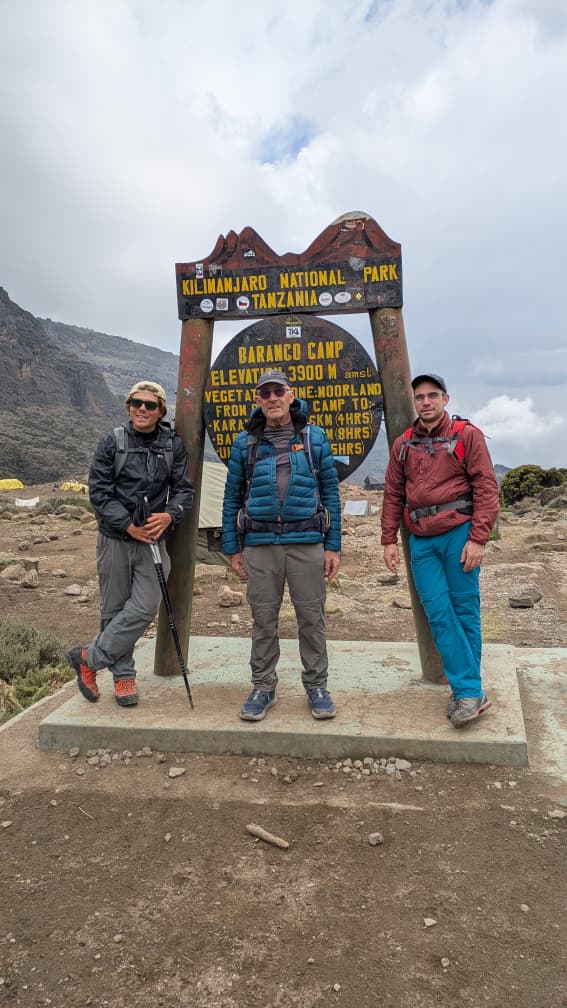

Kilimanjaro July Private Climb Package: Your Ultimate Trekking Plan
Choosing to climb Mount Kilimanjaro is a significant decision, and opting for a Kilimanjaro July private climb package offers a unique and personalized adventure. July falls within Kilimanjaro’s dry season, providing some of the most stable weather conditions for summiting Africa’s highest peak. This guide is designed to give you an in-depth look at what to expect, how to prepare, and why a private climb in July might be the perfect choice for your 2026 or 2027 expedition.
Quick Facts About Kilimanjaro July Private Climbs
| Aspect | Details for July Private Climbs |
|---|---|
| Best Time: July | Part of the main dry season (June-October). Clear skies, minimal rain, cooler temperatures. |
| Weather: | Dry, cool to cold at higher altitudes. Daytime temperatures can range from 15-25°C (59-77°F) at lower elevations, dropping to -5 to 5°C (23-41°F) near the summit, with wind chill making it colder. |
| Crowds: | Moderate. It’s a popular month due to good weather, but less crowded than peak safari season. Private climbs offer a more secluded experience. |
| Summit Success Rate: | Generally higher in July due to favorable weather conditions. Proper acclimatization is still key. |
| Private Climb Advantage: | Flexible itinerary (within route limits), dedicated guide and crew, personalized pace, increased comfort and privacy. |
| Duration: | Typically 5 to 9 days, depending on the chosen route. Longer routes offer better acclimatization and higher success rates. |
| Cost: | Generally higher than group climbs due to dedicated resources. Varies by route, duration, and operator. |
| Target Years: | 2026, 2027, 2028 |
Kilimanjaro July Private Climb: An Overview
A Kilimanjaro July private climb package is an exclusive opportunity to conquer the Roof of Africa with your own group of friends, family, or colleagues, accompanied by a dedicated team of guides and support staff. Unlike group treks where you join a larger party, a private climb ensures that the pace, the focus, and the overall experience are tailored to your party’s needs. July is a fantastic month for this undertaking. It sits squarely within Kilimanjaro’s longest dry season, which runs from June through October. This period typically offers clear skies, minimal rainfall, and excellent visibility, making the arduous trek more enjoyable and increasing your chances of a successful summit. While July is popular due to these favorable conditions, choosing a private climb means you bypass the larger crowds often seen on the mountain, allowing for a more serene and personal journey.
The decision to go private means you’re investing in a more personalized adventure. This includes having your own guide and porter team, who will focus solely on your group’s safety, comfort, and progress. You can set your own pace, take extra breaks when needed, and enjoy the stunning scenery without feeling rushed. This level of attention is invaluable, especially when dealing with the physiological challenges of high-altitude trekking. For those planning their adventure for 2026 or 2027, booking a private climb in July provides a reliable window for optimal trekking conditions.
Why Choose July for Your Kilimanjaro Private Climb?
July is one of the most sought-after months for climbing Mount Kilimanjaro, and for good reason. It marks the beginning of the mountain’s second, and arguably most stable, dry season, which extends through October. Here’s why July stands out for your private ascent:
- Excellent Weather Conditions: July typically boasts clear, sunny days with very little rainfall. This means better visibility of the surrounding landscapes and the stars at night, and a significantly reduced chance of your trek being disrupted by rain or snow. The skies are often crystal clear, offering breathtaking panoramic views from the higher reaches of the mountain.
- Lower Humidity: Compared to the wetter seasons, July offers lower humidity, making the air feel drier and more comfortable to breathe, even during strenuous ascents.
- Moderate Temperatures: While the summit remains cold, daytime temperatures on the lower slopes are generally pleasant, ranging from 15-25°C (59-77°F). At night and at higher altitudes, temperatures can drop significantly, often below freezing, especially near the summit (around -5 to 5°C or 23-41°F). Proper layering is crucial, but the overall conditions are manageable for most trekkers.
- Reduced Crowds (Compared to Peak Safari Season): While July is a popular trekking month, it is generally less crowded than the absolute peak safari season in nearby parks like the Serengeti. A private climb further enhances this by offering a more exclusive experience, away from the larger groups.
- Higher Summit Success Rates: The combination of stable weather, good visibility, and manageable conditions contributes to higher summit success rates for trekkers in July. While success is never guaranteed and depends heavily on individual preparation and acclimatization, the odds are favorable.
For trekkers planning their 2026 or 2027 Kilimanjaro adventure, July presents a prime window to experience the mountain’s majesty under ideal conditions. A private climb ensures you make the most of this prime time with personalized support.
Private Climb vs. Group Climb in July
Deciding between a private and a group climb is a key consideration when planning your Kilimanjaro expedition, especially for July. Both have their merits, but the choice hinges on your priorities.
| Feature | Kilimanjaro July Private Climb | Kilimanjaro July Group Climb |
|---|---|---|
| Pace & Flexibility | Set by your group; can adjust stops, breaks, and daily distances. Ideal for varying fitness levels within your party. | Fixed pace set by the group; may need to keep up or wait for others. Less flexibility. |
| Group Size | Only your chosen companions. Offers a more intimate and personal experience. | You join a larger group of unrelated trekkers. Can be 8-12 people or more. |
| Guide & Porter Focus | Dedicated team focused exclusively on your group’s safety and well-being. | Guides and porters manage the needs of the entire group, potentially dividing attention. |
| Cost | Higher per person due to dedicated resources (guides, porters, vehicles). | Lower per person as costs are shared among a larger group. See Kilimanjaro Machame Route Group Departures for examples. |
| Privacy & Comfort | Maximum privacy in tents, dining areas, and on the trail. More control over your immediate environment. | Less privacy; sharing spaces with strangers. Potential for differing sleep schedules or noise levels. |
| Customization | Slightly more flexibility in minor itinerary adjustments (e.g., rest stops). | Very little to no flexibility; adheres strictly to the pre-set group itinerary. |
| Social Aspect | Primarily with your own companions; interaction with other trekkers is optional. | Opportunity to meet and bond with a diverse group of fellow trekkers. |
| Best For | Families, friends, corporate teams, those prioritizing personalized service, comfort, and a controlled pace. Ideal for mixed-ability groups. | Budget-conscious travelers, solo trekkers looking for company, those who enjoy a communal atmosphere. |
| July Suitability | Excellent for maximizing the benefits of good weather with personal attention. | Still a great option for experiencing good weather at a lower cost. |
For a Kilimanjaro July private climb package, the investment in privacy, flexibility, and dedicated service is often well worth it, especially for a significant achievement like summiting Kilimanjaro. It allows your group to fully immerse yourselves in the experience without external pressures.
Kilimanjaro Routes for a Private July Climb
Choosing the right route is crucial for acclimatization, success rates, and overall enjoyment. For a private climb in July, several routes are excellent choices, each offering a different experience:
- Lemosho Route: Often considered the most scenic route, Lemosho offers gradual acclimatization and a high success rate. It’s longer (7-8 days recommended) and traverses the western side of the mountain before joining the Machame route. Its beauty and acclimatization profile make it a top choice for private climbs.
- Machame Route: Known as the “Whiskey Route,” Machame is popular for its excellent acclimatization profile and scenic beauty, trekking across the southern circuit. It’s typically done over 6-7 days, though 7-8 days are recommended for private groups to enhance success. It can get busy, but a private climb offers a buffer.
- Marangu Route: The “Coca-Cola Route” is the oldest and only route with hut accommodations. It’s the shortest (5 days) and often has the lowest success rate due to its rapid ascent profile. While possible for a private climb, it’s generally not recommended for acclimatization reasons. A 6-day option is better.
- Northern Circuit: The longest route (9-10 days), offering the best acclimatization and highest success rates. It circles the mountain completely, providing diverse views and a more relaxed pace. Ideal for a private climb if time and budget allow.
- Rongai Route: This route approaches Kilimanjaro from the north, near the Kenyan border. It’s a good option for July as it’s drier than the southern routes. It offers a different perspective and is generally less crowded. Typically 6-7 days.
For a Kilimanjaro July private climb package, we strongly recommend routes that are 7 days or longer to ensure proper acclimatization. Lemosho and Machame (7 or 8 days) are excellent choices, balancing scenery, acclimatization, and experience. The Northern Circuit is the ultimate for acclimatization and success if you have the time.
Kilimanjaro Route Overview (Conceptual)
Here’s a simplified view of the general locations and paths of the main Kilimanjaro routes. This is not a precise map but a conceptual illustration of their approach to the mountain.
| Route | General Approach / Area | Key Features |
|---|---|---|
| Marangu | Southeast approach | Hut accommodation, shortest, often busiest, lower success rate. |
| Machame | Southwest approach, then south circuit | Scenic, good acclimatization (6-8 days), popular, camping. |
| Lemosho | Far West approach, then south circuit | Most scenic, excellent acclimatization (7-8 days), popular for private climbs. |
| Shira | West approach, higher starting point than Lemosho | Similar to Lemosho but starts higher, can be harder initially. |
| Rongai | North approach (from Kenya border) | Drier in rainy season, less crowded, good acclimatization (6-7 days). |
| Umbwe | South approach, steep and direct | Challenging, fast ascent, requires good fitness and acclimatization experience. Not ideal for most. |
| Northern Circuit | West approach, full circle traverse | Longest (9-10 days), best acclimatization, highest success rate, most scenic. |
Sample 8-Day Lemosho Route Private Climb Itinerary
An 8-day Lemosho route private climb offers an excellent balance of scenic beauty, gradual acclimatization, and a strong chance of summit success. This is a sample; your private package can be adjusted.
Day 1: Arrival in Tanzania & Moshi
Arrive at Kilimanjaro International Airport (JRO), meet your guide, and transfer to your hotel in Moshi. Briefing about your upcoming trek. Overnight in Moshi.
Day 2: Londorossi Gate to Mti Mkubwa Camp
Drive to Londorossi Gate (2,360m). After park registration, begin your trek through the rainforest. Hike for 3-4 hours to Mti Mkubwa Camp (2,850m). Look for colobus monkeys.
Day 3: Mti Mkubwa Camp to Shira 1 Camp
Trek across moorlands with increasing views. The hike takes about 5-6 hours, reaching Shira 1 Camp (3,500m) on the Shira Plateau. Enjoy sunset views.
Day 4: Shira 1 Camp to Barranco Camp
A longer day traversing the Shira Plateau towards the Barranco Gorge. This day involves “pole pole” (slowly, slowly) walking and good acclimatization. Camp at Barranco Camp (3,950m).
Day 5: Barranco Camp to Karanga Camp
Ascend the Great Barranco Wall (a scramble, but manageable). Continue through alpine desert terrain to Karanga Camp (4,000m). This is a critical acclimatization day.
Day 6: Karanga Camp to Barafu Camp
Trek across a saddle towards the junction with the Mweka Route. The landscape becomes starker. Reach Barafu Camp (4,600m), the base for your summit attempt. Rest and prepare for the night summit push.
Day 7: Summit Day! Barafu Camp to Uhuru Peak & Mweka Camp
Start the summit attempt around midnight. Ascend steeply towards Stella Point (5,756m) via the scree slopes. Continue to Uhuru Peak (5,895m) for sunrise. Descend back to Barafu Camp for a short rest, then continue down to Mweka Camp (3,100m) in the forest zone. This is a very long and demanding day.
Day 8: Mweka Camp to Mweka Gate & Departure
Descend through the rainforest to Mweka Gate (1,650m). Receive your summit certificates. Transfer back to Moshi for a celebratory meal and then to Kilimanjaro International Airport (JRO) for your departure.
What to Expect on Your Private Kilimanjaro Climb in July
A Kilimanjaro July private climb package is an adventure that requires physical and mental preparation. Here’s a breakdown of what you can anticipate:
- The Trekking Experience: Days typically involve hiking for 4-8 hours, depending on the route and day. You’ll encounter diverse landscapes, from lush rainforests to alpine deserts and the arctic zone near the summit. The pace is always slow and steady (“pole pole”).
- The Summit Night: This is the most challenging part. You’ll start around midnight, hiking in the dark with headlamps, climbing steep scree slopes. Temperatures will be well below freezing, and the altitude will be at its most intense. Reaching Stella Point and then Uhuru Peak is an immense achievement.
- Camping: Most routes involve camping. You’ll have a private tent, a mess tent for meals, and a toilet tent. Expect basic but functional facilities. Porters set up camp, cook meals, and carry the bulk of your gear.
- Food: Your crew will prepare nutritious and hearty meals. Expect breakfast (porridge, eggs, toast), packed lunches (sandwiches, fruit, snacks), and hot dinners (soups, stews, rice dishes, pasta). Hydration is key; you’ll be provided with boiled water.
- Guides and Crew: You’ll have experienced, licensed guides who are trained in first aid and altitude sickness management. A team of porters will carry your main luggage, and cooks will prepare your food. Your private crew ensures your safety and comfort.
- Weather: As mentioned, July is dry. Expect clear skies, sunshine during the day, and cold nights. Temperatures can drop significantly, especially above 4,000m. Wind can be a factor, particularly on summit night.
- Altitude: This is the primary challenge. Symptoms like headaches, nausea, and dizziness are common. Proper acclimatization, hydration, and listening to your body (and your guide) are paramount.
- Scenery: Kilimanjaro offers some of the most dramatic and varied scenery on Earth. From the dense rainforest teeming with wildlife to the stark, lunar-like landscapes of the alpine zone, the views are spectacular, especially with July’s clear skies.
Typical Inclusions and Exclusions in a Private Package
When booking a Kilimanjaro July private climb package, it’s essential to understand what is included and what isn’t. This varies by operator, so always clarify with your chosen tour company.
| Included Items | Typically Excluded Items |
|---|---|
| Park Fees: National Park entry, camping/hut fees, rescue fees. | International Flights: Flights to and from Kilimanjaro International Airport (JRO). |
| Guides & Porters: Salaries, food, and equipment for your dedicated crew. | Visa Fees: If required for Tanzania. |
| Cook: For preparing meals on the mountain. | Travel Insurance: Comprehensive insurance covering high-altitude trekking and medical evacuation. This is mandatory. |
| Camping Equipment: Tents (sleeping tents, mess tent, toilet tent), sleeping mats, cooking equipment. | Personal Gear: Sleeping bag, trekking poles, waterproof clothing, boots, backpack, etc. (See packing list). |
| Meals: All meals on the mountain (breakfast, lunch, dinner) and usually breakfast before and after the climb in hotels. | Tips for Crew: Gratuities for guides, porters, and cooks. This is a significant part of their income. |
| Drinking Water: Boiled and purified water provided on the mountain. | Alcoholic Drinks & Soft Drinks: Available for purchase at hotels, sometimes on the mountain at extra cost. |
| Accommodation: Hotel accommodation in Moshi before and after the climb (often 2 nights included). | Personal Expenses: Souvenirs, laundry, phone calls, extra snacks. |
| Transfer: Airport transfers and transfers to/from the mountain gates. | Vaccinations & Medications: Costs associated with any required vaccinations or personal medications. |
| Briefing: Pre-trek briefing in Moshi. | Optional Activities: Day trips or excursions before/after the climb. |
Always confirm these details with your tour operator before booking your Kilimanjaro July private climb package for 2026 or 2027.
Preparation and Packing for a July Kilimanjaro Climb
Proper preparation and packing are vital for a successful and enjoyable Kilimanjaro climb, especially in July’s cooler conditions.
Physical Preparation
Kilimanjaro is a strenuous trek, not a technical climb, but requires good cardiovascular fitness. Focus on:
- Cardiovascular Endurance: Engage in regular aerobic activities like hiking, running, cycling, or swimming for at least 3-4 months before your trek.
- Hiking Practice: The best training is hiking. Aim for at least one long hike (4-6 hours) per week, ideally with some elevation gain and carrying a daypack.
- Strength Training: Focus on leg strength (squats, lunges) and core strength.
- Acclimatization Practice: If possible, try to do some shorter hikes at higher altitudes in the weeks leading up to your trip to get your body accustomed to lower oxygen levels.
Essential Packing List for July
Layering is key for Kilimanjaro, especially in July. You’ll need gear for warm days, cold nights, and freezing summit conditions.
Clothing (Layering System)
- Base Layers: Moisture-wicking thermal tops and bottoms (merino wool or synthetic). 2-3 sets.
- Mid Layers: Fleece jackets or vests for insulation. 2-3 items.
- Outer Layer (Insulation): A warm down or synthetic insulated jacket (puffy jacket). Essential for evenings and summit night.
- Outer Layer (Shell): Waterproof and windproof jacket and trousers (Gore-Tex or similar). Crucial for rain/wind protection.
- Trekking Trousers: Lightweight, quick-drying hiking pants. 2 pairs. Avoid jeans.
- Shorts: Optional, for warmer lower sections.
- Shirts: Moisture-wicking short and long-sleeved shirts. 3-4 total.
Headwear & Handwear
- Warm Hat: Fleece or wool hat that covers your ears.
- Sun Hat: Wide-brimmed hat for sun protection.
- Balaclava/Neck Gaiter: For wind protection, especially on summit night.
- Gloves: Lightweight liner gloves and warm, waterproof outer gloves or mittens. Essential for summit night.
Footwear
- Hiking Boots: Broken-in, waterproof, ankle-supporting hiking boots.
- Camp Shoes: Comfortable shoes or sandals for evenings at camp.
- Socks: Several pairs of warm wool or synthetic hiking socks. 4-6 pairs.
- Liner Socks: Optional, to prevent blisters.
Gear & Accessories
- Backpack: 30-40 liter daypack for essentials (water, snacks, layers, camera).
- Duffel Bag: 80-100 liter waterproof duffel bag for porters to carry (max 15kg).
- Sleeping Bag: Rated to at least -10°C (0°F), preferably -15°C to -20°C (0°F to -4°F). Down is lighter and warmer.
- Sleeping Bag Liner: Adds warmth and keeps your bag clean.
- Trekking Poles: Highly recommended for stability and reducing knee strain.
- Headlamp: With extra batteries. Essential for summit night and evenings.
- Water Bottles/Hydration Reservoir: At least 2-3 liters capacity. Insulated covers are useful in cold weather.
- Sunglasses: High UV protection.
- Sunscreen: High SPF.
- Lip Balm: With SPF.
- Insect Repellent: For lower rainforest sections.
- Personal First-Aid Kit: Include blister treatment, pain relievers, antiseptic wipes, personal medications.
- Toiletries: Biodegradable soap, toothbrush, toothpaste, wet wipes.
- Hand Sanitizer: Essential.
- Camera: With extra batteries and memory cards.
- Power Bank: To charge electronics.
- Book/Journal: For downtime.
- Snacks: Energy bars, trail mix, chocolate (optional, though meals are provided).
- Passport & Copies: Keep copies separate.
- Cash: For tips and personal expenses.
When planning your Kilimanjaro July private climb package for 2026 or 2027, allocate time for purchasing and testing your gear. Renting some items (like sleeping bags or trekking poles) might be an option, but investing in good quality boots and clothing is recommended.
Understanding and Managing Altitude Sickness
Altitude sickness, or Acute Mountain Sickness (AMS), is the primary risk on Kilimanjaro. It occurs when you ascend too quickly and your body doesn’t have time to adjust to the lower oxygen levels. Recognizing symptoms and knowing how to manage them is crucial for safety.
Symptoms of AMS:
Symptoms can range from mild to severe and often resemble a hangover:
- Headache (most common symptom)
- Nausea and vomiting
- Dizziness or lightheadedness
- Fatigue and weakness
- Loss of appetite
- Difficulty sleeping
More severe forms include High Altitude Cerebral Edema (HACE), where fluid builds up in the brain, and High Altitude Pulmonary Edema (HAPE), where fluid fills the lungs. These are life-threatening emergencies.
Management and Prevention:
The best strategy is prevention:
- Ascend Slowly: This is the golden rule. Choose longer routes (7-8 days) that allow for gradual ascent and acclimatization. Your guides will follow the “climb high, sleep low” principle.
- Hydrate: Drink plenty of fluids (3-4 liters per day). Water, herbal teas, and clear broths are excellent. Avoid alcohol and caffeine.
- Eat Well: Consume high-carbohydrate meals. Your body needs energy at altitude.
- Avoid Overexertion: Walk “pole pole” (slowly, slowly). Don’t push yourself too hard, especially on the first few days.
- Listen to Your Body: Report any symptoms to your guide immediately. Do not ignore them.
- Medication: Diamox (acetazolamide) can be prescribed by your doctor to help prevent or alleviate AMS symptoms. It’s not a substitute for slow ascent but can be very effective. Discuss this with your physician well before your trip.
- Descent: If symptoms worsen or become severe, the only effective treatment is immediate descent. Your guides are trained to make this decision.
Your guides on a Kilimanjaro July private climb package will monitor you closely. Trust their expertise. They are equipped to manage mild symptoms and will know when descent is necessary.
Common Mistakes to Avoid on Your Private Kilimanjaro Trek
Even with a private climb, certain common mistakes can jeopardize your experience or success. Awareness is key:
- Inadequate Physical Training: Underestimating the physical demands leads to fatigue, slower pace, and increased risk of altitude sickness. Train consistently for months beforehand.
- Poor Acclimatization Strategy: Choosing a short route (e.g., 5-day Marangu) significantly reduces success rates and increases AMS risk. Opt for 7-8 day routes for better acclimatization.
- Insufficient Hydration: Dehydration exacerbates altitude sickness symptoms and can lead to fatigue. Make a conscious effort to drink 3-4 liters of water daily.
- Packing Incorrect Gear: Not having warm enough layers, waterproofs, or proper boots can make the trek miserable and dangerous. July requires serious cold-weather gear for the summit.
- Ignoring Symptoms of Altitude Sickness: Trying to “tough it out” can lead to severe, life-threatening conditions. Always report symptoms to your guide.
- Going Too Fast: The “pole pole” mantra is essential. Rushing on the ascent, especially on summit night, is a recipe for disaster.
- Not Bringing Enough Cash for Tips: Crew tips are a significant portion of their income. Research recommended tipping amounts and have cash (USD or local currency) readily available.
- Forgetting Travel Insurance: Comprehensive insurance covering high-altitude trekking and emergency medical evacuation is non-negotiable.
- Over-reliance on Medication: Diamox can help, but it’s not a magic bullet. It cannot replace proper acclimatization and a slow ascent.
- Not Breaking in Boots: New, stiff boots can cause painful blisters. Always break them in thoroughly before the trek.
By avoiding these pitfalls, you significantly increase your chances of a safe, enjoyable, and successful Kilimanjaro July private climb package for 2026 or 2027.
Who is a Kilimanjaro July Private Climb Best Suited For?
A Kilimanjaro July private climb package is an excellent choice for a variety of travelers, particularly those who value:
- Families: Allows you to trek at your own pace, ensuring everyone in the family, from teenagers to adults, can comfortably manage the ascent. You can stop for photos or rest as needed.
- Groups of Friends: Provides a bonding experience where you can share the challenge and triumph together without the dynamics of a larger, mixed group.
- Corporate Teams: An ideal team-building adventure. A private climb allows for focused team support and a shared goal.
- Couples: Offers a romantic and challenging adventure, providing privacy and a shared memory.
- Photographers: Gives you the flexibility to stop whenever a photographic opportunity arises, without holding up a large group. The clear July skies are a bonus.
- Travelers Prioritizing Comfort and Control: You have more say over the pace, rest stops, and the immediate environment, leading to a more comfortable journey.
- Those with Mixed Fitness Levels: A private climb can better accommodate varying fitness levels within your group, as the pace can be adjusted for the slowest member.
- Travelers Seeking Exclusivity: You get a dedicated crew and a more personal interaction with the mountain environment.
If you are planning a significant trip for 2026 or 2027 and want to ensure the most personalized and controlled experience possible, a private climb in July is a superb option.
Alternatives to a Private Kilimanjaro Climb in July
While a private climb in July is ideal for many, other options might suit your needs better:
- Kilimanjaro Group Climb in July: If budget is a primary concern, joining a scheduled group climb is a more affordable way to experience Kilimanjaro in July’s good weather. You’ll share the experience with other trekkers. Check out options like Machame Route Group Departures.
- Kilimanjaro Private Climb in Other Months: While July is excellent, other months in the dry season (June, August, September, October) also offer good trekking conditions. The shoulder months (May, November) can be cheaper but have a higher chance of rain.
- Other Tanzanian Adventures: If Kilimanjaro isn’t your primary goal, consider combining a safari with other activities. For instance, explore the Serengeti or Ngorongoro Crater with a safari package. See Tanzania Safari Group Departures for shared tour dates.
- Mount Meru Climb: A challenging trek, often used for acclimatization before Kilimanjaro. It’s a beautiful mountain in its own right and offers a great wilderness experience.
- Zanzibar Holiday: If you prefer a beach and cultural experience, Zanzibar offers stunning beaches, historical Stone Town, and water activities.
Your choice depends on your budget, time, fitness, and desired experience. For a truly memorable adventure, a Kilimanjaro July private climb package is hard to beat.
Planning Your 2026-2027 Kilimanjaro July Private Climb
Proactive planning is essential for a successful Kilimanjaro July private climb package, especially when looking ahead to 2026 and 2027. Here’s a timeline and key considerations:
12-18 Months Before:
- Research: Start researching tour operators, routes, and the best time to climb. Understand the differences between private and group climbs.
- Budget: Determine your budget. Private climbs are more expensive but offer more value for certain travelers.
- Choose Your Operator: Select a reputable tour operator with strong safety records and positive reviews. For a Kilimanjaro July private climb package, look for companies experienced in custom treks.
6-12 Months Before:
- Book Your Climb: Secure your preferred dates and route by booking your private climb package. This is especially important for popular months like July and for 2026-2027 travel.
- Book Flights: Once your climb is confirmed, book your international flights to Kilimanjaro International Airport (JRO).
- Travel Insurance: Purchase comprehensive travel insurance that covers high-altitude trekking and emergency medical evacuation. Ensure it’s valid for your travel dates.
3-6 Months Before:
- Start Training: Begin your physical training regimen. Focus on cardiovascular fitness and hiking practice.
- Purchase Gear: Start acquiring your trekking gear. Invest in quality items like boots, waterproofs, and a warm sleeping bag. Test your gear on practice hikes.
- Consult Doctor: Discuss your trek with your doctor. Get advice on vaccinations, medications (like Diamox), and any personal health concerns.
1-3 Months Before:
- Intensify Training: Increase the intensity and duration of your training hikes.
- Finalize Logistics: Confirm all details with your tour operator, including transfers, hotel bookings, and any special dietary requirements.
- Pack Smart: Begin packing, ensuring you have all necessary items. Use a checklist.
2-4 Weeks Before:
- Final Gear Check: Ensure all gear is ready and packed.
- Rest and Nutrition: Focus on resting and eating a healthy diet.
During the Climb:
- Listen to Guides: Follow their instructions regarding pace, hydration, and health.
- Stay Hydrated and Eat Well.
- Communicate: Report any discomfort or symptoms immediately.
Planning early for your Kilimanjaro July private climb package in 2026-2027 ensures you get the best availability, optimal preparation time, and a stress-free experience.
Why Choose Best Tanzania Tour Operator?
When planning a significant adventure like a Kilimanjaro July private climb package, choosing the right tour operator is paramount. At Best Tanzania Tour Operator, we pride ourselves on offering exceptional experiences built on safety, expertise, and a deep understanding of Tanzania’s natural wonders.
Our Commitment to Your Adventure:
- Experienced & Licensed Guides: Our guides are highly trained, certified, and possess extensive knowledge of Kilimanjaro, its routes, flora, fauna, and altitude management. Safety is their top priority.
- Tailored Private Treks: We specialize in creating customized private climbs. Whether it’s a family, friends, or a corporate group, we adapt itineraries and support to your specific needs.
- Focus on Safety: We adhere to strict safety protocols, including regular health checks by guides, carrying comprehensive first-aid kits, and having emergency oxygen on all climbs. We maintain a strong safety record.
- Quality Crew & Equipment: We employ dedicated and well-cared-for porters and cooks, ensuring a comfortable and well-supported trek. Our camping equipment is regularly maintained and of high quality.
- Sustainable Tourism: We are committed to responsible tourism practices, respecting the environment and supporting local communities.
- All-Inclusive Packages: Our private climb packages are comprehensive, covering park fees, crew salaries, meals, and accommodation, providing clear value and minimizing hidden costs.
- Personalized Service: From your initial inquiry to your return home, our team provides dedicated support, answering all your questions and ensuring a smooth planning process.
We understand that your Kilimanjaro July private climb package is a significant investment and a dream trip. Let us help you make it a reality for 2026 or 2027. You can reach us directly for a personalized quote and consultation.
Contact us:
WhatsApp: +255616946642
Email: topguideadventures@gmail.com
Backup Email: info@topguideadventures.com
Traveler Feedback and Social Proof
Don’t just take our word for it. Hear from travelers who have experienced the magic of Kilimanjaro and Tanzania with us. Their feedback highlights our commitment to providing unforgettable adventures.
See what others have said about their experiences:
- Read our latest reviews on TripAdvisor.
- Follow us on Instagram for recent photos and updates from our expeditions: @top_guide_adventures.
Our dedication to client satisfaction is reflected in the positive testimonials we receive, whether for Kilimanjaro treks, safaris, or other Tanzanian adventures. We strive to make every journey memorable.
Booking Your Kilimanjaro July Private Climb Package
Ready to book your dream Kilimanjaro July private climb package for 2026 or 2027? Here’s how to proceed:
- Inquire Directly: The best first step is to contact us. Share your preferred dates, group size, desired route (or ask for recommendations), and any specific requirements you might have.
- Get a Custom Quote: Based on your inquiry, we will prepare a detailed, personalized quote for your private climb. This will outline the itinerary, inclusions, exclusions, and the total cost.
- Ask Questions: Don’t hesitate to ask us anything. We are here to provide all the information you need to feel confident about your booking. Clarify doubts about gear, training, safety, and logistics.
- Review and Confirm: Once you are satisfied with the quote and itinerary, review the terms and conditions.
- Secure Your Booking: A deposit is typically required to confirm your booking. This secures your dates and your private crew.
- Final Payment: The remaining balance is usually due a few weeks before your trek departure.
- Pre-Trip Support: After booking, we will provide ongoing support, including detailed packing lists, training advice, and pre-departure information to ensure you are fully prepared.
Contact Us to Start Planning:
WhatsApp: +255616946642
Email: topguideadventures@gmail.com
Backup Email: info@topguideadventures.com
We look forward to helping you plan an incredible Kilimanjaro July private climb package for 2026 or 2027!
Frequently Asked Questions (FAQs)
What is the typical weather like for a Kilimanjaro July private climb?
July is part of Kilimanjaro’s main dry season. Expect clear skies, minimal rain, and good visibility. Daytime temperatures are moderate (15-25°C on lower slopes), but nights and summit conditions are cold, often dropping below freezing (-5 to 5°C near the summit, plus wind chill). Layering is essential.
How much does a Kilimanjaro July private climb package cost?
The cost varies significantly based on the route length, operator, and inclusions. Private climbs are more expensive than group climbs due to dedicated resources. Expect prices to range from approximately $2,000 to $4,000+ USD per person for a standard 7-8 day private climb package. Always get a detailed quote.
Is July a good month for summiting Kilimanjaro?
Yes, July is considered one of the best months. The dry weather, clear skies, and moderate temperatures contribute to higher summit success rates. Proper acclimatization and preparation remain crucial.
Do I need special permits for a private climb?
No, the park entry and climbing permits are handled by your tour operator as part of the package. They are included in the price and are mandatory for all climbers.
What is the difference between a private climb and a group climb in July?
A private climb means your group has a dedicated guide and crew, allowing you to set your own pace and enjoy more privacy. A group climb involves joining a larger party of trekkers, sharing guides and porters, and adhering to a fixed group pace.
How difficult is the climb in July?
Kilimanjaro is a strenuous trek regardless of the month. The difficulty primarily comes from the altitude and the sustained physical effort over multiple days. July’s weather conditions make the physical aspect potentially more comfortable than during wet seasons, but altitude remains the main challenge.
What is the best route for a private climb in July?
For July, routes like Lemosho (7-8 days) and Machame (7-8 days) are highly recommended for their scenic beauty and excellent acclimatization profiles. The Northern Circuit (9-10 days) offers the best acclimatization and highest success rates if time permits.
What should I pack for a Kilimanjaro July private climb?
You’ll need a comprehensive layering system for clothing, including thermal base layers, fleece mid-layers, an insulated puffy jacket, and waterproof/windproof outer shells. Essential items also include warm gloves, a warm hat, sturdy hiking boots, a warm sleeping bag, and trekking poles. Refer to the detailed packing list in this guide.
Can I book a Kilimanjaro July private climb package for 2026 or 2027?
Absolutely. Booking in advance for 2026 and 2027 is highly recommended, especially for private climbs during the popular dry season months like July. Early booking secures your preferred dates and ensures the best availability.
What happens if someone in my private group gets altitude sickness?
Your guides are trained to recognize and manage altitude sickness. They will monitor all group members closely. If symptoms are mild, they may recommend rest, hydration, or medication. If symptoms are moderate to severe, the group (or the affected individual) will descend immediately. Safety is the absolute priority.
Ready to Climb Kilimanjaro in July 2026-2027?
Your dream of standing on the roof of Africa is within reach. A Kilimanjaro July private climb package offers an unparalleled opportunity to experience this majestic mountain with comfort, flexibility, and dedicated support. July provides the best window for stable weather, clear skies, and a rewarding trek.
Let Best Tanzania Tour Operator be your trusted partner in planning this life-changing adventure. We are committed to providing safe, memorable, and expertly guided climbs. We cater to private groups looking for a personalized experience, ensuring your journey is as smooth and enjoyable as possible for your 2026 or 2027 expedition.
Contact us today to start planning your custom Kilimanjaro July private climb package:
WhatsApp: +255616946642
Email: topguideadventures@gmail.com
Backup Email: info@topguideadventures.com
We are excited to help you achieve your Kilimanjaro summit goal!
Plan your Kilimanjaro July Private Climb Package with Top Guide Adventures
Tell us your travel dates, group size, comfort level, and dream experience. We will help you shape a clear, realistic, and memorable Tanzania itinerary.







 Veedesigner
 Fatma Kizanga
 Benjamin Waryuba
 Philip Philip
 John jr Itaja
 Antonia Optatus
 Edith Kanyere
 Neema Iddy
 Kelvin Boniphace
 Damari Maiga



