
Updated planning guide for 2026, 2027-2028
Mikumi Wildlife Safari From Zanzibar: Best Guide 2026-2027-2028
Discover the wonders of Mikumi National Park on a safari adventure starting from the beautiful island of Zanzibar. This guide covers everything you need to know, from wildlife encounters and landscapes to planning your itinerary, costs, and booking.
WhatsApp +255616946642 | topguideadventures@gmail.com | info@topguideadventures.com
1. What This Mikumi Safari Feels Like on the Ground
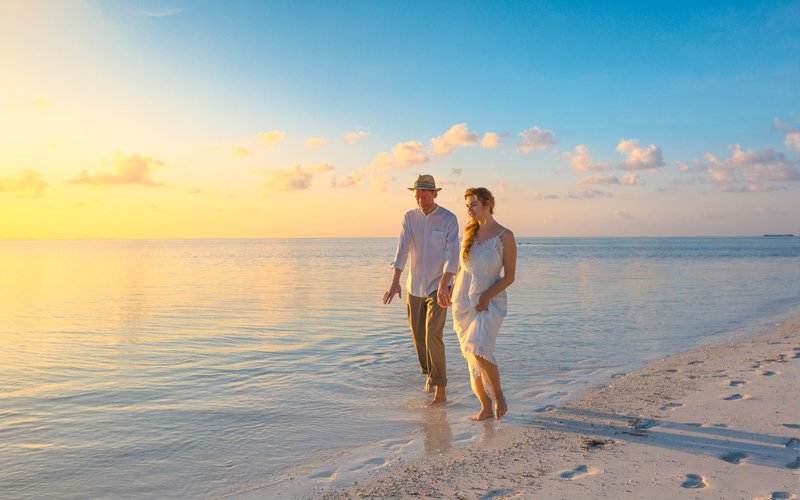
Imagine stepping off the ferry or plane from Zanzibar and immediately feeling the shift. The humid, salty air of the coast gives way to a drier, dustier savanna breeze carrying the distant calls of exotic birds. A Mikumi wildlife safari from Zanzibar is an experience that begins with a tangible change in atmosphere and sensory input. It’s about transitioning from island relaxation to the raw, untamed beauty of the African bush.
Your journey typically starts with a transfer from your Zanzibar accommodation to the airport for a short, scenic flight to the Mikumi airstrip, or a longer, more adventurous overland trip via the ferry to the mainland and then driving. Whichever route you choose, the anticipation builds as you approach Mikumi National Park, often referred to as a “mini Serengeti” due to its vast, open plains and abundant wildlife. The feeling is one of immersion. You’re not just observing; you are entering an ecosystem where predators stalk prey, herbivores graze in large herds, and the circle of life plays out daily.
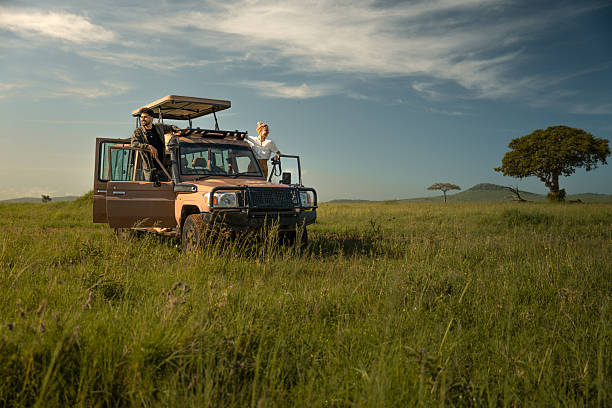
The primary mode of transport within the park is a 4×4 safari vehicle, often a custom-built Land Cruiser or Land Rover, designed for comfort and optimal game viewing. The feeling of being inside this vehicle, with the roof popped up or doors open (depending on the vehicle and guide’s preference for safety), is one of close proximity to nature. You’ll feel the rumble of the engine as you navigate dusty tracks, the warmth of the sun on your skin, and the thrill of spotting a lion pride lounging under an acacia tree or a herd of elephants moving gracefully across the plains. The absence of crowds, especially compared to some more popular northern circuit parks, contributes to a sense of exclusivity and a genuine connection with the wild.
Evenings bring a different sensation. As the sun begins to dip below the horizon, painting the sky in vibrant hues of orange, red, and purple, the park takes on a magical quality. The air cools, and the sounds of the bush intensify. Nocturnal animals begin to stir, and the possibility of a night game drive (if offered and permitted) adds an element of mystery and excitement. The feeling is one of awe and respect for the natural world, a profound sense of being in a place that has remained largely unchanged for millennia.
For travelers coming directly from Zanzibar in 2026 or 2027, this contrast between the island’s laid-back charm and Mikumi’s wild energy is precisely what makes the safari so compelling. It offers a dual experience of Tanzania – the tranquil beaches and the thrilling savanna – all within a single trip.
Initial Impressions and Sensory Details
- Air Quality: Transition from humid coastal air to dry savanna, carrying scents of dust, grass, and distant wildlife.
- Sounds: Hear bird calls, insect chirps, and the occasional roar of a lion, distinct from the ocean waves.
- Visuals: Witness expansive plains dotted with acacia trees, baobab trees, and diverse wildlife against a vast sky.
- Vehicle Experience: Enjoy close-up views from a sturdy 4×4, feeling connected to the environment.
- Pace: A shift from island leisure to active exploration and wildlife tracking.
The Transition from Zanzibar
The journey itself is part of the experience. Whether you opt for a quick flight from Zanzibar International Airport (ZNZ) to Mikumi Airstrip (MKM) or a combination of ferry and road transfer, the change is palpable. Flights offer aerial views of the mainland coastline and the developing savanna landscape. Overland travel, while longer, provides a ground-level perspective of Tanzanian life and the gradual transformation of scenery. For 2027 adventures, consider the overland route for a more immersive cultural experience if time permits.
A Note on Accommodation Styles
Your feeling of immersion is also shaped by your accommodation. Options range from comfortable tented camps that offer a close-to-nature feel with modern amenities, to more rustic lodges, and sometimes even luxury tented suites. Each provides a unique way to experience the park’s environment, from dining under the stars to waking up to the sounds of the bush.
2. The Morning and Evening Game Drive Rhythm in Mikumi
The daily rhythm of a Mikumi wildlife safari from Zanzibar is dictated by the behavior of the animals and the golden hours of daylight. Game drives are the heart of the safari experience, and understanding their timing is key to maximizing your wildlife sightings and appreciating the park’s dynamic environment. This rhythm is particularly important when planning for 2026 or 2027 trips.
The Dawn Patrol: Morning Game Drives
Mornings in Mikumi are often the most active time for predators. Lions, leopards, and cheetahs may still be on the hunt or returning from a night’s chase. Herbivores are also more active as they graze before the heat of the day sets in. This is why most safari operators schedule morning game drives to start shortly after sunrise, typically around 6:00 AM or 6:30 AM.
The feeling at dawn is one of cool, crisp air and a hushed anticipation. The landscape is bathed in soft, golden light, ideal for photography. Your guide will have the vehicle ready, often after a quick breakfast or coffee at the lodge/camp. You’ll head out into the park, navigating the tracks with keen eyes, looking for movement in the tall grass or the tell-tale signs of animal activity. This period is often characterized by a sense of quiet observation, punctuated by the excitement of spotting a leopard draped over a branch or a herd of elephants emerging from the bush.
The morning game drive usually lasts for about 3-4 hours, concluding around 10:00 AM or 11:00 AM, just as the sun begins to climb higher and the heat intensifies. This timing allows you to witness the park waking up and experience its most active phase.
Midday Respite and Afternoon Exploration
From late morning to mid-afternoon, the heat can be considerable. Many animals seek shade and rest during this period. While game drives can continue, they are often less productive for spotting active wildlife. Many travelers return to their accommodation for lunch, a chance to relax, perhaps by a pool if available, and escape the midday sun. This downtime is valuable, allowing you to recharge and prepare for the evening’s activities.
The Golden Hour: Evening Game Drives
As the afternoon wears on and the temperature begins to drop, typically from around 3:30 PM or 4:00 PM, the park comes alive again. This is the time for the evening game drive. The light becomes softer, casting long shadows and creating a beautiful, atmospheric setting for wildlife viewing. Many animals, including predators, become active again as they prepare for their nocturnal activities.
The feeling during an evening drive is often more relaxed than the morning rush. The golden light enhances the beauty of the landscapes, and the chances of witnessing dramatic interactions or observing animals in their natural evening routines are high. You might see hippos emerging from their daytime pools, or giraffes silhouetted against the setting sun. Evening drives usually conclude around 6:00 PM or 6:30 PM, coinciding with the park’s closing time for vehicles.
Night Game Drives (Where Available)
In some areas bordering Mikumi or in specific concessions, night game drives might be an option. These offer a completely different perspective, revealing the nocturnal world of the savanna. With the aid of spotlights, you can spot creatures rarely seen during the day, such as genets, civets, bush babies, and various owls. The feeling is one of heightened senses and mystery, exploring the park under the cloak of darkness.
Sample Daily Schedule (Approximate)
| Time | Activity | Feeling/Experience |
|---|---|---|
| 06:00 – 06:30 | Wake up, coffee/tea, quick breakfast. | Cool morning air, anticipation. |
| 06:30 – 10:30 | Morning game drive. | Active wildlife, soft golden light, exploration. |
| 10:30 – 12:00 | Return to lodge, relax. | Warming sun, break from driving. |
| 12:00 – 13:00 | Lunch. | Replenishment. |
| 13:00 – 15:30 | Rest, optional short walk (if permitted). | Midday heat, quiet reflection. |
| 15:30 – 18:30 | Afternoon/evening game drive. | Golden hour light, cooling temperatures, active animals. |
| 18:30 onwards | Return to lodge, dinner, relaxation. | Starlit sky, sounds of the night. |
3. Wildlife, Landscapes, and Photography Moments in Mikumi
Mikumi National Park offers a rich tapestry of wildlife, diverse landscapes, and unique photographic opportunities, making a safari from Zanzibar a visually rewarding experience. Understanding what to expect in terms of sightings and scenery is crucial for any traveler planning a trip for 2026 or 2027.
The Big Four and Beyond: Wildlife Encounters
Mikumi is renowned for its impressive array of wildlife, and it’s one of the few parks in Tanzania where you have a very high chance of seeing all of the “Big Four” – lion, leopard, elephant, and buffalo. The rhinoceros is absent, which is why it’s not the “Big Five” park, but the density of other iconic species more than compensates.
- Elephants: Mikumi is home to large herds of elephants, often seen grazing near water sources or crossing the plains. Their sheer size and social interactions make for compelling viewing and photography.
- Lions: The park’s prides are famous for often being found basking on the dirt tracks or lounging in the shade of trees. Their habit of using the roads can make them relatively easy to spot, providing incredible opportunities for close-up shots.
- Buffalo: Large herds of buffalo are a common sight, often found near waterholes or grazing in open areas. Their imposing presence and the dynamic nature of their herds are fascinating to observe.
- Leopards: While more elusive than lions, leopards are present in Mikumi. They are often found resting in trees or hunting in the early morning or late evening. Spotting one is a highlight for many visitors.
- Giraffes: The elegant Masai giraffes are abundant, often seen browsing on acacia trees. Their distinctive patterns and height make them a favorite subject for photographers.
- Zebra and Wildebeest: Large numbers of zebras and wildebeest form impressive herds, especially during the dry season, adding to the classic savanna spectacle.
- Other Mammals: Expect to see hippos (in the Mzizimasi river), crocodiles, various antelopes (including greater kudu, eland, sable antelope, hartebeest), warthogs, baboons, and vervet monkeys.
Diverse Landscapes: From Plains to Miombo Woodland
Mikumi’s landscape is varied and visually striking. It’s not just endless flat plains; the park offers a range of environments that influence wildlife distribution and provide diverse photographic backdrops.
- The Mkata Floodplain: This is the heart of Mikumi and the most popular area for game drives. It’s a vast, open grassland that resembles the Serengeti plains, offering excellent visibility and supporting large herds of herbivores. The contrast between the green/golden grass and the blue sky is stunning.
- Miombo Woodlands: Large sections of the park are covered in miombo woodlands, characterized by tall trees and dense undergrowth. These areas can be more challenging for spotting wildlife but offer opportunities to see species that prefer this habitat, like the greater kudu and sable antelope. The dappled light filtering through the trees creates beautiful photographic conditions.
- Riverine Vegetation: Along the Mzizimasi River and other watercourses, you’ll find denser vegetation, attracting elephants, hippos, and a variety of birdlife. These areas provide a different visual texture and are often rich in wildlife.
- Baobab Trees: Iconic baobab trees dot the landscape, their unique shapes adding character to the scenery and providing excellent photographic subjects, especially at sunrise or sunset.
Capturing the Moments: Photography Tips
Mikumi presents numerous opportunities for photographers of all levels. Whether you’re using a smartphone or a professional DSLR, here are some tips:
- Golden Hours: The early morning and late afternoon light is soft, warm, and creates dramatic shadows, ideal for wildlife and landscape shots.
- Telephoto Lens: Essential for capturing details of distant animals or filling the frame with wildlife. A 70-300mm or longer lens is highly recommended.
- Wide-Angle Lens: Useful for capturing the vast landscapes, baobab trees, and the scale of the savanna.
- Fast Shutter Speed: Crucial for freezing the motion of fast-moving animals like cheetahs or birds in flight.
- Patience: Wildlife photography requires patience. Wait for the right moment – an animal interacting, a unique pose, or a dramatic natural event.
- Camera Settings: Be prepared to adjust ISO, aperture, and shutter speed quickly as light conditions change. Using Aperture Priority or Shutter Priority modes can be very helpful.
- Protect Your Gear: Dust is prevalent. Use a protective camera bag, lens cloths, and consider a rain cover or blower for your lens.
- Respect Wildlife: Maintain a safe distance. Never disturb or feed animals. Your guide will advise on ethical viewing distances.
Unique Photographic Opportunities in Mikumi
- Lions on the Road: The habit of lions using the roads offers ground-level, unobstructed shots.
- Elephant Herds: Capturing the interaction between mothers and calves, or a large herd moving across the plains.
- Leopard in Trees: The challenge and reward of spotting and photographing a leopard camouflaged in the branches.
- Birdlife: Mikumi boasts a rich variety of bird species, from raptors to colorful smaller birds, offering opportunities for detailed shots.
- Sunsets and Sunrises: The wide-open plains provide spectacular backdrops for sunrise and sunset photography, often with silhouettes of animals.
4. Mikumi Safari Suitability: Family, Couples, Groups, and Luxury Tastes
Mikumi National Park is a versatile destination that can cater to a wide range of travelers. Its accessibility from Zanzibar, coupled with its diverse wildlife and landscapes, makes it an attractive option for various travel styles and group compositions. When planning your 2026 or 2027 safari, consider how Mikumi aligns with your specific needs.
Family Safaris in Mikumi
Mikumi is an excellent choice for families. Its relatively compact size and the high density of visible wildlife mean that children are less likely to get bored waiting for sightings. The thrill of spotting elephants, giraffes, and zebras is often immediate and captivating for younger travelers.
- Pros: High likelihood of frequent sightings, shorter travel times within the park compared to larger parks, variety of family-friendly lodges and camps. The park’s roads are generally good, making for a smoother ride.
- Considerations: While animals are abundant, leopard and cheetah sightings can be less frequent than in other parks. Ensure your chosen accommodation offers amenities suitable for children (e.g., swimming pools). Ensure your safari operator is experienced with families and can tailor activities.
- Suitability: Ideal for families with children aged 6 and above, who can sit comfortably in a vehicle for game drives.
Romantic Safaris for Couples
For couples seeking a blend of adventure and romance, Mikumi offers a compelling experience. The stunning sunsets, the sounds of the African night, and the intimacy of a private safari vehicle create a memorable atmosphere.
- Pros: The natural beauty provides a romantic backdrop. Many lodges offer private dining experiences under the stars or special honeymoon packages. The feeling of being in a wild, natural setting together is very bonding.
- Considerations: While Mikumi has good accommodation, it might not offer the ultra-luxury, exclusive-use concessions found in some more remote parks. However, for a 2-3 day safari from Zanzibar, it’s perfectly suited.
- Suitability: Perfect for couples looking for an accessible yet authentic safari experience, especially as part of a longer Tanzania trip combining beaches and bush.
Group and Shared Safaris
Mikumi is well-suited for group travel, whether it’s a group of friends, a family reunion, or joining a scheduled shared safari. The park’s layout and wildlife density ensure that everyone in the group can enjoy the experience.
- Pros: The park’s accessibility and variety of accommodation make it easy to organize group trips. Shared safaris, like those offered by our group departures, offer a cost-effective way to experience Mikumi. Guides are experienced in managing group dynamics and ensuring everyone gets good views.
- Considerations: When on a shared safari, game drive timings and routes are decided collectively or by the guide to accommodate all passengers. Private group bookings offer more flexibility.
- Suitability: Excellent for friends, multi-generational families, or those looking for budget-friendly options through shared tours.
Luxury Safari Experiences
While Mikumi might not boast the same number of high-end, exclusive lodges as some other Tanzanian parks, it is possible to craft a luxurious Mikumi safari experience, particularly if focusing on the quality of service, private guiding, and comfortable accommodation.
- Pros: Opt for the best available lodges or tented camps offering superior comfort, gourmet dining, and personalized service. Private vehicle hire ensures maximum flexibility and comfort during game drives. Combine Mikumi with a few nights at a luxury lodge for a refined experience.
- Considerations: Luxury in Mikumi often means excellent service, comfortable amenities, and beautiful settings rather than remote exclusivity. The park itself is easily accessible, which means there can be other vehicles around, though generally fewer than in the northern circuit.
- Suitability: For travelers who appreciate comfort, excellent service, and fine dining, and want a convenient safari experience without extensive travel from Zanzibar.
Traveler Type Comparison Table
| Traveler Type | Mikumi Suitability | Key Benefits | Potential Considerations |
|---|---|---|---|
| Families (with children) | High | Frequent sightings, shorter drives, engaging for kids. | Ensure child-friendly accommodation. |
| Couples (Honeymooners) | High | Romantic sunsets, intimate setting, special experiences. | May lack ultra-exclusive luxury options. |
| Groups of Friends | High | Cost-effective (shared tours), social experience, accessible. | Shared drives have set schedules. |
| Luxury Seekers | Moderate to High | Comfortable lodges, excellent service, private guides possible. | Less remote exclusivity than other parks. |
| Budget Travelers | High | Affordable shared tours, shorter duration possible. | Focus on value for money accommodation. |
5. Mikumi Safari Route Map: Navigating the Park from Zanzibar
While Mikumi National Park is not as vast as some of its northern circuit counterparts, understanding its layout and the typical routes used for game drives is helpful for planning your safari from Zanzibar. This textual map illustrates the general flow and key areas within the park, giving you a sense of how your days might be structured in 2026 or 2027.
Entry and Access Points
The main entrance to Mikumi National Park is located directly off the paved Tanzania’s A-7 highway, which connects Dar es Salaam to Iringa. This highway effectively bisects the northern part of the park, making access straightforward.
The Central Corridor: A-7 Highway and the Main Gate
Your safari experience will likely begin after passing through the main park gate near the highway. From here, you enter the park’s most popular and wildlife-rich area.
The Mkata Floodplain: The Safari Hub
This is the core of Mikumi’s safari activities. The roads here are primarily dirt tracks, well-maintained for safari vehicles.
- Main Access Road: From the gate, you’ll typically follow a main track heading into the floodplain.
- Loop Roads: Numerous smaller loop roads branch off the main track, allowing you to explore different sections of the floodplain. These are designed to take you closer to potential wildlife hotspots.
- Waterholes and Viewing Points: Guides will know the locations of various waterholes and open clearings where animals congregate. These are often marked on maps or known through local knowledge.
Beyond the Floodplain: Miombo Woodlands and Riverine Areas
While the Mkata Floodplain is the primary focus, your safari might also take you into the surrounding miombo woodlands or along the Mzizimasi River.
- Miombo Woodland Tracks: Tracks leading into the woodland areas are often narrower and can be more challenging, offering a different kind of game viewing experience. These are good for spotting kudu and other woodland-dependent species.
- Mzizimasi River Area: This area, often accessible via specific tracks, is known for hippos and crocodiles, as well as birdlife.
Accommodation Locations
Lodges and tented camps are strategically located both inside and just outside the park boundaries. Most are situated within easy reach of the Mkata Floodplain.
- Inside the Park: Offer the most immersive experience, allowing for early morning and late evening game drives.
- Outside the Park: Often more budget-friendly and still provide convenient access to the main game viewing areas.
Textual Route Illustration
Here’s a simplified representation of a typical game drive route:
| Stage | Location/Area | Key Features | Likely Sightings |
|---|---|---|---|
| 1 | Park Entrance (A-7 Highway) | Main gate, ranger post. | N/A (entry point). |
| 2 | Main Access Road into Mkata Floodplain | Wide dirt track, open savanna. | Herds of zebra, wildebeest, impala; potential for lions. |
| 3 | Northern Mkata Floodplain Loops | Smaller tracks, varied grassland, scattered trees. | Elephants, giraffes, buffalo; higher chance of predators. |
| 4 | Mzizimasi River Area | Riverine vegetation, waterholes. | Hippos, crocodiles, diverse birdlife, elephants. |
| 5 | Miombo Woodland Tracks (Optional) | Denser trees, less open. | Greater kudu, sable antelope, warthogs. |
| 6 | Southern Mkata Floodplain | More open plains, good for spotting distant animals. | Large herds, lions, cheetahs (less common). |
| 7 | Return to Lodge/Camp | Via main tracks. | Final sightings of the day. |
Transfer from Zanzibar to Mikumi
The journey from Zanzibar to Mikumi typically involves:
- Option A (Flight): Transfer to Zanzibar Airport (ZNZ) -> Flight to Mikumi Airstrip (MKM) -> Transfer to lodge/camp. This is the quickest (approx. 1-1.5 hours flight time + transfers).
- Option B (Overland via Dar): Transfer to Zanzibar Airport (ZNZ) -> Flight to Dar es Salaam (DAR) -> Transfer to your hotel in Dar -> Next morning, overland transfer to Mikumi (approx. 5-6 hours drive) OR another flight from DAR to MKM.
- Option C (Ferry & Overland): Ferry from Zanzibar to Dar es Salaam -> Transfer to your hotel in Dar -> Next morning, overland transfer to Mikumi. This is the longest but most budget-friendly option.
Most travelers opt for Option A for convenience when combining with Zanzibar. For 2026-2027, booking flights in advance is recommended.
6. Packing and Comfort Tips for Your Mikumi Safari from Zanzibar
Packing for a Mikumi wildlife safari from Zanzibar requires balancing the needs of the savanna environment with the convenience of travel, especially after potentially spending time on a tropical island. Comfort is key to enjoying your game drives and overall experience in 2026 or 2027.
Clothing Essentials
Neutral colors are recommended to avoid startling wildlife and blending in with the environment. Avoid bright colors and dark colors (like black or navy blue) which can attract tsetse flies.
- Lightweight Trousers/Pants: 2-3 pairs. Quick-drying materials are best.
- Shorts: 1-2 pairs, for relaxing at the lodge or warmer days.
- T-shirts/Polo Shirts: 3-4. Breathable fabrics.
- Long-Sleeved Shirts: 1-2. For sun protection and cooler evenings.
- Fleece Jacket or Warm Sweater: Evenings and early mornings can be cool, especially during the dry season (June-September).
- Lightweight Waterproof Jacket: Useful for unexpected rain showers, especially during the shoulder seasons.
- Underwear and Socks: Sufficient supply. Consider moisture-wicking socks.
- Swimsuit: Many lodges have pools, a welcome relief from the heat.
Footwear
- Comfortable Walking Shoes/Trainers: For around the lodge and light walks.
- Sandals/Flip-flops: For relaxing at the lodge.
- Hiking Boots (Optional): Only if you plan on significant walking safaris, which are less common in Mikumi itself but might be part of a larger itinerary.
Headwear and Sun Protection
- Wide-Brimmed Hat or Cap: Essential for sun protection during game drives.
- Sunglasses: To protect your eyes from the bright sun.
- High SPF Sunscreen: Broad-spectrum protection.
- Lip Balm with SPF: To prevent chapped lips.
Health and Personal Items
- Insect Repellent: Containing DEET or Picaridin, especially for evenings.
- Basic First-Aid Kit: Including pain relievers, antiseptic wipes, bandages, and any personal medications. Consult your doctor about malaria prophylaxis and other travel vaccinations.
- Hand Sanitizer: For use before meals and after touching surfaces.
- Personal Toiletries: Most lodges provide basics, but bring your preferred brands.
Gear and Accessories
- Binoculars: Crucial for spotting distant wildlife. A good pair (e.g., 8×42 or 10×42) will significantly enhance your experience.
- Camera and Accessories: Extra batteries, memory cards, charger, lens cleaning kit. Consider a dust-proof camera bag.
- Power Bank/Portable Charger: Useful for keeping electronics charged on the go, as power can be intermittent.
- Adapter: Tanzania uses Type G sockets (UK style), 230V.
- Reusable Water Bottle: To stay hydrated and reduce plastic waste. Lodges will refill it.
- Small Backpack/Daypack: For carrying essentials like water, snacks, camera, sunscreen during game drives.
- Field Guide: For identifying birds and animals.
Important Notes for Travelers from Zanzibar
- Luggage Restrictions: If flying to Mikumi, be aware of strict luggage weight limits (usually 15-20kg per person, soft bags preferred). Check with your airline.
- Adapting to Climate: Zanzibar is tropical; Mikumi is drier savanna. Pack layers to adjust.
- Hydration: Drink plenty of water. Dehydration can happen quickly in the dry climate.
Packing Checklist Summary
| Category | Items | Notes |
|---|---|---|
| Clothing | Neutral shirts, trousers, shorts, fleece, rain jacket. | Avoid bright/dark colors. Pack layers. |
| Footwear | Comfortable trainers, sandals. | Closed shoes for game drives recommended. |
| Sun Protection | Hat, sunglasses, sunscreen, lip balm. | Essential for daytime. |
| Health | Insect repellent, first-aid kit, personal meds. | Consult doctor pre-trip. |
| Gear | Binoculars, camera, power bank, adapter. | Maximize wildlife viewing and comfort. |
| Documents | Passport, visa, flight/booking details, insurance. | Keep copies separate. |
7. Combining Mikumi with Kilimanjaro or Zanzibar: Expert Itinerary Ideas
A Mikumi wildlife safari from Zanzibar is a popular choice, but its strategic location also allows it to be combined effectively with other iconic Tanzanian experiences like climbing Mount Kilimanjaro or further exploration of Zanzibar. These combinations create well-rounded itineraries for 2026 and 2027 trips.
Mikumi Safari from Zanzibar (2-3 Days)
This is the most straightforward combination, focusing on a short, impactful safari experience.
Sample 3-Day Mikumi Safari from Zanzibar
- Day 1: Zanzibar to Mikumi. Morning flight from Zanzibar (ZNZ) to Mikumi Airstrip (MKM). Meet your guide, transfer to your lodge/camp. Afternoon game drive in Mikumi National Park. Overnight in Mikumi.
- Day 2: Full Day Mikumi Safari. Morning and afternoon game drives exploring the Mkata Floodplain and surrounding areas. Focus on spotting lions, elephants, giraffes, zebras, and buffalo. Overnight in Mikumi.
- Day 3: Mikumi to Zanzibar. Early morning game drive (optional). After breakfast, transfer to Mikumi Airstrip for your flight back to Zanzibar.
Notes: This itinerary is ideal for travelers with limited time who want a taste of the African savanna. It maximizes wildlife viewing in a short period. Consider adding a day for a more relaxed pace or to explore areas outside the main floodplain.
Mikumi, Zanzibar & Kilimanjaro Combination (7-10 Days)
This popular itinerary offers a fantastic mix of adventure, wildlife, and relaxation. It requires careful planning to ensure smooth transitions.
Sample 8-Day Kilimanjaro, Mikumi & Zanzibar Itinerary
- Day 1-3: Kilimanjaro Trek (Machame Route Example). Arrive in Moshi/Arusha, prepare for your trek. Begin your Kilimanjaro climb. (This is a condensed view; actual trek is 6-7 days). For group departures, see Machame Route group dates.
- Day 4: Descend Kilimanjaro & Transfer to Arusha. Complete your trek, receive your certificate, and transfer to your hotel in Arusha. Rest and recover.
- Day 5: Arusha to Mikumi Safari. Morning transfer from Arusha to Mikumi National Park (approx. 5-6 hours drive). Check into your lodge/camp. Afternoon game drive. Overnight in Mikumi.
- Day 6: Mikumi National Park. Full day of game drives in Mikumi, focusing on the Mkata Floodplain. Overnight in Mikumi.
- Day 7: Mikumi to Zanzibar. Morning game drive (optional). After breakfast, transfer to Mikumi Airstrip for your flight to Zanzibar. Check into your beach resort.
- Day 8: Zanzibar Beach Relaxation. Enjoy the beaches, optional activities like snorkeling or exploring Stone Town.
- Day 9 (Optional): Further exploration of Zanzibar or departure.
Notes: This itinerary provides a comprehensive Tanzanian experience. The overland transfer from Arusha to Mikumi can be long; flying from Arusha to Mikumi is an option but adds cost. Ensure adequate rest after Kilimanjaro before the safari. For 2027, booking this combination well in advance is highly recommended.
Extended Southern Circuit & Zanzibar (10-14 Days)
For those seeking a more in-depth safari experience, combining Mikumi with other southern circuit parks like Ruaha offers incredible wildlife viewing with fewer crowds.
Sample 12-Day Southern Circuit & Zanzibar Itinerary
- Day 1: Arrival in Dar es Salaam. Arrive at DAR, transfer to hotel.
- Day 2: Dar to Mikumi. Overland transfer to Mikumi National Park (approx. 5-6 hours). Check-in, afternoon game drive. Overnight Mikumi.
- Day 3: Mikumi National Park. Full day game drives. Overnight Mikumi.
- Day 4: Mikumi to Ruaha National Park. Drive to Ruaha (approx. 4-5 hours, depending on road conditions). Check into your lodge/camp. Afternoon game drive. Overnight Ruaha.
- Day 5-7: Ruaha National Park. Explore Ruaha, known for its large elephant and lion populations, and dramatic landscapes. Multiple game drives. Overnight Ruaha.
- Day 8: Ruaha to Zanzibar. Transfer to Ruaha Airstrip for a flight to Zanzibar. Check into your beach resort.
- Day 9-11: Zanzibar Exploration. Enjoy beaches, Stone Town tour, spice tour, Jozani Forest, or water activities.
- Day 12: Departure from Zanzibar. Transfer to airport for onward flight.
Notes: This itinerary offers a deeper dive into Tanzania’s southern circuit, which is less visited but equally spectacular. The drive between Mikumi and Ruaha can be rough; flying is an alternative. This is a great option for 2026-2027 travelers looking for a more off-the-beaten-path safari.
Key Considerations for Combinations
- Travel Time: Factor in travel days between locations. Flights significantly reduce travel time but add cost.
- Logistics: Ensure seamless transfers between different modes of transport (flights, road, ferry). A reputable tour operator is essential.
- Pacing: Don’t try to cram too much in. Allow for relaxation, especially after strenuous activities like Kilimanjaro or long travel days.
- Booking: Book internal flights, accommodation, and safari vehicles well in advance, especially for peak seasons in 2026 and 2027.
8. Essential Booking Questions to Ask Before Committing to Your Mikumi Safari
Choosing the right tour operator and understanding exactly what your Mikumi wildlife safari from Zanzibar package includes is crucial for a smooth and enjoyable experience. Before you pay any deposit for your 2026 or 2027 trip, ask these key questions:
About the Safari Operator and Guides
- What is your experience operating safaris in Mikumi National Park, specifically from Zanzibar? Look for operators with a proven track record and local knowledge.
- Are your guides certified and experienced? What languages do they speak? Ensure your guide is knowledgeable about wildlife, local culture, and can communicate effectively.
- What type of safari vehicle will be used? Is it a private or shared vehicle? For comfort and flexibility, a 4×4 Land Cruiser or Land Rover is standard. Confirm if it’s private for your group or shared.
- Can you provide recent traveler feedback or reviews? Check platforms like TripAdvisor (e.g., Top Guide Adventures reviews) to gauge past client satisfaction.
Itinerary and Inclusions
- What is the exact day-by-day itinerary, including driving times and activities? Ensure it matches your expectations and pace.
- What is included in the safari package price? This is critical. Ask for a detailed breakdown of inclusions and exclusions.
- What are the accommodation options? Can I see photos or descriptions of the lodges/camps? Understand the level of comfort and amenities.
- Are park entry fees, conservation fees, and game drive fees included? These can add up significantly.
- Are meals included? If so, what type of meals (e.g., breakfast, lunch, dinner)? Are drinks included? Specify if bottled water, soft drinks, or alcoholic beverages are covered.
- Are all transfers (from Zanzibar, within the park, to the airstrip) included? Clarify the mode of transport for each leg.
Costs and Payment
- What is the total cost of the safari package for my group size and dates? Request a detailed quote.
- What is the payment schedule? What is the deposit amount, and when is the final balance due? Understand the financial commitment.
- What is your cancellation policy? This is vital for unforeseen circumstances.
- Are there any hidden costs or optional extras I should be aware of? (e.g., tips, souvenirs, alcoholic drinks, night game drives if not included).
Safety and Logistics
- What safety measures are in place during game drives and at the accommodation?
- What is the procedure in case of a vehicle breakdown or medical emergency?
- What is the luggage allowance, especially if flying between locations? (Crucial for flights from Zanzibar).
- Do you provide travel insurance, or do I need to arrange it separately? (Most operators do not provide insurance but will require you to have it).
Booking Advice for 2026-2027
Book Early: For popular travel periods in 2026 and 2027, especially during the dry season (June-October), book your safari at least 6-12 months in advance. This secures your preferred accommodation and flights.
Communicate Clearly: Be specific about your interests, budget, and expectations. A good operator like Top Guide Adventures will work with you to tailor an itinerary.
Get it in Writing: Ensure all agreed-upon inclusions, exclusions, and costs are documented in your booking confirmation or contract.
Contact Information: For personalized quotes and advice, reach out to us:
- WhatsApp: +255616946642
- Email: topguideadventures@gmail.com
- Backup Email: info@topguideadventures.com
9. Frequently Asked Questions About Mikumi Wildlife Safaris from Zanzibar
1. How do I get from Zanzibar to Mikumi National Park?
The most common and convenient way is by taking a short domestic flight from Zanzibar International Airport (ZNZ) directly to Mikumi Airstrip (MKM). This flight typically takes about 1 to 1.5 hours. Alternatively, you can take a ferry to Dar es Salaam and then arrange an overland transfer to Mikumi, which is a much longer journey (around 5-6 hours drive from Dar). For travelers in 2026 and 2027 looking for efficiency, flying is recommended.
2. What is the best time of year for a Mikumi wildlife safari from Zanzibar?
The dry season, from June to October, is generally considered the best time for wildlife viewing in Mikumi. During these months, wildlife congregates around water sources, making them easier to spot. The vegetation is also less dense, improving visibility. The shoulder months of March-May can also offer good sightings with fewer crowds, though there’s a higher chance of rain. For 2027, planning for the dry season offers the most reliable wildlife encounters.
3. What wildlife can I expect to see in Mikumi?
Mikumi is known for its high density of animals. You have an excellent chance of seeing elephants, lions, buffalo, giraffes, zebras, wildebeest, hippos, crocodiles, and various antelope species like greater kudu and sable antelope. While leopards are present, they are more elusive. Rhinos are not found in Mikumi.
4. How long should a Mikumi safari from Zanzibar be?
For a fulfilling experience, a 2-night/3-day safari is recommended. This allows for arrival, two full days of game drives (morning and afternoon each day), and departure. If you have more time, extending to 3 nights/4 days allows for a more relaxed pace and exploration of different park areas.
5. What is the cost of a Mikumi wildlife safari from Zanzibar?
The cost varies significantly based on accommodation level (budget, mid-range, luxury), the type of vehicle (private vs. shared), the duration of the safari, and the time of year. A rough estimate for a 3-day/2-night Mikumi safari from Zanzibar, including flights, accommodation, park fees, meals, and guiding, can range from approximately $600 to $1500+ per person. For precise quotes tailored to your 2026 or 2027 travel plans, please contact us.
6. What should I pack for a Mikumi safari?
Pack light, neutral-colored clothing (khaki, beige, green), long-sleeved shirts for sun protection, comfortable trousers, a fleece or warm jacket for cool mornings/evenings, a hat, sunglasses, sunscreen, insect repellent, binoculars, and a camera. Comfortable walking shoes are essential. If flying, be mindful of strict luggage weight limits (usually 15kg soft bags).
7. Is Mikumi National Park safe for tourists?
Yes, Mikumi National Park is considered safe for tourists. The park is well-managed, and safari operators adhere to strict safety protocols. Your guide will ensure you maintain a safe distance from wildlife and follow park regulations. It’s always advisable to travel with a reputable tour operator and follow their guidance. For any travel in 2026-2027, ensure you have adequate travel insurance.
8. Can I combine Mikumi with Mount Kilimanjaro or other Tanzanian parks?
Absolutely. Mikumi is conveniently located for combinations. Many travelers combine it with Zanzibar for a beach and bush experience. It can also be integrated into longer itineraries that include Mount Kilimanjaro treks (often starting from Arusha) or other parks in the southern circuit like Ruaha National Park for a more extensive safari. Check our group safari dates for potential combinations.
9. What is the difference between Mikumi and the Northern Circuit parks (Serengeti, Ngorongoro)?
Mikumi is generally more accessible and less crowded than the famous Northern Circuit parks. While it doesn’t have the Ngorongoro Crater or the vastness of the Serengeti, it offers excellent wildlife viewing, particularly of lions, elephants, and buffalo, in a more compact and often more affordable setting. The landscapes are also different, with Mikumi featuring prominent floodplains and miombo woodlands. For a shorter safari or a more budget-conscious trip from Zanzibar, Mikumi is an excellent choice for 2026-2027 travel.
10. Do I need a visa for Tanzania?
Most nationalities require a visa to enter Tanzania. You can apply for a visa online in advance through the official Tanzanian immigration website or obtain one upon arrival at the airport. It is recommended to check the latest visa requirements for your specific nationality well before your trip in 2026 or 2027.
11. What vaccinations or health precautions are recommended?
It is essential to consult your doctor or a travel clinic 4-6 weeks before your trip. Recommended vaccinations often include Yellow Fever (required if arriving from or transiting through a country with risk of Yellow Fever), Hepatitis A, Typhoid, and Tetanus. Malaria is present in Mikumi, so discuss malaria prophylaxis with your doctor. Insect repellent is crucial for preventing mosquito bites.
12. Can I book a Mikumi safari directly with a local operator from Zanzibar?
Yes, you can book directly with local Tanzanian tour operators. This often provides better value and allows for direct communication to tailor your trip. Companies like Top Guide Adventures specialize in creating custom safaris from Zanzibar and other locations. Contacting us via WhatsApp (+255616946642) or email (topguideadventures@gmail.com / info@topguideadventures.com) is a great first step for planning your 2026-2027 adventure.
Ready for Your Mikumi Wildlife Safari from Zanzibar?
Experience the thrill of the African savanna combined with the tropical allure of Zanzibar. Let us craft your perfect 2026-2027 Tanzanian adventure. We offer tailor-made safaris, group departures, and custom itineraries designed to suit your interests and budget. Explore more about our safaris here: Tanzania Safari Group Departures.
Contact us today for a personalized quote and expert advice:
- WhatsApp: +255616946642
- Email: topguideadventures@gmail.com
- Backup Email: info@topguideadventures.com
Follow our latest adventures and see stunning wildlife photos on Instagram: @top_guide_adventures.
Discover more about Tanzania travel and safari planning on our blog: Tanzania Safari Planning Articles.
Plan your Mikumi wildlife safari from Zanzibar with Top Guide Adventures
Tell us your travel dates, group size, comfort level, and dream experience. We will help you shape a clear, realistic, and memorable Tanzania itinerary.







 Veedesigner
 Fatma Kizanga
 Benjamin Waryuba
 Philip Philip
 John jr Itaja
 Antonia Optatus
 Edith Kanyere
 Neema Iddy
 Kelvin Boniphace
 Damari Maiga



