
Updated planning guide for 2026, 2027-2028
Best Conservation Safari Company Tanzania — Top Guide Adventures:
Planning a safari in Tanzania focused on conservation? Learn why Top Guide Adventures stands out as a leading choice for responsible and unforgettable wildlife experiences in 2026 and 2027.
WhatsApp +255616946642 | topguideadventures@gmail.com | info@topguideadventures.com
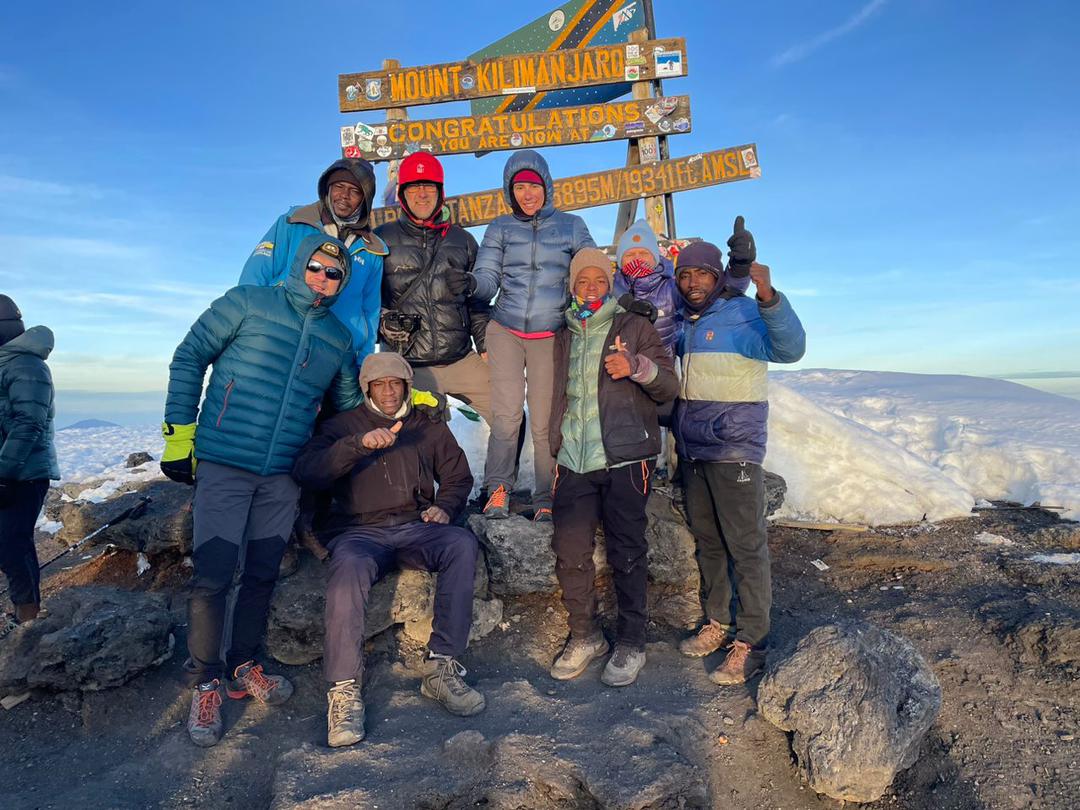
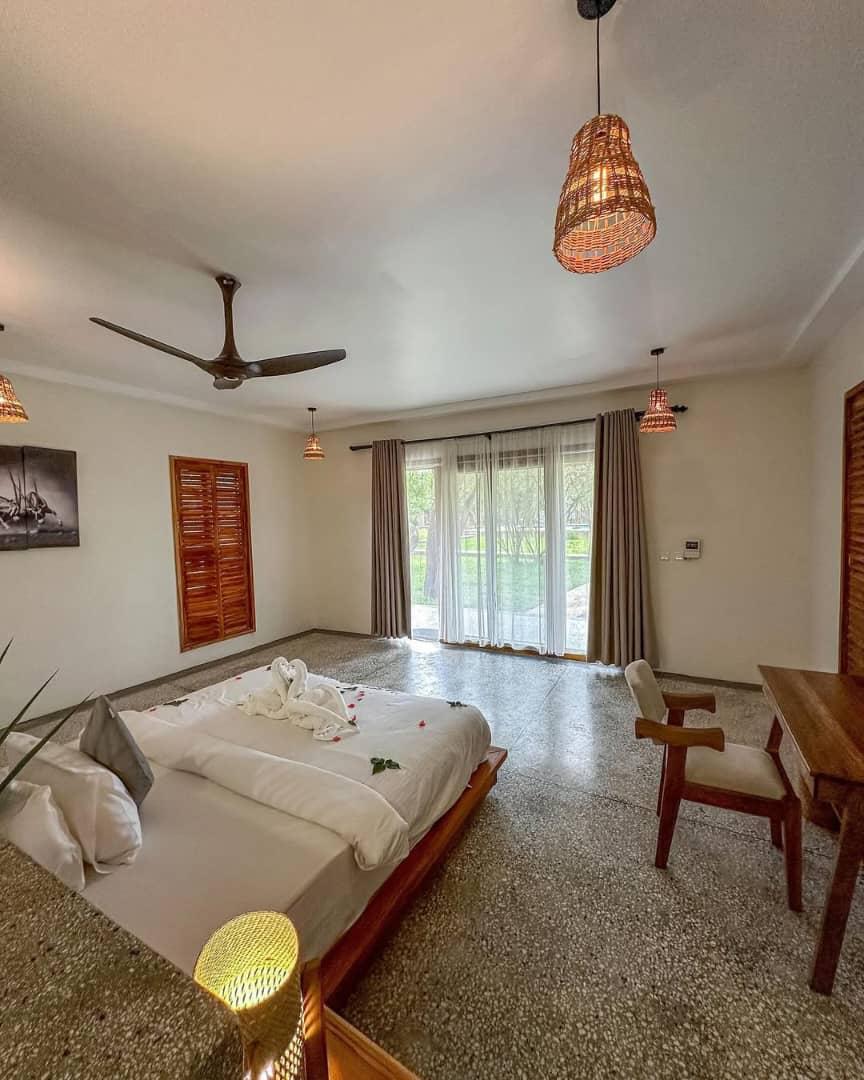
When planning a safari in Tanzania, the choice of tour operator significantly shapes your experience, especially if your priority is conservation. The phrase “best conservation safari company Tanzania” signifies a desire for a trip that not only showcases the incredible wildlife but also actively contributes to its protection and the well-being of local communities. Top Guide Adventures is a company that aligns with these values, offering meticulously crafted safaris that prioritize ethical wildlife viewing and sustainable tourism practices. This comprehensive guide explores what makes a safari company a leader in conservation in Tanzania and why Top Guide Adventures is a top contender for your 2026 or 2027 adventure.
Why Choose a Conservation-Focused Safari in Tanzania?
Tanzania is home to some of the planet’s most spectacular wildlife spectacles, from the Great Migration in the Serengeti to the vast plains of the Selous Game Reserve (now Nyerere National Park). However, these natural wonders face significant pressures. Choosing a safari company dedicated to conservation means your travel directly supports the preservation of these critical ecosystems and the species within them. It’s about more than just seeing animals; it’s about ensuring they thrive for generations to come.
A conservation-focused safari typically involves:
- Ethical Wildlife Viewing: Adhering to strict guidelines to minimize disturbance to animals and their habitats. This includes maintaining safe distances, avoiding feeding animals, and respecting their natural behaviors.
- Supporting Local Communities: Partnering with local communities, employing local guides and staff, and sourcing goods and services from the area to ensure economic benefits are shared.
- Environmental Responsibility: Implementing practices that reduce environmental impact, such as waste management, water conservation, and supporting lodges with strong sustainability policies.
- Contributing to Conservation Projects: Some operators may directly fund or partner with local conservation initiatives, anti-poaching units, or research projects.
- Educating Travelers: Providing insights into conservation challenges and successes, fostering a deeper understanding and appreciation among visitors.
For travelers in 2026 and 2027 looking for a meaningful experience, a conservation safari offers a richer, more responsible way to explore Tanzania’s wild heart.
Top Guide Adventures’ Commitment to Conservation
Top Guide Adventures has built its reputation not just on providing exceptional safari experiences, but also on a deep-seated commitment to conservation and sustainable tourism. Their approach is woven into the fabric of their operations, from the guides they train to the lodges they recommend and the routes they plan. As a leading “best conservation safari company Tanzania” contender, they understand that the future of tourism in this magnificent country depends on safeguarding its natural heritage.
Here’s how Top Guide Adventures demonstrates its dedication:
- Experienced Local Guides: Their guides are not only knowledgeable about wildlife but are also passionate conservationists. They are trained to educate guests on animal behavior, ecological importance, and conservation efforts in the parks, ensuring every game drive is an educational journey.
- Respectful Wildlife Encounters: Top Guide Adventures strictly enforces rules for respectful wildlife viewing. Vehicles maintain appropriate distances, engines are turned off when observing animals, and guides ensure that wildlife is never stressed or disturbed.
- Community Engagement: The company prioritizes working with local communities. This includes hiring guides and support staff from surrounding areas, supporting local businesses for supplies, and sometimes partnering with community-based conservation projects.
- Sustainable Lodge Partnerships: They carefully select lodges and camps that share their commitment to sustainability. This often means choosing properties that use renewable energy, manage waste responsibly, conserve water, and actively contribute to local conservation or community development initiatives.
- Minimizing Environmental Footprint: Top Guide Adventures encourages responsible travel practices among its clients and ensures its own operations, including vehicle maintenance and waste disposal, are as environmentally friendly as possible.
- Direct Support for Conservation: While not always overtly advertised for every package, their operational philosophy inherently supports park conservation through adherence to park rules and fees, and their choice of partners often involves organizations with conservation mandates.
For travelers seeking a “best conservation safari company Tanzania” that walks the talk, Top Guide Adventures offers a compelling option for their 2026-2027 travels.
Key Elements of a Top Conservation Safari Experience
When you’re looking for the best conservation safari company Tanzania has to offer, certain elements should define your safari. These are the tangible signs that your tour operator is genuinely invested in responsible tourism and conservation, not just using it as a marketing buzzword. Top Guide Adventures incorporates these principles into every aspect of their safari planning and execution.
Ethical Wildlife Viewing Protocols
This is paramount. A conservation safari prioritizes the well-being of animals above the photographer’s perfect shot or the tourist’s immediate gratification. Top Guide Adventures enforces strict guidelines:
- Distance: Maintaining a respectful distance from all wildlife, especially predators and young animals. Guides are trained to recognize signs of stress in animals.
- Noise and Movement: Keeping voices low and movements within the vehicle calm to avoid startling or agitating wildlife.
- Vehicle Behavior: Limiting the time spent with any single animal or herd to prevent prolonged disturbance. Engines are often turned off for quiet observation. No off-road driving is permitted, as this damages habitats and can disturb wildlife.
- No Feeding or Touching: Absolutely no feeding or attempting to touch wildlife.
Guide Expertise in Conservation
Your guide is your window into the ecosystem. The best conservation safari company Tanzania offers will have guides who are:
- Certified and Experienced: Possessing deep knowledge of local flora, fauna, and ecosystems.
- Conservation Advocates: Able to explain the challenges and successes of conservation in the parks, the role of different species, and how tourism can be a force for good.
- Observant and Respectful: Skilled in tracking animals without causing disturbance and in interpreting animal behavior.
- First Aid Trained: Ensuring safety protocols are a priority.
Top Guide Adventures invests heavily in their guides’ continuous training and development, ensuring they are up-to-date on conservation best practices.
Community Integration and Benefit
True conservation extends beyond the park boundaries. A responsible company ensures that local people benefit from tourism:
- Local Employment: Prioritizing hiring guides, drivers, cooks, and support staff from local communities.
- Local Procurement: Sourcing food, crafts, and other services from local suppliers.
- Community Projects: Supporting local schools, health clinics, or conservation initiatives through partnerships or direct contributions.
- Cultural Respect: Ensuring interactions with local communities are respectful and culturally sensitive.
Sustainable Operations
The company’s own footprint matters:
- Vehicle Maintenance: Ensuring vehicles are well-maintained to minimize emissions and noise pollution.
- Waste Management: Implementing strict policies for packing out all trash from park areas and supporting lodges with effective recycling and waste reduction programs.
- Water and Energy: Encouraging conservation of resources and partnering with lodges that demonstrate efficient use of water and energy.
Transparency and Reporting
Leading conservation safari companies are transparent about their practices and impact. They might share information about their conservation partnerships or sustainability reports.
When evaluating a “best conservation safari company Tanzania” for your 2026-2027 trip, look for these concrete elements. Top Guide Adventures consistently demonstrates these qualities, making them a reliable choice for a responsible and enriching safari.
Planning Your Conservation Safari in 2026-2027: A Practical Guide
Planning a conservation safari requires a bit more consideration than a standard trip, but the rewards are immense. For your 2026 or 2027 adventure, here’s a practical step-by-step guide to ensure you choose the best conservation safari company Tanzania has to offer and have a smooth, impactful journey.
Your Conservation Safari Planning Checklist
- Define Your Conservation Priorities: Are you most interested in supporting wildlife research, community development, anti-poaching efforts, or general habitat preservation? This will help you choose operators and lodges with specific focuses.
- Research Potential Operators: Look for companies that explicitly state their commitment to conservation and sustainability. Check their websites, read reviews (especially those mentioning ethical practices), and look for affiliations with conservation organizations. Top Guide Adventures is a prime example of a company with a strong conservation ethos.
- Choose Your Parks Wisely: Some parks have specific conservation challenges or success stories. For instance, the Serengeti is crucial for the Great Migration, while Ruaha National Park is vital for wild dog conservation. Consider which ecosystem you want to support.
- Select Conservation-Minded Lodges: Accommodation is a significant part of your safari’s impact. Research lodges that have strong environmental policies (solar power, waste management, water conservation) and community engagement programs.
- Understand Park Fees and Their Role: Park entrance fees are a primary source of funding for conservation. Be aware of these costs and understand how they contribute to park management and protection.
- Consider Timing for Wildlife and Conservation: While peak seasons offer great wildlife viewing, shoulder seasons might offer a more exclusive experience and potentially lower impact. Also, consider if there are specific conservation events or research opportunities you wish to align with.
- Pack Responsibly: Bring reusable water bottles, minimize single-use plastics, and pack biodegradable toiletries.
- Book Early for 2026-2027: Especially for popular conservation lodges or specific conservation-focused tours, booking well in advance for 2026 and 2027 is recommended.
- Communicate Your Expectations: Clearly communicate your interest in conservation to your chosen tour operator. This helps them tailor your experience and ensures they are aware of your priorities.
- Prepare for Educational Opportunities: Be open to learning. Your guide will likely share insights into conservation efforts, challenges, and how you can be a responsible tourist.
Choosing the Right Time for Your 2026-2027 Safari
Tanzania offers year-round safari opportunities, but the best time for wildlife viewing often aligns with drier periods when animals congregate around water sources. However, conservation-focused travel might also consider other factors:
- June to October (Dry Season): Ideal for game viewing, especially the Great Migration in the Serengeti. This is also peak tourist season, so booking far in advance for 2026-2027 is crucial. Conservation efforts are critical during this busy period.
- November to May (Wet Season): Greener landscapes, fewer crowds, and excellent birdwatching. Newborn animals are common. This period can be excellent for supporting lodges and operators during their lower season, potentially spreading tourism benefits more evenly.
When discussing with Top Guide Adventures, ask about the best times to visit specific parks based on wildlife patterns and conservation needs.
Budgeting for a Conservation Safari
Conservation safaris can range in price. While budget options exist, truly impactful conservation often requires investment. Higher-end lodges and operators committed to conservation may have higher price points due to their sustainable practices, community contributions, and smaller group sizes.
Key cost factors include:
- Accommodation Level: Eco-lodges and luxury camps with strong conservation programs are often more expensive.
- Duration and Parks Visited: Longer safaris and visits to more remote parks (like Ruaha or Selous) increase costs.
- Private vs. Group Safari: Private safaris offer more flexibility but are typically more expensive per person than shared group departures. For shared tours, check options like those available at Top Guide Adventures’ group departures.
- Time of Year: Peak season prices are higher.
For your 2026-2027 trip, be prepared for a potential investment in a truly responsible safari. Top Guide Adventures can help tailor a trip to fit your budget while maximizing conservation impact.
Understanding Tanzania’s Ecosystems and Conservation Efforts
Tanzania’s vast and diverse landscapes are home to an astonishing array of wildlife, making it a global hotspot for biodiversity. Understanding the unique ecosystems and the conservation challenges they face is fundamental to appreciating the role of a “best conservation safari company Tanzania” like Top Guide Adventures. Their operations are designed to navigate and support these delicate environments.
The Serengeti Ecosystem
The Serengeti National Park, famous for the Great Migration, is a prime example of a vast grassland ecosystem. Millions of wildebeest, zebras, and gazelles traverse its plains annually, following the rains in search of fresh grazing. This migration is a natural phenomenon that supports a rich predator population, including lions, cheetahs, leopards, and hyenas.
- Conservation Focus: Protecting the migration corridor, managing human-wildlife conflict on park borders, and preventing poaching. The Serengeti Ecosystem Project is a key initiative.
- Top Guide Adventures’ Role: Safaris here emphasize observing the migration’s natural flow without disrupting it. Guides are trained to educate guests on the ecological significance of the migration and the threats it faces, such as habitat fragmentation and climate change.
The Ngorongoro Conservation Area
A UNESCO World Heritage Site, the Ngorongoro Crater is a geological marvel and a unique conservation area. It hosts an incredibly dense population of wildlife within its caldera, including the endangered black rhino, large herds of wildebeest, zebras, elephants, and lions. It’s also a unique example of co-existence, as Maasai pastoralists are allowed to live within the conservation area with their livestock.
- Conservation Focus: Balancing wildlife conservation with the needs of the local Maasai community, managing grazing pressures, and protecting the crater’s fragile ecosystem.
- Top Guide Adventures’ Role: Safaris here involve responsible game viewing within the crater, respecting designated tracks. Guides explain the complex dynamics of this multi-use conservation area and the importance of respecting both wildlife and local culture.
Tarangire National Park
Known for its large elephant herds and iconic baobab trees, Tarangire is particularly vibrant during the dry season when wildlife congregates along the Tarangire River. It’s also home to a variety of bird species and predators.
- Conservation Focus: Protecting elephant corridors, managing water resources, and controlling human-wildlife conflict, especially with elephants raiding crops outside the park.
- Top Guide Adventures’ Role: Safaris focus on observing elephants and other wildlife in their natural habitat, with guides explaining the challenges elephants face and conservation efforts to mitigate conflict.
Ruaha National Park
As Tanzania’s largest national park, Ruaha is a wilderness of immense scale and ecological importance, particularly for its large populations of elephants and predators, including one of the continent’s most significant cheetah populations and a healthy number of wild dogs.
- Conservation Focus: Protecting vast, undeveloped wilderness areas, safeguarding predator populations, and managing poaching threats.
- Top Guide Adventures’ Role: Offering safaris in more remote areas like Ruaha provides a deeper immersion into wild Africa. Guides emphasize the importance of preserving these large, intact ecosystems and the challenges faced by apex predators.
Nyerere National Park (formerly Selous)
This vast southern reserve is one of Africa’s largest wildlife sanctuaries. It’s renowned for its large elephant and buffalo herds, wild dogs, and diverse birdlife. Boat safaris on the Rufiji River offer unique wildlife viewing opportunities.
- Conservation Focus: Protecting elephants, wild dogs, and the Rufiji River ecosystem. Combating poaching and managing the impact of human activities.
- Top Guide Adventures’ Role: Safaris here combine game drives with boat trips, offering varied perspectives. Guides highlight the importance of riverine ecosystems and the conservation efforts for species like wild dogs.
By understanding these ecosystems and the ongoing conservation efforts, travelers can better appreciate the vital work done by operators like Top Guide Adventures in protecting Tanzania’s natural heritage for future visits in 2026, 2027, and beyond.
Comparing Safari Styles and Conservation Impact
The way a safari is conducted has a direct impact on conservation. When seeking the “best conservation safari company Tanzania” for your 2026-2027 trip, understanding the differences between safari styles will help you make a choice that aligns with your values and priorities. Top Guide Adventures offers flexibility to accommodate various preferences while maintaining a core commitment to responsible tourism.
Safari Style Comparison: Conservation Impact
| Safari Style | Conservation Focus & Impact | Top Guide Adventures Approach |
|---|---|---|
| Classic Game Drive Safari (Northern Circuit focus) | Pros: High density of wildlife, iconic parks (Serengeti, Ngorongoro). Well-established infrastructure supports conservation funding via park fees. Cons: Can be crowded, potential for off-road driving by less responsible operators, higher environmental footprint due to more lodges/camps. |
Emphasizes ethical game drives, stays at eco-lodges, uses knowledgeable guides to educate on conservation. Offers shared group departures for reduced per-person impact and cost efficiency. |
| Remote Wilderness Safari (Southern/Western Circuit focus – e.g., Ruaha, Selous) | Pros: Low visitor numbers, pristine wilderness, direct support for conservation in less-visited areas, often fewer vehicles. Cons: Higher logistical costs, fewer accommodation options, requires more travel time. |
Specializes in reaching these remote areas, partnering with camps that have strong conservation and community ties. Guides focus on the unique conservation challenges of these larger, wilder ecosystems. |
| Walking Safaris | Pros: Low environmental impact, intimate connection with nature, supports guides trained in wilderness survival and tracking. Cons: Limited to specific areas and times, safety considerations, not suitable for viewing large herds from a distance. |
Offers walking safaris in select areas, emphasizing minimal disturbance and education on tracking and the smaller details of the ecosystem. Guides are highly trained in bushcraft and safety. |
| Community-Based Tourism Safari | Pros: Direct economic benefit to local communities, cultural exchange, supports community-led conservation initiatives. Cons: Wildlife viewing might be less intense than in prime parks, requires careful vetting of genuine community projects. |
Integrates community visits and experiences thoughtfully, ensuring they are respectful and beneficial. Works with lodges that have strong community partnerships. |
| Luxury Eco-Lodge Safari | Pros: High comfort with a strong focus on sustainability, often funds conservation projects, uses eco-friendly practices. Cons: Higher cost, can sometimes feel disconnected from the raw wilderness if not managed well. |
Selects high-quality lodges with proven sustainability records and conservation contributions. Ensures that luxury does not compromise environmental or ethical standards. |
Choosing Your Safari Type for 2026-2027
When you contact Top Guide Adventures about your 2026 or 2027 safari, discuss your priorities:
- For iconic wildlife viewing and supporting well-established park systems: A classic Northern Circuit safari is excellent. Opt for smaller group departures or private tours that use eco-conscious lodges.
- For pristine wilderness and supporting conservation in less-trafficked areas: Consider Ruaha or Nyerere National Park. These safaris often involve more remote camps and a deeper immersion in wild Africa.
- For an intimate, low-impact experience: Walking safaris offer a unique perspective.
The “best conservation safari company Tanzania” will guide you through these options, helping you select a safari style that matches your interests while maximizing positive impact.
Sample Conservation Safari Itinerary: Northern Circuit Focus
This sample itinerary highlights a 7-day Northern Circuit safari designed with conservation principles in mind, focusing on experiencing Tanzania’s rich wildlife while minimizing impact. Top Guide Adventures can customize this to your specific interests for 2026 or 2027.
7-Day Northern Circuit Conservation Safari
| Day | Location | Morning Activity | Afternoon Activity | Conservation Focus Notes |
|---|---|---|---|---|
| Day 1 | Arusha | Arrival at Kilimanjaro International Airport (JRO). Met by Top Guide Adventures representative. Transfer to a lodge committed to sustainability (e.g., using solar power, water conservation). Briefing on the safari and conservation guidelines. | Relax at the lodge, explore Arusha town with a focus on local crafts or conservation centers if time permits. | Understanding local context, choosing eco-friendly lodging. |
| Day 2 | Tarangire National Park | Drive to Tarangire National Park. Game drive focusing on elephant herds and diverse birdlife. | Continue game drive, exploring the baobab-studded landscape. Focus on respectful viewing distances and quiet observation. Overnight at a lodge with responsible waste management. | Observing elephant behavior and migration patterns, understanding water resource management. |
| Day 3 | Ngorongoro Conservation Area | Morning game drive in Tarangire. Drive to the Ngorongoro Conservation Area, stopping at viewpoints. | Descend into the Ngorongoro Crater for a game drive. Focus on observing the unique ecosystem and respecting designated tracks. Learn about Maasai culture and co-existence. Overnight at a lodge on the crater rim or nearby. | Understanding the balance of conservation and community within the NCA. Respecting wildlife and cultural heritage. |
| Day 4 | Serengeti National Park (Central) | Drive to Serengeti National Park, entering via the Naabi Hill Gate. Game drive en route, observing the vast plains. | Afternoon game drive in the Central Serengeti, known for its resident wildlife. Focus on understanding predator-prey dynamics and the importance of the Serengeti ecosystem. Overnight at a tented camp with eco-friendly practices. | Appreciating the scale of the Serengeti ecosystem, understanding conservation challenges like habitat fragmentation. |
| Day 5 | Serengeti National Park (Central/West) | Full-day game drive, potentially tracking the Great Migration (seasonal). Focus on ethical photography and wildlife observation. | Continue game drive, exploring different areas of the Serengeti. Guides share insights into ongoing research and conservation projects. | Supporting conservation through park fees, learning about migration ecology and threats. |
| Day 6 | Serengeti National Park (East/Kogatende) | Morning game drive in Serengeti, potentially moving towards the Kogatende area if migration is present. | Final game drive in Serengeti. Transfer to a local airstrip for a flight back to Arusha (or Kilimanjaro). Overnight in Arusha. | Minimizing travel impact by flying back, reflecting on the conservation value of the trip. |
| Day 7 | Departure | Enjoy a leisurely breakfast. Depending on flight schedule, visit a local market or conservation project. Transfer to Kilimanjaro International Airport (JRO) for departure. | Depart from Tanzania. | Continuing support for local communities and conservation through souvenir purchases from ethical sources. |
This itinerary is a template. Top Guide Adventures can tailor it for 2026-2027, perhaps adding a day in Lake Manyara for birding or extending time in the Serengeti based on migration patterns. The core principle remains: responsible exploration and support for conservation.
Safari Vehicle and Guide Selection for Conservation
The choice of safari vehicle and, crucially, the guide, are foundational to a conservation-focused safari experience. These elements directly influence your ability to observe wildlife ethically and understand the environment around you. As the “best conservation safari company Tanzania” can be identified by its commitment in these areas, Top Guide Adventures places significant emphasis on both.
The Safari Vehicle: Designed for Observation and Minimal Impact
While many safari vehicles look similar, there are key features that enhance conservation-friendly operations:
- Pop-Top Roofs: Most safari vehicles in Tanzania feature pop-top roofs. This allows for unobstructed 360-degree views of wildlife without passengers needing to stand up, which can disturb animals and is often prohibited off-road. Top Guide Adventures uses vehicles where the pop-top mechanism is smooth and quiet.
- Spacious Interiors: Comfortable seating allows for longer periods of observation without discomfort. This reduces the urge to move around excessively and disturb wildlife.
- Window Access: Ensuring all passengers have good window access for photography and viewing is important for guest satisfaction and reduces the need for drivers to stop excessively or in suboptimal locations.
- Well-Maintained Engines: Vehicles used by responsible operators are regularly serviced to ensure they run efficiently, produce fewer emissions, and operate quietly. This reduces noise pollution, which can scare wildlife.
- Onboard Essentials: Some vehicles are equipped with charging ports for cameras and devices, binoculars, and field guides. Top Guide Adventures ensures their vehicles are well-equipped for guest comfort and educational purposes.
Top Guide Adventures typically uses sturdy 4×4 Land Cruisers or Land Rovers, the standard for Tanzanian safaris, ensuring reliability and capability in all terrains. The focus is on vehicles that are well-maintained and driven by skilled guides.
The Guide: Your Conservation Ambassador
The safari guide is arguably the most critical component of a conservation safari. A good guide transforms a wildlife viewing trip into an educational and deeply respectful experience.
- Local Expertise: Top Guide Adventures employs guides who are Tanzanian nationals, often from communities bordering the parks. This local knowledge is invaluable for tracking animals, understanding their behavior, and appreciating the cultural context of the landscape.
- Deep Wildlife Knowledge: Beyond identifying species, these guides understand animal behavior, social structures, and their roles within the ecosystem. They can explain why animals behave in certain ways and what conservation efforts are in place.
- Conservation Ethos: The best guides are passionate about conservation. They actively promote ethical viewing practices, educate guests about the importance of protecting the environment, and can discuss the challenges faced by wildlife and park management.
- Safety and First Aid: Guides are trained in first aid and emergency procedures, ensuring guest safety is paramount. They know how to handle various situations that may arise in the bush.
- Communication Skills: They can effectively communicate complex ecological concepts in an engaging and understandable way, making the safari enriching for all ages.
- Respect for Rules: Adherence to park rules – staying on designated tracks, maintaining safe distances, not feeding animals, and managing noise levels – is non-negotiable for guides working with a conservation-focused company.
When you book with Top Guide Adventures, you’re engaging with guides who are more than just drivers; they are interpreters of the wild, ambassadors for conservation, and the key to an authentic and responsible Tanzanian safari experience for 2026 and 2027.
Accommodation Choices Supporting Conservation
Where you stay on safari significantly impacts your experience and, importantly, the environment and local communities. Choosing accommodation that actively supports conservation is a cornerstone of responsible travel. Top Guide Adventures prioritizes partnering with lodges and camps that demonstrate a genuine commitment to sustainability and conservation for your 2026-2027 safari.
What to Look for in Conservation-Conscious Accommodation
- Environmental Practices: Look for lodges that utilize renewable energy sources (solar power), have robust water conservation systems (rainwater harvesting, greywater recycling), and implement effective waste management (recycling, composting, minimizing single-use plastics).
- Community Involvement: Does the lodge employ local staff? Do they source food and supplies from local communities? Do they support local schools, health initiatives, or conservation projects?
- Sustainable Building and Operations: Are the structures built with minimal environmental impact? Are they designed to blend with the natural landscape? Do they use sustainable materials?
- Wildlife Viewing Ethics: Do the lodge’s own activities (like guided walks or night drives, if offered) adhere to strict ethical wildlife viewing protocols?
- Conservation Contributions: Some lodges directly fund conservation research, anti-poaching units, or wildlife monitoring programs.
Types of Accommodation and Their Conservation Links
Accommodation Types & Conservation Alignment
- Tented Camps: Often designed for minimal footprint, these can be very eco-friendly. Many high-end tented camps focus on sustainability, using solar power and managing waste carefully. They offer an immersive experience with the sounds and feel of the bush.
- Eco-Lodges: Explicitly designed with environmental principles at their core. These lodges often have advanced systems for energy, water, and waste management, and are usually deeply involved in community and conservation projects.
- Permanent Lodges: While some permanent lodges can be resource-intensive, many are adopting significant sustainability measures. Look for those that have invested in solar, water treatment, and local employment.
- Community-Run Camps/Guesthouses: These offer direct economic benefits to local communities and provide a more authentic cultural experience. While facilities might be simpler, their conservation impact is often very high due to direct community involvement.
Top Guide Adventures’ Selection Process
Top Guide Adventures meticulously vets its partner lodges and camps. They look for properties that not only offer excellent service and comfort but also align with their conservation values. This means:
- Preference for Eco-Certifications: While not always available, they favor lodges with recognized environmental certifications.
- Site Visits and Feedback: They regularly assess their partners based on guest feedback and their own operational standards.
- Focus on Local Ownership/Management: Lodges that are locally owned or managed often have a stronger vested interest in sustainable practices and community well-being.
When planning your 2026 or 2027 safari with Top Guide Adventures, discussing your accommodation preferences and conservation priorities will help them recommend the most suitable, responsible, and enriching places to stay.
Budget Considerations for Conservation Safaris
Understanding the costs associated with a conservation safari is crucial for planning your 2026 or 2027 trip. While the term “conservation safari” might sound expensive, the reality is that responsible tourism often requires a higher investment to ensure genuine impact. Top Guide Adventures offers a range of options and is transparent about what influences safari costs.
Factors Influencing Conservation Safari Costs
| Factor | Impact on Cost | Conservation Relevance |
|---|---|---|
| Accommodation Level | High: Luxury eco-lodges, remote fly-in camps. Medium: Mid-range lodges, comfortable tented camps. Lower: Basic guesthouses, community homestays (less common for full safaris). |
Lodges with strong conservation programs, renewable energy, and community contributions often have higher operating costs, reflected in pricing. |
| Safari Style | High: Private guided safaris, fly-in safaris to remote parks. Medium: Private vehicle with guide for standard routes. Lower: Shared group departures (see group tours). |
Private safaris offer flexibility but higher per-person cost. Group safaris can be more economical and reduce the per-person environmental footprint. Remote safaris support conservation in under-visited areas. |
| Parks and Reserves Visited | High: Remote parks (Ruaha, Nyerere), Ngorongoro Crater fees. Medium: Serengeti, Tarangire. |
Park fees are a major contributor to conservation funding. More remote parks often have higher fees and logistical costs but support conservation in critical, less-funded areas. |
| Duration of Safari | Directly proportional to cost (more days = more expenses). | Longer safaris allow for deeper exploration and immersion, potentially supporting conservation efforts over a longer period. |
| Time of Year | High: Peak season (June-Oct). Medium: Shoulder seasons. Lower: Green season (Nov-May). |
Traveling in shoulder or green seasons can spread tourism benefits more evenly throughout the year and potentially support lodges during less busy periods. |
| Inclusions | Full board, all park fees, guiding, activities vs. limited board, some fees excluded. | Comprehensive packages ensure all necessary contributions to park management and conservation are covered. |
Making Your Conservation Safari Affordable
While prioritizing conservation, Top Guide Adventures offers ways to manage costs:
- Shared Group Departures: Joining a small group safari is often the most budget-friendly option and still provides an excellent experience. These are regularly scheduled and offer great value.
- Choosing Mid-Range Accommodation: Opting for comfortable, well-managed lodges that still adhere to sustainability principles can balance cost and impact.
- Strategic Itinerary Planning: Focusing on fewer parks or a slightly shorter duration can reduce overall costs.
- Traveling in the Green Season: Prices are often lower, and the experience can be just as rewarding, with lush landscapes and newborn wildlife.
When you inquire with Top Guide Adventures for your 2026-2027 safari, be upfront about your budget and your conservation priorities. They are adept at crafting itineraries that meet both needs, ensuring your safari is both memorable and meaningful.
Booking Your Conservation Safari with Top Guide Adventures
Choosing to book your conservation safari with Top Guide Adventures means partnering with a company dedicated to ethical travel and the preservation of Tanzania’s natural wonders. Their process is designed to be straightforward, informative, and tailored to your needs, ensuring your 2026 or 2027 adventure is planned with care and expertise.
The Booking Process
- Initial Inquiry: Reach out to Top Guide Adventures via their website, email, or WhatsApp. Clearly state your interest in a “best conservation safari company Tanzania” experience, your preferred travel dates for 2026 or 2027, the number of travelers, and any specific interests (e.g., birdwatching, photography, specific parks).
- Personalized Itinerary and Quote: Based on your inquiry, Top Guide Adventures will craft a detailed, customized safari itinerary. This proposal will outline daily activities, accommodation suggestions (highlighting their conservation credentials), and a clear breakdown of what is included and excluded. They will provide a quote reflecting the chosen level of accommodation and services.
- Review and Customization: Carefully review the proposed itinerary and quote. This is your opportunity to ask questions and request modifications. Top Guide Adventures is flexible and will work with you to refine the plan until it perfectly matches your expectations, budget, and conservation goals.
- Confirmation and Deposit: Once you are happy with the itinerary, a deposit is typically required to confirm your booking. This secures your preferred accommodations and vehicle. The deposit amount and payment schedule will be clearly communicated.
- Pre-Departure Information: After confirmation, you will receive comprehensive pre-departure information. This includes advice on packing, visa requirements, health precautions, currency, and what to expect on arrival.
- Final Payment: The remaining balance is usually due a certain number of weeks before your departure date.
- Your Safari Begins: Upon arrival in Tanzania, you will be met by your Top Guide Adventures representative, ready to start your incredible conservation safari.
Why Book With Top Guide Adventures?
- Proven Conservation Commitment: They are recognized for their dedication to responsible tourism, ensuring your safari contributes positively.
- Expert Local Knowledge: Their team has intimate knowledge of Tanzania’s parks, wildlife, and conservation challenges.
- Personalized Service: Every safari is custom-designed to meet individual needs and preferences.
- High-Quality Guiding: You’ll be accompanied by experienced, knowledgeable, and passionate local guides.
- Transparency: Clear communication regarding itineraries, costs, and what’s included.
- Excellent Traveler Feedback: Read reviews from past clients on platforms like TripAdvisor, where Top Guide Adventures has received consistent praise. For example, see traveler feedback.
- Dual Website Presence: For a broader overview of their offerings and services, you can also visit their other website at www.topguideadventures.com.
Contact Information
Ready to plan your responsible Tanzanian safari for 2026 or 2027? Get in touch with Top Guide Adventures:
- WhatsApp: +255616946642
- Primary Email: topguideadventures@gmail.com
- Backup Email: info@topguideadventures.com
Follow them on Instagram for recent updates and stunning wildlife photos: instagram.com/top_guide_adventures/.
Frequently Asked Questions About Conservation Safaris
What makes a safari company a “conservation safari company”?
A conservation safari company prioritizes the protection of wildlife and ecosystems. This is demonstrated through ethical wildlife viewing practices, minimizing environmental impact, supporting local communities, and potentially contributing directly to conservation projects or research. They aim to ensure tourism benefits the natural environment and its inhabitants.
How can I ensure my safari in 2026-2027 has a positive conservation impact?
Choose a reputable tour operator with a clear commitment to conservation, like Top Guide Adventures. Select lodges that practice sustainability and support local communities. Be a responsible tourist by adhering to park rules, minimizing waste, and respecting wildlife. Your park fees also directly fund conservation efforts.
Are conservation safaris more expensive?
Often, yes. Sustainable practices, eco-friendly lodges, fair wages for local staff, and direct contributions to conservation initiatives all add to operational costs. However, Top Guide Adventures offers various options, including shared group departures, to make conservation-focused travel more accessible.
What are the best parks in Tanzania for conservation-focused safaris?
All Tanzanian National Parks and Reserves contribute to conservation. However, parks like the Serengeti and Ngorongoro are vital for iconic species and migration. Remote parks like Ruaha and Nyerere are crucial for protecting vast wilderness areas and endangered species like wild dogs. Supporting any of these through responsible tourism is valuable.
What is the Great Migration, and how does it relate to conservation?
The Great Migration is the annual movement of over 1.5 million wildebeest, zebras, and gazelles across the Serengeti-Mara ecosystem. It’s a natural phenomenon that sustains predators and is a key attraction. Conservation efforts focus on protecting the migration corridors, ensuring access to water and grazing, and managing human activities that could disrupt this cycle.
Can I customize a conservation safari itinerary for 2027 with Top Guide Adventures?
Absolutely. Top Guide Adventures specializes in creating personalized safari experiences. You can discuss your specific conservation interests, preferred parks, accommodation style, and budget for your 2027 trip, and they will design an itinerary to match.
What should I pack for a conservation-focused safari?
Pack light, neutral-colored clothing, a good hat, sunscreen, insect repellent, and comfortable walking shoes. Crucially for conservation, bring a reusable water bottle and avoid single-use plastics. Binoculars are highly recommended for wildlife viewing. A camera with extra batteries and memory cards is essential.
How does Top Guide Adventures ensure guides are conservation-minded?
Top Guide Adventures employs local guides who undergo rigorous training. This training includes in-depth knowledge of wildlife behavior, ecosystems, and strict adherence to ethical wildlife viewing protocols. They are passionate about Tanzania’s natural heritage and are trained to educate guests on conservation issues.
What is the best time of year for a conservation safari in Tanzania?
Tanzania is a year-round destination. The dry season (June-October) offers excellent game viewing as animals gather at water sources. The wet season (November-May) provides lush landscapes and fewer crowds. For conservation, traveling during shoulder seasons or the green season can help distribute tourism benefits more evenly throughout the year.
How do park fees contribute to conservation?
Park entrance fees are a primary source of funding for Tanzania National Parks (TANAPA) and the Ngorongoro Conservation Area Authority (NCAA). These funds are used for park management, anti-poaching patrols, wildlife research, habitat preservation, infrastructure maintenance, and community outreach programs, all vital for conservation.
Choosing the best conservation safari company Tanzania has to offer is a decision that enhances your travel experience while making a tangible positive impact. Top Guide Adventures stands ready to help you plan an unforgettable and responsible journey for 2026 and 2027.
Plan Your Responsible Tanzanian Safari Today
Ready to experience the magic of Tanzania with a company committed to its preservation? Let Top Guide Adventures craft your perfect conservation safari for 2026 or 2027. Contact them to begin planning your adventure:
WhatsApp: +255616946642
Email: topguideadventures@gmail.com
Backup Email: info@topguideadventures.com
Visit their website www.topguideadventures.com or their Instagram @top_guide_adventures for more inspiration.
Plan your Best conservation safari company Tanzania — Top Guide Adventures with Top Guide Adventures
Tell us your travel dates, group size, comfort level, and dream experience. We will help you shape a clear, realistic, and memorable Tanzania itinerary.







 Veedesigner
 Fatma Kizanga
 Benjamin Waryuba
 Philip Philip
 John jr Itaja
 Antonia Optatus
 Edith Kanyere
 Neema Iddy
 Kelvin Boniphace
 Damari Maiga



