
Updated planning guide for 2026, 2027-2028
Best Kilimanjaro Trekking Company — Top Guide Adventures: Expert
Choosing the right Kilimanjaro trekking company is crucial for a successful and safe ascent. This comprehensive guide from Top Guide Adventures highlights what makes a trekking company stand out, offering insights for planning your 2026 or 2027 climb.
WhatsApp +255616946642 | topguideadventures@gmail.com | info@topguideadventures.com

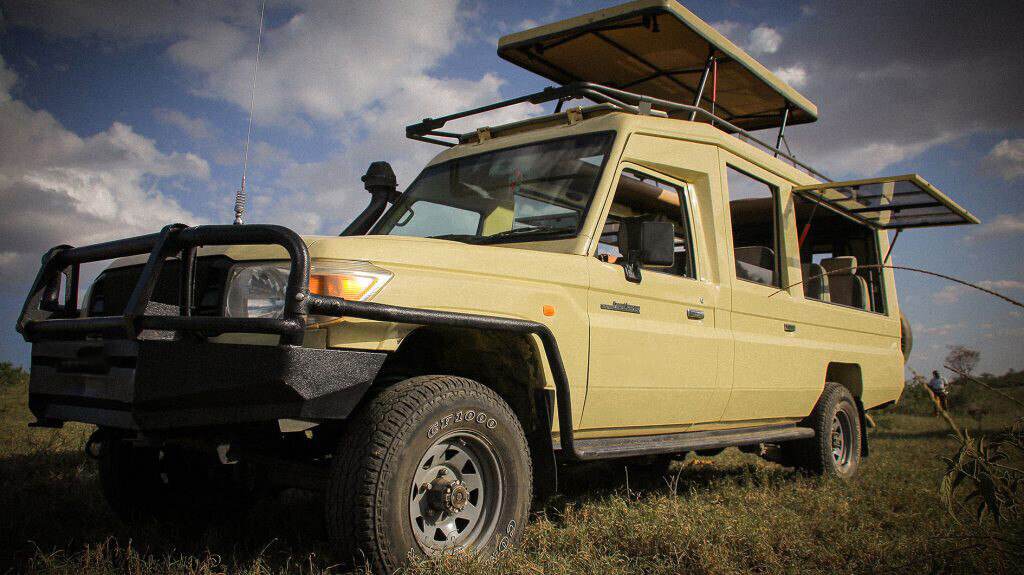
Why Choose Top Guide Adventures for Your Kilimanjaro Trek?
Selecting the right trekking company for Mount Kilimanjaro is one of the most critical decisions you’ll make in planning your climb. It directly impacts your safety, enjoyment, and chances of reaching the summit. Among the many operators, Top Guide Adventures has earned a reputation for providing exceptional experiences, focusing on safety, local expertise, and genuine client care. We understand that your journey to Africa’s highest peak is more than just a hike; it’s a life-changing expedition. Our commitment is to ensure it is as rewarding and memorable as possible.
For years, Top Guide Adventures has been a leading Tanzania tour operator, specializing in creating authentic and personalized travel experiences. While we offer a range of adventures including safaris and Zanzibar holidays, our Kilimanjaro treks are a core part of our identity. We pride ourselves on our deep understanding of the mountain, our highly trained guides, and our dedication to ethical tourism practices. When you choose us, you’re not just booking a climb; you’re partnering with a team that is passionate about Kilimanjaro and committed to your success.
Our goal is to be recognized as the best Kilimanjaro trekking company by consistently delivering superior service, prioritizing climber well-being, and offering unparalleled support. We invite you to learn more about what sets us apart and how we can help you achieve your summit dream.
What Defines the Best Kilimanjaro Trekking Company?
The landscape of Kilimanjaro tour operators can seem vast, making it challenging to discern quality. The best Kilimanjaro trekking company is defined by several key factors that contribute to a safe, enjoyable, and successful mountain expedition. These aren’t just about price or marketing; they reflect a company’s operational standards and commitment to its clients.
Guide and Porter Welfare
A truly reputable company prioritizes the well-being of its mountain crew. This means fair wages, adequate food and shelter, proper equipment, and respectful treatment. Companies that invest in their guides and porters often have more experienced, motivated, and loyal staff, which directly benefits your trek. Look for companies that are transparent about their crew welfare policies. Top Guide Adventures is a proud member of the Kilimanjaro Porters Assistance Project (KPAP) or adheres to similar stringent welfare standards, ensuring our team is well-cared for.
Safety Protocols and Equipment
Safety is paramount on Kilimanjaro. The best companies have robust safety protocols, including comprehensive first-aid kits, oxygen supplies, emergency evacuation plans, and guides trained in wilderness first aid and altitude sickness management. Regular health checks by guides during the trek are standard. Their equipment, from tents to sleeping bags and medical supplies, must be of high quality and well-maintained.
Experience and Reputation
Years of operation on Kilimanjaro translate into invaluable experience. Companies with a long track record have refined their logistics, understand the mountain’s nuances, and have built strong relationships with park authorities. Online reviews and testimonials from past clients are crucial indicators of a company’s reputation. You can find genuine traveler feedback for Top Guide Adventures on platforms like TripAdvisor, offering insights into real climbing experiences.
See what our past climbers have to say.
Acclimatization and Itinerary Design
The success rate on Kilimanjaro is heavily influenced by the chosen route and the itinerary’s pacing. The best companies offer longer itineraries (7-9 days) on routes like Machame or Lemosho, which allow for better acclimatization. They understand the importance of the ‘pole pole’ (slowly, slowly) principle and schedule daily ascents and descents thoughtfully to maximize your body’s adaptation to altitude. Shorter, faster treks are often riskier.
Guide Qualifications
Your guides are your lifeline on the mountain. The best Kilimanjaro trekking company employs guides who are not only knowledgeable about the routes and flora/fauna but are also certified in wilderness first aid and have extensive experience with altitude sickness. They should be proficient in English, able to communicate clearly, and possess strong leadership skills to motivate and manage the team.
Ethical and Sustainable Tourism
Responsible tourism is a hallmark of top companies. This includes minimizing environmental impact, supporting local communities, and ensuring fair labor practices for all staff. Choosing a company committed to sustainability ensures your trek contributes positively to Tanzania and its people.
Top Guide Adventures’ Approach to Kilimanjaro Trekking
At Top Guide Adventures, our philosophy for Kilimanjaro trekking is built on a foundation of safety, respect, and client satisfaction. We don’t just aim to get you to the summit; we aim to provide an enriching and safe journey from start to finish.
Prioritizing Climber Safety
Your well-being is our absolute priority. Our guides are rigorously trained in altitude sickness recognition and management, carrying comprehensive medical kits and supplementary oxygen on every climb. We adhere to strict safety protocols, including regular health checks by our guides, and have well-established emergency evacuation procedures in place. We believe that safety is not an add-on; it’s integral to every aspect of our operation.
Expert Guides and Support Crew
Our team of guides and porters are the heart of Top Guide Adventures. They are seasoned professionals with years of experience on Kilimanjaro, possessing deep knowledge of the mountain, its routes, and its environment. We ensure our crew receives fair wages, proper gear, and nutritious food, fostering a loyal and highly motivated team. This dedication translates into better support for you on the mountain.
Acclimatization-Focused Itineraries
We design our Kilimanjaro itineraries with acclimatization as the primary consideration. We strongly recommend and offer longer treks (7 to 9 days) on routes like the Machame and Lemosho routes. These extended itineraries allow for a slower, more gradual ascent, significantly increasing your body’s ability to adapt to the altitude and improving your chances of a successful summit. We understand that ‘pole pole’ is the key to conquering Kilimanjaro.
Ethical and Sustainable Practices
Top Guide Adventures is committed to responsible tourism. We work closely with organizations that ensure fair treatment and wages for porters and guides. We also implement leave-no-trace principles to protect Kilimanjaro’s fragile ecosystem. When you trek with us, you contribute to a sustainable tourism model that benefits local communities and preserves the mountain for future generations.
Personalized Service
From your initial inquiry to your final descent, we offer personalized support. We help you choose the right route, provide detailed pre-trek information, and are available to answer all your questions. Whether you’re planning a group departure or a private climb for 2026 or 2027, we tailor our services to meet your specific needs.
Kilimanjaro Routes and Top Guide Adventures’ Specialties
Mount Kilimanjaro offers several distinct trekking routes, each with its own character, scenery, and difficulty. Top Guide Adventures has extensive experience with all major routes, and we guide clients to select the best one for their fitness level, time constraints, and desired experience. Our most popular routes are designed to maximize acclimatization and success rates.
Machame Route (The “Whiskey Route”)
Often called the “Whiskey Route” because it’s considered more challenging than Marangu, the Machame Route is one of the most scenic and popular choices. It offers excellent acclimatization due to its “climb high, sleep low” profile. It’s typically trekked over 6, 7, or 8 days. We highly recommend the 7-day or 8-day Machame itinerary for optimal acclimatization and summit success.
Top Guide Adventures’ Machame Route Package Highlights:
- 7 or 8-day itineraries for superior acclimatization.
- Starts in the lush rainforest, offering diverse scenery.
- Utilizes “camp” accommodation (tents).
- Features the Lava Tower and Barranco Wall, iconic sections.
- The 7-day option includes a dedicated summit night and descent.
- The 8-day option adds an extra acclimatization day, further boosting success rates.
Find specific departure dates for our Machame Route group treks here: Machame Route Kilimanjaro Group Departures Dates.
Lemosho Route (Scenic and Successful)
The Lemosho Route is renowned for its stunning beauty and high success rate, largely due to its longer duration (typically 7-8 days) and gradual ascent. It begins in the remote western side of the mountain, offering a more immersive wilderness experience before merging with the Machame Route. It’s an excellent choice for those seeking both scenery and a good chance of summiting.
Top Guide Adventures’ Lemosho Route Package Highlights:
- 7, 8, or even 9-day options available.
- Starts with a scenic drive and a trek through the rainforest.
- Offers excellent wildlife viewing opportunities in the initial stages.
- Merges with Machame, benefiting from its acclimatization profile.
- Provides a more remote and less crowded start.
Marangu Route (The “Coca-Cola Route”)
Known as the “Coca-Cola Route,” Marangu is the oldest and most established path. It’s the only route that ascends and descends the same way and offers accommodation in dormitory-style huts rather than tents. It is also the shortest route, often completed in 5 days, which significantly impacts acclimatization and success rates. While convenient, it is generally not recommended for first-time climbers aiming for summit success due to its rapid ascent.
Top Guide Adventures’ Stance on Marangu:
- We offer Marangu for those who specifically request it.
- We strongly advise a 6-day Marangu itinerary to improve acclimatization.
- We are transparent about its lower success rates compared to longer routes.
- Suitable for trekkers with prior high-altitude experience or those prioritizing hut accommodation.
Other Routes and Custom Climbs
Top Guide Adventures also operates on the Northern Circuit (the longest and most comprehensive route, offering excellent acclimatization) and the Rongai Route (a drier, more gradual ascent from the north). We are also adept at creating custom itineraries for individuals, families, or groups looking for specific experiences or dates in 2026, 2027, or 2028.
Safety and Support: The Cornerstone of Kilimanjaro Treks
When you choose Top Guide Adventures for your Kilimanjaro trek, you are placing your trust in a company that places paramount importance on your safety and well-being. Our comprehensive safety protocols are designed to manage risks effectively and ensure you have the best possible support throughout your expedition.
Highly Trained Guides
Our guides are the frontline of your safety. They are not just experienced trekkers; they are certified in Wilderness First Aid (WFA) or Wilderness First Responder (WFR) and undergo continuous training. They are experts in recognizing and managing altitude sickness, hypothermia, and other potential issues. Their primary responsibility is to monitor your health, pace, and hydration daily.
Medical Equipment and Oxygen
Every Top Guide Adventures trek is equipped with a comprehensive medical kit, including advanced first-aid supplies. Crucially, we carry supplementary oxygen on all climbs. This is a vital safety measure, particularly for summit night, and can be administered by our guides to assist climbers experiencing significant altitude sickness symptoms. Pulse oximeters are used to monitor blood oxygen saturation levels.
Emergency Evacuation Plans
We have established and practiced emergency evacuation procedures. In the unlikely event of a serious medical emergency, our team is trained to act swiftly. We work with local rescue services and have communication systems in place to coordinate evacuations efficiently. This includes having evacuation porters on standby and maintaining communication links with our base in Moshi.
Quality Gear and Equipment
The reliability of your gear is directly linked to your safety and comfort. Top Guide Adventures provides high-quality, well-maintained camping equipment, including sturdy tents, comfortable sleeping mats, and durable mess tents. We also offer quality sleeping bags for rent and advise clients on essential personal gear, ensuring you are well-equipped for the mountain’s challenging conditions.
Nutritious and Safe Food
Proper nutrition is essential for energy and acclimatization. Our camp cooks are skilled in preparing balanced, nutritious, and safe meals using fresh ingredients. We adhere to strict hygiene standards in food preparation and water purification to prevent gastrointestinal issues, which can be particularly debilitating at altitude. We cater to dietary restrictions and preferences with advance notice.
Communication and Support Network
Our mountain teams maintain communication with our office in Moshi. This allows for real-time updates and coordination. Our ground support team is always on standby to assist with any logistical or emergency needs, ensuring a robust support network for every trekker.
Cost Considerations for Kilimanjaro Treks with Top Guide Adventures
Understanding the cost of climbing Kilimanjaro is essential for budgeting your adventure. The price of a Kilimanjaro trek can vary significantly between companies, and it’s important to look beyond the sticker price to understand what is included. At Top Guide Adventures, we strive for transparency and offer competitive pricing that reflects the quality of service, safety measures, and overall experience we provide. We aim to be the best Kilimanjaro trekking company for value, not just the cheapest.
Factors Influencing Kilimanjaro Trek Costs
Several key factors determine the overall cost of your Kilimanjaro trek:
| Factor | Impact on Cost | Top Guide Adventures’ Approach |
|---|---|---|
| Route Choice | Longer routes (e.g., Lemosho, Northern Circuit) with more days are generally more expensive due to increased park fees, food, and crew costs. | We offer various routes, recommending longer ones for acclimatization and success. Pricing reflects the chosen route’s duration and complexity. |
| Trek Duration | More trekking days mean higher costs for park permits, accommodation, food, and crew wages. | Our standard itineraries (7-9 days) are priced to offer optimal acclimatization and success. Shorter options are available but not recommended. |
| Group Size | Private treks are more expensive per person than joining a group departure. | We offer both private and group treks. Joining a group is a more economical option. See our Tanzania Safari Group Departures for related group travel options. |
| Inclusions | Companies vary widely in what they include. More comprehensive packages (e.g., including gear rental, pre- and post-climb accommodation) will cost more. | Our packages are comprehensive, typically including park fees, crew wages, all meals on the mountain, camping equipment, and transfers. We clearly list all inclusions. |
| Crew Welfare Standards | Companies committed to fair wages and ethical treatment for guides and porters will have higher operating costs. | We are committed to fair pay and ethical treatment for our crew, which is reflected in our pricing. This ensures motivated and experienced staff. |
| Safety Measures | Companies investing in supplementary oxygen, advanced medical kits, and certified guides incur higher costs. | We include essential safety equipment and trained personnel as standard, ensuring your climb is as safe as possible. |
| Company Overhead & Reputation | Established companies with strong operational infrastructure and a good reputation may have higher prices. | As a reputable and experienced operator, our pricing reflects our commitment to quality and reliable service. |
What Our Kilimanjaro Packages Typically Include
While exact pricing varies based on the factors above, a typical Top Guide Adventures Kilimanjaro package for 2026 or 2027 includes:
- Park entrance fees, camping fees, and rescue fees.
- All meals on the mountain (breakfast, lunch, dinner).
- Boiled water for drinking.
- Accommodation in tents on the mountain.
- Expert, licensed, and trained guides.
- Support crew (assistant guides, cook, porters).
- Porters to carry group gear and your duffel bag (usually up to 15kg).
- All group equipment (tents, mess tent, tables, chairs, cooking gear).
- Supplementary oxygen and comprehensive medical kits.
- Ground transportation from Arusha to the park gate and back.
- A pre- and post-climb briefing.
- Accommodation in Arusha before and after the climb (often included, please confirm with your booking).
What is Typically Not Included
To help you budget, here are common exclusions:
- International flights to/from Tanzania.
- Visa fees for Tanzania.
- Travel insurance (mandatory).
- Tips for guides, porters, and cook (a significant portion of the total cost for the crew).
- Personal climbing gear (sleeping bag, trekking poles, warm clothing, etc. – though rentals are often available).
- Soft drinks, alcoholic beverages, and personal expenses.
- Optional gear rental fees.
- Gratuities for hotel staff.
For a personalized quote for your 2026 or 2027 Kilimanjaro adventure, please contact us directly. We are happy to discuss your needs and provide detailed pricing information.
Contact Us for a Quote:
WhatsApp: +255616946642
Email: topguideadventures@gmail.com
Backup Email: info@topguideadventures.com
Preparing for Your Kilimanjaro Adventure
A successful Kilimanjaro climb requires more than just booking a trip; it demands thorough preparation. Top Guide Adventures provides comprehensive pre-trek information, but personal commitment to training and packing is essential. Here’s what you need to consider for your 2026 or 2027 expedition.
Physical Training
Kilimanjaro is a demanding trek that tests both cardiovascular fitness and endurance. While you don’t need to be an elite athlete, consistent training is crucial. Focus on:
- Cardiovascular Fitness: Engage in activities like hiking, running, cycling, or swimming at least 3-4 times per week.
- Hiking with a Pack: Simulate trek conditions by hiking on varied terrain (hills, stairs) with a weighted backpack (5-10 kg). This is the most relevant training.
- Strength Training: Focus on leg strength (squats, lunges) and core strength.
- Consistency: Start training at least 2-3 months before your climb.
Altitude Acclimatization Strategy
The most effective preparation for altitude is a slow ascent. This is why Top Guide Adventures recommends longer routes (7-9 days). While you cannot fully simulate high altitude at home, your training should prepare your body for sustained effort. Hydration is key; drink plenty of water in the weeks leading up to your trek and on the mountain.
Gear and Packing
Proper gear is essential for comfort and safety. Kilimanjaro’s weather can change rapidly, with temperatures ranging from tropical heat at the base to freezing conditions at the summit. Here’s a general packing list:
- Clothing:
- Moisture-wicking base layers (thermal underwear).
- Mid-layers (fleece jacket, warm sweaters).
- Insulated, waterproof, and windproof outer jacket (hardshell).
- Waterproof and windproof hiking trousers.
- Insulated waterproof down jacket (for summit night).
- Warm hat (beanie) and gloves (waterproof).
- Sun hat or cap with a wide brim.
- Gaiters (to keep snow and mud out of boots).
- Footwear:
- Broken-in, waterproof hiking boots with ankle support.
- Comfortable hiking socks (wool or synthetic, several pairs).
- Camp shoes or comfortable trainers for evenings.
- Sleeping:
- Warm sleeping bag (rated to -10°C to -20°C / 0°F to -4°F).
- Sleeping bag liner (optional, for extra warmth).
- Backpack and Duffel Bag:
- Daypack (30-40 liters) for essentials (water, snacks, camera, rain gear).
- Large waterproof duffel bag (80-100 liters) for porters to carry (max 15kg).
- Waterproof duffel bag cover.
- Health and Hygiene:
- Personal first-aid kit (band-aids, antiseptic wipes, pain relievers, blister treatment, personal medications).
- Sunscreen (high SPF).
- Lip balm with SPF.
- Insect repellent.
- Hand sanitizer.
- Toiletries (biodegradable soap, toothbrush, toothpaste).
- Toilet paper.
- Wet wipes.
- Other Essentials:
- Water bottles or hydration reservoir (at least 3 liters capacity).
- Headlamp or flashlight with extra batteries.
- Sunglasses.
- Camera and extra batteries/memory cards.
- Power bank or portable charger.
- Trekking poles (highly recommended).
- Binoculars (optional).
- Snacks (energy bars, nuts, dried fruit).
- Passport, visa, and travel insurance details.
- Cash for tips and personal expenses.
Top Guide Adventures can provide a more detailed packing list upon booking. We also offer rental services for some essential gear like sleeping bags and trekking poles.
Travel Insurance
Comprehensive travel insurance is mandatory for all our Kilimanjaro treks. It must cover emergency medical expenses, evacuation, and trip cancellation. Ensure your policy specifically covers high-altitude trekking up to 6,000 meters.
Visas and Vaccinations
Most nationalities require a visa for Tanzania. Please check the latest requirements for your country well in advance. Consult your doctor or a travel clinic regarding recommended vaccinations (e.g., Yellow Fever, Hepatitis A, Typhoid) and malaria prophylaxis. While malaria risk is lower on Kilimanjaro itself, it’s present in lower-lying areas like Arusha.
Booking Your Kilimanjaro Trek with Top Guide Adventures
Ready to plan your Kilimanjaro adventure with the best Kilimanjaro trekking company? Booking with Top Guide Adventures is a straightforward process designed to ensure you have all the information and support you need. We are dedicated to making your journey as smooth as possible, from the initial inquiry to your triumphant return.
How to Inquire and Get a Quote
1. Contact Us: Reach out through your preferred method:
- WhatsApp: +255616946642 (Fastest response for quick questions)
- Email: topguideadventures@gmail.com
- Backup Email: info@topguideadventures.com
- Website Contact Form: Visit our main website to fill out a detailed inquiry form.
2. Provide Details: When you inquire, please include:
- Your desired trekking dates or a preferred month/year (e.g., for 2026 or 2027).
- The number of people in your group.
- Your preferred Kilimanjaro route (or ask for recommendations).
- Any specific interests or requirements (e.g., private climb, specific dietary needs).
3. Receive a Custom Itinerary and Quote: Our travel specialists will promptly respond with a detailed itinerary, a comprehensive quote, and information on what is included and excluded. We are happy to customize itineraries to fit your needs.
Payment and Confirmation
Once you are happy with the proposed itinerary and quote, we will guide you through the booking process. Typically, this involves:
- Deposit: A deposit (usually 20-30% of the total cost) is required to secure your booking and reserve your preferred dates. This is essential for planning logistics and securing permits.
- Balance Payment: The remaining balance is usually due 30-60 days before your trek begins. We accept bank transfers and sometimes other online payment methods.
- Confirmation: Upon receipt of your deposit, we will send you a formal booking confirmation, along with detailed pre-departure information and packing lists.
Pre-Departure Support
We believe in providing ongoing support. Before your trip, you will have access to:
- A dedicated point of contact for any questions.
- Detailed information on visas, vaccinations, and travel insurance.
- Comprehensive packing lists and training advice.
- A pre-climb briefing upon arrival in Moshi.
Joining a Group Trek
For those looking for a more economical option or to share the experience with like-minded travelers, joining one of our scheduled group departures is an excellent choice. These dates are often set well in advance for 2026 and 2027. You can find information on our group departures, including for safaris which often complement a Kilimanjaro climb, here: All Tanzania Safaris Group Departures Dates.
Private Versus Group Treks
Private Treks: Offer maximum flexibility in terms of dates and itinerary pace. Ideal for families, friends, or individuals who prefer a dedicated team and personalized experience. Generally more expensive per person.
Group Treks: Allow you to join pre-scheduled departures, reducing costs and providing opportunities to meet other travelers. Dates are fixed, and the pace is set by the group, though guides ensure everyone is supported.
We are committed to ensuring your booking process is clear and stress-free. Contact us today to start planning your unforgettable Kilimanjaro journey in 2026 or 2027!
What to Expect on a Typical Kilimanjaro Trek
Understanding the day-to-day rhythm of a Kilimanjaro trek with Top Guide Adventures will help you prepare mentally and physically. While each route and day can vary, the general pattern involves waking up, eating, trekking, setting up camp, eating again, and resting. Our focus is always on ‘pole pole’ (slowly, slowly) to ensure proper acclimatization and enjoyment.
Daily Schedule on the Mountain
Morning:
- Wake up call, usually around 7:00 AM.
- Hot water is provided for washing.
- Breakfast is served in the mess tent.
- Pack your personal duffel bag and daypack.
- Guides brief the team on the day’s trek, including distance, elevation gain, and expected time.
Trekking:
- The day’s trek begins, typically around 8:00 – 9:00 AM.
- The pace is slow and steady (‘pole pole’).
- Short breaks are taken for hydration, snacks, and photos.
- Lunch is usually a packed meal enjoyed en route or at a scenic spot.
- Guides constantly monitor climbers for signs of altitude sickness.
Afternoon/Evening:
- Arrival at the campsite, usually between 2:00 PM and 4:00 PM.
- Porters and cook will have already set up tents and the mess tent.
- Hot water for washing is provided.
- You can rest, read, or socialize.
- Snacks and hot drinks are served in the mess tent.
- Dinner is served in the mess tent, usually around 6:30 PM – 7:30 PM.
- Guides conduct a brief daily health check and discuss the next day’s plan.
- Lights out is generally around 9:00 PM, as climbers need rest for the next day.
Summit Night and Day
Summit night is the most challenging part of the trek. It typically begins around midnight:
- Wake-up call is around 11:00 PM – 11:30 PM.
- A light, warm snack and hot drink are provided.
- Dressed in full warm gear, you begin the ascent.
- The pace is extremely slow, with frequent short breaks.
- Guides provide constant encouragement and monitor your condition closely.
- The goal is to reach Stella Point (on the crater rim) by sunrise, then proceed to Uhuru Peak (the true summit).
- After a brief celebration and photos at the summit, you begin the long descent back to camp (usually Barafu or Mweka).
- The descent is physically taxing but requires focus.
- Upon reaching camp, you’ll have a well-deserved meal and rest.
Food and Drink on the Mountain
Our cooks prepare a variety of nutritious meals designed to provide energy for the climb. Expect:
- Breakfast: Porridge, eggs, toast, pancakes, fruit.
- Lunch: Packed lunches with sandwiches, fruit, boiled eggs, snacks, or hot meals at designated spots.
- Dinner: Three-course meals including soup, a main course (e.g., chicken, beef, vegetable stew with rice or pasta), and dessert.
- Drinks: Boiled water for drinking, tea, coffee, and hot chocolate.
We cater to dietary needs (vegetarian, vegan, allergies) with advance notice. Staying hydrated is crucial; aim to drink 3-5 liters of water per day.
Mountain Crew Roles
Guides: Lead the trek, manage the team, monitor health, and make critical decisions regarding safety. They are your primary point of contact.
Assistant Guides: Support the lead guide, especially with larger groups, and help monitor individual climbers.
Cook: Prepares all meals at the campsite.
Porters: Carry group equipment (tents, food, cooking gear) and your duffel bag. They are vital to the expedition’s success.
Environmental Considerations
We adhere to ‘Leave No Trace’ principles. All waste is carried down the mountain. We use designated campsites and trails to minimize our impact. Respecting the mountain environment is a core value at Top Guide Adventures.
Frequently Asked Questions About Kilimanjaro Trekking
We’ve compiled answers to common questions to help you plan your trek with Top Guide Adventures. If you have further questions, please don’t hesitate to contact us.
How do I choose the best Kilimanjaro trekking company for 2026 or 2027?
Answer: Look for companies with a proven safety record, ethical crew welfare practices, experienced guides, good reviews (like those for Top Guide Adventures on TripAdvisor), and itineraries that prioritize acclimatization (7-9 days). Transparency in pricing and inclusions is also key.
What is the best route for Kilimanjaro?
Answer: For most climbers, the Machame or Lemosho routes over 7-8 days are considered the best due to their scenic beauty and excellent acclimatization profiles, leading to higher success rates. The Northern Circuit is also excellent for acclimatization but takes longer.
What is the average cost of climbing Kilimanjaro?
Answer: Costs vary widely, but a reputable company like Top Guide Adventures typically charges between $2,000 and $3,500+ per person for a 7-8 day trek, depending on the route and inclusions. This price reflects quality service, safety, and ethical crew treatment. Always check what’s included.
Is Kilimanjaro climbing dangerous?
Answer: Kilimanjaro is a high-altitude trek, and altitude sickness is the primary risk. When climbing with an experienced company like Top Guide Adventures that prioritizes safety, uses proper acclimatization strategies, and carries medical supplies (including oxygen), the risks are significantly managed. It is considered a challenging but generally safe trek for well-prepared individuals.
Do I need to be very fit to climb Kilimanjaro?
Answer: While excellent physical fitness is beneficial, Kilimanjaro is more about endurance and acclimatization than speed or extreme strength. Consistent hiking and cardiovascular training for 2-3 months prior is recommended. The ‘pole pole’ pace allows most people with moderate fitness to complete the trek.
What is the best time of year to climb Kilimanjaro in 2026-2027?
Answer: The dry seasons are generally best: January-March and June-October. These months offer clearer skies and less rain. However, climbing is possible year-round. Shoulder seasons (e.g., late October-November, early December) can also be good with fewer crowds, though there’s a higher chance of rain.
How much should I tip my Kilimanjaro guides and porters?
Answer: Tipping is customary and a significant part of the crew’s income. A general guideline for a 7-day trek is around $250-$350 per climber for the entire crew, distributed among guides, assistant guides, cook, and porters. Your company will provide specific recommended amounts.
What gear can I rent from Top Guide Adventures?
Answer: Top Guide Adventures typically offers rentals for essential items such as sleeping bags, trekking poles, and sometimes insulated jackets. Please inquire about availability and costs when booking your 2026 or 2027 trek.
How does acclimatization work on Kilimanjaro?
Answer: Acclimatization is the process by which your body adapts to lower oxygen levels at higher altitudes. It’s achieved by ascending gradually, allowing your body time to adjust. Longer itineraries (7-9 days) on routes like Machame or Lemosho are designed specifically to maximize acclimatization and increase summit success.
What is the difference between group and private Kilimanjaro climbs?
Answer: Group climbs are scheduled departures with set dates, offering a more economical option. Private climbs offer flexibility in dates and pace, tailored to your group, and are generally more expensive per person. Top Guide Adventures offers both options for your 2026-2027 climb.
Ready for Your Kilimanjaro Adventure?
Choosing the best Kilimanjaro trekking company is the first step towards an unforgettable journey. Top Guide Adventures is dedicated to providing safe, ethical, and rewarding climbs for adventurers from around the globe. Whether you dream of conquering Kilimanjaro in 2026, 2027, or 2028, our experienced team is here to guide you every step of the way.
We pride ourselves on our knowledgeable guides, well-maintained equipment, and commitment to crew welfare. Our carefully designed itineraries, particularly on routes like Machame and Lemosho, maximize your chances of reaching Uhuru Peak while ensuring your safety and enjoyment.
Don’t leave your Kilimanjaro dream to chance. Partner with a company that puts your experience first.
Contact Top Guide Adventures today to start planning:
WhatsApp: +255616946642
Email: topguideadventures@gmail.com
Backup Email: info@topguideadventures.com
Let us help you make your Kilimanjaro climb a reality. We look forward to welcoming you to Tanzania!
Plan your Best Kilimanjaro trekking company — Top Guide Adventures with Top Guide Adventures
Tell us your travel dates, group size, comfort level, and dream experience. We will help you shape a clear, realistic, and memorable Tanzania itinerary.







 Veedesigner
 Fatma Kizanga
 Benjamin Waryuba
 Philip Philip
 John jr Itaja
 Antonia Optatus
 Edith Kanyere
 Neema Iddy
 Kelvin Boniphace
 Damari Maiga



