
Understanding the Hadza Tribe Visit Cost, Hunting, Food & Best History & Location
For many travelers seeking an authentic connection with the heart of Africa, a visit to the Hadza people of Tanzania stands out. As one of the last remaining hunter-gatherer communities on the planet, the Hadza offer a profound glimpse into a way of life that has persisted for millennia. Planning such a trip involves understanding not just the cultural exchange, but also the practicalities, including the Hadza tribe visit cost, their unique hunting traditions, their diet, their fascinating history, and the most suitable locations for respectful encounters. This comprehensive guide is designed to help you prepare for an unforgettable experience, with specific considerations for those planning their trip in 2026 or 2027.
What is the Cost of a Hadza Tribe Visit? Factors Influencing Your Budget
When considering a Hadza tribe visit, the cost is a primary concern for most prospective travelers. It’s important to understand that there isn’t a fixed, universally published price. Instead, the cost is influenced by several key factors, primarily revolving around the tour operator, the duration of your visit, the level of immersion, and whether it’s part of a larger safari package or a standalone cultural excursion. For 2026-2027, expect costs to reflect current economic conditions and the specialized nature of these tours.
Generally, a guided visit to the Hadza community will range from $150 to $500 per person per day. This figure typically includes:
- Guide Services: Experienced local guides who facilitate communication and ensure respectful interaction. These guides are often from neighboring communities or have strong relationships with the Hadza.
- Transportation: Getting to the Hadza settlements can be challenging, often requiring 4×4 vehicles to navigate rough terrain. The cost of fuel and vehicle hire is a significant component.
- Community Contribution: A portion of the fee is usually directed back to the Hadza community itself. This is crucial for supporting their way of life and ensuring the sustainability of these cultural interactions. It’s a form of ethical tourism that directly benefits the people you are visiting.
- Activities: Depending on the tour, this might include observing hunting demonstrations, participating in foraging, learning about traditional crafts, or sharing a meal.
- Permits and Fees: While not always formally structured, some fees may be associated with accessing certain areas or conducting activities.
Factors that can increase the cost include:
- Private Tours: Opting for a private guided experience will naturally be more expensive than joining a small group.
- Extended Stays: Spending more than a day with the Hadza, perhaps including an overnight stay (if arranged ethically and with community consent), will increase the overall cost.
- Luxury Accommodations: If your Hadza visit is part of a luxury safari, the overall package cost will be higher due to premium lodges or camps used before and after the cultural immersion.
- Specific Activities: While hunting demonstrations are common, more involved participation or longer treks for foraging can sometimes incur additional, though usually minor, costs.
For precise pricing for your 2026 or 2027 Hadza tribe visit, it is best to request a custom quote from a reputable tour operator. Companies like Best Tanzania Tour Operator can tailor an itinerary to your budget and interests. You can reach them via WhatsApp at +255616946642 or email at topguideadventures@gmail.com.
The Art of Hadza Hunting: Tradition, Skill, and Sustainability
The Hadza are renowned for their hunting prowess, a skill honed over thousands of years. Understanding their hunting practices offers deep insight into their relationship with the natural world. It’s not just about sustenance; it’s an intricate dance of knowledge, patience, and respect for the environment. For visitors, observing these traditions provides a powerful lesson in survival and ecological balance.
Traditional Hunting Methods:
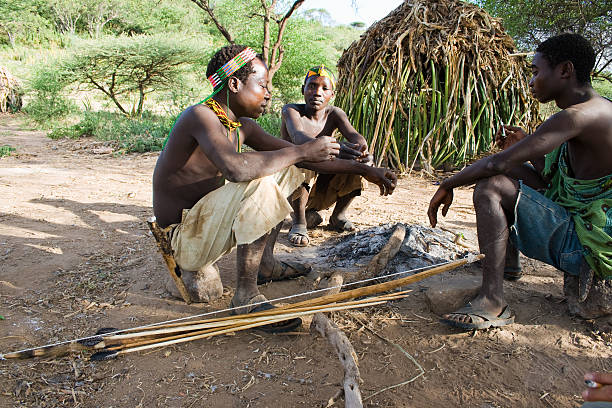
- Bow and Arrow: The primary tools are handcrafted bows made from specific types of wood, with arrows tipped with iron or bone. The Hadza are exceptionally skilled archers, capable of accurate shots even at a distance.
- Poison Arrows: For larger game, they often use arrows tipped with a potent poison derived from plants and insects. This allows them to bring down animals like antelopes, zebras, and wildebeest, though such hunts are less frequent now due to conservation efforts and changing regulations.
- Trapping: Smaller game, such as dik-diks, hares, and birds, are often caught using a variety of ingenious traps and snares laid along animal trails.
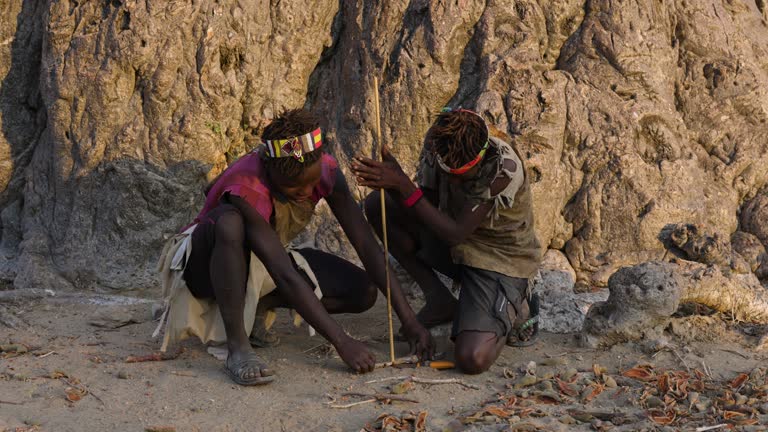
- Tracking: Hadza hunters possess an unparalleled ability to track animals, reading subtle signs in the sand, vegetation, and even the wind.
- Communal Hunts: While often hunting in small groups, larger communal hunts for specific game might occur, requiring coordination and shared knowledge.
Modern Realities and Conservation:
It is crucial to note that the Hadza’s hunting practices have been significantly impacted by external pressures. Land encroachment, government regulations, and the availability of modern tools have altered their traditional lifestyle. While they still hunt, it is often on a smaller scale, focusing on smaller game or supplementing their diet with other food sources. Many tours focus on observing demonstrations of these skills rather than participating in actual hunts, which are often restricted and require careful management to be ethical and legal.
When you visit, your guide will explain the nuances of these practices, emphasizing the deep knowledge of animal behavior and the sustainable principles that have guided their hunting for generations. This is a core element of the Hadza tribe experience and a significant part of understanding their culture.
Hadza Diet: Foraging, Hunting, and a Taste of Tradition
The Hadza diet is a testament to their intimate understanding of the land and its bounty. It is a diet rich in variety, dictated by the seasons and what can be gathered or hunted. For visitors, experiencing a taste of Hadza food is a highlight, offering a connection to their ancestral sustenance.
Key Components of the Hadza Diet:
- Honey: The Hadza are expert honey collectors, and honey is a staple and highly prized food source. They have an incredible ability to locate wild beehives, often in trees, and can extract honey with remarkable skill, sometimes without disturbing the bees too much.
- Tubers and Roots: Foraging for edible tubers and roots is a primary activity, especially for women and children. They possess extensive knowledge of which plants are safe and nutritious, and how to prepare them. These are often roasted in coals.
- Berries and Fruits: During the relevant seasons, various wild berries and fruits are gathered, providing essential vitamins and sweetness.
- Meat: As discussed, meat from hunted game is a significant protein source, though less frequent now. It is typically roasted over an open fire.
- Baobab Fruit: The iconic baobab tree provides a vitamin-C-rich fruit that is ground into a powder and mixed with water.
- Insects: Grubs and other insects are also consumed, providing valuable protein and nutrients.
Experiencing Hadza Food on a Visit:
A well-organized Hadza visit, especially for 2026-2027, will often include an opportunity to share in a meal or observe food preparation. This might involve tasting roasted tubers, trying fresh honey (if available and safely collected), or sampling other foraged items. It’s a rare chance to taste food prepared using ancient methods, directly from the land. Remember that the Hadza diet is seasonal and opportunistic, so what is available can vary greatly depending on the time of year you visit.
The Rich History and Origins of the Hadza People
The Hadza’s history is as captivating as their lifestyle. They are considered one of the last true hunter-gatherer societies, with an ancestral lineage stretching back thousands of years. Their unique culture and language have remained distinct, offering invaluable insights into early human societies.
Ancient Roots:
- Genetic Studies: Genetic research suggests that the Hadza may represent one of the oldest lineages of humankind, with their DNA showing deep divergence from other populations.
- Archaeological Evidence: Archaeological findings in their ancestral lands point to human occupation and hunter-gatherer lifestyles dating back over 10,000 years.
- Language: The Hadza language is a linguistic isolate, meaning it has no known relatives. It features click consonants, similar to those found in Khoisan languages of Southern Africa, hinting at ancient migrations and connections.
Cultural Resilience:
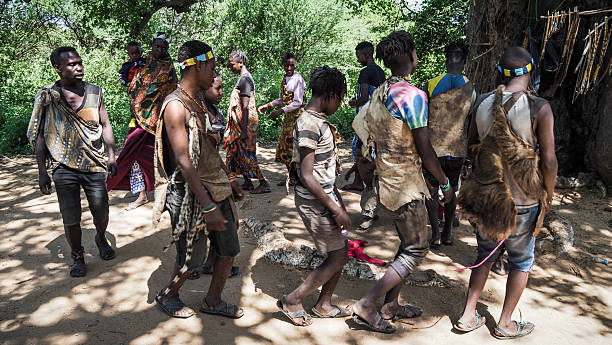
Despite the immense pressures from neighboring agricultural communities, colonial administrations, and modern governments, the Hadza have shown remarkable resilience in preserving their culture. Their nomadic or semi-nomadic lifestyle, their communal living, and their egalitarian social structure have allowed them to maintain their identity. However, this resilience is constantly tested by external forces, making responsible tourism even more critical.
The Impact of Modernity:
The 20th and 21st centuries have brought significant challenges. Land rights, access to traditional hunting grounds, and the influence of settled communities have all impacted the Hadza. Some efforts have been made to integrate them into modern society, with mixed results. Many Hadza, however, continue to adhere to their traditional ways of life, particularly in more remote areas.
Understanding this long and complex history enriches any visit, providing context for the traditions and customs you witness. It underscores the importance of respectful interaction and supporting their autonomy.
Where to Find the Hadza: Best Locations for Visits
The Hadza people primarily inhabit the area around Lake Eyasi in northern Tanzania, a region known for its unique landscapes and diverse ethnic groups. This region is often visited in conjunction with popular northern circuit safaris, making it logistically feasible for many travelers.
Key Locations:
- Lake Eyasi Basin: This is the heartland of the Hadza. The landscape is characterized by dry savanna, acacia woodlands, and the shores of the shallow, alkaline Lake Eyasi.
- Near Karatu and Ngorongoro: Some Hadza communities live in areas accessible from the popular tourist hubs near the Ngorongoro Conservation Area and Karatu. This proximity makes them an attractive addition to itineraries that already include the Serengeti and Ngorongoro Crater.
- Specific Settlements: Tour operators work with specific Hadza communities or camps within these broader areas. The exact location can vary based on the Hadza’s movements and the operator’s relationships.
Logistics of Reaching the Hadza:
Accessing these areas typically requires a 4×4 safari vehicle. The roads can be rough and challenging, especially during the rainy seasons. A visit to the Hadza is often a day trip or a short overnight experience integrated into a longer safari. For instance, you might drive from Karatu after visiting Ngorongoro, spend a day or two with the Hadza, and then continue your safari towards the Serengeti or Lake Manyara.
Choosing the Right Location for 2026-2027:
When planning for 2026 or 2027, consider that the most accessible Hadza communities are those accustomed to visitors. Reputable tour operators work diligently to ensure that these interactions are managed ethically, benefiting the community and providing an authentic experience for visitors. They often have established relationships with specific elders or groups, ensuring that visits are welcomed and conducted with respect for Hadza traditions and privacy.
For example, many itineraries combine a visit to the Hadza with a safari through the Serengeti, Ngorongoro Crater, and Lake Manyara. A typical flow might look like this:
- Day 1-3: Serengeti National Park Safari
- Day 4: Drive to Ngorongoro Crater, explore
- Day 5: Visit a Hadza community near Lake Eyasi or Karatu
- Day 6: Continue to Lake Manyara or depart
This allows for a diverse Tanzanian experience, blending wildlife viewing with profound cultural immersion.
Planning Your Hadza Tribe Visit: Essential Tips for 2026-2027
A successful and respectful Hadza tribe visit requires careful planning. For travelers targeting 2026 or 2027, early booking is advisable, especially if you wish to secure specific dates or work with your preferred tour operator.
Choosing a Reputable Tour Operator:
This is arguably the most critical step. A good operator will:
- Prioritize ethical interactions, ensuring the Hadza community benefits from your visit.
- Provide knowledgeable guides who understand both Hadza culture and the needs of visitors.
- Manage expectations regarding what you will see and experience.
- Ensure all necessary logistics (transport, permits if any) are handled.
- Work with communities that are willing and able to host visitors respectfully.
Companies like Best Tanzania Tour Operator have a strong track record of facilitating these sensitive cultural exchanges. You can contact them directly for advice and bookings: WhatsApp +255616946642 or email topguideadventures@gmail.com.
What to Expect During Your Visit:
- Respectful Observation: Your primary role is to observe and learn. Avoid intrusive behavior, loud noises, or demanding interactions.
- Photography: Always ask permission before taking photos of individuals, especially children. Some guides may charge a small fee for photos of individuals, which goes directly to them.
- Participation: You might be invited to participate in simple activities like trying to shoot an arrow (with guidance), learning about plants, or sharing a meal. Embrace these opportunities.
- Gifts: While not mandatory, small, practical gifts can be appreciated. Items like basic medicines (painkillers, antiseptic wipes), school supplies for children in nearby settled communities, or durable clothing are often more useful than trinkets. Avoid giving sweets or processed foods. Your tour operator can provide specific guidance on appropriate gifts.
- Hygiene: Be mindful of hygiene. Carry hand sanitizer and use it frequently, especially before eating.
What NOT to Do:
- Do not treat it like a zoo: This is a living community, not an exhibit.
- Do not make demands: You are a guest.
- Do not offer money directly to children: This can encourage begging and disrupt their education.
- Do not interfere with traditional practices: Observe respectfully.
- Do not overstay your welcome: Follow your guide’s lead.
Best Time to Visit:
The dry season (June to October) is generally the most comfortable time for visiting the Hadza, as the weather is pleasant and the terrain is more accessible. However, the Hadza are present year-round, and visits can be arranged at other times, though rains might affect travel and foraging.
Integrating Hadza Visits into Your Tanzania Itinerary for 2026-2027
A Hadza visit is often a powerful addition to a broader Tanzanian adventure. For those planning their 2026 or 2027 trips, consider how it can best fit into your overall itinerary.
Combining with Northern Circuit Safaris:
The most common and logistically sound way to visit the Hadza is by integrating it into a Northern Circuit safari. This typically includes:
- Serengeti National Park: Famous for the Great Migration and abundant wildlife.
- Ngorongoro Conservation Area: Home to the Ngorongoro Crater, a unique caldera teeming with wildlife.
- Lake Manyara National Park: Known for its tree-climbing lions and diverse birdlife.
- Tarangire National Park: Particularly impressive during the dry season for its large elephant herds and baobab trees.
A typical itinerary might involve spending a few days on safari in these parks, then dedicating a day or two for a cultural immersion with the Hadza near Lake Eyasi or Karatu. This allows you to experience Tanzania’s iconic wildlife alongside its rich human heritage.
Example Itinerary Flow (7 Days):
- Day 1: Arrive in Arusha, transfer to your hotel.
- Day 2: Drive to Tarangire National Park for game drives.
- Day 3: Morning game drive in Tarangire, then drive to Karatu.
- Day 4: Descend into the Ngorongoro Crater for a full-day game drive.
- Day 5: Travel to the Lake Eyasi region. Visit a Hadza community for cultural interaction, observing hunting/foraging demonstrations, and learning about their lifestyle.
- Day 6: Morning visit with the Hadza or explore local markets, then drive to Lake Manyara National Park for afternoon game drives.
- Day 7: Drive back to Arusha for departure.
This is just an example, and itineraries can be customized extensively. For example, you might extend your safari time in the Serengeti or spend more time with the Hadza if that is your primary focus.
Customizing Your 2026-2027 Trip:
When planning for 2026 or 2027, discuss your interests with your tour operator. If cultural experiences are paramount, you might:
- Allocate more days to the Hadza visit.
- Arrange for overnight stays (ensure these are ethically managed and consensual).
- Inquire about opportunities to visit other local tribes like the Maasai or Datoga for a broader cultural perspective.
Best Tanzania Tour Operator excels at crafting these custom itineraries. Reach out via WhatsApp +255616946642 or email topguideadventures@gmail.com to start planning your unique Tanzanian adventure.
Ethical Considerations for Hadza Tribe Visits
Visiting the Hadza is a privilege that comes with significant ethical responsibilities. The goal is to ensure that your presence is beneficial, or at the very least, not detrimental, to their community and way of life.
The Importance of Responsible Tourism:
- Community Benefit: Ensure that a significant portion of your tour cost directly supports the Hadza community. This can be through direct payments, contributions to community projects, or by purchasing local crafts.
- Respect for Culture and Privacy: Understand that you are entering their homes and daily lives. Be mindful of their customs, traditions, and personal space. Avoid intrusive behavior or making demands.
- Avoiding Commodification: The Hadza are not an exhibit. Interactions should be genuine exchanges, not staged performances. A good operator will facilitate respectful dialogue and understanding.
- Photography Etiquette: Always seek permission before taking photos of individuals. Some Hadza may ask for a small fee for photographs, which is their right.
- Environmental Impact: Be mindful of your environmental footprint. Avoid leaving behind any waste and respect the natural environment.
Choosing Operators Committed to Ethics:
When selecting a tour operator for your Hadza tribe visit cost exploration in 2026 or 2027, look for those who:
- Have long-standing, positive relationships with the Hadza communities.
- Emphasize cultural respect and education in their pre-trip briefings.
- Are transparent about how the tour fees benefit the community.
- Employ local guides who understand and respect Hadza customs.
Best Tanzania Tour Operator is committed to these principles, ensuring that your visit contributes positively to the preservation of Hadza culture. You can learn more about their approach and book your trip by contacting them at topguideadventures@gmail.com or info@topguideadventures.com.
Frequently Asked Questions About Hadza Visits
Here are some common questions travelers have when considering a visit to the Hadza:
Can I participate in a Hadza hunt?
Direct participation in actual hunting is generally not possible or advisable for tourists. Ethical tours focus on observing demonstrations of traditional hunting skills, learning about the tools and techniques, and understanding the Hadza’s relationship with the land. Actual hunting is a serious matter of survival for the Hadza and is subject to conservation laws.
What should I wear when visiting the Hadza?
Dress modestly and respectfully. Lightweight, neutral-colored clothing is best. Avoid bright colors or revealing attire. Comfortable walking shoes are essential, as you may do some walking. A hat for sun protection is also recommended.
Is it safe to visit the Hadza?
Yes, with a reputable guide and tour operator, visiting the Hadza is safe. They are a peaceful people. Your guide will ensure that interactions are respectful and that you are aware of any potential safety considerations. The primary risks are usually related to the travel to their remote locations, which is managed by experienced drivers and guides.
Can I buy crafts directly from the Hadza?
While the Hadza are not primarily known for extensive craft production for sale like some other tribes, they do create useful items. If they offer items for sale, such as simple beadwork or tools, purchasing them directly is a good way to support them. Always negotiate prices respectfully, and your guide can assist with this.
How much time should I allocate for a Hadza visit?
A meaningful visit typically requires at least half a day, but a full day or even an overnight stay (if arranged ethically) allows for a deeper immersion. Integrating it into a safari itinerary often means dedicating one full day to the experience.
Making Your 2026-2027 Booking: Connect with Experts
Planning a trip to experience the Hadza people is a journey into a world that few get to witness. For travelers looking to organize their Hadza tribe visit cost, hunting, food, history, and location details for 2026 or 2027, working with experienced and ethical tour operators is paramount. They ensure that your visit is not only memorable but also respectful and beneficial to the Hadza community.
Best Tanzania Tour Operator is dedicated to providing authentic, responsible, and unforgettable Tanzanian travel experiences. They have the local knowledge and established relationships to arrange respectful and insightful visits to the Hadza. To discuss your travel plans for 2026-2027, get a personalized quote, or ask any further questions, please do not hesitate to reach out:
- WhatsApp: +255616946642
- Email: topguideadventures@gmail.com
- Backup Email: info@topguideadventures.com
Let us help you craft an extraordinary journey that connects you with the heart of Tanzania’s ancient heritage.







 Veedesigner
 Fatma Kizanga
 Benjamin Waryuba
 Philip Philip
 John jr Itaja
 Antonia Optatus
 Edith Kanyere
 Neema Iddy
 Kelvin Boniphace
 Damari Maiga



