
The chance to connect with ancient traditions is a powerful draw for many travelers to Tanzania. Among the most sought-after cultural experiences is a visit to the Hadzabe, one of the last remaining hunter-gatherer communities in Africa. Understanding how to visit Hadzabe Tribe in Tanzania respectfully and meaningfully is crucial for both the traveler and the community. This guide is designed for those planning their trip for 2026 and 2027, offering practical advice to ensure an authentic and responsible encounter.
Understanding the Hadzabe: More Than Just a Tourist Stop
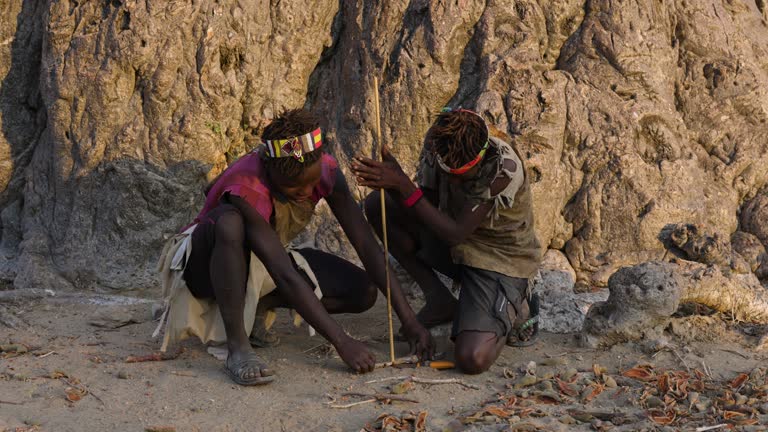
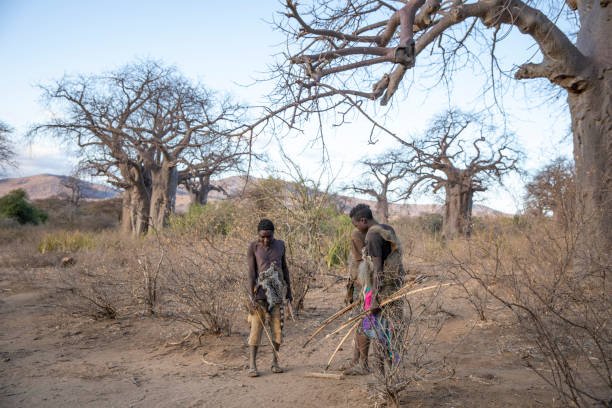
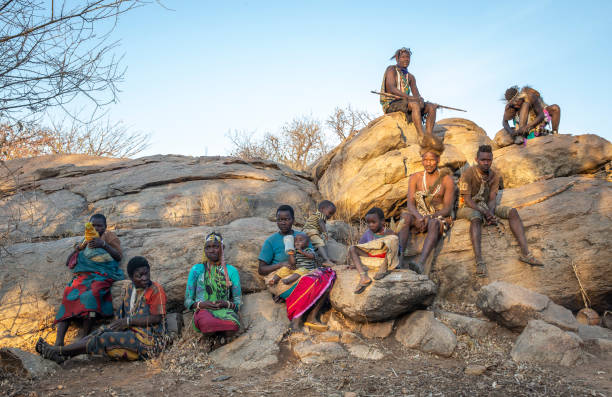
The Hadzabe people, numbering around 1,300 individuals, live in the bushland around Lake Eyasi in northern Tanzania. Their lifestyle has remained largely unchanged for centuries, centered around hunting with bows and arrows, gathering wild fruits, roots, and honey, and living in harmony with the natural environment. Unlike many other indigenous groups who have adapted significantly to modern life, the Hadzabe retain a profound connection to their ancestral ways. This is not a performance; it is their daily reality.
A visit to the Hadzabe is a rare opportunity to witness a way of life that is rapidly disappearing globally. It offers a profound perspective on human resilience, adaptation, and the deep knowledge of the natural world. For travelers planning ahead for 2026 or 2027, understanding this context is the first step to a responsible and enriching experience.
Why Visit the Hadzabe? The Appeal of Authentic Connection
Travelers are drawn to the Hadzabe for several compelling reasons:
- Authenticity: Experience a genuine hunter-gatherer lifestyle, observing their daily routines without staged performances.
- Cultural Immersion: Learn about their unique language (a click language), social structures, and spiritual beliefs directly from the community.
- Connection with Nature: Witness their intimate knowledge of the flora and fauna, their tracking skills, and their sustainable living practices.
- Unique Activities: Participate (with permission and guidance) in activities like tracking game, learning about medicinal plants, or even trying your hand at bow and arrow use.
- Photography: Capture powerful, respectful images of a distinct culture and landscape.
When planning your trip for 2026-2027, remember that this is a privilege, not a right. The goal is to observe, learn, and appreciate, not to intrude.
Navigating the Logistics: How to Arrange Your Hadzabe Visit
Visiting the Hadzabe is not a matter of simply showing up. Their communities are remote, and access requires careful planning and often the assistance of local guides who have established relationships. The most reliable and respectful way to visit is through a reputable tour operator specializing in cultural tourism in Tanzania. These operators understand the protocols, ensure fair compensation for the community, and facilitate a smooth experience.
Key logistical considerations include:
- Location: The Hadzabe primarily reside in the areas surrounding Lake Eyasi, a region accessible from Arusha, the main safari gateway in northern Tanzania.
- Transportation: A sturdy 4×4 vehicle is essential for navigating the often rough terrain leading to the Hadzabe settlements.
- Guides: Local guides are indispensable. They act as translators, cultural liaisons, and ensure that interactions are respectful and beneficial for the Hadzabe people. They also ensure your safety.
- Accommodation: Visits to the Hadzabe are typically day trips or involve overnight stays in basic mobile camps or lodges near their territory. Some operators arrange for respectful overnight stays within or near Hadzabe camps, providing a deeper immersion.
For those planning their adventure for 2026 or 2027, booking with a company that prioritizes ethical tourism is paramount. This ensures your visit contributes positively to the Hadzabe community.
The Cost of an Authentic Encounter: What to Expect for 2026-2027
The cost of visiting the Hadzabe tribe is not standardized like park fees. It’s typically integrated into a larger Tanzania safari or cultural tour package. The pricing is influenced by several factors:
- Tour Operator Fees: Reputable operators charge for their expertise, logistics, guide services, and the established relationships they have with the Hadzabe.
- Community Contribution: A significant portion of the fee goes directly to the Hadzabe community. This is often in the form of cash, essential supplies (like food or medicine), or support for community projects. This ensures your visit is economically beneficial for them.
- Duration of Visit: A half-day visit will cost less than a full day or an overnight experience.
- Inclusions: Does the price include transportation from your lodge, a guide, meals, and any contributions to the tribe?
- Group Size: Private tours are more expensive per person than joining a small group.
While exact figures vary, expect a dedicated Hadzabe visit to add a supplementary cost to your overall safari package. For a single day’s cultural immersion, budget an estimated range of $150 – $300 per person, depending on the operator and group size. This fee ensures fair compensation and sustainable tourism. When planning for 2026-2027, it’s wise to inquire about specific inclusions and community contributions when requesting quotes.
Important Note on Pricing:
Prices for cultural tourism, especially for sensitive communities like the Hadzabe, are often quoted on a per-person basis and are subject to change. Always confirm what is included in your quote and how your payment directly benefits the community. For tailored pricing for your 2026 or 2027 adventure, contact us directly.
When is the Best Time to Visit the Hadzabe?
The Hadzabe people live a nomadic lifestyle dictated by the availability of resources, meaning they are accessible year-round. However, certain times of the year can offer a slightly different experience:
- Dry Season (June to October): This is generally considered the best time for wildlife viewing across Tanzania, and it also means easier travel to the Hadzabe areas as roads are less affected by rain. The landscape is drier, and water sources are more concentrated, potentially making game tracking more successful for the Hadzabe.
- Rainy Season (November to May): While less ideal for general safari travel due to potential road challenges, the rainy season can offer a different perspective. The landscape is greener, and certain plants and fruits are in season. You might witness different aspects of their gathering activities. However, heavy rains can sometimes make access difficult.
For your 2026-2027 travel plans, the dry season offers the most predictable conditions for reaching the Hadzabe. However, any time of year can provide a meaningful cultural exchange.
What to Expect During Your Visit: An Immersive Experience
A typical visit to the Hadzabe involves several hours spent with the community, guided by your local expert. The experience is designed to be interactive and educational:
- Arrival and Introduction: You’ll arrive at a Hadzabe settlement, where your guide will introduce you to the elders and community members. Initial greetings are important, and your guide will facilitate this.
- Observing Daily Life: Depending on the time of day and the community’s activities, you might witness hunting preparations, gathering expeditions, or the preparation of food.
- Tracking Demonstration: Guides often arrange for Hadzabe hunters to demonstrate their incredible tracking skills, showing how they follow animal spoor through the bush.
- Hunting/Gathering Excursion (Optional): In some cases, and with the community’s agreement, you might accompany a small group on a short excursion to search for game or gather edible plants and roots. This is a genuine part of their survival, not a performance.
- Honey Gathering (Seasonal): If you’re lucky and it’s the right season, you might witness the Hadzabe’s remarkable ability to locate and gather honey from wild beehives, often using smoke to calm the bees.
- Learning about Tools and Skills: You’ll have the chance to see their expertly crafted bows and arrows and learn about the materials and techniques used.
- Cultural Exchange: Engage in conversations (through your guide) about their traditions, beliefs, family life, and their perspective on the changing world.
- Sharing and Departure: Typically, visitors will share some gifts (often pre-arranged with the tour operator, such as food staples or useful items) with the community before departing.
The experience is raw, authentic, and often deeply moving. It’s important to be present, observe respectfully, and ask questions through your guide.
Preparing for Your Hadzabe Encounter: What to Pack and Bring
- Appropriate Clothing: Wear neutral-colored, modest clothing. Long sleeves and trousers are recommended for protection against the sun and insects. Avoid bright colors or camouflage patterns that might be perceived as intrusive or military.
- Comfortable Walking Shoes: You’ll be walking on uneven terrain.
- Hat and Sunscreen: The sun can be intense.
- Insect Repellent: Essential, especially during dawn and dusk.
- Water Bottle: Stay hydrated.
- Camera: Be mindful and ask permission before taking close-up photos of individuals. Often, a general request to photograph the group is acceptable, but always defer to the guide and community elders.
- Small Gifts (Optional but Recommended): Discuss with your tour operator what gifts are most appropriate and appreciated. Common items include sugar, salt, tea, rice, basic medicines, or school supplies for children if they attend school. Avoid giving sweets or junk food. Direct cash contributions are often handled by the tour operator to ensure fair distribution.
- Open Mind and Respect: This is the most important item. Come with a genuine desire to learn and understand, free from preconceptions.
Respectful Interaction: Etiquette for Visiting the Hadzabe
Responsible tourism is paramount when visiting indigenous communities. The Hadzabe are welcoming, but it’s crucial to approach the interaction with humility and respect. Your tour operator and guide will be your primary source of guidance on etiquette, but here are some general principles:
- Ask Permission: Always ask your guide before taking photographs, especially close-ups of people. Observe how locals interact and follow their lead.
- Modesty: Dress modestly. Avoid revealing clothing.
- Patience: Allow the Hadzabe to lead the pace of interaction. They will share what they are comfortable sharing.
- No Touching: Avoid touching people, especially children, without explicit permission.
- Hygiene: Practice good hygiene. If offered food or drink, accept graciously.
- No Bartering for Photos: Never offer money or gifts in exchange for a photo. This commodifies the experience and is considered disrespectful.
- Listen More Than You Speak: Your guide will translate, but focus on observing and absorbing.
- Avoid Disrupting Daily Life: Understand that you are a guest observing their real life, not an audience at a show.
- No Littering: Pack out everything you pack in. Leave no trace.
By adhering to these guidelines, you help ensure that future visits remain positive and beneficial for the Hadzabe community. This is especially important for travelers planning their trips for 2026 and 2027, as responsible tourism practices help preserve this unique culture.
Safety and Health Considerations
Your safety and health are critical for an enjoyable trip. When visiting the Hadzabe:
- Vaccinations: Consult your doctor or a travel clinic about recommended vaccinations for Tanzania, such as Yellow Fever, Hepatitis A & B, Typhoid, and Tetanus.
- Malaria Prevention: Tanzania is a malaria-endemic country. Take antimalarial medication as prescribed by your doctor and use insect repellent.
- Water: Drink only bottled or purified water.
- Food: Eat food prepared by your lodge or tour operator. Be cautious with street food.
- Sun Protection: Use sunscreen, wear a hat, and stay hydrated to avoid sunstroke and dehydration.
- Travel Insurance: Ensure you have comprehensive travel insurance that covers medical emergencies and evacuation.
- Guide’s Instructions: Always follow the instructions of your guide. They are experienced in navigating the local environment and potential risks.
For your 2026-2027 travels, ensure you consult with health professionals well in advance of your departure.
Combining Hadzabe Visits with Other Tanzanian Experiences
A visit to the Hadzabe is often a highlight within a broader Tanzanian adventure. Many travelers combine this cultural immersion with:
- Northern Circuit Safaris: Explore iconic national parks like the Serengeti, Ngorongoro Crater, Tarangire, and Lake Manyara. These parks offer unparalleled wildlife viewing opportunities.
- Mount Kilimanjaro Trekking: For the adventurous, a climb up Africa’s highest peak is an unforgettable challenge. Operators like ours offer various routes, including the popular Machame Route, with group departures available for 2026 and 2027.
- Zanzibar Holidays: After your safari, relax on the pristine beaches of Zanzibar, explore the historic Stone Town, and immerse yourself in its rich culture and spice markets.
- Other Cultural Encounters: Tanzania offers opportunities to visit other communities, such as the Maasai, providing a broader understanding of the country’s diverse ethnic groups.
Integrating a Hadzabe visit into a comprehensive itinerary allows you to experience the full spectrum of what Tanzania has to offer, from wildlife and adventure to deep cultural connections. For those looking at 2026-2027, planning a multi-faceted trip is highly recommended.
Sample Itinerary Flow Integrating a Hadzabe Visit
This is a conceptual flow, actual itineraries will be customized:
- Day 1-3: Arusha & Preparation. Arrive in Arusha, meet your guide, and finalize preparations. Perhaps a visit to a local market.
- Day 4-6: Lake Manyara & Tarangire Safari. Experience diverse wildlife in these rich ecosystems.
- Day 7: Ngorongoro Crater. Descend into the ‘Eighth Wonder of the World’ for incredible game viewing.
- Day 8: Journey to Lake Eyasi & Hadzabe Visit. Travel to the Lake Eyasi region. Spend the afternoon with the Hadzabe tribe, learning about their way of life, tracking, and gathering techniques. Your guide will ensure respectful interaction and fair compensation for the community.
- Day 9: Morning Hadzabe Experience & Departure. A final morning activity with the Hadzabe (e.g., observing morning routines) before departing for Karatu or Arusha.
- Day 10-12: Serengeti Safari. Explore the vast plains of the Serengeti, potentially witnessing the Great Migration.
- Day 13-15: Zanzibar Relaxation. Fly to Zanzibar for beach time, Stone Town exploration, and relaxation.
This is just a glimpse. Your personalized itinerary for 2026 or 2027 can be crafted to include or exclude specific elements based on your interests and duration.
Choosing the Right Tour Operator: Your Gateway to the Hadzabe
Selecting a tour operator is perhaps the most critical decision you’ll make when planning your visit to the Hadzabe. A good operator ensures:
- Ethical Practices: They prioritize the well-being and cultural integrity of the Hadzabe people, ensuring fair compensation and respectful interactions.
- Experienced Guides: They employ knowledgeable local guides who are fluent in local languages, understand cultural nuances, and can facilitate meaningful exchanges.
- Logistical Expertise: They handle all transportation, accommodation, and permits, ensuring a smooth and hassle-free experience.
- Safety Standards: They adhere to strict safety protocols for all aspects of your trip.
- Customization: They can tailor your itinerary to your specific interests, budget, and timeframe for your 2026-2027 trip.
When researching operators, look for those with a strong track record in cultural tourism, positive reviews mentioning interactions with indigenous communities, and clear communication about their ethical policies. We at Top Guide Adventures are committed to responsible tourism and have deep-rooted relationships with communities like the Hadzabe, ensuring your visit is both memorable and beneficial.
Planning Your 2026-2027 Hadzabe Cultural Adventure
Are you ready to experience the unique lifestyle of the Hadzabe people? Planning an authentic cultural encounter requires careful consideration and a partner who understands the importance of responsible tourism. For bespoke itineraries and expert guidance on how to visit Hadzabe Tribe in Tanzania, reach out to our team. We specialize in creating unforgettable Tanzanian adventures that respect local cultures and environments. Whether you’re planning for 2026 or 2027, we can help you craft the perfect journey.
Contact us today:
- WhatsApp: +255616946642
- Email: topguideadventures@gmail.com
- Backup Email: info@topguideadventures.com
Let us help you connect with the heart of Tanzania.
Common Mistakes to Avoid When Planning a Hadzabe Visit
To ensure your visit is as respectful and rewarding as possible, be aware of common pitfalls:
- Treating it as a Zoo: The Hadzabe are not exhibits. Approach them with genuine curiosity and respect for their human dignity.
- Expecting a Show: Their daily life is not performed for tourists. Be prepared for activities to be dictated by their needs and schedules.
- Ignoring Guide’s Advice: Your guide is your most valuable asset. Listen to their instructions regarding etiquette, photography, and interaction.
- Littering: Leave the environment as you found it, or better.
- Giving Inappropriate Gifts: Avoid giving sweets or items that disrupt their traditional way of life. Consult your operator for suitable contributions.
- Over-Commercialization: Be wary of tours that seem overly commercialized or where interactions feel forced or transactional.
- Not Planning Ahead: Spontaneous visits are rarely possible or advisable. Book well in advance, especially for 2026-2027 travel.
By being informed and mindful, you can ensure your visit is a positive experience for everyone involved.
The Future of Hadzabe Tourism: Sustainability and Preservation
The increasing interest in visiting the Hadzabe presents both opportunities and challenges. Responsible tourism practices are essential to ensure that these visits benefit the community without disrupting their culture or environment. Tour operators play a vital role in educating travelers and establishing fair economic models. For those planning for 2026 and 2027, choosing operators committed to sustainable tourism is a direct way to support the preservation of the Hadzabe way of life.
The goal is to foster understanding and appreciation, creating a symbiotic relationship where tourism provides economic support while the Hadzabe retain their cultural autonomy and connection to their ancestral lands.
Conclusion: Your Journey to an Ancient World
Visiting the Hadzabe tribe in Tanzania is a profound journey into one of the world’s last remaining hunter-gatherer societies. It offers a unique perspective on human adaptation, resilience, and the deep wisdom of living in harmony with nature. By understanding how to visit Hadzabe Tribe in Tanzania with respect, preparation, and an open heart, you can ensure a meaningful and responsible encounter.
For travelers planning their adventures for 2026 and 2027, now is the time to start researching and booking. The experience is a privilege, and approaching it with ethical considerations at the forefront will lead to the most rewarding outcomes for both you and the Hadzabe community. We are passionate about connecting travelers with authentic cultural experiences that leave a positive impact. Let us help you plan your unforgettable trip.



