
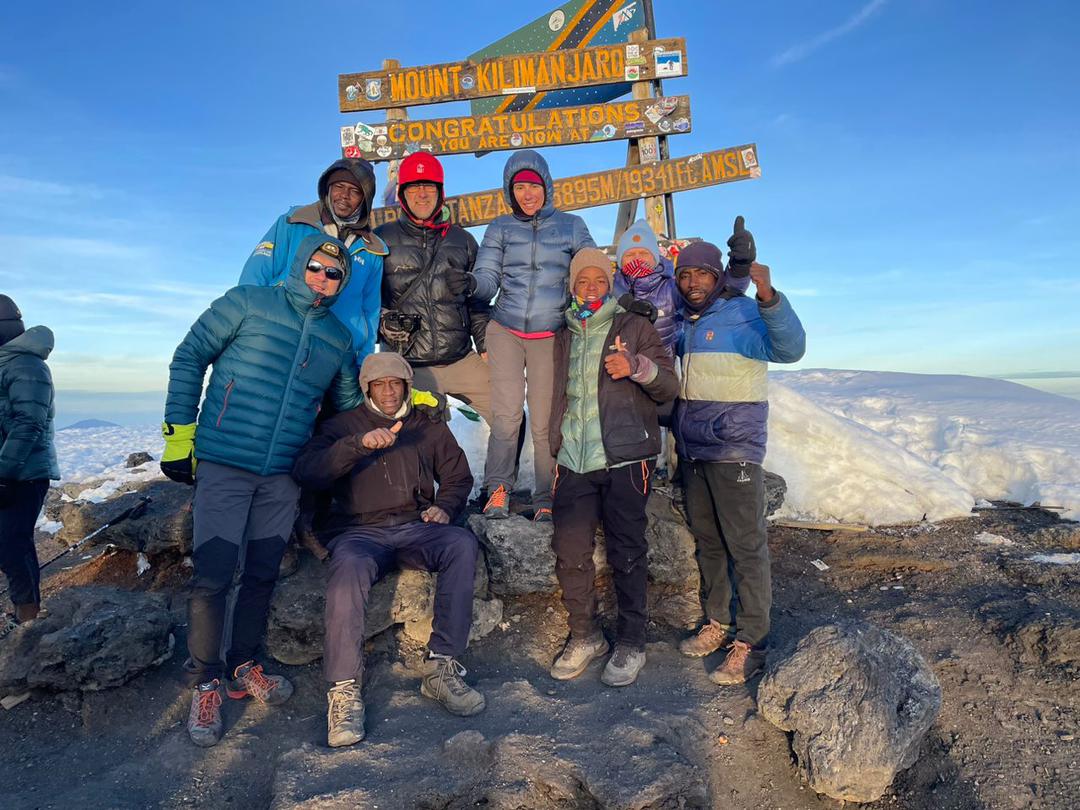
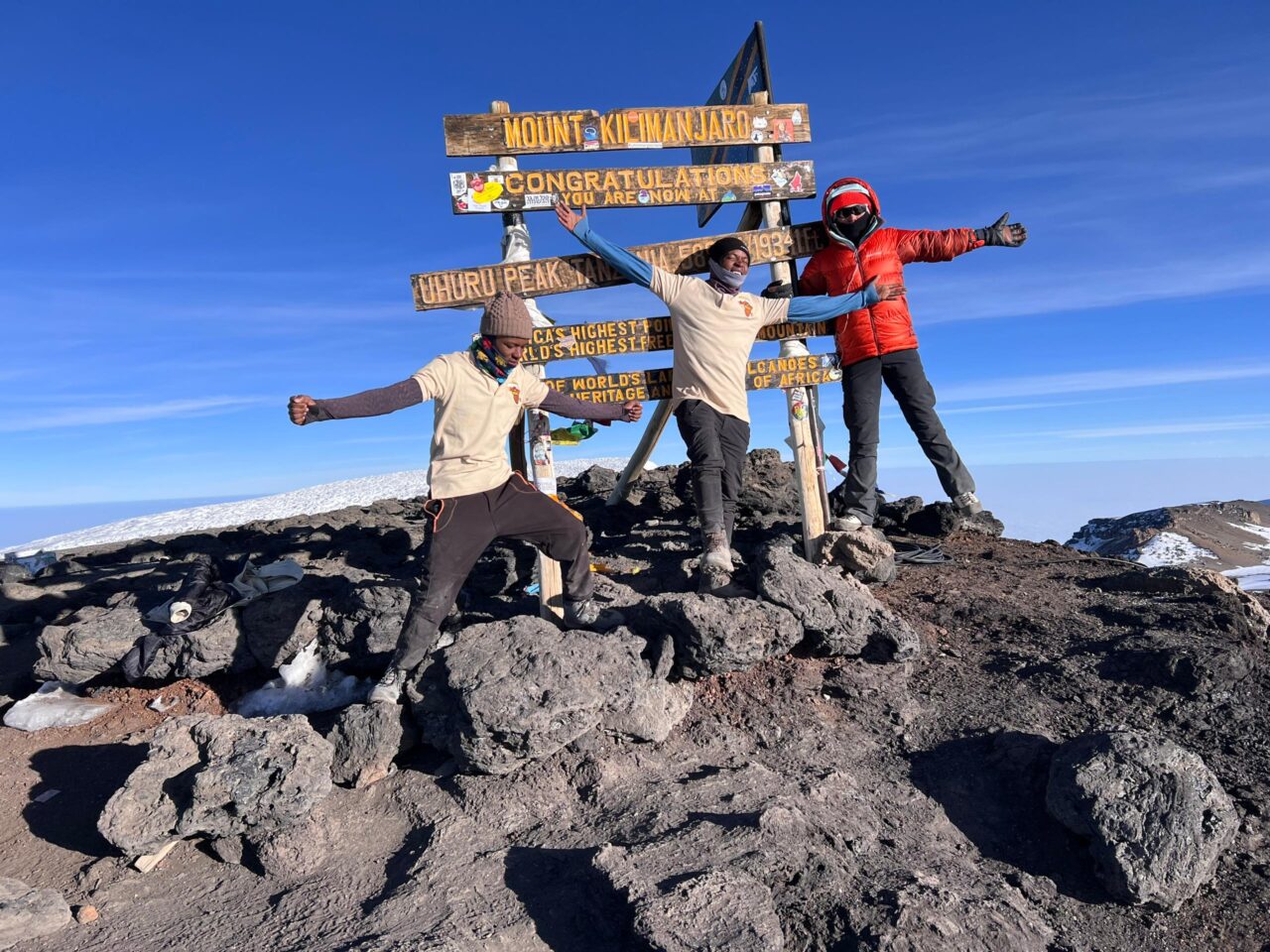
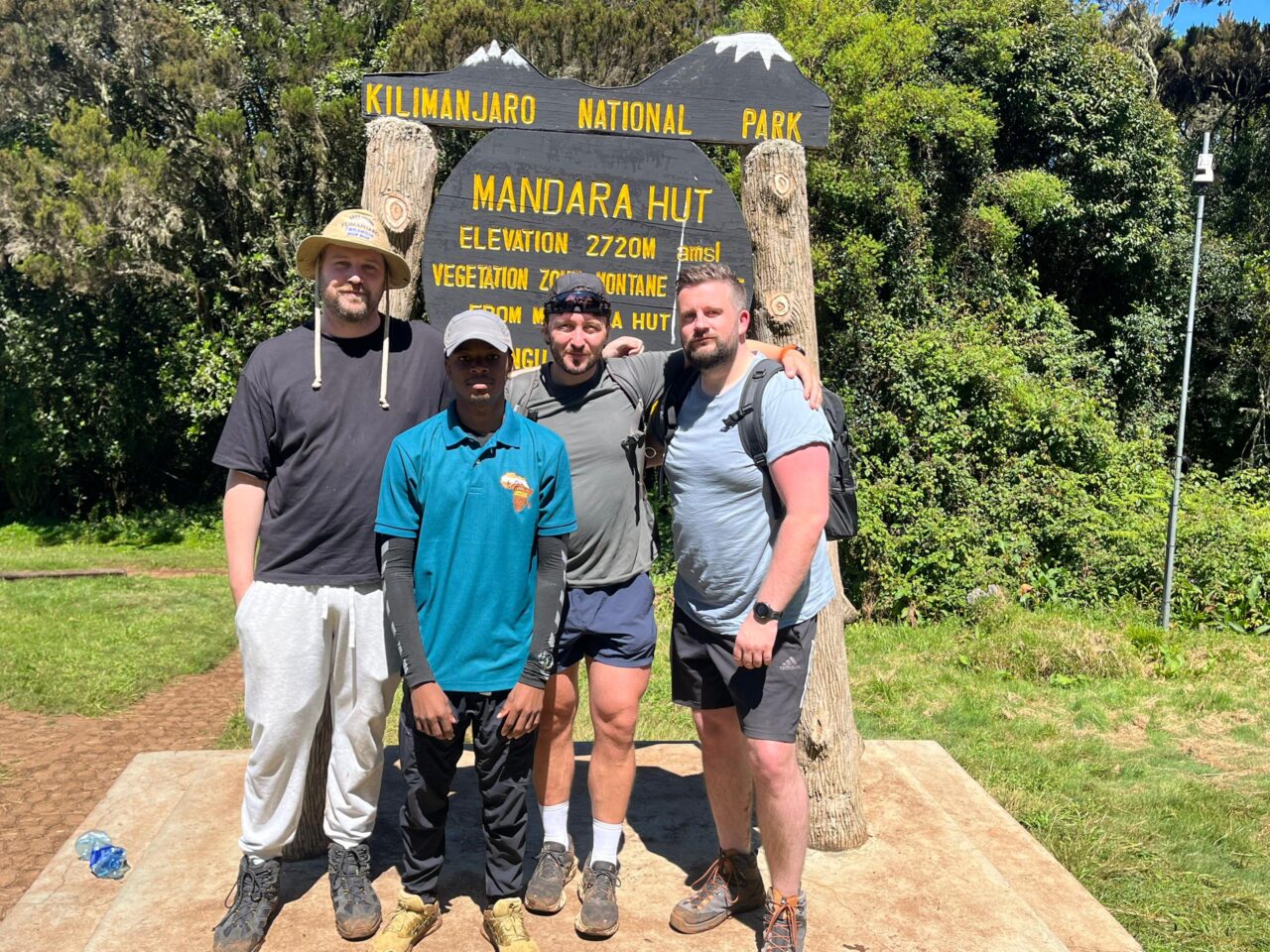
Are you looking for an extraordinary adventure that combines breathtaking scenery with a profound sense of accomplishment? Joining our 8 Days Lemosho Route – 17 November 2026 Departure offers precisely that. This specific departure date is ideal for those planning their Kilimanjaro ascent well in advance, ensuring a prime spot on one of the most sought-after routes. The Lemosho route is celebrated for its beauty, gradual acclimatization profile, and higher success rates, making it a premier choice for trekkers aiming for the Roof of Africa.
Why Choose the Lemosho Route for Your 2026 Kilimanjaro Expedition?
The Lemosho route stands out for several compelling reasons, especially when considering a departure in late 2026. Its journey begins in the lush, western side of Kilimanjaro, offering a more remote and wild trekking experience in the initial days. This allows for a deeper connection with the mountain’s diverse ecosystems before joining the main Marangu route further up. The extended 8-day itinerary is crucial for acclimatization, significantly increasing your chances of reaching Uhuru Peak. Planning for November 2026 means you’re looking at the tail end of the short rainy season, often transitioning into clearer, drier weather, making it a fantastic time to climb.
The Scenic Advantage of Lemosho
The Lemosho route is consistently praised for its visual appeal. From the dense rainforests teeming with wildlife in the lower altitudes to the dramatic volcanic landscapes and vast crater rim views as you ascend, every day presents new and stunning vistas. The path offers panoramic views of the Maasai Steppe and the wider Tanzanian plains, particularly in the early stages. Unlike shorter routes that rush the ascent, Lemosho allows you to truly absorb the changing environments, from moorland to alpine desert and finally the arctic summit zone. This visual richness is a significant draw for photographers and nature enthusiasts alike.
Acclimatization: The Key to Summit Success
Success on Kilimanjaro hinges on proper acclimatization. The Lemosho route, especially the 8-day version, is designed with this in mind. It follows the principle of ‘climb high, sleep low’ more effectively than shorter routes. The longer duration provides your body with more time to adapt to the decreasing oxygen levels at higher altitudes. This gradual ascent minimizes the risk of altitude sickness, allowing you to enjoy the trek and focus on reaching the summit comfortably. For a November 2026 trek, choosing the 8-day Lemosho is a strategic decision for maximizing your success probability.
Booking Your 17 November 2026 Kilimanjaro Adventure
Securing your place on our 8 Days Lemosho Route – 17 November 2026 Departure is straightforward. Group departures are popular, and spots fill up quickly, especially for well-planned trips like this. We recommend booking at least 9-12 months in advance to guarantee your preferred date and route. This lead time also allows for adequate physical preparation and gear acquisition. For inquiries or to confirm availability for the November 17, 2026 trek, please reach out to us. We are here to guide you through every step of the booking process.
Understanding the 8-Day Lemosho Route Itinerary
The 8-day Lemosho itinerary is considered one of the best options for the Lemosho route, balancing scenic beauty with excellent acclimatization. Each day is carefully structured to allow for gradual ascent and recovery, crucial for a challenging trek like Kilimanjaro.
Day-by-Day Kilimanjaro Trek: Lemosho Route (8 Days)
| Day | Altitude Gain | Camp | Approx. Trekking Time | Distance | Description |
|---|---|---|---|---|---|
| Day 1 | 1,800m – 2,100m | Mti Mkubwa Camp | 3-4 hours | 6 km | Transfer to Londorossi Gate, then drive to Lemosho starting point. Trek through rainforest. |
| Day 2 | 2,100m – 2,650m | Shira 1 Camp | 5-6 hours | 8 km | Continue through rainforest, emerging into moorland with stunning views. |
| Day 3 | 2,650m – 3,500m | Shira 2 Camp | 5-7 hours | 10 km | Trek across the Shira Plateau, offering expansive views and good acclimatization. |
| Day 4 | 3,500m – 3,900m | Barranco Camp | 6-8 hours | 10 km | Ascend towards the Lava Tower (4,600m), then descend to Barranco Camp. Key acclimatization day. |
| Day 5 | 3,900m – 4,000m | Karanga Camp | 4-5 hours | 5 km | A shorter day featuring the challenging Barranco Wall climb, followed by a descent and ascent to Karanga. |
| Day 6 | 4,000m – 4,600m | Barafu Camp | 7-8 hours | 10 km | Trek through alpine desert, ascending steadily towards Barafu Camp, the base for the summit push. |
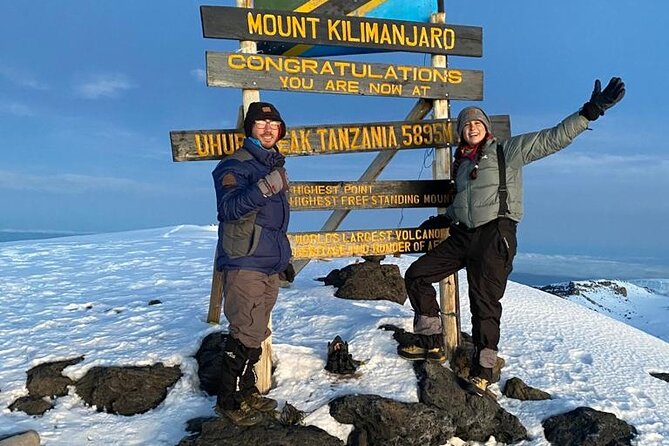
| Day 7 | 4,600m – 5,895m (Uhuru Peak) – 3,100m | Mweka Camp | 11-15 hours | 12 km (up & down) | Summit night! Start pre-dawn, reach Uhuru Peak, then descend to Mweka Camp. |
| Day 8 | 3,100m – 1,800m | Exit | 4-5 hours | 10 km | Descend through rainforest to Mweka Gate. Transfer back to your hotel. |
Preparing for Your 2026 Kilimanjaro Trek
Successful preparation for a Kilimanjaro trek, especially for a departure date like November 17, 2026, involves several key areas: physical training, mental readiness, and proper gear selection. Given the advanced planning window, you have ample time to get ready.
Physical Training Regimen
Kilimanjaro is a strenuous trek that requires a good level of cardiovascular fitness. Focus your training on:
- Cardiovascular Endurance: Engage in regular activities like hiking (with a backpack), running, cycling, or swimming at least 3-4 times a week.
- Strength Training: Focus on lower body and core strength. Squats, lunges, and step-ups are particularly beneficial.
- Hiking Practice: The most crucial training is hiking on varied terrain, ideally with hills or inclines. Practice hiking for several hours at a time, ideally on consecutive days if possible, to simulate the trekking experience. Wear the boots you intend to use on Kilimanjaro.
- Altitude Simulation (Optional): If you live at altitude, this is an advantage. If not, focus on the other aspects; acclimatization on the mountain is paramount.
Start your training program at least 3-6 months before your November 2026 departure. Gradually increase the intensity and duration of your workouts.
Essential Gear for the Lemosho Route
Proper gear is non-negotiable for comfort and safety on Kilimanjaro. Layering is key to managing the extreme temperature fluctuations. Your packing list should include:
Kilimanjaro Gear Checklist Highlights:
- Boots: Waterproof, broken-in hiking boots with good ankle support.
- Socks: Several pairs of wool or synthetic hiking socks.
- Base Layers: Moisture-wicking thermal tops and bottoms.
- Mid Layers: Fleece jacket or down vest for insulation.
- Outer Layer: Waterproof and windproof jacket and trousers (Gore-Tex or similar).
- Insulated Jacket: A warm down or synthetic jacket for cold evenings and summit night.
- Headwear: Warm hat (beanie) and a sun hat with a brim.
- Gloves: Warm, waterproof gloves or mittens, plus liner gloves.
- Footwear: Comfortable camp shoes or sandals.
- Backpack: A comfortable daypack (30-40 liters) for essentials.
- Sleeping Bag: A warm sleeping bag rated to at least -10°C (14°F), preferably -20°C (-4°F).
- Headlamp: With extra batteries.
- Sun Protection: High SPF sunscreen, lip balm, and sunglasses.
- Water Bottles/Hydration Reservoir: At least 3 liters capacity.
- Personal Items: Toiletries, personal first-aid kit, medications, wet wipes, hand sanitizer.
- Trekking Poles: Highly recommended for stability and reducing knee strain.
We provide a comprehensive gear list upon booking, and our guides are always available to advise on specific items. Remember, you can rent some items like sleeping bags and trekking poles in Moshi.
Mental Preparation and Altitude Awareness
The mental aspect of climbing Kilimanjaro cannot be overstated. Be prepared for challenging days, physical discomfort, and the psychological effects of altitude. The key is to stay positive, focus on one step at a time, and trust your guides. Understanding altitude sickness symptoms (headache, nausea, dizziness) and communicating them immediately to your guide is vital. The 8 Days Lemosho Route departure on November 17, 2026 is designed to mitigate these risks through gradual ascent.
What’s Included in Your 8-Day Lemosho Trek Package?
When you book the 8 Days Lemosho Route – 17 November 2026 Departure with us, you can expect a comprehensive package designed for your comfort and safety. While specifics can be detailed in your booking confirmation, typical inclusions are:
Typical Inclusions for Kilimanjaro Treks:
- Park Fees: All required Kilimanjaro National Park entry fees.
- Accommodation: Camping fees and accommodation in tents.
- Guides & Crew: Professional, licensed mountain guides, assistant guides, cooks, and porters.
- Food: All meals on the mountain (breakfast, lunch, dinner), plus hot drinks.
- Water: Boiled and purified drinking water provided daily.
- Crew Welfare: Fair wages, proper equipment, and adequate food for the entire mountain crew.
- Transfers: Airport transfers and transfers to/from the mountain gate.
- Safety Equipment: Oxygen cylinders and a comprehensive first-aid kit.
- Pre- and Post-Trek Accommodation: Often includes one night of accommodation in Moshi before the trek and one night after (confirm details).
Exclusions typically include international flights, visa fees, travel insurance, personal gear, tips for the crew, and any items of a personal nature.
The Role of Guides and Porters on Kilimanjaro
Our mountain crew is the backbone of every successful Kilimanjaro expedition. We pride ourselves on employing experienced, certified guides and a dedicated team of porters and cooks who are not only skilled but also passionate about sharing their mountain with you.
Our Expert Guides
Your lead guide will have extensive experience leading treks on Kilimanjaro, often with dozens or even hundreds of ascents. They are trained in first aid, high-altitude medicine, and navigation. Their primary responsibility is your safety and well-being, closely monitoring your health and acclimatization. They make critical decisions regarding pace, rest, and, if necessary, descent.
The Indispensable Porters
Porters are essential for carrying the bulk of the equipment, including tents, food, cooking gear, and your personal duffel bag. They work tirelessly to ensure your camps are set up efficiently and that you have everything you need. We are committed to ethical treatment of our porters, ensuring they are well-equipped, fed, and compensated fairly. This commitment not only supports the local community but also fosters a motivated and reliable trekking team.
Why Choose a Group Departure for 2026?
Joining a group departure, like our 8 Days Lemosho Route – 17 November 2026 Departure, offers a unique and often more affordable way to experience Kilimanjaro. It’s an excellent option for solo travelers, friends, or couples looking to share the adventure and costs.
Benefits of Group Travel
- Cost-Effectiveness: Group tours distribute fixed costs (like park fees and guide salaries) among more participants, often resulting in a lower per-person price compared to private climbs.
- Shared Experience: Trekking with like-minded individuals can be incredibly motivating and enjoyable. You’ll form bonds and share the highs and lows of the journey together.
- Social Aspect: Group departures provide a ready-made social circle, enhancing the overall travel experience.
- Logistical Simplicity: Everything is pre-arranged, allowing you to focus solely on the trek itself.
Our November 17, 2026 departure is designed to bring together individuals who are passionate about adventure and seeking a well-organized Kilimanjaro climb. The group size is typically managed to ensure a comfortable and personalized experience for everyone.
Timing Your Kilimanjaro Climb: November 2026 Considerations
November falls within Kilimanjaro’s short rainy season. However, this doesn’t mean constant rain. The showers are often brief, typically occurring in the afternoon or evening, and can be interspersed with periods of sunshine and clear skies. The landscape can be incredibly vibrant and lush after rains, and there are fewer crowds on the mountain.
Advantages of a November 2026 Trek:
- Lush Scenery: The mountain is often at its greenest, especially in the rainforest zones.
- Fewer Crowds: Generally, there are fewer trekkers on the mountain compared to the peak dry seasons (January-March and June-October).
- Potential for Clear Mornings: While afternoons can be cloudy or rainy, mornings often offer excellent visibility.
Considerations:
- Rain Gear is Essential: Be prepared for wet conditions, especially in the lower rainforest sections.
- Muddy Trails: Trails can be muddy and slippery.
- Variable Weather: While less predictable than dry seasons, clear days are still common.
The 8-day Lemosho route is well-suited for this period, as the longer duration provides more opportunities to navigate any weather challenges. By November 2026, the transition towards drier weather is usually underway, offering a good balance.
Safety and Emergency Preparedness on Kilimanjaro
Your safety is our utmost priority. We adhere to strict safety protocols on all our Kilimanjaro treks.
- Oxygen Cylinders: We carry supplementary oxygen for emergency use.
- First-Aid: All guides are trained in wilderness first aid, and a comprehensive medical kit is carried by the lead guide.
- Communication: Guides carry satellite phones or radios for emergency communication.
- Emergency Evacuation: We work with local rescue services and have evacuation procedures in place. It is mandatory for all trekkers to have comprehensive travel insurance that covers high-altitude trekking and emergency evacuation.
- Pacing: Guides ensure a slow, steady pace (‘pole pole’) to aid acclimatization and conserve energy.
Frequently Asked Questions About the Lemosho Route
Common Questions for Kilimanjaro Trekkers:
Q1: Is the Lemosho route difficult?
The Lemosho route is considered a challenging trek due to the altitude and duration. However, the 8-day itinerary provides excellent acclimatization, making it one of the more manageable routes for reaching the summit. Difficulty is subjective and depends heavily on individual fitness and acclimatization.
Q2: What is the best time of year to climb Kilimanjaro?
The best times are the dry seasons: January to March and June to October. However, the shoulder seasons like November can also be good, offering fewer crowds and lush scenery, provided you are prepared for potential rain showers.
Q3: How much should I tip the mountain crew?
Tipping is customary and greatly appreciated. A general guideline is around $200-$300 USD per trekker for the entire crew (guides, assistant guides, cooks, porters). We provide a detailed tipping guide upon booking.
Q4: Can solo travelers join the 8 Days Lemosho Route – 17 November 2026 Departure?
Absolutely! Our group departures are perfect for solo travelers. You’ll have the camaraderie of a group while enjoying the support of our professional crew. There’s no single supplement for shared camping accommodation.
Q5: What is the success rate for the Lemosho route?
The 8-day Lemosho route generally has a high success rate, often exceeding 85-90%, due to its excellent acclimatization profile and longer duration.
Booking Your 2026 Kilimanjaro Trek with Confidence
Choosing the right tour operator is as important as choosing the right route. We are a local Tanzanian company with deep knowledge of Kilimanjaro and a commitment to providing exceptional service, ethical trekking practices, and unforgettable experiences. Our team is dedicated to ensuring your journey from planning to summit and beyond is smooth and enjoyable.
The 8 Days Lemosho Route – 17 November 2026 Departure is an opportunity to join a well-planned, scenic, and highly achievable Kilimanjaro trek. We encourage you to book early to secure your place for this popular 2026 departure. If you have any questions about the trek, preparation, or booking process, please do not hesitate to contact us. We are eager to help you plan your dream climb to the Roof of Africa.
For more information or to reserve your spot on the November 17, 2026 Lemosho Route trek, please reach out:
- WhatsApp: +255616946642
- Email: topguideadventures@gmail.com
- Backup Email: info@topguideadventures.com
Let us guide you to the summit!

 Veedesigner
 Fatma Kizanga
 Benjamin Waryuba
 Philip Philip
 John jr Itaja
 Antonia Optatus
 Edith Kanyere
 Neema Iddy
 Kelvin Boniphace
 Damari Maiga



