
Are you dreaming of standing on the Roof of Africa? For many, the allure of Mount Kilimanjaro is irresistible. If you’re seeking a less crowded, more scenic ascent, and you’re planning ahead for a memorable journey, then consider joining our 7 Days Rongai Route – 08 December 2026 Departure. This fixed departure date offers a fantastic opportunity to experience the majesty of Kilimanjaro with a supportive group, all while focusing on a peaceful and successful climb. The Rongai Route is renowned for its gradual ascent and higher success rates, making it an excellent choice for trekkers aiming for the summit.
This comprehensive guide is designed to provide you with all the essential information needed to prepare for your Kilimanjaro adventure, specifically focusing on the Rongai Route and our 08 December 2026 departure date. We’ll cover everything from the route’s unique characteristics and daily itinerary to essential preparation, packing lists, and what makes this particular group departure a wise choice for 2026 trekkers. Our aim is to help you feel confident and well-prepared, ensuring your journey to the summit is as smooth and enjoyable as possible.
Why Choose the Rongai Route for Your Kilimanjaro Ascent?
The Rongai Route approaches Kilimanjaro from the north, near the Kenyan border, offering a distinct perspective compared to routes starting from the south. It’s one of the few routes that begins in a semi-arid zone, gradually ascending through diverse ecological zones. Here’s why it stands out:
- Less Crowded: Compared to the popular Marangu and Machame routes, Rongai sees significantly fewer trekkers, especially during certain times of the year. This allows for a more serene and personal experience on the mountain.
- Gradual Ascent: The route’s profile is generally more gradual, particularly in the initial days. This steady climb is excellent for acclimatization, a critical factor in reaching the summit safely and successfully.
- Higher Success Rate: Due to its excellent acclimatization profile and the typical 7-day itinerary, the Rongai Route often boasts higher success rates.
- Scenic Variety: You’ll traverse through rainforests, moorlands, alpine deserts, and arctic zones, witnessing a dramatic shift in landscapes as you gain altitude.
- Rain Shadow Effect: The northern side of Kilimanjaro receives less rainfall than the southern side, making the Rongai Route a viable option even during the wetter months (though December is generally a good month).
Understanding the 7-Day Rongai Route Itinerary
A 7-day itinerary on the Rongai Route is widely considered the optimal duration for balancing acclimatization, enjoyment, and a strong chance of summit success. While shorter options exist, they significantly increase the risk of altitude sickness. Longer Rongai itineraries are also available, offering even more acclimatization, but the 7-day version provides a robust experience. Our 08 December 2026 departure follows this proven structure:
Kilimanjaro Rongai Route: 7-Day Itinerary Overview
| Day | Route Segment | Altitude Gain | Approx. Trekking Time | Accommodation |
|---|---|---|---|---|
| Day 1 | Nale Moru Gate (1,950m / 6,398ft) to Simba Camp (2,625m / 8,612ft) | +675m / +2,214ft | 3-4 hours | Camping |
| Day 2 | Simba Camp (2,625m / 8,612ft) to Kikelewa Caves (3,600m / 11,811ft) | +975m / +3,189ft | 6-7 hours | Camping |
| Day 3 | Kikelewa Caves (3,600m / 11,811ft) to Mawenzi Tarn Hut (4,310m / 14,140ft) | +710m / +2,331ft | 4-5 hours | Hut/Camping |
| Day 4 | Mawenzi Tarn Hut (4,310m / 14,140ft) to Kibo Hut (4,720m / 15,485ft) | +410m / +1,345ft | 4-5 hours | Hut/Camping |
| Day 5 | Kibo Hut (4,720m / 15,485ft) to Uhuru Peak (5,895m / 19,341ft) and descent to Kibo Hut, then down to Horombo Hut (3,700m / 12,139ft) | +1,175m / +3,856ft (to summit) -2,195m / -7,202ft (descent) |
11-15 hours (total) | Hut/Camping |
| Day 6 | Horombo Hut (3,700m / 12,139ft) to Marangu Gate (1,800m / 5,905ft) | -1,900m / -6,234ft | 5-7 hours | Accommodation outside the park |
| Day 7 | Rest day in Moshi / Departure | – | – | Hotel |
Day-by-Day Breakdown for the 08 December 2026 Departure:
Day 1: Nale Moru Gate (1,950m / 6,398ft) to Simba Camp (2,625m / 8,612ft)
Your adventure begins at the Nale Moru park gate, where you’ll complete registration formalities. After a brief introduction to your guides and porters, you’ll start your trek through cultivated land and then enter the pine forest. The trail is relatively gentle, leading you to Simba Camp, also known as the ‘Second Cave’. This first day is about easing into the climb, allowing your body to adjust to the altitude and the trekking pace. The views start to open up as you ascend, offering glimpses of the plains below.
Day 2: Simba Camp (2,625m / 8,612ft) to Kikelewa Caves (3,600m / 11,811ft)
Today, you’ll leave the forest zone behind and enter the moorland. The landscape becomes more open, with heather and giant groundsels becoming prominent. The path continues to be a steady ascent, with the impressive Mawenzi peak often visible. Kikelewa Caves offer a basic but scenic camping spot, situated in a sheltered saddle with fantastic views. This day’s climb is longer and more sustained, pushing you higher into the mountain’s alpine environment.
Day 3: Kikelewa Caves (3,600m / 11,811ft) to Mawenzi Tarn Hut (4,310m / 14,140ft)
This is a shorter trekking day, designed to aid acclimatization before reaching higher altitudes. You’ll trek across the alpine desert towards Mawenzi Tarn Hut, a picturesque campsite located in a spectacular cirque below the jagged peaks of Mawenzi. The altitude gain is significant, and you’ll notice the air becoming thinner. This day is a good opportunity to rest, hydrate, and enjoy the stark beauty of the high alpine environment. You might even spot some rare plants like the giant senecios and lobelias.
Day 4: Mawenzi Tarn Hut (4,310m / 14,140ft) to Kibo Hut (4,720m / 15,485ft)
Today, you’ll cross the ‘Saddle’, the alpine desert connecting Mawenzi and Kibo, Kilimanjaro’s main volcanic cone. This is a crucial day for acclimatization as you ascend to Kibo Hut, located at the base of the summit cone. The landscape is barren and desolate, truly an alpine desert. The trekking is less strenuous in terms of gradient but the altitude is a significant factor. Arriving at Kibo Hut, you’ll have an early dinner and rest, preparing for the most challenging part of the trek: the summit night. It’s vital to drink plenty of fluids and try to sleep as much as possible.
Day 5: Summit Night & Descent to Horombo Hut (3,700m / 12,139ft)
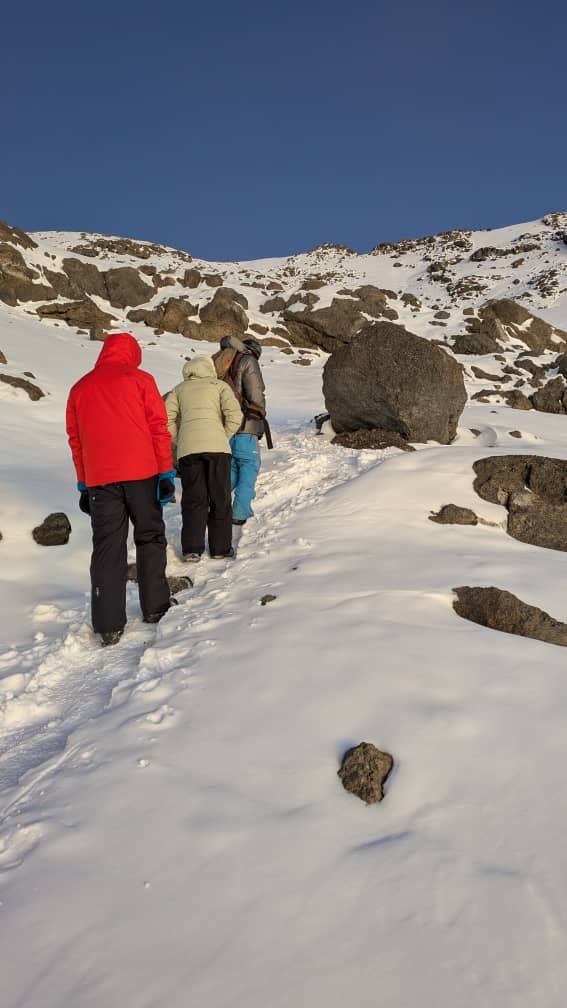
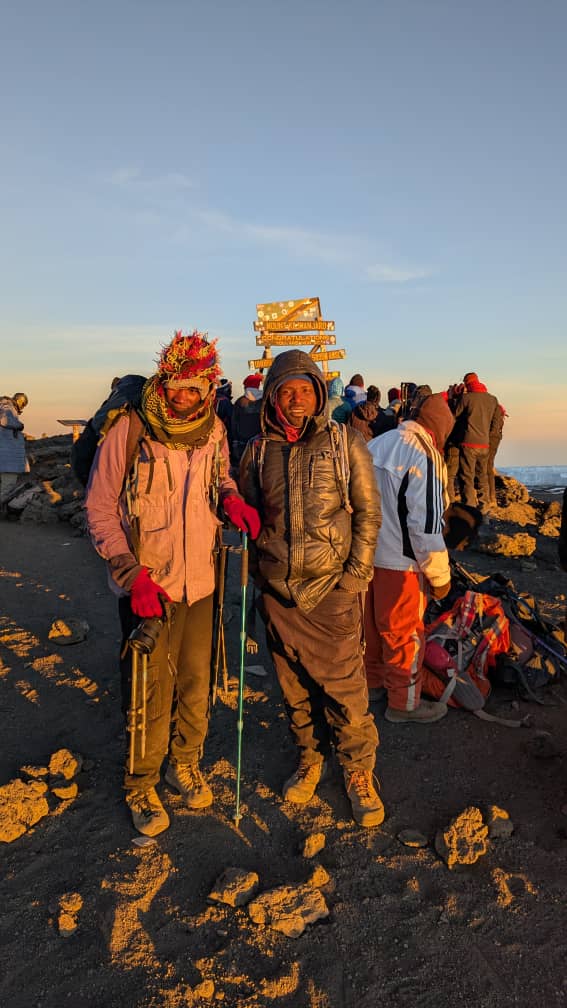
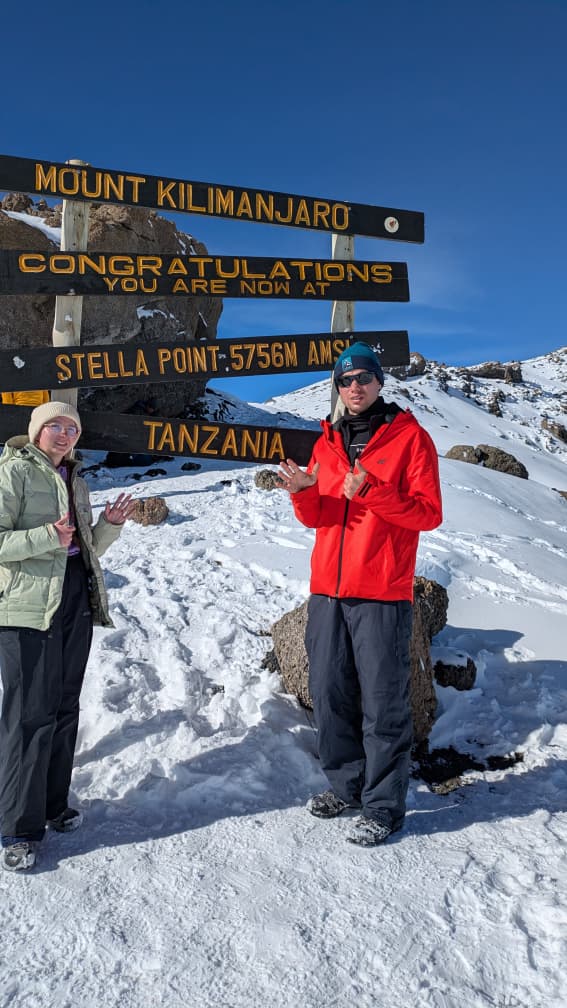
This is the pinnacle of your Kilimanjaro journey. You’ll wake up around midnight for a pre-dawn start. The trek from Kibo Hut to Uhuru Peak (5,895m / 19,341ft) is the most demanding part, involving a steep ascent on loose scree. The goal is to reach Stella Point (5,756m / 18,885ft) by sunrise, and then continue to Uhuru Peak, the highest point in Africa. After celebrating your achievement, you’ll descend back to Kibo Hut for a short rest and then continue descending further to Horombo Hut. This is a very long and exhausting day, requiring immense mental and physical fortitude.
Day 6: Horombo Hut (3,700m / 12,139ft) to Marangu Gate (1,800m / 5,905ft)
After breakfast at Horombo Hut, you’ll begin your final descent. The trek takes you through the moorland and then back into the montane forest. The vegetation becomes lusher as you descend. You’ll reach Marangu Gate, where you’ll have a chance to thank your guides and porters and receive your climbing certificates. From here, you’ll be transferred back to your hotel in Moshi. It’s a day of relief, accomplishment, and reflection on your incredible journey.
Day 7: Rest Day in Moshi / Departure
This day is allocated for rest and recovery in Moshi. You can relax at your hotel, explore the town, or perhaps enjoy some local cuisine. Depending on your flight schedule, you might depart today, or you could extend your stay in Tanzania to enjoy a safari or visit Zanzibar. This extra day ensures you don’t feel rushed after your demanding trek.
Preparing for Your 08 December 2026 Kilimanjaro Trek
Successful Kilimanjaro trekking is a combination of choosing the right route, adequate preparation, and a bit of luck. For our 08 December 2026 departure, here’s what you need to focus on:
Physical Training: Building Your Stamina
Kilimanjaro is not a technical climb, but it is a strenuous high-altitude trek. Your training should focus on cardiovascular endurance and leg strength. Start your training at least 3-4 months before your trek.
- Cardiovascular Exercise: Aim for at least 3-4 sessions per week. Activities like hiking (with a backpack), running, cycling, swimming, and stair climbing are excellent.
- Hiking: This is the most relevant training. Try to do at least one long hike (4-6 hours) every week, preferably on varied terrain and with inclines. Gradually increase the weight of your backpack.
- Strength Training: Focus on leg muscles (quadriceps, hamstrings, calves) and core strength. Squats, lunges, and step-ups are beneficial.
- Stair Climbing: If you don’t have access to hills, stair climbing (with a weighted pack) is a great substitute.
Mental Preparation: The Mind Game
Kilimanjaro is as much a mental challenge as a physical one. The summit night, in particular, requires significant mental fortitude. Visualize success, stay positive, and remember why you’re undertaking this challenge. Breaking down the trek into daily goals can be very helpful.
Acclimatization Strategy
The Rongai route’s 7-day itinerary is designed for good acclimatization. However, personal acclimatization varies. ‘Pole pole’ (slowly, slowly) is the mantra on Kilimanjaro. Listen to your body, drink plenty of water, and inform your guide immediately if you experience any symptoms of altitude sickness.
Health and Medical Considerations
Consult your doctor well in advance of your trip to discuss vaccinations and any personal health concerns. They may recommend altitude sickness medication like Diamox. Ensure you have a comprehensive travel insurance policy that covers high-altitude trekking and emergency evacuation.
What to Pack for Your Rongai Route Trek
Packing correctly is crucial for comfort and safety on Kilimanjaro. Layers are key, as temperatures can fluctuate dramatically from the base to the summit and from day to night. Our 08 December 2026 departure will experience typical December weather, which can be varied, but generally cooler at higher altitudes and potentially with some rain lower down.
Essential Packing List for Kilimanjaro
- Clothing:
- Moisture-wicking base layers (synthetic or merino wool)
- Insulating mid-layers (fleece jacket or down vest)
- Waterproof and windproof outer shell jacket and pants
- Insulated, waterproof hiking trousers
- Warm hiking trousers (fleece-lined)
- Thermal underwear (tops and bottoms)
- T-shirts (quick-drying)
- Hiking socks (wool or synthetic, multiple pairs)
- Warm socks for summit night
- Gloves: Liner gloves, waterproof insulated outer gloves/mittens
- Warm hat (fleece or wool)
- Sun hat or cap
- Buff or neck gaiter
- Footwear:
- Broken-in hiking boots (waterproof, sturdy, ankle support)
- Camp shoes or trainers (for evenings)
- Gaiters (to keep debris out of boots)
- Sleeping Gear:
- Sleeping bag (rated to -10°C to -20°C / 0°F to -4°F)
- Sleeping bag liner (optional, for extra warmth)
- Inflatable sleeping mat (if not provided)
- Equipment:
- Backpack (40-60 liters)
- Daypack (20-30 liters)
- Water bottles or hydration reservoir (at least 3 liters capacity)
- Water purification tablets or filter
- Headlamp with extra batteries
- Trekking poles (highly recommended)
- Sunglasses
- Sunscreen (SPF 30+)
- Lip balm with SPF
- Insect repellent (for lower altitudes)
- First-aid kit (personal medications, blister treatment, pain relievers)
- Hand sanitizer
- Toiletries (biodegradable soap, toothbrush, toothpaste, wet wipes)
- Quick-dry towel
- Camera and extra batteries/power bank
- Snacks (energy bars, nuts, dried fruit)
- Duct tape (for repairs)
- Personal documents (passport, visa, insurance details)
Your Guides, Porters, and Cook: The Backbone of Your Trek
On any Kilimanjaro climb, the crew is paramount. Our team consists of experienced, certified guides who are trained in first aid and high-altitude trekking. They are supported by a dedicated team of porters who carry the bulk of the equipment, and skilled cooks who prepare nutritious meals. For the 7 Days Rongai Route – 08 December 2026 Departure, you can expect:
- Experienced Guides: Knowledgeable about the mountain, acclimatization, safety protocols, and local flora and fauna. They are your primary resource for a safe and enjoyable trek.
- Strong Porters: Efficient and respectful, they ensure you only need to carry your daypack. They are vital for transporting tents, food, and cooking equipment.
- Talented Cooks: Preparing delicious and varied meals, from hearty breakfasts to satisfying dinners, ensuring you have the energy needed for the climb.
We adhere to fair porter treatment policies, ensuring they are well-equipped, fed, and compensated. This not only provides a better experience for our clients but also ensures a motivated and professional trekking crew.
Cost Considerations for Your 2026 Kilimanjaro Trek
The cost of a Kilimanjaro trek can vary significantly based on the route, duration, operator, and inclusions. For our 7 Days Rongai Route – 08 December 2026 Departure, we offer a comprehensive package designed for value and safety. While exact pricing is best obtained via a direct quote, typical factors influencing the cost include:
- Park entrance fees and camping/hut fees
- Guide and porter salaries and welfare
- Food and cooking equipment
- Tents and camping equipment
- Transportation to and from the mountain
- Emergency rescue fees
- Accommodation before and after the trek (often included in packages)
When comparing prices, always look at what is included. Our packages typically cover all the essentials for a safe and comfortable climb. For precise pricing for the 08 December 2026 departure, please contact us directly. We believe in transparent pricing and providing excellent value for a once-in-a-lifetime experience.
Typical Inclusions for a 7-Day Rongai Route Trek:
- All park entry fees, camping/hut fees, and rescue fees
- Professional, licensed Kilimanjaro guides
- Assistant guides (ratio of 1:2 guides to clients)
- Porters to carry all group gear (tents, food, cooking equipment)
- All meals on the mountain (breakfast, lunch, dinner)
- Boiled water on the mountain
- Accommodation in hotel before and after the trek (usually 2 nights)
- Portable toilet tent
- Group camping equipment (tents, mess tent, table, chairs)
- Transfer from/to Kilimanjaro International Airport (JRO) and Moshi
- Medal and certificate upon successful summit
Typical Exclusions:
- International flights
- Visa fees
- Travel insurance (mandatory)
- Personal climbing gear (sleeping bag, boots, etc.)
- Tips for guides, porters, and cook (a significant part of their income)
- Soft drinks, alcoholic beverages, and personal snacks
- Optional expenses (e.g., souvenirs, extra hotel nights)
Booking Your 08 December 2026 Kilimanjaro Adventure
Booking your 7 Days Rongai Route – 08 December 2026 Departure with us means you’re choosing a reputable operator committed to safety, ethical practices, and delivering an unforgettable experience. Planning for a 2026 trek allows ample time for preparation and securing your spot on this popular group departure.
Why Book a Fixed Departure?
- Cost-Effective: Group departures often offer better value due to shared logistics.
- Social Aspect: Trekking with like-minded individuals can be a rewarding social experience.
- Guaranteed Departure: Once booked, the departure date is fixed, allowing you to plan the rest of your trip with certainty.
- Solo Traveler Friendly: These dates are ideal for solo travelers looking to join a group.
To secure your place on the 08 December 2026 Rongai Route trek, we typically require a deposit to confirm your booking. The balance is usually due a few months before the departure date. Early booking is highly recommended, especially for fixed dates, as spots can fill up quickly. We are already taking bookings for 2026 and 2027, so don’t delay!
For any questions regarding this specific departure, the Rongai Route, or to discuss custom trek options for 2026 or 2027, please do not hesitate to reach out. Our team is ready to assist you in planning your dream Kilimanjaro adventure.
You can contact us via WhatsApp at +255616946642 or email us at topguideadventures@gmail.com. For alternative inquiries, our backup email is info@topguideadventures.com. Let us help you make your Kilimanjaro dream a reality!
We also offer other fantastic routes and departures, including the popular Machame Route. You can find more information on our group departures and shared tours here: Tanzania Group Departures and Machame Route Group Departures. For broader travel inspiration, explore our blog: Tanzania Safari Tours Blog.







 Veedesigner
 Fatma Kizanga
 Benjamin Waryuba
 Philip Philip
 John jr Itaja
 Antonia Optatus
 Edith Kanyere
 Neema Iddy
 Kelvin Boniphace
 Damari Maiga



