

Are you looking for an unforgettable adventure in 2026? Joining a 7 Days Machame Route – 11 December 2026 Departure offers a fantastic opportunity to conquer Africa’s highest peak, Mount Kilimanjaro, with a well-planned and supported group. The Machame Route, often called the “Whiskey Route,” is celebrated for its scenic beauty and excellent acclimatization profile, making it one of the most popular choices for trekkers aiming for the summit. This specific departure date, December 11, 2026, falls within a favorable trekking season, promising good weather conditions for your ascent.
As a leading Tanzania tour operator, we specialize in creating memorable Kilimanjaro expeditions. This guide is designed to provide you with all the essential information you need to prepare for this exciting Kilimanjaro trekking journey, from understanding the route’s daily progression to practical advice on gear, training, and what to expect on the mountain. We’ll cover everything you need to know to make your 2026 Kilimanjaro climb a success.
Why Choose the Machame Route for Your 2026 Kilimanjaro Expedition?
The Machame Route stands out for several compelling reasons, especially for those planning a Kilimanjaro trek in 2026. Its popularity stems from its high success rates, largely due to its gradual ascent, which aids in acclimatization. Unlike some shorter routes, Machame allows your body more time to adjust to the increasing altitude, significantly reducing the risk of altitude sickness.
Key advantages of the Machame Route include:
- Scenic Beauty: The route traverses diverse ecosystems, from lush rainforests to alpine deserts and the arctic summit zone, offering breathtaking views at every turn.
- Excellent Acclimatization: The “climb high, sleep low” strategy is naturally incorporated into the Machame itinerary, promoting better acclimatization.
- Higher Success Rates: Due to its profile, trekkers on the Machame Route generally experience higher summit success rates compared to shorter, more direct routes.
- Experienced Guides and Porters: Our team is highly trained in mountain safety, first aid, and navigation, ensuring your well-being throughout the trek.
The 7 Days Machame Route – 11 December 2026 Departure is specifically designed to maximize your chances of reaching Uhuru Peak while providing a rich and rewarding experience of Kilimanjaro’s unique environment. The 7-day duration is considered optimal for acclimatization on this route.
Understanding the December 2026 Trekking Season on Kilimanjaro
December marks the beginning of the short rainy season on Kilimanjaro, but it’s often a mixed bag. While there can be some rain, particularly in the lower rainforest sections, the higher altitudes often remain clear and dry. Importantly, December also sees fewer crowds on the mountain compared to the peak seasons of January-March and June-October. This means a more serene trekking experience. The air is typically crisp, and while temperatures can be cold, especially at higher elevations, the possibility of snow on the summit is less common than in the colder months of July and August. For trekkers planning their 2026 Kilimanjaro climb, December offers a good balance of manageable weather, fewer people, and a chance for clearer summit views.
Key considerations for a December 2026 climb:
- Weather: Expect variable conditions. Rainforest may be wet, but higher zones can be clear and cold.
- Crowds: Significantly fewer trekkers than during peak seasons.
- Visibility: Generally good, though occasional cloud cover is possible.
- Temperatures: Cold at altitude, especially at night and on summit day.
The 11 December 2026 departure is strategically placed to take advantage of the early part of this season, often offering some of the clearest skies before the year fully transitions into January.
The Machame Route Itinerary: A Day-by-Day Breakdown
The 7-day Machame Route is designed for optimal acclimatization. Each day involves trekking through distinct ecological zones, culminating in a challenging but rewarding summit push. Here’s a typical itinerary for our 7 Days Machame Route – 11 December 2026 Departure:
Day 1: Machame Gate (1,800m / 5,905ft) to Machame Camp (3,050m / 10,007ft)
Distance: 11 km / 6.8 miles
Trekking Time: 5-7 hours
Habitat: Rainforest
Your Kilimanjaro adventure begins at Machame Gate, where you’ll complete registration formalities. The trek starts immediately, descending into the forest before climbing steadily. You’ll walk through dense, humid rainforest, often accompanied by the sounds of birds and monkeys. The path can be muddy, so good waterproof boots are essential. Your first camp is Machame Camp, nestled at the edge of the forest.
Day 2: Machame Camp (3,050m / 10,007ft) to Shira Camp (3,850m / 12,631ft)
Distance: 5 km / 3.1 miles
Trekking Time: 4-6 hours
Habitat: Moorland
Today’s trek is shorter but steeper, taking you out of the rainforest and into the moorland zone. The landscape opens up, offering spectacular views of the surrounding plains and, on a clear day, Mount Kilimanjaro itself. You’ll traverse a ridge and then descend into a gorge before ascending to Shira Camp, a stunning plateau with excellent views. This day’s “climb high, sleep low” aspect is crucial for acclimatization.
Day 3: Shira Camp (3,850m / 12,631ft) to Barranco Camp (3,970m / 13,024ft)
Distance: 10 km / 6.2 miles
Trekking Time: 6-8 hours
Habitat: Alpine Desert
This is a challenging day, primarily due to the altitude and the route’s path. You’ll trek across the Shira Plateau, heading east towards Kilimanjaro’s volcanic cone. The landscape becomes increasingly barren and rocky. The highlight is reaching Lava Tower (4,600m / 15,091ft), where you’ll have lunch and a chance to acclimatize further. Afterwards, you descend to Barranco Camp, situated below the imposing Barranco Wall. This “climb high, sleep low” pattern is vital for your body’s adjustment.
Day 4: Barranco Camp (3,970m / 13,024ft) to Karanga Camp (4,035m / 13,238ft)
Distance: 5 km / 3.1 miles
Trekking Time: 4-5 hours
Habitat: Alpine Desert
Today involves conquering the famous Barranco Wall, a steep but manageable scramble that requires careful footing and assistance from your guides. Once at the top, the views are incredible. The rest of the day’s trek is a steady climb through the alpine desert, with Karanga Camp providing a picturesque spot for your overnight stay. The altitude gain is minimal, allowing for good rest.
Day 5: Karanga Camp (4,035m / 13,238ft) to Barafu Camp (4,640m / 15,223ft)
Distance: 4 km / 2.5 miles
Trekking Time: 3-4 hours
Habitat: Alpine Desert
This is another shorter trekking day, designed to conserve energy for the summit push. You’ll trek across a barren landscape, with Barafu Camp serving as your base for the summit attempt. Barafu Camp is situated on a rocky ridge, exposed to the elements. After arriving and having an early dinner, you’ll rest and prepare for the ultimate challenge ahead, aiming to get as much sleep as possible before midnight.
Day 6: Summit Day! Barafu Camp (4,640m / 15,223ft) to Uhuru Peak (5,895m / 19,341ft) and descend to Mweka Camp (3,100m / 10,170ft)
Distance: 13 km / 8.1 miles (summit) + 7 km / 4.3 miles (descent)
Trekking Time: 7-8 hours (ascent) + 4-6 hours (descent)
Habitat: Arctic Zone to Rainforest
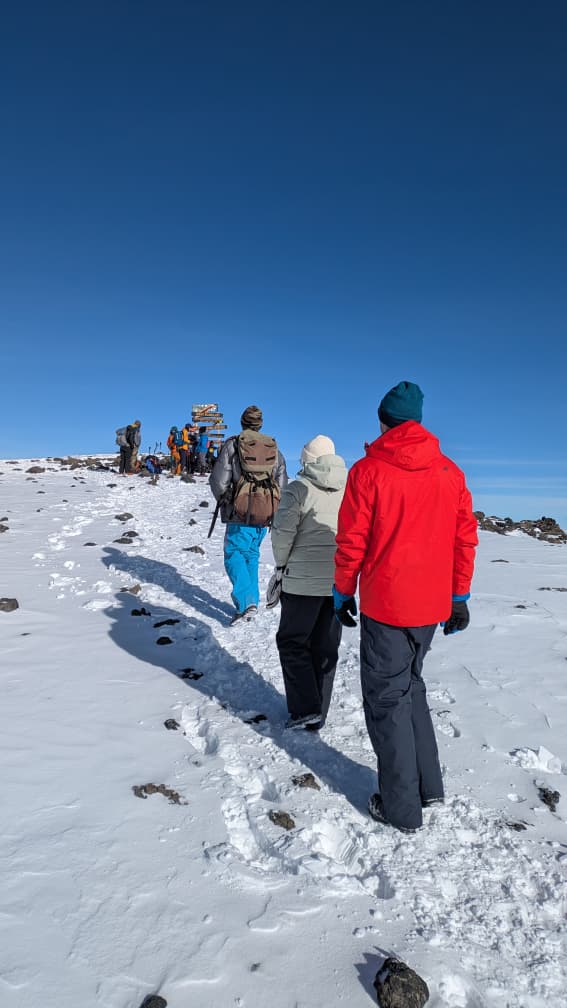
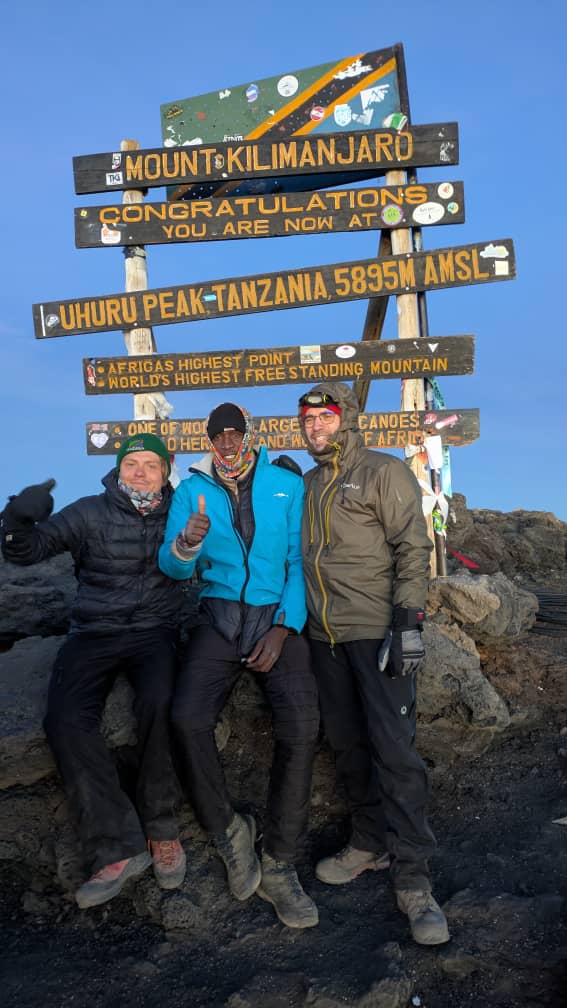
The summit attempt begins in the early hours of the morning (around midnight). You’ll trek in the dark, guided by headlamps, ascending steeply towards Stella Point (5,756m / 18,885ft) and then Uhuru Peak, the highest point in Africa. The cold is intense, and the altitude is extreme. Reaching Uhuru Peak is an emotional and triumphant moment. After celebrating, you begin the long descent, passing Barafu Camp and continuing down to Mweka Camp. This is a very long and demanding day.
Day 7: Mweka Camp (3,100m / 10,170ft) to Mweka Gate (1,500m / 4,921ft)
Distance: 10 km / 6.2 miles
Trekking Time: 3-4 hours
Habitat: Forest
Your final day on the mountain involves a relatively short trek through the remaining forest to Mweka Gate. You’ll have a chance to celebrate your incredible achievement with your trekking team. From the gate, you’ll be transferred back to your hotel in Moshi, where you can relax and reflect on your Kilimanjaro journey.
What’s Included in Your 7 Days Machame Route Trek?
When you book the 7 Days Machame Route – 11 December 2026 Departure with us, we aim to provide a comprehensive and comfortable experience. Our packages are designed to handle the logistical complexities of climbing Kilimanjaro, allowing you to focus on the trek itself. While specific inclusions can vary slightly, our standard packages typically cover:
Standard Inclusions:
- Professional Guides: Experienced, licensed guides trained in first aid and mountain rescue.
- Support Crew: Dedicated porters to carry your main gear and cooks to prepare nutritious meals.
- Park Fees: All necessary Kilimanjaro National Park entrance fees, camping fees, and rescue fees.
- Accommodation: Camping equipment (tents, sleeping mats) for the duration of the trek.
- Meals: All meals (breakfast, lunch, dinner) prepared by our cooks on the mountain.
- Water: Boiled and purified drinking water provided daily.
- Transfers: All necessary road transfers to and from the mountain gates.
- Accommodation: One night’s pre-climb hotel accommodation in Moshi (B&B).
- Safety Equipment: Oxygen cylinders and a comprehensive first-aid kit.
What’s Not Included (Typical Exclusions)?
To ensure transparency, it’s important to understand what is generally not covered by our trekking packages. This allows you to budget accordingly for personal expenses and optional items.
Typical Exclusions:
- Flights: International flights to and from Kilimanjaro International Airport (JRO).
- Visas: Visa fees for Tanzania.
- Travel Insurance: Comprehensive travel and medical insurance, including emergency evacuation. This is mandatory.
- Personal Gear: Sleeping bag, hiking boots, warm clothing, backpack, etc. (We provide a detailed packing list).
- Tips: Gratuities for guides, porters, and cooks. This is a significant part of their income.
- Personal Expenses: Drinks (other than water), snacks, souvenirs, laundry.
- Optional Accommodation: Post-climb hotel nights in Moshi (can be added).
- Medical Expenses: Personal medical costs, vaccinations.
Preparing for Your 2026 Kilimanjaro Trek: Training and Gear
Success on Kilimanjaro, especially on a challenging route like Machame, relies heavily on physical preparation and having the right equipment. For your 7 Days Machame Route – 11 December 2026 Departure, starting your preparation early is key.
Physical Training:
The most important aspect of training is building cardiovascular endurance and leg strength. Focus on activities like:
- Hiking: Regularly hike with a weighted backpack, ideally on hilly terrain. Practice walking downhill as well as uphill.
- Cardiovascular Exercise: Engage in activities like running, cycling, swimming, or stair climbing at least 3-4 times a week.
- Strength Training: Focus on leg and core strength. Squats, lunges, and step-ups are beneficial.
The goal is not to become a marathon runner, but to build stamina and ensure your body can handle sustained effort over multiple days at altitude.
Essential Gear Checklist:
Having the right gear is critical for comfort and safety. Here’s a summary of essential items:
Key Gear Items:
- Layering System: Base layers (thermals), mid-layers (fleece), and an outer waterproof/windproof shell jacket and pants.
- Footwear: Broken-in, waterproof hiking boots with good ankle support. Camp shoes or trainers for evenings.
- Headwear: Warm hat covering the ears, sun hat or cap, balaclava or neck gaiter for summit night.
- Handwear: Warm, waterproof gloves or mittens, and liner gloves.
- Sleeping Bag: A 4-season sleeping bag rated to at least -10°C (0°F).
- Backpack: A comfortable daypack (30-40 liters) for essentials you carry daily.
- Trekking Poles: Highly recommended for stability and reducing strain on knees.
- Headlamp: With extra batteries.
- Sun Protection: High SPF sunscreen, sunglasses, lip balm.
- Hydration: Water bottles or hydration reservoir (at least 2-3 liters capacity).
- Personal Items: Toiletries, personal first-aid kit, camera, power bank.
We will provide a detailed packing list upon booking your Kilimanjaro trek. It’s advisable to purchase or rent gear well in advance of your December 2026 departure.
Safety and Acclimatization on Kilimanjaro
Safety is our utmost priority. Kilimanjaro is a high-altitude mountain, and acclimatization is the most critical factor for a successful and safe climb. Our guides are trained to recognize the symptoms of Acute Mountain Sickness (AMS) and will monitor you closely throughout the trek.
Key Safety and Acclimatization Practices:
- Pace: We emphasize a slow, steady pace (pole pole).
- Hydration: Drink plenty of fluids (3-4 liters per day) to aid acclimatization.
- Monitoring: Guides will regularly ask about your well-being and monitor for AMS symptoms.
- Descent: If AMS symptoms become severe, descent is the only effective treatment.
- Oxygen: Portable oxygen cylinders are carried for emergencies.
- Communication: Guides carry radios or satellite phones for communication.
The 7-day Machame route is specifically chosen for its excellent acclimatization profile, increasing your chances of reaching the summit safely. Our team’s expertise ensures you are in capable hands for your 2026 Kilimanjaro adventure.
Understanding Tipping on Kilimanjaro
Tipping is an important part of the culture on Kilimanjaro and a significant source of income for the support crew. While not mandatory, it is customary and greatly appreciated. We provide guidelines on recommended tipping amounts, which are usually calculated per trekker.
General Tipping Guidelines (per trekker):
- Lead Guide: $20 – $25 per day
- Assistant Guide(s): $15 – $20 per day per assistant
- Cook: $12 – $15 per day
- Porter(s): $8 – $10 per day per porter
These amounts are approximate and can be adjusted based on the service received. Tips are typically pooled and distributed by the lead guide at the end of the trek. We can provide more detailed recommendations upon booking your 7 Days Machame Route – 11 December 2026 Departure.
Joining a Group Departure: Benefits and Considerations
Our 7 Days Machame Route – 11 December 2026 Departure is a group departure, offering a fantastic way to experience Kilimanjaro with like-minded adventurers. Group treks often provide cost savings and a shared sense of camaraderie.
Benefits of Group Treks:
- Cost-Effective: Sharing costs for guides, porters, and park fees makes group treks more affordable.
- Social Experience: Trekking with others can be more motivating and enjoyable.
- Shared Expertise: You benefit from the collective experience and support within the group.
- Fixed Dates: Ideal for those who need a confirmed departure date for planning purposes.
Considerations for Solo Travelers:
If you are a solo traveler, joining a group departure like our December 11, 2026 date is an excellent option. You’ll have company on the mountain and share the costs. We ensure solo travelers are well-integrated into the group. If you prefer complete privacy, we also offer private Kilimanjaro treks, which can be arranged for any date, including in 2026 and 2027.
You can explore other available group departures and dates on our website, including a comprehensive list of Kilimanjaro group departures dates and information on Tanzania safari tours blog for broader travel inspiration.
Booking Your 2026 Kilimanjaro Adventure
Ready to secure your spot on the 7 Days Machame Route – 11 December 2026 Departure? Booking with us means partnering with a trusted local operator committed to providing an exceptional mountain experience. We handle all the details, from permits and logistics to ensuring you have experienced guides and a well-equipped support team.
To book or inquire further:
- WhatsApp: Reach us directly at +255616946642 for quick inquiries and booking assistance.
- Email: Send your questions or booking requests to topguideadventures@gmail.com or our backup email info@topguideadventures.com.
We recommend booking your 2026 Kilimanjaro climb as early as possible, especially for fixed group departures, to guarantee your place. Early booking also allows ample time for training and gear preparation. Don’t miss this chance to conquer Kilimanjaro on our popular Machame Route, departing December 11, 2026.
Alternative Kilimanjaro Routes and 2027 Planning
While the Machame Route is excellent, we understand that trekkers may have different preferences or requirements. If the 7 Days Machame Route – 11 December 2026 Departure doesn’t perfectly fit your schedule or desired experience, consider these alternatives:
- Lemosho Route: Similar to Machame but starts from a more remote western side, offering stunning scenery and good acclimatization over 7-8 days.
- Marangu Route: The “Coca-Cola” route, known for its hut accommodation and direct ascent. It’s generally considered less scenic and has lower acclimatization profiles.
- Northern Circuit: The longest route, offering the best acclimatization and highest success rates, typically 9-10 days.
If you’re already thinking ahead to 2027, we can help you plan your Kilimanjaro expedition for that year as well. We offer private climbs and can customize itineraries to suit your specific needs, whether you’re looking for a longer acclimatization period, a specific route, or a different departure date. Feel free to contact us to discuss your 2027 Kilimanjaro trek plans.
We also offer incredible Tanzania safari tours and Zanzibar holidays, allowing you to combine your mountain adventure with the best of what Tanzania has to offer. Check out our all Tanzania safaris group departures dates for more options.
Embarking on a Kilimanjaro climb is a significant undertaking, and choosing the right route and operator is crucial. Our team is dedicated to making your journey safe, enjoyable, and successful. We look forward to helping you achieve your dream of standing on the Roof of Africa. For detailed reviews and testimonials, you can visit our TripAdvisor page.







 Veedesigner
 Fatma Kizanga
 Benjamin Waryuba
 Philip Philip
 John jr Itaja
 Antonia Optatus
 Edith Kanyere
 Neema Iddy
 Kelvin Boniphace
 Damari Maiga



