
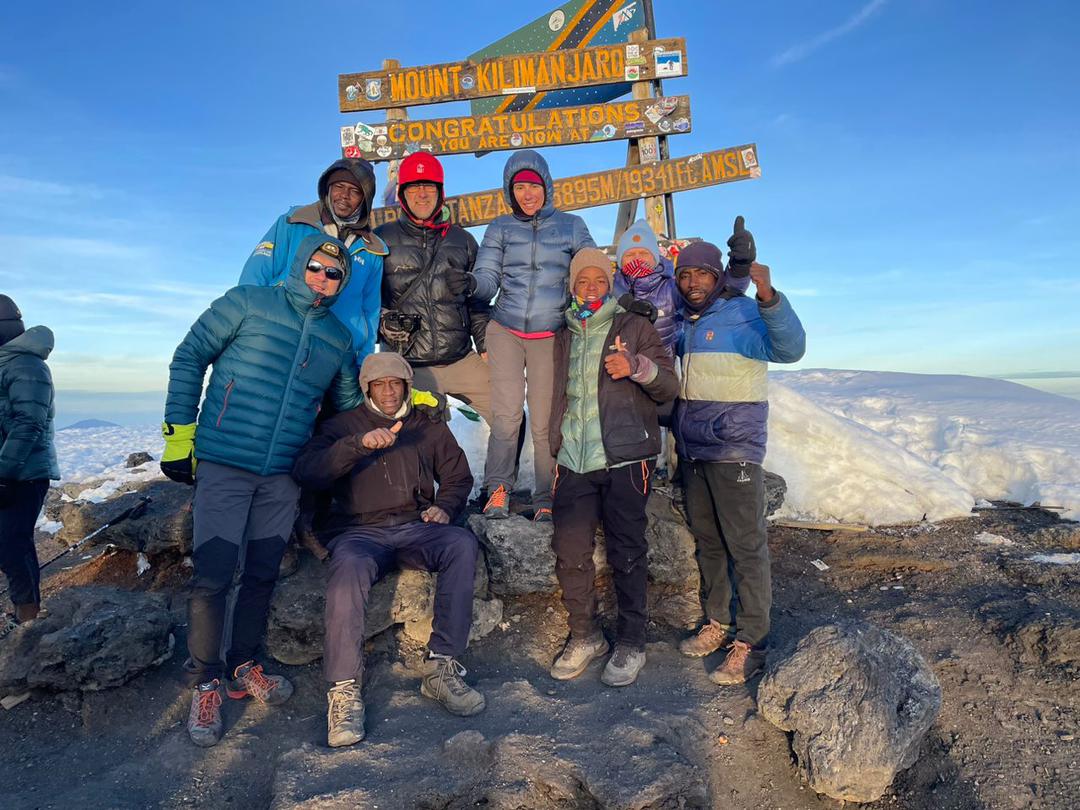
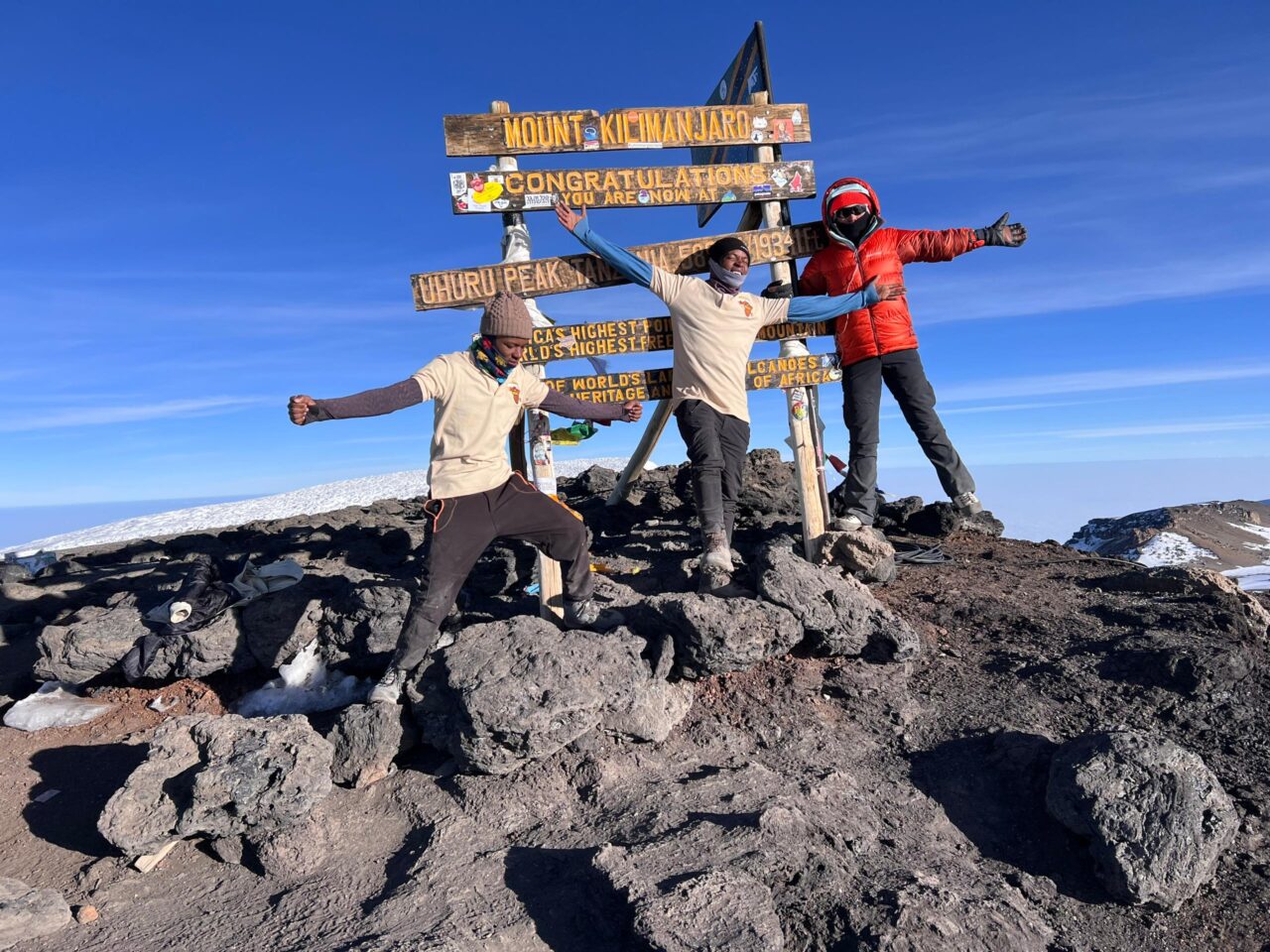
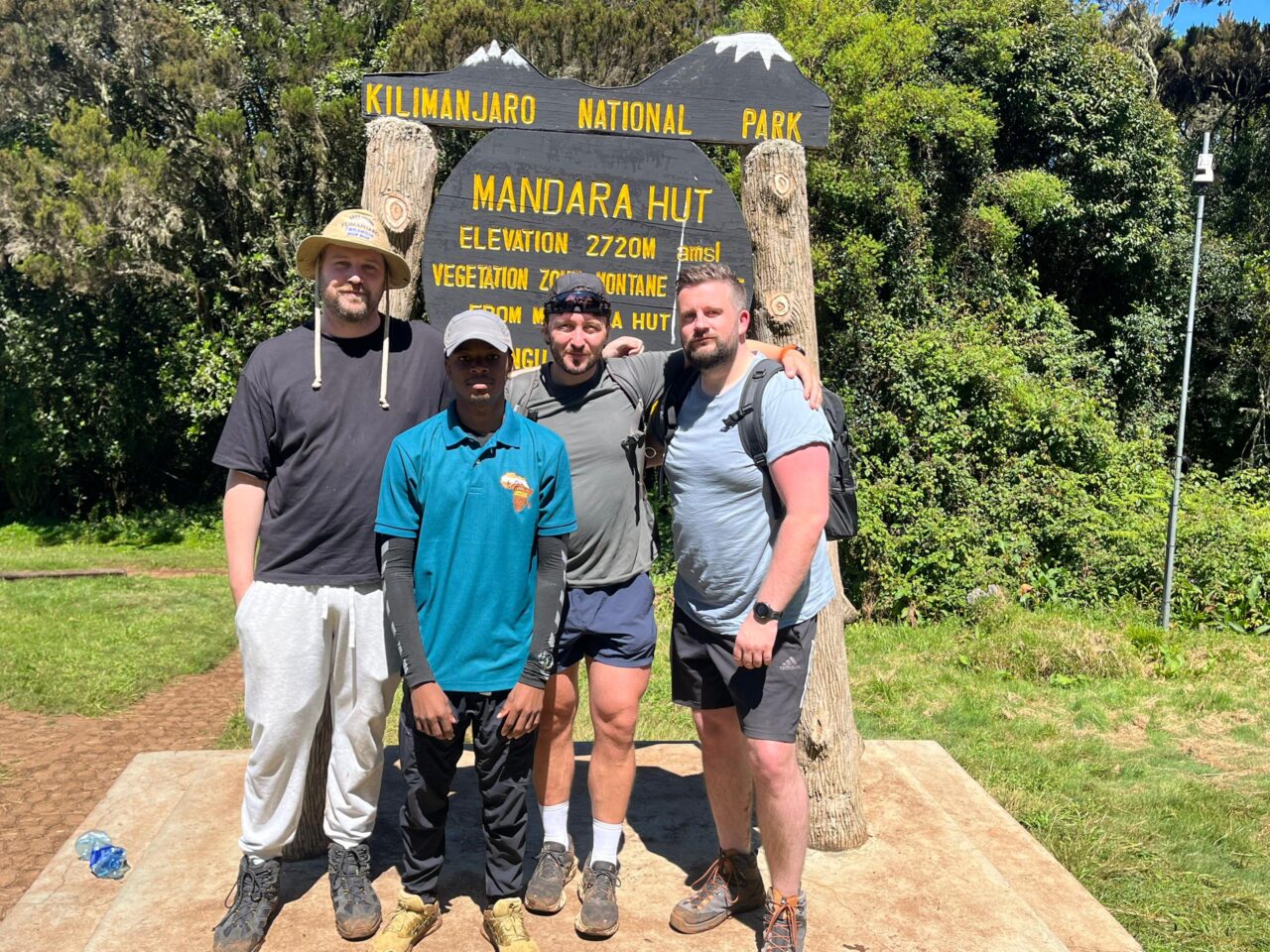
Are you dreaming of standing on the roof of Africa? The 6 Days Machame Route – 19 December 2026 Departure offers a fantastic opportunity to conquer Mount Kilimanjaro with a well-planned itinerary designed for optimal acclimatization and summit success. This specific departure date in late 2026 is ideal for those looking to experience the mountain during a favorable season, often with clearer skies and cooler temperatures before the new year.
The Machame Route, often nicknamed the ‘Whiskey Route’ due to its challenging yet rewarding nature and higher success rates compared to some shorter routes, is one of the most popular choices for Kilimanjaro ascents. Its popularity stems from its excellent acclimatization profile, stunning scenery, and the quality of the trekking experience it provides. Joining a fixed group departure like the 19 December 2026 date means you’ll share the adventure with like-minded trekkers, fostering camaraderie while benefiting from the expertise of our seasoned guides and porters.
This article will guide you through everything you need to know about this specific Kilimanjaro adventure, from route specifics and preparation to what to expect on the mountain and how to book your place. We’ll cover why the 6-day Machame is a smart choice, the benefits of a December departure, and how Top Guide Adventures ensures your safety and enjoyment throughout the climb.
Why Choose the 6-Day Machame Route for Your Kilimanjaro Climb?
The Machame Route stands out for several key reasons, making it a preferred option for many aspiring Kilimanjaro climbers. Its primary advantage lies in its gradual ascent profile, which significantly aids in acclimatization. Unlike shorter routes that rush climbers to higher altitudes, the Machame Route allows for a slower, more natural progression, giving your body more time to adjust to the decreasing oxygen levels.
Key Advantages of the Machame Route:
- Excellent Acclimatization: The route’s ‘climb high, sleep low’ principle is naturally incorporated, helping to prevent altitude sickness.
- Scenic Beauty: You’ll traverse diverse ecosystems, from lush rainforests to alpine deserts and the arctic zone, offering breathtaking views at every stage.
- Higher Success Rate: Due to its superior acclimatization, the Machame Route generally boasts higher summit success rates compared to shorter, more direct paths.
- Varied Trekking Experience: It’s considered a more challenging route than Marangu, offering a more rugged and rewarding trekking experience.
The 6-day itinerary is a popular choice as it balances thorough acclimatization with a manageable timeframe. While a 7-day option offers even better acclimatization, the 6-day Machame is considered a very viable and popular option for many, especially when guided by experienced professionals who monitor every climber’s health closely.
The December 2026 Departure: Timing and Weather Considerations
Choosing a departure date is crucial for a Kilimanjaro climb, and the 19 December 2026 date falls within a generally favorable period. Kilimanjaro experiences two main dry seasons, which are ideal for trekking:
- June to October: This is the longest dry season, characterized by clear skies, cooler temperatures, and lower humidity.
- December to February: This is the shorter dry season, offering good weather with warmer temperatures and clear mornings, though there’s a slightly higher chance of rain showers, especially at lower altitudes.
A departure on December 19, 2026, places you squarely in the second dry season. This means you can anticipate relatively stable weather, with cold temperatures at higher elevations and potentially pleasant conditions at the base camps. The festive spirit of the holiday season can also add a unique charm to your adventure. While showers are possible, they are typically brief and often occur in the afternoon, leaving mornings clear for trekking and summit attempts. The longer days of early December also provide ample daylight for your treks.
Planning for this 2026 Kilimanjaro climb means you can start your preparations well in advance. Early booking for popular dates like this is highly recommended to secure your spot on the group departure.
Understanding the Machame Route Itinerary: A 6-Day Journey
The 6-day Machame Route offers a dynamic progression through Kilimanjaro’s diverse ecological zones. Here’s a typical day-by-day breakdown:
Day 1: Machame Gate (1,800m/5,905ft) to Machame Camp (3,000m/9,842ft)
Distance: 11 km / 7 miles
Trekking Time: 5-7 hours
Habitat: Rainforest
After an early breakfast and a briefing at your hotel in Moshi, you’ll be driven to the Machame Gate. After park registration, the trek begins through dense rainforest. The path can be muddy and steep in places, and you might spot colobus monkeys and other wildlife. You’ll reach Machame Camp in the late afternoon, nestled at the edge of the forest zone.
Day 2: Machame Camp (3,000m/9,842ft) to Shira Camp (3,850m/12,631ft)
Distance: 5 km / 3 miles
Trekking Time: 4-6 hours
Habitat: Moorland
Today’s trek takes you out of the rainforest and into the moorland zone. The path is steep but offers spectacular views of the surrounding landscape and, on clear days, Kibo peak. You’ll cross a deep ravine and a scenic stream before arriving at Shira Camp, a large, grassy plateau with incredible vistas.
Day 3: Shira Camp (3,850m/12,631ft) to Lava Tower (4,600m/15,091ft) to Barranco Camp (3,950m/12,959ft)
Distance: 10 km / 6 miles
Trekking Time: 7-8 hours
Habitat: Alpine Desert
This is a significant day for acclimatization. You’ll ascend steadily towards Lava Tower, a prominent volcanic plug, reaching an altitude of 4,600 meters. This high-altitude exposure is crucial. After a break and lunch, you’ll descend to Barranco Camp. This ‘climb high, sleep low’ strategy is a cornerstone of successful acclimatization on the Machame Route. Barranco Camp is set in a stunning valley beneath the imposing Barranco Wall.
Day 4: Barranco Camp (3,950m/12,959ft) to Karanga Camp (4,000m/13,123ft)
Distance: 5 km / 3 miles
Trekking Time: 4-5 hours
Habitat: Alpine Desert
The day begins with the famous Barranco Wall scramble. It’s a steep climb, but the path is well-maintained, and your guides will assist you. The views from the top are rewarding. After the wall, the trail becomes less steep, traversing the Karanga Valley. You’ll eventually reach Karanga Camp, situated on a ridge overlooking the valley.
Day 5: Karanga Camp (4,000m/13,123ft) to Barafu Camp (4,650m/15,255ft)
Distance: 4 km / 2.5 miles
Trekking Time: 3-4 hours
Habitat: Alpine Desert
This is a shorter trekking day, allowing you to rest and prepare for the summit push. The landscape becomes increasingly barren and rocky. You’ll ascend to Barafu Camp, a campsite located on a rocky ridge. From here, you’ll have spectacular views of Kibo and Mawenzi peaks. You’ll have an early dinner and an early night to conserve energy for the midnight start to the summit.
Day 6: Barafu Camp (4,650m/15,255ft) to Uhuru Peak (5,895m/19,341ft) to Mweka Camp (3,100m/10,170ft)
Distance: 5 km / 3 miles (ascent) + 12 km / 7.5 miles (descent)
Trekking Time: 7-8 hours (ascent) + 5-7 hours (descent)
Habitat: Arctic
The summit attempt begins around midnight. You’ll trek up steep scree slopes in the dark, heading towards Stella Point (5,756m/18,885ft) on the crater rim. Reaching Stella Point by sunrise is a magical experience. From Stella Point, you’ll traverse the crater rim to Uhuru Peak, the highest point in Africa. After celebrating your achievement and taking photos, you’ll descend back to Barafu Camp for a short rest before continuing your descent to Mweka Camp, a much lower and warmer campsite.
Preparation is Key: Training and Gear for Kilimanjaro
Successfully climbing Kilimanjaro requires physical and mental preparation. The best Kilimanjaro climb experience starts long before you reach Tanzania.
Physical Training:
Your training should focus on cardiovascular fitness, strength, and endurance. Aim for:
- Aerobic Exercise: Regular activities like hiking, running, cycling, or swimming for at least 3-4 times a week.
- Strength Training: Focus on leg strength (squats, lunges) and core stability.
- Hiking with a Backpack: Practice hiking on varied terrain, including inclines, with a weighted backpack (5-10 kg) to simulate mountain conditions. Aim for long hikes (4-6 hours) on weekends.
- Altitude Simulation (if possible): While not essential, using altitude training masks or visiting high-altitude areas can be beneficial.
Start your training at least 2-3 months before your December 2026 Kilimanjaro trek.
Essential Gear:
Proper gear is critical for comfort and safety. Layers are key for adapting to the extreme temperature fluctuations on Kilimanjaro.
Key Gear Checklist:
- Base Layers: Moisture-wicking thermal tops and bottoms.
- Mid Layers: Fleece jackets or down vests for insulation.
- Outer Layer: Waterproof and windproof jacket and trousers (Gore-Tex or similar).
- Insulation Layer: A warm down or synthetic jacket for summit night.
- Headwear: Warm hat, sun hat, balaclava or neck gaiter.
- Handwear: Warm gloves and liner gloves.
- Footwear: Broken-in, waterproof hiking boots.
- Socks: Wool or synthetic hiking socks (multiple pairs).
- Sleeping Bag: Rated to at least -10°C (0°F).
- Trekking Poles: Essential for stability and reducing knee strain.
- Headlamp: With extra batteries.
- Sun Protection: High SPF sunscreen, sunglasses, lip balm.
- Hydration: Water bottles or hydration reservoir (at least 3 liters capacity).
- Backpack: Daypack (30-40 liters) and duffel bag for porters (80-100 liters).
- Personal Items: Toiletries, personal medication, small first-aid kit.
We provide a detailed gear list upon booking. Renting some items like sleeping bags and trekking poles is often possible. For your 2026 Kilimanjaro climb, ensure all gear is functional and comfortable.
Your Support Team: Guides, Porters, and Cooks
The success and enjoyment of your Kilimanjaro climb depend heavily on the dedicated team that supports you. Top Guide Adventures prides itself on employing highly trained, experienced, and ethical staff.
- Guides: Our guides are certified, experienced mountaineers with extensive knowledge of Kilimanjaro, its routes, flora, fauna, and altitude sickness management. They are trained in first aid and rescue procedures.
- Porters: They carry the bulk of your equipment, including tents, food, and sleeping bags, ensuring you can focus on trekking. They are strong, reliable, and essential to the expedition.
- Cooks: Our cooks prepare nutritious and delicious meals at every camp, providing the energy needed for the demanding trek.
We adhere to fair wages and ethical treatment for all our staff, ensuring they are well-equipped and cared for. This commitment not only benefits our team but also translates into a higher quality of service for you.
Safety and Health on Kilimanjaro
Safety is our paramount concern. Kilimanjaro is a serious undertaking, and proper safety protocols are vital.
- Acclimatization: The Machame Route’s design is inherently focused on acclimatization. Your guides will monitor you closely for signs of altitude sickness (AMS).
- Daily Health Checks: Guides will check your oxygen saturation levels and pulse rate daily.
- Hydration and Nutrition: Staying well-hydrated and eating properly are crucial for acclimatization and energy levels.
- Emergency Procedures: We carry comprehensive first-aid kits and oxygen cylinders. Our guides are trained in evacuation procedures, and we have established communication channels with park rangers and rescue services.
- Pre-Climb Medical Check: It is highly recommended to consult your doctor before your trip to ensure you are fit for high-altitude trekking. Discuss any pre-existing medical conditions.
While the 6 Days Machame Route – 19 December 2026 Departure is designed for success, it’s important to be aware of the risks associated with high-altitude climbing. Open communication with your guides about how you are feeling is essential.
What’s Included and Excluded?
Understanding the inclusions and exclusions is key to budgeting and planning your trip. For our best Kilimanjaro climb packages, you can typically expect:
Typical Inclusions:
- Kilimanjaro National Park entry fees, camping fees, and rescue fees.
- Accommodation before and after the climb in a comfortable hotel in Moshi (often 3-star or equivalent).
- All meals on the mountain (breakfast, lunch, dinner).
- Trained and experienced mountain guides.
- Porters to carry your main luggage.
- Cooks to prepare meals on the mountain.
- Bottled drinking water on the mountain (or water purification).
- Government taxes and permits.
- Portable toilet for use at camps.
- Group camping equipment (tents, mess tent, cooking gear).
- Emergency oxygen and comprehensive first-aid kit.
- Transfer from Kilimanjaro International Airport (JRO) to your hotel and back to the airport.
- Briefing and gear check before the climb.
Typical Exclusions:
- International flights to and from Kilimanjaro.
- Visa fees for Tanzania.
- Travel insurance (mandatory).
- Personal climbing gear (sleeping bag, trekking poles, etc. – though rental is often available).
- Tips for guides, porters, and cooks (this is customary and appreciated).
- Lunches and dinners in town before and after the climb.
- Alcoholic beverages, bottled water (beyond what’s provided), and personal expenses.
- Optional activities or excursions not part of the standard itinerary.
- Vaccinations or medications.
For the 19 December 2026 departure, we will provide a detailed list of inclusions and exclusions specific to your booking. Tipping is a significant part of porter and guide income, and we recommend budgeting for this. A typical tipping guideline is usually provided upon booking.
Group Departures vs. Private Climbs
Choosing between a group departure and a private climb is a significant decision. The 6 Days Machame Route – 19 December 2026 Departure is a group departure, offering specific advantages:
- Cost-Effectiveness: Group departures are generally more affordable as costs are shared among participants.
- Camaraderie: You’ll trek with other like-minded individuals, creating a supportive and fun environment.
- Fixed Dates: For those who prefer a set schedule, group departures offer guaranteed departure dates.
Private Climbs: Offer more flexibility in terms of dates and pace. If you have a specific date in mind outside of our scheduled departures, or prefer a more intimate experience, a private climb might be suitable. While generally more expensive, they allow for a tailor-made experience.
For the December 2026 Kilimanjaro climb, joining this group departure is an excellent way to experience the mountain affordably and with a great group dynamic.
Mistakes to Avoid When Planning Your Kilimanjaro Climb
To ensure your best Kilimanjaro climb, avoid these common pitfalls:
Common Mistakes to Avoid:
- Inadequate Training: Underestimating the physical demands leads to fatigue and can jeopardize your summit bid.
- Poor Acclimatization Strategy: Choosing a route or itinerary that rushes acclimatization is the biggest cause of altitude sickness. The 6-day Machame is good, but always listen to your guides.
- Not Enough Layers/Wrong Gear: Kilimanjaro’s weather is extreme. Failing to pack appropriate clothing can lead to hypothermia or discomfort.
- Dehydration: Not drinking enough water is a common mistake that exacerbates altitude sickness symptoms.
- Ignoring Symptoms: Pushing through severe altitude sickness symptoms is dangerous. Always communicate with your guide.
- Booking with Unreputable Operators: Opt for operators with a strong safety record, fair treatment of staff, and good reviews.
- Not Budgeting for Tips: Tipping is a significant part of your crew’s income.
By preparing thoroughly and choosing a reputable operator like Top Guide Adventures for your 6 Days Machame Route – 19 December 2026 Departure, you can significantly mitigate these risks.
Booking Your Kilimanjaro Adventure with Top Guide Adventures
Securing your place on the 19 December 2026 Machame Route departure is straightforward. We are a dedicated Tanzanian tour operator committed to providing authentic and memorable experiences on Kilimanjaro and beyond.
To book or inquire further about the 6 Days Machame Route – 19 December 2026 Departure, or to discuss private climb options for 2026 or 2027, please reach out to us:
WhatsApp: +255616946642
Email: topguideadventures@gmail.com
Backup Email: info@topguideadventures.com
Our team is ready to answer all your questions, assist with your booking, and help you prepare for an unforgettable journey to the summit of Kilimanjaro. We can also provide information on combining your climb with a safari or a Zanzibar holiday for a complete Tanzanian adventure. Let us help you plan your best Kilimanjaro climb in 2026!
Frequently Asked Questions about the Machame Route
Here are some common questions about climbing Kilimanjaro via the Machame Route:
Q1: Is the 6-day Machame Route suitable for beginners?
The Machame Route is considered moderately difficult. While it’s achievable for beginners with good physical fitness and proper preparation, it is more challenging than the Marangu route. The 7-day Machame offers even better acclimatization and is often recommended for those with less high-altitude trekking experience. However, the 6-day Machame is still a very popular and successful option when approached with adequate training and respect for the mountain.
Q2: What is the best time of year to climb Kilimanjaro?
The two main dry seasons are generally considered the best: June to October and December to February. The 19 December 2026 departure falls within the latter dry season, offering good trekking conditions. While there’s a slightly higher chance of rain showers compared to the June-October season, it’s still a very favorable time.
Q3: How much should I tip my guides and porters?
Tipping is customary and a significant part of the crew’s income. While amounts vary, a common guideline is around $250-$300 USD per climber for a 6-day climb, distributed among guides, assistant guides, cook, and porters. Specific recommendations will be provided upon booking.
Q4: What are the accommodation conditions on the mountain?
On the Machame Route, you will be camping. We provide sturdy, waterproof tents for sleeping, a mess tent for meals (weather permitting), and a toilet tent. The camps are set up by our porter team.
Q5: Can I climb Kilimanjaro solo?
Yes, you can. However, for safety reasons, Kilimanjaro National Park regulations require all climbers to be accompanied by at least one licensed guide. Solo travelers can join our group departures, which is a great way to share the experience and costs. If you prefer a completely private experience, we can arrange a solo private climb, though this will be more expensive.
Q6: What is the success rate for the Machame Route?
Success rates for the Machame Route are generally higher than for some other routes, often ranging from 70-85% for the 6-day itinerary and even higher for the 7-day. This is largely due to its excellent acclimatization profile. However, success ultimately depends on individual fitness, acclimatization, and adherence to guide instructions.
Q7: What altitude sickness medication do you recommend?
Diamox (acetazolamide) is commonly prescribed to help with acclimatization. However, it is essential to consult your doctor or a travel clinic for personalized medical advice and prescriptions before your trip. They can assess your health and recommend the best course of action.
We are excited about the prospect of helping you achieve your dream of climbing Kilimanjaro. The 6 Days Machame Route – 19 December 2026 Departure with Top Guide Adventures is more than just a trek; it’s an expedition meticulously planned for your safety, enjoyment, and success. Contact us today to reserve your spot for this incredible adventure in late 2026!







 Veedesigner
 Fatma Kizanga
 Benjamin Waryuba
 Philip Philip
 John jr Itaja
 Antonia Optatus
 Edith Kanyere
 Neema Iddy
 Kelvin Boniphace
 Damari Maiga



