
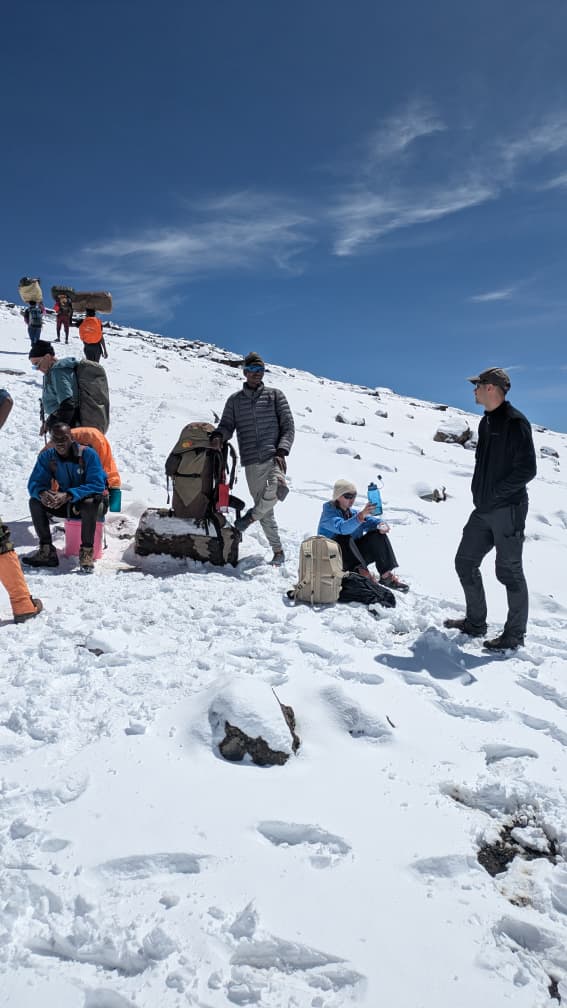

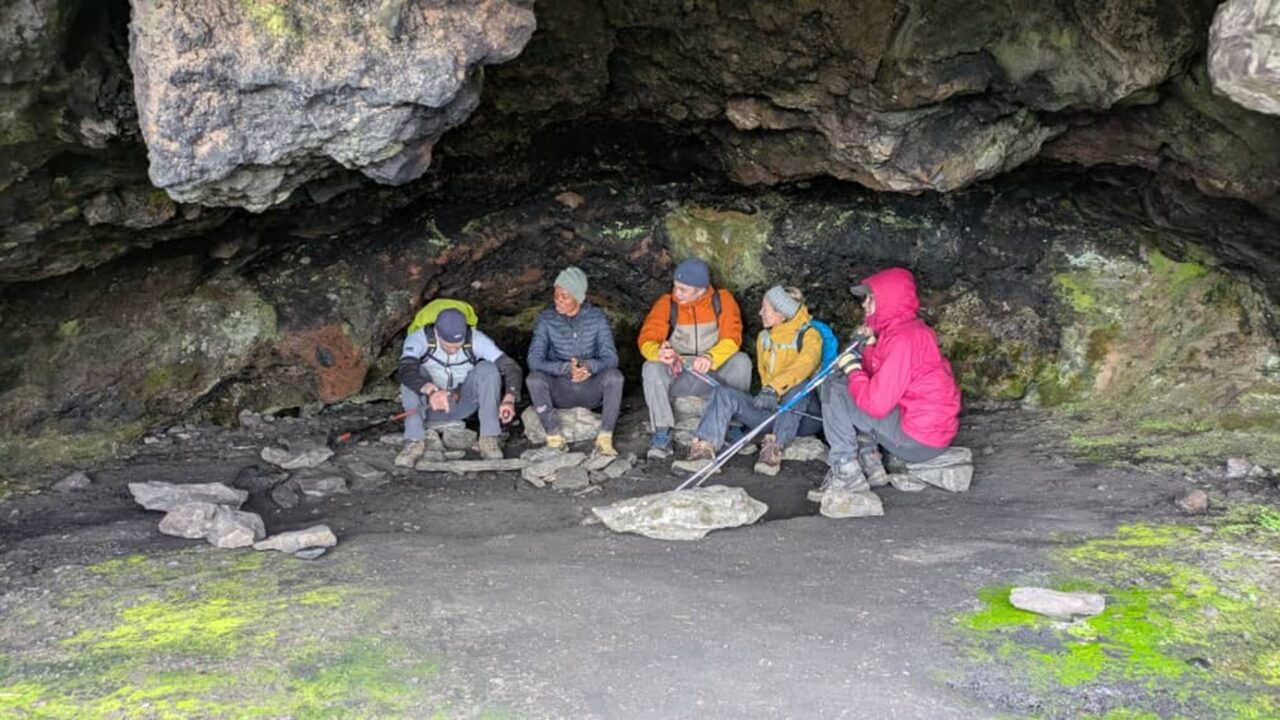
The allure of Kilimanjaro, Africa’s rooftop, calls to adventurers worldwide. For those planning their ascent for 2026, securing a spot on a well-organized group trek is a fantastic way to share the experience and manage costs. Our 5 Days Marangu Route – 10 November 2026 Departure | Classic Kilimanjaro Group Trek offers a compelling option for trekkers aiming for a challenging yet achievable climb on one of Kilimanjaro’s most historic and popular paths. This departure date is specifically curated for those looking to conquer the mountain in the pleasant conditions of November, a shoulder month offering a good balance of weather and fewer crowds than the peak seasons.
Choosing the Marangu Route means opting for the “Coca-Cola” route, known for its gradual ascent and unique accommodation in mountain huts rather than tents. This makes it a comfortable choice for many, especially those new to high-altitude trekking. The 5-day itinerary is the quickest way to summit via Marangu, requiring good physical condition and a determined spirit. This specific November 10, 2026 departure date is ideal for individuals or small groups wanting to join a pre-scheduled adventure, ensuring camaraderie and expert logistical support.
Understanding the Marangu Route: A Classic Kilimanjaro Experience
The Marangu Route is the oldest and perhaps most traditional path up Kilimanjaro. It’s characterized by its distinctive double-starts, where trekkers can choose a 5-day or 6-day option. The 5-day version is a more rapid ascent, while the 6-day offers an extra day for acclimatization, significantly increasing summit success rates. For our 5 Days Marangu Route – 10 November 2026 Departure | Classic Kilimanjaro Group Trek, we focus on the efficient 5-day climb, which is suitable for those with excellent physical fitness and prior trekking experience. It’s important to understand that while quicker, the 5-day itinerary provides less time for the body to adapt to the increasing altitude, making acclimatization a critical factor to manage.
What sets Marangu apart is its hut accommodation. Instead of camping, trekkers sleep in basic but comfortable communal huts along the route. This offers a different trekking experience – warmer, drier, and a chance to interact more closely with fellow climbers. The huts provide beds, and meals are served in a communal dining hall. This route also boasts the only path on Kilimanjaro that ascends and descends the same way, offering a familiar journey back down. For the November 2026 trek, these huts will provide welcome shelter from any potential rain showers as the season transitions.
Why a Group Trek for your 2026 Kilimanjaro Adventure?
Joining a group trek, such as our 5 Days Marangu Route – 10 November 2026 Departure | Classic Kilimanjaro Group Trek, offers numerous advantages, especially when planning for a future year like 2026 or 2027. Firstly, it democratizes the Kilimanjaro experience. Many trekkers are solo travelers or small groups who find the cost of a private climb prohibitive. Group departures allow for cost-sharing of essential services like park fees, guide salaries, and porter support, making the adventure more accessible. Our departures are designed to foster a sense of community, turning a personal challenge into a shared triumph.
Secondly, group treks provide a fixed schedule. For individuals planning well in advance, a confirmed departure date like November 10, 2026, allows for precise planning of travel, training, and time off work. It removes the uncertainty of coordinating with multiple guides or finding other trekkers to form a private group. You join an existing team, ready to go.
Thirdly, safety and expertise are paramount. Our group treks are led by highly experienced, licensed guides and supported by a full team of porters and cooks. These professionals are trained in high-altitude medicine, emergency procedures, and route navigation. Knowing you are part of a well-supported group ensures that all logistical and safety aspects are handled by seasoned professionals, allowing you to focus on the climb itself. The camaraderie among group members also provides significant emotional support during challenging moments on the mountain.
The 5-Day Marangu Route Itinerary: A Swift Ascent
The 5-day Marangu Route is the most direct way to the summit. While it offers a quicker path, it is crucial to acknowledge its lower acclimatization profile compared to longer routes. Success on this itinerary hinges on excellent physical preparation and a bit of luck with how your body responds to altitude. For our 5 Days Marangu Route – 10 November 2026 Departure | Classic Kilimanjaro Group Trek, the itinerary is structured to maximize efficiency while adhering to safety protocols.
Kilimanjaro Marangu Route: 5-Day Itinerary Overview
| Day | Altitude Gain | Distance | Time | Accommodation | Meals |
|---|---|---|---|---|---|
| Day 1 | Marangu Gate (1,860m) to Mandara Huts (2,700m) | 8 km / 5 miles | 4-5 hours | Huts | Lunch, Dinner |
| Day 2 | Mandara Huts (2,700m) to Horombo Huts (3,700m) | 12 km / 7.5 miles | 6-8 hours | Huts | Breakfast, Lunch, Dinner |
| Day 3 | Horombo Huts (3,700m) to Kibo Huts (4,700m) | 11 km / 6.8 miles | 8-10 hours | Huts | Breakfast, Lunch, Dinner |
| Day 4 | Kibo Huts (4,700m) to Uhuru Peak (5,895m) and descend to Horombo Huts (3,700m) | 6 km / 3.7 miles (ascent) + 15 km / 9.3 miles (descent) | 12-16 hours (total) | Huts | Breakfast, Lunch, Dinner |
| Day 5 | Horombo Huts (3,700m) to Marangu Gate (1,860m) | 20 km / 12.4 miles | 5-7 hours | None (descent) | Breakfast, Lunch |
Key Considerations for the 5-Day Itinerary:
- Rapid Altitude Gain: Days 2 and 3 see significant altitude increases with limited time for acclimatization.
- Summit Night: Summiting from Kibo Huts is demanding, with a very early start (around midnight) and a long, arduous climb.
- Descent: The descent on summit day is very long, going from Uhuru Peak all the way down to Horombo Huts. This is physically taxing.
- Lower Success Rate: Statistically, the 5-day Marangu route has a lower summit success rate compared to the 6-day option due to insufficient acclimatization.
Preparing for your 2026 Kilimanjaro Climb: Training and Gear
Successful preparation for your 5 Days Marangu Route – 10 November 2026 Departure | Classic Kilimanjaro Group Trek begins long before you set foot in Tanzania. For a 5-day climb, physical fitness is paramount. Your training should focus on cardiovascular endurance and leg strength. Hiking with a weighted backpack on steep inclines, running, cycling, and swimming are excellent activities. Aim for at least 3-4 months of consistent training.
Training Recommendations:
- Cardiovascular Fitness: Engage in activities like running, brisk walking, cycling, or swimming for at least 30-60 minutes, 3-5 times per week.
- Strength Training: Focus on lower body exercises like squats, lunges, and step-ups. Core strength is also vital.
- Hiking Practice: Undertake long hikes (4-6 hours) on weekends, ideally with hills or stairs, carrying a backpack similar to what you’ll use on Kilimanjaro. Simulate multi-day treks if possible.
- Altitude Simulation (if possible): If you live at altitude, use it to your advantage. If not, focus on the physical conditioning.
Essential Gear for Kilimanjaro:
Proper gear is crucial for comfort and safety on Kilimanjaro. The weather can change rapidly, from hot and sunny at the base to freezing cold and windy at the summit. Layering is key. For the November 2026 departure, expect a mix of conditions, possibly including rain as it’s a shoulder season.
Recommended Gear List (Key Items):
- Footwear: Broken-in waterproof hiking boots, comfortable camp shoes/sandals.
- Socks: Several pairs of warm, moisture-wicking hiking socks (wool or synthetic).
- Trousers: Waterproof and windproof outer trousers; warm fleece-lined or thermal leggings for lower layers.
- Tops: Moisture-wicking base layers (long-sleeved shirts), mid-layers (fleece jackets or sweaters), and a waterproof/windproof outer jacket (Gore-Tex or similar).
- Headwear: Warm woolen hat, sun hat with a brim, balaclava or neck gaiter for cold.
- Gloves: Warm waterproof gloves or mittens, liner gloves.
- Sleeping Bag: A 4-season sleeping bag rated to at least -15°C (0°F).
- Backpack: A comfortable daypack (30-40 liters) for daily essentials, plus a larger duffel bag (80-100 liters) for porters to carry.
- Trekking Poles: Highly recommended for stability and reducing strain on knees.
- Headlamp: With extra batteries. Essential for summit night.
- Sun Protection: High SPF sunscreen, lip balm with SPF, sunglasses.
- Water Bottles/Hydration System: At least 3 liters capacity. Insulated covers are useful.
- Personal First-Aid Kit: Including any personal medications, blister treatment, pain relievers.
- Toiletries: Biodegradable soap, hand sanitizer, wet wipes, toothbrush, toothpaste.
Understanding Mountain Weather and Seasonality in November 2026
November on Kilimanjaro falls within the “short rains” season. This means that while you can expect some rainfall, particularly in the lower to mid-altitudes, it is generally not as heavy or persistent as the long rains in April and May. The higher altitudes, especially above the cloud line, are often dry and cold. The advantage of trekking in November for our 5 Days Marangu Route – 10 November 2026 Departure | Classic Kilimanjaro Group Trek is that there are fewer trekkers compared to the peak dry seasons (January-March and June-October). This can lead to a more serene experience on the mountain.
Typical November Conditions:
- Lower Slopes: Expect occasional rain showers, potentially making trails muddy. Temperatures will be warm to pleasant.
- Mid-Altitudes: Rain is still possible, and temperatures will drop. Visibility might be affected by clouds.
- Higher Altitudes (above 4,000m): The weather becomes colder and drier. Snow is possible at the summit, especially on summit night. Clear days offer spectacular views, but nights are very cold.
- Daylight Hours: Days are shorter than in the dry season, meaning more time spent in the cold after sunset.
Despite the possibility of rain, November can offer excellent trekking conditions. The landscape is lush and green, and the crisp air can be invigorating. Our experienced guides are adept at navigating changing weather patterns and ensuring your safety. The huts on the Marangu route provide good shelter during any downpours.
Guides, Porters, and Crew: The Backbone of Your Climb
Your safety and success on Kilimanjaro depend heavily on the expertise and dedication of your mountain crew. For our 5 Days Marangu Route – 10 November 2026 Departure | Classic Kilimanjaro Group Trek, you will be accompanied by a team of highly trained professionals.
- Guides: Typically, you will have at least two lead guides. They are certified in wilderness first aid and have extensive knowledge of the mountain, its flora, fauna, and the best strategies for acclimatization and summiting. They make critical decisions regarding your safety and pace.
- Porters: These individuals carry the bulk of the equipment, including tents (on other routes), food, cooking gear, and your personal duffel bags. They are strong, efficient, and crucial to the logistical operation of the trek.
- Cooks: Responsible for preparing nutritious and delicious meals at the campsites or huts.
We are committed to ethical treatment of our crew. This includes fair wages, adequate food, proper gear, and respectful working conditions. We adhere to the Kilimanjaro Porter Assistance Project (KPAP) guidelines, ensuring that our porters are treated with the dignity they deserve. Tipping is customary and a significant part of their income, so we provide clear guidelines on tipping your crew at the end of the trek.
Safety and Emergency Preparedness on Kilimanjaro
Safety is our utmost priority. Kilimanjaro, while a trek and not a technical climb, presents significant risks primarily due to altitude. Altitude sickness (Acute Mountain Sickness – AMS) is the most common concern.
Key Safety Measures:
- Pacing (“Pole Pole”): Guides will constantly remind you to walk slowly. This is the most effective way to acclimatize.
- Hydration: Drinking plenty of water (3-4 liters per day) is crucial for acclimatization and preventing dehydration.
- Monitoring Symptoms: Guides are trained to recognize the signs of AMS and will monitor each climber.
- Medications: Diamox (acetazolamide) is often recommended as a preventative measure for altitude sickness. Please consult your doctor about its suitability for you.
- Emergency Evacuation: We carry a Gamow Bag (portable hyperbaric chamber) on all our climbs and have established evacuation procedures. We also recommend purchasing travel insurance that covers emergency medical evacuation from remote areas.
For the 5 Days Marangu Route – 10 November 2026 Departure | Classic Kilimanjaro Group Trek, the rapid ascent means that vigilance regarding altitude symptoms is even more critical. Summiting requires an early start, often in the dark and cold, which adds to the challenge. Your guides will make the final decision on whether it is safe for you to proceed to the summit based on your condition.
What’s Included and Excluded? Understanding Your Trek Package
When booking a group trek for 2026 or 2027, it’s vital to understand exactly what your package covers. Our 5 Days Marangu Route – 10 November 2026 Departure | Classic Kilimanjaro Group Trek is designed to provide a comprehensive and comfortable experience.
Typical Inclusions for our Marangu Route Treks:
- Park entrance fees, camping/hut fees, crater fees, rescue fees.
- Accommodation in mountain huts (Marangu Route).
- Professional, licensed mountain guides.
- Assistant guides (ratio 1:2 or better).
- Porters to carry all group equipment and your duffel bag (up to 15kg).
- All meals on the mountain (breakfast, lunch, dinner).
- Boiled and purified drinking water.
- All camping equipment (tents, sleeping mats on other routes; huts on Marangu).
- Government taxes.
- Transfer from Moshi to the Marangu Gate and back to Moshi after the climb.
- Briefing before and after the climb.
Typical Exclusions:
- International flights and visa fees.
- Travel insurance (mandatory, including medical evacuation).
- Tipping for guides, porters, and cooks (guidelines provided).
- Personal climbing gear (sleeping bag, hiking poles, etc.).
- Soft drinks, alcoholic beverages, and personal snacks.
- Optional accommodation in Moshi before/after the climb.
- Lunches and dinners in Moshi before/after the climb.
- Personal expenses (souvenirs, laundry, etc.).
- Climbing Kilimanjaro Certificate (usually provided by park authorities).
We encourage you to review the detailed inclusions and exclusions list for the November 10, 2026 departure to ensure you are fully prepared. Clear communication about these details helps avoid surprises and ensures a smooth trekking experience.
Booking Your 2026 Kilimanjaro Group Trek: Next Steps
Securing your place on the 5 Days Marangu Route – 10 November 2026 Departure | Classic Kilimanjaro Group Trek is straightforward. Given the advance planning required for international travel and Kilimanjaro expeditions, booking for 2026 and even 2027 well in advance is highly recommended.
How to Book:
- Contact Us: Reach out to our team to express your interest in the November 10, 2026 departure. We can answer any specific questions you have about the route, itinerary, pricing, or what to expect.
- Deposit: A deposit is typically required to confirm your booking and secure your spot. This deposit helps us cover initial operational costs and permits.
- Pre-Trip Information: Once booked, you will receive detailed pre-trip information, including packing lists, training advice, and travel recommendations.
- Final Payment: The balance of your trek cost is usually due a few weeks before your departure date.
Our team is dedicated to providing exceptional service from your initial inquiry to your successful summit and safe return. We are passionate about sharing the beauty and challenge of Kilimanjaro with adventurers from around the globe. For any inquiries regarding this specific group departure or to discuss custom safari and Zanzibar holiday packages, please do not hesitate to get in touch.
You can reach us directly via WhatsApp at +255616946642 or by email at topguideadventures@gmail.com. For alternative communication, our backup email is info@topguideadventures.com. We look forward to helping you plan an unforgettable Kilimanjaro adventure for 2026!







 Veedesigner
 Fatma Kizanga
 Benjamin Waryuba
 Philip Philip
 John jr Itaja
 Antonia Optatus
 Edith Kanyere
 Neema Iddy
 Kelvin Boniphace
 Damari Maiga



