
Planning to conquer Africa’s rooftop in 2026? The 6 Days Marangu Route – 13 November 2026 Departure offers a fantastic opportunity to join a classic Kilimanjaro climb with a confirmed date. Known as the “Coca-Cola” route, Marangu is one of the oldest and most recognized ascent paths on the mountain, famed for its unique hut accommodations and relatively gentle slopes, which can make it more comfortable for trekkers. This specific departure on November 13, 2026, is designed for those who prefer a fixed date and the camaraderie of a group expedition.
Why Choose the Marangu Route for Your 2026 Kilimanjaro Adventure?
The Marangu Route stands out for several reasons, making it a consistent favorite for Kilimanjaro climbers. Its primary allure lies in its infrastructure: unlike other routes that involve camping, Marangu offers overnight stays in comfortable mountain huts. This means you’ll sleep in beds, have access to basic facilities, and enjoy meals in communal dining halls, which can significantly enhance the comfort level of your trek, especially for those new to multi-day mountain expeditions.
Furthermore, the Marangu Route is often considered one of the more scenic paths, traversing diverse ecological zones from lush rainforests to alpine deserts and finally the arctic summit zone. Its ascent profile is also a key consideration. While it is one of the shorter routes in terms of days (typically 5 or 6 days), the 6-day option provides a slightly better acclimatization schedule than the 5-day variant, which is crucial for summit success. For the 13 November 2026 departure, we’ve specifically selected the 6-day itinerary to maximize your chances of reaching Uhuru Peak.
Understanding the 6-Day Marangu Route Itinerary
A 6-day trek on the Marangu Route balances ascent speed with acclimatization. While no Kilimanjaro route guarantees summit success, this itinerary is thoughtfully structured to allow your body to adapt to the increasing altitude. Here’s a typical breakdown:
Day-by-Day Kilimanjaro Climb: Marangu Route (6 Days)
- Day 1: Marangu Gate (1860m/6100ft) to Mandara Huts (2700m/8860ft)
Distance: 8 km/5 miles
Time: 3-4 hours
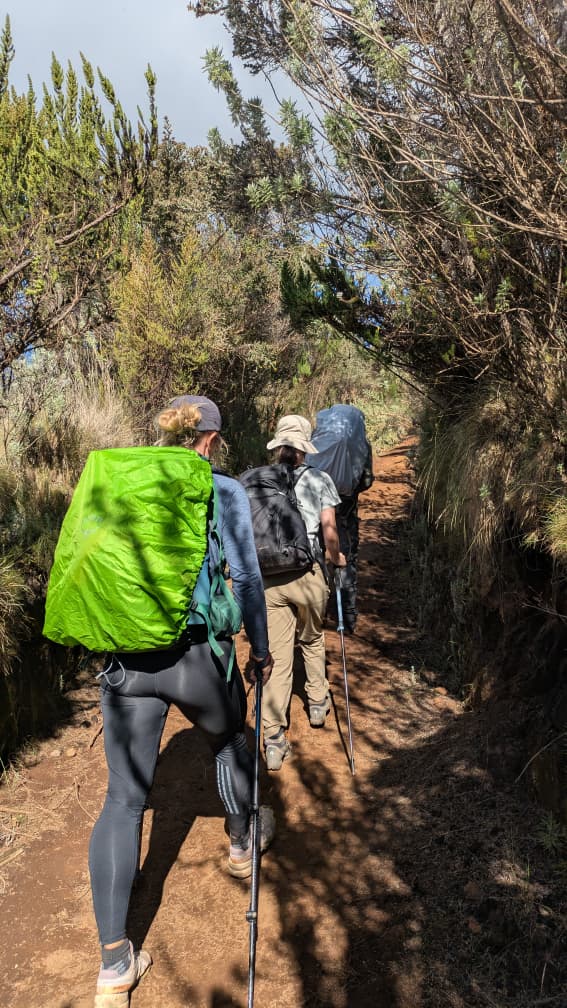
Description: After registration at Marangu Gate and a briefing, you’ll begin your trek through a beautiful montane forest. Keep an eye out for colobus monkeys and various bird species. The path is well-maintained, leading you to Mandara Huts. - Day 2: Mandara Huts (2700m/8860ft) to Horombo Huts (3700m/12140ft)
Distance: 12 km/7.5 miles
Time: 5-6 hours
Description: Today, you ascend out of the forest and into the moorland zone. The vegetation changes, and you’ll start to see heather and giant groundsels. The views of Mawenzi, one of Kilimanjaro’s three volcanic cones, become more prominent. You’ll arrive at Horombo Huts, often considered one of the most scenic camps. - Day 3: Horombo Huts (3700m/12140ft) to Mawenzi Ridge (4700m/15420ft) and back to Horombo Huts
Distance: 10 km/6 miles round trip
Time: 4-5 hours
Description: This is a crucial acclimatization day. You’ll hike towards Mawenzi Ridge, gaining significant altitude. This day hike helps your body adjust to the thinner air. You will then descend back to Horombo Huts for the night, aiding acclimatization without losing too much sleep at extreme altitudes. - Day 4: Horombo Huts (3700m/12140ft) to Kibo Huts (4700m/15420ft)
Distance: 10 km/6 miles
Time: 6-7 hours
Description: You’ll leave the moorland and enter the alpine desert. The landscape becomes stark and rocky. The air is noticeably thinner here. You’ll pass the ‘Last Water Point’ before continuing to Kibo Huts, situated at the base of the Kibo crater. Rest is paramount today. - Day 5: Kibo Huts (4700m/15420ft) to Uhuru Peak (5895m/19341ft) and descend to Horombo Huts (3700m/12140ft)
Distance: 6 km/3.7 miles ascent, 16 km/10 miles descent
Time: 10-12 hours (summit day)
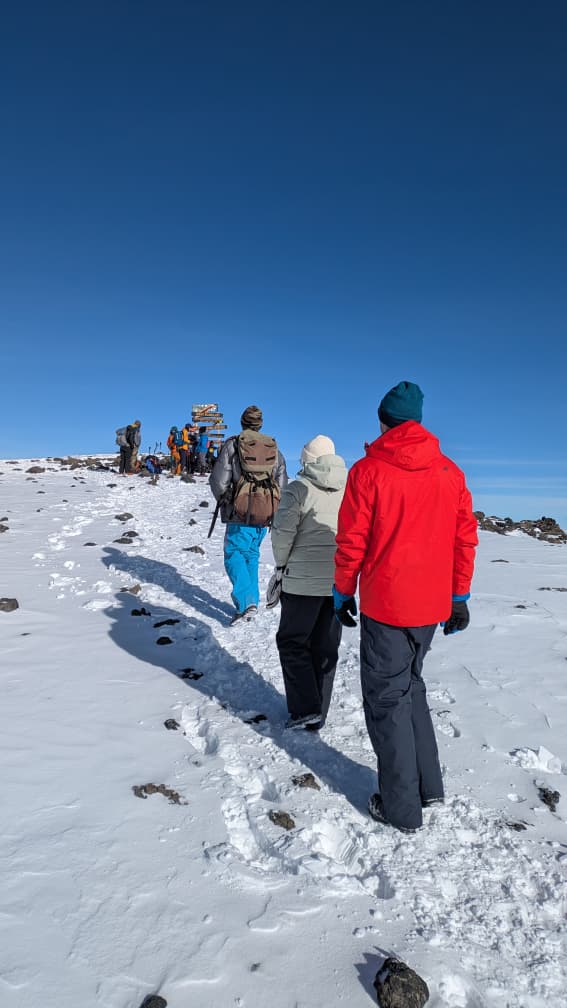
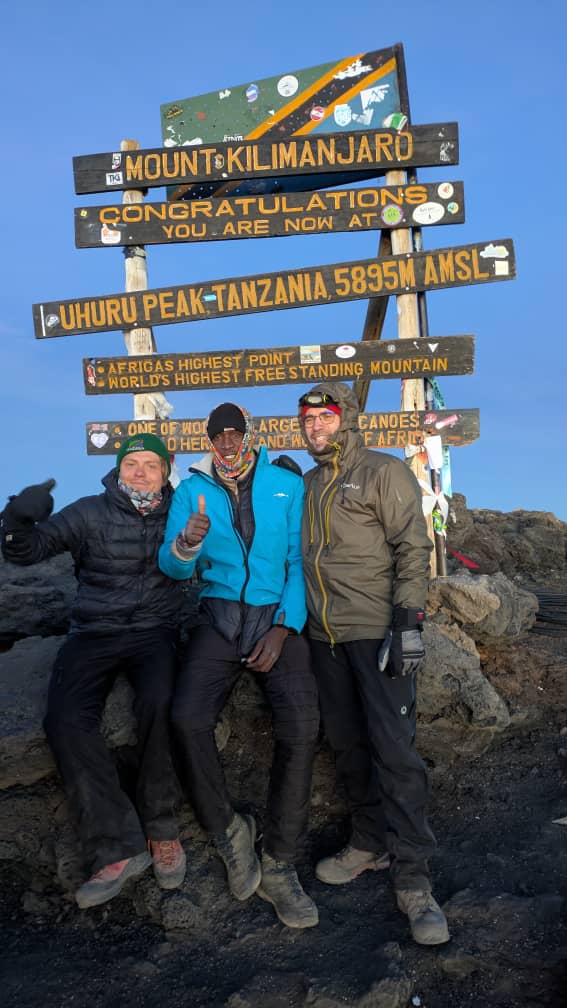
Description: Summit day! You’ll start very early, typically around midnight, to ascend the steep scree slope towards Gilman’s Point (5685m/18650ft) and then continue to Uhuru Peak, the highest point in Africa. After celebrating your achievement, you’ll descend back past Kibo Huts and all the way down to Horombo Huts. This is a long and demanding day. - Day 6: Horombo Huts (3700m/12140ft) to Marangu Gate (1860m/6100ft)
Distance: 20 km/12.5 miles
Time: 5-7 hours
Description: The final descent takes you back through the forest. It’s a quicker walk down, and you’ll be greeted by your driver at Marangu Gate for a transfer back to your hotel in Moshi. Congratulations!
What to Expect on the 13 November 2026 Marangu Departure
Joining a group departure like the one scheduled for November 13, 2026, means you’ll be trekking with other like-minded adventurers. This can be a great way to share the experience, boost morale, and potentially reduce costs compared to a private climb. Our groups are typically small to medium-sized, ensuring personalized attention from our guides and crew.
Group Size: Our Marangu Route group departures usually consist of 4 to 12 trekkers. This size allows for a good group dynamic while ensuring that our guides can effectively manage safety and pace for everyone.
Guides and Porters: You will be accompanied by experienced, licensed guides who are trained in first aid and mountain rescue. Our porters are strong, efficient, and essential to the success of your climb, carrying the bulk of the equipment. We adhere to fair porter treatment policies, ensuring they are well-equipped and compensated.
Accommodation: As mentioned, the Marangu Route uses huts. These are basic but comfortable, offering bunk beds and communal dining areas. You will need to bring your own sleeping bag and mat. For the 2026 Marangu Route climb, we ensure that hut bookings are made well in advance.
Meals: All meals on the mountain are provided, prepared by our dedicated cooks. You can expect a varied and nutritious menu designed to fuel your trek. We cater to dietary requirements, so please inform us of any needs when booking.
Preparing for Your 2026 Kilimanjaro Climb: Training and Gear
Success on Kilimanjaro, especially on a route like Marangu, hinges on preparation. For your 6 Days Marangu Route – 13 November 2026 Departure, starting your training regimen early is key.
Physical Training:
- Cardiovascular Fitness: Focus on activities like hiking, running, cycling, and swimming. Aim for at least 3-4 sessions per week.
- Strength Training: Include exercises that strengthen your legs, core, and back. Squats, lunges, and step-ups are particularly beneficial.
- Hiking Practice: The most important training is hiking with a weighted backpack. Practice on hills and varied terrain to simulate Kilimanjaro’s conditions. Aim for longer hikes (4-6 hours) in the months leading up to your climb.
- Altitude Simulation (Optional): If possible, spend time at higher altitudes before your trip.
Essential Gear:
Proper gear is non-negotiable for a comfortable and safe climb. Here’s a checklist of essentials for the Marangu Route:
- Layered Clothing: Base layers (thermal underwear), mid-layers (fleece jackets), and outer layers (waterproof and windproof jacket and trousers).
- Insulated Jacket: A warm down or synthetic jacket for summit night and cold evenings.
- Hiking Boots: Waterproof, broken-in hiking boots with good ankle support.
- Trekking Poles: Highly recommended for stability and reducing strain on your knees.
- Sleeping Bag: A 4-season sleeping bag rated for at least -15°C (5°F).
- Headlamp: With extra batteries. Essential for night ascents and around camp.
- Sun Protection: High SPF sunscreen, sunglasses, and a wide-brimmed hat or cap.
- Hydration: Water bottles or a hydration reservoir (at least 3 liters capacity). Water purification tablets or a filter are also advisable.
- Personal First-Aid Kit: Including blister treatment, pain relievers, and any personal medications.
- Snacks: High-energy snacks like energy bars, nuts, and dried fruit.
- Duffel Bag: A large, sturdy duffel bag (80-100 liters) for your main gear, carried by porters.
- Daypack: A smaller backpack (30-40 liters) for essentials you need during the day’s trek.
We provide a comprehensive gear list upon booking, and our team is available to answer any questions regarding equipment for your November 2026 Kilimanjaro trek.
Timing Your 2026 Kilimanjaro Climb: November Considerations
November falls within the ‘short rainy season’ on Kilimanjaro. However, this doesn’t mean constant downpours. The weather on Kilimanjaro is highly variable and can change rapidly. The short rains typically bring brief, localized showers, often in the afternoon, followed by clearer periods. Mornings can still be very clear and offer excellent trekking conditions.
Pros of a November Climb:
- Fewer crowds compared to the peak dry seasons (January-March and June-October).
- Potentially more lush and green scenery in the lower forest zones.
- Lower prices for flights and sometimes accommodation before/after the climb.
Cons of a November Climb:
- Risk of rain, particularly on the lower slopes.
- Visibility can sometimes be reduced due to clouds.
- Summit night can be colder if combined with rain or snow.
Despite the potential for rain, many trekkers have successful and enjoyable climbs in November. Our guides are experienced in navigating all weather conditions, and with the right gear, you’ll be well-prepared. The 13 November 2026 departure is a great option for those seeking a less crowded experience while still aiming for the summit.
Costs and What’s Included/Excluded for the 6-Day Marangu Route
When considering a group departure, understanding the cost and what is included is vital. Our pricing for the 6 Days Marangu Route – 13 November 2026 Departure is competitive and offers excellent value for a professionally managed climb.
While exact pricing can vary based on specific inclusions and service levels, a typical quote for a 6-day Marangu Route climb with a reputable operator like ours falls within a range. For a group departure in 2026, you can expect costs to be in the region of $1,400 – $1,800 USD per person. This is a general estimate, and for precise details on the November 13, 2026 climb, please contact us directly.
Typical Inclusions for a 6-Day Marangu Route Climb:
- Park entrance fees, camping/hut fees, and rescue fees.
- Accommodation in mountain huts (Marangu Route).
- All meals on the mountain (breakfast, lunch, dinner).
- Trained and licensed guides and support crew (cooks, porters).
- Porters to carry your main luggage (typically up to 15kg per trekker).
- Treated drinking water on the mountain.
- Transfer from/to Moshi/Arusha to the mountain gate and back.
- Briefing before and after the climb.
- Government taxes and local levies.
Typical Exclusions:
- International flights to/from Kilimanjaro International Airport (JRO).
- Visa fees.
- Travel and medical insurance (mandatory).
- Personal gear (sleeping bag, hiking boots, clothing, etc.).
- Tips for guides, porters, and cooks (a significant part of their income).
- Soft drinks, alcoholic beverages, and extra bottled water.
- Lunches and dinners in Moshi/Arusha before and after the climb.
- Personal expenses (souvenirs, laundry, etc.).
- Optional summit equipment rental (e.g., oxygen tanks, satellite phone).
Tipping: Tipping is customary and a vital part of the income for your mountain crew. We provide guidelines on tipping amounts once you book, typically ranging from $250 – $350 USD per trekker for the entire crew on a 6-day climb.
Why Choose Best Tanzania Tour Operator for Your 2026 Kilimanjaro Climb?
Choosing the right tour operator is paramount for a safe, enjoyable, and successful Kilimanjaro climb. At Best Tanzania Tour Operator, we pride ourselves on our expertise, commitment to safety, and deep understanding of Kilimanjaro and Tanzania’s tourism landscape. We have years of experience guiding trekkers from around the globe on all of Kilimanjaro’s routes, including the Marangu.
Our team comprises highly trained guides, many of whom have summited Kilimanjaro hundreds of times. They are not only skilled mountaineers but also passionate about sharing their knowledge of the mountain’s flora, fauna, and local culture. We prioritize the well-being of our clients and our crew, adhering to strict safety protocols and ensuring fair treatment for all staff.
For the 6 Days Marangu Route – 13 November 2026 Departure, you can be assured of:
- Expert Guidance: Professional, certified guides with extensive Kilimanjaro experience.
- Safety First: Comprehensive safety measures, including oxygen, first-aid kits, and emergency communication.
- Quality Crew: Well-trained and well-equipped porters and cooks.
- Responsible Tourism: Commitment to ethical practices, including fair wages and porter welfare.
- Personalized Support: Pre-trip planning assistance and ongoing support throughout your journey.
We understand that planning a Kilimanjaro climb is a significant undertaking. We are here to assist you every step of the way, from choosing the right route and date to preparing you for the physical and mental challenges ahead. Our goal is to make your Kilimanjaro dream a reality in 2026.
Frequently Asked Questions About the Marangu Route & 2026 Departures
To help you finalize your plans for the 13 November 2026 Marangu Route climb, here are answers to some common questions:
Q1: Is the Marangu Route suitable for first-time trekkers?
A1: Yes, the Marangu Route is often recommended for first-time trekkers due to its hut accommodations, which offer a higher level of comfort. The 6-day itinerary provides a reasonable acclimatization schedule, although any Kilimanjaro climb requires good physical fitness and preparation.
Q2: What is the success rate on the Marangu Route?
A2: Success rates vary widely depending on the operator, the itinerary length, and individual preparation. The 6-day Marangu Route generally has a higher success rate than the 5-day option due to better acclimatization. With proper training and a reputable operator like Best Tanzania Tour Operator, your chances are significantly increased. For the November 2026 departure, we focus on providing the best possible conditions for success.
Q3: How difficult is the Marangu Route?
A3: The Marangu Route is considered moderately difficult. The main challenges are the altitude and the long summit day. The ascent is gradual through the forest and moorland, but the final push from Kibo Huts to Uhuru Peak is steep and demanding. The 6-day itinerary helps manage the altitude gain.
Q4: What is the difference between a group departure and a private climb?
A4: A group departure, like our November 13, 2026 date, means you join other trekkers on a set schedule. It’s often more cost-effective. A private climb allows you to choose your own dates and have a dedicated team (guides, porters) exclusively for your party, offering more flexibility but at a higher cost.
Q5: What if I need to cancel or postpone my 2026 climb?
A5: Cancellation and postponement policies vary by operator. Typically, a deposit is required to secure your spot for the 6 Days Marangu Route – 13 November 2026 Departure. We recommend reviewing our terms and conditions upon booking. Generally, deposits are non-refundable but may be transferable to a future trip under certain circumstances. It’s crucial to have travel insurance that covers trip cancellation.
Q6: What are the best months to climb Kilimanjaro in 2026/2027?
A6: The best months are generally the dry seasons: January to March and June to October. However, the shoulder seasons (April-May and November) can also be good, offering fewer crowds and potentially lower prices, though with a higher chance of rain. Our November 13, 2026 departure falls within a shoulder season, offering a good balance.
Book Your 2026 Kilimanjaro Adventure Today!
The 6 Days Marangu Route – 13 November 2026 Departure is a fantastic opportunity to experience the magic of Kilimanjaro with a reliable and experienced tour operator. Don’t miss out on securing your place for this popular date. Planning your climb for 2026 or even looking ahead to 2027 starts now.
We are passionate about providing unforgettable Kilimanjaro experiences. Whether you’re a seasoned trekker or embarking on your first major mountain challenge, our team is dedicated to ensuring your safety, comfort, and success. Join us for an adventure of a lifetime!
For detailed pricing, booking inquiries, or any questions regarding the November 13, 2026 Marangu Route climb or other 2026/2027 adventures, please do not hesitate to contact us. You can reach us via WhatsApp at +255616946642, or by emailing us at topguideadventures@gmail.com. For backup, you can also use info@topguideadventures.com. Let’s start planning your Kilimanjaro journey!







 Veedesigner
 Fatma Kizanga
 Benjamin Waryuba
 Philip Philip
 John jr Itaja
 Antonia Optatus
 Edith Kanyere
 Neema Iddy
 Kelvin Boniphace
 Damari Maiga



