

Are you ready to conquer Africa’s highest peak? Joining a 6 Days Marangu Route – 13 December 2026 Departure offers a prime opportunity to experience the classic Kilimanjaro climb. This specific departure date in 2026 provides a fantastic window for planning your unforgettable adventure. The Marangu Route, often called the ‘Coca-Cola’ route, is renowned for its gradual ascent and comfortable hut accommodations, making it a popular choice for many aspiring climbers, especially those looking ahead to 2026 and 2027 travel plans.
This article is your comprehensive guide to understanding what makes the 6-day Marangu Route climb special, why the December 13, 2026 departure is an excellent choice, and what you need to know to prepare for this incredible journey. We’ll cover the route’s specifics, the benefits of a fixed group departure, essential preparation tips, and what to expect on the mountain.
Why Choose the Marangu Route for Your Kilimanjaro Ascent?
The Marangu Route stands out among Kilimanjaro’s trekking paths for several distinct reasons. It is the oldest and most established route, offering a more developed infrastructure. Here’s what sets it apart:
- Hut Accommodation: Unlike other routes that utilize camping, Marangu offers dormitory-style hut accommodations at each campsite. These huts provide a more comfortable sleeping environment, protecting you from the elements and offering basic amenities.
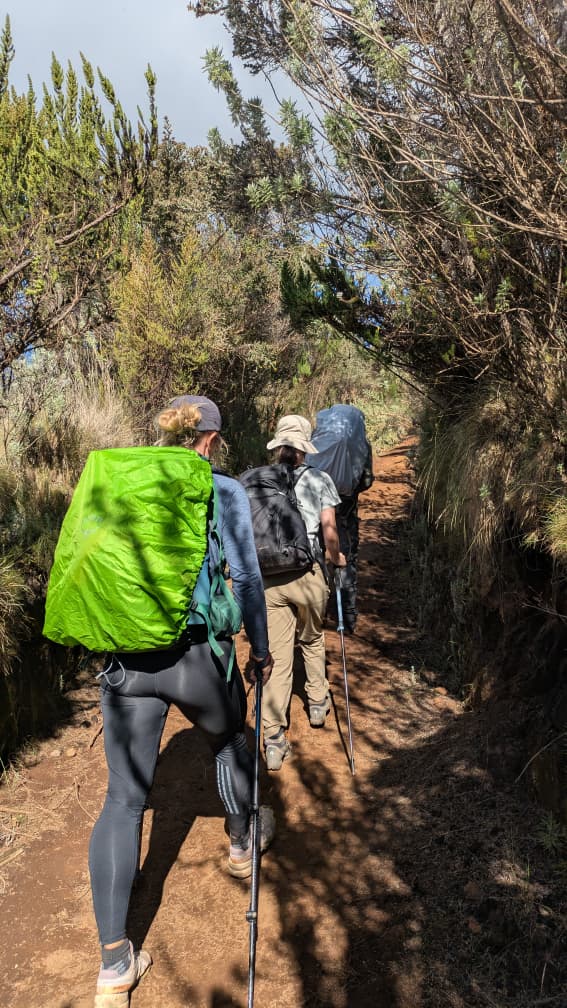
- Gradual Ascent Profile: The Marangu Route’s path is known for its gentler slope compared to some other routes. This gradual ascent can be beneficial for acclimatization, although it doesn’t guarantee success.
- ‘Coca-Cola’ Route Appeal: Its nickname comes from the historical ease of access and the availability of refreshments (though this is less common now due to environmental policies). It’s often perceived as the easiest route, but all Kilimanjaro routes require significant physical and mental fortitude.
- Rainy Season Considerations: While December is generally at the beginning of the drier season, the Marangu route’s lower sections can experience rain. The huts offer a significant advantage in staying dry and warm during these periods.
The 6-Day Marangu Route Itinerary: A Balanced Approach
A 6-day Marangu Route climb is the most common and recommended duration for this path. It balances acclimatization with progress towards the summit. A shorter 5-day itinerary is generally not advised due to the increased risk of altitude sickness. The 6-day schedule allows for a more measured ascent, giving your body more time to adapt to the thinning air.
Here’s a typical breakdown of the 6-day Marangu Route:
| Day | Altitude Gain | Approx. Trekking Time | Distance | Accommodation |
|---|---|---|---|---|
| Day 1 | Marangu Gate (1,800m/5,905ft) to Mandara Huts (2,700m/8,858ft) | 4-5 hours | 8 km / 5 miles | Huts |
| Day 2 | Mandara Huts (2,700m/8,858ft) to Horombo Huts (3,720m/12,205ft) | 5-6 hours | 12 km / 7.5 miles | Huts |
| Day 3 | Horombo Huts (3,720m/12,205ft) to Mawenzi Ridge (4,600m/15,092ft) and back to Horombo Huts | 4-5 hours | 10 km / 6.2 miles (round trip) | Huts |
| Day 4 | Horombo Huts (3,720m/12,205ft) to Kibo Huts (4,720m/15,485ft) | 5-7 hours | 10 km / 6.2 miles | Huts |
| Day 5 | Kibo Huts (4,720m/15,485ft) to Uhuru Peak (5,895m/19,341ft) and descend to Horombo Huts (3,720m/12,205ft) | 10-15 hours (summit night) | 6 km / 3.7 miles up, 15 km / 9.3 miles down | Huts |
| Day 6 | Horombo Huts (3,720m/12,205ft) to Marangu Gate (1,800m/5,905ft) | 5-7 hours | 20 km / 12.5 miles | End of trek |
Day 3 Acclimatization Hike: Essential for Success
The acclimatization hike on Day 3 to Mawenzi Ridge is a crucial element of the 6-day Marangu Route. This excursion is designed to help your body adjust to higher altitudes gradually. By trekking higher and then returning to Horombo Huts, you allow your body to produce more red blood cells, which aids in oxygen transport. Skipping or shortening this hike significantly increases the risk of developing altitude sickness, which can jeopardize your entire climb. This is a standard and vital part of the itinerary for a 6 Days Marangu Route – 13 December 2026 Departure.
The 13 December 2026 Departure: Timing and Benefits
Choosing a fixed departure date like December 13, 2026, comes with its own set of advantages, particularly for those planning well in advance for their 2026/2027 travel seasons. Early December is generally considered a good time to climb Kilimanjaro. It marks the beginning of the short rainy season, but often the weather is still quite favorable, transitioning from the drier months. The landscape can be lush and beautiful, and the crowds are typically smaller than during the peak dry seasons (January-March and June-October).
Benefits of a Group Departure:
- Cost-Effectiveness: Group departures are often more economical than private climbs as costs for guides, porters, and logistics are shared among participants.
- Companionship: Trekking with like-minded individuals can make the journey more enjoyable and provide mutual support, especially during challenging moments.
- Simplified Logistics: The operator handles all the coordination, permits, and park fees, allowing you to focus on your preparation and the climb itself.
- Solo Traveler Friendly: This is an excellent option for solo travelers who wish to experience Kilimanjaro but prefer not to trek alone. You’ll join a small group of fellow adventurers.
For this specific 13 December 2026 departure, booking early is recommended to secure your spot. This allows ample time for physical training and logistical arrangements. If you’re considering 2027, we also have other group departures available. Please inquire about our full schedule.
Preparing for Your 6-Day Marangu Route Climb
Successful Kilimanjaro climbs are built on solid preparation. This includes physical training, mental readiness, and appropriate gear selection. For the 6 Days Marangu Route – 13 December 2026 Departure, starting your preparation now is ideal.
Physical Training: Building Endurance and Strength
Kilimanjaro is a demanding trek that requires good cardiovascular fitness and leg strength. Your training should focus on:
- Cardiovascular Exercise: Aim for at least 3-4 sessions per week of activities like hiking, running, cycling, or swimming. Focus on building endurance.
- Hiking with a Pack: Simulate mountain conditions by hiking on varied terrain (hills, stairs) wearing a backpack weighing around 5-10 kg (10-20 lbs). This helps your body adapt to carrying weight.
- Strength Training: Incorporate exercises that strengthen your legs and core, such as squats, lunges, step-ups, and planks.
- Consistency is Key: Begin your training at least 2-3 months before your departure date. Gradually increase the intensity and duration of your workouts.
Mental Preparation: The Power of Mindset
The mental aspect of climbing Kilimanjaro is as important as the physical. You will face challenges, fatigue, and discomfort. A positive and determined mindset is crucial.
- Visualize Success: Imagine yourself reaching the summit and enjoying the accomplishment.
- Embrace Discomfort: Understand that there will be moments of cold, fatigue, and steep ascents. Learning to push through these is part of the experience.
- Focus on Each Step: Avoid thinking too far ahead. Concentrate on the present moment, enjoying the scenery, and taking one step at a time.
- Trust Your Team: Rely on your guides and porters. They are experienced professionals dedicated to your safety and success.
Essential Gear for the Marangu Route
Proper gear is vital for comfort and safety on Kilimanjaro. The Marangu Route’s hut accommodations mean you don’t need a full camping setup, but quality clothing and equipment are still paramount. We provide a detailed packing list upon booking, but here are the essentials:
- Layering System: Base layers (thermal underwear), mid-layers (fleece jackets), and an outer layer (waterproof and windproof jacket and trousers).
- Insulated Jacket: A warm down or synthetic jacket for summit night and cold evenings.
- Hiking Boots: Waterproof, broken-in hiking boots with good ankle support.
- Sleeping Bag: A 4-season sleeping bag rated for sub-zero temperatures.
- Headlamp: With extra batteries for summit night and navigating in the huts.
- Trekking Poles: Essential for stability and reducing strain on your knees.
- Sun Protection: High SPF sunscreen, lip balm, sunglasses, and a wide-brimmed hat.
- Water Bottles/Hydration Pack: At least 2-3 liters capacity.
- First-Aid Kit: Personal medications and basic first-aid supplies.
- Snacks: High-energy snacks like energy bars, nuts, and dried fruit.
Understanding Kilimanjaro’s Climate and Weather
Kilimanjaro features five distinct ecological zones, each with its own climate. Weather on the mountain can change rapidly and is a significant factor in any climb.
- Rainforest (1,800m – 2,700m): Warm and humid, with frequent rain.
- Moorland (2,700m – 3,500m): Drier, cooler, with heath and moorland vegetation.
- Alpine Desert (3,500m – 4,500m): Arid and cold, with sparse vegetation.
- Arctic Zone (4,500m – 5,895m): Very cold, with frost and snow, especially near the summit.
For the 13 December 2026 departure, you’ll experience the transition from the rainforest to the alpine desert and arctic zones. While December is technically the start of a short rainy season, it often brings clear mornings and evenings with potential afternoon showers. The temperatures will drop significantly as you gain altitude, especially at night and on summit day. Expect temperatures to range from around 15°C (59°F) at the base to -15°C (5°F) or colder at the summit.
Safety and Acclimatization on the Mountain
Your safety is our utmost priority. Altitude sickness (Acute Mountain Sickness – AMS) is the primary concern on Kilimanjaro. Proper acclimatization is the best defense.
Key Acclimatization Principles:
- ‘Pole Pole’ (Slowly, Slowly): This Swahili phrase is the mantra for climbing Kilimanjaro. Walk at a slow, steady pace, allowing your body to adapt.
- Hydration: Drink plenty of fluids (3-4 liters per day) to help with acclimatization and prevent dehydration.
- Adequate Rest: Ensure you get enough sleep and rest during the trek.
- Monitor Symptoms: Be aware of AMS symptoms such as headache, nausea, dizziness, and fatigue. Communicate any symptoms to your guide immediately.
- Ascend Slowly, Sleep Low: The 6-day Marangu route itinerary, with its Day 3 acclimatization hike, is designed with this principle in mind.
Our guides are trained in recognizing and managing AMS. They will closely monitor all climbers and make decisions based on individual well-being and safety. For any serious medical emergency, evacuation procedures are in place, and we carry supplementary oxygen. It’s essential to have comprehensive travel insurance that covers high-altitude trekking and emergency evacuation.
What’s Included in Your 6-Day Marangu Route Climb?
When you book the 6 Days Marangu Route – 13 December 2026 Departure with us, you can expect a comprehensive package designed for a comfortable and successful climb. While specific inclusions can vary, our standard package typically covers:
Standard Inclusions:
- Park Fees: All Kilimanjaro National Park entry, camping, and conservation fees.
- Guides and Porters: Professional, experienced, and certified mountain guides, along with a team of strong porters to carry your main luggage.
- Accommodation: Hut accommodations on the mountain for the duration of the trek.
- Meals: All meals on the mountain (breakfast, lunch, dinner) prepared by our cooks.
- Water: Boiled or purified drinking water provided daily.
- Group Equipment: Tents for guides and porters, cooking equipment, first-aid kit, and supplementary oxygen.
- Transfers: Round-trip transfers from Moshi to the Marangu Gate and back.
- Pre-Climb Briefing: A detailed briefing before your trek.
Exclusions:
- Flights: International and domestic flights to Kilimanjaro International Airport (JRO).
- Visas: Tanzania visa fees.
- Personal Gear: Sleeping bag, hiking boots, clothing, and personal equipment (though we can assist with rentals).
- Tips: Gratuities for guides, porters, and cooks.
- Travel Insurance: Comprehensive travel and medical insurance.
- Personal Expenses: Drinks, souvenirs, laundry, and optional tips.
- Summit/Climbing Pole Rental: If not bringing your own.
We aim for transparency, so please review the detailed itinerary and inclusions for the December 2026 departure. If you have specific questions about what’s included or excluded, do not hesitate to contact us.
What to Expect on Summit Night
Summit night is the most challenging part of the Kilimanjaro climb. Typically, you’ll start your ascent from Kibo Huts around midnight on Day 5. The goal is to reach Uhuru Peak, the summit, by sunrise.
- The Ascent: You’ll trek in darkness, guided by headlamps, up a steep scree slope. The temperature will be well below freezing, and the altitude will make breathing difficult. Your guides will set a slow, steady pace.
- Stella Point: After several hours of climbing, you’ll reach Stella Point (5,756m/18,885ft) on the crater rim. This is a significant achievement, but the journey isn’t over yet.
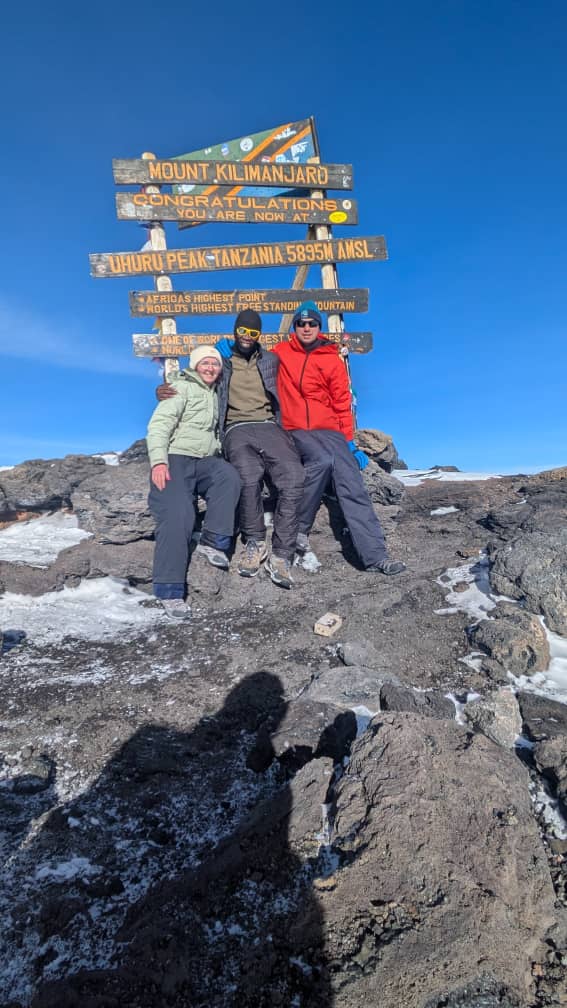
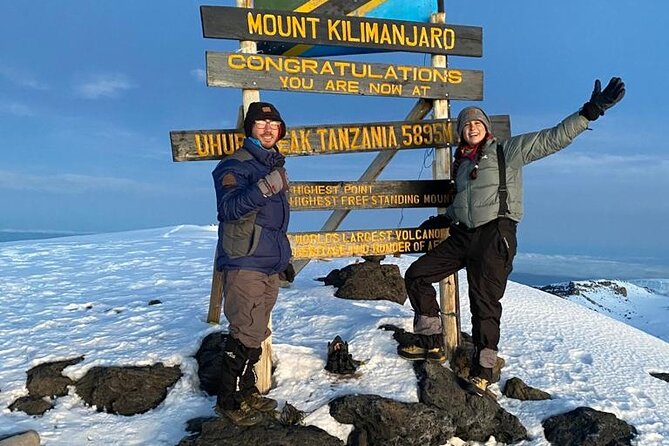
- Uhuru Peak: The final push to Uhuru Peak (5,895m/19,341ft) takes another 1-2 hours. This is the highest point in Africa, and reaching it is an incredible accomplishment.
- The Descent: The descent is surprisingly challenging. Trekking down the scree slope is hard on the knees, and you’ll be exhausted. However, the lower altitude will start to make breathing easier. You’ll descend back to Kibo Huts for a brief rest before continuing down to Horombo Huts.
Summit night requires immense mental and physical strength. Proper preparation, including adequate rest and acclimatization, is critical. The feeling of accomplishment upon reaching Uhuru Peak is unparalleled.
Booking Your 6 Days Marangu Route – 13 December 2026 Departure
Ready to secure your place on this classic Kilimanjaro adventure? Booking your 6 Days Marangu Route – 13 December 2026 Departure is straightforward. We are a dedicated Tanzania tour operator committed to providing safe, memorable, and authentic travel experiences. Our team has extensive knowledge of Kilimanjaro and the surrounding region.
To confirm your booking or to inquire about availability for this specific departure, please reach out to us. We can also discuss options for private climbs if the group departure doesn’t suit your schedule or if you prefer a personalized experience. Remember, planning for 2026 and 2027 travel means booking well in advance is highly recommended.
You can contact us directly:
- WhatsApp: +255616946642
- Email: topguideadventures@gmail.com
- Backup Email: info@topguideadventures.com
We are excited to help you plan your Kilimanjaro journey. Whether it’s the 13 December 2026 departure or another date in 2026 or 2027, we are here to ensure your climb is everything you dreamed of. Don’t miss this chance to experience the majesty of Kilimanjaro via the Marangu Route!

 Veedesigner
 Fatma Kizanga
 Benjamin Waryuba
 Philip Philip
 John jr Itaja
 Antonia Optatus
 Edith Kanyere
 Neema Iddy
 Kelvin Boniphace
 Damari Maiga



