
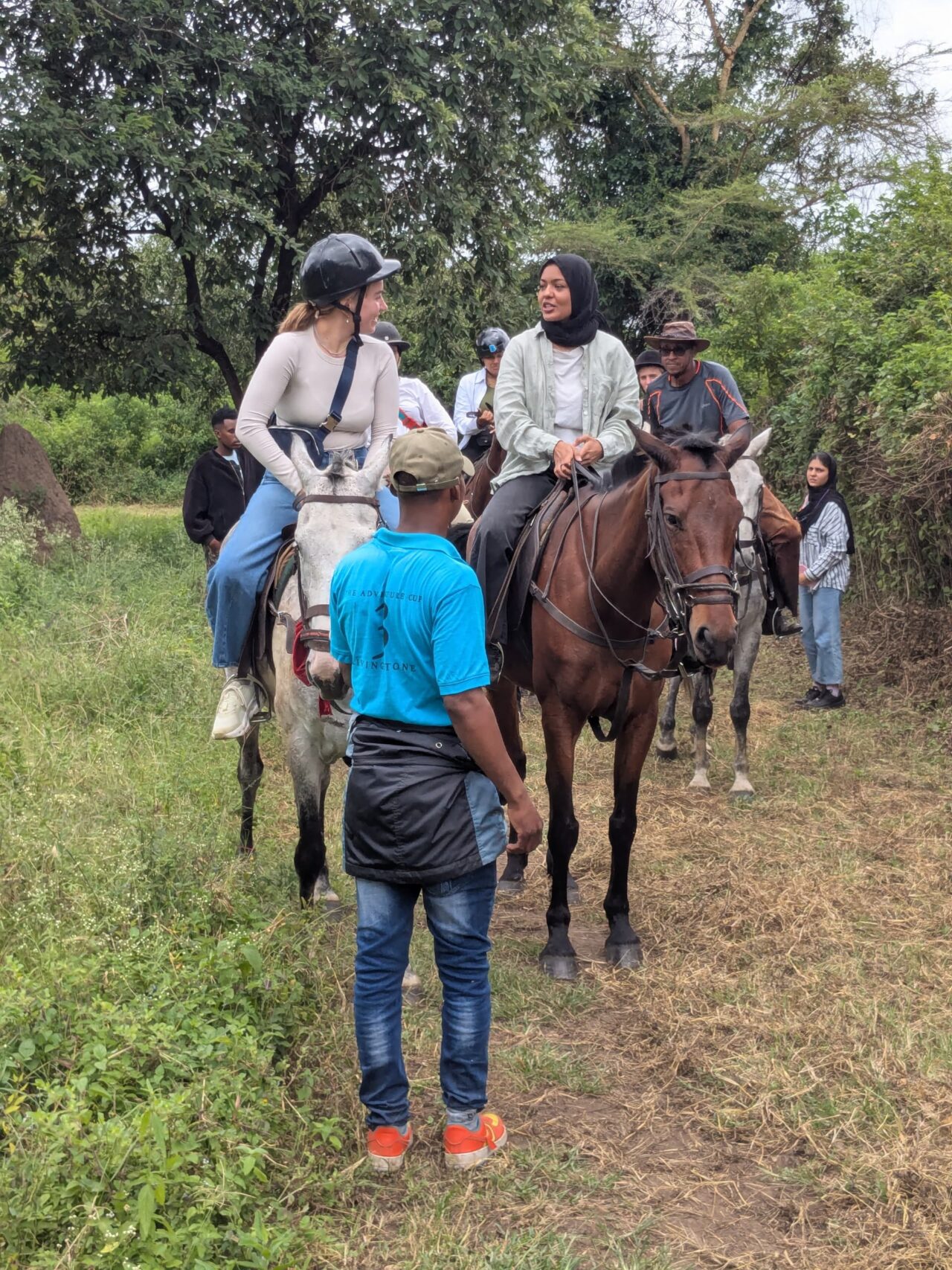
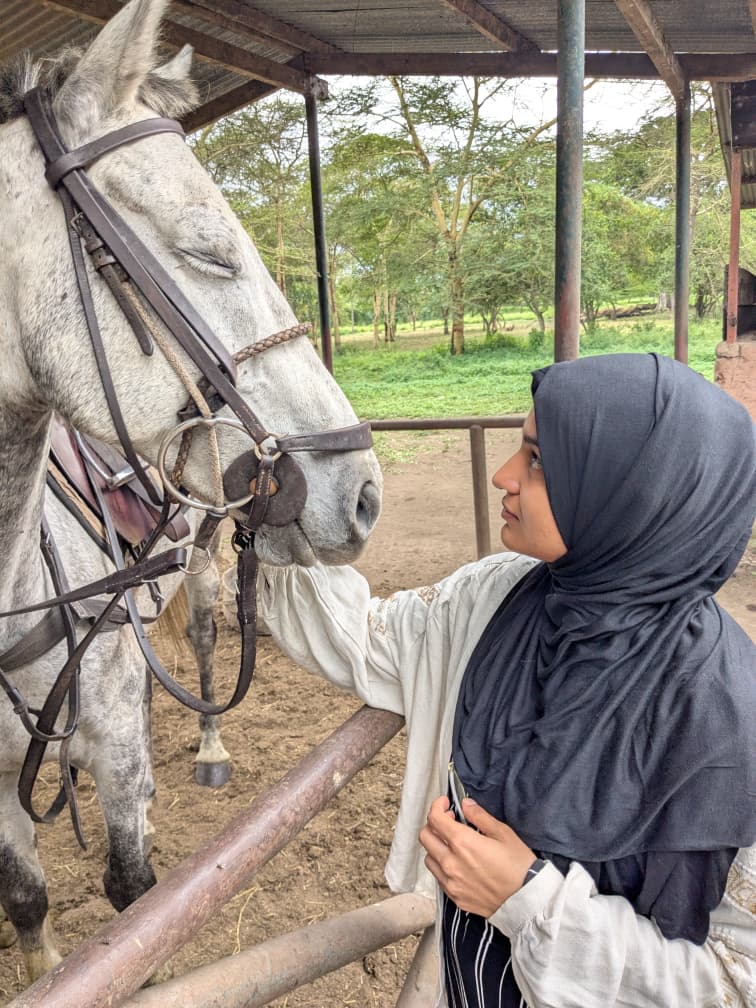
Imagine the thrill of cantering across the vast, sun-drenched plains of Tanzania, the wind in your hair, and the distant silhouette of a giraffe on the horizon. Horse riding safaris offer a unique and intimate perspective on Africa’s most iconic landscapes and wildlife, allowing you to connect with the environment in a way that traditional vehicles simply cannot match. For those seeking an unparalleled adventure in 2026 or 2027, Tanzania stands out as a premier destination for equestrian exploration. This guide will navigate you through the best horse riding safaris Tanzania has to offer, helping you plan an unforgettable journey.
Why Choose a Horse Riding Safari in Tanzania?
Tanzania is renowned for its dramatic natural beauty, from the endless savannas of the Serengeti to the breathtaking vistas of the Great Rift Valley. While game drives are the classic safari experience, horse riding safaris provide distinct advantages:
- Intimacy with Wildlife: Horses are a natural part of the African landscape, meaning wildlife often perceives them as non-threatening. This allows for closer, more respectful encounters with animals like zebras, wildebeest, and even elephants, without causing them alarm.
- Access to Remote Areas: Riding allows you to venture into areas inaccessible by vehicle, exploring hidden valleys, riverbanks, and dense bushland.
- Unparalleled Scenery: Experience panoramic views from a higher vantage point, with the freedom to pause and absorb the sheer scale and beauty of the wilderness.
- Active Adventure: For those who love the outdoors and an active holiday, combining the exhilaration of riding with the wonder of safari is a dream come true.
- Peace and Quiet: Escape the engine noise and immerse yourself in the sounds of the bush – birdsong, the rustle of grass, and the distant call of wildlife.
The Premier Locations for Horse Riding Safaris in Tanzania
Tanzania offers several exceptional regions where horse riding safaris are expertly managed, each providing a unique ecosystem and wildlife viewing opportunities. Planning your 2026 or 2027 adventure means choosing the landscape that calls to you most.
1. The Northern Highlands: Mount Kilimanjaro and its Foothills
While Mount Kilimanjaro is famous for its trekking routes, its surrounding foothills and the Kilimanjaro region offer surprisingly diverse and beautiful horse riding experiences. These safaris often combine stunning mountain backdrops with encounters with local agricultural life and smaller wildlife species. Riders can explore coffee plantations, local villages, and enjoy scenic routes with Kilimanjaro as a constant, majestic presence.
- Best For: Riders who appreciate scenic beauty, cultural immersion, and a less intense wildlife focus. Ideal for families or those seeking a gentler introduction to horse riding in Africa.
- Wildlife: Monkeys, various bird species, and occasional sightings of smaller mammals. The focus here is more on the landscape and cultural interaction.
- Scenery: Lush green hills, coffee and banana plantations, panoramic views of Mount Kilimanjaro.
- Duration: Typically half-day to full-day rides, though multi-day packages can be arranged.
2. The Maasai Steppe: Towards Tarangire and the Great Rift Valley
This is where horse riding safaris truly begin to shine in terms of wildlife encounters. The vast, open plains of the Maasai Steppe, bordering areas like Tarangire National Park and the Ngorongoro Conservation Area, are home to a rich diversity of wildlife. Riding here allows for incredible proximity to large herds, especially during the migration seasons (though the main migration is usually further west in the Serengeti).
Imagine riding alongside zebras, wildebeest, giraffes, and perhaps even spotting elephants or lions from a safe distance. These safaris are often led by experienced Maasai guides who possess an unparalleled knowledge of the land, its inhabitants, and the safest ways to approach wildlife on horseback.
- Best For: Adventurous riders looking for substantial wildlife viewing opportunities in an open savanna environment. Those interested in Maasai culture will also find this region deeply rewarding.
- Wildlife: Zebras, wildebeest, giraffes, elephants, various antelope species, ostriches, and a wealth of birdlife. Predators like lions and cheetahs may be spotted from a distance.
- Scenery: Rolling grasslands, acacia-dotted plains, distant mountains, and dramatic sunsets.
- Duration: Day rides are common, but multi-day fly-camping or lodge-based riding expeditions are the highlight, offering a truly immersive experience.
When planning for 2026 or 2027, consider the Maasai Steppe for a classic African riding adventure that balances wildlife and landscape.
3. The Selous Game Reserve (Nyerere National Park): Southern Tanzania’s Wilderness
While traditionally known for its boat safaris and game drives, the southern part of Tanzania, particularly the vast Nyerere National Park (formerly Selous Game Reserve), has also embraced horse riding. This region offers a different kind of wilderness – denser bush, extensive river systems, and a unique array of wildlife.
Horse riding here can be particularly exciting as it allows exploration along the Rufiji River and its tributaries, offering unique perspectives on hippos, crocodiles, elephants, and diverse birdlife. The sheer scale of Nyerere National Park means that even on horseback, you feel a profound sense of being in untouched wilderness.
- Best For: Riders seeking a wild, less-trodden path with opportunities to see a different mix of wildlife, including riverine species.
- Wildlife: Elephants, hippos, crocodiles, wild dogs, lions, diverse antelope, and abundant birdlife.
- Scenery: Dense miombo woodlands, open plains, the expansive Rufiji River system, and swamps.
- Duration: Typically multi-day riding safaris, often including fly-camping for a truly wild experience.
What to Expect on a Tanzanian Horse Riding Safari
A horse riding safari is not just about the riding; it’s a comprehensive adventure designed to immerse you in the African bush. Here’s a breakdown of what you can typically expect:
The Horses
Reputable operators use well-trained, sure-footed horses suitable for safari work. Breeds often include South African Boerperd, Arab crosses, and other sturdy types accustomed to the African bush. They are typically calm, responsive, and accustomed to wildlife. Riders are usually matched with a horse based on their experience level and weight. You’ll find horses ranging from calm, steady mounts for beginners to more spirited horses for experienced riders.
The Itinerary and Pace
Horse riding safaris vary greatly in length and intensity. Options range from:
- Half-day and Full-day Rides: Perfect for those staying at lodges near riding areas or as an add-on to a traditional safari.
- Multi-day Expeditions: These are the most popular and immersive experiences. They often involve riding between camps (fly-camps or permanent lodges), covering significant distances and exploring different terrains. Days typically consist of morning and afternoon rides, with time for relaxation, meals, and wildlife viewing during breaks.
The pace is generally a mix of walk, trot, and canter, depending on the terrain, the guide’s assessment of the wildlife situation, and the riders’ abilities. Safety is paramount, and guides will manage the pace accordingly.
Wildlife Encounters
The magic of horse riding safaris lies in the proximity to wildlife. You can expect to see large herds of plains game like zebras and wildebeest grazing peacefully. Giraffes often allow riders to approach quite closely, and elephants are usually visible from a respectful distance. While encounters with predators like lions or cheetahs are possible, guides prioritize safety, and these sightings often involve observing them from a distance, particularly if they are on alert.
Accommodation
Accommodation varies depending on the safari package and location:
- Luxury Lodges and Camps: Many riding safaris are based out of established lodges or tented camps offering comfortable amenities, fine dining, and stunning views.
- Fly-Camping: For multi-day expeditions, fly-camping is a popular choice. This involves setting up comfortable, mobile tented camps in remote locations, often with en-suite bathrooms and delicious meals cooked over an open fire. It’s a truly adventurous way to experience the wilderness.
- Mobile Camps: Some operators use fully mobile tented camps that move with the riding group, offering a sense of exploration and discovery.
Guides and Safety
Safety is the top priority. Your guides will be highly experienced riders and knowledgeable about wildlife behavior, local terrain, and first aid. They carry communication equipment and often have backup vehicles or support staff nearby. Riders receive thorough briefings on safety procedures before each ride.
Planning Your Horse Riding Safari for 2026-2027
Booking the best horse riding safari in Tanzania for your 2026 or 2027 trip requires careful consideration. Here are key factors to keep in mind:
Best Time to Travel
Tanzania has two main seasons, but the best time for horse riding safaris is generally during the dry seasons:
- June to October: This is the peak dry season, offering clear skies, pleasant temperatures, and abundant wildlife concentrated around water sources. The landscapes are golden and expansive, perfect for riding.
- January to February: This is a shorter dry spell, often coinciding with the calving season for wildebeest in the southern Serengeti/Ngorongoro area. While not ideal for the main migration areas, it can be a good time for riding in other regions.
The shoulder months (May, November, December) can also be excellent, offering fewer crowds and potentially lower prices, though weather can be more variable.
Riding Experience Level
Most horse riding safaris cater to a range of experience levels, from novice to advanced. It’s crucial to be honest about your riding abilities when booking. Operators will match you with a suitable horse and ensure you are comfortable and safe.
- Beginner/Intermediate: Focus on safaris with calmer horses and less challenging terrain. Multi-day trips with shorter riding days are ideal.
- Experienced Riders: Can opt for faster-paced rides, longer distances, and more challenging terrain. You might be able to handle more spirited horses.
Duration and Itinerary Customization
How long do you want to ride? Are you looking for a standalone riding holiday, or do you want to combine it with other Tanzanian experiences like a traditional safari or a climb up Kilimanjaro?
For 2026 or 2027, consider the following:
- 3-5 days: A good introduction, allowing for several days of riding and wildlife viewing.
- 7-10 days: Ideal for a comprehensive expedition, covering more ground and offering deeper immersion.
- 10+ days: For the dedicated equestrian adventurer, these longer trips can explore vast areas and offer a truly unforgettable experience.
Many operators, like Top Best Tanzania Tour operator, specialize in custom itineraries. You can tailor your trip to include specific wildlife interests, preferred accommodation styles, and desired riding intensity.
What’s Included?
Always clarify what is included in your horse riding safari package. Typically, this will cover:
- Accommodation (lodges, camps, or fly-camps)
- All meals during the safari
- Horse hire and tack
- Experienced riding guides
- Park fees and conservation levies
- Transfers to and from the riding areas
- Water and often some drinks
Exclusions often include international flights, visas, travel insurance, tips, personal expenses, and sometimes alcoholic beverages.
Costs and Budget Considerations for 2026-2027
The cost of a horse riding safari in Tanzania can vary significantly based on the duration, level of luxury, location, and inclusions. As a general guideline for 2026-2027:
- Mid-Range: Expect prices to start from around $300 – $500 USD per person per day. This typically covers comfortable accommodation, good quality horses, experienced guides, and most meals.
- Luxury: For high-end lodges, exclusive concessions, and premium services, prices can range from $600 – $1000+ USD per person per day. This often includes higher levels of service, more exclusive wildlife access, and finer dining.
Important factors influencing price:
- Duration: Longer trips often have a slightly lower per-day cost.
- Accommodation Style: Fly-camping is generally more affordable than luxury lodges.
- Exclusivity: Riding in private concessions or areas with limited access will be more expensive.
- Time of Year: Peak season (dry season) might see slightly higher rates.
It’s always best to get a detailed quote. For personalized pricing and package options for your 2026 or 2027 adventure, contacting a specialist operator is recommended.
Expert Tip for 2026-2027 Bookings
The most popular horse riding safari spots and dates, especially during peak dry seasons (June-October), fill up quickly. For the best availability and to secure your preferred itinerary for 2026 or 2027, we advise booking at least 9-12 months in advance. Early booking also allows for more flexibility in flight arrangements and potential early-bird offers from some operators.
Combining Horse Riding with Other Tanzanian Adventures
Tanzania is a land of incredible diversity, and a horse riding safari can be perfectly combined with other iconic experiences. This offers a well-rounded adventure that showcases the country’s many facets.
Traditional Game Drives
Extend your safari by incorporating traditional game drives in nearby national parks like Tarangire, Lake Manyara, or the Ngorongoro Crater. This allows you to cover more ground and see animals that might be more elusive on horseback.
Mount Kilimanjaro Trekking
For the ultimate adventure, combine a horse riding safari with a trek up Mount Kilimanjaro. Many operators offer packages that include both. Imagine the exhilaration of reaching Uhuru Peak, followed by the serene experience of exploring the plains on horseback. The Machame Route is a popular choice for Kilimanjaro climbs, and combining it with a riding safari in the north offers a fantastic itinerary for 2026 or 2027.
Zanzibar Relaxation
After days of adventure, unwind on the pristine beaches of Zanzibar. The island offers a stark contrast to the mainland’s wilderness, with turquoise waters, spice tours, and historical Stone Town. A typical itinerary might involve a 5-day riding safari followed by 4-5 days on Zanzibar.
Cultural Immersion
Many horse riding safaris, particularly in the Maasai Steppe region, offer opportunities to visit local Maasai villages. Learn about their traditional way of life, their deep connection to the land, and their relationship with livestock. This adds a rich cultural dimension to your adventure.
Preparing for Your Horse Riding Safari
Proper preparation is key to a comfortable and enjoyable horse riding safari. Here are some essential tips:
What to Pack
Packing light is essential, especially if moving between camps. Focus on versatile, comfortable clothing:
- Riding Trousers/Jeans: Comfortable, durable trousers are a must. Riding breeches are optional but recommended for longer rides.
- Riding Boots: With a small heel to prevent your foot from slipping through the stirrup.
- Riding Helmet: While some operators provide them, bringing your own comfortable, well-fitting helmet is highly recommended for safety.
- Lightweight Shirts: Long-sleeved shirts are ideal for sun protection and to ward off insects.
- Warm Layer: Evenings and early mornings can be cool, especially in the dry season. A fleece or light jacket is useful.
- Sun Protection: Wide-brimmed hat (to wear off the horse), high SPF sunscreen, sunglasses.
- Insect Repellent: With DEET for evenings.
- Camera and Binoculars: Essential for wildlife viewing. Ensure you have extra batteries and memory cards.
- Small Backpack: For carrying water, snacks, and camera gear during rides.
- Personal First-Aid Kit: With any personal medications.
Fitness and Riding Skills
You don’t need to be an expert rider, but a reasonable level of fitness and basic riding ability will enhance your experience. Be prepared for several hours in the saddle each day. If you are new to riding, consider taking a few lessons before your trip.
Health Precautions
Consult your doctor or a travel clinic well in advance of your trip for advice on vaccinations and malaria prophylaxis. Tanzania is a malaria risk area, so take appropriate precautions.
Choosing the Right Operator for Your 2026-2027 Safari
Selecting a reputable and experienced tour operator is crucial for a safe and memorable horse riding safari. Look for companies with:
- Extensive Experience: A proven track record in organizing horse riding safaris in Tanzania.
- Knowledgeable Guides: Highly trained guides with expertise in both riding and wildlife.
- Well-Maintained Horses: Healthy, well-schooled horses suited for safari work.
- Safety Standards: Strict safety protocols and well-maintained equipment.
- Customization Options: The ability to tailor itineraries to your specific needs and preferences.
- Positive Reviews: Check testimonials and reviews from previous clients.
For those planning their adventure for 2026 or 2027, Top Best Tanzania Tour operator is a highly recommended choice. They offer expertly crafted horse riding safaris, combining thrilling wildlife encounters with exceptional service and deep local knowledge. You can explore their safari offerings and learn more about custom tours by visiting their website or contacting them directly.
Ready to Ride into the Wild?
A horse riding safari in Tanzania offers an unparalleled way to experience the raw beauty and magnificent wildlife of East Africa. It’s an adventure that speaks to the soul, connecting you deeply with nature and leaving you with memories that last a lifetime. Whether you dream of cantering across the Maasai Steppe or exploring the tranquil foothills of Kilimanjaro, Tanzania delivers an equestrian experience like no other.
For those envisioning their dream safari for 2026 or 2027, now is the perfect time to start planning. Let us help you craft the ultimate horse riding adventure. Get in touch with our experienced team to discuss your ideal itinerary, get a personalized quote, and prepare for an expedition that will exceed your expectations. You can reach us via WhatsApp at +255616946642, email us at topguideadventures@gmail.com, or use our backup email info@topguideadventures.com. Visit our website for more inspiration and to see examples of our tailored safari experiences.



