
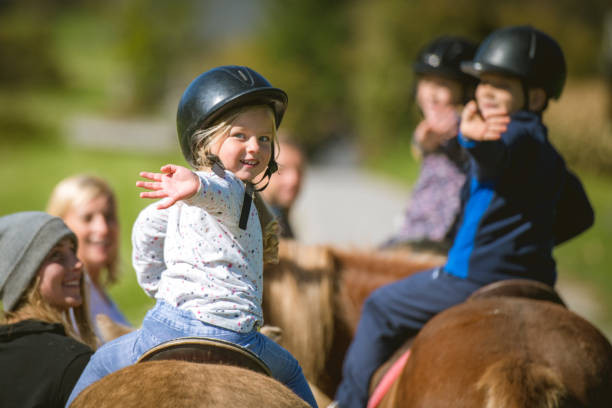
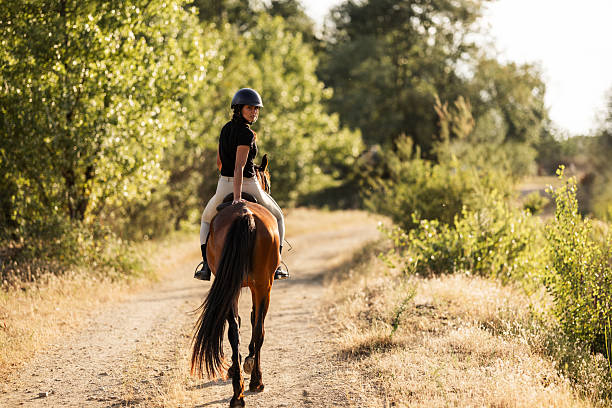
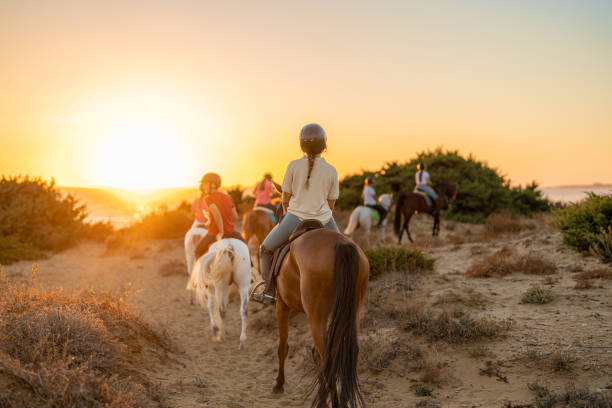
Imagine the wind in your hair, the rhythmic gait of a horse beneath you, and the vast, untamed landscapes of Tanzania unfolding before your eyes. A Tanzania horse riding safari experience offers a perspective unlike any other, allowing you to traverse terrain that vehicles cannot reach and to approach wildlife with a gentler presence. This is not just a safari; it’s an intimate encounter with the wild heart of Africa, a journey back in time where exploration was done on horseback. Whether you’re an experienced rider or a novice seeking an unforgettable adventure, this guide will prepare you for the magic of a horseback safari in Tanzania, with an eye towards planning your 2026 or 2027 expedition.
Why Choose a Horse Riding Safari in Tanzania?
Tanzania is renowned for its iconic safari destinations: the Serengeti, the Ngorongoro Crater, Tarangire, and the vast plains of the Masai Mara (which extends into Tanzania as the Grumeti Reserve). While game drives in 4×4 vehicles are the most common way to see wildlife, a horse riding safari provides a distinct and complementary experience. Here’s why it stands out:
- Unparalleled Access: Horses can navigate through areas inaccessible to vehicles, such as narrow bush paths, riverbeds, and dense vegetation, bringing you closer to hidden wildlife and stunning vistas.
- Quiet and Respectful Wildlife Encounters: Horses are a natural part of the African ecosystem. Wildlife often tolerates their presence more readily than vehicles, allowing for closer and more natural observations without disturbing the animals.
- Sense of Adventure and Freedom: There’s an undeniable romance and freedom associated with exploring on horseback. It evokes a sense of pioneering spirit and deep connection with the environment.
- Different Pace of Exploration: A horseback safari allows you to absorb the sights, sounds, and smells of the bush at a more leisurely pace. You can stop easily, dismount for a closer look at flora, or simply pause to appreciate the grandeur of the landscape.
- Suitable for Various Skill Levels: Many operators offer options for both experienced riders and beginners, with well-trained horses and experienced guides ensuring safety and enjoyment for everyone.
Where to Experience a Tanzania Horse Riding Safari
While horseback safaris are not offered in every national park due to regulations and terrain, certain regions and private conservancies have been developed specifically for this type of adventure. These areas are carefully managed to ensure both guest safety and wildlife conservation.
1. The Northern Safari Circuit: Tarangire and West Kilimanjaro
The areas bordering Tarangire National Park and the private conservancies of West Kilimanjaro are prime locations for horseback safaris. These regions boast a rich diversity of wildlife and offer varied terrains, from open grasslands to acacia woodlands and riverine forests.
- Tarangire National Park Vicinity: While horse riding is restricted within the park boundaries, the surrounding areas and adjacent conservancies are ideal. You’ll find large elephant herds, giraffes, zebras, wildebeest, and a variety of predators. The landscape is dotted with iconic baobab trees and offers breathtaking views.
- West Kilimanjaro Conservancies: Located on the western side of Mount Kilimanjaro, these conservancies provide a stunning backdrop of Africa’s highest peak. The open plains and acacia woodlands are perfect for longer rides, often encountering elephants, wildebeest, zebras, and gazelles. Some lodges here offer exceptional horseback safaris, often combining them with walking safaris and game drives for a comprehensive experience.
2. The Southern Safari Circuit: Selous Game Reserve (Nyerere National Park)
The vast Selous Game Reserve, now known as Nyerere National Park, offers a different kind of wilderness experience. Its sheer size means that large areas remain truly wild and undeveloped. Horse riding here is often centered around the Rufiji River basin and its tributaries.
- Unique Riverine Landscapes: Horse riding along the Rufiji River offers a chance to see hippos, crocodiles, and abundant birdlife. The open plains surrounding the river are home to buffalo, elephants, and various antelopes.
- Sense of Remote Wilderness: Nyerere National Park provides an experience of true remoteness. Horseback riding here allows you to feel a profound connection to this expansive and wild landscape.
3. Private Conservancies and Ranches
Beyond the national parks, several private ranches and conservancies have established themselves as premier destinations for horse riding safaris. These often offer exclusive access to large tracts of land teeming with wildlife.
- Customized Routes: Private conservancies often allow for more flexibility in route planning, tailoring rides to the skill level of the riders and the wildlife sightings of the day.
- Luxury Accommodations: Many of these locations are associated with high-end lodges that provide luxurious accommodation, gourmet dining, and exceptional service, blending adventure with comfort.
What to Expect on a Tanzania Horse Riding Safari
A horseback safari is an immersive experience. Here’s a breakdown of what you can anticipate:
The Horses
The horses used for safaris are typically sturdy, well-trained, and accustomed to the African bush. Breeds often include Basotho ponies, Thoroughbreds, and crosses, chosen for their temperament, stamina, and sure-footedness. They are accustomed to the presence of wildlife, including elephants, giraffes, zebras, and even predators, and are guided by experienced horse handlers who understand their behavior.
The Guides
Your guides are crucial to a safe and enjoyable experience. They are not only expert horsemen but also knowledgeable about local wildlife, tracking, and the terrain. They will brief you on safety procedures, riding techniques suitable for the bush, and how to behave around animals. Many guides are local Maasai or from other tribes, offering invaluable insights into the culture and environment.
Riding Experience Levels
Most operators cater to a range of riding abilities:
- Beginners: If you have little to no riding experience, don’t worry. You’ll be paired with a calm, steady horse and receive thorough instruction. Rides for beginners are typically shorter and on flatter, more open terrain.
- Intermediate Riders: Those comfortable with basic aids and can ride at a walk, trot, and canter will find more challenging routes available.
- Experienced Riders: Experienced riders can enjoy faster paces, longer rides, and more adventurous terrain, often with opportunities for cantering across open plains.
It’s essential to be honest about your riding ability when booking to ensure you are matched with the right horse and itinerary.
Typical Itinerary Structure
Horse riding safaris can range from half-day excursions to multi-day expeditions:
- Half-Day Rides: Ideal for those staying at a lodge that offers day trips or for adding a unique activity to a standard safari itinerary.
- Full-Day Rides: These usually include a picnic lunch enjoyed in a scenic spot and cover more ground, offering a deeper immersion into the landscape.
- Multi-Day Rides: These are the most immersive experiences. You might ride between different camps or lodges, sleeping in comfortable tented camps or lodges each night. These longer rides often involve covering significant distances and offer the chance to explore diverse ecosystems.
A typical multi-day itinerary might involve:
- Day 1: Arrival at the lodge, introduction to your horse and guide, a shorter introductory ride to get acquainted.
- Days 2-X: Full days of riding, exploring different areas, encountering wildlife, enjoying bush breakfasts and lunches, and returning to camp/lodge in the evening.
- Final Day: A final morning ride before departure.
Wildlife You Might See
The wildlife sightings on a horse riding safari are often spectacular. You can expect to see:
- Large Mammals: Herds of elephants, giraffes browsing on acacia trees, zebras, wildebeest, buffalo, various species of antelope (gazelles, impalas, oryx), and sometimes warthogs.
- Predators: While less common and dependent on the specific area and time of day, you might spot lions, cheetahs, leopards, hyenas, and wild dogs. Your guides are trained to handle encounters safely, often observing from a respectful distance.
- Birdlife: Tanzania is a birdwatcher’s paradise. Expect to see ostriches, secretary birds, various raptors, guinea fowl, and a myriad of smaller, colorful species, especially near water sources.
Planning Your 2026-2027 Tanzania Horse Riding Safari
Planning is key to ensuring a successful and memorable horseback safari. Here are factors to consider for your 2026 or 2027 trip:
Best Time to Travel
The best time for a horse riding safari often coincides with the dry seasons when the weather is pleasant, and wildlife congregates around water sources, making sightings more reliable. However, each season offers its unique advantages:
- June to October (Dry Season): This is generally considered the prime time for safaris in Tanzania. The weather is dry and sunny, with cooler temperatures, especially in the mornings and evenings. Grasslands are shorter, making wildlife easier to spot. This is also the time of the Great Migration in the Serengeti, though horse riding safaris are typically not conducted in the heart of the migration routes within national parks. However, areas adjacent to these regions can still offer excellent game viewing. For 2026 and 2027, expect this period to be popular, so early booking is advisable.
- November to May (Wet Season): The landscape becomes lush and green, offering a different kind of beauty. Birdlife is abundant, and it’s a great time for photography. However, heavy rains can occur, which might affect riding conditions and wildlife movements. The shoulder months of November and early December can offer a good balance of fewer crowds and pleasant weather before the heavier rains typically start in late December/January. The calving season for wildebeest in the southern Serengeti occurs around February, which can be spectacular to witness, though conditions might be muddy.
Choosing Your Operator and Itinerary
Selecting the right tour operator is paramount. Look for companies with extensive experience in organizing horseback safaris, a strong safety record, well-maintained horses, and knowledgeable guides. For your 2026-2027 planning, consider:
- Reputation and Reviews: Check testimonials and reviews on platforms like TripAdvisor. Top Guide Adventures, for example, has a strong reputation for personalized service and expert guiding.
- Itinerary Customization: Can they tailor a trip to your specific interests, fitness level, and desired duration?
- Safety Protocols: What are their procedures for emergencies? Do they provide riding helmets and safety gear?
- Horse Welfare: Ensure the operator prioritizes the health and well-being of their horses.
For a truly bespoke experience, especially for 2026-2027 travel, consider working with a local operator like Top Guide Adventures. They can craft custom itineraries that blend horse riding with other safari activities, ensuring you experience the best of Tanzania. You can reach them via WhatsApp +255616946642 or email at topguideadventures@gmail.com.
What to Pack
Packing appropriately will enhance your comfort and safety. Key items include:
- Riding Attire: Comfortable long trousers (jeans or riding breeches), long-sleeved shirts to protect from the sun and insects, and sturdy, closed-toe shoes with a small heel (like riding boots or sturdy hiking boots). Some operators provide helmets, but if you have a comfortable one, you may wish to bring it.
- Sun Protection: A wide-brimmed hat (to wear when not riding), sunglasses, and high SPF sunscreen are essential.
- Clothing Layers: Mornings and evenings can be cool, so pack light layers such as a fleece or a light jacket. During the day, light, breathable clothing is best.
- Insect Repellent: Especially important for dawn and dusk.
- Binoculars: For enhanced wildlife viewing.
- Camera: With extra batteries and memory cards.
- Personal First-Aid Kit: Including any personal medications.
- Reusable Water Bottle: To stay hydrated and minimize plastic waste.
Fitness and Health Considerations
While you don’t need to be an Olympic athlete, a basic level of fitness is beneficial, especially for multi-day rides. You should be able to sit comfortably on a horse for several hours a day. Ensure you are up-to-date with any recommended vaccinations and malaria precautions for Tanzania. Consult your doctor well in advance of your 2026-2027 trip.
Costs and Budgeting for 2026-2027
The cost of a Tanzania horse riding safari varies significantly based on the duration, location, accommodation standard, and inclusions. Generally, horseback safaris are considered a premium safari experience and can be more expensive than standard game drives.
Price Factors:
- Duration: Longer trips naturally cost more.
- Accommodation: Luxury lodges or exclusive tented camps will increase the price.
- Inclusions: Does the price include park fees, meals, drinks, transfers, and other activities?
- Exclusivity: Private rides or exclusive conservancy access will command higher prices.
- Time of Year: Peak season (June-October) might have slightly higher rates.
As a rough guide for 2026-2027, expect prices to range from $300 to $800+ per person per day for a dedicated horseback safari experience. This often includes the horse, guide, accommodation, meals, and some activities. Shorter excursions might be priced per ride.
It’s always best to get a detailed quote from your chosen operator. For personalized quotes for your 2026 or 2027 adventure, reach out to Top Guide Adventures via WhatsApp +255616946642 or email topguideadventures@gmail.com. They can provide tailored options and transparent pricing.
Combining Horse Riding with Other Safari Experiences
A horse riding safari can be a highlight of a broader Tanzanian adventure. Consider combining it with:
- Classic Game Drives: Explore national parks like the Serengeti and Ngorongoro Crater in open-top 4×4 vehicles for comprehensive wildlife viewing.
- Walking Safaris: Experience the bush on foot with an armed ranger, focusing on smaller details, tracking, and the flora and fauna of the ecosystem.
- Cultural Visits: Engage with local communities, such as the Maasai people, to learn about their traditions and way of life.
- Kilimanjaro Trekking: For the adventurous, combine a safari with a climb of Mount Kilimanjaro. Machame Route group departures are a popular option for 2026-2027.
- Zanzibar Holidays: Relax on the beautiful beaches of Zanzibar after your safari adventures.
Top Guide Adventures specializes in creating multi-faceted itineraries that seamlessly blend these diverse experiences. Their expertise ensures that your entire trip, from the thrill of horseback riding to the cultural immersion, is well-organized and unforgettable.
Safety on a Tanzania Horse Riding Safari
Safety is the top priority for reputable horse riding safari operators. Comprehensive safety measures are in place:
- Experienced Guides: Guides are trained in first aid, wildlife behavior, and emergency procedures.
- Horse Selection: Horses are chosen for their calm temperament and suitability for the terrain and rider’s ability.
- Equipment: Helmets are often provided, and saddles and bridles are well-maintained.
- Wildlife Encounters: Guides are skilled at managing interactions with wildlife, ensuring both rider and animal safety. They will instruct you on how to behave if you encounter dangerous animals.
- Communication: Many remote camps have radios or satellite phones for emergencies.
- Rider Briefings: You will receive thorough safety briefings before each ride.
While every safari carries an element of adventure, the risks are significantly mitigated by professional operators and well-trained horses. It’s essential to follow your guide’s instructions at all times.
The Future of Horse Riding Safaris in Tanzania (2026-2027 and beyond)
As ecotourism grows and travelers seek more authentic and sustainable ways to experience nature, horse riding safaris are becoming increasingly popular. For 2026 and 2027, expect continued development in prime riding areas, with operators focusing on responsible tourism practices that benefit local communities and conservation efforts. The demand for unique, off-the-beaten-path experiences means that horse riding safaris are perfectly positioned to meet the evolving desires of discerning travelers.
Conservation is at the heart of responsible horse riding operations. By choosing to ride in well-managed conservancies, you contribute to the protection of wildlife habitats and support local economies. This sustainable approach ensures that these incredible landscapes and their inhabitants are preserved for future generations, making your 2026-2027 adventure a positive force.
For those planning their Tanzanian adventure for 2026 or 2027, a horse riding safari offers a truly special way to connect with the continent’s breathtaking beauty and incredible wildlife. It’s an experience that stays with you long after you’ve dismounted.
Ready to Plan Your Tanzania Horse Riding Safari?
A Tanzania horse riding safari experience promises an adventure unlike any other. Whether you dream of exploring the plains of West Kilimanjaro or the riverine landscapes of Nyerere National Park, the thrill of discovery on horseback awaits. For expert planning and personalized itineraries for your 2026 or 2027 safari, trust the professionals. Contact Top Guide Adventures today to craft your perfect horseback adventure. Reach them via WhatsApp at +255616946642 or email topguideadventures@gmail.com. You can also use their backup email: info@topguideadventures.com. Visit their website www.topguideadventures.com for more inspiration and to explore other safari options, including group departures for safaris and Kilimanjaro treks.
Follow Top Guide Adventures on Instagram for stunning visuals and updates on Tanzanian adventures.



