
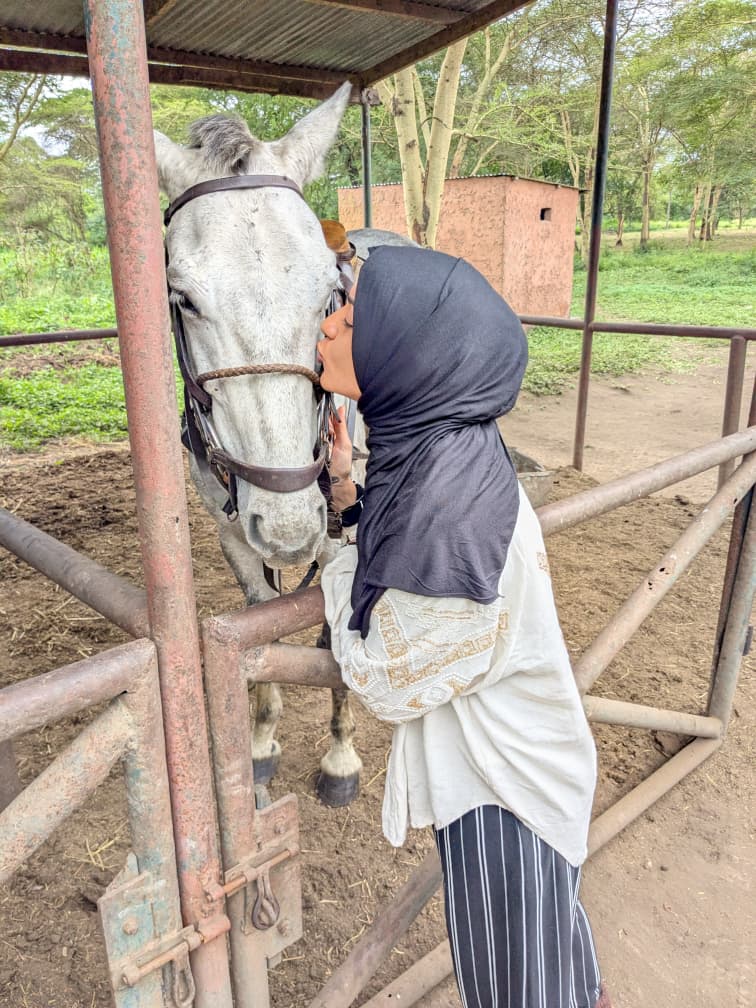
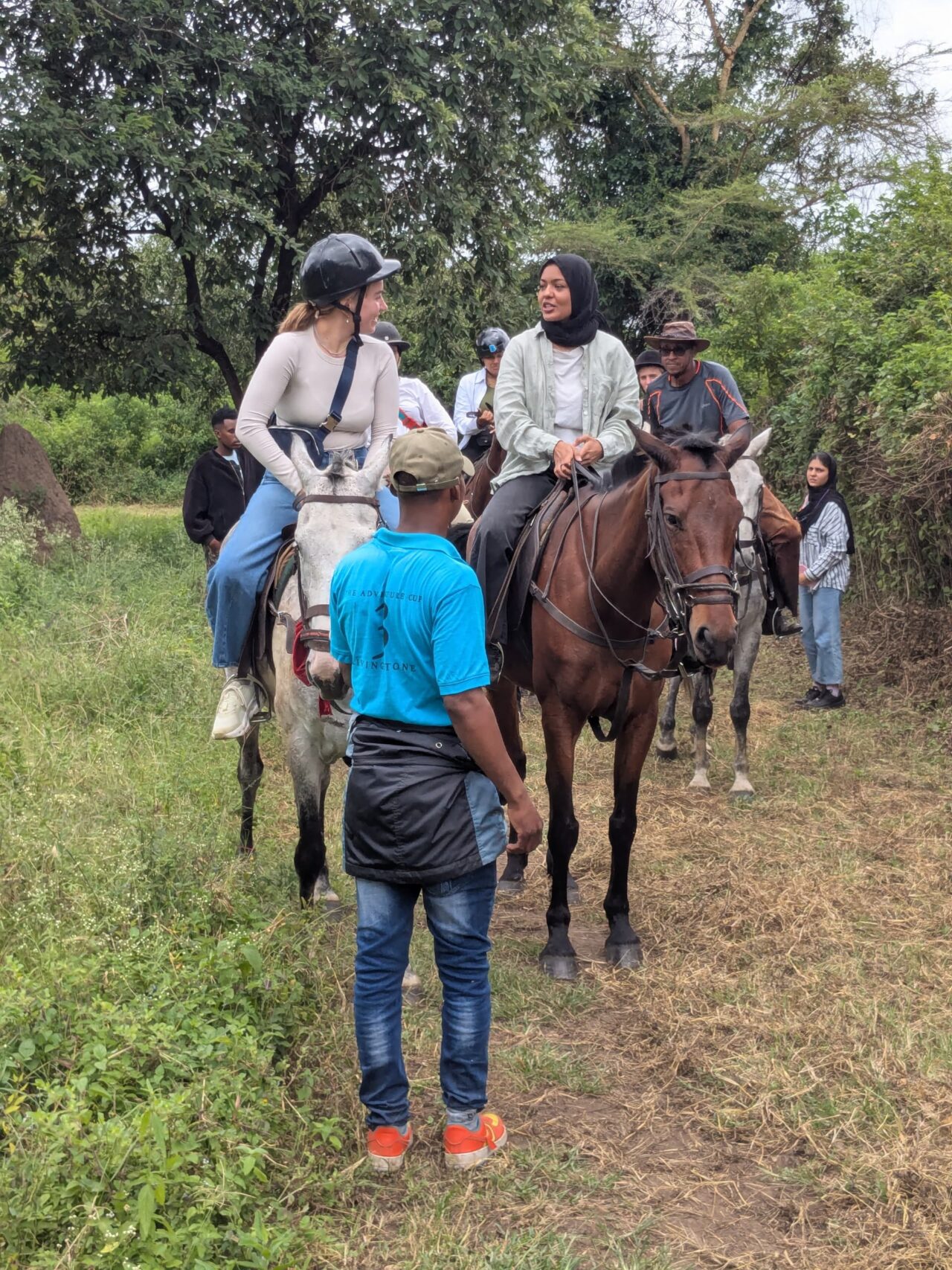
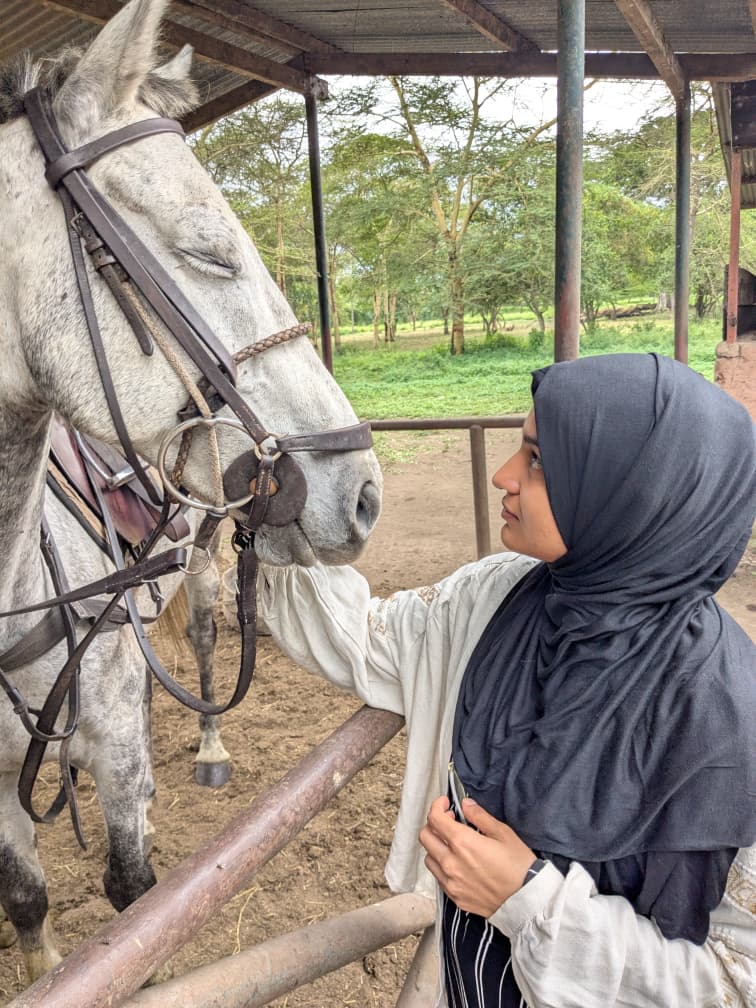
Imagine the sun warming your back, the gentle rhythm of hooves beneath you, and the vast African savanna stretching out to the horizon. Suddenly, a herd of zebras gallops past, their stripes a blur against the golden grass. This is the unparalleled thrill of a horseback safari in Tanzania, an experience that offers a profoundly intimate connection with nature and wildlife. Unlike traditional game drives, riding a horse allows you to approach animals with less disturbance, often leading to closer, more memorable encounters. For those planning their African adventure for 2026 or 2027, a horseback safari presents a truly extraordinary way to explore Tanzania’s iconic landscapes and witness its magnificent fauna.
Why Choose a Horseback Safari in Tanzania? The Unique Advantages
Tanzania is synonymous with world-class safaris, but the option of exploring its wilderness on horseback elevates the experience beyond the ordinary. The advantages are numerous, appealing to both seasoned safari-goers and first-time visitors seeking something truly special.
Firstly, the intimacy with wildlife is unmatched. Horses are part of the natural landscape, and many animals, accustomed to their presence, are less likely to flee than they would from a vehicle. This allows for incredible photographic opportunities and moments of quiet observation, feeling as though you are truly part of the ecosystem. You can ride alongside giraffes, observe elephants from a respectful distance, and even witness predators without causing immediate alarm. This proximity fosters a deeper appreciation for the natural world.
Secondly, access to remote areas is a significant benefit. Horses can navigate terrain that vehicles cannot, opening up secluded valleys, dense bush, and riverbanks that offer unique perspectives on the environment. This means you can explore areas often untouched by typical safari routes, discovering hidden gems and experiencing a more pristine wilderness.
Thirdly, the sensory experience is far richer. You feel the wind, smell the earth, hear the rustle of grass, and feel the subtle shifts in the environment. It’s a much more visceral and engaging way to experience the savanna than being enclosed in a vehicle. This connection engages all your senses, creating lasting memories.
Finally, for many, it’s simply an exhilarating and adventurous way to travel. Combining the romance of horseback riding with the thrill of wildlife viewing creates an unforgettable adventure that stands apart from conventional safaris. It’s a chance to feel like an explorer, venturing into the wild on a noble steed.
Where Can You Experience a Horseback Safari in Tanzania? Prime Locations
While Tanzania boasts a multitude of national parks and game reserves, not all are suitable for horseback safaris due to the presence of dangerous game or logistical challenges. However, several prime locations offer exceptional opportunities for this unique adventure, particularly in 2026 and 2027 planning.
1. The Selous Game Reserve (Nyerere National Park)
The Selous, now officially Nyerere National Park, is one of Africa’s largest game reserves and a UNESCO World Heritage Site. Its vast, diverse landscapes, including Miombo woodlands, grasslands, and the mighty Rufiji River, make it an ideal destination for horseback safaris. The open plains and riverine areas are particularly well-suited for riding.
What to Expect:
- Wildlife: Excellent chances of seeing elephants, giraffes, buffaloes, zebras, wildebeest, hippos, crocodiles, and a variety of antelopes. While lions and wild dogs are present, sightings are more elusive on horseback due to the nature of the activity.
- Terrain: Mostly flat plains and riverine areas, offering comfortable riding.
- Accommodation: Lodges and tented camps within or bordering the park often offer horseback riding as an activity. These range from rustic to luxurious.
- Best Time for Horseback Safaris: The dry seasons (June to October and December to February) are generally best, offering good game viewing and comfortable riding conditions.
2. The Kilimanjaro Foothills and Surrounding Areas
While not a traditional game park, the foothills of Mount Kilimanjaro, particularly around West Kilimanjaro and areas bordering Amboseli National Park in Kenya, offer spectacular horseback riding experiences with stunning mountain backdrops. These areas are often private conservancies or community lands.
What to Expect:
- Wildlife: Herds of elephants are common, often seen against the iconic silhouette of Kilimanjaro. You’ll also find zebras, wildebeest, giraffes, and various plains game. The focus here is often on the scenic beauty and the unique interaction with elephants.
- Terrain: Rolling hills and open plains, offering varied riding experiences.
- Accommodation: Several high-end lodges and tented camps specialize in horseback safaris in this region.
- Best Time for Horseback Safaris: Year-round, though the dry seasons offer the clearest views of Kilimanjaro.
3. Ruaha National Park (Limited Options)
Ruaha is Tanzania’s largest national park, known for its dramatic landscapes and large elephant and lion populations. While horseback safaris are less common here than in Selous, some specialized operators may offer them in specific areas or conservancies bordering the park. It’s worth inquiring for 2026-2027 tailor-made itineraries.
What to Expect:
- Wildlife: Known for its large elephant herds, abundant predators (lions, cheetahs, wild dogs), and diverse birdlife.
- Terrain: Rugged and varied, offering challenging and rewarding rides.
- Accommodation: Fewer options compared to Selous, but luxury camps are present.
- Best Time for Horseback Safaris: Dry season (June to October) for game viewing concentration near water sources.
4. The Serengeti (Very Limited & Specialized)
Traditional horseback safaris are rare in the core areas of the Serengeti National Park due to the sheer density and diversity of dangerous wildlife, especially during the Great Migration. However, some specialized conservancies or private concessions adjacent to the Serengeti might offer limited riding experiences, often focusing on scenic rides rather than deep game viewing. These are highly exclusive and require careful planning for 2026-2027 bookings.
What to Expect:
- Wildlife: Depending on the location and time of year, you might see plains game like wildebeest, zebras, and gazelles, with lions and other predators more distant.
- Terrain: Vast open plains.
- Accommodation: Exclusive lodges and camps in private concessions.
- Best Time for Horseback Safaris: Varies by concession; generally, the dry season is preferred.
Planning Your Horseback Safari: Essential Considerations for 2026-2027
A horseback safari is a unique adventure, and planning requires attention to detail. Whether you’re aiming for a short riding excursion or a multi-day safari on horseback, understanding the logistics and requirements is crucial for a successful trip in 2026 or 2027.
Choosing the Right Operator and Itinerary
The quality of your horseback safari heavily depends on the operator. Look for companies with extensive experience in both wildlife guiding and horseback riding. They should have well-trained guides, excellent horse welfare standards, and a deep understanding of wildlife behavior. Top Guide Adventures, for instance, can craft bespoke itineraries that integrate horseback riding into a broader Tanzanian safari experience, ensuring safety and maximizing wildlife viewing opportunities. For custom trips, don’t hesitate to reach out via WhatsApp at +255616946642 or email at topguideadventures@gmail.com.
Key questions to ask potential operators:
- What is the guide-to-guest ratio?
- What are the qualifications and experience of the riding guides?
- What is the maximum group size for riding?
- What are the horse welfare standards?
- What type of horses are used, and are they suitable for riders of varying experience levels?
- What is the typical wildlife encountered on horseback?
- What safety protocols are in place?
- What is included in the price (riding gear, accommodation, meals, park fees)?
Riding Experience and Fitness Levels
Horseback safaris cater to a range of riding abilities, from beginners to experienced riders. However, it’s essential to be honest about your experience when booking.
- Beginners: Many operators offer introductory rides or shorter excursions on calm, well-trained horses. These are often designed for scenic enjoyment rather than covering long distances.
- Intermediate Riders: Can typically handle longer rides and more varied terrain.
- Experienced Riders: May be able to tackle more challenging rides, gallop in open areas (where safe and permitted), and cover greater distances.
Fitness: While you don’t need to be an athlete, a reasonable level of fitness is beneficial. You should be comfortable sitting in a saddle for several hours a day, as rides can last from a few hours to a full day. Good core strength and balance are helpful.
What to Pack: Essential Gear for Your Saddle
Packing for a horseback safari involves considerations for both riding and the African climate. Comfort and safety are paramount.
Clothing:
- Long Trousers: Riding breeches or comfortable, sturdy long trousers (jeans can chafe).
- Long-Sleeved Shirts: Lightweight, breathable shirts to protect from the sun and insects.
- Layers: A fleece or warm jacket for cooler mornings and evenings.
- Comfortable Riding Boots: With a small heel to prevent your foot from slipping through the stirrup. Ensure they are well broken-in.
- Socks: Thick riding socks.
- Hat: A wide-brimmed hat with a chin strap for sun protection. Some operators provide riding helmets.
Other essentials:
- Sunglasses
- Sunscreen
- Insect Repellent
- Water Bottle (often provided, but good to have a personal one)
- Camera and Binoculars (easy to access)
- Small Backpack or Saddlebag for essentials like water, snacks, camera.
Note: Most operators provide saddles, bridles, and riding helmets. Always confirm what is provided and what you need to bring.
Safety First: Understanding the Risks and Precautions
Horseback safaris are inherently adventurous, and while operators prioritize safety, it’s important to be aware of potential risks. Reputable operators mitigate these risks through careful planning, experienced guides, and well-trained horses.
Potential Risks:
- Wildlife Encounters: While horses can often approach animals more closely, there’s always a risk of startling dangerous animals like elephants or buffaloes. Guides are trained to manage these situations.
- Horse Behavior: Even the most well-trained horse can react unpredictably to sudden noises or sights.
- Falls: Falls can occur, especially if a horse spooks or if the rider loses balance.
- Terrain: Uneven ground or obstacles can pose a risk.
Safety Precautions:
- Listen to your guide: Always follow instructions from your experienced guide. They know the area, the horses, and the wildlife.
- Stay calm: Avoid sudden movements or loud noises that could startle your horse or nearby wildlife.
- Maintain a secure seat: Keep your weight balanced and your hands relaxed but firm on the reins.
- Wear appropriate gear: Especially a helmet and sturdy boots.
- Communicate: Inform your guide immediately if you feel uncomfortable or have any concerns.
The Cost of a Horseback Safari in Tanzania for 2026-2027
Pricing for horseback safaris in Tanzania can vary significantly based on several factors. It’s important to get a clear quote that outlines what is included. For 2026 and 2027 travel, expect costs to be in the mid-to-high range due to the specialized nature of the activity and the quality of service required.
Factors influencing cost:
- Duration: Multi-day horseback safaris are more expensive than single excursions.
- Location: Lodges in exclusive conservancies or prime wildlife areas might charge more.
- Accommodation Standard: Luxury lodges will naturally increase the overall package price.
- Inclusions: Park fees, meals, drinks, guiding, horse usage, and transfers all contribute to the price.
- Time of Year: Peak seasons (like the dry season) might see slightly higher rates.
General Price Range (Estimates for 2026-2027):
- Day Rides (3-4 hours): Can range from $150 – $300 per person. This usually includes the horse, guide, and sometimes a light snack or drink.
- Full-Day Rides: Might cost between $250 – $500 per person, often including a picnic lunch.
- Multi-Day Horseback Safaris: These are typically part of a larger safari package. A typical 5-day horseback safari combined with lodge stays could range from $2,500 – $6,000+ per person, depending heavily on the luxury level and specific locations. This would usually include accommodation, all meals, park fees, riding, and transfers.
Note: These are estimates. For precise pricing and custom packages for 2026 or 2027, it is best to contact a specialized tour operator like Top Guide Adventures. You can request a personalized quote by emailing info@topguideadventures.com.
Booking Your 2026-2027 Horseback Safari: Key Takeaways
Planning a horseback safari requires careful consideration to ensure a safe, enjoyable, and memorable experience. For your 2026 or 2027 adventure:
- Choose Reputable Operators: Prioritize companies with proven experience in both wildlife and riding.
- Be Honest About Experience: Ensure you are matched with appropriate horses and rides.
- Pack Appropriately: Comfortable clothing and suitable footwear are essential.
- Understand Safety Protocols: Always listen to your guide and follow instructions.
- Budget Accordingly: Horseback safaris are a premium experience, so factor this into your travel costs.
- Book in Advance: Especially for 2026-2027, popular operators and prime dates fill up quickly.
Combining Horseback Safaris with Other Tanzanian Adventures
A horseback safari can be a highlight of a larger Tanzanian journey. Many travelers choose to combine this unique experience with other classic safari activities or adventures.
- Traditional Game Drives: Complement your horseback riding with game drives in vehicles to cover more ground and access areas where riding might not be feasible or safe. This is particularly useful for tracking predators or reaching distant wildlife hotspots.
- Walking Safaris: Another way to experience the bush on foot, offering a different perspective on smaller details and the flora and fauna.
- Boating Safaris: Especially in areas like the Rufiji River in Nyerere National Park, boating offers excellent opportunities to see hippos, crocodiles, and water birds.
- Cultural Visits: Integrate visits to local Maasai communities to learn about their traditional way of life, which often involves close relationships with livestock, including horses.
- Mount Kilimanjaro Trekking: For the truly adventurous, combine a horseback safari with a trek up Africa’s highest peak. Top Guide Adventures specializes in Kilimanjaro climbs, with various routes available, including the popular Machame Route. See Machame Route Kilimanjaro Group Departures Dates for 2026-2027 options.
- Zanzibar Holidays: Extend your trip with a relaxing beach escape to the spice island of Zanzibar, known for its stunning beaches, rich history, and vibrant culture.
By combining different activities, you create a well-rounded and dynamic Tanzanian safari that caters to diverse interests and provides a comprehensive experience of the country’s natural beauty and cultural heritage.
Why Choose Top Guide Adventures for Your Tanzania Horseback Safari in 2026-2027?
At Top Guide Adventures, we are passionate about creating unforgettable safari experiences tailored to your desires. We understand the nuances of horseback safaris and can integrate them seamlessly into your dream Tanzanian itinerary for 2026 or 2027. Our expertise covers a wide range of Tanzanian adventures, from thrilling wildlife encounters to challenging treks and relaxing beach holidays.
Our commitment to you includes:
- Customized Itineraries: We don’t believe in one-size-fits-all. We work closely with you to design a trip that matches your interests, budget, and desired pace.
- Experienced & Local Guides: Our guides are knowledgeable, passionate, and dedicated to providing safe and enriching experiences.
- Quality Horseback Experiences: We partner with reputable operators who prioritize horse welfare and offer well-trained mounts suitable for various skill levels.
- Comprehensive Planning: From accommodation and transport to activities and park fees, we handle all the details.
- Value for Money: We strive to offer competitive pricing without compromising on the quality of your safari.
Whether you envision a solo adventure, a romantic getaway, or a family expedition, we are here to make it a reality. Explore our range of Tanzania Safari Group Departures and Dates for shared options or let us craft a private journey just for you. We also offer dedicated content on Tanzania Safari Tours to help you plan.
Ready to plan your extraordinary horseback safari in Tanzania for 2026-2027?
Contact us today to start crafting your adventure:
- WhatsApp: +255616946642
- Email: topguideadventures@gmail.com
- Backup Email: info@topguideadventures.com
Follow us on Instagram for inspiration: @top_guide_adventures. We look forward to helping you discover the magic of Tanzania from horseback!



