
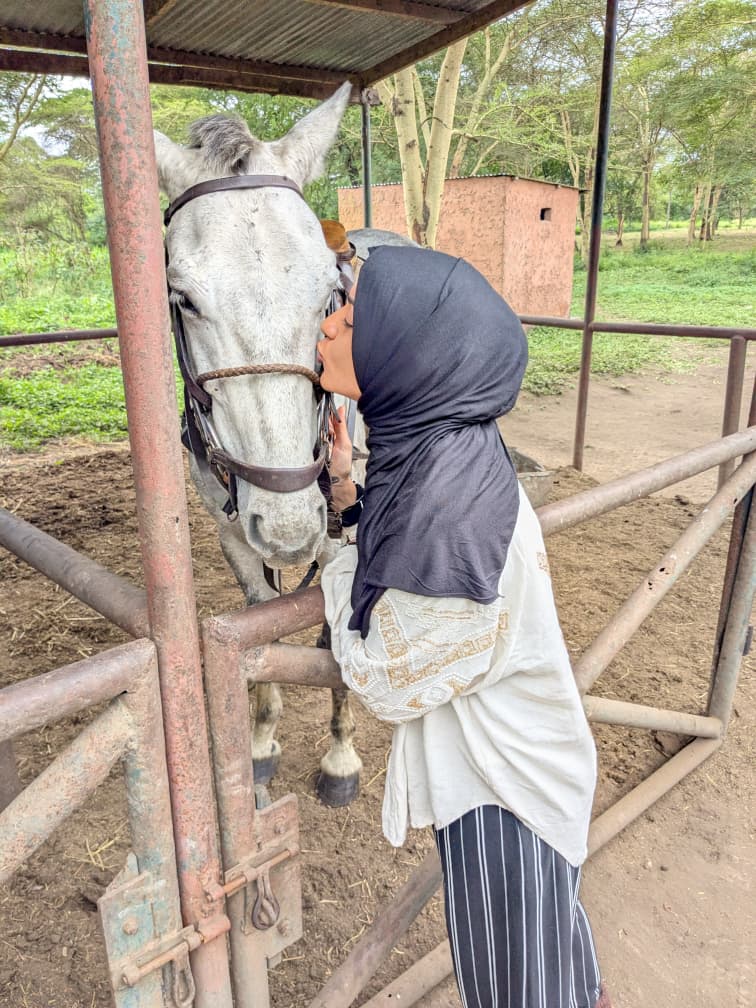
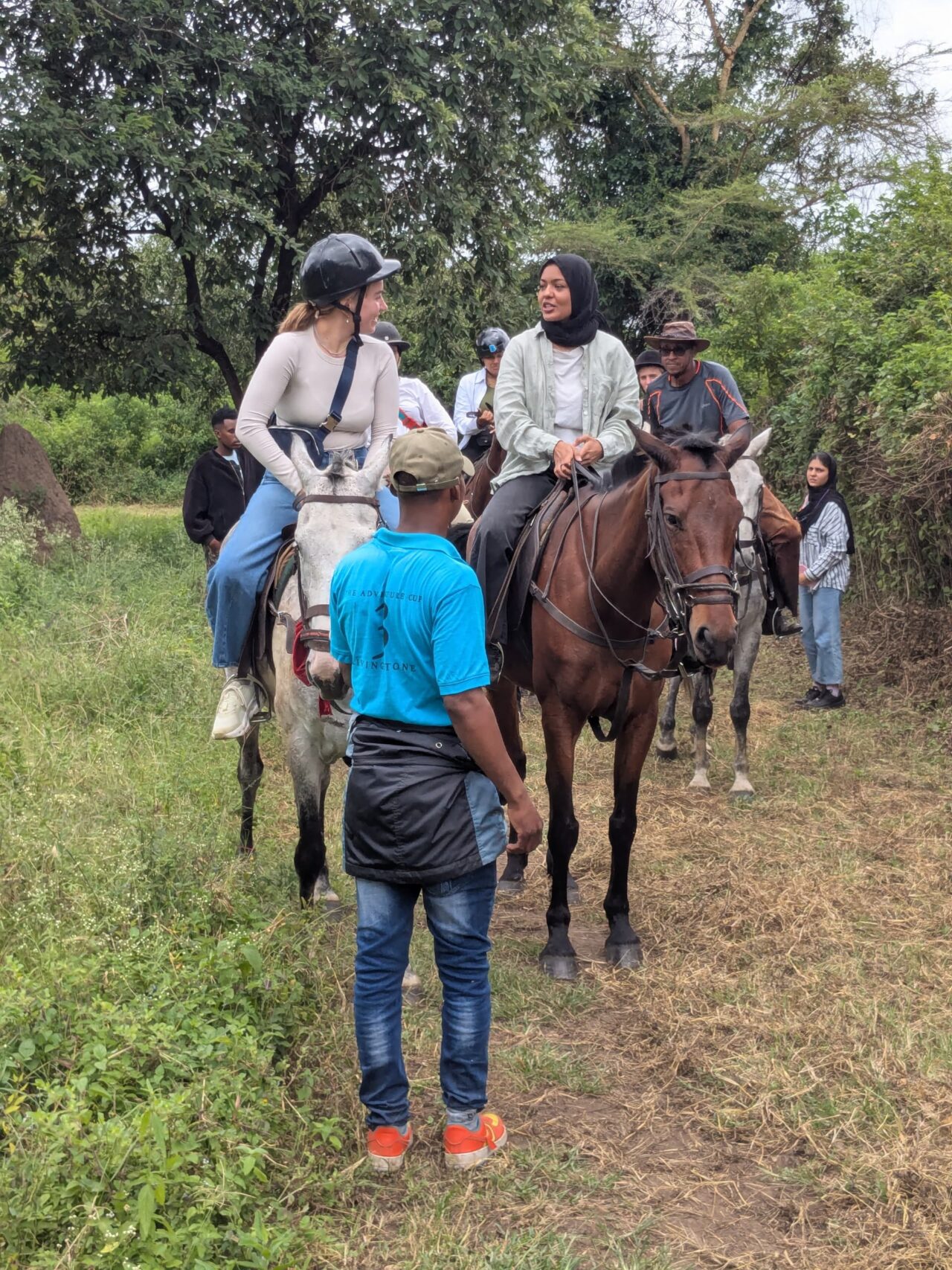
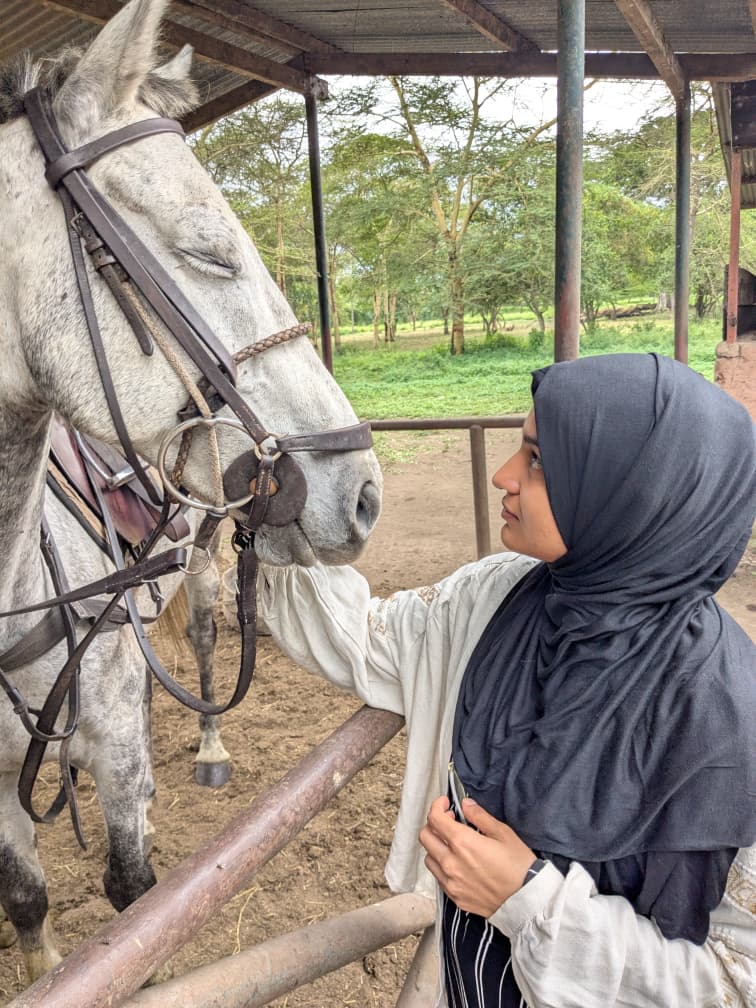
Imagine the vast African plains stretching before you, the majestic silhouette of Mount Kilimanjaro gracing the horizon, and the gentle rhythm of hooves carrying you through this breathtaking scenery. An Arusha horseback safari near Kilimanjaro offers precisely this – a distinctive and intimate way to connect with Tanzania’s incredible natural beauty and wildlife. Far from the dust of conventional safari vehicles, riding a horse allows for a quieter, more immersive experience, bringing you closer to the land and its inhabitants. For travelers planning adventures in 2026 or 2027, this unique safari option presents an exciting alternative or addition to traditional game drives.
Why Choose a Horseback Safari in Arusha?
Arusha, serving as the gateway to Northern Tanzania’s prime safari destinations and the mighty Kilimanjaro, is also home to operations that provide exceptional horseback safaris. These experiences often take place in areas surrounding the town, offering a different perspective than the bustling national parks. The benefits of exploring on horseback are numerous:
- Proximity to Wildlife: Animals often perceive horses as non-threatening, allowing riders to approach closer than they might in a vehicle. This leads to more intimate sightings and incredible photographic opportunities.
- Unique Perspective: Riding allows you to traverse terrain inaccessible to vehicles, offering views over hills, through acacia woodlands, and across open plains that reveal the landscape’s true scale.
- Tranquil Experience: The quiet nature of horseback riding means you can better appreciate the sounds of the bush – birdsong, the rustle of leaves, the distant call of an animal – enhancing the sensory immersion.
- Adventure and Exhilaration: For those who love horses, it’s an exhilarating way to explore. For newcomers, it’s a chance to try something new in a safe and guided environment.
- Stunning Kilimanjaro Views: Many horseback safari routes are specifically chosen for their spectacular, unobstructed views of Mount Kilimanjaro, providing a constant, awe-inspiring backdrop.
What to Expect on an Arusha Horseback Safari
An Arusha horseback safari is typically tailored to suit various experience levels, from complete beginners to seasoned riders. Most operators provide well-trained, calm horses suitable for safari work, alongside experienced guides who are knowledgeable about both horsemanship and the local environment. Your adventure might involve:
Day Safaris
These are perfect for those staying in Arusha or visiting for a shorter period. Day safaris usually last a few hours to a full day and can include:
- Morning or Afternoon Rides: Enjoy the cooler parts of the day as you explore the countryside.
- Picnic Lunches: Many full-day rides incorporate a scenic stop for a catered picnic lunch, often with Kilimanjaro views.
- Wildlife Spotting: While not a substitute for a dedicated park safari, you can expect to see plains game like zebras, wildebeest, giraffes, various antelopes, and a rich diversity of birdlife.
- Cultural Encounters: Some rides may pass through local Maasai villages or communities, offering a glimpse into rural Tanzanian life.
Multi-Day Horseback Expeditions
For a more immersive experience, multi-day horseback expeditions are available. These are more adventurous and often involve:
- Overnight Camping: Sleep under the stars in comfortable safari tents, often in remote and scenic locations.
- Extended Riding Hours: Cover more ground and explore deeper into the wilderness.
- Varied Terrain: Rides might take you through different ecosystems, from open grasslands to more wooded areas.
- Bush Meals: Enjoy freshly prepared meals cooked over an open fire, adding to the authentic safari feel.
Where to Experience Horseback Safaris Near Arusha
Several areas and ranches around Arusha are renowned for their horseback safari offerings. These locations are strategically chosen for their scenic beauty, wildlife populations, and suitability for riding.
The Arusha National Park Vicinity
While direct riding inside Arusha National Park is generally restricted to protect the ecosystem, the areas bordering the park offer fantastic riding opportunities. You can explore the foothills and surrounding ranches, with Mount Meru and often Kilimanjaro providing dramatic backdrops. These areas are rich in birdlife and often host smaller herds of plains game.
Marangu Area
Located on the eastern slopes of Kilimanjaro, the Marangu area is known for its lush coffee plantations and waterfalls. Horseback safaris here offer a different experience, focusing on the fertile foothills, local culture, and stunning mountain vistas. It’s a more tranquil setting, ideal for those who appreciate scenic beauty and a gentler pace.
Kilimanjaro Country Club and Surrounding Ranches
Some operations are based at or near the Kilimanjaro Country Club, utilizing vast private lands and conservancies. These areas are often managed to support wildlife and provide excellent riding conditions. You can expect wide-open spaces, gentle rolling hills, and excellent chances of encountering various species.
Private Conservancies
For a more exclusive experience, some operators work within private conservancies. These areas are carefully managed for conservation and tourism, offering high-quality wildlife viewing and pristine landscapes. Horseback riding in these conservancies can be particularly rewarding due to the controlled environment and abundant wildlife.
Wildlife You Might Encounter on Horseback
While an Arusha horseback safari is different from a Big Five-focused safari in a national park, the opportunities for wildlife viewing are still remarkable. Horses allow you to approach wildlife more discreetly, leading to memorable encounters. Expect to see:
- Plains Game: Zebras, wildebeest, various species of gazelles (Thomson’s, Grant’s), impalas, and dik-diks are common sights.
- Giraffes: Observing giraffes from horseback is a unique experience, as they often seem less startled by riders.
- Baboons and Monkeys: Troops of baboons and various monkey species can be seen in more wooded areas.
- Birds: The region is a birdwatcher’s paradise. You’ll likely spot ostriches, secretary birds, various eagles, vultures, guinea fowl, and numerous smaller bird species.
- Potential for Larger Game: Depending on the specific location and time of year, you might encounter buffalo or even elephants at a safe distance. Guides are trained to manage these encounters responsibly.
It’s important to remember that horseback safaris are about the journey and the immersive experience. While wildlife sightings are a significant part of it, the focus is on enjoying the landscape and the connection with your mount.
Planning Your Arusha Horseback Safari for 2026-2027
When planning your Arusha horseback safari near Kilimanjaro for 2026 or 2027, consider these factors to ensure a smooth and enjoyable trip:
Best Time to Travel
Tanzania enjoys good weather for safaris year-round, but some periods are better for horseback riding:
- Dry Seasons (June to October, and December to February): These months offer sunny skies and less humidity, making for more comfortable riding conditions. The landscape is drier, which can be better for traversing certain trails. Wildlife tends to congregate around water sources, potentially increasing sightings.
- Shoulder Seasons (March-May, November): These can be beautiful with greener landscapes after rains, but some areas might be muddy, and humidity can be higher. Prices might also be slightly lower.
For 2026-2027 travel, booking during the dry seasons is generally recommended for the best riding experience, though shoulder seasons can offer a different kind of beauty and potentially better value.
Fitness and Riding Experience
Most Arusha horseback safaris cater to a range of abilities. However, for multi-day expeditions, a reasonable level of fitness and some prior riding experience is beneficial. Operators will assess your experience to match you with a suitable horse and guide. If you’re a beginner, communicate this clearly when booking.
What to Pack
Packing appropriately is crucial for comfort and safety:
- Riding Gear: Long trousers (jeans or riding breeches), comfortable closed-toe shoes (boots with a small heel are ideal), and a long-sleeved shirt for sun protection.
- Sun Protection: Wide-brimmed hat (that can be secured), sunglasses, and high SPF sunscreen.
- Insect Repellent: Especially important for evenings and areas with denser vegetation.
- Layers: Mornings and evenings can be cool, so pack a light jacket or fleece.
- Camera: To capture the stunning scenery and wildlife. Ensure you have spare batteries and memory cards.
- Personal Items: Any personal medications, a small first-aid kit, and toiletries.
Helmets are usually provided by the operator, but if you have a preferred riding helmet, you may wish to bring it.
Choosing an Operator and Booking
Selecting a reputable tour operator is key to a successful horseback safari. Look for companies with:
- Experienced Guides: Both in horsemanship and local wildlife/ecology.
- Well-Maintained Horses: Healthy, well-treated horses are essential for a safe and enjoyable ride.
- Safety Protocols: Clear safety briefings and emergency procedures.
- Good Reviews: Check testimonials and reviews from previous clients.
For your 2026 or 2027 adventure, booking well in advance is highly recommended, especially if you are planning during peak seasons. Early booking secures your preferred dates and ensures availability.
Estimated Costs for Arusha Horseback Safaris (2026-2027)
Pricing for horseback safaris can vary significantly based on the duration, exclusivity, and specific operator. Here are general estimates for 2026-2027:
- Half-Day Safari (3-4 hours): Expect prices ranging from $100 – $200 per person. This typically includes the horse, guide, and possibly a light refreshment.
- Full-Day Safari (6-8 hours): Prices can range from $200 – $400 per person. This usually includes a picnic lunch, more extensive riding, and potentially access to different areas.
- Multi-Day Expeditions (2-5 days): These are priced per day and can range from $300 – $600+ per person per day. This typically includes accommodation (camping or basic lodges), all meals, horses, guides, and park/conservancy fees where applicable.
Important Considerations:
- Prices are estimates and subject to change. Always request a detailed quote.
- Inclusions typically cover the horse, guide, and meals/accommodation for multi-day trips.
- Exclusions often include park or conservancy fees (if applicable), tips for guides and staff, personal insurance, and transfers to/from the riding location.
- Booking through a reputable tour operator like Top Best Tanzania Tour operator can help consolidate costs and ensure all logistics are handled professionally.
Combining Horseback Safaris with Other Tanzanian Adventures
An Arusha horseback safari is a fantastic component of a larger Tanzanian itinerary. Its proximity to other major attractions makes it easy to combine.
Kilimanjaro Trekking
For many, the ultimate goal is to climb Mount Kilimanjaro. An Arusha horseback safari offers a wonderful way to acclimatize and experience the mountain’s grandeur from its base before embarking on your trek. Imagine seeing the mountain from horseback, then preparing to ascend its slopes. This combination is perfect for adventurers planning for 2026 or 2027. Many trekkers choose to spend a day or two in Arusha before their climb, and a horseback safari is an ideal activity.
Northern Circuit Safaris
Arusha is the starting point for classic Northern Circuit safaris, including visits to:
- Serengeti National Park: Famous for the Great Migration and vast wildlife populations.
- Ngorongoro Conservation Area: A UNESCO World Heritage Site with incredible biodiversity within its crater.
- Tarangire National Park: Known for its large elephant herds and baobab trees.
- Lake Manyara National Park: Home to tree-climbing lions and a vibrant birdlife.
A horseback safari can serve as a unique introductory or concluding experience to your broader safari adventure, offering a different pace and perspective before or after the excitement of game drives.
Zanzibar Holidays
After the dust and adventure of the mainland, many travelers head to the spice island of Zanzibar for relaxation. The turquoise waters, white-sand beaches, and rich history of Stone Town offer a perfect contrast. Including a horseback safari near Arusha before flying to Zanzibar provides a well-rounded Tanzanian experience.
Safety and Responsible Tourism
Your safety is paramount. Reputable operators prioritize:
- Experienced Guides: They are trained in first aid and emergency procedures.
- Horse Welfare: Ensuring horses are healthy, well-fed, and treated ethically.
- Wildlife Respect: Maintaining a safe distance and never disturbing animals.
- Rider Safety: Providing safety briefings and ensuring riders are matched with appropriate horses.
When planning your 2026-2027 trip, choose operators committed to responsible tourism. This includes respecting local communities, minimizing environmental impact, and contributing to conservation efforts. Supporting businesses that prioritize ethical practices ensures that these beautiful landscapes and wildlife are protected for future generations.
Booking Your Arusha Horseback Safari Adventure
Ready to experience the thrill of an Arusha horseback safari near Kilimanjaro? Whether you’re planning a short excursion or a multi-day expedition, the unique perspective offered by riding through the Tanzanian landscape is truly special. For those looking ahead to 2026 or 2027, now is the perfect time to start planning. The team at Top Best Tanzania Tour operator specializes in crafting bespoke safari experiences, including incredible horseback adventures. They can help you tailor an itinerary that perfectly suits your interests, experience level, and budget, ensuring you get the most out of your Tanzanian journey. Connect with them to discuss your dream safari and explore options for custom-designed horseback excursions that will create lasting memories.
Get in touch today to start planning your unforgettable Arusha horseback safari near Kilimanjaro for 2026-2027. You can reach us via WhatsApp at +255616946642, or email us at topguideadventures@gmail.com. For alternative inquiries, please use info@topguideadventures.com. Let us help you create the Tanzanian adventure of a lifetime!



