
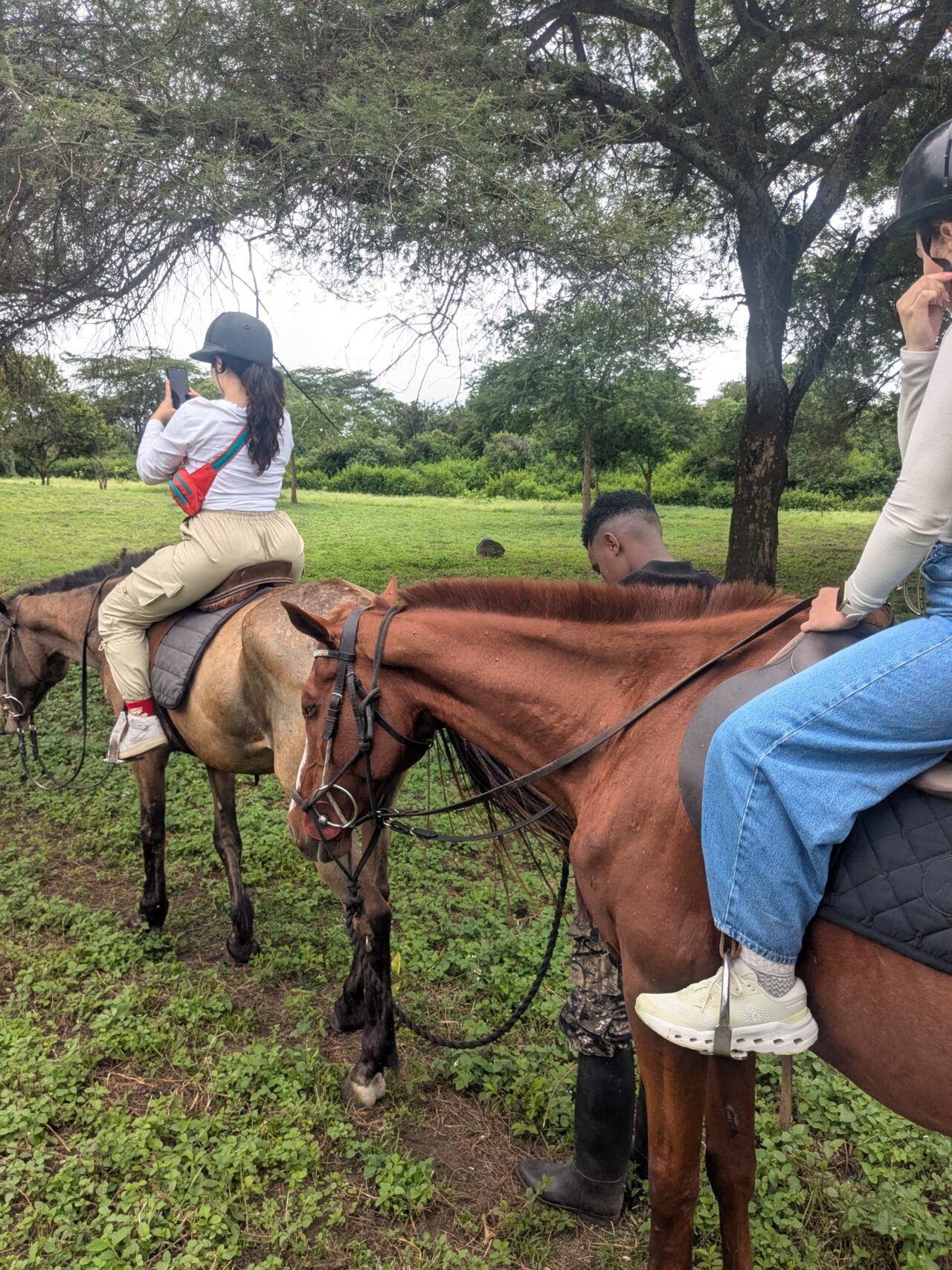
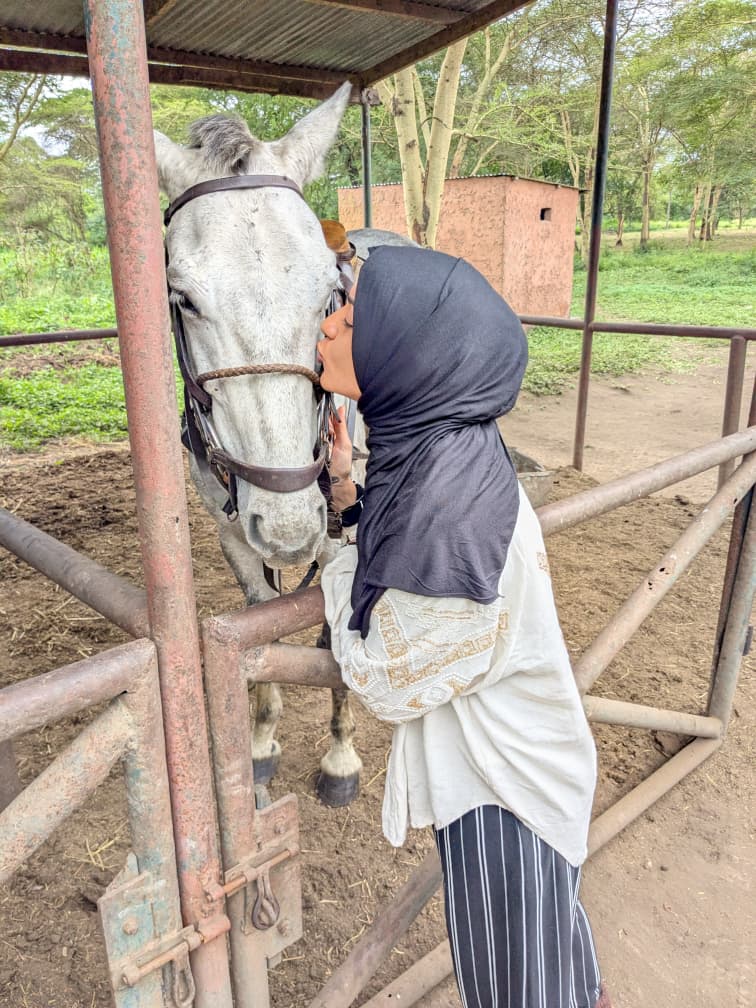
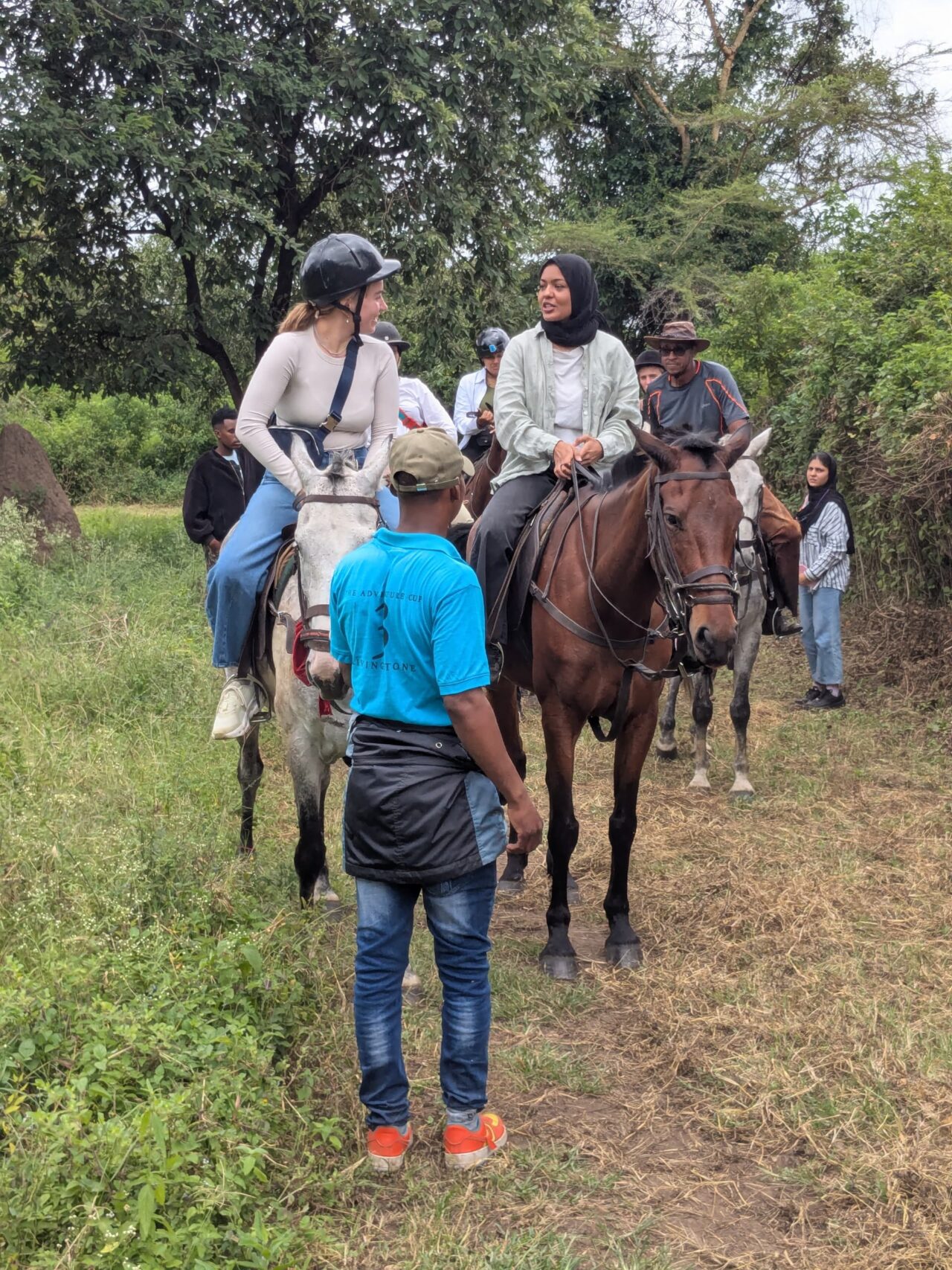
Imagine the vast African savanna stretching before you, the scent of wild sage in the air, and the gentle rhythm of hooves on the earth. A luxury horseback safari in Tanzania offers an experience unlike any other, blending the exhilaration of wildlife encounters with the refined comfort and exclusivity that defines true luxury travel. For those planning their dream safari for 2026 or 2027, this unique perspective on Tanzania’s iconic landscapes and incredible fauna promises an intimate and deeply rewarding adventure.
Unlike traditional game drives, horseback safaris allow you to approach wildlife with a minimal disturbance. Horses are perceived by many animals as a natural part of the environment, leading to closer, more authentic sightings. This method of exploration is particularly suited to certain ecosystems where the pace of a horse allows for a more immersive journey. When combined with the high standards of accommodation, service, and guiding that characterize luxury travel, a horseback safari becomes not just a trip, but a truly exceptional expedition.
Why Choose a Luxury Horseback Safari in Tanzania?
Tanzania is renowned for its diverse ecosystems, from the endless plains of the Serengeti to the unique caldera of the Ngorongoro Crater and the wild beauty of reserves like Ruaha and Selous. While classic safari vehicles provide excellent access, they can sometimes create a barrier between you and the natural world. A horseback safari dissolves this barrier, offering a more visceral connection to the environment.
The ‘luxury’ aspect elevates this experience significantly. It means more than just comfortable lodging; it encompasses:
- Expert Guiding: Highly experienced guides who are not only skilled riders but also possess in-depth knowledge of wildlife behavior, tracking, and conservation.
- High-Quality Equine Partners: Well-trained, sure-footed horses suited to the terrain and capable of carrying riders of varying experience levels safely and comfortably.
- Exclusive Locations: Access to private concessions or areas less frequented by standard safari vehicles, ensuring a more intimate wildlife viewing experience.
- Premium Accommodation: Staying in luxurious tented camps or lodges that offer exceptional comfort, gourmet dining, and personalized service after a day in the saddle.
- Tailored Itineraries: Custom-designed trips that cater to your specific interests, riding ability, and desired pace, whether you seek a few days of exploration or a longer, more comprehensive journey.
For travelers planning ahead for 2026 or 2027, booking a luxury horseback safari means securing a truly distinctive African adventure that stands apart from the conventional safari. It’s an opportunity to see Tanzania through a different lens, engaging all your senses in a way that few other travel experiences can.
Where to Experience a Luxury Horseback Safari in Tanzania
While horseback safaris are offered in various parts of Tanzania, certain regions and private conservancies have become synonymous with this unique form of exploration, particularly for those seeking a luxury experience. These areas are carefully managed to ensure both the well-being of the wildlife and the comfort of guests.
1. The Western Serengeti and Surrounding Conservancies
The western Serengeti, and more broadly, the private conservancies adjacent to the main Serengeti National Park, offer incredible opportunities for horseback safaris. These areas are often less crowded than the central Serengeti, especially outside of the main migration season. The rolling plains, acacia woodlands, and riverine areas provide varied terrain perfect for riding.
Why it’s ideal for horseback safaris:
- Vast Open Spaces: The expansive plains allow for comfortable riding and excellent visibility of wildlife.
- Diverse Wildlife: While the Great Migration is a draw, these areas are home to resident populations of lions, leopards, cheetahs, elephants, giraffes, and numerous plains game year-round.
- Private Concessions: Many luxury camps operate in private concessions, offering exclusive access and the ability to conduct activities like horseback riding, night drives, and walking safaris, which are often restricted in national parks.
- Intimate Encounters: The ability to approach herds of zebra, wildebeest, and other herbivores on horseback offers remarkable photographic opportunities and a profound sense of connection.
Luxury camps in these regions often partner with specialized riding outfitters to provide expertly guided horse safaris. The focus is on slow, mindful exploration, allowing riders to truly absorb the sights, sounds, and smells of the Serengeti.
2. The Selous Game Reserve (Nyerere National Park)
As one of Africa’s largest game reserves, the vast and wild Selous (now Nyerere National Park) offers a different kind of horseback safari experience. Its landscape is characterized by miombo woodlands, open grasslands, and a network of rivers and lakes, creating a rich and varied habitat.
Why it’s ideal for horseback safaris:
- Water-Based Wildlife: The Rufiji River system supports abundant wildlife, including large herds of elephants, buffalo, hippos, crocodiles, and a rich birdlife. While riding near large predators requires extreme caution and expert guiding, the opportunities to observe other species are plentiful.
- Sense of Wilderness: Selous retains a raw, untamed feel. Horseback riding here emphasizes this remoteness and the feeling of being truly immersed in nature.
- Variety of Activities: Horseback riding can be combined with boat safaris, walking safaris, and game drives, offering a multi-faceted exploration of this immense park.
- Predator Encounters (with caution): While direct riding among lions or hyenas is rare and depends on specific conditions and guide expertise, the ability to observe these animals from a safe distance on horseback adds to the thrill.
Luxury lodges in and around Nyerere National Park often offer bespoke horseback excursions, tailored to the guest’s riding ability and the prevailing wildlife movements. Planning for 2026 or 2027 in Selous via horseback provides an escape into a truly wild and less-visited corner of Tanzania.
3. Private Conservancies Near Ruaha National Park
Ruaha is Tanzania’s largest national park and is celebrated for its dramatic landscapes, massive elephant herds, and high concentrations of predators, including a significant portion of Tanzania’s lion population. While horseback safaris are less common within the national park itself due to its rugged terrain and dense wildlife, private conservancies bordering Ruaha offer excellent opportunities.
Why it’s ideal for horseback safaris:
- Predator Hotspot: The presence of lions, cheetahs, and wild dogs makes for exciting, albeit cautious, viewing opportunities from horseback.
- Rugged Beauty: The landscape, with its kopjes, baobab trees, and dry riverbeds, provides a dramatic backdrop for a riding adventure.
- Exclusivity: Private conservancies offer a more exclusive safari experience, allowing for flexible activities and fewer vehicles.
- Authentic Wilderness: Ruaha offers a sense of true wilderness, far from the crowds, which is perfectly complemented by the quiet, immersive nature of horseback exploration.
For travelers looking for a truly off-the-beaten-path luxury safari in 2026 or 2027, the private conservancies around Ruaha offer a compelling choice for a horseback adventure, focusing on rugged beauty and exceptional wildlife viewing.
What to Expect on a Luxury Horseback Safari
A luxury horseback safari is meticulously planned to ensure comfort, safety, and an unparalleled connection with nature. From the moment you arrive, every detail is managed, allowing you to focus on the experience itself.
The Horses and Riding Experience
The quality of the horses is paramount in a luxury horseback safari. Reputable operators ensure their mounts are:
- Well-Trained and Sound: Horses are typically a mix of breeds, often including sturdy African breeds, Arabians, and crosses, chosen for their temperament, stamina, and sure-footedness on varied terrain. They are accustomed to wildlife and different environments.
- Suitable for All Levels: While experienced riders can enjoy a more adventurous pace, horses are also available for novice riders. Guides are skilled at matching riders to appropriate horses and providing instruction.
- Cared For to High Standards: Animal welfare is a top priority. Horses are well-fed, properly shod, and not overworked.
Riding safaris are generally conducted at a walk and a gentle trot, focusing on observing wildlife rather than high-speed cantering. The pace is dictated by the wildlife and the terrain, ensuring a safe and enjoyable experience for everyone. The proximity to animals is remarkable; you might find yourself trotting alongside a herd of zebras or watching a giraffe graze just a few meters away.
Wildlife Encounters from the Saddle
The magic of a horseback safari lies in the unique wildlife interactions it facilitates:
- Intimate Proximity: Many animals, particularly herbivores like wildebeest, zebras, and antelopes, are less skittish around horses than around vehicles. This allows for incredibly close and undisturbed sightings.
- Approaching Predators: While direct encounters with large predators like lions or leopards are managed with extreme caution and depend heavily on the guides’ expertise and the animals’ behavior, the horse can sometimes allow for a stealthier approach or a better vantage point from a safe distance. Guides will always prioritize safety.
- Observing Behavior: The quiet pace allows for detailed observation of animal behavior, from the social dynamics within a herd to the hunting strategies of predators.
- Birdwatching: The elevated position and quiet approach make horseback safaris excellent for birdwatching, with opportunities to spot rare and beautiful species.
Luxury Accommodation and Dining
After a day of exhilarating riding, guests are treated to the finest in safari hospitality:
- Elegant Tented Camps: Expect spacious canvas tents or beautifully appointed lodges featuring comfortable beds, en-suite bathrooms with hot showers, and private verandas offering stunning views.
- Gourmet Cuisine: Meals are often a highlight, with chefs preparing delicious dishes using fresh, local ingredients. Dining can range from elegant dinners under the stars to bush breakfasts and sundowners in scenic locations.
- Exceptional Service: Personalized attention is a hallmark of luxury travel. Staff are dedicated to anticipating your needs, ensuring a relaxed and pampered stay.
- Relaxation and Amenities: Many camps offer swimming pools, lounges, and spa services, providing perfect opportunities to unwind and reflect on the day’s adventures.
Safety and Guiding
Safety is paramount. Luxury horseback safaris are led by highly qualified guides who are:
- Experienced Riders and Horsemen: They understand horse behavior and management.
- Expert Wildlife Trackers and Naturalists: They possess extensive knowledge of the local fauna and flora and can interpret animal behavior.
- Trained in First Aid: Equipped to handle any minor medical situations.
- Knowledgeable about the Terrain: They navigate safely through diverse landscapes.
Riders are usually briefed on safety protocols before each excursion, including how to behave around wildlife and how to handle their mount. The guides’ ability to read the animals and the environment ensures a safe yet thrilling experience.
Planning Your Luxury Horseback Safari for 2026-2027
Booking a luxury horseback safari requires careful planning to ensure it aligns with your expectations and the best times to visit Tanzania’s wildlife areas. For travelers looking ahead to 2026 and 2027, here’s what to consider:
Best Time to Travel
The best time for a horseback safari in Tanzania generally aligns with the dry seasons, when wildlife is more concentrated around water sources and the vegetation is less dense, offering better visibility and riding conditions. However, different regions have slightly different optimal periods.
- June to October: This is the main dry season. The Serengeti, in particular, offers excellent game viewing as the Great Migration herds are often found in the western and northern corridors. Temperatures are pleasant, and the landscape is drier, making for ideal riding conditions. This period is also popular, so booking well in advance for 2026 or 2027 is crucial.
- January to February: This is the short dry season and calving season in the southern Serengeti. While it’s a fantastic time for wildlife photography, especially to witness the birth of new life, it can be hot. Horseback riding is still possible, particularly in areas with good water availability.
- Avoid the Peak Rainy Season (November to May): While green and beautiful, heavy rains can make some areas inaccessible for horses and vehicles, and wildlife may disperse.
Riding Ability and Fitness
Most luxury horseback safaris cater to a range of riding abilities. However, it’s essential to be honest about your experience level:
- Novice Riders: Operators can provide suitable horses and more structured guidance. You’ll likely spend more time at a walk and trot, focusing on enjoying the scenery and wildlife.
- Intermediate/Experienced Riders: You can often enjoy a slightly faster pace, longer rides, and potentially more challenging terrain.
A reasonable level of general fitness is beneficial, as you’ll be spending several hours a day in the saddle. You should be comfortable mounting and dismounting and have basic riding control.
Duration of the Safari
Horseback safaris can range from a few days to over a week. A typical itinerary might involve:
- 3-5 Day Rides: These offer a good introduction to horseback safari, often focusing on a specific area and allowing for daily excursions with return to a central luxury camp.
- 7-10 Day Expeditions: These can involve moving between different camps or lodges, offering a more extensive exploration of a region and a deeper immersion into the wilderness.
For a comprehensive luxury horseback safari experience in 2026 or 2027, we recommend a minimum of 5 days to truly appreciate the pace and immersion.
What to Pack
Packing for a horseback safari involves balancing comfort, practicality, and the need for appropriate riding gear:
- Riding Gear: Comfortable riding trousers (breeches or jodhpurs), sturdy riding boots with a small heel, and riding gloves are recommended. Helmets are often provided, but you may prefer to bring your own if you have a specific type.
- Clothing: Lightweight, breathable layers are key. Long-sleeved shirts and trousers protect against the sun and insects. A warm fleece or jacket is essential for cooler mornings and evenings.
- Sun Protection: A wide-brimmed hat (worn when not riding), sunglasses, and high SPF sunscreen are vital.
- Insect Repellent: Especially important for evenings and early mornings.
- Binoculars: Essential for spotting wildlife at a distance.
- Camera: With extra batteries and memory cards. A waterproof bag for electronics is advisable.
- Personal Items: Medications, toiletries, and a small backpack for essentials during rides.
Note: Most luxury camps provide amenities like toiletries, but it’s always good to check in advance.
Costs and Inclusions for Luxury Horseback Safaris
A luxury horseback safari is an investment in an exclusive and unforgettable experience. The cost reflects the high level of service, expert guiding, quality of horses, and premium accommodation provided.
Typical Cost Factors
For a luxury horseback safari in Tanzania, expect prices to range significantly based on the duration, location, exclusivity of the camp, and the number of riding days. As a guideline for 2026-2027 planning:
- Per Person Per Night: Luxury camps and exclusive horseback safari operators typically charge between $600 to $1,500+ per person per night.
- Shorter vs. Longer Stays: A 5-day/4-night luxury horseback safari might cost anywhere from $3,500 to $7,000+ per person, excluding international flights and some internal transfers.
- Private vs. Group: While most luxury safaris offer a private experience, sharing with a small group can sometimes offer marginal savings, though the luxury element is usually maintained.
Factors influencing the price include:
- Seasonality: Peak season (June-October) will be more expensive than the shoulder or green seasons.
- Exclusivity of Concession: Private conservancies often command higher rates due to the exclusivity they offer.
- Included Activities: Some packages might include all activities (riding, game drives, walking), while others might have specific riding packages.
- Accommodation Level: The standard of the luxury camp or lodge.
- Inclusions: What is covered in the daily rate (meals, drinks, laundry, park fees, specific activities).
What’s Typically Included
A comprehensive luxury horseback safari package usually includes:
- Accommodation: At the specified luxury lodge or tented camp.
- All Meals: Breakfast, lunch, and dinner, often featuring gourmet cuisine.
- Selected Drinks: Typically local beers, wines, and soft drinks. Premium imported spirits may be extra.
- Horseback Safaris: Guided rides with experienced guides.
- Other Activities: Depending on the lodge, this might include game drives, walking safaris, or boat trips.
- Park and Conservancy Fees: For the areas visited.
- Transfers: From a local airstrip to the camp, and sometimes between camps if it’s a multi-location itinerary.
- Laundry Service: Often complimentary at luxury camps.
What’s Typically Not Included
It’s important to be aware of potential extra costs:
- International Flights: To and from Tanzania.
- Visa Fees: For Tanzania.
- Travel Insurance: Highly recommended.
- Gratuities: For guides, camp staff, and drivers.
- Premium Drinks: Imported spirits, champagne.
- Optional Activities: Hot air balloon safaris, cultural visits, or special excursions not part of the standard package.
- Personal Expenses: Souvenirs, phone calls.
- Internal Flights: If flying between different safari regions or to/from Kilimanjaro/Zanzibar, unless specified.
For accurate pricing and detailed inclusions for your 2026 or 2027 luxury horseback safari, it is best to consult directly with a specialized tour operator.
Making Your 2026-2027 Booking: Why Choose Top Guide Adventures
Planning a journey as unique as a luxury horseback safari in Tanzania requires expertise and local knowledge. At Top Guide Adventures, we specialize in crafting bespoke safari experiences that go beyond the ordinary, ensuring your 2026 or 2027 adventure is nothing short of spectacular.
Our team understands the nuances of horseback safaris, from selecting the right horses and guides to identifying the most breathtaking and wildlife-rich locations. We work with carefully vetted luxury camps and operators to provide an unparalleled level of service, comfort, and authenticity.
Whether you dream of cantering alongside giraffes in the Serengeti, exploring the wild expanses of Selous, or experiencing the rugged beauty of Ruaha’s conservancies, we can tailor an itinerary to match your desires and riding ability.
When you choose Top Guide Adventures for your luxury horseback safari, you benefit from:
- Personalized Itinerary Design: We listen to your interests and craft a journey that perfectly suits you.
- Expert Local Knowledge: Benefit from our deep understanding of Tanzania’s wildlife, landscapes, and the best operators.
- smooth Logistics: We handle all the details, from internal transfers and accommodation bookings to activity arrangements.
- Commitment to Quality: We partner only with providers who meet our high standards for safety, service, and sustainability.
- Support Throughout Your Trip: We are available to assist you before, during, and after your safari.
Don’t miss the opportunity to experience Tanzania from a truly unique perspective. Begin planning your luxury horseback safari for 2026 or 2027 today. Contact us to discuss your dream itinerary and let us create an unforgettable equestrian adventure for you.
Reach out to us:
- WhatsApp: +255616946642
- Email: topguideadventures@gmail.com
- Backup Email: info@topguideadventures.com
Let Top Guide Adventures be your guide to an extraordinary luxury horseback safari in Tanzania.



