
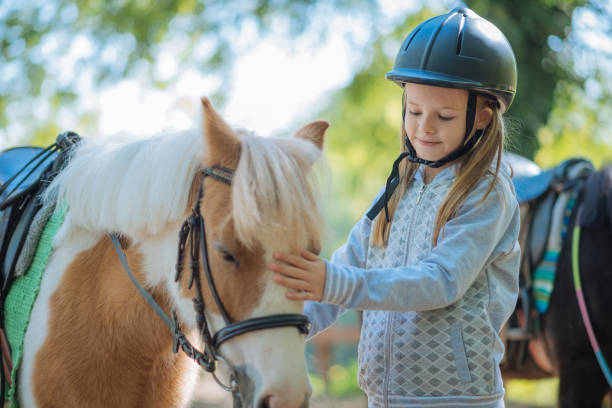
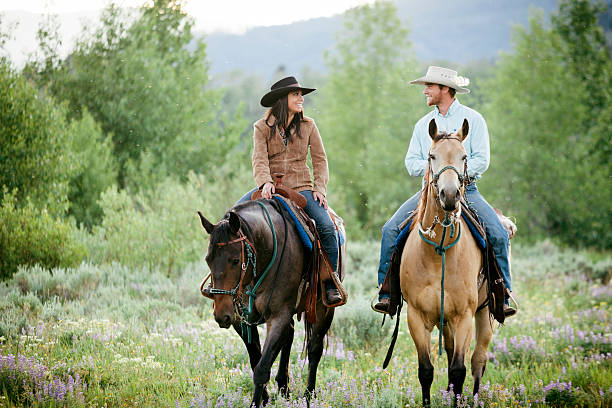
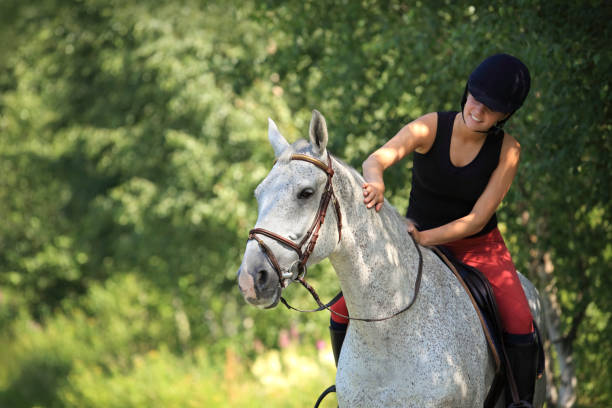
For those seeking a truly distinctive way to experience the wild beauty of Tanzania, Dolly Estate horse riding offers an unparalleled adventure. Far from the dust of safari vehicles or the steep climbs of Kilimanjaro, horseback safaris provide an intimate connection with the landscape and its inhabitants. Imagine cantering across vast plains, the wind in your hair, with zebras grazing peacefully nearby, or trotting along scenic trails with Mount Meru as your majestic backdrop. This is the essence of exploring Tanzania from the saddle.
Tanzania, a land synonymous with iconic wildlife and breathtaking vistas, presents numerous opportunities for exploration. While the classic safari remains a must-do, adventurous travelers are increasingly looking for unique perspectives. Horse riding excursions, particularly those centered around areas like the Dolly Estate near Arusha, deliver precisely that. This guide is crafted for those planning their Tanzanian getaway, whether for 2026 or 2027, looking for an experience that combines thrilling activity with the profound peace of the African bush.
Understanding the Dolly Estate Horse Riding Experience
The Dolly Estate, located in the Arusha region of northern Tanzania, is a prime location for equestrian adventures. It’s not just about the horses; it’s about the entire ecosystem that supports this unique activity. The estate and its surrounding areas boast diverse terrain, from rolling grasslands and acacia woodlands to scenic riverbeds and open plains, all providing ideal conditions for horseback riding.
What sets Dolly Estate horse riding apart is its focus on guided expeditions. These aren’t casual trail rides; they are safaris on horseback, led by experienced guides who possess deep knowledge of the local wildlife, flora, and fauna. They understand animal behavior and know how to position riders for the best, safest viewing opportunities. This expertise is crucial when sharing the wilderness with animals that are still wild and unpredictable.
The horses themselves are typically well-trained and accustomed to safari environments, suitable for riders of varying experience levels, from beginners to seasoned equestrians. Safety is paramount, and guides ensure that riders are matched with appropriate horses and receive thorough briefings before each excursion.
Types of Horseback Safaris Available
The Dolly Estate and its environs offer a range of horseback safari options, catering to different preferences and time constraints. These experiences are designed to immerse you in the natural environment in a way that few other activities can.
Short Excursions and Day Rides
For those with limited time or who wish to sample the experience, short excursions and day rides are ideal. These typically range from a few hours to a full day. They often focus on the immediate vicinity of the estate, exploring local trails, scenic viewpoints, and opportunities for birdwatching. A popular option is a ride that takes you through coffee plantations, offering a glimpse into local agriculture before venturing into wilder areas.
- Morning Rides: Often start with the cool, crisp air, perfect for spotting early morning wildlife activity.
- Afternoon Rides: Offer a different light and perspective, often culminating with sundowners in a scenic spot.
- Full-Day Rides: These are more extensive, covering greater distances and often including a picnic lunch enjoyed in a picturesque setting.
Multi-Day Horseback Expeditions
For the truly adventurous, multi-day horseback expeditions are an unforgettable way to explore further afield. These journeys can take riders deeper into the wilderness, often incorporating overnight stays in comfortable tented camps or lodges strategically located along the route. These longer safaris allow for a more profound connection with the rhythm of the land and increase the chances of encountering a wider array of wildlife.
A typical multi-day itinerary might involve:
- Day 1: Arrival at Dolly Estate, introduction to your horse, a shorter ride to acclimatize, and an evening briefing.
- Day 2-X: Riding through diverse landscapes, guided wildlife viewing, bush breakfasts, and sundowners. Nights spent camping under the stars or in lodges.
- Final Day: A concluding ride back to the estate, often with a farewell breakfast or lunch.
These longer trips are perfect for those planning an extended Tanzania adventure in 2026 or 2027, offering a unique blend of physical activity and immersion in nature.
Specialized Rides
Some operators may offer specialized rides, such as:
- Photography Safaris: Rides designed to position riders for optimal wildlife photography.
- Birdwatching Rides: Focusing on areas known for their avian diversity.
- Cultural Rides: Incorporating visits to local Maasai villages or communities, offering insights into local life.
Wildlife Encounters on Horseback
One of the most compelling aspects of Dolly Estate horse riding is the potential for unique wildlife encounters. Being on horseback often allows you to approach animals more closely than you might in a vehicle, as many wild animals perceive horses as a natural part of the landscape rather than a threat. This can lead to incredibly close and memorable sightings.
Commonly sighted animals include:
- Plains Game: Zebras, wildebeest, giraffes, impalas, gazelles, and various types of antelope are frequently seen grazing in the open areas.
- Smaller Mammals: You might spot warthogs, baboons, and various smaller creatures.
- Birds: The skies and savannas are alive with a vast array of birdlife, from ostriches and secretary birds to numerous smaller species.
While the Big Five (lion, leopard, elephant, rhino, buffalo) are present in Tanzania, sightings on horseback in the immediate Dolly Estate area are less common compared to dedicated game reserves like the Serengeti or Tarangire. However, the thrill of encountering plains game in their natural habitat, undisturbed by engines, is a profound experience. Guides are trained to manage encounters with larger wildlife, ensuring both rider and animal safety.
The advantage of horseback safaris here is the intimate scale of the encounters. You’re not just observing; you’re part of the environment. The sounds, smells, and the sheer proximity to grazing herds create a deeply personal connection with the wild.
The Landscape of Dolly Estate and Surrounds
The geographic setting of the Dolly Estate is a significant part of its appeal. Situated in the Arusha region, it benefits from fertile volcanic soil and a climate conducive to both agriculture and wildlife. The landscape is a beautiful mosaic:
- Rolling Grasslands: Vast open plains perfect for cantering, dotted with acacia trees.
- Woodlands: Areas of denser bush and trees, offering shade and different wildlife viewing opportunities.
- Riverbeds: Dry and sometimes wet riverbeds that provide natural corridors for wildlife and interesting riding terrain.
- Coffee Plantations: The estate itself and surrounding farms are often involved in coffee cultivation, adding a cultural and agricultural dimension to the scenery.
- Volcanic Foothills: The proximity to Mount Meru means that some rides might offer views of its lower slopes and the surrounding highlands.
This diverse topography ensures that each ride is different, offering varied scenery and challenges. The views can be expansive, with panoramas stretching across the plains towards distant mountains, including the majestic Mount Meru on clear days. The air is often fresh, carrying the scent of wild herbs and earth.
Planning Your Dolly Estate Horse Riding Adventure for 2026-2027
When planning your Dolly Estate horse riding Tanzania adventure for 2026 or 2027, careful consideration of several factors will ensure a smooth and memorable trip.
Best Time to Visit
Tanzania has distinct seasons, and while horseback riding is possible year-round, certain periods offer more favorable conditions:
- Dry Seasons (June to October, and December to February): These are generally considered the best times for horseback safaris. The landscape is drier, making riding easier, and wildlife tends to congregate around water sources, increasing viewing opportunities. The skies are often clear, offering excellent visibility.
- Green Seasons (March to May, and November): While these months bring rain, they also transform the landscape into lush green splendor. Riding can still be excellent, especially in the mornings and late afternoons when rains are less frequent. The vegetation is denser, and the scenery is incredibly vibrant. This period can also offer fewer crowds and potentially lower prices.
For 2026-2027 planning, consider booking during the peak dry seasons for optimal riding conditions and wildlife viewing, or the green season for a more visually dramatic landscape and a potentially more exclusive experience.
What to Pack
Comfort and practicality are key when packing for a horseback safari:
- Riding Attire: Long trousers (jeans or riding breeches) are essential to prevent chafing. Comfortable, sturdy shoes with a small heel are recommended for stirrups.
- Layered Clothing: Mornings and evenings can be cool, while midday can be warm. Pack light layers such as t-shirts, long-sleeved shirts, a fleece jacket, and a windbreaker.
- Sun Protection: A wide-brimmed hat (that can be secured), sunglasses, and high SPF sunscreen are vital.
- Insect Repellent: Especially important for evenings.
- Camera and Binoculars: To capture the memories and enhance wildlife viewing.
- Water Bottle: Staying hydrated is crucial.
- Small Backpack: For carrying essentials during rides.
Note: Helmets are usually provided, but if you have a preferred riding helmet, you may wish to bring it.
Rider Experience Levels
Most operators catering to Dolly Estate horse riding are equipped to handle riders of various skill levels. It’s important to be honest about your experience when booking:
- Beginners: Will be paired with calm, steady horses and will typically be on shorter, less demanding routes, focusing on basic riding skills and enjoying the scenery.
- Intermediate Riders: Can expect more varied terrain and potentially opportunities for a gentle canter.
- Experienced Riders: May be offered more challenging routes, faster paces, and longer rides, with horses that are more responsive.
Guides will assess riders and horses to ensure compatibility and safety throughout the excursion.
Booking Your Safari
Booking in advance is highly recommended, especially if you are planning for peak seasons in 2026 or 2027. Reputable tour operators can arrange custom itineraries that include horseback riding as part of a larger Tanzanian adventure, such as combining it with a safari to Tarangire or Lake Manyara, or even a brief visit to Zanzibar.
When contacting tour operators, be clear about your interest in Dolly Estate horse riding, the duration you envision, your riding experience, and any other activities you wish to include in your itinerary. For personalized service and detailed planning assistance, consider reaching out to specialists who understand the nuances of Tanzanian travel.
Choosing the Right Operator
Selecting the right tour operator is crucial for a safe and enjoyable horseback safari. Look for companies with a strong reputation for safety, experienced guides, well-maintained horses, and a commitment to responsible tourism.
Key factors to consider:
- Guide Experience: Are the guides qualified, knowledgeable about wildlife and horsemanship, and fluent in English?
- Horse Welfare: Do the horses appear healthy, well-groomed, and appropriately cared for?
- Safety Protocols: What safety measures are in place? Are helmets provided? What is the procedure for emergencies?
- Itinerary Customization: Can they tailor rides to your specific interests and abilities?
- Reviews and Testimonials: What do past clients say about their horseback safari experiences?
For those planning their trip for 2026-2027, it’s wise to start researching and contacting operators well in advance. Companies like Top Best Tanzania Tour operator specialize in creating bespoke Tanzanian adventures, including unique experiences like horseback riding. They can help craft an itinerary that perfectly matches your desires, ensuring you get the most out of your Dolly Estate horse riding Tanzania adventure.
Estimated Costs for Horse Riding Safaris
The cost of horseback safaris can vary significantly based on the duration, the operator, and whether it’s part of a larger package. For planning purposes for 2026 and 2027, here are some general price indications:
Short Rides (2-3 hours): Typically range from $75 to $150 per person.
Full-Day Rides: Can cost between $150 to $300 per person, often including lunch.
Multi-Day Expeditions: These are more comprehensive and can range from $300 to $700+ per person per day, depending on the level of accommodation (camping vs. lodges), inclusions, and the remoteness of the area explored. These prices often include horses, guides, meals, and accommodation.
Note: These are estimates. Exact pricing will depend on the specific operator and the inclusions. It’s always best to request a detailed quote.
When booking a package for Dolly Estate horse riding Tanzania, ensure you understand what is included: horse and guide, meals, park fees (if applicable), accommodation, transfers, etc.
Combining Horse Riding with Other Tanzanian Experiences
While Dolly Estate horse riding is a fantastic experience in itself, it can be wonderfully integrated into a broader Tanzanian itinerary. The Arusha region is a hub for various adventure activities and gateways to national parks.
Safari Adventures
Pairing your horseback riding with a classic safari is a popular choice. Consider:
- Tarangire National Park: Famous for its large elephant herds and baobab trees. A few days here before or after your ride offers a contrasting wildlife experience.
- Lake Manyara National Park: Known for its tree-climbing lions and diverse birdlife.
- Serengeti National Park: The ultimate safari destination, offering unparalleled wildlife viewing, especially during the Great Migration.
- Ngorongoro Conservation Area: Home to the stunning Ngorongoro Crater, a caldera teeming with wildlife.
Many travelers opt for a Northern Circuit safari, which can easily incorporate a horseback riding day trip from Arusha. For 2026-2027 safaris, combining these elements creates a comprehensive Tanzanian adventure.
Kilimanjaro Trekking
For the physically active, combining a horseback safari with a trek up Mount Kilimanjaro is an option. The Dolly Estate is located near Moshi, the gateway town for Kilimanjaro climbs. A few days of riding can be a relaxing interlude before or after the challenging ascent.
You can find information on group departures and trekking options for Kilimanjaro, such as the Machame Route, for your 2026-2027 climbs at Machame Route Kilimanjaro Group Departures.
Zanzibar Holidays
After the dust of the plains and the thrill of the ride, unwinding on the idyllic beaches of Zanzibar is a perfect conclusion. The island offers pristine white sands, turquoise waters, vibrant coral reefs for snorkeling and diving, and the historic Stone Town. It’s a stark but beautiful contrast to the mainland adventure.
Cultural Experiences
Beyond the horseback riding itself, consider engaging with local culture. This could include:
- Visits to Maasai villages.
- Exploring local markets in Arusha.
- Learning about coffee farming in the region.
Safety and Responsibility in Horseback Safaris
Safety is paramount when riding in a wild environment. Responsible operators prioritize the well-being of both riders and animals.
Key Safety Aspects:
- Experienced Guides: Essential for navigating terrain, understanding wildlife, and managing any unexpected situations.
- Horse Training: Horses must be well-trained, calm, and accustomed to safari environments.
- Rider Assessment: Guides should assess rider ability to ensure they are matched with a suitable horse and route.
- Emergency Procedures: Operators should have clear emergency plans and communication systems in place.
- Wildlife Etiquette: Guides will instruct riders on how to behave around wildlife to ensure safety and minimize disturbance.
Responsible Tourism Practices:
- Animal Welfare: Ensuring horses are healthy, well-fed, and not overworked.
- Environmental Impact: Riding on designated trails where possible to minimize erosion and habitat disturbance.
- Community Engagement: Supporting local communities through employment and ethical partnerships.
When booking your Dolly Estate horse riding Tanzania trip for 2026-2027, inquire about the operator’s safety record and their commitment to responsible tourism.
Why Choose Dolly Estate Horse Riding for Your Tanzania Trip?
Choosing horseback riding at Dolly Estate offers a unique perspective on Tanzania’s natural splendor. It’s an activity that:
- Offers Intimacy with Nature: Experience the sights, sounds, and smells of the African bush up close.
- Provides a Different Pace: Slower than a game drive, allowing for greater appreciation of the environment.
- Is Eco-Friendly: A low-impact way to explore, especially when conducted responsibly.
- Is Suitable for Various Levels: Adaptable to different riding abilities.
- Creates Lasting Memories: An adventurous and unique way to see wildlife and landscapes.
For travelers planning their 2026 or 2027 Tanzanian adventure, incorporating Dolly Estate horse riding can elevate a standard safari into something truly extraordinary. It’s a chance to connect with the wild on a more personal level, creating stories you’ll be sharing for years to come.
If you’re ready to plan your unforgettable horseback safari in Tanzania, or wish to combine this with other incredible experiences like safaris or Kilimanjaro climbs, our expert team is here to assist. We can help craft a personalized itinerary for your 2026-2027 adventure, ensuring every detail is covered.
Contact us today to start planning:
- WhatsApp: +255616946642
- Email: topguideadventures@gmail.com
- Backup Email: info@topguideadventures.com
Let us help you discover the magic of Dolly Estate horse riding Tanzania.



