
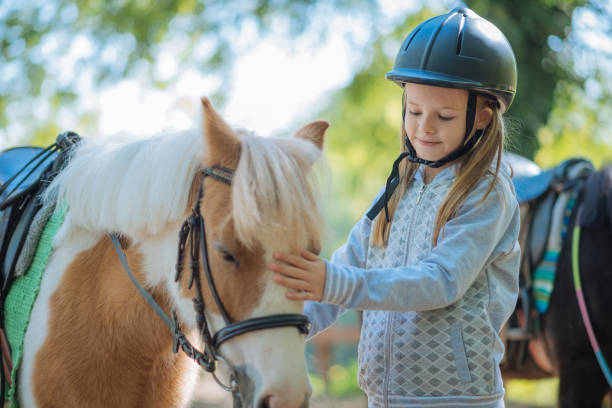
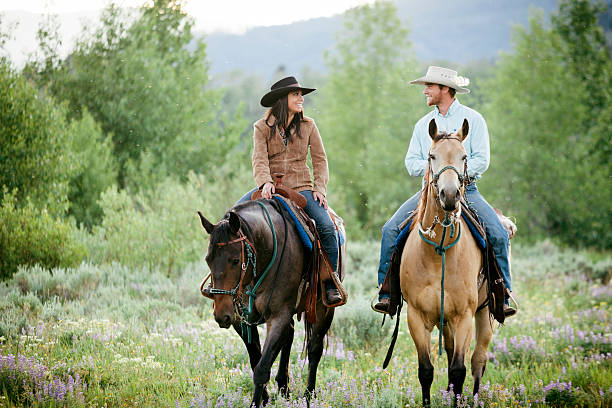
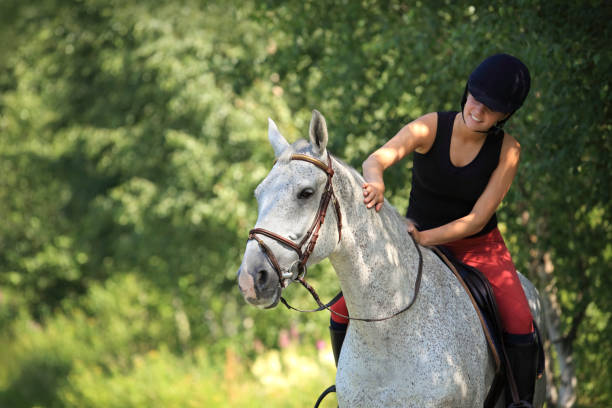
Tanzania, a land synonymous with iconic wildlife and breathtaking landscapes, presents an extraordinary opportunity for experienced riders to connect with nature on horseback. Unlike the more common safari vehicle encounters, Tanzania horse riding for experienced riders offers a profound sense of immersion, allowing you to traverse vast plains, ascend rolling hills, and approach wildlife with a unique perspective. This is not your average trail ride; these are expeditions designed for those comfortable in the saddle, capable of handling diverse conditions, and eager for an authentic, adrenaline-fueled adventure. As you plan your travels for 2026 and 2027, consider this unparalleled way to explore the heart of Africa.
The Allure of Equestrian Safaris for the Adept Rider
What sets a horse riding safari in Tanzania apart for experienced riders? It’s the freedom. It’s the intimacy with the environment. Mounted on a well-trained safari horse, you become part of the landscape, moving silently and respectfully through ecosystems teeming with life. The elevated position allows for superior game viewing, often bringing you closer to animals than a vehicle ever could, without causing alarm. Experienced riders will appreciate the challenge of navigating varied terrain, from the open savannas of the Serengeti to the rugged foothills of Mount Kilimanjaro, and the sophisticated horsemanship required to manage these encounters safely and effectively.
The horses themselves are typically sturdy breeds, accustomed to the African bush and trained to respond to experienced hands. They are your partners in exploration, capable of carrying you for days across distances that would be arduous on foot or by vehicle. For those who have honed their riding skills, these safaris offer a chance to test their abilities in a wild, unpredictable, and utterly magnificent setting. Planning a trip for 2026 or 2027 means you have ample time to prepare and select the perfect itinerary.
Where to Experience Premier Horse Riding Safaris in Tanzania
Tanzania’s diverse geography provides several distinct regions ideal for advanced equestrian adventures. Each offers a unique blend of scenery, wildlife, and riding challenges that cater specifically to experienced riders.
1. The Northern Safari Circuit: Plains, Peaks, and Wildlife Encounters
While the Serengeti and Maasai Mara are famed for their vehicle-based game drives, the periphery and less-trafficked areas offer incredible horse riding opportunities. Experienced riders can explore the vast grasslands, encounter herds of wildebeest and zebras, and potentially see predators from a safe, elevated vantage point. The Maasai people, renowned for their deep connection with cattle and horses, often lead these expeditions, bringing invaluable local knowledge and riding expertise.
Areas to Consider:
- Lesser-visited areas of the Serengeti: Away from the main tourist routes, these areas offer solitude and the chance to ride through prime game country.
- The Ngorongoro Conservation Area (bordering areas): While riding is restricted within the crater itself, the highlands and surrounding ranches provide excellent riding with stunning views.
- Arusha National Park and surrounds: Offers a different landscape, with opportunities to ride near Mount Meru, through forests, and across grasslands with diverse wildlife like giraffes, zebras, and various antelope species. This is often a starting point for many riding safaris.
Riding here requires confidence and skill, especially when encountering large herds or potentially dangerous wildlife. The pace can vary from a gentle trot through scenic routes to a controlled canter across open plains when conditions permit and wildlife is not in close proximity.
2. Southern Tanzania: The Untamed Wilderness
Southern Tanzania, encompassing parks like Ruaha and Selous Game Reserve (now Nyerere National Park), offers a wilder, more remote safari experience. Horse riding here is less common but can be arranged for the truly adventurous, providing an even greater sense of pioneering exploration. These areas are known for their large elephant populations, predators, and vast, undeveloped wilderness.
Key Features:
- Vast, undeveloped landscapes: Ideal for long-distance rides and a feeling of true isolation.
- Abundant large wildlife: Requires expert handling and a deep understanding of animal behavior.
- Logistical complexity: These remote areas often require more involved planning, including mobile tented camps, which experienced riders often appreciate for the authentic camping experience.
The riding in these southern regions is generally more challenging due to the wilder nature of the terrain and wildlife. It’s essential to partner with operators who have extensive experience in these specific areas.
3. Zanzibar: Coastal and Cultural Rides
While not a typical wildlife safari destination, Zanzibar offers unique horse riding experiences along its stunning coastline and through its historic villages. For experienced riders, this can be a refreshing change of pace, combining equestrian activity with beach life and cultural exploration. Rides often take place at dawn or dusk, with horses navigating sandy tracks, mangrove forests, and open beaches.
Unique Aspects:
- Beach rides: Galloping along the Indian Ocean shoreline is an exhilarating experience.
- Cultural immersion: Riding through local villages offers a glimpse into Zanzibari life.
- Less wildlife-focused: This is more about the joy of riding in beautiful scenery and experiencing the island’s charm.
These rides are generally less demanding in terms of wildlife encounters but still require a good level of riding proficiency, especially on sandy terrain and navigating coastal paths.
Tailoring Your Tanzania Horse Riding Adventure for 2026-2027
Choosing the right horse riding safari is crucial for experienced riders. It’s not just about finding a horse; it’s about finding an expedition that matches your skill level, desired level of challenge, and wildlife interests. For 2026 and 2027 travel, early planning is key to securing the best itineraries and availability.
Assessing Your Riding Experience
Operators will typically ask detailed questions about your riding background. Be prepared to honestly assess:
- Years of riding experience: How long have you been riding consistently?
- Types of riding: Have you done cross-country, endurance, trail riding, show jumping, or dressage?
- Comfort with different gaits: Are you comfortable at walk, trot, canter, and gallop?
- Handling difficult horses: Have you ridden spirited or challenging horses?
- Riding in varied terrain: How comfortable are you riding on hills, sand, mud, or uneven ground?
- Wildlife encounters on horseback: Have you experienced riding near large or potentially dangerous animals?
- Ability to dismount and lead: Are you capable of dismounting quickly and leading your horse if necessary?
This self-assessment helps tour operators place you on a safari where you’ll be safe, challenged appropriately, and thoroughly enjoy the experience. For experienced riders, a safari that pushes your boundaries slightly while ensuring safety is often the most rewarding.
Choosing the Right Itinerary and Duration
Safari durations for experienced riders can range from a few days to over a week. Longer rides offer a deeper immersion and a more profound sense of accomplishment.
- Short Rides (2-4 days): Often based out of a lodge or fixed camp, these are good for getting a feel for riding in Tanzania or for those with limited time.
- Medium Rides (5-7 days): These typically involve moving between different locations, perhaps using mobile camps or staying at remote lodges, allowing for exploration of larger areas.
- Long Expeditions (8+ days): These are true adventures, often covering significant distances, utilizing mobile tented camps, and venturing into very remote wilderness. These are ideal for the most seasoned riders seeking ultimate immersion.
Consider the specific wildlife you wish to see. Some routes are better for plains game, while others might offer opportunities for different species. For 2026-2027, think about what kind of wildlife spectacle you want to witness from the saddle.
The Horses: Your Trusted Safari Partners
The quality and suitability of the horses are paramount for an enjoyable and safe experience for experienced riders. Reputable operators invest heavily in their string of horses, which are typically:
- Breeds: Often a mix of sturdy breeds like Thoroughbreds, Arabians, and local crosses, selected for their stamina, temperament, and suitability for safari work.
- Training: Trained to be bombproof (unfazed by wildlife, vehicles, and other stimuli), responsive to aids, and capable of carrying riders safely over long distances and varied terrain.
- Temperament: While spirited enough to be engaging for experienced riders, they are also calm and reliable.
- Care: Well-fed, regularly shod, and expertly managed by experienced grooms and veterinarians.
You’ll likely have the opportunity to discuss your preferred riding style and horse preference with the outfitter to ensure a good match. This level of attention to detail is what makes Tanzania horse riding for experienced riders so exceptional.
Accommodation Styles
Accommodation varies widely, catering to different preferences:
- Luxury Lodges: Offering comfort and amenities after a day in the saddle, these are often situated in scenic locations.
- Tented Camps: Ranging from comfortable canvas tents with en-suite bathrooms to more basic fly camps for remote expeditions, these offer a more intimate connection with the wilderness.
- Mobile Camping: For longer expeditions, mobile camps are set up and moved daily, providing a true bush experience with hot meals and comfortable sleeping arrangements.
Experienced riders often appreciate the authenticity of tented or mobile camps, especially on longer, more remote safaris planned for 2026 or 2027.
What to Expect During Your Horse Riding Safari
A horse riding safari is an active adventure. While the pace can vary, expect days filled with riding, observing, and experiencing the African bush in a unique way.
Daily Riding Schedule
A typical day might involve:
- Early Morning Ride: Setting out shortly after sunrise when wildlife is most active and the air is cool. This can last 3-4 hours.
- Midday Break: Returning to camp or lodge for a hearty brunch, rest, and perhaps a siesta during the hottest part of the day.
- Late Afternoon Ride: Heading out again in the cooler afternoon for another 2-3 hours, often timed to catch the sunset.
The total riding time per day can range from 4 to 7 hours, depending on the itinerary and conditions. Experienced riders will find this pace exhilarating and rewarding.
Wildlife Encounters from the Saddle
This is where Tanzania horse riding for experienced riders truly shines. You can expect to encounter:
- Plains Game: Herds of zebras, wildebeest, gazelles, impalas, and various antelope species are common sightings. You can often ride alongside them, observing their behavior from a unique perspective.
- Giraffes: Their gentle presence and unique gait are fascinating to observe from horseback.
- Elephants: While caution is paramount, experienced riders on well-trained horses can sometimes observe elephants from a respectful distance. The guides are experts in assessing when it is safe to approach or when to give a wide berth.
- Predators: Lions, leopards, and cheetahs are more elusive and sightings are less common from horseback. However, guides are trained to handle any encounter safely, which may involve dismounting or moving away quickly. The thrill of potentially spotting a predator while maintaining control and safety is part of the adventure.
- Birds: Tanzania is a birdwatcher’s paradise, and riding offers excellent opportunities to spot various species.
The key is that the horses are trained to remain calm and composed, allowing riders to appreciate these encounters without causing undue stress to the animals or compromising safety. For 2026-2027 safaris, the goal is always respectful wildlife viewing.
Safety Protocols and Guide Expertise
Safety is the highest priority. Experienced guides are crucial:
- Highly Trained Guides: They possess extensive knowledge of the local area, wildlife behavior, and horsemanship. Many are Maasai or have grown up in the bush, with an innate understanding of the environment.
- Horse Management: Guides are adept at managing their horses and riders, assessing situations, and making critical decisions regarding wildlife encounters.
- First Aid: All guides are trained in first aid, and communication systems (satellite phones or radios) are typically carried for emergencies.
- Contingency Plans: Operators always have plans in place for various scenarios, including weather changes, horse issues, or unexpected wildlife encounters.
Experienced riders will appreciate the professionalism and preparedness of the guides, which allows for a more adventurous yet secure experience.
Planning Your 2026-2027 Horse Riding Safari: Practicalities
To ensure your Tanzania horse riding for experienced riders adventure is a success, meticulous planning is essential. For trips planned in 2026 and 2027, starting this process early gives you the best options.
Best Time to Travel
The dry seasons are generally the best for horse riding safaris:
- June to October: This is the peak dry season, offering clear skies, pleasant temperatures, and excellent game viewing as animals congregate around water sources. Roads are in good condition, making travel easier.
- January to February: This is another dry period, often coinciding with the calving season in the Serengeti, which can lead to increased predator activity.
The shoulder seasons (e.g., November, March-May) can offer lower prices and fewer crowds, but may experience some rain, which can affect riding conditions and game viewing.
What to Pack
Packing for a horse riding safari requires careful consideration:
- Riding Gear: Comfortable riding trousers (breeches or jodhpurs), long-sleeved shirts for sun protection, sturdy riding boots with a small heel, and riding gloves. Some operators may provide helmets, but bringing your own certified riding helmet is highly recommended for experienced riders.
- Clothing: Layers are key. Light, breathable clothing for warm days, and warmer layers (fleece, jacket) for cool mornings and evenings. Neutral colors (khaki, beige, olive green) are best to avoid startling wildlife.
- Sun Protection: Wide-brimmed hat (worn off-horse), high SPF sunscreen, sunglasses, and lip balm.
- Insect Repellent: Especially important for evenings.
- Footwear: Comfortable walking shoes or sandals for around camp.
- Personal Items: Binoculars, camera with extra batteries and memory cards, headlamp or flashlight, personal first-aid kit, any personal medications.
- Documents: Passport, visa, travel insurance details, vaccination certificates.
It’s advisable to pack light, as luggage space can be limited on safari vehicles and planes. Soft-sided duffel bags are often preferred.
Health and Vaccinations
Consult your doctor or a travel clinic well in advance of your trip for recommended vaccinations and malaria precautions. Tanzania is a malaria-endemic country, and prophylactic medication is usually advised. Ensure your routine vaccinations are up to date.
Visa and Travel Insurance
Check the visa requirements for your nationality well in advance. Comprehensive travel insurance, including medical evacuation and cover for adventure activities, is essential for any safari, especially one involving horse riding. This is a critical step for planning your 2026-2027 trip.
Budget Considerations for 2026-2027
The cost of Tanzania horse riding for experienced riders safaris can vary significantly based on duration, accommodation level, exclusivity, and the specific regions visited. As a guideline for 2026 and 2027:
Estimated Price Ranges (per person, per day):
- Mid-Range: $350 – $600 USD per person per day. This typically includes accommodation in comfortable tented camps or lodges, meals, horses, guides, and park fees.
- Luxury/Expedition: $600 – $1000+ USD per person per day. This level offers higher-end lodges, exclusive use of horses and guides, more remote locations, and potentially mobile camping expeditions with enhanced services.
Factors influencing cost:
- Duration: Longer safaris often have a slightly lower daily rate but a higher total cost.
- Inclusions: Ensure you know what is covered (e.g., park fees, meals, drinks, guiding, horse hire, transfers).
- Season: Peak season may have higher rates.
- Exclusivity: Private rides will be more expensive than group departures.
For a precise quote tailored to your 2026 or 2027 travel dates and preferences, it is best to contact a specialized tour operator directly.
Choosing the Right Tour Operator
Selecting a reputable and experienced tour operator is paramount for a successful and safe Tanzania horse riding for experienced riders adventure. Look for operators who:
- Specialize in Equestrian Safaris: They should have a deep understanding of horsemanship, horse care, and safari logistics specific to riding.
- Have Experienced Guides: Ensure their guides are not only knowledgeable about wildlife but also highly skilled riders and experienced in handling horses in wild environments.
- Prioritize Safety: They should have clear safety protocols, well-maintained equipment, and contingency plans.
- Offer Tailored Experiences: The best operators will work with you to customize an itinerary that matches your riding ability and interests.
- Have Positive Reviews and a Strong Reputation: Look for testimonials and feedback from previous clients, especially experienced riders.
For those planning their safari for 2026 or 2027, engaging with a trusted operator early in the planning process is highly recommended. Operators like Top Best Tanzania Tour operator specialize in creating bespoke safari experiences, including advanced equestrian adventures. You can reach them via WhatsApp +255616946642 or email at topguideadventures@gmail.com or info@topguideadventures.com.
Why Experienced Riders Choose Tanzania
Tanzania offers a unique blend of factors that appeal specifically to seasoned equestrians:
- Unrivaled Wildlife Density: The sheer volume and diversity of wildlife provide constant opportunities for remarkable encounters.
- Vast, Open Spaces: The expansive landscapes allow for long rides and a sense of freedom that is hard to find elsewhere.
- Authentic Bush Experience: From the horses to the guides to the accommodation, these safaris offer a genuine immersion into the African wilderness.
- Cultural Richness: Many riding safaris are led by or involve interaction with local communities, such as the Maasai, adding a cultural dimension to the journey.
- Challenge and Reward: The terrain and wildlife present challenges that experienced riders relish, leading to a profound sense of accomplishment.
Whether you’re dreaming of a 2026 expedition across the Serengeti plains or a more intimate ride through the Arusha region for 2027, Tanzania delivers an equestrian adventure that is both thrilling and deeply memorable.
Preparing for Your Ultimate Equestrian Journey in 2026-2027
Your Tanzania horse riding for experienced riders adventure is more than just a holiday; it’s an expedition. Proper preparation ensures you can fully embrace the experience. Ensure your riding skills are sharp, your physical fitness is adequate, and your mental preparedness is high for the unpredictable nature of the bush. For those booking for 2026 and 2027, this lead time allows for thorough preparation. When you are ready to plan the specifics of your dream safari, engaging with experts like Top Best Tanzania Tour operator is your next step. Contact them via WhatsApp +255616946642 or email topguideadventures@gmail.com / info@topguideadventures.com to craft your personalized itinerary and ensure every detail is covered for an unforgettable journey.



