
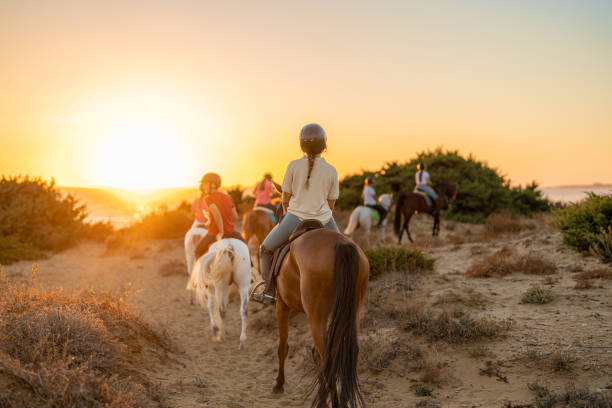
Imagine the wind in your hair as you canter across the vast plains of the Serengeti, a herd of wildebeest migrating in the distance. Picture yourself on horseback, quietly approaching giraffes grazing near acacia trees, experiencing the wild heart of Tanzania in a way that’s both intimate and exhilarating. A Tanzania horse riding and wildlife safari offers precisely this blend of adventure and unparalleled wildlife viewing, providing a unique perspective that traditional vehicles simply cannot match. For travelers planning their adventures for 2026 and 2027, incorporating a horseback safari into their itinerary promises an unforgettable journey through one of Africa’s most iconic destinations.
Why Choose Horse Riding for Your Tanzania Wildlife Safari?
While game drives in 4×4 vehicles are the classic safari experience, horseback safaris provide a distinct set of advantages that appeal to those seeking a deeper connection with nature. The primary allure lies in the intimate proximity to wildlife. Horses are a natural part of the African landscape, and many animals, particularly plains game, are less wary of them than of vehicles. This allows for closer, quieter encounters, offering photographic opportunities and moments of observation that are truly special.
Furthermore, riding allows you to cover ground that is inaccessible by car, reaching remote waterholes, dense bushland, and elevated viewpoints. The pace of a horse is ideal for absorbing the sights, sounds, and smells of the African bush. You become a part of the environment, not just an observer. This is particularly true for Tanzania horse riding and wildlife safaris, where experienced guides ensure both your safety and the well-being of the wildlife.
The experience is also inherently adventurous. Whether you’re a seasoned rider or a beginner, the thrill of exploring with a trusted equine partner adds an undeniable layer of excitement to the safari. It’s a way to engage with the landscape and its inhabitants actively, creating lasting memories.
Top Destinations for Horse Riding Safaris in Tanzania
Tanzania boasts several incredible regions where horseback safaris are offered, each providing a unique environment and wildlife viewing experience. The choice of location often depends on the specific wildlife you wish to see, the type of terrain you prefer, and the overall safari style you envision for your 2026 or 2027 trip.
1. The Great Plains of the Serengeti
The Serengeti National Park is synonymous with the Great Migration, and experiencing this natural spectacle from horseback is truly extraordinary. While full-day rides covering vast distances are less common within the main park due to its size and regulations, specialized camps and operators offer rides in concessions bordering the Serengeti, or in areas accessible during specific times of the year. Imagine riding alongside zebra and wildebeest, feeling the thunder of hooves, or spotting lions from a safe distance as they are less startled by horses than by vehicles. These rides often focus on the open grasslands, offering breathtaking panoramas.
2. The Maasai Mara Ecosystem (Adjacent to Serengeti)
While technically in Kenya, the Maasai Mara ecosystem extends into Tanzania, and many operations that cater to the Mara experience also offer horseback safaris in areas bordering or connected to the Serengeti. These areas are often less crowded and provide excellent opportunities for riding through rolling hills and acacia woodlands. The presence of Maasai communities adds a cultural dimension, allowing for interactions that enrich the safari experience.
3. G Adventures and Wilderness Safaris (Various Concessions)
Many high-end safari operators have exclusive concessions in areas like the Grumeti Reserve or the northern Serengeti. These private areas often allow for more flexible safari activities, including horseback riding. The advantage here is exclusivity, fewer crowds, and the ability to conduct night drives and off-road excursions, all of which can be enhanced by the unique perspective of a horseback safari. These are ideal for those seeking a luxury Tanzania horse riding and wildlife safari in 2026-2027.
4. Arusha Region and Mount Kilimanjaro Foothills
For those looking for a shorter horseback experience, or as an add-on to a Kilimanjaro trek or a Northern Circuit safari, the areas around Arusha offer beautiful riding opportunities. You can ride through coffee plantations, local villages, and the foothills of Mount Meru or Kilimanjaro, often with stunning views of the peaks. While not typically focused on large herds of plains game, these rides offer a wonderful introduction to riding in Tanzania and showcase the country’s diverse landscapes and rural life.
5. Southern Tanzania (Selous Game Reserve/Nyerere National Park)
While less common than in the north, some operators in the vast Selous Game Reserve (now Nyerere National Park) offer horseback safaris. The terrain here is different, with miombo woodlands and the Rufiji River system. Riding here can offer unique encounters with elephants, hippos (from a safe distance!), and a variety of birdlife. The sheer scale of the reserve means that horseback riding can be a truly adventurous way to explore its less-visited corners.
What to Expect on a Tanzania Horse Riding Safari
A Tanzania horse riding and wildlife safari is tailored to suit different riding abilities and preferences. Whether you’re an experienced equestrian or a beginner, operators are equipped to provide a safe and enjoyable experience.
Riding Abilities and Horse Selection
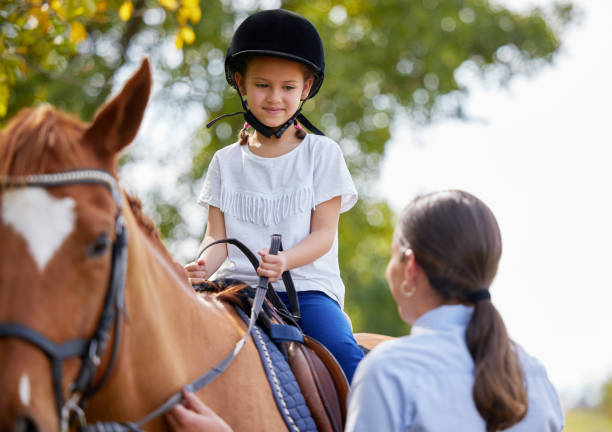
Most safari operators cater to all levels of riders. For beginners, guides will provide thorough instruction on handling the horse, safety protocols, and riding techniques. The horses used are typically well-trained, calm, and accustomed to wildlife. They are often a mix of local breeds and imported horses, chosen for their temperament and suitability for safari work. For experienced riders, more challenging routes and faster paces may be available.
The Safari Experience
A typical horseback safari day might involve an early morning ride, followed by breakfast and a break during the heat of the day. Afternoon rides are also common, often concluding with sundowners in a scenic spot. Rides can range from a few hours to full-day excursions, sometimes including a picnic lunch in the bush. Multi-day horseback safaris are also an option, where you ride between different camps, sleeping under the stars or in comfortable lodges.
Wildlife Encounters
The thrill of a horseback safari comes from the unpredictable nature of wildlife encounters. You might see giraffes, zebras, wildebeest, impala, warthogs, and various antelope species at close range. With experienced guides, you can also learn to read animal behavior and understand their habitats. While seeing the ‘Big Five’ (lion, leopard, elephant, rhino, buffalo) on horseback is possible, it’s more about the overall immersion and the chance encounters rather than a guaranteed sighting of every large predator. Guides are trained to ensure that both riders and animals remain safe, maintaining respectful distances when necessary.
Safety and Guides
Safety is paramount. All guides are highly experienced in both horsemanship and tracking wildlife. They carry communication equipment and first-aid kits. You will receive a comprehensive safety briefing before each ride. The horses are well-maintained and chosen for their reliability. Riders are often accompanied by at least one, and sometimes two, guides depending on the group size and terrain.
Planning Your Tanzania Horse Riding Safari for 2026-2027
Planning a trip for 2026 or 2027 requires foresight, especially for specialized activities like horseback safaris. Early booking is crucial to secure your preferred dates and operators.
Best Time to Travel
The dry season, typically from June to October, is generally considered the best time for horseback safaris in Tanzania. The grass is shorter, making wildlife easier to spot, and the weather is pleasant with less humidity and rain. This period often coincides with the Great Migration in the Serengeti, offering a spectacular backdrop. However, the shoulder seasons (May and November) can also offer good wildlife viewing with fewer crowds and potentially lower prices.
For those specifically interested in the Great Migration, timing your Tanzania horse riding and wildlife safari for 2026 or 2027 to coincide with the migration’s movement across the Serengeti is key. The river crossings, usually around July-August, are a highlight, though riding directly alongside them might be restricted for safety and conservation reasons. Consult with your tour operator for the most accurate migration forecasts for your chosen year.
Choosing the Right Operator and Package
Selecting a reputable tour operator is vital. Look for companies with extensive experience in organizing horseback safaris in Tanzania. They should have a strong understanding of wildlife behavior, safety protocols, and the specific areas where riding is permitted and best experienced. Top Best Tanzania Tour Operator, for example, specializes in crafting custom safari itineraries, including unique experiences like horseback riding. They can guide you through the options, ensuring your trip is tailored to your interests and riding ability.
When comparing packages for 2026-2027, consider the following:
- Inclusions: What is covered? (e.g., park fees, accommodation, meals, drinks, horse riding fees, transfers, guide services).
- Accommodation: Will you be staying in luxury lodges, tented camps, or fly camps?
- Duration: How many days are dedicated to horseback riding versus other safari activities?
- Riding Level: Does the itinerary match your riding experience?
- Group Size: Are you looking for a private experience or a small group tour?
Get a personalized quote for your 2026 or 2027 Tanzania horse riding adventure by contacting us via WhatsApp at +255616946642 or email at topguideadventures@gmail.com.
Packing Essentials for a Horseback Safari
Comfort and practicality are key. You’ll want clothing that is suitable for riding and for the African climate.
- Riding Gear: Comfortable, sturdy riding boots with a heel are essential. Lightweight riding trousers or comfortable, durable pants. Gloves are recommended for grip and protection. A riding helmet is usually provided, but you may prefer to bring your own if you have a specific type.
- Clothing: Lightweight, breathable long-sleeved shirts and trousers to protect from the sun and insects. Layers are good for cooler mornings and evenings. Neutral colors (khaki, beige, olive green) are best to avoid startling wildlife.
- Sun Protection: A wide-brimmed hat (that can be secured while riding), sunglasses, and high SPF sunscreen.
- Insect Repellent: Especially important for evenings and early mornings.
- Binoculars: Essential for spotting wildlife from a distance.
- Camera: With extra batteries and memory cards. Consider a waterproof bag.
- Personal First-Aid Kit: Including any personal medications.
Note: Most operators will provide a more detailed packing list specific to their tours. Always check with your chosen operator before you travel.
Comparing Horseback Safaris with Other Safari Types
To truly appreciate the unique offering of a Tanzania horse riding and wildlife safari, it’s helpful to compare it with other popular safari styles.
Horseback vs. Game Drives (4×4 Vehicle)
Game Drives: The standard safari experience. Offers comfort, speed, and the ability to cover large distances. Ideal for seeing a wide variety of animals and for families with young children. Vehicles provide a raised vantage point and protection. However, they can be noisy and may disturb wildlife more easily. Limited access to certain terrains.
Horseback Safaris: Offers unparalleled intimacy with nature and wildlife. Quieter, more immersive experience. Access to areas unreachable by vehicle. More adventurous and physically engaging. Best suited for those comfortable with horses and seeking a unique perspective. May have limitations on distance covered in a single day and can be affected by weather.
Horseback vs. Walking Safaris
Walking Safaris: Highly immersive and focuses on the smaller details of the bush – tracks, plants, insects, and smaller game. Offers a profound connection to the environment through senses. Excellent for learning about tracking and the ecosystem. Requires a good level of fitness and comfort in the wilderness. Can be more intimidating for some due to the lack of a vehicle or horse for protection.
Horseback Safaris: Offers a blend of immersion and mobility. Allows for covering more ground than walking while still being close to nature. Provides a sense of adventure and exhilaration. Offers a different perspective than walking, often at a slightly faster pace and from a higher vantage point than on foot.
Horseback vs. Canoeing/Boating Safaris
Canoeing/Boating Safaris: Primarily focused on riverine and wetland ecosystems. Excellent for viewing hippos, crocodiles, water birds, and elephants coming to drink. Offers a unique, low-profile perspective on aquatic life. Can be very peaceful and relaxing. Limited to areas with navigable waterways.
Horseback Safaris: Focuses on terrestrial wildlife and landscapes. Offers a broad view of plains, woodlands, and hills. Provides opportunities for encounters with a wider range of land mammals.
For travelers planning their 2026-2027 Tanzania horse riding and wildlife safari, understanding these differences helps in selecting the safari style that best aligns with their expectations and desired level of adventure.
The Cost of a Tanzania Horse Riding Safari
The cost of a Tanzania horse riding and wildlife safari can vary significantly based on factors such as the duration of the safari, the level of accommodation, the specific locations chosen, and the exclusivity of the experience. As a general guideline for 2026 and 2027 travel, expect horseback riding to be an add-on cost to a standard safari package, or part of a specialized, often high-end, itinerary.
Key Cost Factors:
- Operator Type: Luxury operators with exclusive concessions will generally be more expensive than those operating in public areas.
- Accommodation: Staying in high-end lodges or exclusive tented camps will increase the overall price.
- Duration of Riding: Safaris with multiple days dedicated to horseback riding will naturally cost more.
- Inclusions: Fully inclusive packages (all meals, drinks, park fees, activities) offer better value and predictability.
- Time of Year: Peak season (June-October) is typically more expensive than the green season.
Estimated Price Ranges (per person, per day):
- Mid-Range: For safaris that include horseback riding as part of a broader itinerary, you might expect an additional $150 – $300 USD per person, per day for the horseback riding component, on top of a standard safari cost.
- Luxury/Exclusive: For dedicated horseback safari packages in private concessions, the daily rate can range from $500 – $1000+ USD per person, per day. This often includes high-end accommodation, all meals, drinks, park fees, and all riding activities.
Note: These are indicative figures for 2026-2027 and can change. It is always best to request a detailed, personalized quote from your tour operator.
To get a precise quote tailored to your dream 2026 or 2027 Tanzania horse riding and wildlife safari, reach out to our expert team. You can contact us via WhatsApp at +255616946642 or email us at topguideadventures@gmail.com. We also offer backup support via info@topguideadventures.com.
Booking Your 2026-2027 Tanzania Horse Riding Safari
The earlier you start planning and booking your Tanzania horse riding and wildlife safari for 2026 or 2027, the better. Popular operators and prime locations, especially those offering exclusive experiences, get booked up quickly, particularly for peak seasons.
Steps to Booking:
- Research and Choose Your Operator: Look for operators with proven experience in horseback safaris and excellent reviews. Companies like Top Best Tanzania Tour Operator have a strong reputation for creating memorable and well-organized safari experiences.
- Define Your Itinerary: Decide on the duration, desired wildlife, comfort level, and whether you want riding to be the primary focus or an integrated activity.
- Request a Custom Quote: Provide your dates, group size, interests, and any specific requirements. This allows the operator to tailor a package for you.
- Review and Confirm: Carefully review the proposed itinerary, inclusions, exclusions, and payment terms.
- Secure Your Booking: Pay the deposit to confirm your reservation. Ensure you understand the cancellation policy.
- Prepare for Your Trip: Once booked, focus on your packing, visa requirements, and any necessary vaccinations.
Consider booking at least 9-12 months in advance for 2026-2027 trips, especially if you are targeting specific dates or popular lodges.
Beyond the Saddle: Complementing Your Horseback Safari
While horseback riding is the star, a comprehensive Tanzania horse riding and wildlife safari often includes other classic safari activities to provide a well-rounded experience. These can be seamlessly integrated into your itinerary for 2026 or 2027.
- Game Drives: Utilize 4×4 vehicles for exploring areas that might be difficult or restricted for horses, or simply to cover more ground efficiently.
- Walking Safaris: Add a guided walking safari to focus on the smaller wonders of the bush and learn tracking skills from expert guides.
- Cultural Visits: Engage with local communities, such as the Maasai, to understand their traditions and way of life.
- Hot Air Balloon Safaris: For a truly breathtaking perspective, a sunrise hot air balloon ride over the plains offers unparalleled views of the landscape and wildlife, especially during the migration.
- Zanzibar Extension: After your safari, consider a relaxing extension to the spice island of Zanzibar for pristine beaches, history, and water sports.
By combining horseback riding with these other activities, you create a dynamic and unforgettable Tanzanian adventure. For example, a Tanzania horse riding and wildlife safari in the Serengeti could be followed by a few days on Kilimanjaro’s lower slopes or a cultural immersion in a Maasai village.
Is a Tanzania Horse Riding Safari for You?
A horseback safari is an exceptional choice for:
- Adventurous travelers seeking a unique and intimate wildlife experience.
- Experienced riders looking for a new challenge and perspective.
- Beginner riders who are keen to try something different in a safe, guided environment.
- Photographers aiming for unique angles and close-up wildlife shots.
- Travelers who appreciate the tranquility and connection that comes from being close to nature.
It might be less suitable for those who are:
- Uncomfortable with horses or have a strong fear of them.
- Seeking a very fast-paced safari covering vast distances solely by vehicle.
- Traveling with very young children who cannot ride safely.
Ultimately, the Tanzania horse riding and wildlife safari offers a magical way to experience the country’s incredible natural heritage. Whether you’re planning for 2026 or 2027, this is an adventure that promises to leave you with profound memories.
Ready to plan your extraordinary 2026 or 2027 Tanzania horse riding and wildlife safari? Contact Top Best Tanzania Tour Operator today! Reach us on WhatsApp at +255616946642 or send an email to topguideadventures@gmail.com. You can also use our backup email, info@topguideadventures.com, to get started on crafting your personalized adventure. Let us help you experience the wild heart of Tanzania from a truly unique perspective.



