
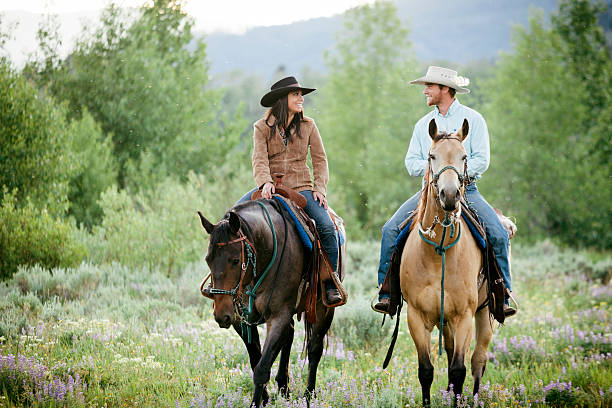
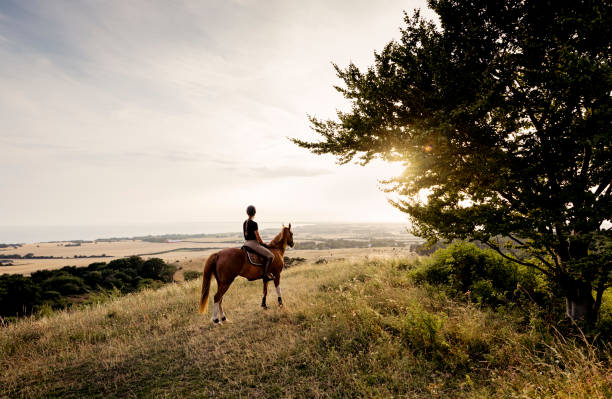
Imagine the wind in your hair, the rhythmic beat of hooves on the earth, and the vast Tanzanian plains stretching before you, dotted with wildlife. An Arusha horse riding safari offers precisely this unparalleled experience, blending the exhilaration of horseback riding with the awe-inspiring beauty of East Africa. Unlike traditional vehicle-based safaris, riding offers a more intimate connection with the environment, allowing you to approach wildlife with less disturbance and absorb the sights, sounds, and smells of the wilderness in a profoundly personal way.
For travelers planning their 2026-2027 Tanzania adventure, incorporating a horse riding safari near Arusha provides a memorable and distinctive way to explore the country’s iconic landscapes. This guide will walk you through everything you need to know, from the best locations and types of rides available to what to pack and how to choose the right operator for an unforgettable journey.
Why Choose an Arusha Horse Riding Safari?
Arusha, often called the gateway to Northern Tanzania’s safari circuit, is perfectly positioned for horse riding excursions. The surrounding areas boast a diverse topography, from rolling savannahs and acacia woodlands to the foothills of Mount Meru and Kilimanjaro. These varied terrains provide ideal conditions for horseback adventures, catering to different skill levels and offering spectacular views.
The primary draw of a horse riding safari is the unique perspective it provides:
- Intimate Wildlife Encounters: Horses are part of the natural environment, meaning wildlife often tolerates their presence more readily than vehicles. This allows for closer, more natural observations of animals like zebras, giraffes, wildebeest, and various antelope species.
- Sense of Freedom and Connection: Riding allows you to feel truly immersed in the landscape. You can hear the rustle of grass, the distant calls of birds, and the thud of your horse’s hooves, fostering a deep connection with nature.
- Access to Remote Areas: Horses can navigate terrain that vehicles cannot, taking you to hidden valleys, along riverbanks, and through denser bush where unique flora and fauna might be found.
- Exhilaration and Adventure: For many, the sheer joy and thrill of riding a horse through the African bush is an adventure in itself, offering an adrenaline rush combined with serene natural beauty.
- Suitable for Various Skill Levels: Reputable operators offer rides suitable for beginners, intermediate, and experienced riders, ensuring everyone can enjoy the experience.
Top Horse Riding Locations Near Arusha
While Arusha itself is a bustling city, the true magic of a horse riding safari lies in the diverse landscapes surrounding it. Several key areas offer exceptional opportunities for equestrian adventures, each with its unique charm and wildlife viewing potential.
1. Mount Meru Foothills and Surrounds
The slopes of Mount Meru, Tanzania’s second-highest peak, offer breathtaking scenery and a cooler climate ideal for riding. Areas just outside Arusha, nestled in the foothills, provide rolling grasslands, dense forests, and clear streams. These rides often take you through local villages, offering glimpses into rural Tanzanian life, and can include stunning views of the mountain itself.
Wildlife you might encounter: Various antelopes, baboons, monkeys, numerous bird species. While large predators are rare in these specific riding areas, the focus here is on the scenic beauty and cultural immersion.
Terrain: Varied, including gentle slopes, open grasslands, and some forested paths. Suitable for most rider levels.
2. West Kilimanjaro Plains
A short drive from Arusha, the plains west of Mount Kilimanjaro offer vast, open landscapes with the majestic Kili-manjaro as a backdrop. These areas are known for their dramatic vistas and excellent opportunities for spotting plains game. Riding here often feels like stepping into a classic safari scene.
Wildlife you might encounter: Giraffes, zebras, wildebeest, Thomson’s gazelles, Grant’s gazelles, ostriches, and a rich variety of birdlife. The open plains are also ideal for seeing these animals in their natural herds.
Terrain: Predominantly flat, open savannah with scattered acacia trees. Excellent for cantering and enjoying the expansive views. Generally suitable for intermediate to experienced riders, though gentler routes can be arranged.
3. Private Conservancies and Ranches
Several private ranches and conservancies have established dedicated horse riding operations. These areas are often managed to promote wildlife conservation and offer well-maintained trails and high-quality stables. They can provide a more exclusive and controlled environment for riding.
Wildlife you might encounter: Depends on the specific conservancy, but often includes plains game, and sometimes even elephants or other larger mammals if the conservancy borders national parks or game reserves (though riding directly among dangerous game requires extreme caution and specialized operations).
Terrain: Varies greatly depending on the conservancy, from open plains to bushland and riverine areas. Often very well-maintained trails.
Types of Arusha Horse Riding Safaris
The duration and style of horse riding safaris can vary significantly, catering to different time constraints and preferences. Whether you have a few hours or several days, there’s an option for you.
1. Day Rides
Perfect for those on a tighter schedule or wanting to add a unique activity to their safari itinerary, day rides typically last from a few hours to a full day. These excursions usually start and end at a central lodge or ranch and explore the immediate surroundings.
- Morning Rides: Often the coolest part of the day, ideal for wildlife viewing as animals are more active.
- Afternoon Rides: A great way to experience the golden hour light over the plains.
- Picnic Rides: Many operators offer a full-day ride that includes a packed lunch enjoyed at a scenic spot in the bush.
These rides are excellent for getting a feel for horseback riding in Africa without committing to an overnight stay. They are commonly available from lodges and specialized outfitters located close to Arusha.
2. Overnight and Multi-Day Treks
For the truly adventurous, multi-day horse riding safaris offer an immersive experience. These treks allow you to cover more ground, explore deeper into remote areas, and experience the magic of sleeping under the stars in the African wilderness.
- Overnight Stays: Typically involve riding to a comfortable bush camp or lodge where you can relax, enjoy a campfire dinner, and wake up to the sounds of the wild.
- Extended Treks (3-7 days): These longer journeys can take you through diverse ecosystems, potentially including areas bordering national parks or conservancies. Accommodation can range from comfortable tented camps to more rustic fly camps set up specifically for the riding group.
Multi-day treks often include experienced guides, support staff, and delicious meals prepared in camp. This is the ultimate way to experience an Arusha horse riding safari, offering a profound connection with the landscape and its inhabitants. Planning for 2026 or 2027 allows ample time to book these longer, more involved expeditions.
3. Riding Safaris with Mobile Camping
A variation of multi-day treks, these safaris involve moving camp each day. You ride to a new location, and a support team sets up a new camp for you. This offers a dynamic experience, constantly changing scenery and a true sense of exploration. These are often the most adventurous and rewarding options for experienced riders.
Planning Your Arusha Horse Riding Safari for 2026-2027
Choosing the right time, operator, and type of safari is crucial for a successful and enjoyable experience. With the travel landscape evolving, booking in advance for 2026 and 2027 is highly recommended, especially for specialized tours like horse riding safaris.
Best Time to Visit
Tanzania has distinct seasons, and each offers a different experience for horse riding:
- Dry Season (June to October): This is generally considered the best time for riding safaris. The weather is pleasant, with sunny days and cool evenings. The landscape is drier, making trails easier to navigate, and wildlife tends to congregate around water sources, increasing viewing opportunities. This is peak safari season, so booking well in advance for 2026-2027 is essential.
- Short Rains (November to December): The landscape becomes greener and more vibrant. While there can be occasional showers, they are usually short-lived. Wildlife viewing remains good, and the scenery is beautiful. This can be a slightly less crowded and potentially more affordable time to travel.
- Long Rains (March to May): This is the wettest period, with heavy rainfall. While the landscape is lush and stunning, trails can become muddy and difficult, and some operators may scale back operations. However, for those seeking fewer crowds and dramatic, verdant scenery, it can still be a viable option, especially for shorter, more accessible rides.
The shoulder months (May, June, October, November) often offer a good balance of favorable weather, fewer crowds, and potentially better rates for your Arusha horse riding safari.
Choosing the Right Operator
Selecting a reputable tour operator is paramount for safety, quality, and an authentic experience. When looking for an operator for your Arusha horse riding safari, consider the following:
- Experience and Reputation: Look for operators with a proven track record, positive reviews, and extensive experience in horse riding safaris in Tanzania. Companies like Top Best Tanzania Tour Operator have been organizing custom safari experiences for years, ensuring a high standard of service.
- Horse Welfare: Ensure the operator prioritizes the health and well-being of their horses. Well-cared-for horses are essential for a safe and enjoyable ride. Inquire about their feeding, stabling, and veterinary care practices.
- Guide Expertise: Guides should be knowledgeable not only about horses and riding but also about the local wildlife, culture, and safety protocols. They should be able to manage different riding abilities and ensure the group’s safety.
- Safety Standards: A good operator will have comprehensive safety measures in place, including first-aid kits, communication devices, and contingency plans for emergencies.
- Itinerary Flexibility: Can they customize a ride to your specific interests, skill level, and timeframe? For example, if you’re planning a 2026 safari and have specific wildlife interests, a good operator can tailor the routes.
- Inclusions and Exclusions: Clearly understand what is included in the price – accommodation, meals, park fees, transfers, equipment, etc.
For personalized planning and expert advice on your Arusha horse riding safari, consider contacting Top Best Tanzania Tour Operator directly. They specialize in creating custom Tanzanian adventures and can help you craft the perfect itinerary for 2026 or 2027.
What to Expect on Your Ride
Understanding what to expect can help you prepare and maximize your enjoyment:
- The Horses: Operators typically use sturdy, well-trained horses, often a mix of local breeds and imported horses accustomed to safari conditions. They are usually calm and responsive, suitable for riders of varying experience.
- Riding Gear: Helmets are usually provided and highly recommended for safety. Comfortable riding attire is essential.
- Group Size: Rides are often kept to small groups to minimize disturbance to wildlife and ensure personalized attention.
- Pace: The pace will vary depending on the terrain, wildlife sightings, and the skill level of the group. Expect a mix of walking, trotting, and cantering.
- Wildlife Viewing: While wildlife sightings are common, they are not guaranteed. The beauty of a horse riding safari is the experience itself, regardless of specific animal encounters. However, the proximity and natural approach often lead to memorable sightings.
- Guides: You will be accompanied by experienced guides who lead the way, manage the horses, and provide insights into the environment.
Packing Essentials for Your Horse Riding Safari
Comfort and practicality are key when packing for a horse riding safari. Here are some essentials:
- Riding Helmet: While often provided, bringing your own comfortable, well-fitting helmet is advisable.
- Riding Boots: Comfortable, sturdy boots with a slight heel are ideal for riding.
- Long Trousers/Riding Breeches: To protect your legs from chafing and insect bites. Jeans are generally not recommended for extended riding.
- Comfortable Shirts: Breathable, long-sleeved shirts are good for sun protection and to ward off insects.
- Sun Hat: For wear when not riding, or a helmet liner.
- Sunglasses: Essential for protecting your eyes from the sun.
- Sunscreen: High SPF sunscreen to protect your skin.
- Insect Repellent: Especially important for evenings and early mornings.
- Camera and Binoculars: To capture the incredible scenery and wildlife. Ensure you have spare batteries and memory cards.
- Water Bottle: Staying hydrated is crucial.
- Small Backpack: For carrying water, snacks, camera, and other essentials during the ride.
- Personal First-Aid Kit: Include any personal medications, blister treatment, and antiseptic wipes.
- Lightweight Jacket or Fleece: Evenings can be cool, especially at higher altitudes.
For multi-day treks, you’ll need additional items for overnight stays, such as toiletries, sleepwear, and potentially a sleeping bag if not provided.
Cost Considerations for Arusha Horse Riding Safaris
The cost of an Arusha horse riding safari can vary significantly based on several factors:
- Duration: Day rides will be considerably less expensive than multi-day treks.
- Accommodation: Rides that include overnight stays at lodges will cost more than those using tented camps or mobile camping.
- Exclusivity: Private rides are more expensive than group rides.
- Inclusions: The number of meals, transfers, guide services, and any park or conservancy fees included in the package.
- Operator Tier: Luxury operators will command higher prices than budget-friendly options.
General Price Ranges (Estimates for 2026-2027):
Day Rides: Expect to pay anywhere from $100 to $300 per person for a half-day or full-day ride, depending on the inclusions (e.g., picnic lunch, transfers).
Overnight Rides: A 2-day/1-night riding safari could range from $300 to $700 per person, including accommodation, meals, and riding.
Multi-Day Treks (3-5 days): These can range from $250 to $500+ per person per day. So, a 4-day trek might cost between $1000 and $2000+ per person. This typically includes all meals, camping/lodge accommodation, horses, guides, and support staff.
Important Note: These are indicative prices for planning your 2026-2027 travel. For an accurate quote tailored to your specific needs and desired itinerary, it is best to contact a reputable tour operator directly.
Booking Your 2026-2027 Arusha Horse Riding Safari
To ensure availability and secure your preferred dates for an Arusha horse riding safari, especially for the popular travel window of 2026-2027, early booking is highly recommended. Experienced operators can help you navigate the options, select the best fit for your riding ability and interests, and handle all the logistics.
For a personalized and expertly crafted horse riding safari experience in Tanzania, consider reaching out to:
- WhatsApp: +255616946642
- Email: topguideadventures@gmail.com
- Backup Email: info@topguideadventures.com
They offer a wide range of safari packages, including custom itineraries, and are dedicated to providing unforgettable adventures in Tanzania.
Beyond the Ride: Combining with Other Tanzanian Experiences
An Arusha horse riding safari can be a highlight of a larger Tanzanian journey. Arusha is ideally located for combining this unique activity with other iconic experiences:
- Northern Circuit Safaris: After your ride, venture into the famed Serengeti National Park, Ngorongoro Conservation Area, Tarangire National Park, and Lake Manyara National Park for classic game drives. See the Great Migration, the Big Five, and diverse birdlife.
- Mount Kilimanjaro Trekking: For the adventurous, combine your safari with a climb of Africa’s highest peak. The Machame Route is a popular choice, and planning for 2026 or 2027 allows ample time for preparation.
- Cultural Tours: Explore local markets, visit Maasai villages, or learn about the Chagga culture at the base of Kilimanjaro.
- Zanzibar Holidays: Extend your trip with a relaxing beach holiday on the spice island of Zanzibar, offering white sandy beaches, turquoise waters, and rich history.
A well-planned itinerary can seamlessly integrate an Arusha horse riding safari with these other incredible Tanzanian adventures, creating a comprehensive and deeply rewarding travel experience for 2026-2027.
Safety and Rider Requirements
Safety is always the top priority. Reputable operators have strict protocols:
- Riding Experience: Most operators cater to a range of abilities, from novice to experienced riders. Novice rides are typically on flatter, calmer terrain, while experienced riders might tackle more challenging routes.
- Weight Limits: To ensure the welfare of the horses, most operators have weight limits, usually around 90-100 kg (200-220 lbs). Always check this with your operator when booking.
- Age Limits: While flexible, there might be minimum age requirements, especially for longer treks. Young children may need to be accompanied by an adult.
- Health: Riders should be in reasonable physical condition. If you have any health concerns, consult your doctor and inform the tour operator.
Emergency Procedures: Guides are trained in basic first aid and carry communication devices. They will have protocols for dealing with minor injuries or more serious incidents, including evacuation plans if necessary.
Making the Most of Your Arusha Horse Riding Safari
To ensure your Arusha horse riding safari is everything you dreamed of:
- Be Honest About Your Riding Ability: This is crucial for your safety and enjoyment, as well as that of the horses and other riders.
- Listen to Your Guide: They are experts in horsemanship, the local environment, and safety. Follow their instructions carefully.
- Respect Wildlife: While you are close to animals, remember they are wild. Do not attempt to feed them or approach them too closely if the guide advises against it.
- Stay Hydrated: Drink plenty of water, especially during warmer months.
- Embrace the Experience: Be open to the unexpected. Sometimes the most memorable moments are spontaneous encounters or simply soaking in the vastness of the landscape.
An Arusha horse riding safari is more than just a tour; it’s an adventure that connects you to the heart of Tanzania. Whether you are planning for 2026 or 2027, this unique way of exploring the wilderness promises an unforgettable journey. Contacting a dedicated tour operator like Top Best Tanzania Tour Operator can help you craft the perfect riding safari, ensuring every detail is managed for a truly exceptional experience.
For bespoke Arusha horse riding safari arrangements and expert advice for your 2026-2027 travel plans, don’t hesitate to get in touch:
WhatsApp: +255616946642
Email: topguideadventures@gmail.com
Backup Email: info@topguideadventures.com



