
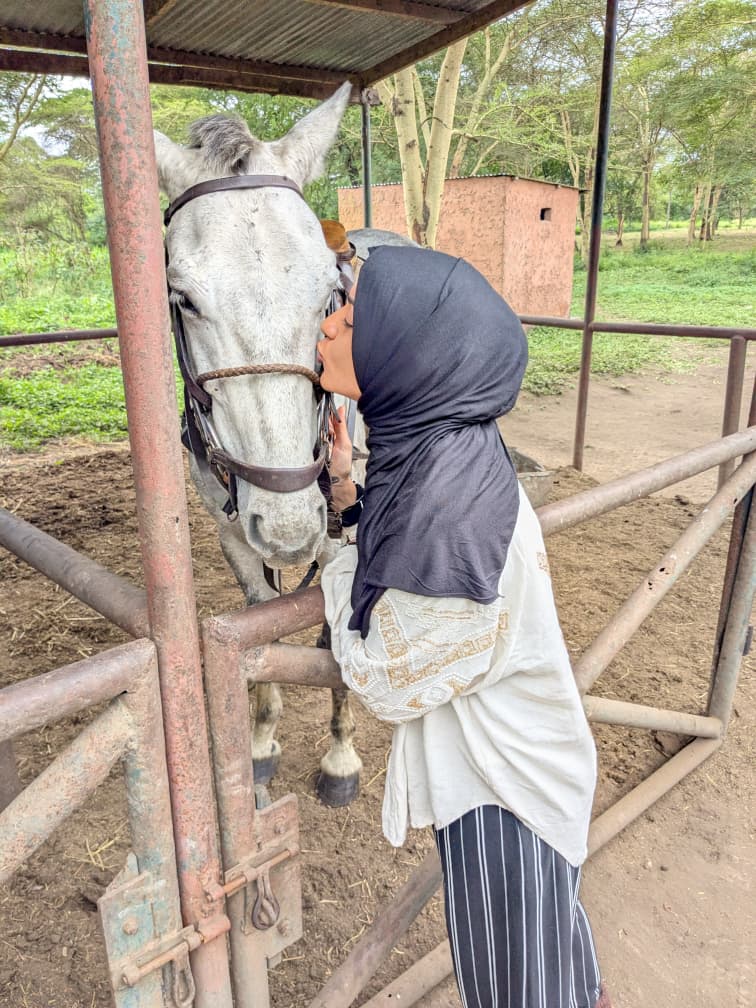
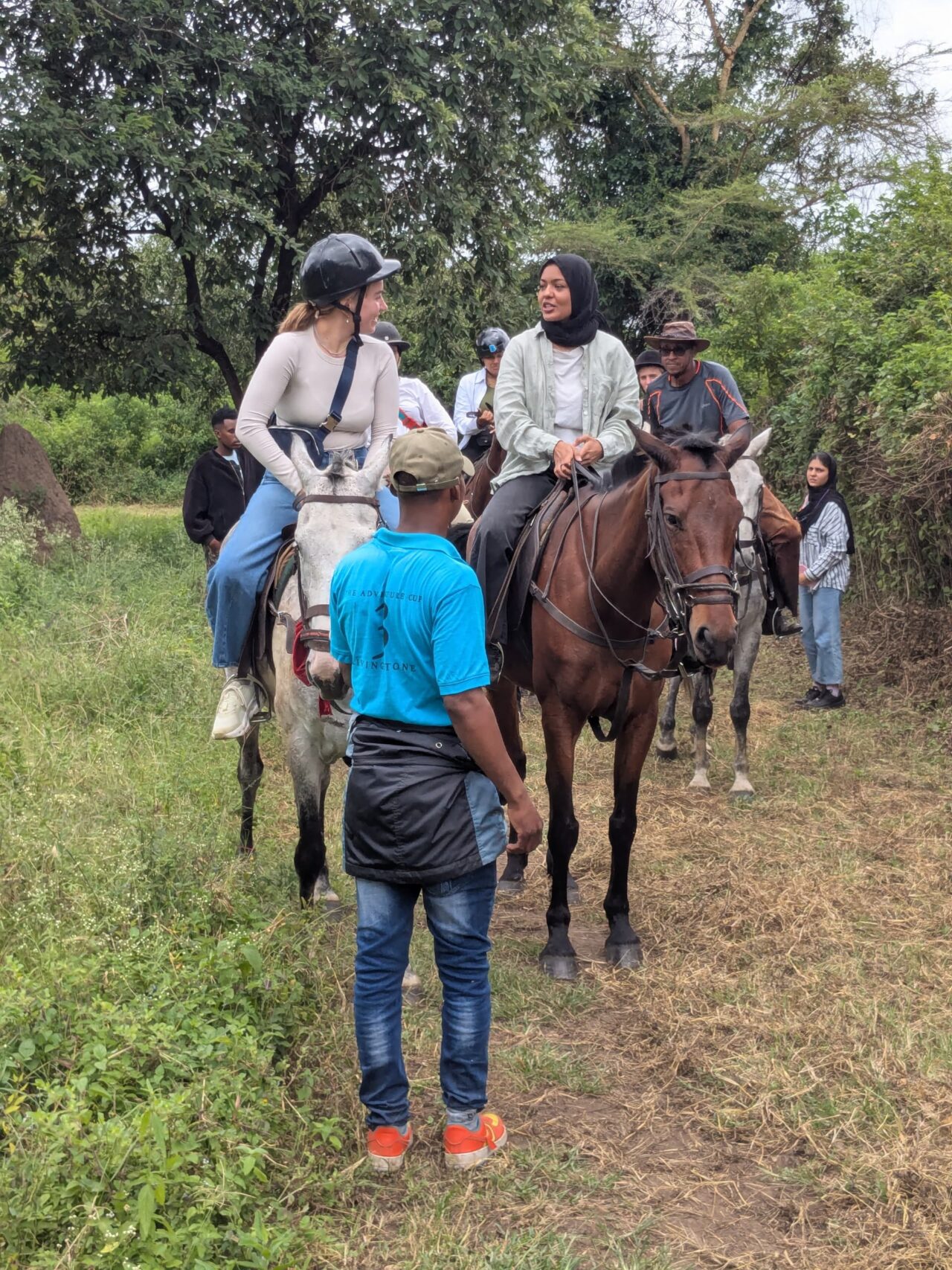
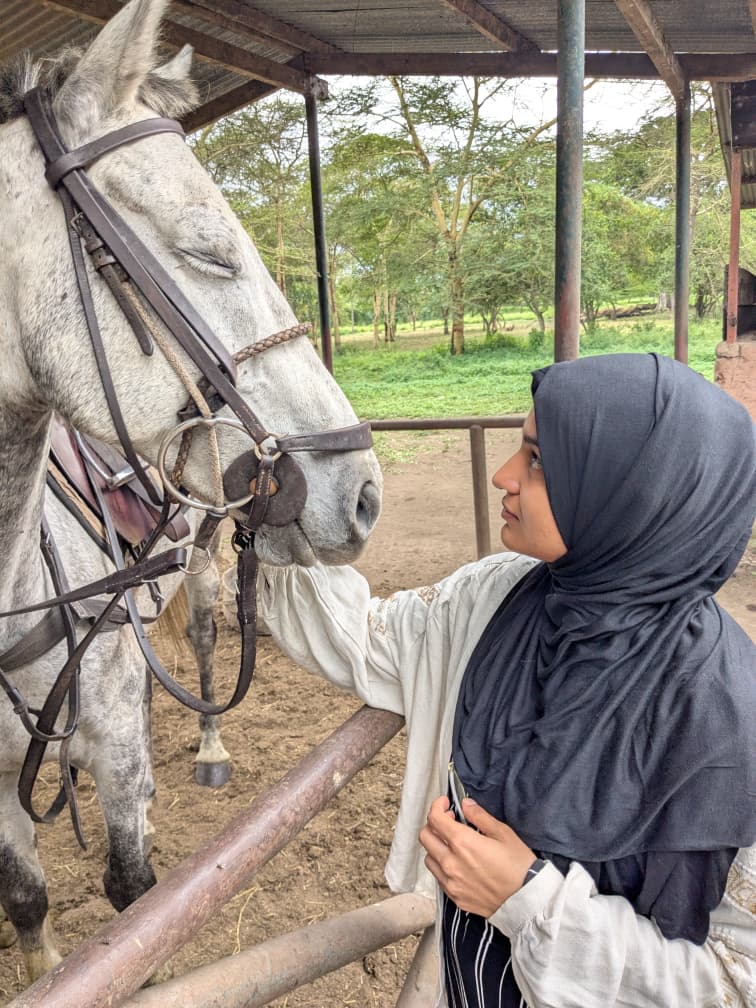
Imagine the vast African savanna stretching before you, the air alive with the sounds of nature, and the gentle rhythm of hooves beneath you. Horse riding in Arusha, Tanzania, offers an unparalleled way to connect with this breathtaking landscape and its incredible wildlife. Far from the confines of a vehicle, horseback allows for a more intimate and immersive experience, bringing you closer to the natural world in a way that few other activities can.
For travelers planning their 2026 or 2027 Tanzania adventure, incorporating a horseback safari or trail ride around Arusha presents a unique opportunity. Whether you’re a seasoned equestrian or a beginner looking for a memorable experience, the opportunities for horse riding in this region are diverse and captivating. This guide is designed to provide you with all the essential information to plan your perfect equine journey, from understanding the types of rides available to choosing the right operator and preparing for your adventure.
Why Choose Horse Riding in Arusha?
Arusha, often called the ‘safari capital’ of Tanzania, serves as the gateway to some of Africa’s most iconic national parks, including Serengeti, Ngorongoro Crater, and Tarangire. While these destinations are world-renowned for their traditional safari experiences, the areas surrounding Arusha offer a different, yet equally compelling, perspective. Horse riding provides several distinct advantages:
- Unique Wildlife Viewing: Animals often perceive horses as non-threatening, allowing riders to approach wildlife more closely and for longer periods than might be possible in a vehicle. You can observe herds grazing peacefully, or even witness predators in a less disturbed state.
- Access to Remote Areas: Horses can navigate terrain that vehicles cannot, opening up access to secluded valleys, riverbanks, and bushland. This means exploring areas that remain untouched by mass tourism.
- A Deeper Connection to Nature: The slower pace and open-air experience allow you to truly absorb the sights, sounds, and smells of the Tanzanian bush. It’s a sensory immersion that builds a profound connection with the environment.
- Exhilarating Adventure: For those who love the thrill of riding, cantering across the plains or navigating gentle trails on horseback is an unforgettable experience, blending adventure with the tranquility of nature.
- Cultural Immersion: Many horse riding operations in Arusha are run by or work closely with local communities, offering opportunities to interact with Maasai culture and learn about their traditional way of life, often from horseback.
Types of Horse Riding Experiences Around Arusha
The options for horse riding near Arusha cater to a range of interests and fitness levels. Understanding these variations will help you select the ideal experience for your 2026-2027 Tanzania trip.
1. Day Rides and Short Excursions
Perfect for those with limited time or who want to add a unique activity to their safari itinerary, day rides offer a fantastic introduction to horseback riding in Tanzania. These rides typically range from a few hours to a full day and often explore the scenic areas surrounding Arusha, such as:
- Local Villages and Farmlands: Ride through vibrant communities, observe daily life, and see local agriculture up close. These rides often include stops to interact with villagers and learn about their customs.
- Bush Trails: Explore the drier bushland, often with views of Mount Meru or Kilimanjaro on a clear day. These trails are ideal for spotting smaller game and diverse birdlife.
- Riverine Areas: Follow trails along rivers and streams, offering a different ecosystem and the chance to see animals that frequent water sources.
These shorter rides are generally suitable for riders of all experience levels, with guides ensuring a safe and enjoyable pace. You can often arrange these as a standalone activity or as part of a larger safari package.
2. Multi-Day Horseback Safaris
For the truly adventurous, multi-day horseback safaris offer an immersive journey into the heart of the Tanzanian wilderness. These expeditions can last anywhere from two to several days, often covering significant distances and venturing into more remote landscapes.
- Kilimanjaro Foothills and Plains: Traverse the lower slopes and surrounding plains of Mount Kilimanjaro, enjoying spectacular views of Africa’s highest peak. These rides often involve camping under the stars.
- Areas near National Parks: Some operators offer rides in buffer zones adjacent to parks like Tarangire or Lake Manyara, providing opportunities for wildlife encounters in a more accessible setting than deep within the parks themselves.
- Maasai Lands: Experience the traditional territories of the Maasai people, riding alongside Maasai guides who share their deep knowledge of the land and culture.
Multi-day safaris typically involve camping in the bush, often in comfortable fly camps, or staying in rustic lodges. They require a reasonable level of riding fitness and a spirit of adventure. These are ideal for travelers looking for a truly authentic and challenging experience in 2026 or 2027.
3. Cultural and Community-Based Rides
Many horse riding experiences in Arusha are deeply intertwined with local culture, particularly that of the Maasai people. These rides go beyond simple sightseeing, offering genuine interaction and learning opportunities.
- Maasai Boma Visits: Ride to traditional Maasai villages (bomas), where you can learn about their semi-nomadic lifestyle, social structures, and customs directly from the residents.
- Learning about Traditional Practices: Guides, often Maasai themselves, will share insights into traditional medicine, cattle herding, and the spiritual connection to the land, all from the unique vantage point of horseback.
- Riding with Maasai Warriors: Some expeditions allow you to ride alongside Maasai warriors, experiencing their horsemanship and learning about their role in the community.
These rides offer a profound cultural exchange, enriching your understanding of Tanzania beyond its wildlife and landscapes.
Best Locations for Horse Riding Near Arusha
While Arusha itself is the hub, the best horse riding experiences are found in the surrounding regions, each offering unique scenery and wildlife opportunities.
1. The Foot of Mount Meru
The slopes and foothills of Mount Meru provide a stunning backdrop for horse riding. The terrain here is varied, from lush coffee plantations and farmland to more open bushland. Rides here often offer:
- Spectacular Views: On clear days, the views of Mount Meru are breathtaking, and glimpses of Kilimanjaro in the distance add to the magic.
- Diverse Flora and Fauna: The higher altitudes support different vegetation and birdlife compared to the drier plains.
- Cultural Encounters: You’ll likely pass through small farming communities and villages, offering authentic interactions.
2. Areas Bordering Tarangire National Park
While direct riding within national parks is restricted, some operations utilize the private concessions and buffer zones bordering parks like Tarangire. This offers incredible potential for wildlife viewing from horseback.
- Abundant Wildlife: These areas are often teeming with elephants, giraffes, zebras, wildebeest, and various antelope species, especially during the dry season when they congregate near water sources.
- Vast Plains: The landscape is characterized by rolling savannas, acacia woodlands, and baobab trees, offering classic safari scenery.
- Sense of Wilderness: Riding in these buffer zones provides a feeling of deep wilderness without the strict regulations of the national parks.
3. Maasai Steppe and Cultural Lands
Venture further out towards the vast plains of the Maasai Steppe, and you’ll find operations focused on cultural immersion and experiencing the traditional Maasai way of life.
- Expansive Scenery: The wide-open grasslands offer exhilarating riding opportunities, with the horizon stretching endlessly.
- Authentic Cultural Exchange: These areas are home to many Maasai communities, providing unparalleled opportunities to learn about their heritage.
- Unique Wildlife: While not as concentrated as in national parks, you can still encounter plains game and unique bird species adapted to the steppe environment.
Planning Your Horse Riding Adventure in 2026-2027
To ensure your horse riding experience in Arusha is as enjoyable and safe as possible, careful planning is essential. Here are key considerations for your 2026 or 2027 booking.
Choosing the Right Operator
Selecting a reputable and experienced tour operator is paramount. Look for companies that prioritize:
- Safety Standards: Ensure they have well-maintained horses, experienced guides with first-aid training, and appropriate safety equipment.
- Horse Welfare: Ethical treatment of horses is crucial. Inquire about their stable conditions, feeding practices, and how they manage their horses.
- Experienced Guides: Guides should have extensive knowledge of the local terrain, wildlife, and culture, as well as excellent riding skills.
- Appropriate Horses: The operator should be able to match you with a horse suitable for your riding ability and the terrain.
- Positive Reviews: Check independent review sites like TripAdvisor for feedback from previous clients.
Top Guide Adventures is a highly recommended operator known for its commitment to safety, ethical practices, and creating unforgettable experiences. They offer a range of horse riding excursions, from short day trips to multi-day expeditions, tailored to your preferences. You can reach them via WhatsApp at +255616946642 or email at topguideadventures@gmail.com.
What to Expect in Terms of Cost (2026-2027 Estimates)
The cost of horse riding in Arusha can vary significantly based on the duration, location, and inclusions of the experience. Here are some general estimates for 2026-2027 planning:
- Day Rides (Half-Day/Full-Day): Expect prices to range from $100 to $250 per person. This typically includes the horse, guide, and sometimes a packed lunch or refreshments.
- Multi-Day Horseback Safaris: These are more comprehensive and can range from $300 to $600+ per person per day. The higher end of the range usually includes full board (meals and camping/lodging), all activities, park fees (if applicable), and transfers.
- Private Rides: Private excursions will naturally cost more than group rides, often with a premium added for exclusivity.
Factors influencing price include:
- Duration: Longer rides naturally cost more.
- Inclusions: Meals, accommodation, park fees, transfers, and guide services all impact the final price.
- Operator Tier: Luxury operators will generally charge more than budget-friendly options.
- Seasonality: While less pronounced than for full safaris, peak seasons might see slight price adjustments.
It’s always best to get a detailed quote. For personalized pricing and itinerary suggestions for your 2026 or 2027 horse riding trip, contact Top Guide Adventures at topguideadventures@gmail.com or info@topguideadventures.com.
Riding Ability and Fitness
Most operators cater to a range of riding abilities, from beginners to experienced riders. However, it’s crucial to be honest about your skill level when booking.
- Beginners: Operators will provide gentle horses and focus on easier trails, often with more walking than trotting or cantering. Safety briefings are thorough.
- Intermediate Riders: You’ll likely experience a mix of paces and potentially more challenging terrain.
- Experienced Riders: Can expect faster paces, longer rides, and potentially more adventurous routes.
Regarding fitness, while you don’t need to be an athlete, a reasonable level of core strength and stamina is beneficial, especially for multi-day rides. You’ll be in the saddle for several hours each day, and riding requires physical engagement.
Best Time to Go Horse Riding
Tanzania has a generally favorable climate for outdoor activities, but certain periods are better suited for horse riding:
- Dry Seasons (June to October and December to February): These are the most popular times. The weather is typically sunny and dry, with less humidity. The landscape is drier, which can be ideal for riding, and wildlife is often concentrated around water sources, increasing viewing opportunities.
- Shoulder Seasons (March, November): These months can also be excellent. March might see the end of the long rains, while November can be pleasantly warm before the main dry season. Be prepared for occasional rain showers.
- Green Season (April to May): This period sees the long rains. While landscapes are lush and beautiful, trails can become muddy and challenging for horses. Some operators may close or limit operations during this time.
For 2026-2027 travel planning, aim for the dry seasons for the most predictable and comfortable riding conditions.
What to Pack
Packing appropriately will significantly enhance your comfort and safety. Here’s a guide:
- Riding Gear:
- Comfortable riding trousers (jodhpurs or sturdy leggings). Jeans can chafe.
- Riding boots with a slight heel to prevent your foot from slipping through the stirrup.
- Riding gloves (optional, but recommended for longer rides).
- Helmet: Most reputable operators provide helmets, but if you have a comfortable one, bring it.
- Clothing:
- Lightweight, breathable long-sleeved shirts to protect from the sun and insects.
- A light fleece or jacket for cooler mornings and evenings.
- Comfortable shorts or trousers for non-riding times.
- Swimsuit (if your accommodation has a pool).
- Footwear:
- Comfortable walking shoes or sandals for camp/lodge.
- Sun Protection:
- High SPF sunscreen.
- Wide-brimmed hat or cap.
- Sunglasses.
- Health and Personal Items:
- Insect repellent (with DEET).
- Personal first-aid kit with any necessary medications.
- Hand sanitizer.
- Camera and extra batteries/memory cards.
- Binoculars for wildlife viewing.
- Reusable water bottle.
- A small backpack or daypack for essentials during rides.
Note: Always check with your tour operator for specific packing recommendations, as they may provide certain items or have particular requirements.
Safety and Wildlife Considerations
Safety is paramount when riding in an African wilderness environment. Reputable operators adhere to strict safety protocols.
Guide Expertise
Your guide is your most important safety asset. They are trained to:
- Read animal behavior and ensure safe distances are maintained.
- Navigate the terrain effectively.
- Handle any potential issues with the horses.
- Administer first aid if necessary.
Wildlife Encounters
While horses can approach wildlife more closely, guides will always ensure the safety of both riders and animals. You may encounter:
- Plains Game: Zebras, wildebeest, giraffes, various antelope species are common and generally accustomed to horses.
- Elephants: Maintain a respectful distance. Guides are skilled at assessing elephant mood and ensuring a safe passage.
- Predators: Lions, leopards, and cheetahs are less commonly encountered on horseback rides outside of national parks, but guides are trained to handle such rare encounters, prioritizing rider safety by moving away calmly and quietly.
- Buffalo: These can be unpredictable. Guides will ensure a wide berth is kept.
Always follow your guide’s instructions without question. Do not make sudden movements, shout, or attempt to feed any wildlife.
Horse Management
Ensure the operator you choose has a strong focus on horse welfare. Healthy, well-cared-for horses are safer and more enjoyable to ride. Ask about their training methods and how they match horses to riders.
Integrating Horse Riding into Your Tanzania Itinerary
Horse riding can be a fantastic addition to a broader Tanzania tour. Consider these integration ideas for your 2026-2027 travel plans:
Short Add-on from Arusha
If you’re primarily focused on a safari in the northern circuit or climbing Kilimanjaro, a one or two-day horse riding excursion from Arusha is easily manageable.
- Post-Safari Relaxation: After days on dusty safari vehicles, a relaxing horse ride offers a different pace and perspective.
- Pre-Climb Acclimatization: A gentle ride can be a good way to acclimatize to the altitude around Arusha before heading to Kilimanjaro.
Part of a Cultural Tour
Combine horse riding with visits to local communities, coffee plantations, and cultural heritage sites around Arusha. This creates a rich mix of experiences.
Standalone Horseback Safari
For dedicated equestrians, a longer multi-day horseback safari can be the centerpiece of your trip, focusing entirely on the adventure and the wilderness.
Example Itinerary Snippet (3-Day Horse Riding Safari):
Day 1: Arrival and Foothills Ride
Arrive in Arusha, meet your guide, and transfer to the stables near Mount Meru. After a briefing and meeting your horse, enjoy an afternoon ride through local villages and farmlands, with stunning views of the mountain. Overnight at a lodge or campsite.
Day 2: Maasai Lands Exploration
Ride out into the expansive Maasai Steppe. This day focuses on covering more ground, experiencing the open plains, and potentially visiting a Maasai boma for cultural exchange. Camping under the stars.
Day 3: Wildlife Plains and Departure
A final morning ride, perhaps exploring areas known for plains game. Enjoy a picnic lunch before returning to the stables. Transfer back to Arusha for your onward journey.
Booking Your 2026-2027 Horse Riding Adventure
Ready to plan your unforgettable horse riding experience in Arusha? Top Guide Adventures is your trusted partner for creating bespoke itineraries that capture the spirit of adventure and cultural immersion. They specialize in crafting personalized safari experiences, including exceptional horseback excursions.
To discuss your specific interests, desired dates for 2026 or 2027, and budget, don’t hesitate to get in touch:
- WhatsApp: +255616946642
- Email: topguideadventures@gmail.com
- Backup Email: info@topguideadventures.com
They can help you design a trip that perfectly balances thrilling rides, wildlife encounters, and cultural insights. Whether you dream of a short day trip or an extended multi-day horseback safari, Top Guide Adventures is committed to making your Tanzanian adventure extraordinary. Explore their offerings and start planning today!



