
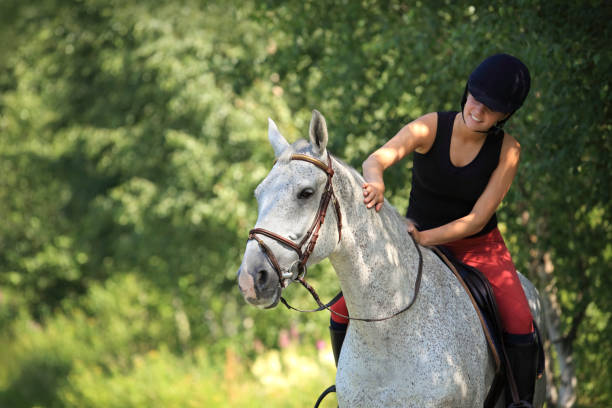
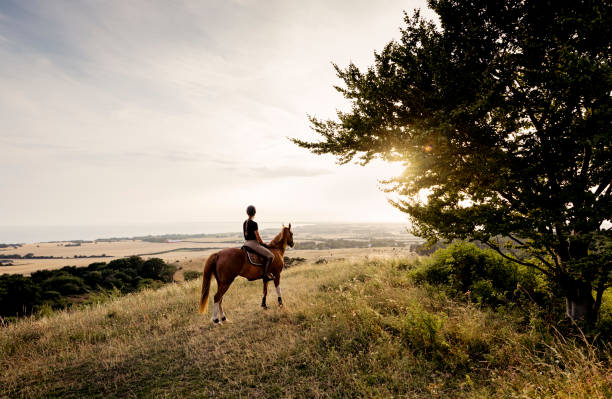
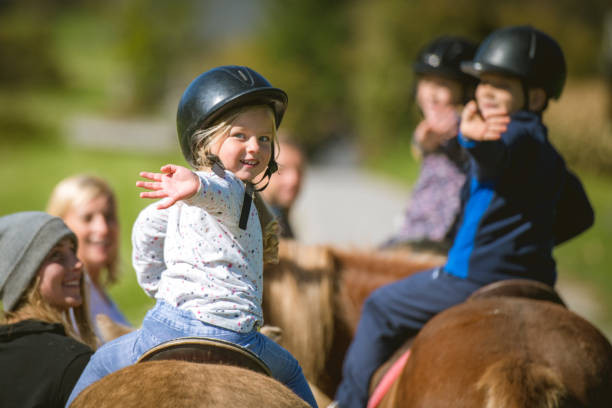
Imagine the thrill of cantering across the African savanna, the wind in your hair, with Mount Meru as your majestic backdrop. This isn’t just a dream; it’s the reality of a horse riding safari in Arusha National Park. Offering a profoundly intimate way to connect with nature and wildlife, this unique safari experience allows you to traverse landscapes often inaccessible by vehicle, bringing you closer to Tanzania’s natural wonders than ever before. As you plan your 2026 or 2027 Tanzanian adventure, consider this exhilarating alternative to traditional game drives.
Why Choose Horse Riding in Arusha National Park?
Arusha National Park, though the smallest of Tanzania’s northern circuit parks, punches well above its weight in terms of scenic beauty and diverse ecosystems. It’s a jewel that offers a more exclusive and serene safari experience compared to its more famous neighbours. The park encompasses Mount Meru, Momella Lakes, and the Ngurdoto Crater, providing a variety of terrains perfect for equestrian exploration. Opting for a horse riding safari here means:
- Unparalleled Wildlife Proximity: Horses are often perceived as non-threatening by many animals, allowing for closer encounters without causing alarm. You can observe giraffes, zebras, buffalos, and various antelopes at a comfortable distance.
- Access to Remote Areas: Trails accessible by horseback can lead you to secluded spots, offering a sense of discovery and solitude rarely found on vehicle-based safaris.
- A Different Perspective: Riding at a gentle pace allows for deeper immersion in the sights, sounds, and smells of the bush. You notice the smaller details – the intricate patterns on a butterfly’s wings, the calls of unseen birds, the scent of wild sage.
- Ecological Sensitivity: Horse riding is a low-impact activity, leaving minimal trace on the environment, aligning with sustainable tourism principles.
- Exclusivity: While Arusha National Park is less crowded than the Serengeti or Masai Mara, horse riding further enhances this feeling of having a private wilderness experience.
Understanding Arusha National Park for Horse Safaris
Arusha National Park is a vibrant mosaic of landscapes. From the alkaline Momella Lakes, famous for their flamingo populations (though numbers vary seasonally), to the dense montane forests clinging to the slopes of Mount Meru, and the dramatic Ngurdoto Crater, the park offers diverse environments. The open grasslands are ideal for riding, while the forests present a different kind of adventure. The park is home to a good variety of wildlife, including:
- Mammals: Cape buffalo, elephants, giraffes, zebras, wildebeest, various antelopes (waterbuck, bushbuck, duiker), hippos, and colobus monkeys. While lions and leopards are present, they are rarely seen.
- Birds: The park boasts over 400 bird species, making it a paradise for ornithologists. You might spot turacos, hornbills, eagles, and numerous waterbirds around the lakes.
The presence of Mount Meru, Tanzania’s second-highest peak, dominates the park’s skyline and influences its climate, creating distinct ecological zones. This varied topography is what makes horse riding such a rewarding activity here.
Planning Your Horse Riding Safari in 2026-2027
Booking your horse riding safari in Arusha National Park for 2026 or 2027 requires careful planning to ensure the best experience. Several factors come into play, from the best time to visit to the type of riding you prefer.
Best Time for Horse Riding Safaris
While Arusha National Park is a year-round destination, certain periods offer more favourable conditions for horse riding:
- Dry Seasons (June to October and December to February): These months generally offer sunny skies and dry trails, making for comfortable riding. Wildlife is often concentrated around water sources, increasing viewing opportunities. This is also peak tourist season, so booking well in advance for 2026 and 2027 is crucial.
- Shoulder Seasons (March to May and November): These periods can be beautiful, with lush green landscapes after the rains. However, trails might be muddy, and rain showers are more frequent. The advantage is fewer crowds and potentially lower prices.
Flamingo numbers at Momella Lakes are typically higher during the wetter months, but this can also mean less ideal riding conditions. Balancing wildlife viewing, weather, and crowd levels is key to selecting your travel dates for horse riding safari Arusha National Park.
Riding Experience Levels and Horse Selection
Horse riding safaris are generally designed to accommodate various skill levels, from beginners to experienced riders. Reputable tour operators will assess your riding ability to ensure you are matched with a suitable horse and guide.
- Beginners: You’ll likely be paired with a calm, well-trained horse and a guide who can provide instruction and support. Rides will focus on easier terrain and a relaxed pace.
- Intermediate Riders: Can enjoy more varied trails and a slightly brisker pace, perhaps including some controlled canters in open areas.
- Experienced Riders: May be offered more challenging routes, longer rides, and the opportunity for faster gaits where terrain permits.
The horses used are typically sturdy breeds accustomed to safari conditions, often a mix of local breeds and imported horses like Arabians or Boerperds, known for their stamina and temperament. Safety is paramount, and guides are trained in first aid and animal behaviour.
Duration and Itinerary Options
Horse riding safaris in Arusha National Park can range from a few hours to several days. Most operators offer:
- Half-Day Rides: Ideal for those with limited time or as an add-on to other activities. These rides typically explore the areas around the Momella Lakes or the lower slopes of Mount Meru.
- Full-Day Rides: These offer a more extensive exploration of the park, potentially including rides through grasslands and along the crater rim. A packed lunch is usually provided.
- Multi-Day Rides: For the truly adventurous, multi-day safaris can be arranged, often including overnight stays in tented camps within or near the park. These offer a deeply immersive experience, allowing for dawn and dusk game viewing on horseback.
A typical full-day itinerary might start with a briefing and horse allocation, followed by a morning ride through the plains, a picnic lunch, and an afternoon ride focusing on different areas or wildlife hotspots. For those considering horse riding safari Arusha National Park for 2026, multi-day options provide the most comprehensive experience.
What to Expect on Your Horse Riding Safari
A horse riding safari is an sensory experience. The sounds of hooves on earth, the rustling of grass, the distant calls of birds, and the sheer visual spectacle of the African landscape unfold around you.
The Riding Experience
Rides are typically led by experienced guides who are knowledgeable about the local flora, fauna, and the behaviour of both horses and wildlife. They will navigate the trails, point out interesting sightings, and ensure your safety. The pace is usually dictated by the terrain, the wildlife encountered, and the riders’ abilities. You’ll learn to read the environment from a new vantage point, spotting animals camouflaged in the bush or observing herd dynamics from a unique angle.
Wildlife Encounters
While you won’t typically see the ‘big five’ in high numbers (elephants are present, but lions and leopards are rare), Arusha National Park offers abundant sightings of:
- Giraffes: Their graceful movements are captivating from horseback.
- Zebras and Wildebeest: Often seen grazing in herds across the plains.
- Buffalo: These powerful animals are a common sight and are best observed from a respectful distance.
- Various Antelopes: Waterbuck, reedbuck, and bushbuck are frequently encountered.
- Hippos: Usually found in the Momella Lakes, best viewed from the shore.
- Colobus Monkeys: These striking black and white primates inhabit the montane forests.
The thrill of seeing a herd of zebras gallop alongside you, or observing a giraffe browse peacefully from your saddle, is unforgettable. Guides are adept at managing encounters with larger animals like buffalo, ensuring both rider and animal safety.
Scenery and Landscapes
The visual feast of Arusha National Park is a significant part of the horse riding experience:
- Momella Lakes: A chain of shallow, alkaline lakes with vibrant colours, attracting large flocks of flamingos, spoonbills, and other waterbirds.
- Ngurdoto Crater: A steep-sided volcanic crater offering panoramic views of the caldera floor, often dotted with wildlife.
- Mount Meru: The park’s dominant feature, a spectacular stratovolcano offering breathtaking views and challenging hiking trails (though horse riding is primarily on the lower slopes and surrounding plains).
- Forests and Grasslands: Riding through dense forests feels like stepping into another world, while the open grasslands offer freedom and expansive vistas.
Practical Considerations for Your 2026-2027 Trip
To make your horse riding safari Arusha National Park adventure as smooth as possible, consider these practical tips:
What to Pack
Comfort and practicality are key. You’ll be in the sun and potentially exposed to the elements.
- Clothing: Long, comfortable trousers (jeans can be stiff; riding breeches or lightweight hiking trousers are better), long-sleeved shirts for sun protection, a warm fleece or jacket for cooler mornings/evenings, and a waterproof jacket.
- Footwear: Sturdy, closed-toe shoes with a slight heel are recommended for riding (e.g., hiking boots or riding boots). Flip-flops or sandals are unsuitable.
- Headwear: A wide-brimmed hat or a riding helmet (often provided by operators, but check in advance) is essential for sun protection.
- Sun Protection: High SPF sunscreen, sunglasses, and lip balm.
- Insect Repellent: Especially important for the evenings if staying overnight.
- Camera and Binoculars: To capture memories and enhance wildlife viewing.
- Water Bottle: Staying hydrated is crucial.
- Small Backpack: To carry essentials like water, sunscreen, and your camera.
Safety and Health
Your safety is the top priority. Reputable operators adhere to strict safety protocols.
- Briefing: Always listen carefully to the pre-ride safety briefing from your guide.
- Horse Behaviour: Understand that horses are living animals and can react unpredictably. Follow your guide’s instructions at all times.
- Wildlife: Maintain a safe distance from all wildlife, especially buffalo and elephants. Your guide will manage these encounters.
- Health: Consult your doctor regarding necessary vaccinations and malaria prophylaxis before your trip. Travel insurance is highly recommended.
- Hydration: Drink plenty of water throughout the day.
Choosing the Right Operator
Selecting a reliable and experienced tour operator is vital for a safe and enjoyable horse riding safari Arusha National Park. Look for operators who:
- Have a strong safety record and experienced, qualified guides.
- Use well-maintained, healthy, and suitable horses.
- Provide clear information about what is included and excluded in their packages.
- Have positive reviews and a good reputation (e.g., on TripAdvisor).
- Are knowledgeable about Arusha National Park and its wildlife.
For your 2026 or 2027 travels, consider operators like Top Guide Adventures, known for their expertise in Tanzanian safaris and custom tour planning. They can help tailor a horse riding experience to your specific needs and preferences.
Comparing Horse Riding with Other Arusha Activities
While horse riding offers a unique thrill, Arusha National Park provides a range of activities. Understanding these can help you craft the perfect itinerary.
Horse Riding vs. Game Drives
Game drives by 4×4 vehicle are the most common way to explore Tanzanian parks. They offer speed, comfort, and the ability to cover large distances. However, vehicles can disturb wildlife, and certain areas are inaccessible. Horse riding offers a slower, more intimate connection, allowing for closer, quieter wildlife viewing and access to trails vehicles can’t reach. For horse riding safari Arusha National Park, it’s about the depth of experience rather than the breadth of distance covered.
Horse Riding vs. Walking Safaris
Walking safaris, often guided by armed rangers, offer an incredible sense of being truly present in the wild. They allow you to appreciate the smaller details of the ecosystem – tracks, plants, insects. Horse riding combines this intimacy with the exhilaration of movement and a higher vantage point. While walking safaris are excellent for experiencing the bush on foot, horse riding provides a different kind of freedom and a unique perspective, especially for covering more ground comfortably.
Horse Riding vs. Canoeing on Momella Lakes
Canoeing on the Momella Lakes is a serene and rewarding activity, offering excellent birdwatching opportunities and close-up views of hippos and sometimes giraffes and buffalo coming to drink. It’s a peaceful way to experience the aquatic side of the park. Horse riding, on the other hand, focuses more on the terrestrial landscapes and the plains, offering a more active and potentially more thrilling encounter with a wider range of animals.
Horse Riding vs. Hiking Mount Meru
Hiking Mount Meru is a challenging but immensely rewarding multi-day trek, offering spectacular views and a chance to experience alpine and montane ecosystems. It’s a serious undertaking requiring good fitness. Horse riding safaris in Arusha National Park are generally less physically demanding (though still require basic riding ability) and focus on exploring the lower slopes and surrounding park areas, providing a more accessible wilderness adventure.
The Magic of Multi-Day Horse Safaris
For those seeking the ultimate immersion, a multi-day horse riding safari in and around Arusha National Park is an experience like no other. These expeditions offer a chance to truly disconnect and live the safari dream.
Overnight Stays
Multi-day rides often involve camping in scenic locations within or near the park. Tented camps can range from basic fly camps to more comfortable setups with proper beds, meals, and ablutions. Waking up to the sounds of the African bush, with your horse ready for another day of exploration, is an unforgettable experience.
Extended Wildlife Viewing
Spending multiple days on horseback allows you to explore different areas of the park at different times of day. Early morning and late afternoon rides, often the best times for wildlife activity, become a standard part of your day. You might witness the dawn chorus, the golden light of sunset over the plains, and the nocturnal movements of animals under the stars.
A Deeper Connection
The extended time spent in the saddle, surrounded by nature, fosters a profound connection with the environment and the animals. You become more attuned to the rhythms of the wild, observing subtle changes in animal behaviour and the landscape.
If you’re planning your adventure for 2026 or 2027 and crave an authentic, adventurous, and deeply personal safari, a multi-day horse riding safari Arusha National Park should be at the top of your list.
Customizing Your Arusha Horse Riding Adventure
Your safari should be as unique as you are. Top Guide Adventures specializes in crafting custom itineraries that perfectly match your interests, budget, and timeframe.
Combining Horse Riding with Other Tanzanian Experiences
Arusha National Park is an excellent starting or ending point for a larger Tanzanian journey. You can easily combine your horse riding safari with:
- Northern Circuit Safaris: Extend your trip to include the Serengeti, Ngorongoro Crater, Tarangire, and Lake Manyara for a comprehensive wildlife experience.
- Kilimanjaro Trekking: Many trekkers use Arusha as a base. Consider the Machame Route or other popular options for 2026-2027.
- Zanzibar Holidays: Relax on the beautiful beaches of Zanzibar after your adventurous safari.
- Day Trips: If time is limited, a day trip to Arusha National Park for a shorter horse ride or a game drive is also possible.
Tailoring Your Ride
Whether you’re a seasoned equestrian or a beginner, we can arrange rides that suit your comfort level and desires. This includes selecting ride duration, pace, and specific areas within the park you’d like to focus on. For those planning ahead for 2026 or 2027, early consultation allows for the most detailed customization.
Contact us today to start planning your dream horse riding safari Arusha National Park!
Inquire About Your 2026-2027 Horse Riding Safari
Ready to experience the magic of Arusha National Park on horseback? We offer personalized safari packages designed to create unforgettable memories. Get a custom quote for your 2026 or 2027 adventure:
WhatsApp: +255616946642
Email: topguideadventures@gmail.com
Backup Email: info@topguideadventures.com
Let us help you craft the perfect horse riding safari Arusha National Park experience. We look forward to hearing from you!
Frequently Asked Questions About Horse Riding Safaris in Arusha
Here are some common questions travelers have about this unique safari experience:
- Q1: Is horse riding in Arusha National Park safe for beginners?
- Yes, absolutely. Reputable operators match riders with calm, well-trained horses and experienced guides who provide instruction. The focus for beginners is on enjoying the scenery and wildlife at a comfortable pace.
- Q2: What kind of wildlife can I expect to see on a horse riding safari?
- You can expect to see giraffes, zebras, various antelopes (waterbuck, bushbuck), buffalo, and hippos. While elephants are present, sightings are less common than in other parks. Predators like lions and leopards are very rarely encountered.
- Q3: Do I need to be an experienced rider to go on this safari?
- No, experience is not always necessary. Operators cater to all levels, from novice riders to experienced equestrians. Your guide will assess your ability and choose appropriate routes and horses.
- Q4: What should I wear for a horse riding safari?
- Comfortable long trousers (not shorts), long-sleeved shirts for sun protection, closed-toe shoes with a slight heel (like hiking boots), and a hat are recommended. Many operators provide riding helmets.
- Q5: What is the best time of year for a horse riding safari in Arusha National Park?
- The dry seasons (June-October and December-February) are generally best for comfortable riding conditions and wildlife viewing. However, the park is accessible year-round, with different experiences offered in the green season.
- Q6: Are riding helmets provided?
- Most reputable tour operators provide riding helmets, but it’s always best to confirm this when booking your safari. If you have a specific helmet you prefer, you can bring it along.
- Q7: Can I combine a horse riding safari with other activities in Arusha?
- Yes, Arusha National Park is ideal for combining with other activities like game drives, walking safaris, or canoeing. It’s also a perfect starting point for longer Northern Circuit safaris or Kilimanjaro treks.
- Q8: How close can horses get to wildlife?
- Horses often allow for very close and calm encounters with wildlife, as many animals perceive them as non-threatening. However, guides always maintain a safe distance from potentially dangerous animals like buffalo and elephants.
We hope this comprehensive guide helps you plan an unforgettable horse riding safari Arusha National Park for your 2026-2027 travels. Whether you opt for a short ride or an extended expedition, the unique perspective and intimate connection with nature offered by horseback are unparalleled.



