
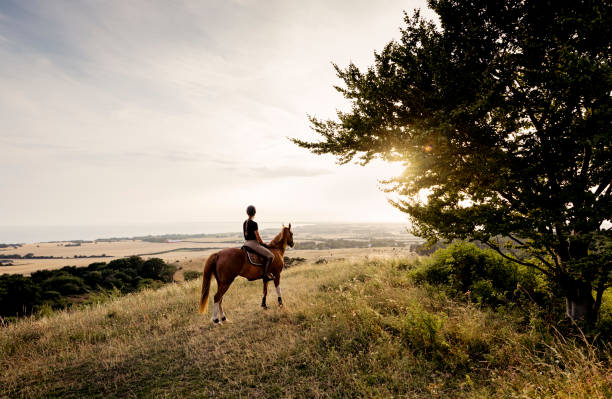
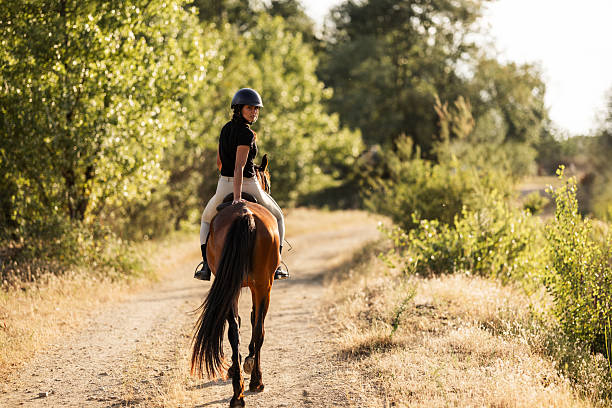
Imagine the wind in your hair, the rhythmic sound of hooves on savanna soil, and the breathtaking sight of wildlife grazing peacefully just meters away. This is the reality of wildlife horse riding in Arusha National Park, a truly unique and unforgettable way to experience Tanzania’s natural beauty. Unlike traditional safaris that keep you confined to a vehicle, a horseback safari offers an intimate connection with the environment and its inhabitants, allowing for a more immersive and personal encounter.
Arusha National Park, often overlooked in favor of its more famous neighbors like the Serengeti and Ngorongoro Crater, is a gem of diverse landscapes and abundant wildlife. From the Momella Lakes with their flamingos to the lush Mount Meru slopes, the park provides a stunning backdrop for this adventurous pursuit. If you’re planning a trip to Tanzania in 2026 or 2027 and are seeking an experience that goes beyond the ordinary, adding a horse riding safari here should be high on your list.
Why Choose Horse Riding for Your Arusha National Park Wildlife Experience?
The appeal of horseback riding safaris lies in their distinct advantages. Horses are a natural part of the African landscape, and their presence often allows for closer, less startling encounters with wildlife. Animals are generally accustomed to horses, meaning they are less likely to flee when approached on horseback compared to a vehicle. This opens up incredible photographic opportunities and allows for a more tranquil observation of animal behavior.
Furthermore, riding through the park offers a sensory experience that vehicles cannot replicate. You feel the ground beneath you, smell the wild sage and acacia blossoms, and hear the subtle sounds of the bush. It’s a more personal, grounded connection to the wild. For those who love horses, it combines two passions into one extraordinary adventure.
Understanding Arusha National Park: A Wildlife Horse Riding Haven
Arusha National Park is the closest national park to Arusha city, making it an accessible and convenient destination. Its varied topography includes savannah grasslands, acacia woodlands, marshy swamps, and the slopes of Mount Meru, Tanzania’s second-highest peak. This diversity supports a wide array of wildlife and birdlife.
Key Wildlife to Encounter on Horseback
While Arusha National Park doesn’t boast the massive predator populations of the Serengeti, it offers excellent opportunities to see a variety of herbivores and diverse bird species. On a horse riding safari, you can expect to see:
- Giraffes: Often seen gracefully browsing acacia trees.
- Zebras: Grazing in herds across the plains.
- Wildebeest: Migrating through the park depending on the season.
- Buffalo: Large herds can be observed, though caution is always advised.
- Waterbucks and Bushbucks: Common in grassland and woodland areas.
- Various Antelope Species: Including Thomson’s gazelles and impalas.
- Warthogs: Snuffling for food in the dirt.
- Primates: While not the primary focus for horse riding, troops of baboons and Sykes’ monkeys can be spotted in wooded areas.
- Birdlife: The park is a birdwatcher’s paradise, with numerous species, including flamingos at the Momella Lakes (seasonal).
Predators like lions and leopards are rare in the areas typically used for horse riding, making it a relatively safe activity. However, guides are trained to handle any situation and will always prioritize your safety.
The Unique Geography for Horse Safaris
The park’s layout is particularly suited for horseback exploration. The open plains around the Momella Lakes are ideal for comfortable riding, allowing good visibility and ample space. The trails leading towards Mount Meru offer a different experience, with more varied terrain and opportunities to see different flora and fauna.
Planning Your Wildlife Horse Riding Adventure in 2026-2027
Organizing a horse riding safari requires careful planning to ensure you have the best possible experience. Here’s what you need to consider for your 2026-2027 Tanzania adventure.
Best Time to Go Horse Riding in Arusha National Park
The dry seasons are generally the best for wildlife viewing and riding, as animals tend to congregate around water sources, and the vegetation is less dense. The main dry seasons are:
- June to October: This is the peak dry season, offering clear skies and excellent game viewing. It’s also a popular time for tourism, so booking in advance for 2026 and 2027 is recommended.
- January to February: Another dry spell, often coinciding with calving season for wildebeest in some areas, though Arusha’s wildlife patterns differ slightly.
The shoulder seasons (e.g., March-May and November-December) can also be good, with fewer crowds and lush green landscapes after the rains, though occasional showers might occur.
Duration and Itinerary Options
Horse riding safaris in Arusha National Park can range from a few hours to multi-day excursions. Most operators offer:
- Half-day rides: Ideal for a taster experience or for those on a tighter schedule.
- Full-day rides: Allowing for deeper exploration and more wildlife encounters.
- Overnight or Multi-day rides: These are often combined with camping within or near the park, offering a truly immersive bush experience. These are exceptional for those wanting to disconnect and enjoy the wilderness fully.
Many visitors combine a horse riding safari with other activities in Arusha National Park, such as hiking Mount Meru or visiting the Ngurdoto Crater. For a comprehensive 2026-2027 Tanzania safari, consider pairing it with a trip to other northern circuit parks.
Choosing the Right Operator and Horses
Selecting a reputable tour operator is crucial. Look for companies with experienced guides who are knowledgeable about both horses and wildlife, and who prioritize safety. Top Guide Adventures is a well-regarded operator in Tanzania, offering expertly guided safaris and custom itineraries. They can arrange tailored wildlife horse riding in Arusha National Park experiences for 2026-2027.
The horses themselves are usually a mix of breeds, chosen for their temperament and suitability for riding in the bush. They are typically well-trained and accustomed to carrying riders of varying experience levels. Operators will ask about your riding experience to match you with an appropriate horse.
Key Considerations for Booking Your 2026-2027 Horse Riding Safari:
- Riding Ability: Be honest about your experience. This ensures your safety and enjoyment.
- Physical Fitness: While not strenuous, you should be comfortable spending several hours in the saddle.
- Weight Limit: Most operators have a weight limit for riders (usually around 90-100 kg or 200-220 lbs) for the horses’ well-being.
- Insurance: Ensure your travel insurance covers adventure activities like horse riding.
- What to Pack: Comfortable riding clothes, sturdy boots, sunscreen, a hat, insect repellent, and a camera are essential.
What to Expect During Your Horse Riding Safari
The experience of wildlife horse riding in Arusha National Park is designed to be both thrilling and safe. Here’s a typical progression:
The Briefing and Horse Allocation
Upon arrival at the stables or starting point, you’ll meet your guide. They will conduct a thorough briefing covering safety procedures, riding commands, and what to expect regarding wildlife encounters. You’ll then be introduced to your horse, with the guide ensuring the saddle and bridle are properly fitted. If you’re not an experienced rider, your guide will offer extra support and instruction.
The Ride Itself
The pace of the ride will vary depending on the terrain and wildlife sightings. Guides will often lead you through open plains where you can trot or canter (if you’re an experienced rider and the conditions are safe), and through more wooded areas at a walk. The focus is always on observing wildlife respectfully and maintaining a safe distance when necessary.
You might find yourself riding alongside a herd of zebras, watching a family of giraffes browse nearby, or observing buffalo from a safe vantage point. The guides are adept at interpreting animal behavior and will position you for the best views without disturbing the animals.
Safety Protocols and Wildlife Encounters
Safety is paramount. Guides are trained in first aid and emergency procedures. They carry communication devices and are equipped to handle unexpected situations. While encounters with dangerous animals are rare in the designated riding areas, guides are experienced in managing such possibilities. They will instruct you on how to behave if you encounter buffalo or other potentially hazardous wildlife.
The advantage of horses is their ability to retreat quickly if an animal becomes agitated, providing a layer of safety. However, the primary goal is to observe wildlife in its natural habitat without causing distress.
Photography Opportunities
Horseback riding offers fantastic photographic opportunities. Being at a similar eye level to many herbivores allows for intimate shots. The open landscapes provide dramatic backdrops. Remember to secure your camera and phone, as you’ll be moving. Many guides are excellent photographers themselves and can help you capture memorable moments.
Costs and Budget Considerations for 2026-2027
The cost of a wildlife horse riding safari in Arusha National Park can vary significantly based on the duration, operator, and whether it’s part of a larger package. For 2026-2027, you can expect the following:
Day Trips (Half-day or Full-day):
- Half-day rides: Typically range from $100 to $200 per person.
- Full-day rides: Can range from $180 to $350 per person.
Multi-day Rides (including camping):
- These are more comprehensive and will include camping equipment, meals, park fees, and potentially transport. Prices can range from $300 to $600+ per person per day, depending on the level of luxury and inclusions.
What’s Typically Included:
- Horse and guide
- Park entrance fees (sometimes included, sometimes separate)
- Meals (for full-day or multi-day rides)
- Water
- Riding equipment (saddle, bridle)
What’s Typically Excluded:
- Transport to and from the riding location
- Tips for guides and staff
- Personal travel insurance
- Gratuities
Example Pricing for 2026-2027
A full-day wildlife horse riding safari in Arusha National Park with a reputable operator like Top Guide Adventures, including a packed lunch and park fees, might be quoted around $250 – $300 per person. For multi-day adventures, expect costs to increase significantly, reflecting the added services and accommodation.
Get a personalized quote for your 2026-2027 trip! Contact Top Guide Adventures via WhatsApp at +255616946642 or email at topguideadventures@gmail.com.
It’s always best to get a detailed quote that clearly outlines what is included and excluded. When planning for 2026-2027, remember that prices can fluctuate based on seasonal demand and operator policies.
Combining Horse Riding with Other Arusha National Park Activities
Arusha National Park offers more than just horse riding. To make the most of your visit, consider combining your horseback adventure with other activities:
Hiking Mount Meru
Mount Meru is a majestic stratovolcano that offers challenging but rewarding hiking opportunities. Multi-day treks can take you through diverse ecological zones, from montane forest to alpine desert, with stunning views of Kilimanjaro on clear days. Horse riding can be a fantastic way to explore the lower slopes before or after a trek.
Canoeing on the Momella Lakes
The Momella Lakes are a series of alkaline lakes known for their vibrant colours and abundant birdlife, especially flamingos. Canoeing offers a serene way to get close to water birds and observe hippos and other animals from a safe distance on the water.
Walking Safaris
Arusha National Park is one of the few parks in Tanzania that permits walking safaris. Accompanied by an armed ranger, these walks allow you to explore the bush on foot, experiencing the smaller details of the ecosystem and learning about the flora and fauna.
Game Drives
While horseback riding provides a unique perspective, traditional game drives are still valuable for covering more ground and potentially spotting animals that might be harder to see from horseback. A combination of activities ensures a well-rounded experience of the park’s offerings.
For those planning a comprehensive Tanzania trip in 2026-2027, Arusha National Park, with its diverse activities including wildlife horse riding, serves as an excellent introduction or a complementary experience to longer safaris in other famous parks.
Practical Tips for Your Horse Riding Safari
To ensure your adventure is as enjoyable and safe as possible, keep these practical tips in mind:
What to Pack:
- Lightweight, breathable clothing: Long trousers are recommended for protection against the sun and brush.
- Sturdy, closed-toe shoes: Riding boots or sturdy walking shoes are ideal. Avoid open sandals.
- Sun protection: A wide-brimmed hat, sunglasses, and high SPF sunscreen.
- Insect repellent: Especially important for evenings or if camping.
- Camera and binoculars: To capture the incredible wildlife and scenery.
- Water bottle: Staying hydrated is key.
- Small backpack: For essentials like water, camera, and snacks.
- Light jacket or fleece: Mornings and evenings can be cool, especially at higher altitudes.
Riding Etiquette and Safety
- Always follow your guide’s instructions.
- Do not shout or make sudden movements that could startle the horses or wildlife.
- Maintain a safe distance from wildlife as directed by your guide.
- Keep your reins firm but gentle.
- Never dismount without your guide’s permission.
Health and Vaccinations
Consult your doctor or a travel clinic well in advance of your 2026-2027 trip regarding recommended vaccinations and malaria precautions for Tanzania. While Arusha National Park is generally considered a low-risk area for malaria, it’s always best to be prepared.
Arusha National Park vs. Other Horse Riding Destinations
While Tanzania offers other incredible horse riding experiences, such as those in the Maasai Mara (Kenya, but often accessed from Tanzania) or private conservancies, Arusha National Park provides a unique blend of accessibility, diverse landscapes, and varied wildlife that is particularly suited for this activity. Its proximity to Kilimanjaro International Airport and Arusha city makes it an ideal starting point for many Tanzania itineraries.
Compared to other destinations, Arusha’s horse riding often feels more integrated into a classic safari experience. You can easily combine it with other iconic Tanzanian adventures, making it a versatile choice for travelers planning their 2026-2027 trips.
Why Choose Top Guide Adventures for Your 2026-2027 Safari?
Planning a trip to Tanzania can be complex, but choosing the right tour operator simplifies the process and enhances your experience. Top Guide Adventures is a local Tanzanian company with a deep understanding of the country’s natural wonders and a passion for creating authentic safari experiences. They specialize in custom itineraries, ensuring your wildlife horse riding in Arusha National Park adventure is tailored to your specific interests and preferences.
With years of experience, Top Guide Adventures offers:
- Expert Local Guides: Knowledgeable about wildlife, culture, and the best riding trails.
- Customizable Itineraries: Whether you want a single day of riding or a multi-day adventure, they can craft the perfect trip.
- Safety First Approach: Prioritizing your well-being throughout your adventure.
- Sustainable Tourism Practices: Committed to responsible travel that benefits local communities and conserves wildlife.
- Comprehensive Support: From initial planning to your departure, they provide smooth support.
For those looking to book their 2026-2027 Tanzania safari, including a memorable horse riding experience in Arusha National Park, connecting with Top Guide Adventures is your first step. Reach out via WhatsApp at +255616946642, email them at topguideadventures@gmail.com, or use their backup email info@topguideadventures.com to start planning your dream adventure.
Wildlife horse riding in Arusha National Park offers an unparalleled way to connect with the wild heart of Tanzania. By planning ahead for 2026-2027 and choosing the right partners, you can ensure an adventure that will create lifelong memories.



