
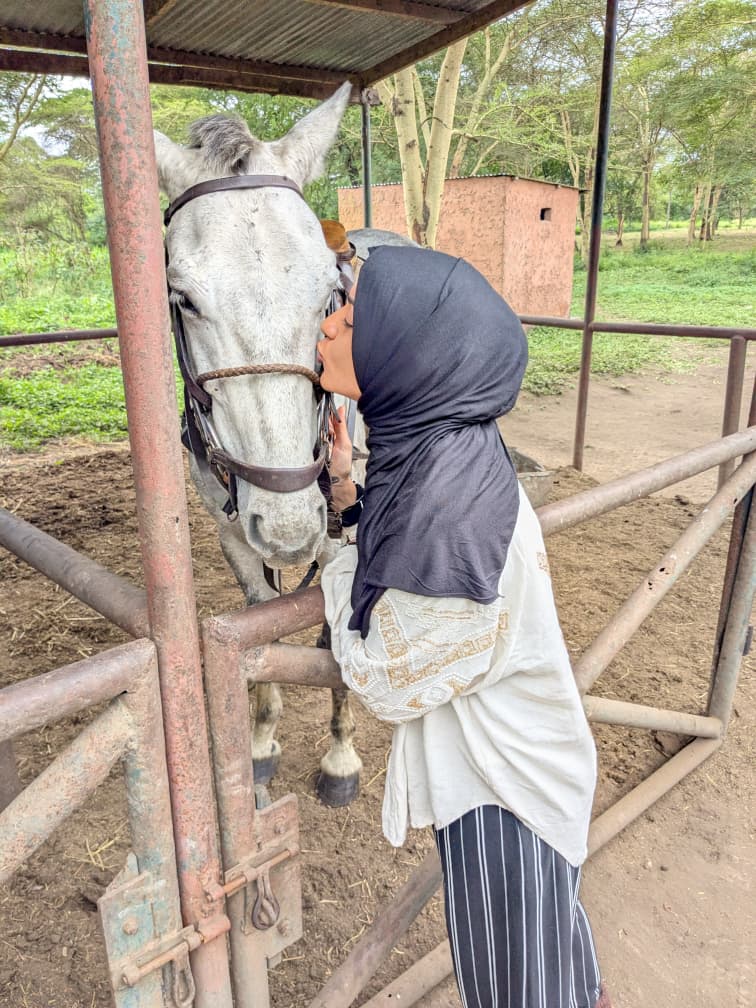
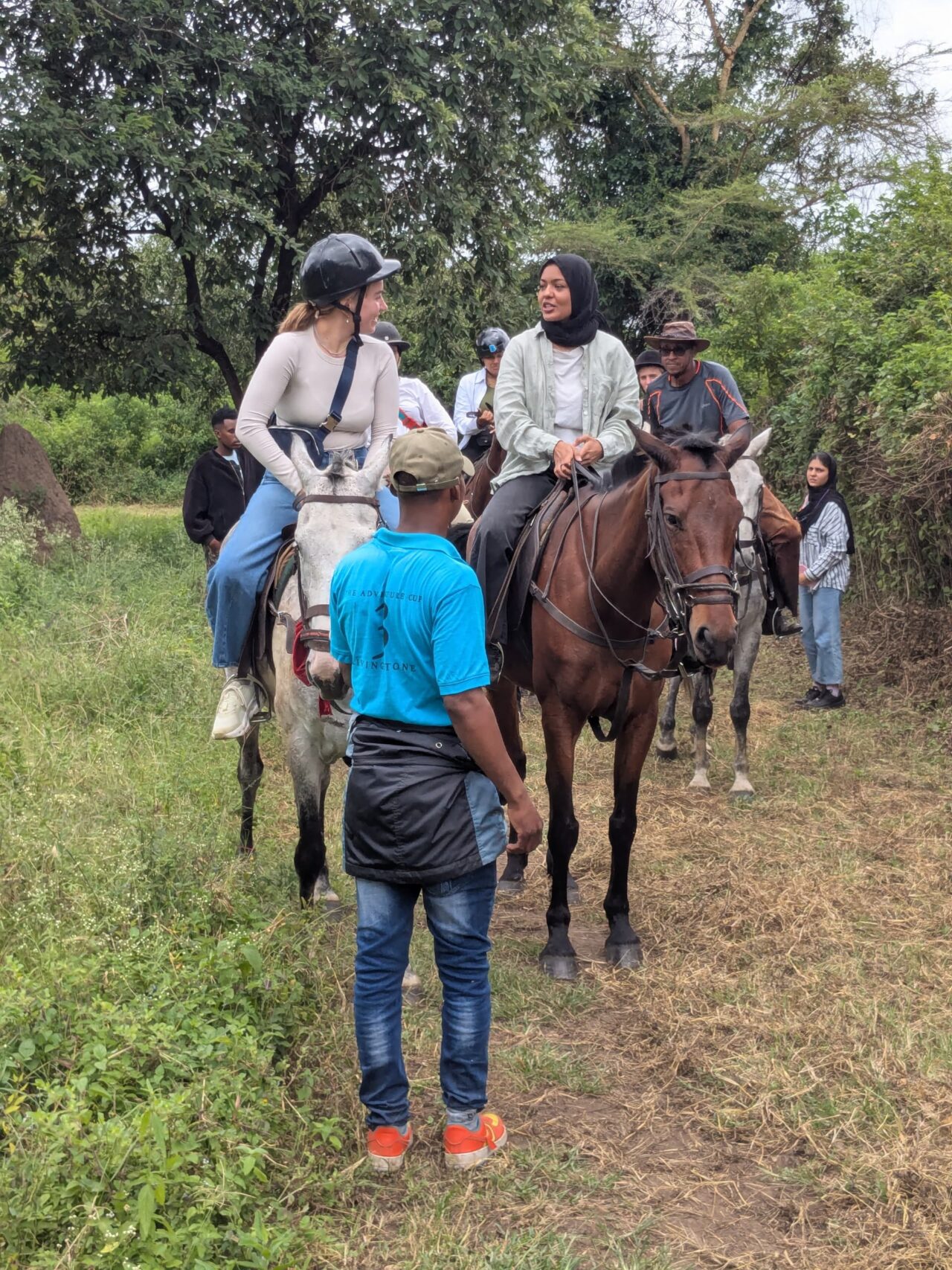
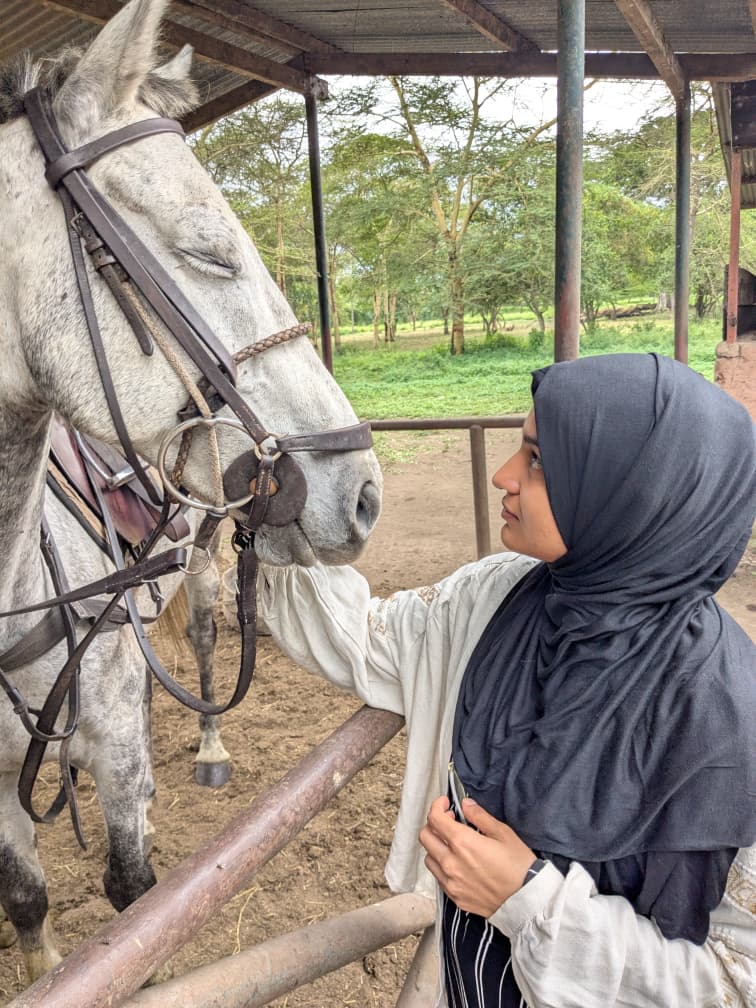
Imagine the wind in your hair, the rhythmic beat of hooves on African soil, and the vast, open plains of Arusha National Park stretching before you, teeming with wildlife. Scenic horse riding in Arusha National Park offers an unparalleled way to experience Tanzania’s natural beauty, blending the thrill of an adventure with the serenity of a gentle pace. Unlike traditional game drives, horseback safaris allow you to approach wildlife more closely and quietly, offering intimate encounters and a unique perspective on this vibrant ecosystem. Whether you’re planning for 2026 or 2027, this guide will equip you with everything you need to know for an unforgettable equestrian journey.
Why Choose Horseback Riding in Arusha National Park?
Arusha National Park, Tanzania’s smallest but arguably most diverse park, is a gem for those seeking an authentic and engaging safari experience. Its varied terrain, from the alkaline Momella Lakes to the slopes of Mount Meru, provides a stunning backdrop for horse riding. The park is home to a rich array of wildlife, including giraffes, zebras, buffalos, various antelope species, and a remarkable number of birdlife. For the adventurous traveler, especially those looking ahead to 2026-2027 safari plans, a horse riding safari here presents several distinct advantages:
- Intimate Wildlife Encounters: Horses, being prey animals themselves, allow riders to get closer to many species than a vehicle would permit without causing alarm. This can lead to incredibly close and memorable sightings.
- Unique Perspective: Riding at eye-level with grazing animals or moving through tall grass offers a profoundly different sensory experience compared to a car. You feel more connected to the environment.
- Access to Diverse Landscapes: Horseback safaris can often access areas less reachable by vehicle, allowing exploration of diverse habitats like wetlands and acacia woodlands.
- Active Adventure: For those who enjoy an active holiday, horse riding adds a physical dimension to a safari, making it an engaging and rewarding experience.
- Peace and Tranquility: Away from the engine noise of vehicles, the sounds of nature – birdsong, rustling leaves, distant animal calls – become more prominent, enhancing the sense of peace.
Understanding Arusha National Park for Horse Riding
Before you saddle up for your scenic horse riding Arusha National Park adventure, it’s essential to understand the park’s geography and its suitability for this activity. Arusha National Park is a compact park, making it ideal for day trips or as part of a longer northern circuit safari. Its key features include:
- Mount Meru: The park’s centerpiece, a majestic dormant volcano offering challenging trekking routes and stunning views. Horse riding is typically confined to the lower slopes and surrounding areas, not the summit climbs.
- Momella Lakes: A series of alkaline lakes famous for their vibrant colors and large populations of flamingos and other water birds. Horse riding around these lakes provides spectacular photographic opportunities.
- Ngurdoto Crater: A smaller, extinct volcano with a caldera floor that serves as a wildlife-rich grazing area.
- Forest Reserves: The lower slopes of Mount Meru are covered in lush montane forest, home to colobus monkeys and diverse bird species.
The park’s manageable size means that horse riding excursions can cover a significant amount of diverse terrain within a single day, maximizing your experience. The infrastructure for horse riding is well-established, with reputable operators offering guided rides suitable for various experience levels.
Planning Your 2026-2027 Horse Riding Safari: Key Considerations
When planning your trip for 2026 or 2027, careful consideration of several factors will ensure your scenic horse riding Arusha National Park experience is as rewarding as possible. This isn’t just about booking a ride; it’s about integrating it into a broader Tanzanian adventure.
Best Time to Visit for Horse Riding
While Tanzania’s climate is generally pleasant year-round, certain periods offer optimal conditions for horse riding:
- Dry Seasons (June to October, December to February): These are generally the best times. The weather is sunny and dry, with less humidity. The vegetation is less dense, offering better visibility for game viewing. The ground conditions are also more predictable for riding. October can be particularly beautiful as the dry season begins to transition.
- Shoulder Seasons (November, March to May): These months can also be excellent. November often sees the start of short rains, which can be brief showers followed by sunshine, bringing the landscape to life. March to May is the long rainy season, which might impact ground conditions and visibility, though it’s often less crowded and the landscape is incredibly lush and green. For 2026-2027 travel planning, consider these shoulder seasons for potentially fewer crowds and vibrant scenery.
It’s important to note that even during the dry season, brief afternoon showers can occur. Always pack accordingly.
Choosing the Right Riding Experience
Not all horse riding safaris are the same. Operators in Arusha National Park typically offer a range of options:
- Duration: Rides can vary from a few hours to full-day excursions. Full-day rides often include a picnic lunch in a scenic spot.
- Difficulty Level: Most operators cater to all levels, from beginners to experienced riders. Beginners will typically have calmer horses and stick to easier terrain, while experienced riders might opt for longer rides or more challenging routes.
- Wildlife Focus: Some rides are designed for general sightseeing, while others might have a specific focus, such as birdwatching around the Momella Lakes or exploring the lower slopes of Mount Meru.
When booking for 2026 or 2027, communicate your riding experience and preferences clearly to your tour operator to ensure they match you with the appropriate horse and route.
What to Pack for Your Horse Riding Safari
Comfort and safety are paramount. Here’s a recommended packing list:
- Riding Gear: Comfortable long trousers (jeans or riding breeches), closed-toe shoes or riding boots with a small heel, and a long-sleeved shirt to protect from the sun and insects.
- Sun Protection: A wide-brimmed hat or helmet (often provided by operators, but you may prefer your own), sunglasses, and high SPF sunscreen.
- Insect Repellent: Especially important for the evenings or if riding near water bodies.
- Lightweight Jacket or Poncho: For protection against wind or unexpected rain showers.
- Camera and Binoculars: To capture the stunning scenery and wildlife. Ensure you have a way to protect them from dust and moisture.
- Water Bottle: Staying hydrated is crucial.
- Small Backpack: To carry essentials like water, sunscreen, and your camera.
Helmets are usually provided and are mandatory for safety. If you have a specific preference or a well-fitting helmet you’re comfortable with, consider bringing it.
The Horse Riding Experience: What to Expect
The actual riding experience is where the magic happens. As you mount your horse, you’ll likely be assigned a steed that matches your riding ability. Your guide, an experienced equestrian and knowledgeable about the local wildlife and terrain, will lead the way.
Scenic Routes and Wildlife Spotting
Typical routes for scenic horse riding Arusha National Park often include:
- Around the Momella Lakes: These rides offer fantastic opportunities to see giraffes, zebras, wildebeest, and waterbucks grazing near the shores. The shallow lakes are often dotted with flamingos, creating a breathtaking spectacle. The guides are skilled at navigating the terrain to provide the best viewing angles while ensuring the horses are comfortable.
- Lower Slopes of Mount Meru: Riding through the montane forests and grasslands on the lower slopes provides a chance to spot forest-dwelling species, including colobus monkeys and various birds. The views back over the plains and towards Kilimanjaro (weather permitting) are spectacular.
- Ngurdoto Crater Rim: While vehicles can access viewpoints, horses can sometimes offer a more immersive experience along designated trails near the crater, allowing for closer observation of animals within and around the crater.
Your guide will point out not only the larger mammals but also the smaller wonders – fascinating insects, unique plants, and the diverse birdlife that populates the park. The ability to stop quietly and observe animals undisturbed is a hallmark of the horseback safari.
Safety and Guiding
Safety is the top priority. Reputable tour operators employ experienced guides who are not only skilled riders but also trained in wildlife behavior and first aid. They understand how to manage the horses and ensure a safe distance from potentially dangerous animals like buffaloes or elephants, though these are less common in the immediate horse riding areas compared to other parks.
Key safety protocols usually include:
- Mandatory Helmets: As mentioned, helmets are standard.
- Briefing: Before each ride, you’ll receive a briefing on safety procedures, communication signals, and expected behavior.
- Horse Selection: Horses are chosen for their temperament and suitability for the terrain and rider’s experience.
- Guide’s Authority: Always follow the guide’s instructions. They are responsible for your safety and the well-being of the horses.
For those planning their 2026-2027 Tanzanian adventure, choosing a well-established operator with a strong safety record is crucial.
Integrating Horse Riding into Your Tanzania Itinerary
Scenic horse riding Arusha National Park can be a standalone activity or a fantastic addition to a broader Tanzanian safari or Kilimanjaro trek. Here’s how it can fit:
As a Day Trip from Arusha or Moshi
For many travelers, Arusha National Park serves as an excellent destination for a day trip. You can easily arrange a horse riding excursion from Arusha town or Moshi, the gateway towns for Kilimanjaro climbs. This allows you to experience the park’s beauty without needing to stay overnight, making it a flexible option for any itinerary.
Part of a Northern Circuit Safari
Combine your horse riding adventure with visits to other iconic parks like Tarangire, Lake Manyara, the Serengeti, and the Ngorongoro Crater. A typical 2026-2027 Tanzania safari might look like this:
- Days 1-2: Arrive in Arusha, acclimatize.
- Day 3: Full-day scenic horse riding in Arusha National Park.
- Days 4-6: Safari in Tarangire National Park (known for elephants and baobabs).
- Days 7-8: Lake Manyara National Park (tree-climbing lions, flamingos).
- Days 9-11: Serengeti National Park (endless plains, Great Migration).
- Day 12: Ngorongoro Crater (unique caldera ecosystem).
- Day 13: Depart from Kilimanjaro International Airport (JRO).
This integrated approach allows you to experience the diverse wildlife and landscapes of Tanzania through various safari methods, including the unique perspective of horseback.
Before or After Kilimanjaro Trekking
Arusha National Park is often the starting point for Kilimanjaro expeditions, particularly the Marangu and Machame routes. A horse riding safari can be a perfect way to relax and enjoy the stunning scenery around Mount Meru before or after the physical challenge of climbing Africa’s highest peak. For those planning a Kilimanjaro trek in 2026 or 2027, consider adding a horse riding day to your itinerary for a different kind of mountain experience.
Cost of Horse Riding in Arusha National Park
The cost of scenic horse riding Arusha National Park can vary depending on the operator, the duration of the ride, and what is included. It’s important to get a clear quote that outlines all inclusions and exclusions.
Generally, you can expect the following:
- Park Fees: Arusha National Park entry fees are separate and typically charged per person, per day. These are set by the Tanzania National Parks Authority (TANAPA).
- Riding Fees: The fee for the horse riding itself will be charged by the tour operator. This usually covers the horse, guide, and any equipment provided.
- Transport: Ensure your quote includes transport to and from your lodge or hotel in Arusha or Moshi to the starting point of the ride.
- Meals: Full-day rides often include a packed lunch or picnic.
Estimated Price Range (for planning 2026-2027 trips):
For a half-day (3-4 hours) guided horse ride, expect costs to be in the range of $100 – $180 per person. Full-day rides, including lunch and potentially longer distances, might range from $180 – $300+ per person. These are estimates and can fluctuate based on the operator’s services and inclusions.
Factors influencing price:
- Operator Reputation: Well-established operators with excellent safety records and experienced guides may charge more.
- Inclusions: Packages that include park fees, transport, and meals will naturally be higher.
- Private vs. Group: Private rides are typically more expensive than group rides.
When comparing quotes for your 2026-2027 safari plans, always ask for a detailed breakdown of what is included to ensure you are getting the best value and a comprehensive experience.
Choosing a Reputable Tour Operator
Selecting the right tour operator is crucial for a safe and enjoyable scenic horse riding Arusha National Park experience. Look for companies that:
- Have a proven track record and positive reviews (e.g., on TripAdvisor).
- Employ experienced, certified guides.
- Prioritize safety with well-maintained horses and equipment.
- Offer clear and transparent pricing.
- Are knowledgeable about Arusha National Park and its wildlife.
- Can customize itineraries to fit your specific needs and interests.
Companies like Top Guide Adventures specialize in creating personalized Tanzanian safari experiences, including horse riding. They can help you craft the perfect 2026-2027 adventure, ensuring all details are covered.
Beyond the Ride: Maximizing Your Arusha National Park Visit
While horse riding is a highlight, Arusha National Park offers other activities that complement your equestrian adventure:
- Walking Safaris: Guided walking safaris are available in certain areas, offering a different perspective on the park’s flora and fauna. This is an excellent way to appreciate the smaller details you might miss from horseback or a vehicle.
- Canoeing on the Momella Lakes: Experience the park from water level, getting close to hippos, water birds, and enjoying stunning reflections of Mount Meru.
- Climbing Mount Meru: For the truly adventurous, a multi-day trek up Mount Meru provides challenging hiking and breathtaking panoramic views.
- Game Drives: While horse riding offers a unique approach, traditional game drives are still valuable for covering larger distances and spotting animals in different habitats within the park.
Combining these activities provides a holistic experience of Arusha National Park’s diverse offerings. For those planning their 2026-2027 Tanzania tours, consider how horse riding can be integrated with these other adventures.
Preparing for Your 2026-2027 Tanzanian Safari
Beyond packing for the ride itself, general preparation for a Tanzanian safari in 2026 or 2027 includes:
- Visas: Check visa requirements for Tanzania well in advance. Many nationalities can obtain a visa on arrival, but applying online beforehand can save time.
- Vaccinations and Health: Consult your doctor about recommended vaccinations and malaria prophylaxis.
- Travel Insurance: Comprehensive travel insurance is highly recommended, covering medical emergencies, trip cancellations, and lost luggage.
- Currency: The Tanzanian Shilling (TZS) is the local currency, but US Dollars are widely accepted for tourist services. Carry smaller denominations for tips and personal expenses.
- Fitness: While horse riding in Arusha National Park is generally not strenuous, a moderate level of fitness is beneficial. If you are also planning a Kilimanjaro trek, ensure you are adequately prepared physically.
Booking your trip for 2026-2027 with ample time allows for better planning, securing preferred accommodation, and potentially accessing early booking benefits.
The Enduring Appeal of Horseback Safaris
The allure of horseback safaris lies in their ability to connect you with nature in a way that few other activities can. It’s a return to a more traditional form of exploration, where the rhythm of the horse and the sounds of the wild dictate the pace. Scenic horse riding Arusha National Park offers a unique blend of adventure, wildlife viewing, and stunning landscapes, making it a standout experience for any Tanzania traveler. As you plan your future travels for 2026 and 2027, consider this exceptional way to discover the heart of Tanzania.
For personalized planning and to arrange your unforgettable scenic horse riding Arusha National Park adventure, or to discuss custom safari itineraries for 2026-2027, please reach out to our expert team. We are dedicated to creating tailor-made Tanzanian experiences. You can contact us via WhatsApp at +255616946642, email us at topguideadventures@gmail.com, or use our backup email info@topguideadventures.com.



