
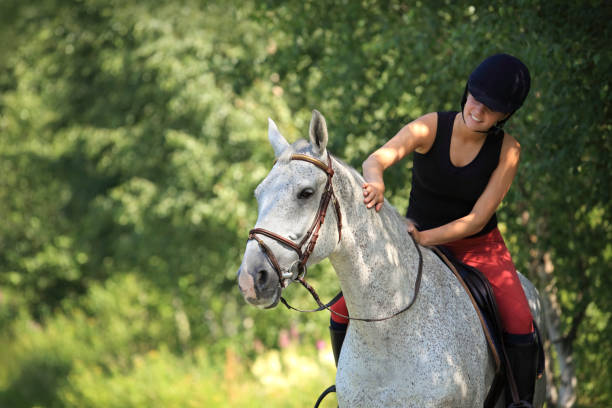
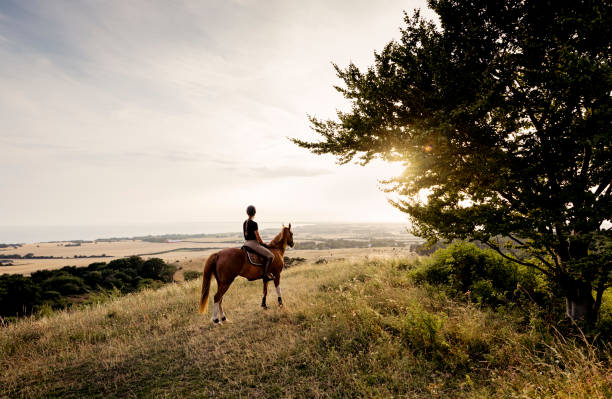
Imagine the thrill of cantering across the African savanna, the wind in your hair, with a herd of zebras galloping alongside. This dream becomes a reality on a private horseback safari in Arusha National Park. Unlike traditional vehicle-based safaris, horseback riding offers an intimate and exhilarating way to connect with the breathtaking landscapes and diverse wildlife of Tanzania’s jewel, Arusha National Park. For those planning their Tanzanian adventure for 2026 or 2027, a horseback safari presents a truly unique and memorable experience, allowing for deeper immersion and a different perspective on this vibrant ecosystem.
Why Choose a Private Horseback Safari in Arusha National Park?
Arusha National Park, often overlooked in favor of its larger northern circuit neighbours, is a compact yet incredibly diverse park, renowned for its stunning scenery, abundant birdlife, and the majestic Mount Meru. It’s a place where you can witness the awe-inspiring Momella Lakes with their distinct pink hues, explore the lush Ngurdoto Crater, and encounter a variety of plains game. A private horseback safari elevates this experience, offering several distinct advantages:
- Intimate Wildlife Encounters: Horses allow you to approach wildlife more quietly and closely than a safari vehicle. Many animals are less wary of horses than of engines, leading to more natural and undisturbed sightings.
- Unique Perspective: Riding through the grasslands and bush at eye-level with wildlife provides a perspective that is impossible to achieve from a car. You feel a part of the environment, not just an observer.
- Access to Remote Areas: Horseback safaris can often access areas that are difficult or impossible to reach by vehicle, opening up pristine wilderness for exploration.
- Exclusivity and Privacy: A private safari means the experience is tailored to your pace and preferences. You won’t be sharing the experience with other groups, ensuring a personal and focused adventure.
- Active and Engaging: For those who enjoy a more active holiday, horseback riding offers a chance to engage with the environment physically, adding an element of adventure to your safari.
Understanding Arusha National Park for Your Horseback Adventure
Arusha National Park, established in 1960, is the smallest of Tanzania’s northern circuit parks. Its varied topography includes Mount Meru (4,566m), the Ngurdoto Crater, alkaline Momella Lakes, and dense montane forest. This diversity supports a rich array of wildlife, though it’s not home to the “big five” in the same abundance as the Serengeti or Masai Mara. However, its unique features make it ideal for a horseback safari:
- Mount Meru: The second-highest mountain in Tanzania, its lower slopes offer spectacular riding terrain with incredible views.
- Ngurdoto Crater: Often called a ‘mini-Serengeti’, this 3km wide crater floor is a natural enclosure for buffalo, warthogs, baboons, and various antelopes. Riding around its rim or on its floor offers dramatic vistas.
- Momella Lakes: These seven shallow lakes, each with a different salinity, attract vast numbers of flamingos and other water birds, creating a vibrant, colourful spectacle.
- Forest Reserves: The montane forests are home to colobus monkeys, blue monkeys, and a rich variety of birdlife, offering a different riding environment.
The park is easily accessible, just a short drive from Arusha town, making it a convenient starting point for many Tanzanian adventures, especially for those combining it with Kilimanjaro climbs or other northern circuit safaris in 2026 or 2027.
Planning Your Private Horseback Safari in 2026-2027: Key Considerations
Organizing a private horseback safari requires careful planning to ensure a safe, enjoyable, and authentic experience. Here’s what you need to consider when booking your 2026 or 2027 adventure:
Choosing the Right Operator
Selecting a reputable tour operator is paramount. For a private horseback safari in Arusha National Park, look for companies with:
- Proven Experience: A track record of organizing successful and safe horseback safaris.
- Expert Guides: Experienced guides who are knowledgeable about both horses and the local wildlife and environment. They should be skilled riders and have a deep understanding of animal behaviour.
- Well-Maintained Horses: Healthy, well-trained horses suitable for riders of varying experience levels.
- Safety Protocols: Clear safety procedures and adequate emergency preparedness.
- Customization Options: The ability to tailor the safari to your interests, fitness level, and desired duration.
Top Guide Adventures specializes in creating bespoke safari experiences and can arrange exceptional private horseback safaris in Arusha National Park. Their commitment to safety, expert guides, and personalized service makes them an excellent choice for your 2026-2027 travel plans. You can reach them via WhatsApp +255616946642 or email at topguideadventures@gmail.com.
Rider Experience and Fitness Levels
Horseback safaris are generally suitable for a range of riders, from beginners to experienced equestrians. However, it’s crucial to be honest about your riding ability when booking. Operators will match you with an appropriate horse. While extensive riding experience isn’t always necessary, a reasonable level of fitness and comfort in the saddle is beneficial, especially for longer rides. Most operators offer options for different durations and paces.
Duration and Itinerary
Private horseback safaris in Arusha National Park can range from a few hours to multi-day excursions. A typical full-day safari might involve:
- Morning briefing and introduction to your horse.
- A ride through the park’s diverse landscapes, perhaps focusing on the crater rim or plains.
- A picnic lunch amidst nature.
- Afternoon riding, exploring different areas or revisiting favourite spots.
- Return to the lodge or starting point.
Multi-day safaris can include camping in designated areas within or near the park, offering a more immersive wilderness experience. When planning for 2026 or 2027, consider how much time you want to dedicate to horseback riding as part of your broader Tanzanian itinerary.
What to Pack
Comfort and safety are key. Essential items include:
- Riding attire: Long trousers (jeans or riding breeches), comfortable closed-toe shoes with a slight heel (boots are ideal), and a long-sleeved shirt to protect from the sun and insects.
- Sun protection: Wide-brimmed hat, sunglasses, and high SPF sunscreen.
- Insect repellent: Especially important for early mornings and late afternoons.
- Camera: To capture the incredible sights. Ensure you have a secure strap.
- Binoculars: For spotting distant wildlife.
- Water bottle: Stay hydrated.
- Light jacket or fleece: Mornings and evenings can be cool, especially at higher altitudes.
Your operator will provide helmets, saddles, and any other necessary riding equipment. They will also advise on specific gear requirements based on the season and itinerary.
Wildlife Encounters on Horseback
Arusha National Park is home to a fascinating array of wildlife, and seeing them from horseback offers a unique perspective. While you might not see the large prides of lions of the Serengeti, the park offers excellent opportunities for:
- Plains Game: Herds of zebras, wildebeest, giraffes, buffalo, and various species of antelope (like dik-dik, waterbuck, and gazelles) are commonly seen. Your horse’s calm presence often allows for very close, respectful viewing.
- Primates: The park’s forests are a haven for black and white colobus monkeys and blue monkeys. While riding through woodland areas, keep an eye out for these agile creatures leaping through the trees.
- Birdlife: Arusha is a birdwatcher’s paradise. The Momella Lakes, in particular, attract thousands of flamingos, as well as pelicans, Egyptian geese, and various waders. Other bird species found throughout the park include turacos, hornbills, and eagles.
- Other Animals: You may also encounter warthogs, hippos (usually seen from a safe distance near water bodies), and if you’re very lucky, elephants or leopards (though these are rare sightings).
The advantage of a private horseback safari is that your guide can tailor the route to focus on areas where specific wildlife is more likely to be seen, based on the season and recent sightings. This personalized approach maximizes your chances of incredible encounters during your 2026-2027 trip.
The Majestic Mount Meru: A Backdrop to Your Ride
Dominating the skyline of Arusha National Park is Mount Meru, a dormant volcano that provides a spectacular backdrop to any safari. For horseback riders, the lower slopes and foothills of Meru offer unique riding opportunities:
- Forest Trails: Riding through the dense montane forest on Meru’s slopes is an immersive experience. The air is cool and fragrant, and the trails are alive with the sounds of birds and monkeys.
- Panoramic Views: As you ascend, the views over the park, the Momella Lakes, and on a clear day, even Mount Kilimanjaro, are simply breathtaking.
- Varied Terrain: The slopes offer a mix of open grasslands, wooded areas, and rocky paths, providing a varied and interesting riding experience.
While summiting Mount Meru is a challenging multi-day trek, a horseback safari allows you to experience its beauty and grandeur from a different, more relaxed perspective. It’s a chance to appreciate the mountain’s presence without the strenuous climb.
Comparing Horseback Safaris with Other Safari Types
To fully appreciate the unique appeal of a private horseback safari in Arusha National Park, it’s helpful to compare it with other common safari experiences:
Horseback Safari vs. Game Drive (Vehicle Safari):
- Proximity to Wildlife: Horses often allow for closer, less disruptive encounters. Vehicles can sometimes startle animals, causing them to flee or behave unnaturally.
- Sensory Experience: Horseback riding engages more senses – the smell of the bush, the sounds of nature, the feel of the horse beneath you. Vehicle safaris are more visually focused and often involve engine noise.
- Accessibility: Vehicles can cover more ground and access a wider network of tracks. Horses can access narrower trails and areas off-limits to vehicles, offering a more intimate exploration.
- Pace: Vehicle safaris are faster, covering larger distances. Horseback safaris are slower, encouraging a more deliberate observation of the environment.
- Physicality: Horseback riding is an active pursuit. Vehicle safaris are passive.
Horseback Safari vs. Walking Safari:
- Coverage: Walking safaris allow for very close observation of smaller details (insects, tracks, plants) and are excellent for birdwatching. Horseback safaris cover more ground and offer a broader perspective.
- Wildlife Interaction: Both offer excellent, non-intrusive wildlife viewing. Horses can sometimes approach certain plains game more closely than a walking human.
- Terrain: Walking safaris are limited by what can be safely traversed on foot. Horseback riding can handle more varied terrain.
- Safety: Both rely heavily on the guide’s expertise. With horses, rider experience is also a factor.
For a private horseback safari in Arusha National Park, you get the best of both worlds: the thrill of close wildlife encounters and the exploration of diverse landscapes, all with a personalized touch. It’s an experience that truly stands apart, especially when planned for popular travel years like 2026 and 2027.
Cost and Inclusions of a Private Horseback Safari
The cost of a private horseback safari in Arusha National Park can vary significantly based on the duration, the operator, the level of luxury, and what is included. Generally, private safaris are more expensive than shared ones due to the dedicated resources. For planning your 2026-2027 budget, expect the following:
Typical Inclusions:
- Park entrance fees for the duration of the safari.
- The use of a well-trained, suitable horse.
- Experienced, qualified horse safari guide(s).
- Riding equipment (saddle, bridle, helmet).
- All meals (breakfast, lunch, dinner) and drinks, especially for multi-day safaris.
- Accommodation (if it’s a multi-day safari, this could be camping or a lodge).
- Transfers to and from the riding starting point.
Factors Affecting Price:
- Duration: A half-day ride will cost less than a full day or a multi-day expedition.
- Number of Riders: While you’re booking a private experience, the per-person cost might decrease slightly with more people in your private group, up to a certain limit for horse welfare and guide attention.
- Inclusions: Safaris that include high-end accommodation, gourmet meals, or extensive transfers will be priced higher.
- Season: Peak seasons (generally dry months like June-October and December-February) might see slightly higher rates than shoulder or low seasons.
A good estimate for a full-day private horseback safari in Arusha National Park, including park fees, guide, horse, and lunch, might range from $250 to $500+ per person. Multi-day safaris will be priced on a per-person, per-night basis, often falling into the $300-$700+ per person per day bracket, depending heavily on accommodation and inclusions.
For an accurate quote tailored to your 2026 or 2027 travel dates and preferences, it is best to contact operators directly. Top Guide Adventures can provide detailed pricing and customize an itinerary for you. Reach out via WhatsApp +255616946642 or email topguideadventures@gmail.com or info@topguideadventures.com.
Best Time to Go for Horseback Safaris in Arusha
Arusha National Park can be visited year-round, but certain times offer more favourable conditions for horseback riding:
- Dry Seasons (June to October, December to February): These months offer sunny days, clear skies, and less rain, making for comfortable riding conditions. The landscapes are drier, and wildlife tends to congregate around water sources, potentially leading to good sightings. This is often considered the peak tourist season, so booking well in advance for 2026 and 2027 is advisable.
- Green Seasons (March to May, November): These months bring rain, which transforms the landscape into lush, green scenery. While there’s a higher chance of rain showers, they are often short-lived, and the scenery is exceptionally beautiful. The crowds are smaller, and prices might be more moderate. The cooler temperatures can also be pleasant for riding.
Consider your preferences for weather, crowds, and budget when selecting your travel dates for 2026 or 2027. Each season offers a different, yet equally rewarding, experience.
Combining Horseback Riding with Other Tanzanian Experiences
A private horseback safari in Arusha National Park is often part of a larger Tanzanian adventure. Its proximity to Arusha town and Kilimanjaro International Airport makes it an excellent addition to various itineraries:
- Kilimanjaro Trekking: Many climbers start or end their Kilimanjaro ascent from the Arusha region. A horseback safari can be a relaxing and exciting way to decompress after a climb or to add an extra dimension to your trip before tackling the mountain. Consider routes like the Machame Route for your 2026 or 2027 climb.
- Northern Circuit Safaris: Combine your horseback experience with visits to Tarangire National Park (known for elephants and baobabs), Lake Manyara National Park (famous for tree-climbing lions and birdlife), the Serengeti National Park (for the Great Migration), and the Ngorongoro Conservation Area (a caldera teeming with wildlife).
- Zanzibar Holidays: After your safari adventures, relax on the pristine beaches of Zanzibar, explore the historic Stone Town, and enjoy spice tours.
- Cultural Visits: Incorporate visits to local Maasai villages or other communities to learn about Tanzanian culture.
Working with a comprehensive tour operator like Top Guide Adventures ensures that all elements of your trip are seamlessly coordinated, from your private horseback safari in Arusha to your onward adventures in 2026 or 2027.
Safety and Responsible Tourism on Your Safari
Your safety and the well-being of the environment and wildlife are paramount. Reputable operators adhere to strict safety protocols:
- Guide Expertise: Guides are trained in first aid, wildlife behaviour, and horsemanship. They will brief you on safety procedures before each ride.
- Horse Welfare: Only healthy, well-conditioned horses are used, and their workload is carefully managed.
- Wildlife Etiquette: Guides ensure that interactions with wildlife are respectful, maintaining a safe distance and never disturbing animals.
- Emergency Preparedness: Operators will have communication devices and evacuation plans in place for emergencies.
When you choose a private horseback safari, you are also supporting responsible tourism. Operators often work with local communities and conservation initiatives, ensuring that your travel contributes positively to the region. Planning for 2026-2027 with eco-conscious providers is key.
Booking Your Private Horseback Safari in Arusha National Park
Ready to experience the magic of Tanzania from horseback? Booking your private horseback safari in Arusha National Park is straightforward. For a personalized and unforgettable adventure in 2026 or 2027, we recommend contacting Top Guide Adventures. They are dedicated to crafting unique safari experiences that go beyond the ordinary. You can connect with their travel experts via:
- WhatsApp: +255616946642
- Email: topguideadventures@gmail.com
- Backup Email: info@topguideadventures.com
- Website: [https://www.topguideadventures.com/](https://www.topguideadventures.com/)
- Instagram: [https://www.instagram.com/top_guide_adventures/](https://www.instagram.com/top_guide_adventures/)
Let them know your preferred travel dates for 2026 or 2027, the number of people in your group, your riding experience level, and any specific interests you have. They will work with you to design the perfect private horseback safari, ensuring a journey filled with adventure, wildlife, and breathtaking scenery in the heart of Tanzania.
Important Note for 2026-2027 Travelers: Popular safari dates, especially during peak seasons, book up quickly. To secure your preferred private horseback safari in Arusha National Park and ensure the best availability for horses and guides, we strongly advise booking at least 6-12 months in advance for your 2026 or 2027 trip. Early planning guarantees your dream safari experience.
A private horseback safari in Arusha National Park is more than just a holiday; it’s an intimate communion with nature, a chance to create lasting memories, and a truly unique way to explore one of Tanzania’s most beautiful, yet often understated, national parks. We look forward to helping you plan your extraordinary adventure.



