

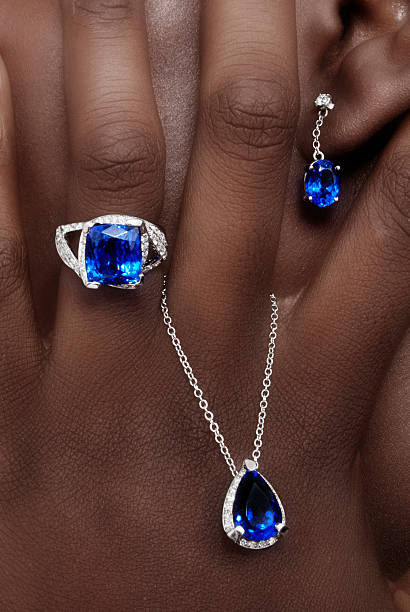
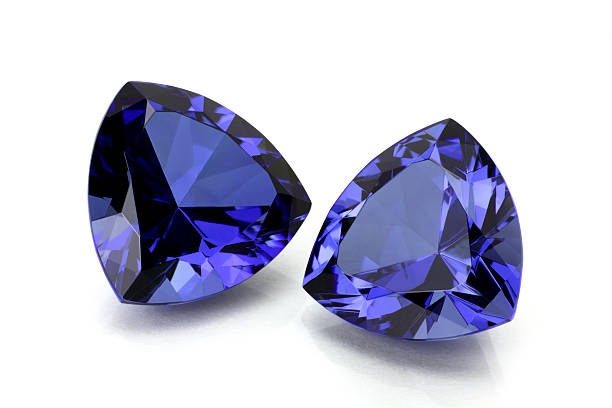
Tanzania is globally renowned for its unique and exquisite gemstones, most notably the mesmerizing blue of Tanzanite. For many visitors, purchasing a piece of this vibrant country’s natural beauty is a significant part of their travel experience. However, navigating the gemstone market, especially for the first time, can feel daunting. This guide is crafted to help you buy Tanzanite, Ruby, Sapphire, and local minerals safely, ensuring you return home with genuine treasures and positive memories, whether you are planning your trip for 2026, 2027, or beyond.
Understanding Tanzania’s Gemstone Riches: Beyond Just Tanzanite
While Tanzanite is the star attraction, Tanzania’s geological diversity yields a spectrum of other precious and semi-precious stones. Knowing what to look for, where to find it, and how to verify its authenticity is crucial for a secure purchase.
Tanzanite: The Star of the Show
Discovered in the Merelani Hills near Mount Kilimanjaro, Tanzanite is a trichroic gemstone, meaning it displays different colors (typically blue, violet, and burgundy) when viewed from different angles. Its rarity and unique coloration have made it highly sought after. When you buy Tanzanite, remember that its value is determined by the ‘4 Cs’: Color (the most important factor, with deep blues and violets being most prized), Clarity (inclusions can affect value), Cut (affects brilliance), and Carat weight. Most Tanzanite is heat-treated to enhance its blue-violet hue, a standard and accepted practice.
Rubies: The ‘King of Gems’
Tanzania is also a significant source of high-quality rubies, often found in the Winza mine region. These rubies are known for their vivid red color, sometimes referred to as ‘pigeon blood’ red, and excellent clarity. When considering a purchase, look for well-cut stones with intense color saturation. Natural, untreated rubies are rare and command higher prices. Understanding the difference between treated and untreated stones is key to making an informed decision when you buy Rubies in Tanzania.
Sapphires: A Spectrum of Brilliance
Beyond the classic blue, Tanzanian sapphires come in a range of colors, including pink, yellow, green, and even colorless. The blue sapphires from Tanzania are often compared to those from other famous origins for their depth and brilliance. Like rubies, sapphires are valued by color, clarity, cut, and carat weight. Whether you’re looking for a traditional blue sapphire or a fancy colored variety, Tanzania offers beautiful options. Your assurance when you buy Sapphires lies in knowing where and from whom you are purchasing.
Other Local Minerals and Crafts
Tanzania’s earth offers more than just these three precious stones. You’ll find beautiful garnets, amethysts, tourmalines, and various other semi-precious stones. Additionally, the country is rich in artisanal crafts, including wood carvings, beaded jewelry, and textiles, often incorporating smaller gemstones. These items make wonderful souvenirs and gifts. When you buy local minerals and crafts, you support local artisans and take home unique pieces of Tanzanian culture.
Where to Safely Purchase Gemstones and Minerals in Tanzania
The key to a safe purchase is choosing reputable sources. Avoid street vendors or unsolicited sellers who offer deals that seem too good to be true. For the best and most secure experience, consider these options:
Reputable Gemstone Dealers and Jewellers
Arusha and Moshi, the gateway cities to the northern safari circuit and Kilimanjaro, have a concentration of established gem dealers and jewelers. These businesses often have their own mining connections or work directly with miners, offering a higher degree of traceability and authenticity. Look for shops that have been in business for a significant period, have professional displays, and are transparent about their sourcing and pricing. Many of these dealers cater specifically to tourists and understand the need for trust and certification.
Government-Approved Buying Offices
The Tanzanian government has established official gemstone buying offices, particularly for Tanzanite. These offices aim to ensure fair prices for miners and buyers, and offer a level of security and verification. While prices might be slightly higher than what you might find from less formal sources, the guarantee of authenticity and fair dealing is often worth the premium. These are excellent places to buy Tanzanite safely.
Craft Markets and Artisan Cooperatives
For local minerals, carvings, and other crafts, well-organized craft markets and artisan cooperatives are your best bet. These venues often have regulated stalls where artists sell their work directly. This not only ensures you are buying authentic handmade items but also that your money directly supports the local community. Look for markets that are clean, well-managed, and have a positive atmosphere. You can find beautiful pieces incorporating local stones and materials here.
Tour Operator Recommendations
Your tour operator can be an invaluable resource. Reputable companies, like Top Best Tanzania Tour operator, often have trusted relationships with specific dealers or cooperatives known for their integrity and quality. We can guide you to places where you can buy Tanzanite, Ruby, Sapphire, and local minerals safely, often arranging visits as part of your itinerary. This provides an added layer of security and convenience, as we vet these sources beforehand.
Planning for 2026-2027: Early Research is Key
If you’re planning your Tanzanian adventure for 2026 or 2027, start your research on gemstone buying early. Understanding the market, typical price ranges, and reputable dealers before you arrive will empower you to make confident decisions. Don’t wait until the last day of your trip to make significant purchases; allow ample time for research and selection.
Ensuring Authenticity: What to Look For and How to Verify
The gemstone market can unfortunately attract counterfeiters and dishonest sellers. Here’s how to protect yourself and ensure you are buying genuine stones.
Tanzanite: The Blue Gemstone
- Color: Look for stones with a rich, deep blue or violet-blue hue. The most valuable Tanzanite exhibits strong color pleochroism (different colors from different angles).
- Clarity: Tanzanite is often found with inclusions. Eye-clean stones are more valuable, but minor inclusions are common and acceptable.
- Cut: A good cut maximizes brilliance and color. Avoid stones that appear dull or poorly proportioned.
- Certification: Reputable dealers should provide a certificate of authenticity, often from gemological laboratories, especially for larger stones. This is your primary tool when you buy Tanzanite.
- Treated vs. Untreated: Most Tanzanite is heat-treated. Be aware that untreated stones are exceptionally rare and significantly more expensive. A reputable seller will disclose if a stone has been treated.
Rubies and Sapphires: The Corundum Family
- Color: For rubies, seek a vibrant red. For sapphires, the classic cornflower blue is highly prized, but fancy colors are also beautiful. Color saturation is key.
- Clarity: Like Tanzanite, inclusions are common in natural rubies and sapphires. However, they should not significantly detract from the stone’s beauty or durability.
- Cut: A well-executed cut will enhance the stone’s natural color and brilliance.
- Identification: While difficult for a layperson, trained gemologists can identify natural stones. If a deal seems too good to be true for a large, flawless ruby or sapphire, it likely is.
- Certification: For significant purchases, always ask for a gemological report from a recognized lab (e.g., GIA, Gubelin, SSEF). This is essential when you buy Rubies or Sapphires of value.
Identifying Imitations and Synthetics
Be aware of common imitations like colored glass, cubic zirconia, or synthetic stones. Synthetics are chemically and physically identical to natural stones but are lab-created. While valuable, they are not as rare or valuable as natural stones. A knowledgeable dealer will be upfront about whether a stone is natural or synthetic.
Your Pre-Purchase Checklist
- Research: Understand the gemstones you are interested in.
- Reputation: Choose established dealers or government-approved sources.
- Ask Questions: Inquire about origin, treatments, and certification.
- Examine: Look closely at the stone’s color, clarity, and cut.
- Certification: Insist on a certificate, especially for valuable stones.
- Price Comparison: Get a sense of market prices (though exact comparisons can be tricky).
- Trust Your Gut: If something feels off, walk away.
Navigating Prices and Fair Value
Determining a fair price for gemstones can be complex. Prices are influenced by quality, rarity, market demand, and the seller’s overhead. When you buy Tanzanite, Ruby, Sapphire, and local minerals, understanding pricing factors will help you negotiate and feel confident.
Factors Influencing Gemstone Prices
- Quality: Higher quality stones (better color, clarity, cut) command higher prices.
- Size (Carat Weight): Larger stones are rarer and thus more expensive per carat.
- Origin: While Tanzanite is exclusively from Tanzania, the provenance of rubies and sapphires can sometimes influence price, though quality is paramount.
- Treatments: Heated stones are generally less expensive than unheated, natural stones.
- Certification: Certified stones, especially those with reports from major gemological labs, will have a higher price due to the assurance they provide.
Price Ranges for 2026-2027 Planning
It’s impossible to give exact prices as they fluctuate and depend heavily on quality. However, for planning purposes for your 2026 or 2027 trip:
- Tanzanite: Prices can range from $50 per carat for lower quality stones to $1,000+ per carat for exceptional, large, deep blue-violet stones. Small, good-quality stones might be in the $100-$300 per carat range.
- Rubies: Fine, natural Burmese or Padparadscha sapphires can fetch thousands per carat. Tanzanian rubies, depending on color and quality, might range from $50 per carat for commercial quality to $500-$1,500+ per carat for excellent, vivid red stones.
- Sapphires: Blue sapphires can range from $50 per carat for commercial grades to $500-$1,000+ per carat for fine, vibrant stones. Fancy colored sapphires have their own market dynamics.
- Local Minerals & Crafts: Prices vary widely, from a few dollars for small polished stones or simple carvings to hundreds of dollars for intricate artwork or larger mineral specimens.
Always remember these are indicative ranges for planning your 2026-2027 travel budget. The actual price will depend on the specific stone and the seller.
Negotiation Etiquette
In many settings, especially in markets or with independent dealers, negotiation is expected. Approach it respectfully and politely. Know the approximate value of what you’re looking at and be prepared to walk away if the price is unreasonable. However, in established, professional jewelers or government offices, prices may be fixed.
Budgeting for Your Gemstone Purchases (2026-2027 Estimates)
Consider these budget levels for your gemstone shopping plans:
- Budget Traveler ($100 – $500): Focus on smaller stones, lower-carat weights, or beautiful semi-precious stones and unique crafts.
- Mid-Range Traveler ($500 – $2,500): You can afford good-quality Tanzanite, smaller fine rubies or sapphires, or larger, well-cut semi-precious stones.
- Luxury Traveler ($2,500+): This budget allows for significant purchases of high-quality Tanzanite, fine rubies and sapphires, or important collector’s mineral specimens.
Always factor in certification costs if you are seeking independent verification for significant purchases.
Tips for a Safe and Enjoyable Shopping Experience
Beyond authenticity and price, a positive shopping experience is about feeling secure and satisfied with your purchase.
Timing Your Purchases
Don’t rush your gemstone shopping. Ideally, make your significant purchases towards the end of your trip, after you’ve had time to research and visit multiple sources. This also avoids carrying valuable items around for extended periods. If you are planning a safari and then Zanzibar, perhaps consider shopping in Arusha or Moshi before heading to the coast.
Documentation is Key
Always obtain a detailed receipt that includes the seller’s name, address, the gemstone’s description (type, carat weight, dimensions, color, any treatments), and the price paid. For valuable stones, ensure you receive any accompanying certificates. This documentation is crucial for insurance purposes and if you ever need to verify your purchase later.
Travel Insurance Considerations
Check your travel insurance policy regarding coverage for valuable items like gemstones. You may need to declare significant purchases and potentially obtain separate insurance or a rider for them. This is an important consideration for your 2026-2027 travel plans.
Shipping and Customs
If you are buying items that need to be shipped, ensure the seller has a reliable shipping process and provides tracking. Be aware of customs regulations in your home country regarding imported gemstones and minerals. Some countries may have duties or require specific declarations.
Leverage Your Tour Operator
As mentioned, your tour operator can be your best ally. We at Top Best Tanzania Tour operator are committed to ensuring our clients have safe and rewarding experiences. We can recommend vetted dealers and even accompany you to ensure you buy Tanzanite, Ruby, Sapphire, and local minerals safely. Our knowledge of the local market and trusted contacts can save you time, money, and potential headaches.
Responsible Gemstone and Mineral Sourcing
Choosing to buy local minerals and gemstones responsibly means supporting ethical practices and contributing positively to the communities where these treasures originate. Look for dealers who can demonstrate fair labor practices and environmental stewardship. By making informed choices, your purchase becomes a symbol of appreciation for Tanzania’s natural wealth and its people.
Supporting Local Artisans and Miners
When you buy directly from artisans or through cooperatives, you ensure that a larger portion of the price goes to the creators. For gemstones, purchasing from reputable dealers who work closely with mining communities helps to promote fair wages and safe working conditions. This ethical approach is increasingly important for travelers planning for 2026 and 2027, who are often seeking more sustainable and responsible travel options.
Final Thoughts on Your Tanzanian Gemstone Journey
Tanzania offers an unparalleled opportunity to acquire some of the world’s most beautiful gemstones and unique local crafts. By approaching your purchases with knowledge, caution, and a focus on reputable sources, you can confidently buy Tanzanite, Ruby, Sapphire, and local minerals safely. Whether you are selecting a dazzling Tanzanite pendant, a deep red ruby, a brilliant sapphire, or a handcrafted souvenir, your purchase will be a lasting reminder of your incredible journey through Tanzania.
For personalized assistance and recommendations on where to find genuine gemstones and crafts during your safari, Kilimanjaro trek, or Zanzibar holiday, please do not hesitate to contact us. We are dedicated to making your Tanzanian adventure unforgettable and secure in every aspect, from planning your 2026-2027 trip to advising on your most treasured souvenir. Reach out to us via WhatsApp at +255616946642, email us at topguideadventures@gmail.com, or our backup email info@topguideadventures.com.



