
Tanzania, a land renowned for its iconic wildlife and dramatic landscapes, offers experiences that go far beyond the typical safari. For the adventurous traveler seeking something truly exceptional, the combination of Lake Natron and a Kilimanjaro horse safari presents a unique opportunity to witness diverse natural wonders and engage in thrilling activities. This immersive journey blends the stark, almost alien beauty of the soda lake with the exhilaration of exploring the foothills of Africa’s highest peak on horseback. Planning such a distinctive trip for 2026 or 2027 requires careful consideration of logistics, timing, and the specific experiences that make this pairing so special. This guide aims to provide a comprehensive overview for those looking to craft an unforgettable Tanzanian adventure.
The allure of Lake Natron lies in its surreal, often stark beauty. This shallow alkaline lake, situated in the Great Rift Valley, is famous for its vibrant red and orange hues, a result of salt-loving microorganisms. For much of the year, the lake’s high soda content creates a caustic environment, leading to the preservation of animal carcasses that become calcified, giving the impression of stone statues. It is also a critical breeding ground for the Lesser Flamingo, flocking here in their millions during the wet season. Adjacent to this geological marvel, the shadow of Mount Kilimanjaro looms, offering a different kind of majesty. A horse safari here isn’t about tracking big game in the traditional sense; rather, it’s about experiencing the vast plains and the mountain’s lower slopes from a unique vantage point, offering a sense of freedom and connection with the environment.
Understanding the Dual Appeal: Lake Natron’s Otherworldly Charm and Kilimanjaro’s Majestic Presence
To truly appreciate the Lake Natron and Kilimanjaro horse safari experience, it’s vital to understand what draws travelers to each destination individually, and how they complement each other. Lake Natron is a photographer’s dream and a naturalist’s wonder. Its unique ecosystem supports life adapted to extreme conditions. The surrounding arid landscapes, dotted with acacia trees and dramatic escarpments, provide a stark contrast to the lush rainforests found on Kilimanjaro’s slopes. The local Maasai people, who have traditionally inhabited this region, offer a glimpse into a rich cultural heritage, often interacting with visitors and sharing their way of life.
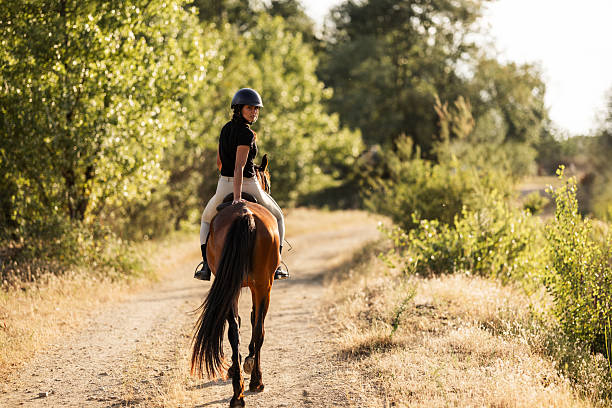
Mount Kilimanjaro, on the other hand, is a symbol of achievement and natural grandeur. While many travelers focus on trekking to its summit, the areas surrounding the mountain offer incredible opportunities for exploration. A horse safari allows you to cover more ground than walking, yet remain close to the earth, experiencing the sights, sounds, and smells of the African bush. Imagine cantering across open plains with Kilimanjaro as your backdrop, the wind in your hair, and the feeling of pure adventure. This is a more intimate way to connect with the landscape than a vehicle-based safari, offering a different perspective on the region’s natural beauty and wildlife, which often includes plains game like zebras, wildebeest, and various antelopes.
Lake Natron: A Natural Spectacle of Color and Life
Lake Natron’s visual impact is immediate and profound. The water’s coloration shifts depending on the season and water levels, ranging from pale pinks and oranges to deep reds. This phenomenon is caused by carotenoid pigments produced by cyanobacteria, which thrive in the lake’s highly alkaline and saline waters. The lake bed itself is often encrusted with salt, creating a stark, crusty surface that can appear otherworldly. During dry periods, the lake shrinks, exposing vast salt flats that shimmer under the African sun.
Beyond its visual appeal, Lake Natron is a vital ecosystem. It is the primary breeding site for the Lesser Flamingo in East Africa. During the breeding season, which typically occurs during the rains, the lake can host up to 2.5 million Lesser Flamingos. Witnessing these vibrant pink birds against the red backdrop of the lake is an unforgettable sight. The surrounding areas are also home to various bird species, reptiles, and mammals that have adapted to the harsh environment. The Ol Doinyo Lengai, the only active volcano in the Great Rift Valley, stands sentinel over the lake, adding to the dramatic topography.
Kilimanjaro Horse Safari: Galloping Through the Highlands
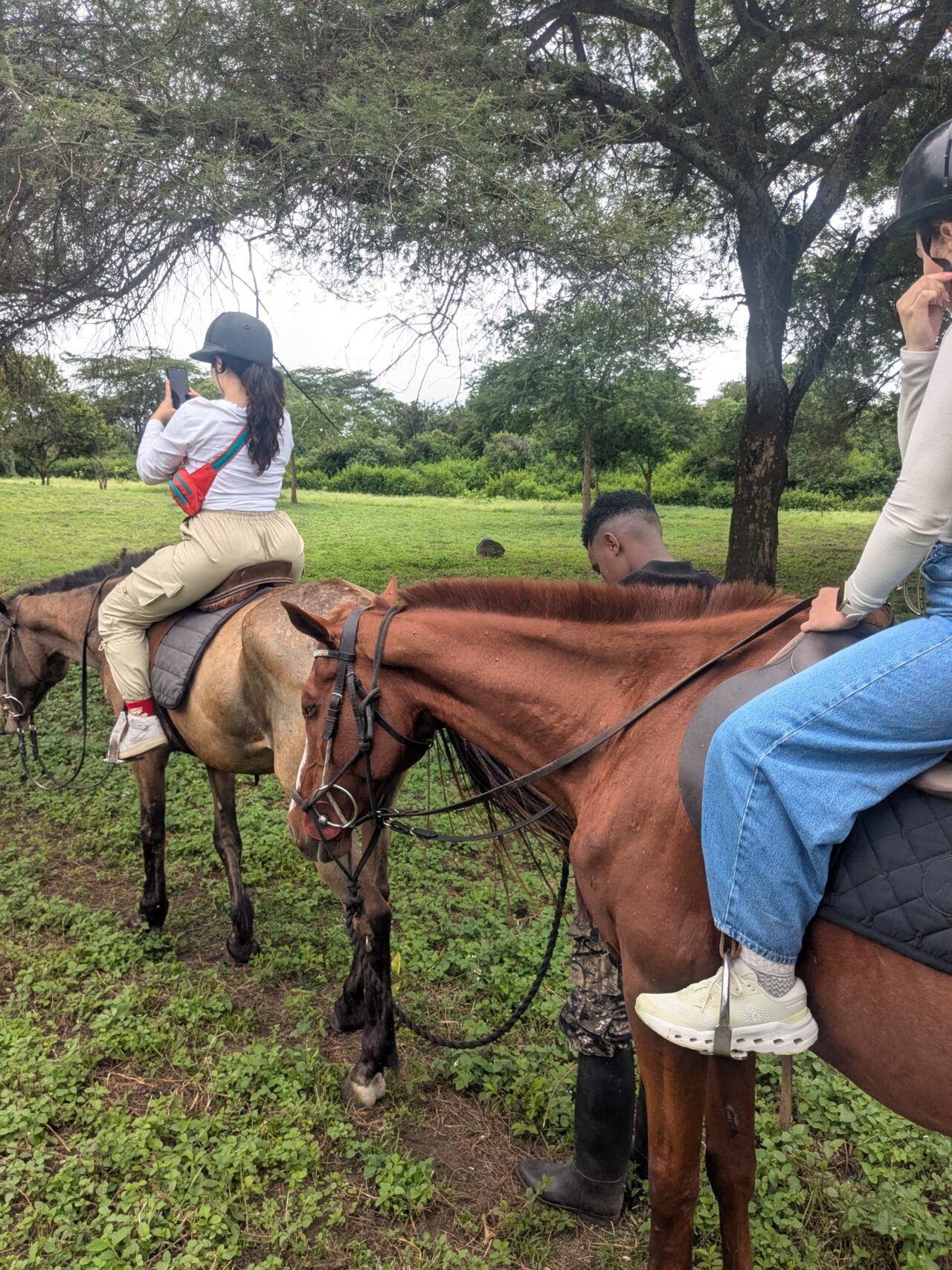
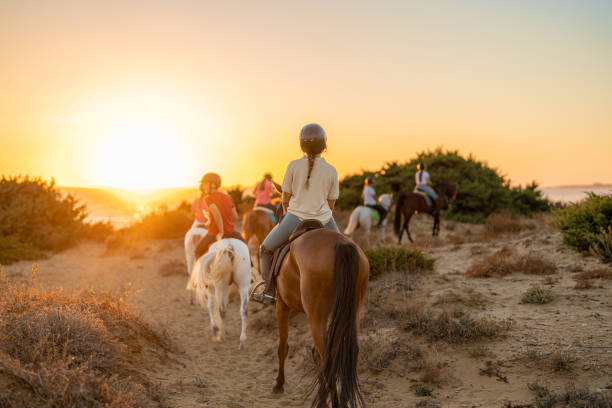
A horse safari near Kilimanjaro offers a distinct experience from traditional safaris. Instead of jeeps, you’ll be on horseback, guided by experienced riders through the lower slopes and surrounding plains. This allows for a more personal connection with the environment. You can approach wildlife more quietly than in a vehicle, and the elevated position on a horse provides excellent vantage points for observing both flora and fauna. The routes are carefully chosen to ensure safety and to showcase the most scenic parts of the Kilimanjaro region, often passing through Maasai villages, agricultural lands, and open grasslands.
The horses used for these safaris are typically well-trained and accustomed to the terrain and wildlife. Whether you are an experienced rider or a novice, guides will match you with a suitable horse. The focus is on enjoying the landscape, breathing in the fresh mountain air, and soaking in the panoramic views of Kilimanjaro. While large predators are not typically encountered on these specific safari routes, you can expect to see herds of plains game, various birdlife, and perhaps even giraffes or zebras at a respectful distance. The pace can vary from a gentle walk to a canter, depending on the terrain and the group’s comfort level.
Crafting Your 2026-2027 Itinerary: Integrating Lake Natron and Kilimanjaro Horse Safari
Combining these two distinct experiences into a single trip for 2026 or 2027 requires thoughtful planning. The geographical proximity between Lake Natron and the Kilimanjaro region makes them logistically feasible to link, but travel times and the best sequencing of activities are key considerations. Typically, a trip would involve flying into Kilimanjaro International Airport (JRO) near Arusha, the main hub for northern Tanzania tourism.
A common approach is to begin with the Lake Natron experience, often involving a scenic drive from Arusha. This journey itself can be an adventure, traversing dusty tracks and offering glimpses of rural Tanzanian life. Once at Lake Natron, activities might include guided walks to observe flamingos (during the right season), exploring the lake shores, visiting waterfalls, and learning about the local Maasai culture. Depending on the season, you might witness the dramatic salt crusts or the vibrant birdlife.
Following the stark beauty of Lake Natron, the journey would then move towards the Kilimanjaro region for the horse safari. This transition allows for a change of scenery and a shift in activity. The horse safari can be a multi-day affair, allowing for deeper immersion into the Kilimanjaro foothills, or a more concentrated experience over a day or two. The exact duration and itinerary can be customized to your preferences.
Sample Itinerary Flow for a 10-Day Adventure (Customizable for 2026-2027)
While exact itineraries are tailored to individual needs, here’s a conceptual flow that highlights how these two experiences can be integrated:
Days 1-3: Arrival and Lake Natron Immersion
- Day 1: Arrive at Kilimanjaro International Airport (JRO), transfer to Arusha for an overnight stay. Briefing for the upcoming adventure.
- Day 2: Drive to Lake Natron. Settle into your accommodation. Afternoon visit to the lake shores, observing the unique environment and potential flamingo sightings.
- Day 3: Explore the Lake Natron area. Options include visiting the Engare Sero waterfalls, hiking to viewpoints overlooking the lake, and engaging with the local Maasai community. If during the breeding season, dedicate time to flamingo viewing.
Days 4-7: The Kilimanjaro Horse Safari Experience
- Day 4: Travel from Lake Natron towards the Kilimanjaro region. This might involve a scenic drive back towards Arusha and then heading towards the mountain’s foothills. Check into your lodge or camp.
- Day 5: Begin your horse safari. Enjoy a full day of riding through the plains and lower slopes, with picnic lunch and opportunities for wildlife spotting.
- Day 6: Continue the horse safari. Explore different trails, perhaps visiting local villages or enjoying breathtaking views of Kilimanjaro.
- Day 7: Final morning of horse riding. In the afternoon, you could opt for a cultural visit, relax at your lodge, or explore nearby attractions like Marangu waterfalls.
Days 8-10: Relaxation, Exploration, and Departure
- Day 8: Depending on your interests, you could visit a local coffee plantation, explore Arusha town, or simply relax and reflect on your journey.
- Day 9: Buffer day or optional activity. Perhaps a day trip to a nearby national park like Arusha National Park for a different safari experience.
- Day 10: Transfer to Kilimanjaro International Airport (JRO) for your departure.
This is just a framework, and the beauty of a custom trip for 2026 or 2027 is its adaptability. You might extend your stay at Lake Natron if birdwatching is a passion, or opt for a longer, more challenging horse safari experience near Kilimanjaro.
Practicalities and Planning for Your 2026-2027 Adventure
When planning a trip that combines Lake Natron and a Kilimanjaro horse safari, several practical aspects need attention. The best time to travel, accommodation options, transportation, and the specific activities available all play a role in the overall experience.
Best Time to Visit: Balancing Seasons
The ideal timing for this combined trip depends on what you prioritize. For Lake Natron:
- Flamingo Season: The Lesser Flamingos typically breed at Lake Natron during the long rains (roughly March to May) and sometimes into the short rains (November to December). This is the prime time for birdwatchers.
- Dry Season (June to October): The lake’s colors can be more intense, and the salt crusts are more prominent. Wildlife viewing around the lake’s edges might be easier. Travel is generally more comfortable with less rain.
For the Kilimanjaro Horse Safari:
- The Kilimanjaro region enjoys good weather for horse riding year-round, though the dry seasons (January-March and June-October) are generally preferred for clearer skies and pleasant temperatures.
Recommendation for 2026-2027: Aiming for the shoulder seasons, such as late October to early December or late February to March, can offer a good balance. You might catch some flamingo activity and enjoy favorable weather for riding, while avoiding the peak tourist crowds.
Accommodation Styles
Your accommodation choices will significantly influence the feel of your trip:
- Lake Natron: Options range from basic tented camps offering an immersive experience to more established lodges that provide comfort amidst the wilderness. Expect rustic charm and incredible stargazing opportunities.
- Kilimanjaro Region: You’ll find a wider range of options, from comfortable lodges and guesthouses in towns like Moshi to more secluded lodges on the mountain’s slopes, often with stunning views and amenities like swimming pools and restaurants. Some horse safari operators may offer overnight stays in mobile camps closer to the riding areas.
Transportation
Travel between Arusha, Lake Natron, and the Kilimanjaro region is typically done via 4×4 safari vehicles. The roads to Lake Natron can be rough and dusty, especially during the dry season, making a sturdy vehicle essential. Your tour operator will arrange all necessary transfers and transportation.
What to Pack
Packing for this diverse adventure requires versatility:
- Lightweight, breathable clothing: Layers are key. Include long-sleeved shirts and trousers for sun and insect protection.
- Warm layers: Evenings can be cool, especially at higher altitudes near Kilimanjaro. A fleece or light jacket is recommended.
- Sun protection: Wide-brimmed hat, sunglasses, and high SPF sunscreen are essential.
- Comfortable riding gear: Long trousers (jeans or riding breeches) and sturdy, closed-toe shoes or boots are necessary for the horse safari. Some operators may provide helmets.
- Camera and binoculars: For capturing the stunning landscapes and wildlife.
- Insect repellent: Especially for evenings.
- Personal toiletries and any personal medications.
- A reusable water bottle.
The Unique Experience: Why Choose This Combination?
The combination of Lake Natron and a Kilimanjaro horse safari appeals to a specific type of traveler – one who seeks not just to see Tanzania, but to experience its raw beauty and diverse landscapes in an active and engaging way. It’s for those who appreciate the stark, dramatic beauty of geological wonders as much as the thrill of exploring the African plains on horseback.
Beyond the Expected
While many visitors focus solely on Kilimanjaro treks or classic wildlife safaris, this itinerary offers a refreshing alternative. It provides a deeper connection with the environment. Riding a horse allows you to feel the rhythm of the land, hear the subtle sounds of nature, and observe wildlife from a more intimate perspective. Lake Natron, with its unique chemistry and dramatic visual impact, offers a stark contrast that broadens your understanding of Tanzania’s natural diversity.
Cultural Encounters
Both regions are home to the Maasai people. Your trip can include opportunities to visit Maasai villages, learn about their traditions, witness their dances, and understand their harmonious relationship with the land. These cultural interactions are often highlights of a Tanzanian journey, adding a rich human dimension to the natural wonders you explore.
Photography Opportunities
From the vibrant, almost surreal colors of Lake Natron to the majestic silhouette of Mount Kilimanjaro against the African sky, this trip is a photographer’s paradise. The unique landscapes, abundant birdlife (especially flamingos if timed correctly), and the dynamic experience of a horse safari provide endless opportunities for stunning shots.
Cost Considerations for Your 2026-2027 Trip
The cost of a Lake Natron and Kilimanjaro horse safari for 2026 or 2027 will vary based on several factors, including the duration of your trip, the level of accommodation chosen, the extent of the horse safari (number of days), and whether you opt for a private or group tour. As a general guideline, this type of specialized, multi-faceted trip will be priced at a mid-range to luxury level due to the unique activities and logistical requirements.
Ballpark Cost Estimates (Per Person):
- Mid-Range: Expect prices to start from approximately $3,000 – $5,000 USD per person for a 7-10 day trip. This would typically include comfortable lodge accommodation, private 4×4 transport, guided activities at Lake Natron, and a 2-3 day horse safari.
- Luxury: For a more premium experience with higher-end lodges, potentially more exclusive horse safari arrangements, and added inclusions, costs could range from $5,000 – $8,000+ USD per person.
Factors Influencing Price:
- Accommodation: Tented camps vs. luxury lodges.
- Horse Safari Duration: More riding days increase the cost.
- Vehicle Type: Private 4×4 vehicle vs. shared transport.
- Group Size: Private tours are generally more expensive per person than joining a small group.
- Inclusions: Park fees, meals, guiding services, activity fees, and internal transfers.
What is typically included:
- Airport transfers
- All ground transportation in a 4×4 vehicle
- Accommodation as per itinerary
- Meals (usually full board on safari days)
- Activities at Lake Natron (guided walks, cultural visits)
- Horse safari fees and guiding
- Park fees where applicable
- Emergency evacuation cover
What is typically NOT included:
- International flights
- Visa fees
- Travel insurance
- Tips for guides and staff
- Personal expenses (souvenirs, drinks, etc.)
- Optional activities not listed in the itinerary
For accurate pricing tailored to your 2026 or 2027 travel dates and preferences, it is best to contact a reputable tour operator directly. They can provide a detailed quote based on your specific requirements.
Booking Your 2026-2027 Tanzania Adventure
Planning a trip like the Lake Natron and Kilimanjaro horse safari is best done with the expertise of a local tour operator who understands the nuances of Tanzanian travel. At Top Best Tanzania Tour Operator, we specialize in crafting unique and memorable journeys that go beyond the ordinary. We can help you design a personalized itinerary for 2026 or 2027 that perfectly balances the adventure of Lake Natron with the thrill of a Kilimanjaro horse safari, ensuring all logistical details are handled.
Our team has extensive experience in organizing safaris, trekking expeditions, and cultural tours across Tanzania. We work with trusted local partners to provide high-quality accommodation, reliable transportation, and experienced guides who can offer deep insights into the natural and cultural heritage of the regions you visit. Whether you are looking for a private, tailor-made experience or prefer to join a small group departure, we can accommodate your needs.
To start planning your extraordinary Tanzanian adventure, or if you have any questions about combining Lake Natron with a Kilimanjaro horse safari, please do not hesitate to reach out. We are here to help you create an unforgettable experience. You can contact us via WhatsApp at +255616946642, or email us at topguideadventures@gmail.com. For alternative inquiries, our backup email is info@topguideadventures.com. Let us help you make your 2026-2027 travel dreams a reality.



