
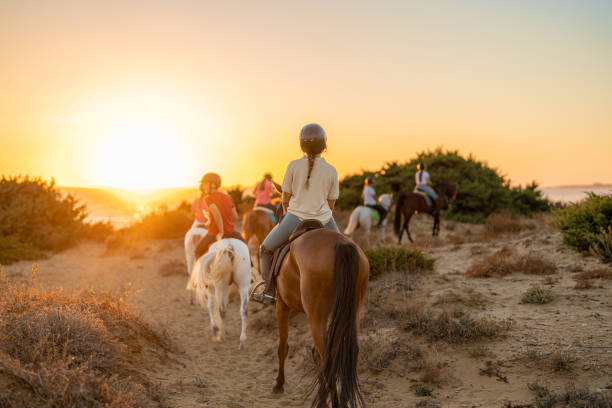
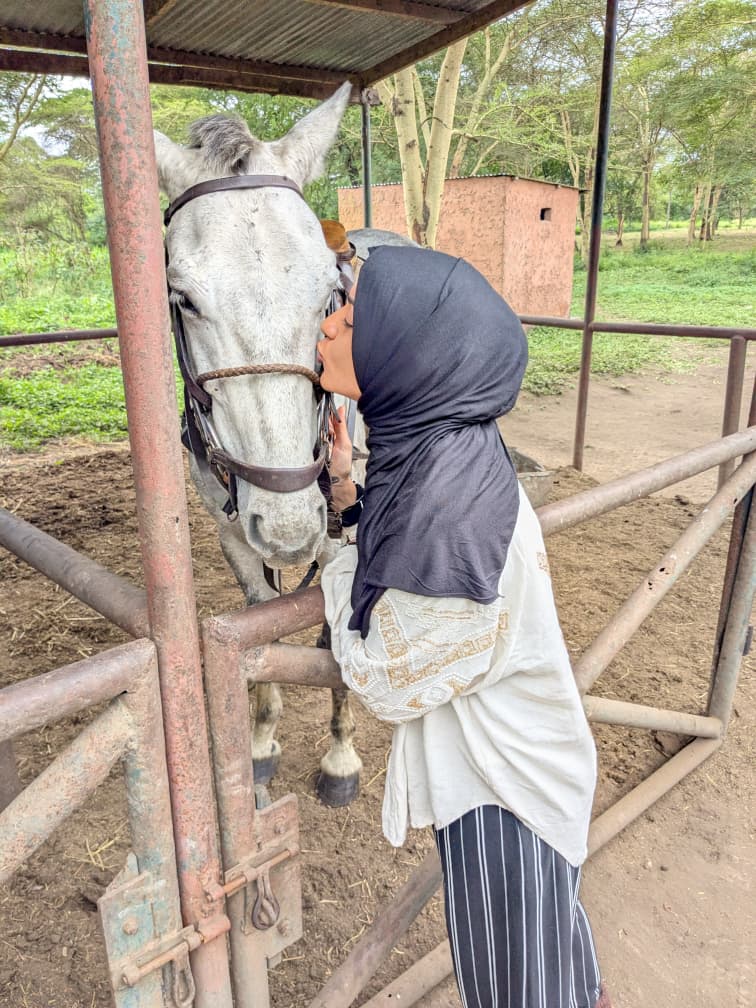
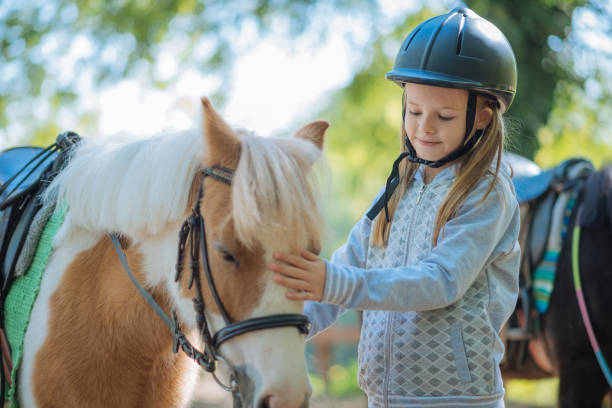
Imagine the thrill: the rhythmic beat of hooves on African soil, the vast savanna stretching before you, and the majestic presence of wildlife all around. A horse riding safari in Tanzania offers an unparalleled way to experience the wild, providing a unique perspective and an intimate connection with the landscape and its inhabitants. If you’re dreaming of this extraordinary adventure and wondering how to book a horse riding safari in Tanzania, especially for travel in 2026 or 2027, you’ve come to the right place. This guide will walk you through every essential step, from choosing the right operator to understanding costs and what to expect on the trail.
Why Choose a Horse Riding Safari in Tanzania?
While traditional game drives offer incredible wildlife viewing, a horse riding safari elevates the experience. Horses allow you to move quietly and unobtrusively through the wilderness, getting closer to certain animals without startling them. You can cover more ground than on foot, experiencing the sheer scale of Tanzania’s iconic landscapes in a way that feels both adventurous and deeply personal. It’s an activity that appeals to both seasoned equestrians and those new to riding, offering different levels of intensity and immersion.
For those planning ahead for 2026 and 2027, booking a horse riding safari means securing a truly unique spot on the continent’s most celebrated plains. It’s a chance to witness the Great Migration from a different angle, explore remote areas often missed by vehicles, and enjoy the freedom of open spaces. The intimate nature of riding allows for profound moments – observing a herd of zebras grazing peacefully, spotting giraffes silhouetted against the sunset, or even encountering elephants at a respectful distance, all from the unique vantage point of your mount.
Understanding the Horse Riding Safari Experience in Tanzania
Tanzania’s horse riding safaris are not one-size-fits-all. They range from short, guided rides near lodges to multi-day expeditions covering vast distances. The type of experience you choose will depend on your riding ability, desired level of adventure, and the specific wildlife areas you wish to explore.
Types of Horse Riding Safaris Available
- Day Rides: Ideal for those staying at lodges with stables, these rides typically last a few hours and explore the immediate surroundings. They are perfect for beginners or those wanting a taste of equestrian exploration.
- Overnight Rides: These involve longer days in the saddle, often with a mobile camp set up for a night under the stars. This offers a more immersive experience, allowing you to cover more territory and enjoy sundowners in remote locations.
- Multi-Day Expeditions: For the dedicated adventurer, these can last from 3 to 7 days or even longer. They are designed for experienced riders and often traverse remote wilderness areas, sometimes following migration routes or exploring specific ecosystems. These expeditions require careful planning and are best suited for those who are comfortable with long hours in the saddle and basic bush camping.
- Family Safaris: Many operators offer rides suitable for families, with options for younger riders or those with less experience. The focus here is on safe, enjoyable encounters with nature.
Riding Ability Levels
It’s crucial to be honest about your riding experience. Operators cater to various levels:
- Beginner: If you have little to no experience, you’ll be paired with a calm, steady horse and guided on gentle terrain. The focus will be on enjoying the scenery and wildlife at a walk.
- Intermediate: Comfortable with basic aids and can control a horse at walk, trot, and canter in open spaces. You’ll likely experience more varied terrain and potentially faster paces.
- Experienced: Confident in all gaits, experienced with different horse types, and comfortable riding for extended periods, sometimes over challenging terrain. You’ll be able to handle more spirited horses and cover significant distances.
Where to Book Your Horse Riding Safari in Tanzania
Tanzania boasts several prime locations for horse riding safaris, each offering unique landscapes and wildlife viewing opportunities. Selecting the right location is key to a successful trip.
Key Safari Destinations for Horse Riding
- The Serengeti Plains: While not as common as in other areas due to the sheer scale and density of vehicles during peak migration, some exclusive lodges and operators offer limited horse riding experiences in specific conservancies or private concessions bordering the Serengeti. These are often for experienced riders and focus on the plains’ vastness.
- The Maasai Mara Ecosystem (Kenyan side borders Tanzania): Though primarily in Kenya, the Mara ecosystem extends into Tanzania. Horse riding here offers incredible views of the Mara River, acacia woodlands, and the chance to see plains game and predators. Many operators based near the border or within conservancies offer excellent riding.
- Chyulu Hills (near Amboseli, Tanzania/Kenya border): These volcanic hills offer stunning scenery and a cooler climate. Horse riding here provides opportunities to see elephants, giraffes, and various plains game against a dramatic backdrop. It’s a less common but highly rewarding area.
- Kilimanjaro Foothills and Surrounding Areas: While Kilimanjaro itself is for trekking, the lower slopes and surrounding agricultural lands, often managed by local communities and ranches, offer fantastic horse riding opportunities. These rides can combine wildlife spotting with cultural insights, passing through villages and scenic farmlands with views of the mountain. Areas around Arusha and Moshi are popular starting points.
- Selous Game Reserve (Nyerere National Park): While historically known for walking safaris and boat trips, some operators are developing horse riding options in specific areas of this vast reserve. The Rufiji River basin offers unique landscapes and a chance to see a different array of wildlife, including hippos and crocodiles from a safe distance, and large herds of plains game.
When planning for 2026 or 2027, consider the timing of the Great Migration if you wish to incorporate horse riding into viewing it. However, remember that direct riding amongst large herds of wildebeest and zebras is often restricted for safety and conservation reasons. The focus is typically on observing wildlife from a distance or encountering smaller herds and solitary animals.
How to Book Your Horse Riding Safari: A Step-by-Step Process
Booking an adventure like this requires careful consideration. Here’s a practical guide to ensure you secure the best experience for your 2026-2027 travel plans.
Step 1: Research and Choose a Reputable Tour Operator
This is the most critical step. A good tour operator will have extensive knowledge of horse riding safaris, understand rider capabilities, and prioritize safety and responsible wildlife viewing. Look for operators with:
- Specialization: Companies that specifically focus on or have a strong reputation for equestrian safaris.
- Experience: Years of operation in Tanzania and a proven track record.
- Safety Protocols: Clear guidelines on rider safety, horse suitability, and emergency procedures.
- Quality Horses: Well-maintained, well-trained horses suitable for safari environments.
- Knowledgeable Guides: Experienced guides who are not only expert riders but also knowledgeable about wildlife, local culture, and conservation.
- Positive Reviews: Check independent review sites like TripAdvisor for feedback from previous clients.
For example, companies like Top Best Tanzania Tour operator are well-regarded for their comprehensive safari offerings, including specialized horseback riding experiences. They can tailor itineraries to your specific needs and experience level, ensuring a safe and memorable adventure for 2026 or 2027.
Step 2: Define Your Preferences and Requirements
Before contacting operators, clarify what you’re looking for:
- Duration: How many days do you want to spend riding?
- Intensity: Are you looking for a leisurely exploration or a challenging trek?
- Riding Ability: Be honest about your skills.
- Accommodation Style: Do you prefer luxury lodges, comfortable tented camps, or basic mobile camps?
- Wildlife Interests: Are you hoping to see specific animals? (Note: Direct encounters with dangerous game like lions are typically avoided on horseback for safety).
- Budget: Have a realistic idea of what you can spend.
- Travel Dates: Your preferred time of year for 2026-2027.
Step 3: Contact Potential Operators and Request Itineraries/Quotes
Reach out to a few shortlisted operators. Provide them with your defined preferences. They should be able to:
- Suggest suitable itineraries based on your requirements.
- Provide detailed day-by-day plans.
- Explain what is included and excluded in the price.
- Answer all your questions about the horses, guides, safety, and logistics.
- Offer a clear pricing structure.
When requesting information for 2026 or 2027, ask about booking windows and any early bird specials that might be available. For instance, you can contact Top Best Tanzania Tour operator via WhatsApp at +255616946642 or email them at topguideadventures@gmail.com or info@topguideadventures.com to discuss your dream safari.
Step 4: Review Itineraries and Inclusions/Exclusions Carefully
Compare the proposals you receive. Pay close attention to:
- What’s Included: Accommodation, meals, park fees, riding fees, horse and guide services, transfers, bottled water, etc.
- What’s Excluded: International flights, visas, travel insurance, tips, personal expenses, alcoholic beverages, and sometimes specific park fees.
- Horse Welfare: Inquire about the care and treatment of the horses.
- Guide Qualifications: Ensure guides are experienced and certified where applicable.
- Contingency Plans: What happens in case of bad weather or unforeseen circumstances?
Step 5: Confirm Booking and Payment
Once you’ve chosen an operator and itinerary:
- Booking Confirmation: You’ll likely need to sign a booking form or agreement.
- Deposit: A deposit (typically 20-50%) is usually required to secure your booking.
- Payment Schedule: The balance is generally due 60-90 days before departure.
- Payment Methods: Confirm acceptable payment methods (bank transfer, credit card – note potential fees).
Booking well in advance, especially for popular periods in 2026 and 2027, is highly recommended to ensure availability.
Step 6: Prepare for Your Safari
Once booked, focus on preparation:
- Visas and Passports: Ensure your passport is valid for at least six months beyond your stay and check visa requirements for Tanzania.
- Vaccinations and Health: Consult your doctor about recommended vaccinations and malaria precautions.
- Travel Insurance: Comprehensive travel insurance, including medical evacuation and cancellation cover, is essential.
- Packing List: Focus on lightweight, breathable clothing suitable for riding and varying weather. Include riding boots, helmets (though some operators provide them), sunscreen, insect repellent, a wide-brimmed hat, and binoculars.
- Fitness: Ensure you are reasonably fit for the demands of riding in a warm climate.
What to Expect on a Tanzanian Horse Riding Safari
The experience itself is often described as magical. Here’s what you can anticipate:
The Horses
Safari horses in Tanzania are typically sturdy breeds like Arabians, Basotho, or crosses, chosen for their stamina, temperament, and suitability for the terrain. They are well-trained for safari conditions, accustomed to wildlife, and ridden by experienced guides who understand their behavior. Operators prioritize the welfare of their horses, ensuring they are well-fed, cared for, and not overworked.
The Wildlife Encounters
While you might not get as close to predators as you would in a vehicle, horses offer unique viewing opportunities. You can often approach herds of plains game like zebras, wildebeest, gazelles, and giraffes at a slow pace without causing them to flee. Elephants and buffalo are typically observed from a safe distance, as they are more unpredictable. The guides are skilled at reading animal behavior and ensuring the safety of both riders and wildlife.
The Scenery
Tanzania’s landscapes are breathtaking. From the vast, open plains of the Serengeti and Maasai Mara ecosystems to the rolling hills and acacia woodlands, the scenery is ever-changing and spectacular. Horse riding allows you to fully immerse yourself in these environments, experiencing the sights, sounds, and smells of Africa in a way that vehicles cannot replicate.
Accommodation
Accommodation varies greatly depending on the safari type:
- Lodges: Many riding safaris begin or end at lodges with excellent equestrian facilities. These offer comfortable rooms, en-suite bathrooms, and often swimming pools and fine dining.
- Tented Camps: These offer a more rustic yet comfortable experience, with spacious tents, comfortable beds, and often en-suite facilities. They provide a closer connection to the bush.
- Mobile Camps: For multi-day expeditions, you might stay in basic but comfortable mobile camps, set up each day in remote locations. These offer a true wilderness experience, often with bucket showers and campfire dining.
Pricing and Budget Considerations for 2026-2027
The cost of a horse riding safari in Tanzania can vary significantly based on several factors. It’s essential to get a clear understanding of what influences the price when planning for 2026 or 2027.
Factors Affecting Cost
- Duration: Longer safaris naturally cost more.
- Accommodation Level: Luxury lodges are more expensive than basic tented camps.
- Exclusivity: Private rides and exclusive concessions typically command higher prices than group departures.
- Location: Some areas may have higher park fees or operational costs.
- Inclusions: Full board, drinks, park fees, and activities included in the package.
- Time of Year: High season (typically June-October and December-February) can be more expensive than the low season.
Typical Price Ranges (Estimates for 2026-2027)
It’s important to note that exact prices are best obtained through direct quotes from operators, as they fluctuate. However, here are general estimates:
- Day Rides: From $150 – $350 per person for a half-day or full-day ride, often including meals and park fees.
- Overnight Rides: Expect to pay from $400 – $800 per person per day, covering riding, accommodation, meals, and guides.
- Multi-Day Expeditions: These can range from $500 – $1,000+ per person per day, depending on the remoteness, level of luxury, and services provided.
For a comprehensive multi-day horse riding safari in a prime location for 2026 or 2027, a 5-day expedition could range from $2,500 to $5,000+ per person, excluding international flights and other personal expenses. Always ask for a detailed breakdown of costs when you receive a quote.
Booking Your 2026-2027 Safari: Key Considerations
Book Early: For popular travel years like 2026 and 2027, especially for unique experiences like horse riding safaris, booking 6-12 months in advance is strongly recommended to secure your preferred dates and operators. This is particularly true if you are planning around peak migration seasons or specific events.
Ask About Horse Suitability: Clearly communicate your riding experience and any physical limitations. A good operator will match you with the right horse.
Safety First: Ensure the operator has robust safety protocols and experienced guides. Your well-being is paramount.
Sustainability: Choose operators who demonstrate a commitment to responsible tourism, animal welfare, and supporting local communities.
Choosing the Right Operator: Your Trusted Partner
Selecting the right tour operator is paramount for a safe, enjoyable, and authentic horse riding safari experience. You need a partner who understands the nuances of equestrian travel in Tanzania, prioritizes animal welfare, and can tailor an adventure to your specific needs.
Top Best Tanzania Tour operator is a prime example of such a partner. With years of experience in crafting exceptional safari experiences across Tanzania, they offer specialized horse riding itineraries that cater to various skill levels. Their commitment to safety, personalized service, and deep knowledge of the Tanzanian wilderness makes them an excellent choice for planning your 2026 or 2027 adventure. Whether you’re dreaming of a serene ride through Kilimanjaro’s foothills or a more extensive expedition across the plains, they can help bring your vision to life.
When you connect with them, be prepared to discuss your riding background, desired level of challenge, accommodation preferences, and any specific wildlife you hope to see. Their team is dedicated to answering all your questions, providing transparent quotes, and designing an itinerary that perfectly balances adventure with comfort and safety.
For inquiries or to start planning your horse riding safari for 2026-2027, you can reach out via:
- WhatsApp: +255616946642
- Email: topguideadventures@gmail.com
- Backup Email: info@topguideadventures.com
By choosing a dedicated and experienced operator, you ensure that your horse riding safari in Tanzania will be an unforgettable journey, filled with incredible wildlife encounters, breathtaking landscapes, and the thrill of exploring Africa from the back of a horse.
Frequently Asked Questions About Horse Riding Safaris in Tanzania
Here are answers to some common questions travelers have when planning a horse riding safari:
What is the best time of year for a horse riding safari in Tanzania?
The dry season, from June to October, is generally considered the best time for horse riding safaris in Tanzania. The weather is pleasant, with cooler temperatures and less humidity, making riding more comfortable. Wildlife is often concentrated around water sources, increasing viewing opportunities. The shoulder months of May and November can also offer good experiences with fewer crowds.
Can beginners go on a horse riding safari?
Yes, absolutely! Many operators specialize in catering to beginners. You’ll be matched with a calm, well-trained horse and accompanied by an experienced guide who will ensure your safety and comfort. The pace will be slower, focusing on enjoying the scenery and wildlife from a safe distance.
What should I pack for a horse riding safari?
Essential items include comfortable riding trousers (jodhpurs or similar), sturdy boots with a heel, long-sleeved shirts for sun and insect protection, a wide-brimmed hat, sunscreen, insect repellent, a light waterproof jacket, and binoculars. Some operators provide helmets, but it’s advisable to check beforehand or bring your own if you prefer.
Are there safety risks involved with horse riding safaris?
Like any activity involving horses and wildlife, there are inherent risks. However, reputable operators mitigate these risks through careful horse selection, experienced guides, adherence to safety protocols, and avoiding direct encounters with dangerous animals. It’s crucial to listen to your guide’s instructions at all times.
Can I ride near dangerous animals like lions or elephants?
Direct riding in close proximity to dangerous game like lions, leopards, rhinos, buffalo, and elephants is generally avoided for safety reasons. Guides are trained to recognize when to keep a safe distance or retreat. The focus is on observing wildlife from a perspective where both rider and animal are comfortable and safe. You might see these animals from a distance, but not typically engage with them up close on horseback.
What is the typical cost of a horse riding safari?
Costs vary widely. Day rides might range from $150 to $350 per person. Multi-day expeditions can cost between $500 to $1,000+ per person per day, depending on the luxury level, duration, and inclusions. It’s best to get a detailed quote from your chosen operator for accurate pricing for your 2026-2027 trip.
How far in advance should I book for 2026 or 2027?
For unique experiences like horse riding safaris, especially for popular travel years like 2026 and 2027, it’s recommended to book at least 6 to 12 months in advance to ensure availability and secure your preferred dates and operators.
Conclusion: Your Unforgettable Tanzanian Horse Riding Adventure Awaits
Booking a horse riding safari in Tanzania is an investment in an experience that will stay with you forever. It combines the thrill of adventure, the beauty of African wildlife, and the unique connection forged with a magnificent animal. By following these steps, choosing a reputable operator like Top Best Tanzania Tour operator, and planning ahead for 2026 or 2027, you can ensure your safari is everything you dreamed of and more.
Don’t hesitate to reach out to the experts for personalized advice and to start crafting your tailor-made horse riding safari. The plains of Tanzania are calling, ready to be explored at a canter.



